Storia
Family roots in Salento
Feudi Salentini developed in Leporano, in the Salento area of Puglia, under the Varvaglione family. The family cultivated Puglia’s native varieties and built the range around their expression, with particular emphasis on Primitivo di Manduria. Cosimo Varvaglione leads the business as both owner and winemaker. Its declared approach combines family roots, local traditions and contemporary technology.
International activity and public events
In 2016, Feudi Salentini announced its participation in both ProWein in Düsseldorf, held on 13–15 March, and the 50th Vinitaly in Verona, held on 10–13 April. That year it also launched “12 Mesi per 12 Percorsi Enogastronomici,” a twelve-part programme presenting one wine-and-food pairing each month.
The winery returned to Vinitaly for the event’s 51st edition on 9–12 April 2017, presenting its wines in Hall 11, Island C3/C4. It subsequently prepared a renewed stand and new wine and digital presentations for the 54th edition, scheduled for 10–13 April.
Sustainability programme
In 2022, Feudi Salentini obtained Equalitas certification as a sustainable organization. The certification encompasses environmental, economic and social performance; its earlier declared scope covered product commercialization. The company paired certification with supplier assessment, internal audits, document and record management, periodic management-system reviews and full traceability from vineyard to bottle. All suppliers were reported as Equalitas-certified and sustainable.
During the 2024 reporting year, Feudi Salentini continued aligning its reporting processes with Global Reporting Initiative standards. It introduced the Piano Welfare 3 Cuori to help employees and their families with healthcare, food, fuel and other everyday expenses. It also provided financial support to WWF Taranto for environmental preservation and protection, alongside ongoing assistance for local nonprofit organizations, parishes and community events.
The same reporting period placed international business at 80% of sales and the Italian market at 20%, with exports reaching 15 countries. Feudi Salentini also identified responsible sourcing, future measurement of carbon and water footprints, and further support for environmental organizations as priorities.
2026
Feudi Salentini announced another appearance at ProWein 2026 in Düsseldorf, presenting the wines of Salento to an international trade audience.
Terroir
Feudi Salentini is based in Leporano, in the heart of Salento in Puglia. Leporano lies on a gentle plateau surrounded by broad, verdant plains beside the sea. The local landscape includes dry-stone walls, centuries-old olive trees, masserie, towers and castles, with the vineyards and olive groves set close to the turquoise coastline.
The area is closely associated with Primitivo di Manduria, which occupies a central place in the winery’s identity. Fruit is also sourced from the province of Taranto and, for Salice Salentino DOP, from the communes of Salice Salentino, Guagnano and Campi Salentina. Susumaniello is grown in the heart of Salento.
The range draws on native Puglian varieties including Primitivo, Negroamaro, Malvasia Nera, Malvasia Bianca and Verdeca, alongside Aglianico, Falanghina, Fiano, Sauvignon, Chardonnay and Susumaniello.
Vinificazione
Feudi Salentini’s sustainability system extends into its agricultural supply chain. Growers are expected to use practices intended to preserve soil fertility, limit chemical inputs and optimize natural resources such as water and energy. Supplier selection and evaluation include environmental and social sustainability criteria, and 100% of suppliers are described as Equalitas-certified and sustainable.
The company maintains traceability across every production stage, beginning in the vineyard and continuing through bottling. Internal audits, controlled documentation, formal records and periodic management reviews are used to verify compliance and identify improvements.
Feudi Salentini plans to calculate and monitor both carbon and water footprints, using the results to locate critical points in production, reduce emissions and improve environmental performance. Responsible sourcing exclusively from certified sustainable suppliers is also identified as a continuing objective.
Feudi Salentini works with partner wineries that follow defined processing protocols and analytical controls. The production system emphasizes quality assurance, sustainability and documented traceability: each stage from vineyard to bottle is recorded so that the origin and route of a bottle can be reconstructed.
Suppliers undergo a structured selection and evaluation process that includes sustainability criteria. Regular internal audits verify the application of the sustainability-management system; documents and records are maintained for operational transparency; and periodic reviews are used to identify discrepancies, respond to regulatory or environmental changes and activate continuous improvement.
The winery’s broader production philosophy combines established local wine culture with contemporary technology. Detailed cellar-wide specifications for reception, crushing, fermentation, maturation, stabilization, filtration and bottling are not generalized across the portfolio because technical regimes vary among individual wines.
Filosofia
Feudi Salentini presents wine as a cultural expression of its territory and a means of carrying part of Salento’s history into consumers’ homes. Its aim is to retain local identity and typicity while using innovation to meet the expectations of different generations and international markets.
The Varvaglione family’s roots, values and traditions form one side of this approach; technology, contemporary wine culture and structured production practices form the other. Native Puglian varieties are central, and the intended result is wine that expresses Puglia while respecting the environment and natural resources.
Sustainability is treated as environmental, social and economic rather than solely agricultural. The programme covers responsible sourcing, employee welfare, fair working conditions, local community support, transparent governance, quality assurance, traceability and continual improvement. The company’s ethical principles emphasize legality, transparent and truthful information, rejection of corruption and forced or child labour, workplace health and safety, respect for human and labour rights, objective management of conflicts of interest and confidential reporting of violations.
Vini
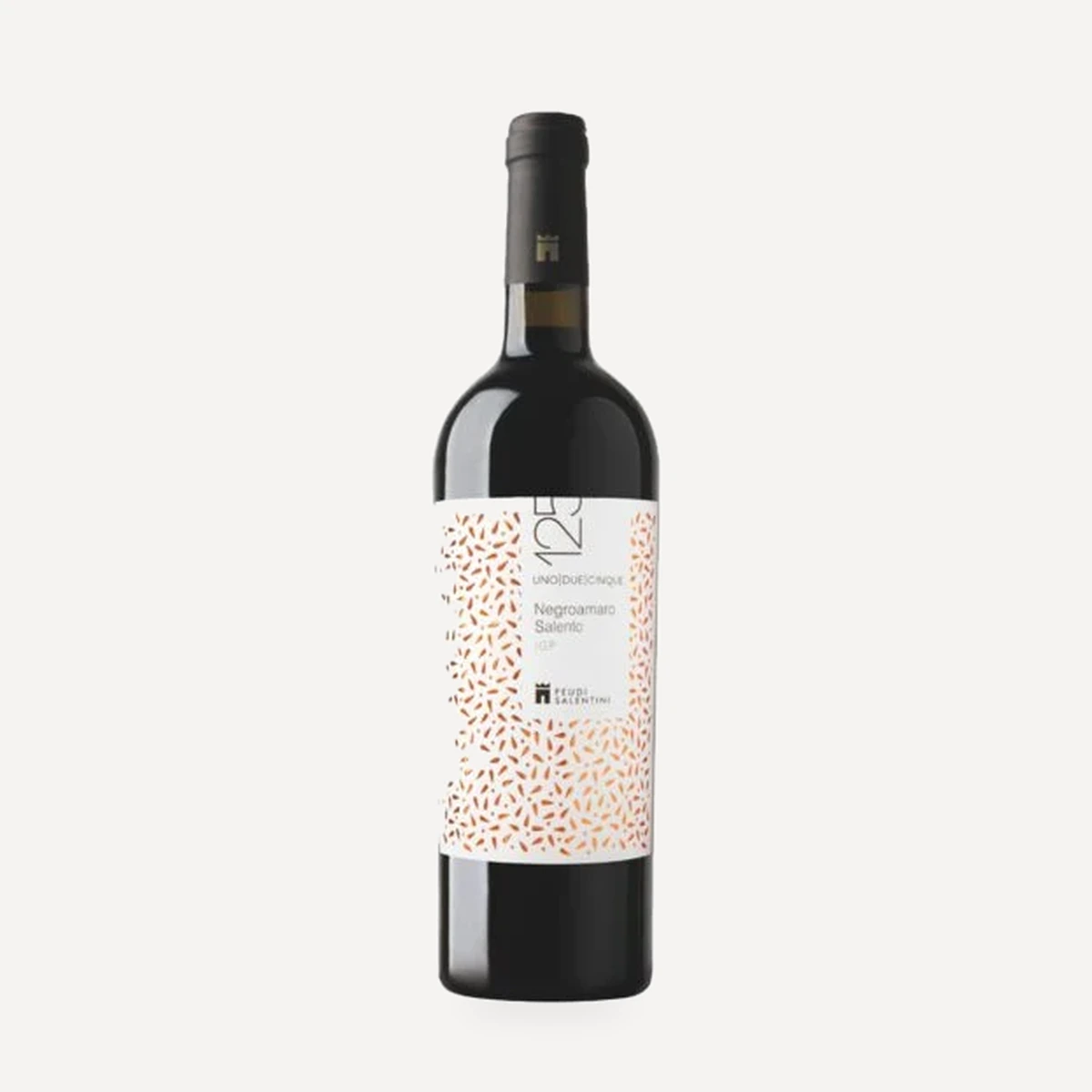
125 Uno | Due | Cinque Negroamaro Salento IGP
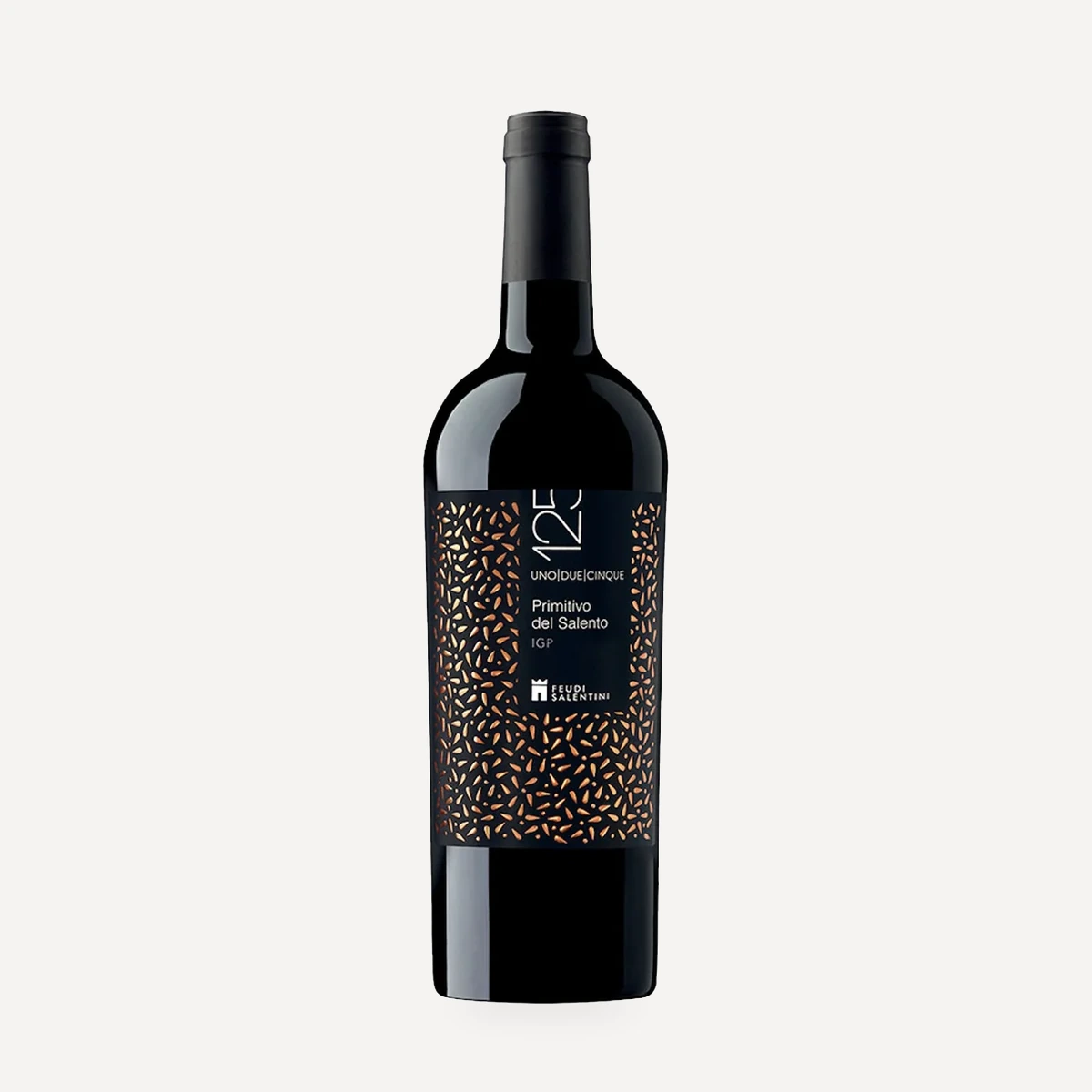
125 Uno | Due | Cinque Primitivo Salento IGP
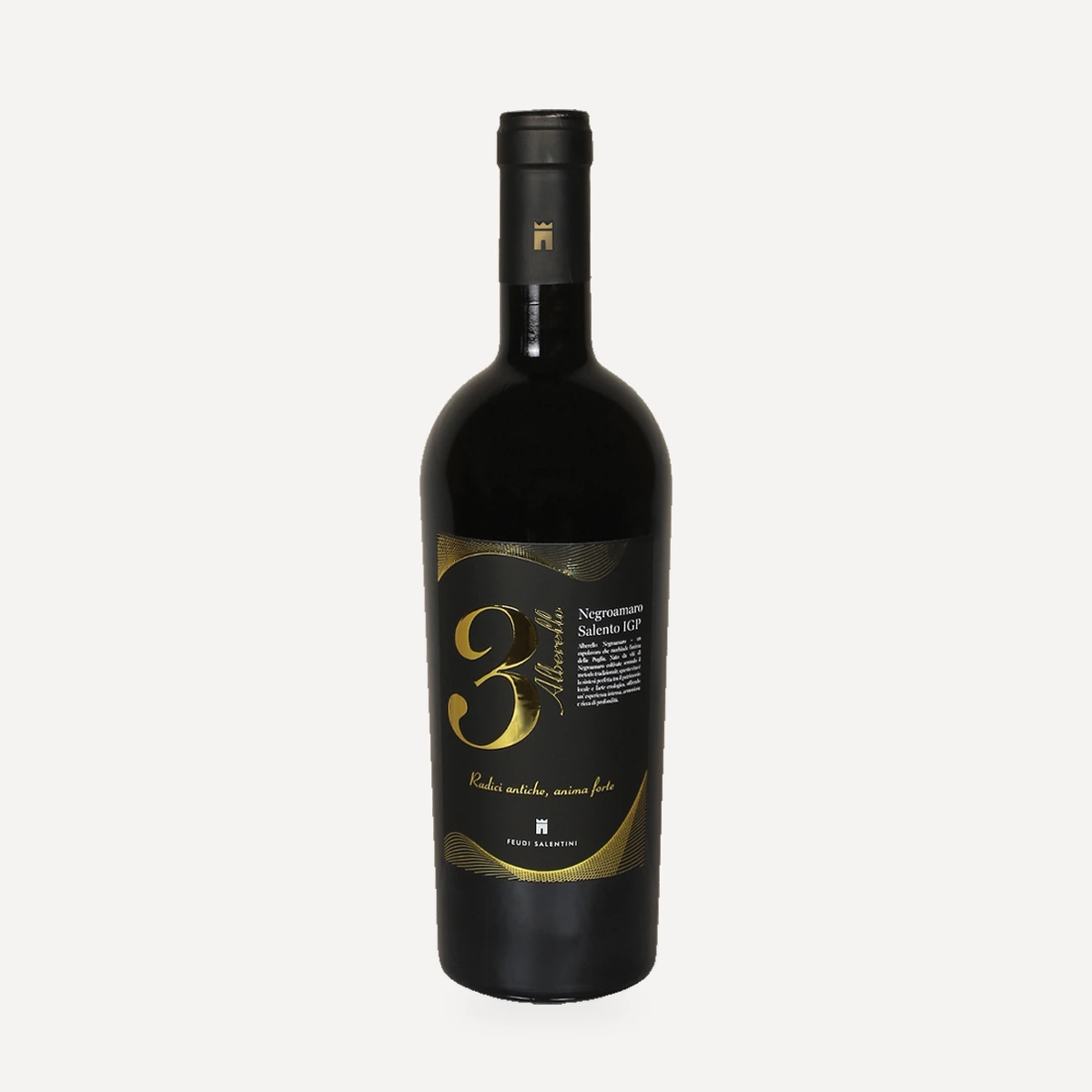
Alberello 3 Negroamaro Salento IGP
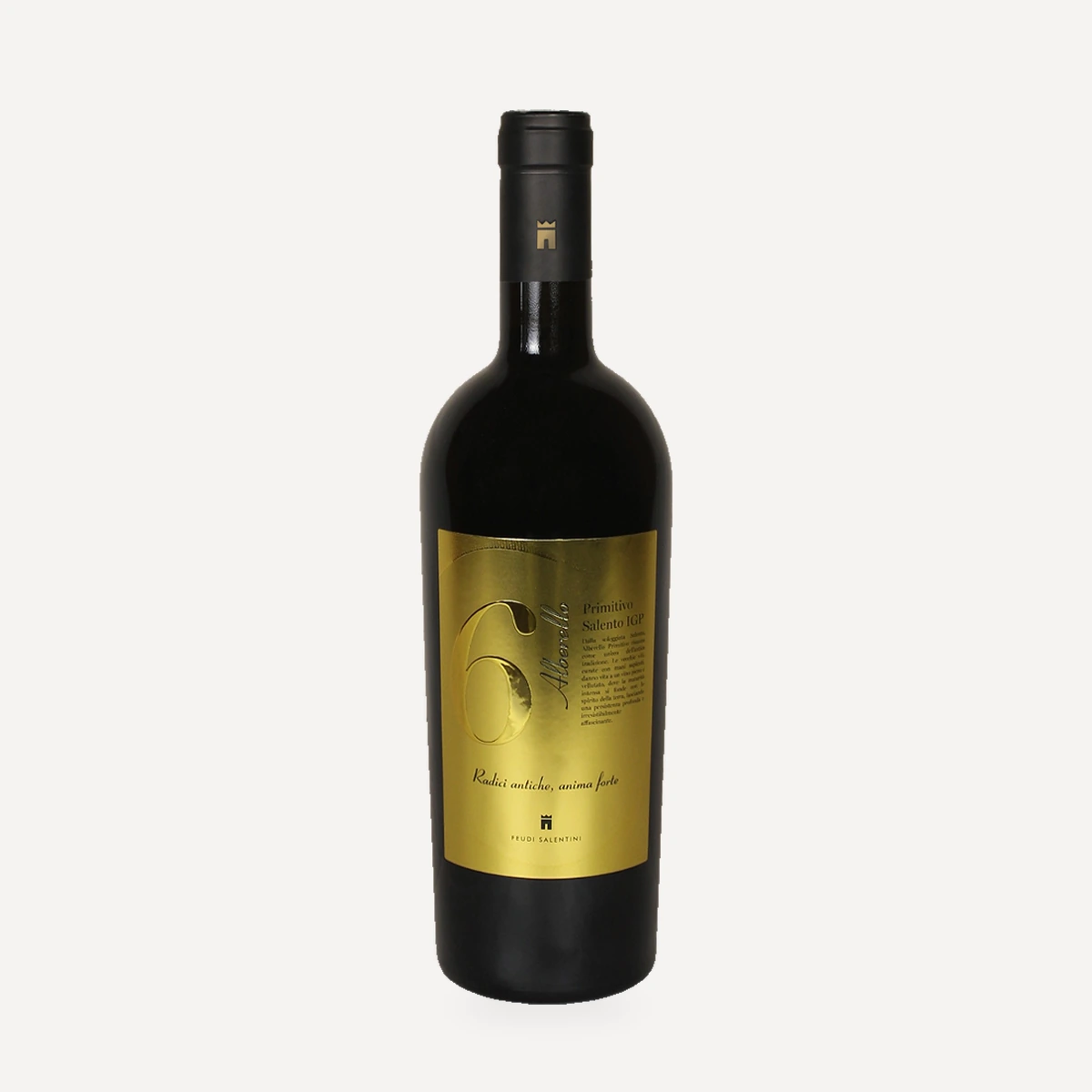
Alberello 6 Primitivo Salento IGP
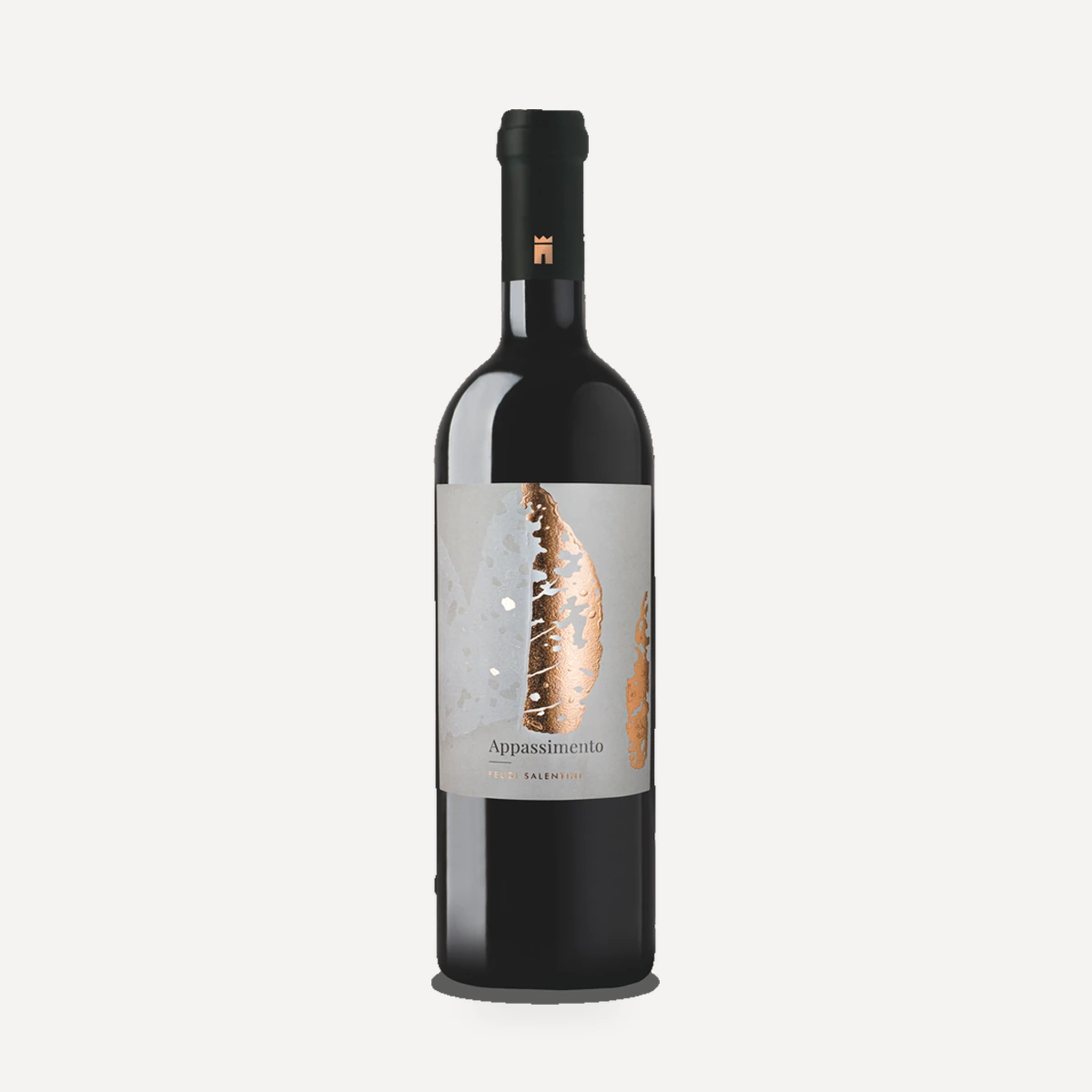
Appassimento Rosso Puglia IGP
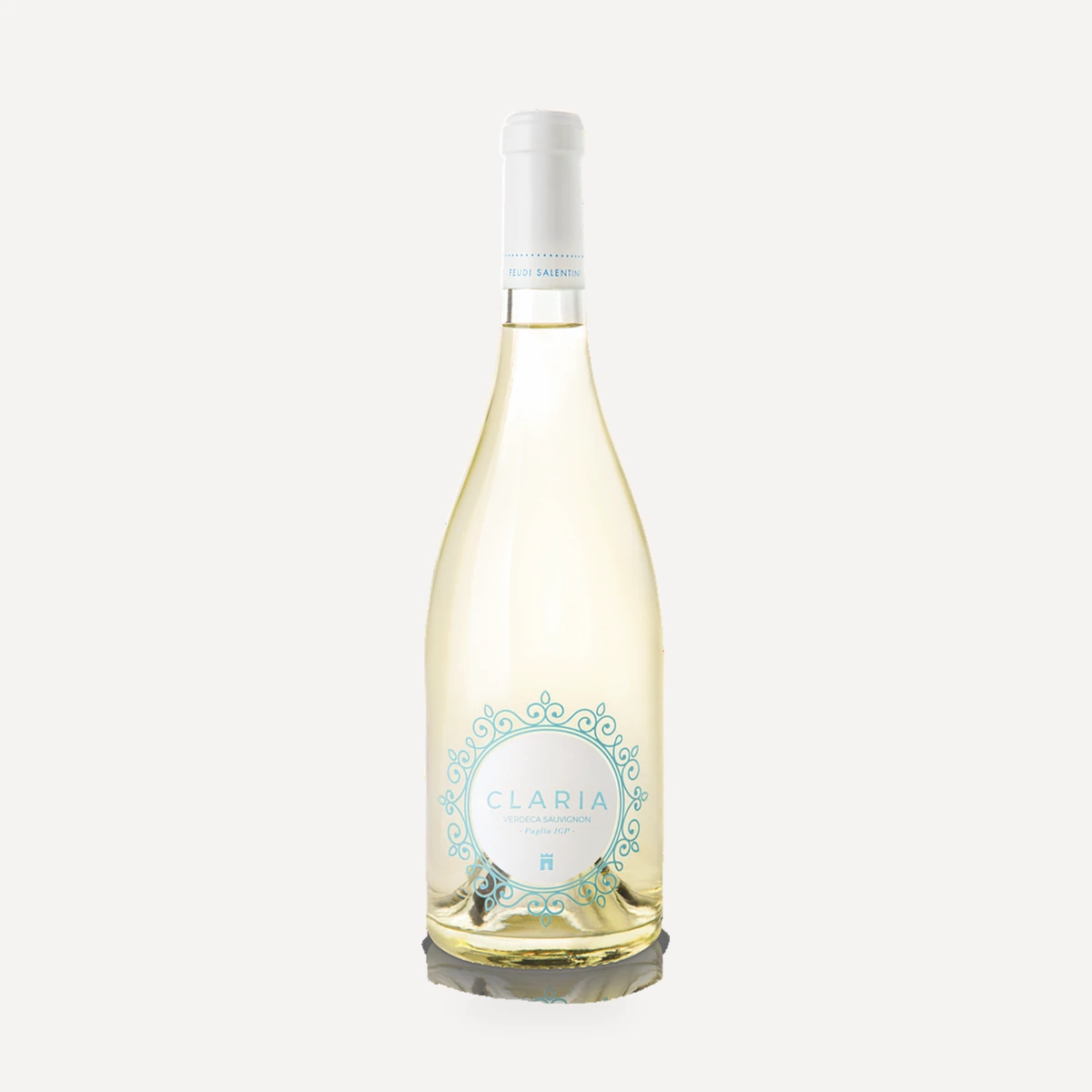
Claria Verdeca Sauvignon Puglia IGP
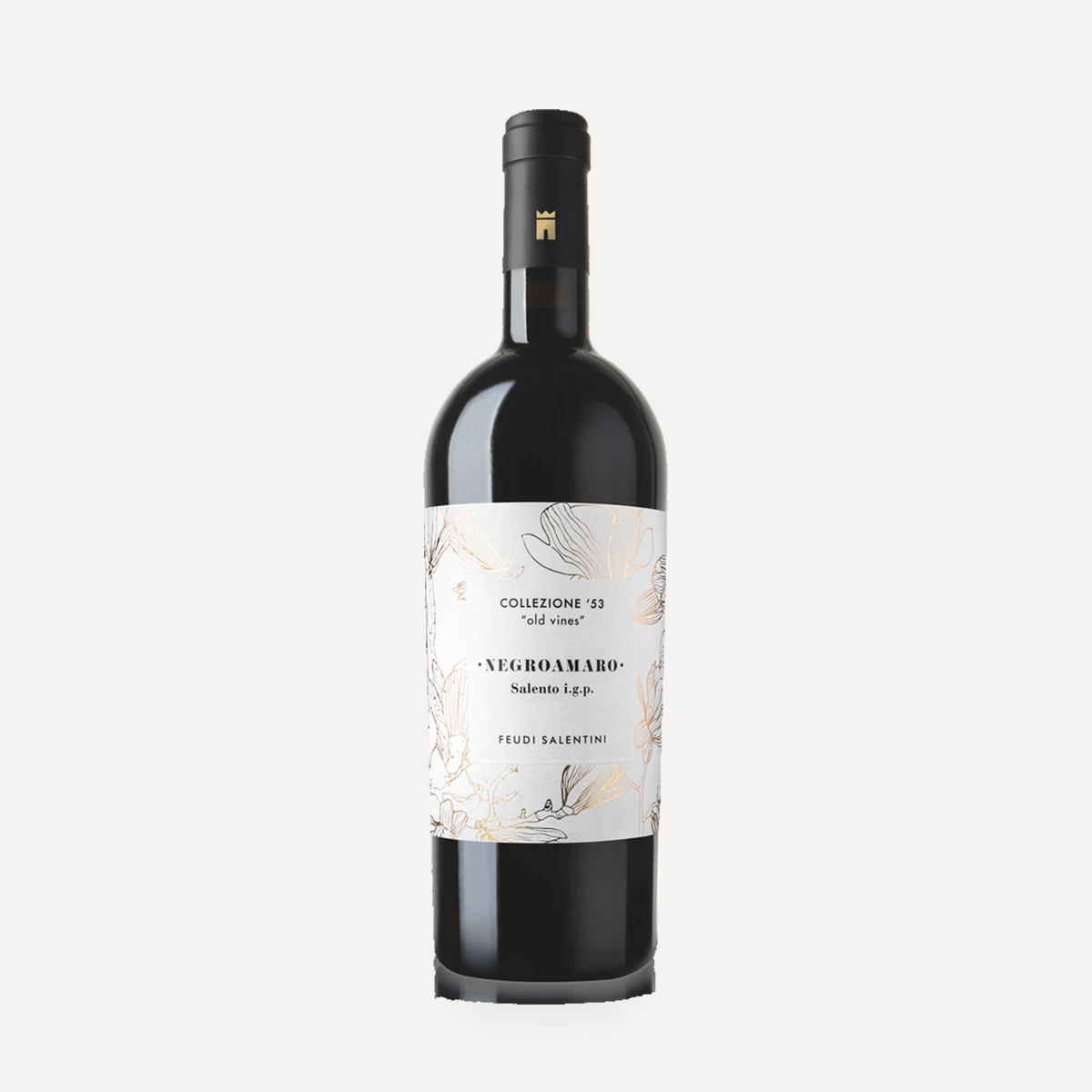
Collezione 53 Negroamaro Salento IGP
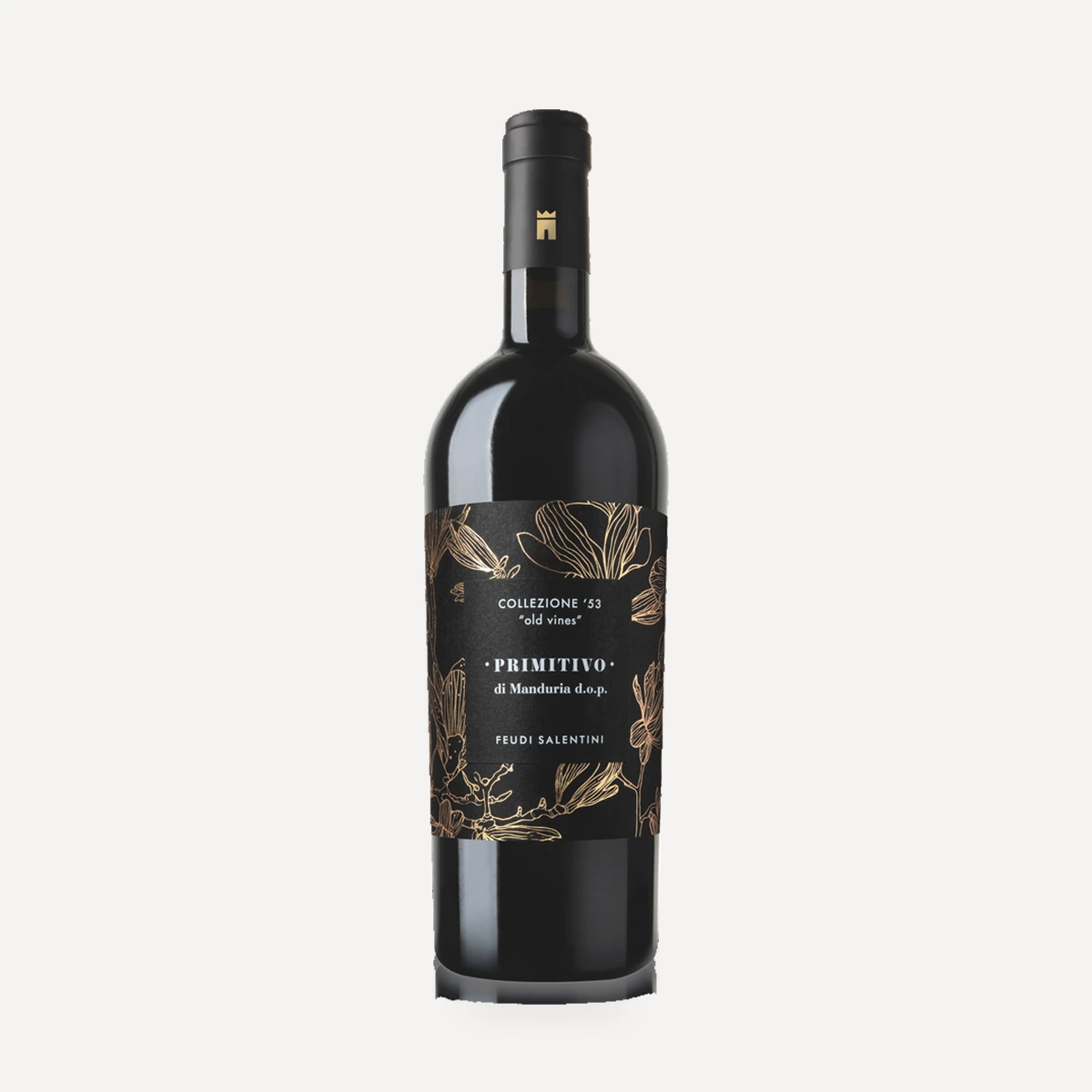
Collezione 53 Primitivo di Manduria DOP
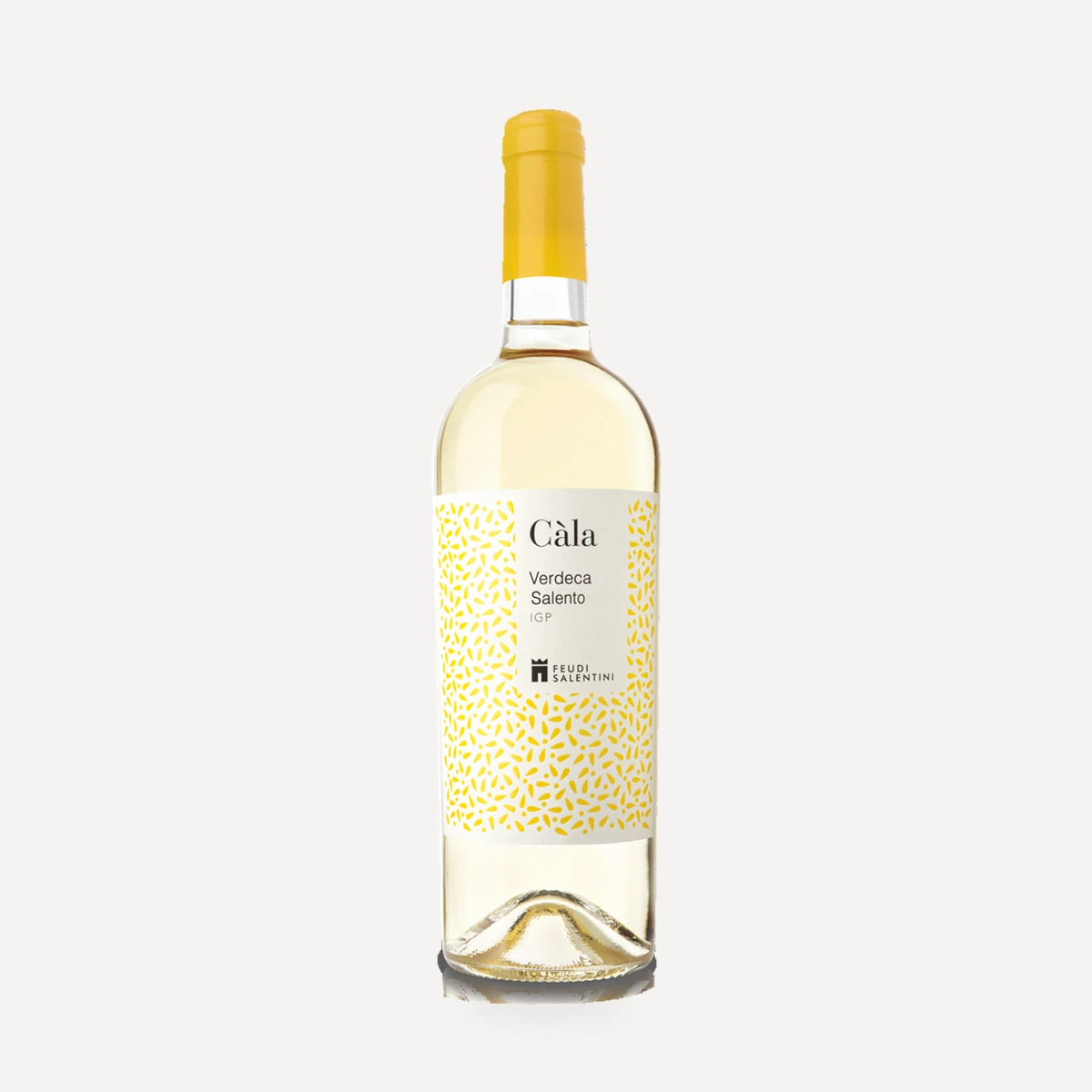
Càla Verdeca Salento IGP
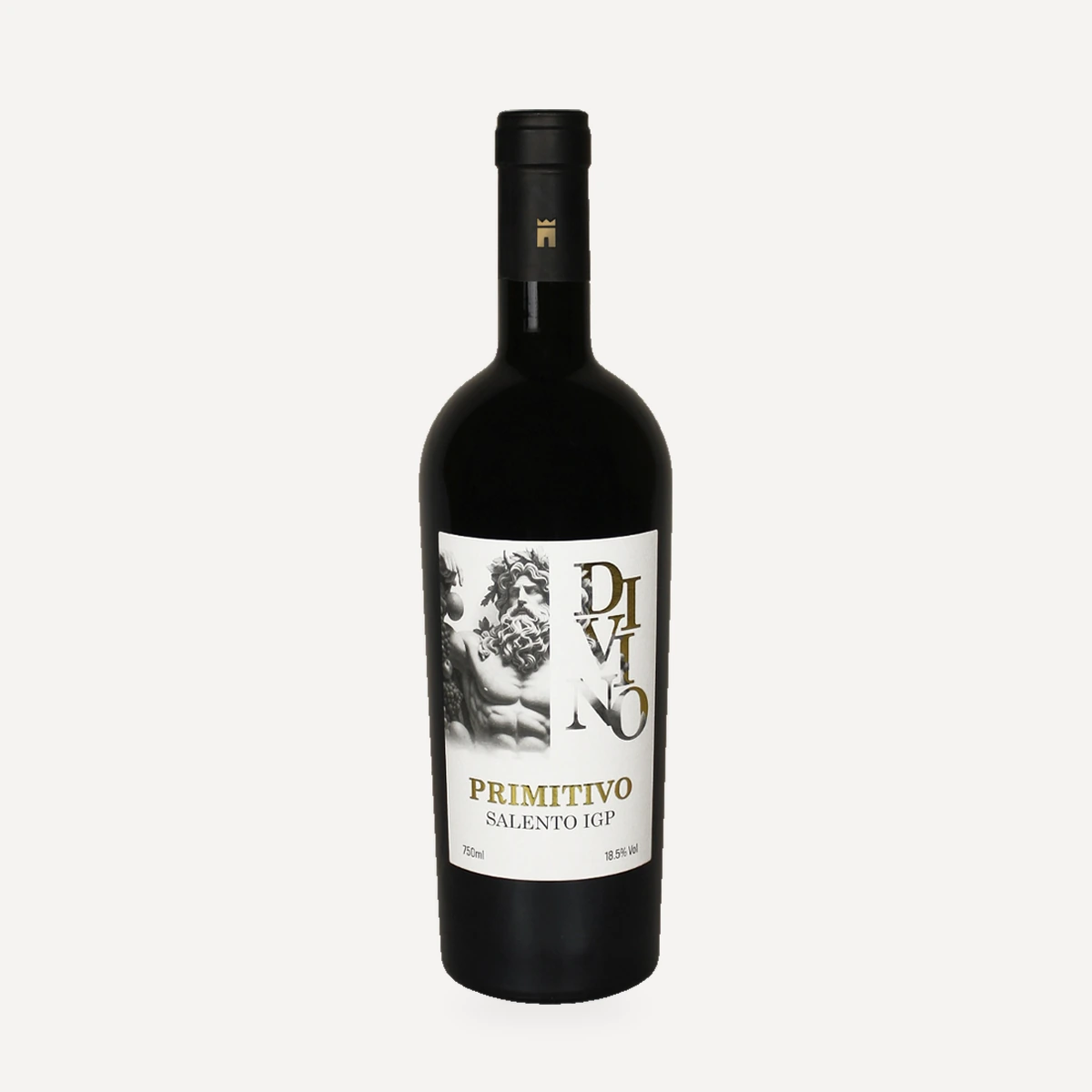
Divino Primitivo di Manduria DOP
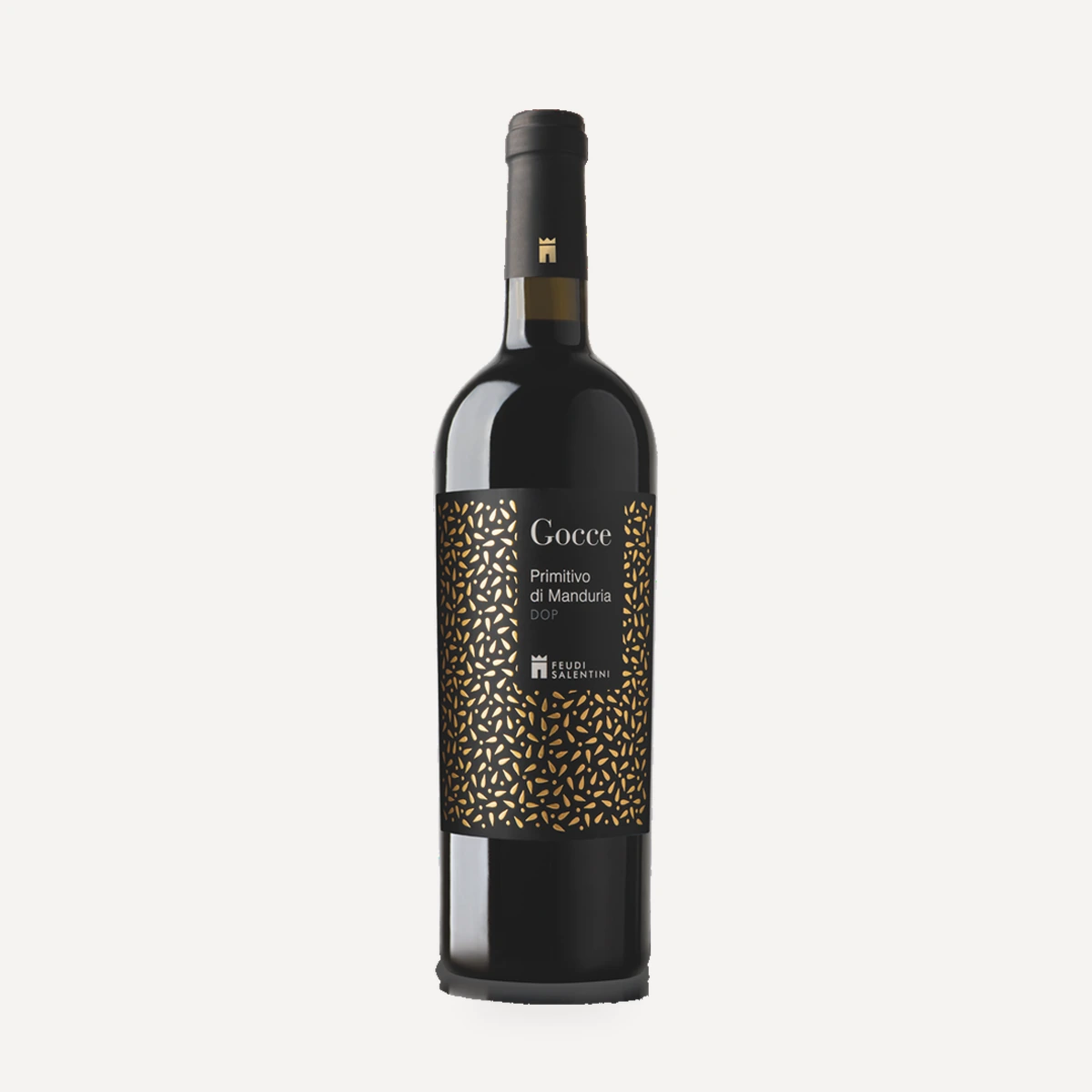
Gocce Primitivo di Manduria DOP
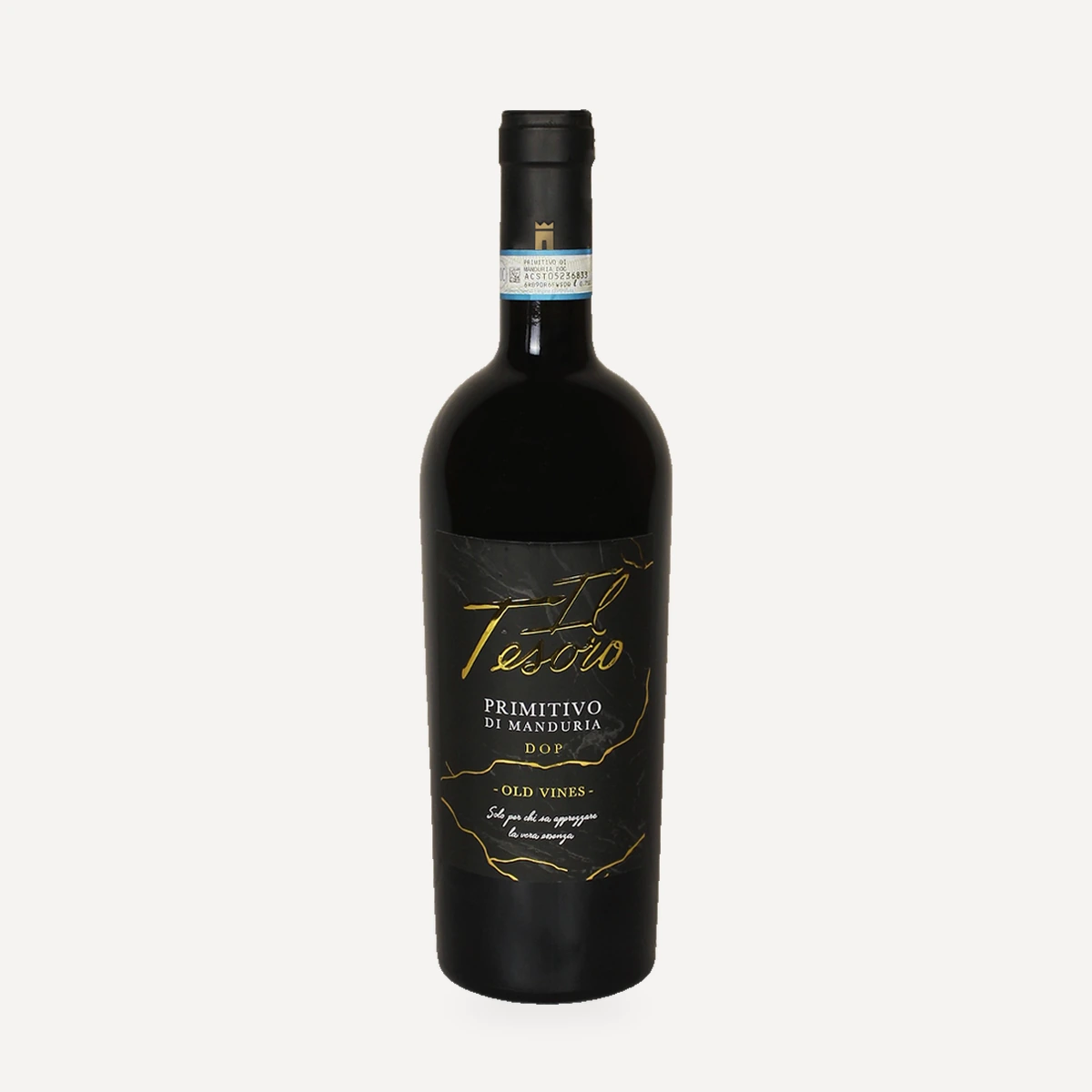
Il Tesoro Primitivo di Manduria DOP
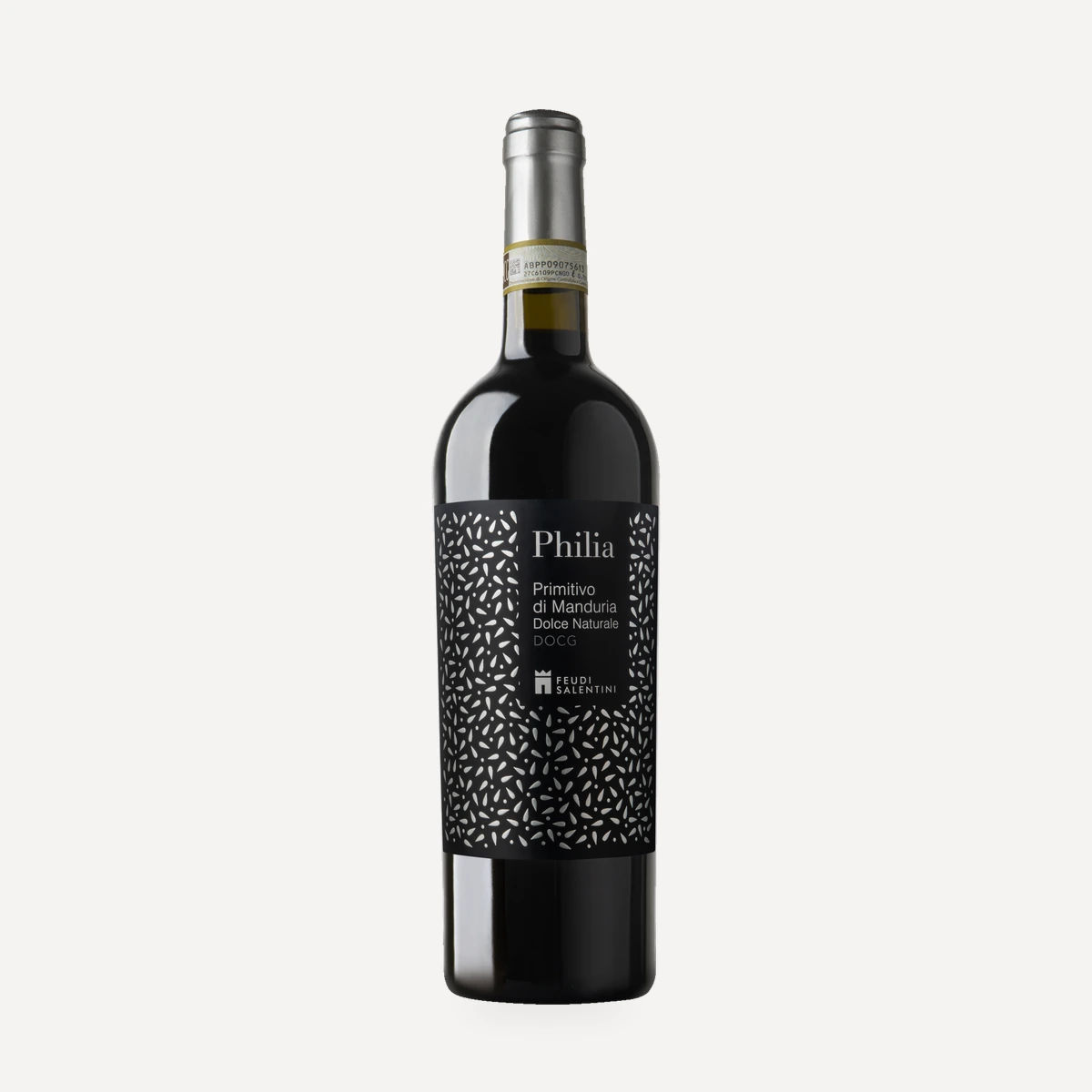
Philia Primitivo di Manduria Dolce Naturale DOCG
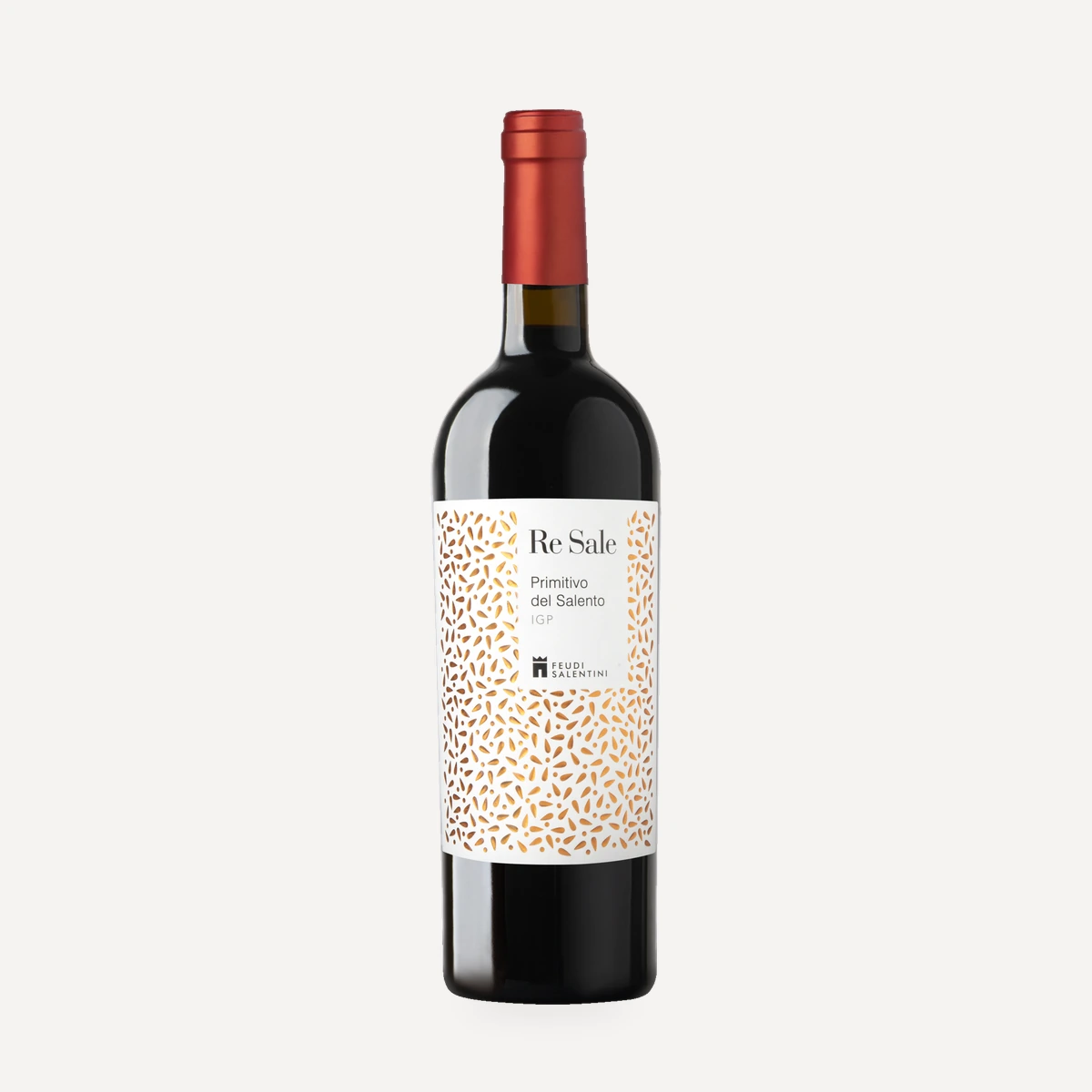
Re Sale Primitivo Salento IGP
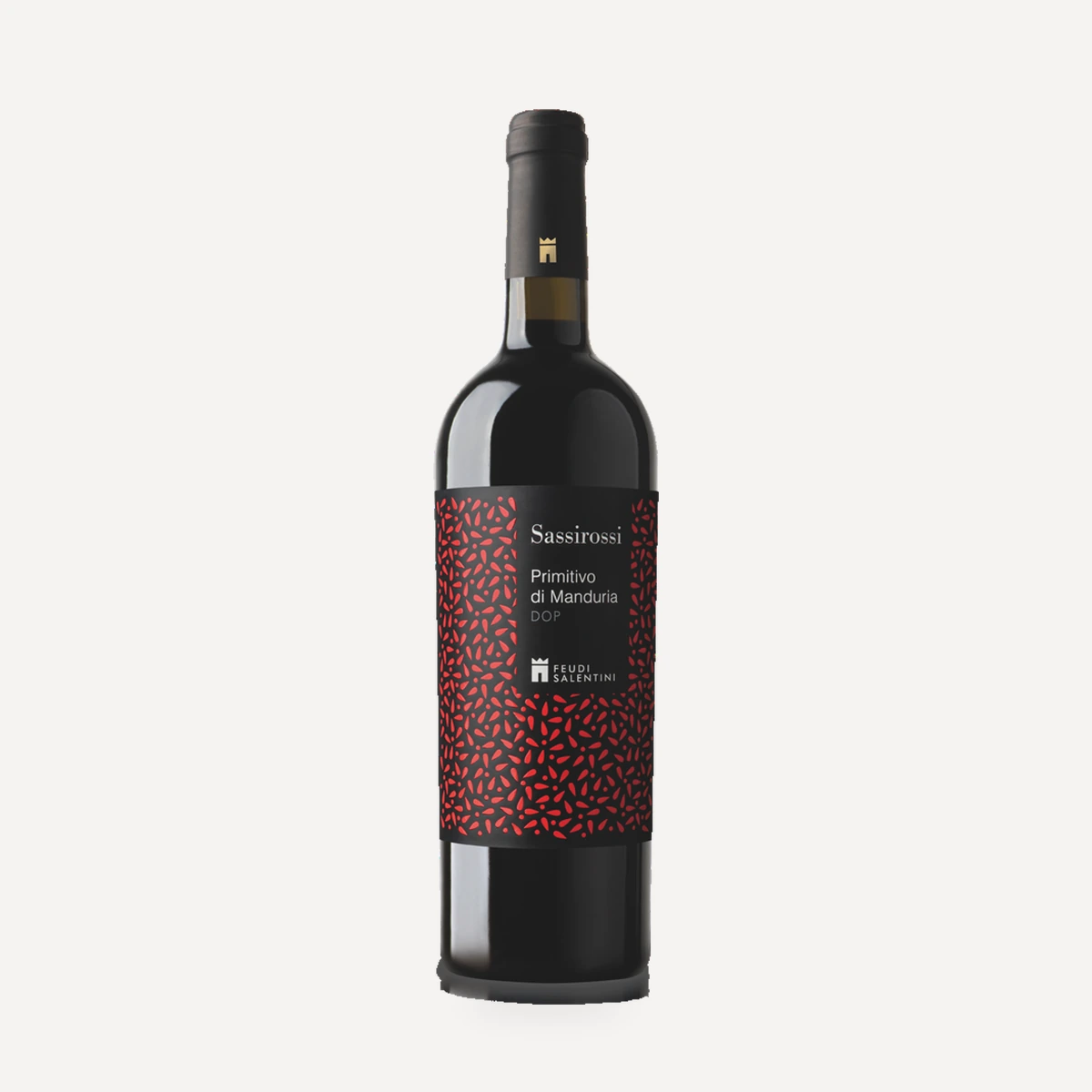
Sassirossi Primitivo di Manduria DOP
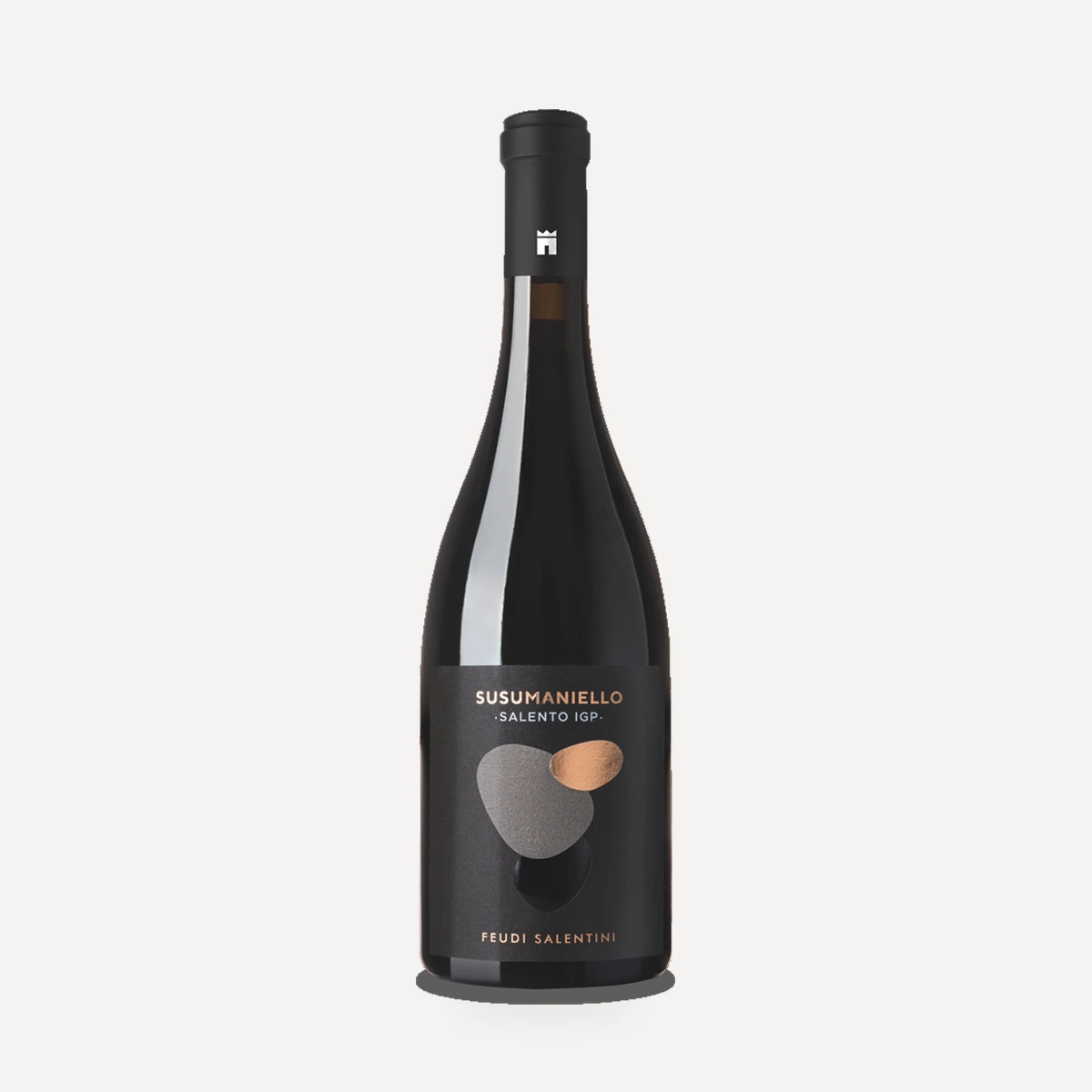
Susumaniello IGP

Susumaniello Rosé IGP
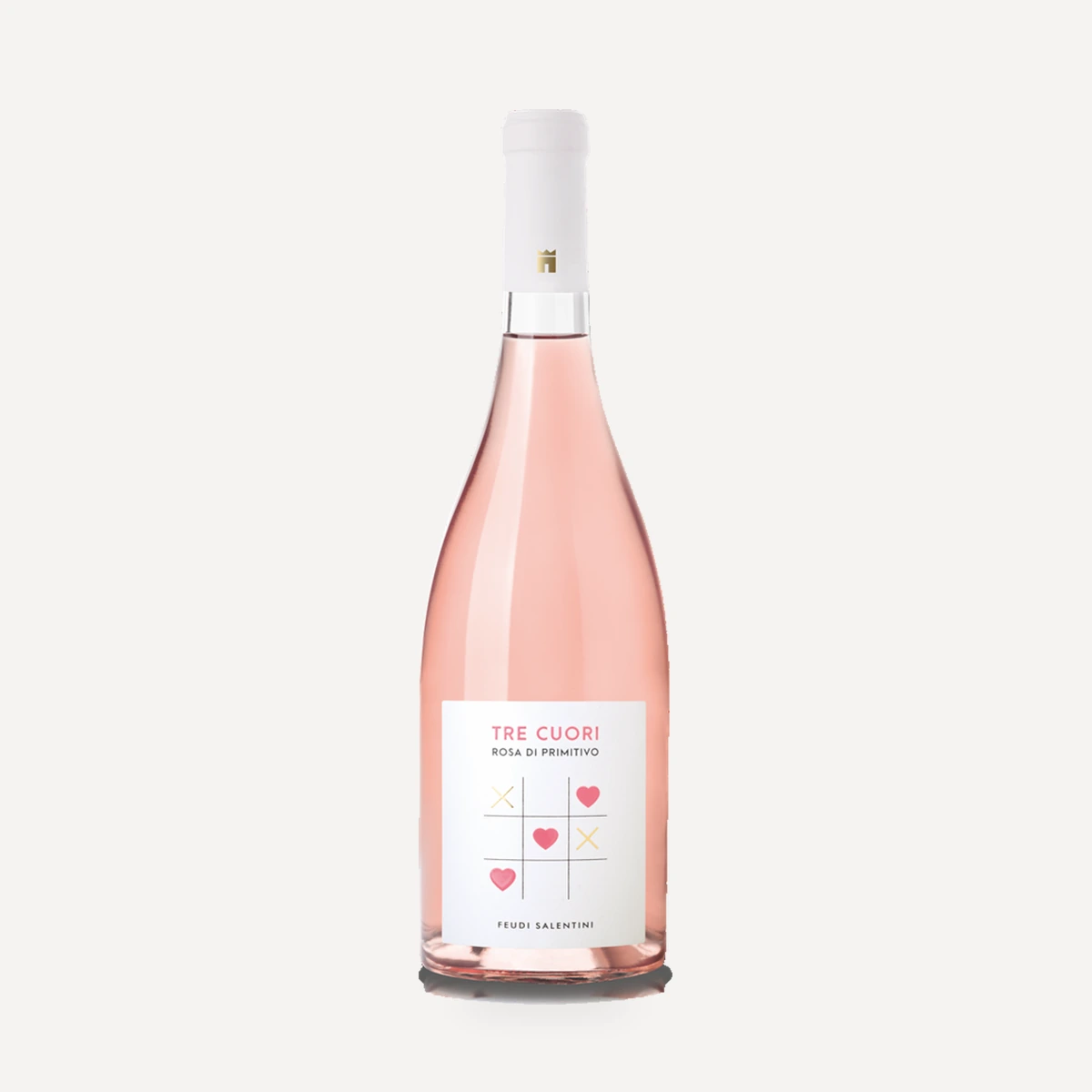
Tre Cuori Rosa di Primitivo Puglia IGP
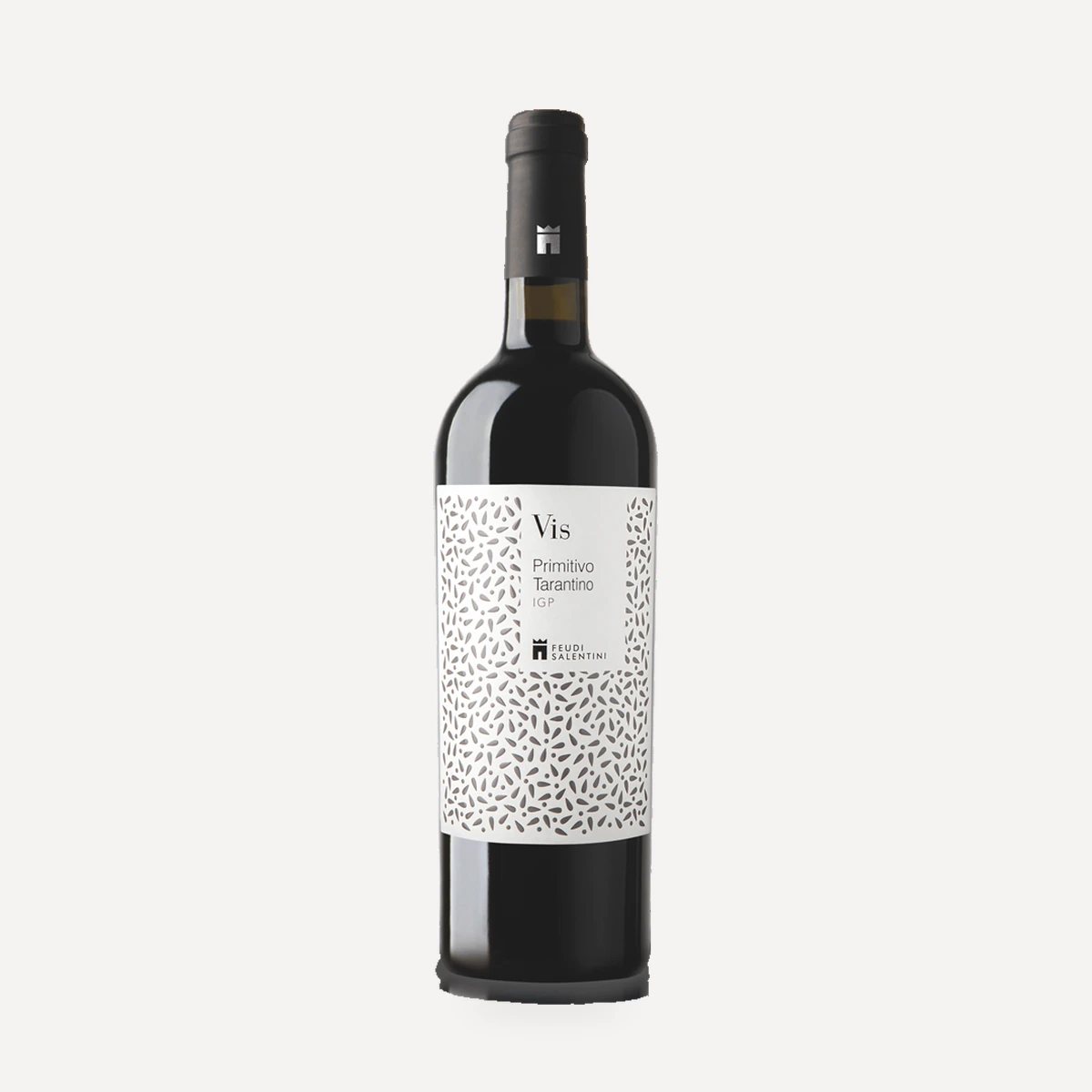
Vis Primitivo Tarantino IGP
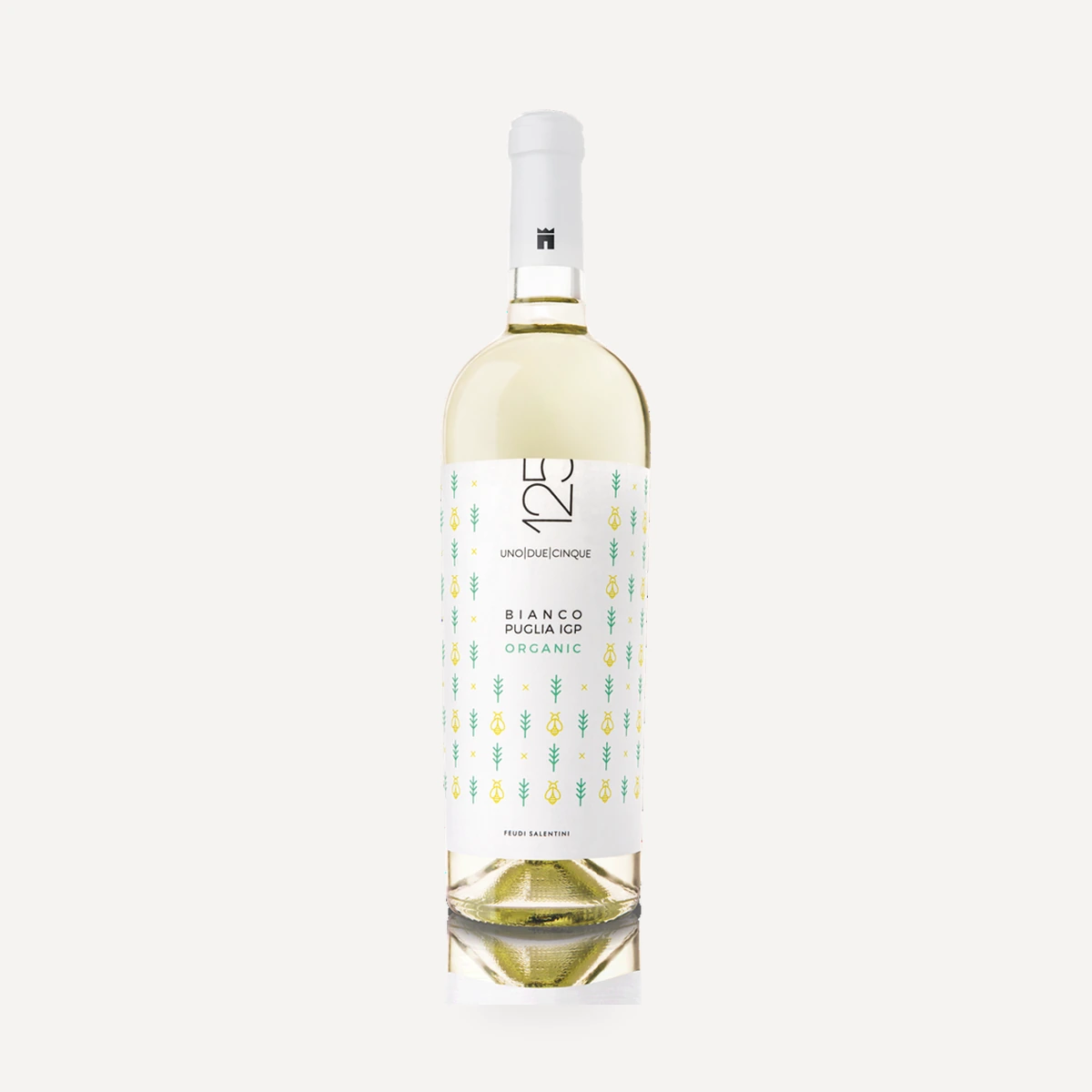
125 Uno | Due | Cinque Bianco Puglia IGP Organic
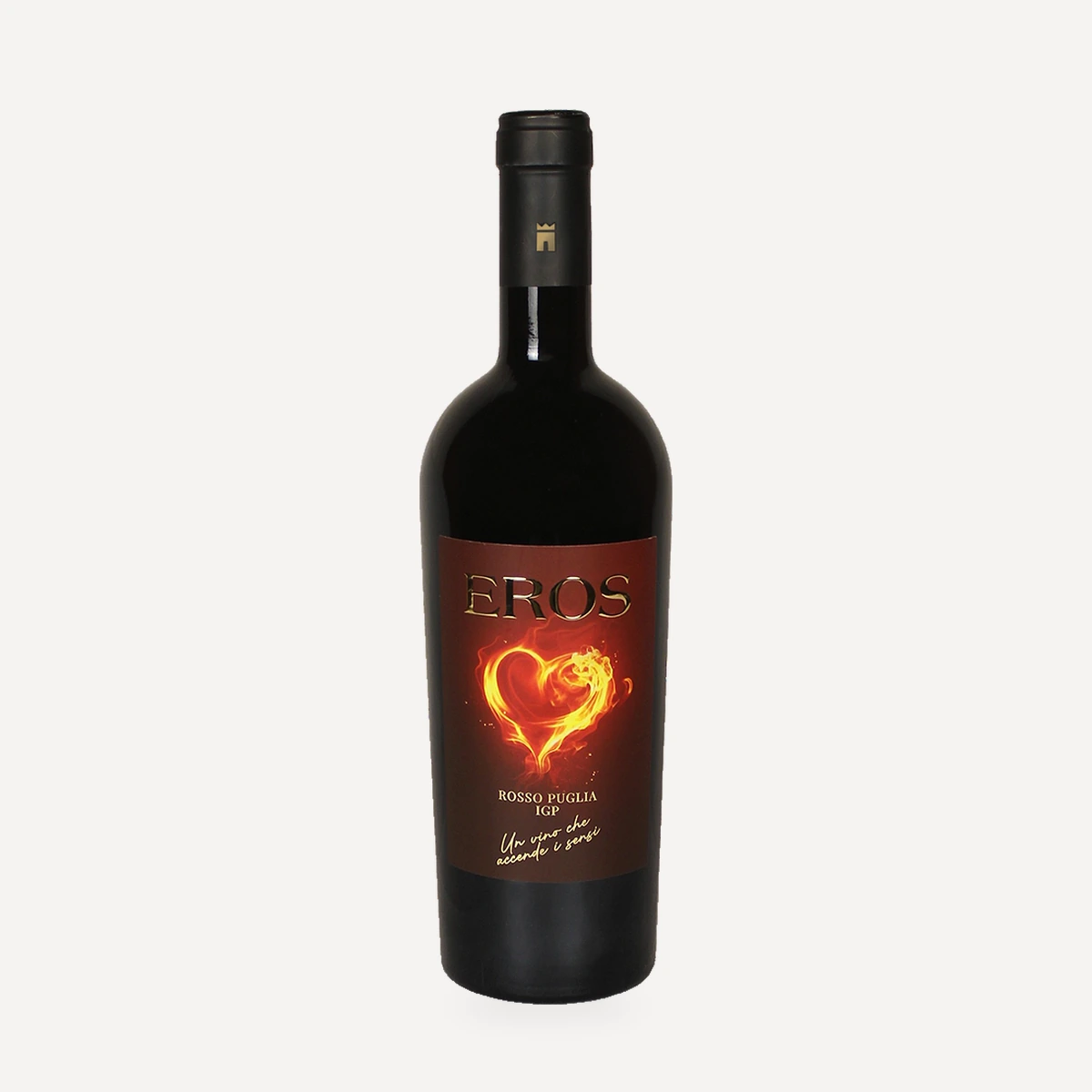
Eros Rosso Puglia IGP
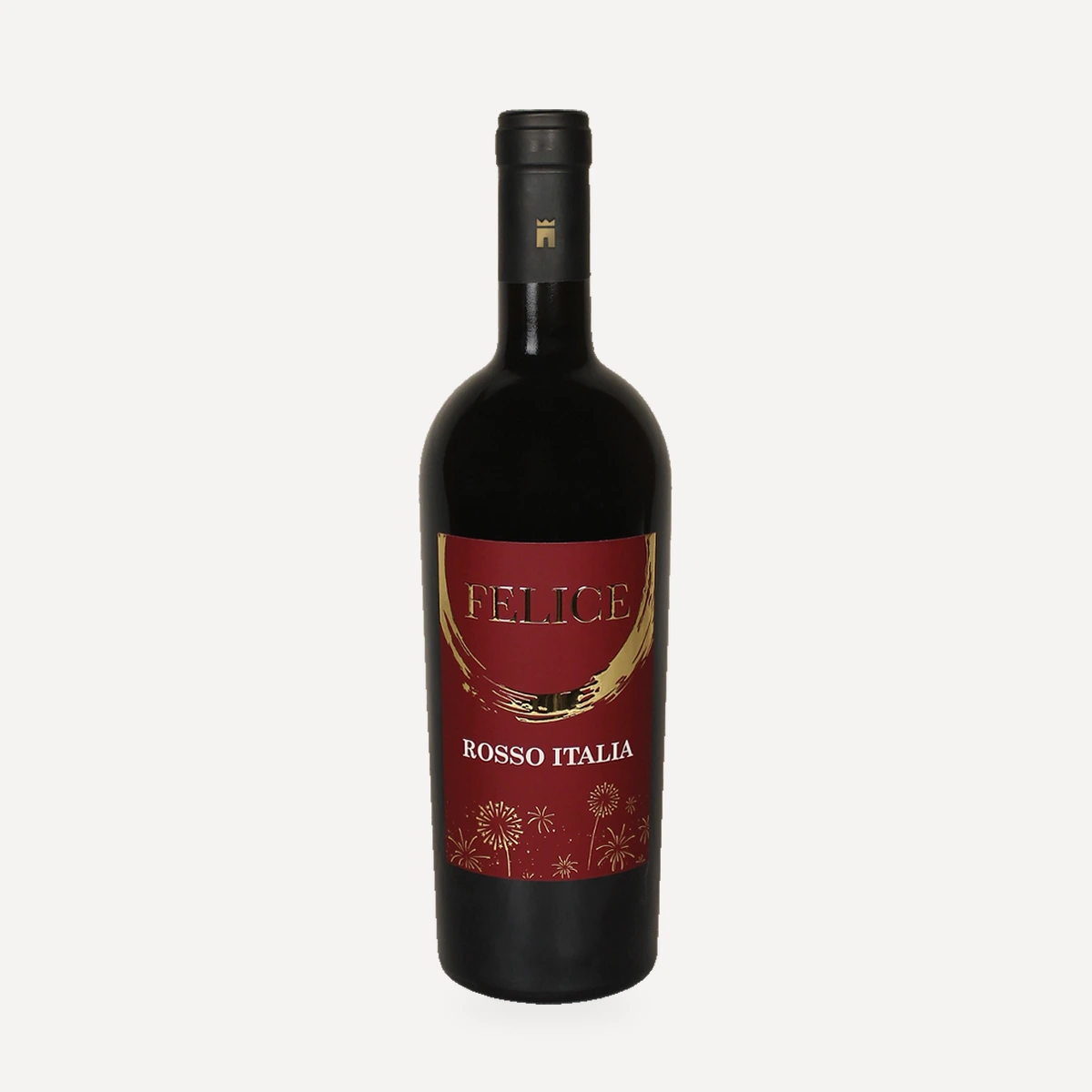
Felice Primitivo di Manduria DOP
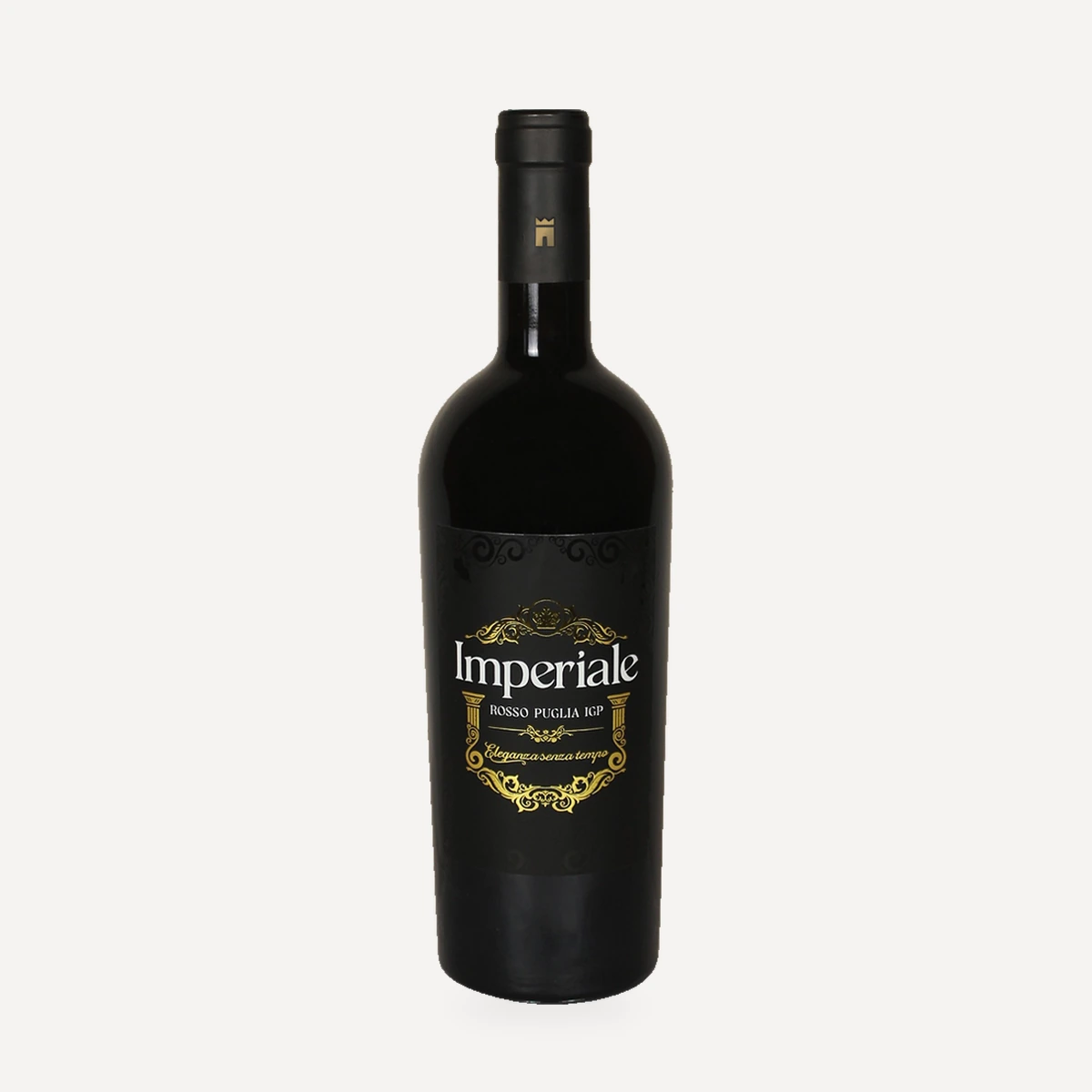
Imperiale Rosso Puglia IGP
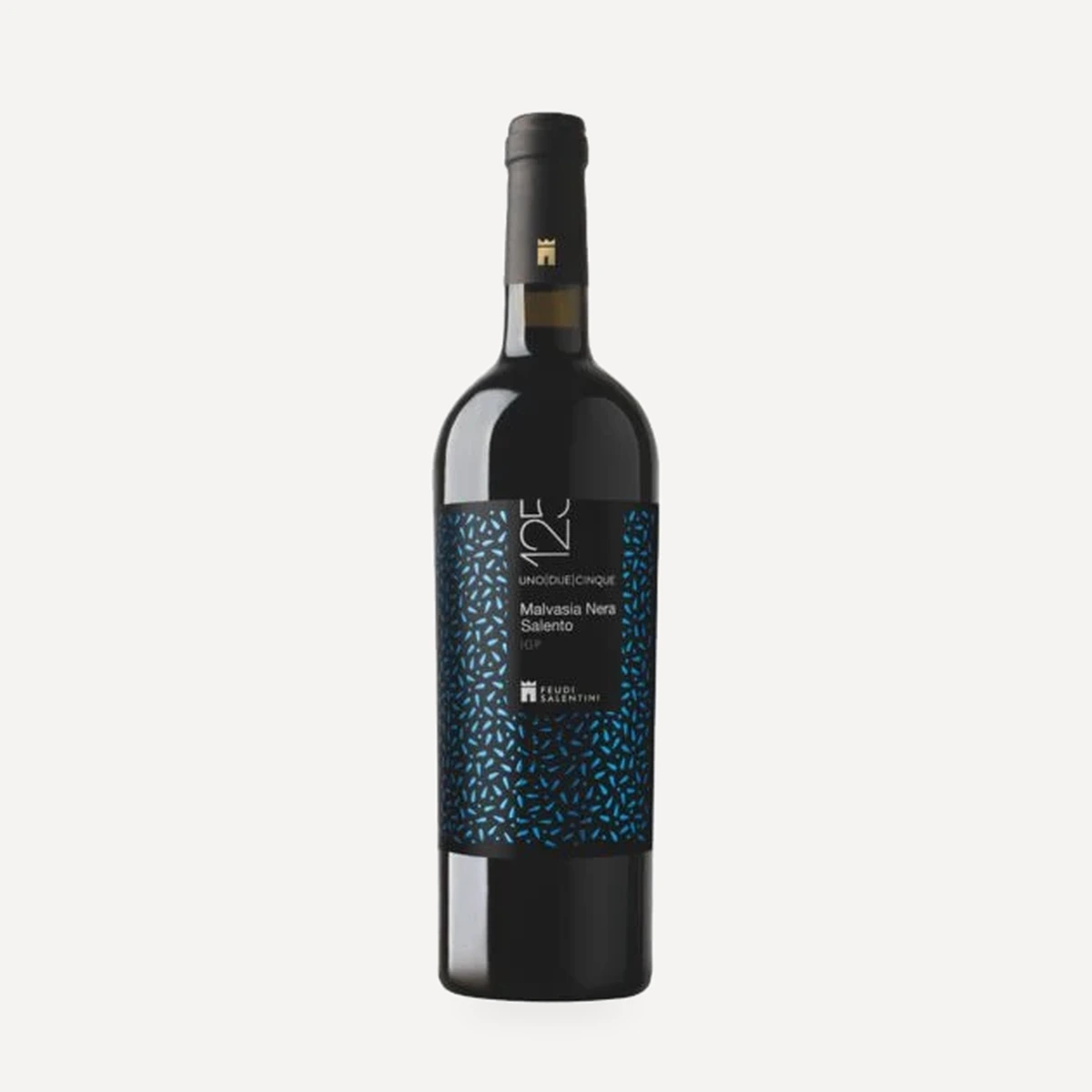
125 Uno | Due | Cinque Malvasia Nera Salento IGP
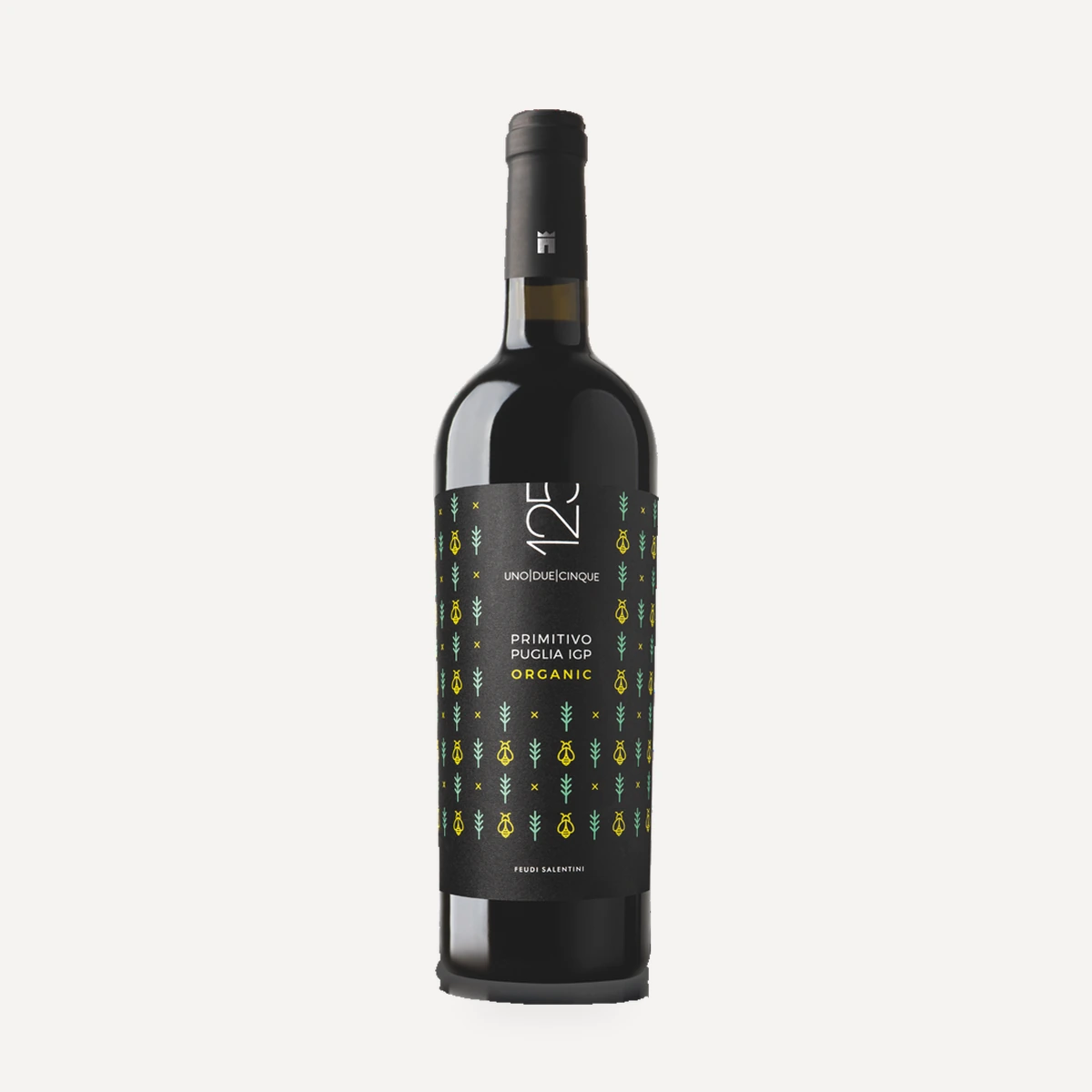
125 Uno | Due | Cinque Primitivo Puglia IGP Organic
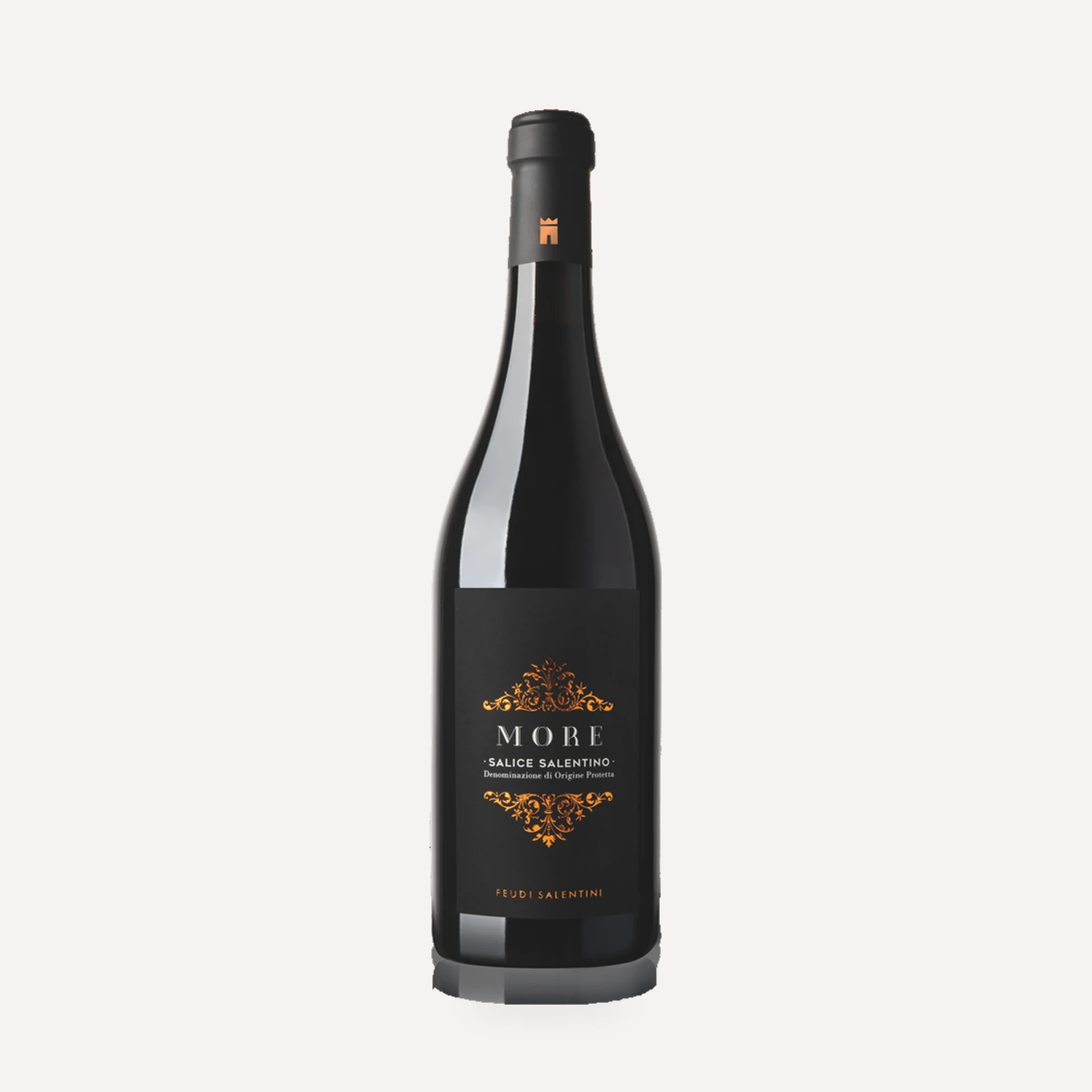
More Salice Salentino DOP
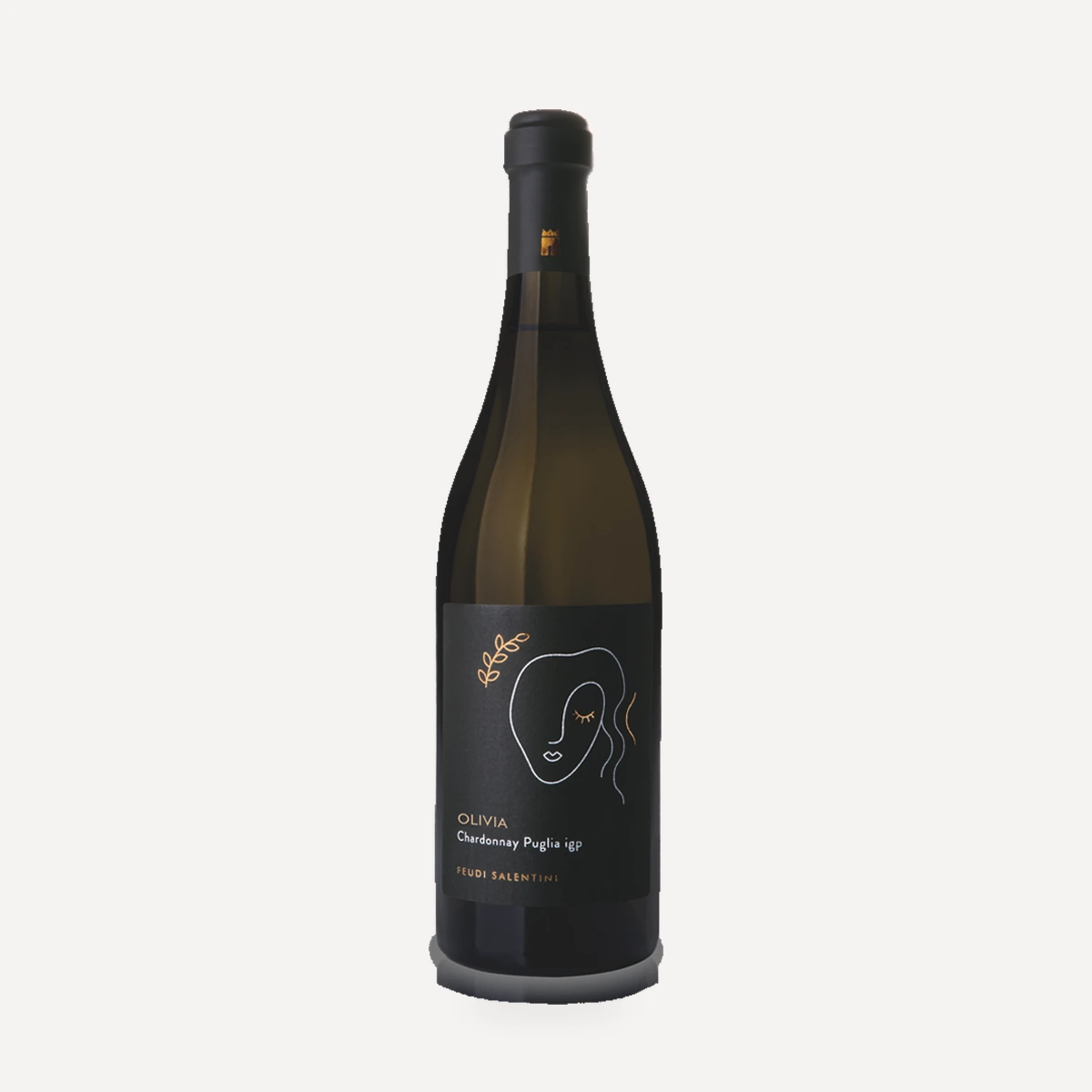
Olivia Chardonnay Puglia IGP
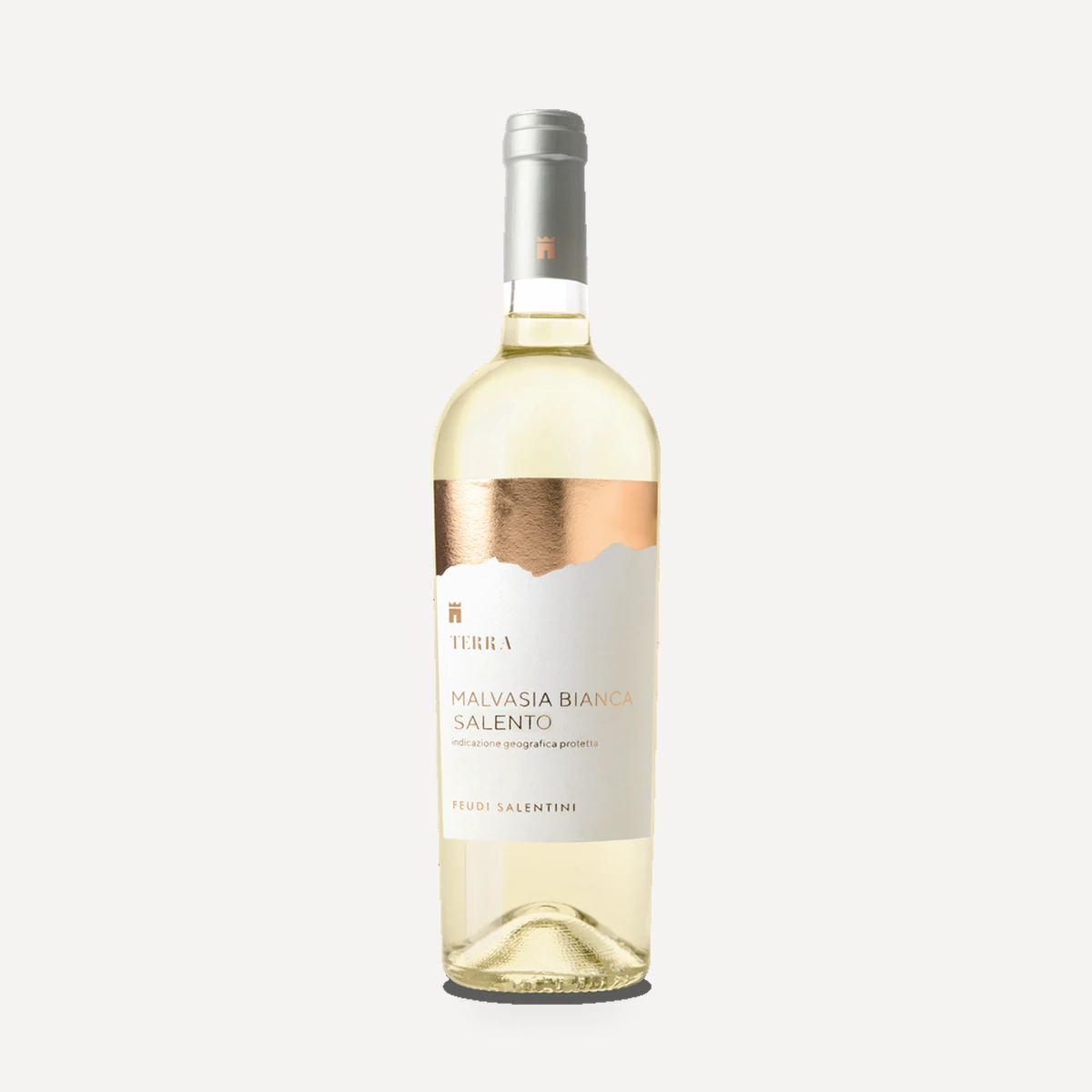
Terra Malvasia Bianca Salento IGP
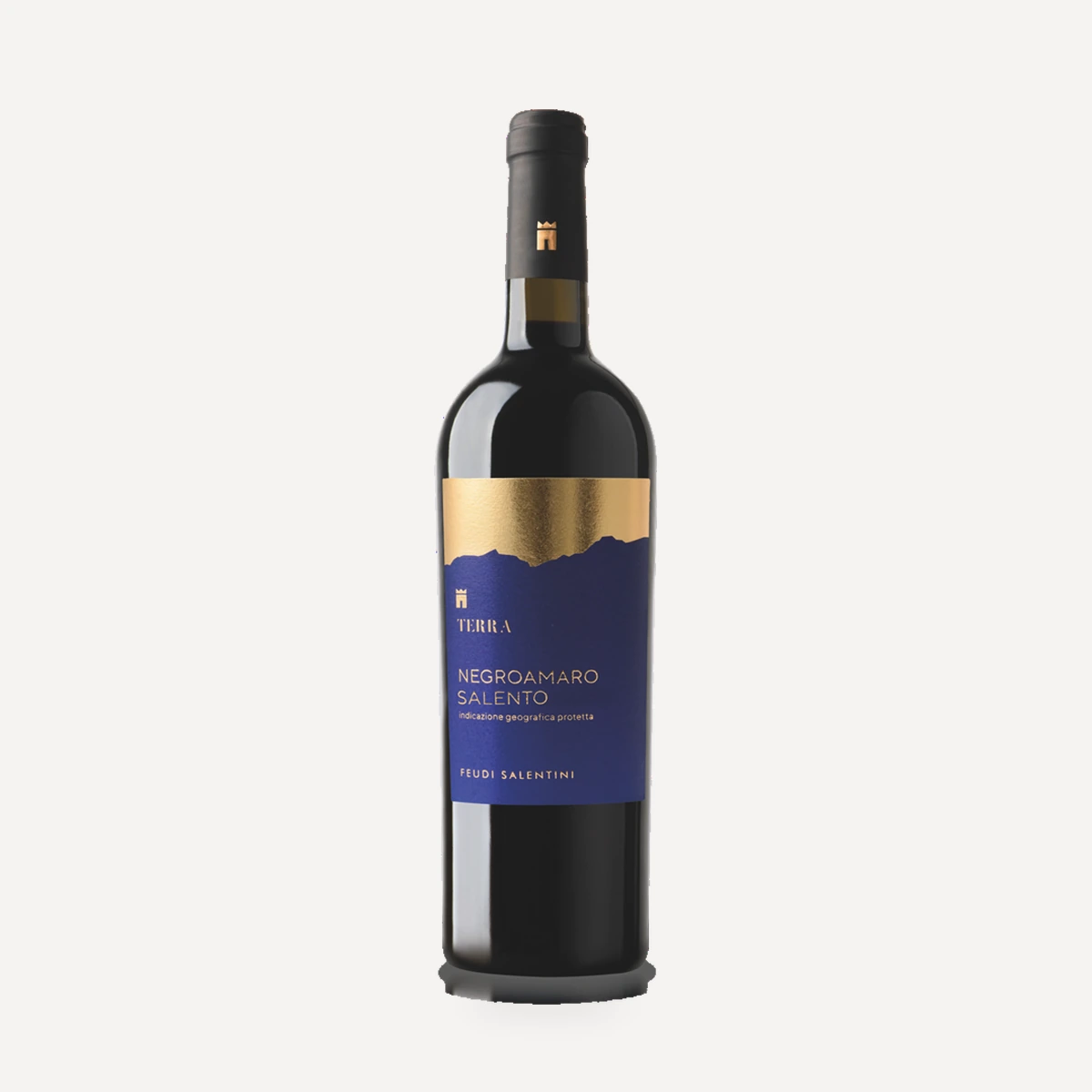
Terra Negroamaro Salento IGP
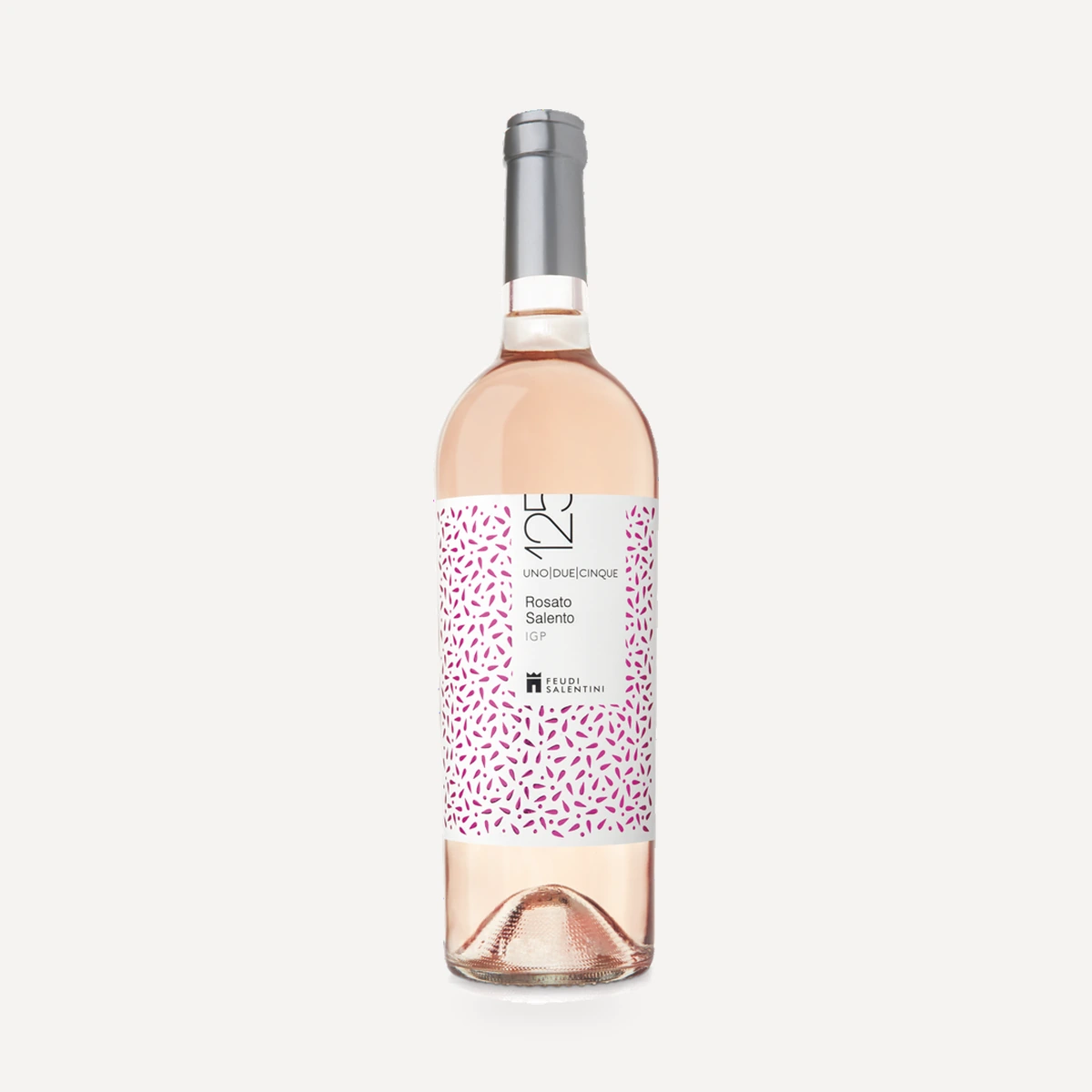
125 Uno | Due | Cinque Rosato Salento IGP