Storia
From home winemaking to an agricultural project
Filarole’s origins precede the formal creation of the farm. In 2009, the family made its first wine for home consumption from local grapes supplied by friends. That first skin-macerated white made from indigenous varieties subsequently developed into Fatto coi Piedi. The early approach was deliberately simple: grapes, patient fermentation and no attempt to standardize the resulting wine.
During the following years, Barbara Pulliero and Paolo Rusconi studied wine, visited vineyards and spoke with experienced growers. Their attention increasingly focused on the old vineyards that survived in scattered pockets of Val Tidone. They saw cultivated fields, orchards and vineyards being abandoned, productive land reverting to scrub and woodland, young people leaving agriculture, old fruit varieties disappearing and biodiversity declining. Surface landslides also became more frequent across the hills, damaging farms, rural houses, roads and paths. These changes shaped a project intended to preserve established vineyards while contributing to the renewal of the valley’s agricultural landscape.
2016: Gabbiano and the first vineyard
In 2016, the family bought its first parcel at Gabbiano, in the hills above Pianello Val Tidone. The site comprised slightly more than 0.5 ha of vines planted in the 1960s and abandoned for four years. Although surrounded by land that had largely reverted to woodland, the vines had survived and continued to bear fruit. Its secluded position and view over the Tidone valley persuaded the family to restore rather than uproot it.
The acquisition established the principles that continue to define Filarole: working primarily with old vines in naturally suitable positions, farming organically, preserving mass-selected plant material and replacing missing vines with material propagated from the existing mother plants. The aim was both agricultural and social—protecting genetic diversity, maintaining viable cultivation on the hills and creating work through a biologically and economically sustainable small farm.
2017 and the expansion across Val Tidone
The family project began formally in January 2017, and the 2017 harvest became Filarole’s first vintage under its own name. After the initial experimental year, the family rented further old or very old vineyards. An early account identifies a 2 ha abandoned holding at Ca Nuova Pisani, planted with Barbera, Croatina, Malvasia Aromatica di Candia and Ortrugo. Further parcels followed in different parts of Val Tidone, bringing the total vineyard area under management to 7 ha.
Rather than consolidating production into one uniform vineyard, Filarole retained a dispersed group of small sites with different soils, exposures, elevations and plant populations. These included vineyards that might otherwise have been uprooted. Many contain mixed plantings, mass-selected vines, unidentified grapes and local varieties that have nearly disappeared. The current vineyard presentation identifies Gabbiano, Ca del Travino, Strà and Virasco individually.
2025: a dedicated winery
Until 2025, Filarole’s identity had been more closely tied to its vineyards and fieldwork than to a permanent cellar. The 2025 harvest inaugurated a dedicated winery at Colombaia Fugazza, in the hills of Ziano Piacentino. The building had stood unused for years and was gradually returned to productive life.
The new premises provide separate areas for the sequence from crushing through bottle storage. Preparatory and post-vinification work takes place on the bright upper floor, while fermentation and maturation occur downstairs in a darker and quieter environment. Large concrete vats and neutral fibreglass tanks support a deliberately simple, low-intervention approach. The 2026 season marked Filarole’s tenth harvest.
Terroir
Filarole is based in the hills of Pianello Val Tidone, in the westernmost valley of Emilia-Romagna and on the western edge of Piacenza province, where the region meets Lombardy and Oltrepò Pavese. The headquarters stand on a panoramic road above the Tidone river valley, near Rocca d’Olgisio; the winery is farther north in the vineyard-covered hills of Ziano Piacentino.
The vineyards are dispersed across Val Tidone rather than concentrated around the headquarters. Their elevations, exposures and soils differ from site to site. Gabbiano occupies a secluded position overlooking the Tidone valley. Ca del Travino straddles the Gualdora stream, its two parcels facing one another from opposite hillsides. Strà is lower than the other described sites, at approximately 150 m above sea level. Virasco lies on a hill overlooking the Tidone and is considered particularly suited to red grapes.
The hills are affected by shallow landslides capable of damaging cultivated ground, rural buildings, paths and roads. Climatic conditions vary materially between vintages. The 2026 season brought severe drought; old Croatina vines temporarily stopped ripening, then resumed their vegetative cycle after rain. Deep root systems and the varied responses of old, genetically diverse vines are central to Filarole’s interpretation of resilience under extreme seasonal conditions.
Vinificazione
Filarole manages 7 ha of old vineyards distributed across several, sometimes widely separated, sites in Val Tidone. The vines are variously described as ranging from 30 to more than 100 years old, with the dedicated vineyard account placing the principal range at 40–100 years. The old plantings were established through mass selection rather than modern clonal uniformity. Different genetic expressions of the same variety coexist with mixed grapes, unidentified vines and nearly extinct local varieties.
Organic farming and soil care
The vineyards are certified organic by Suolo e Salute. Mechanical passes are limited to reduce soil compaction. The objective is to maintain the fertility and equilibrium found in long-established or formerly abandoned sites. Plant protection relies on copper, sulphur and natural products, with treatments reduced to the minimum considered necessary. The old vines’ acquired resistance is treated as an important resource.
Missing vines are not routinely replaced with standardized nursery material. Filarole propagates rooted plants from its own mother vines, preserving the genetic material of the existing vineyards. This continues the logic of mass selection and helps maintain genetic differentiation within each variety.
Biodiversity is understood at two levels. Around the vines, the farm seeks to retain diverse grasses, plants, insects and wildlife. Within the vineyard, it protects the genetic diversity embodied in old mass-selected vines. Mixed vineyards may contain multiple grape varieties and multiple genetic expressions of the same grape.
Manual canopy work
Old vines are observed and handled plant by plant. Spring work includes spollonatura, removing unwanted shoots from the base, trunk and old wood, and scacchiatura, removing surplus shoots that would create excessive canes, leaves and general vegetation. Later operations include removing excess lateral shoots—particularly on Croatina—and thinning leaves around the bunches.
These operations direct the plant’s energy toward the fruit while opening the canopy to air. They also improve the coverage and effectiveness of contact treatments such as copper and sulphur, helping reduce the total number of interventions.
Harvest
All grapes are harvested exclusively by hand. Bunches are inspected individually so that rotten, mouldy or otherwise unsuitable fruit can be discarded and fruit can be picked at the maturity required for its intended wine. The grapes travel in 15 kg crates, which limit crushing during transport from the scattered vineyards to the winery. The objective is to deliver intact berries and prevent spontaneous fermentation from beginning before the fruit reaches the tank.
Different varieties, elevations and exposures spread ripening over time, allowing harvesting without forcing every site into one schedule. The vintage is also treated as a shared culmination of the agricultural year rather than only a logistical operation.
Filarole follows a deliberately simple, low-intervention approach built around sound, hand-selected fruit. Fermentations are spontaneous and driven by the indigenous yeasts carried on the grapes. No external yeast is added. The objective of delivering intact fruit in small crates is to ensure that fermentation begins in the winery rather than during transport.
The cellar work is described as precise but essential, without artificial correction or attempts to force the timing of maturation. Wines are made without additives or processing aids that would alter their original expression; small quantities of sulphites may be used only when considered necessary.
White grapes are principally vinified with skin contact, continuing a historical local practice and producing amber or orange wines. Maceration lengths vary according to the intended wine, from short contact to very long maceration. Some white and rosé wines are instead made by white-wine vinification. The structure created by extended skin contact means many wines require lengthy maturation in bottle before release.
Since the 2025 harvest, production has taken place in the dedicated winery at Colombaia Fugazza, Ziano Piacentino. The upper floor, lit by large windows, accommodates work before and after vinification. Fermentation and maturation take place downstairs, where darkness and quiet allow the wines to develop slowly. The cellar uses large concrete vats and neutral fibreglass tanks. The building contains dedicated areas across the complete working sequence, from crushing to bottle storage.
The finished wines are packaged in lightweight bottles. Current packaging uses Nomacorc Select Green closures and recycled-paper labels, extending the environmental approach beyond vineyard work.
Filosofia
Filarole’s central principle is that natural wine begins in the vineyard. Vineyard selection, the health of the fruit and patient manual work therefore take precedence over corrective cellar techniques. The family aims to make wine from grapes alone, accepting the characteristics of the site and the vintage rather than forcing maturation or standardizing different years.
Old vines are regarded as living archives of agricultural memory, genetic biodiversity and landscape identity. Preserving them is not framed as nostalgia: it is a practical choice to retain mass-selected material, deep root systems, lower natural yields and plants that have demonstrated resistance over decades. The project also seeks to keep cultivated land active in a valley affected by abandonment and to show that small-scale farming can be environmentally and economically sustainable.
The farm values both biological and human relationships. Its stated goals include residue-free fruit, wines respectful of the consumer and the people who make them, and prices considered fair to both producer and drinker. Direct sales and participation in the Corto Circuito network reflect a preference for shorter supply chains, personal contact and fewer intermediaries.
Biodiversity extends beyond vines to grasses, insects and wildlife. Filarole also describes the harvest as a communal and celebratory transition from fieldwork to cellar work. Each vintage is intended to remain recognizably different, offering a new experience rather than reproducing a fixed profile.
Vini
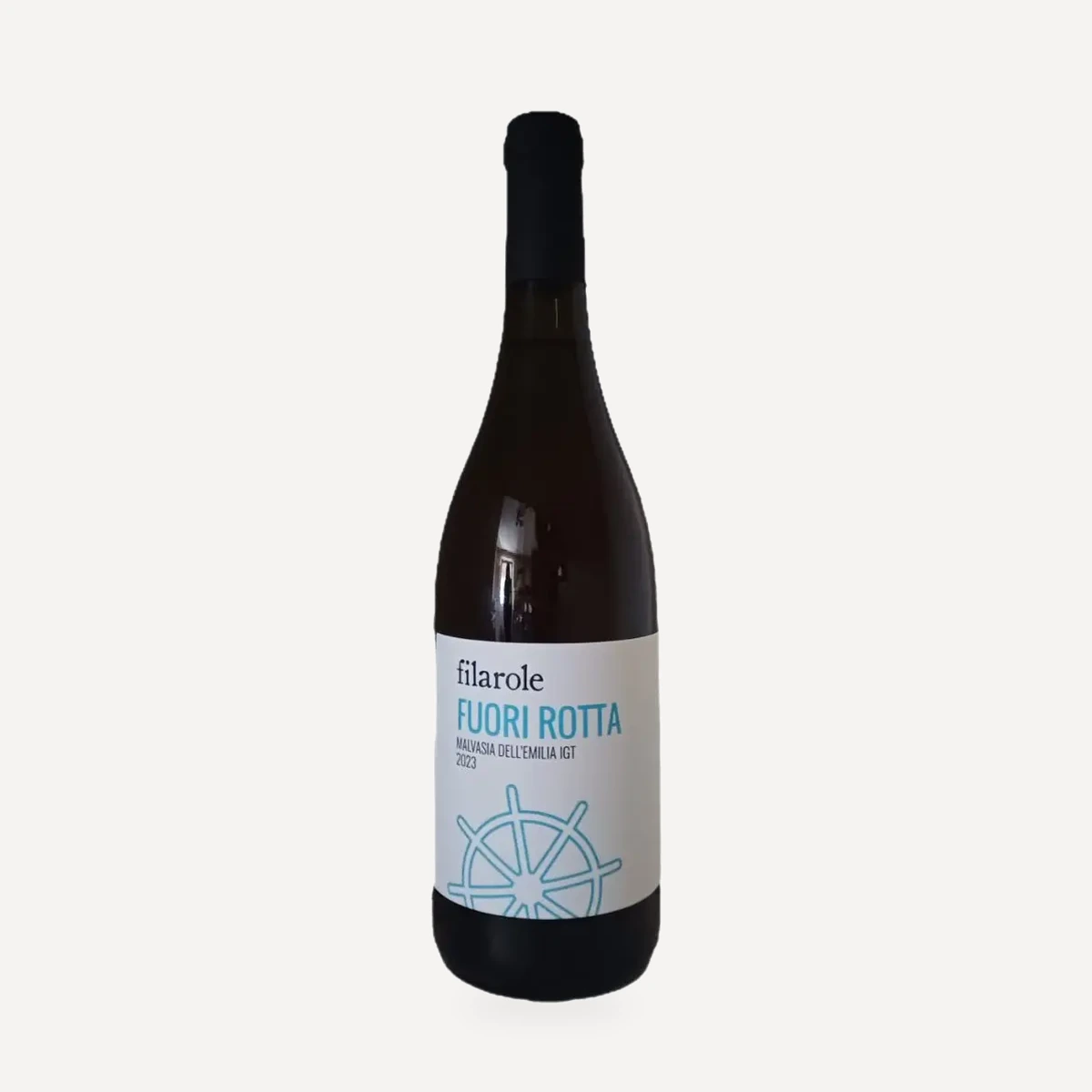
Fuori Rotta
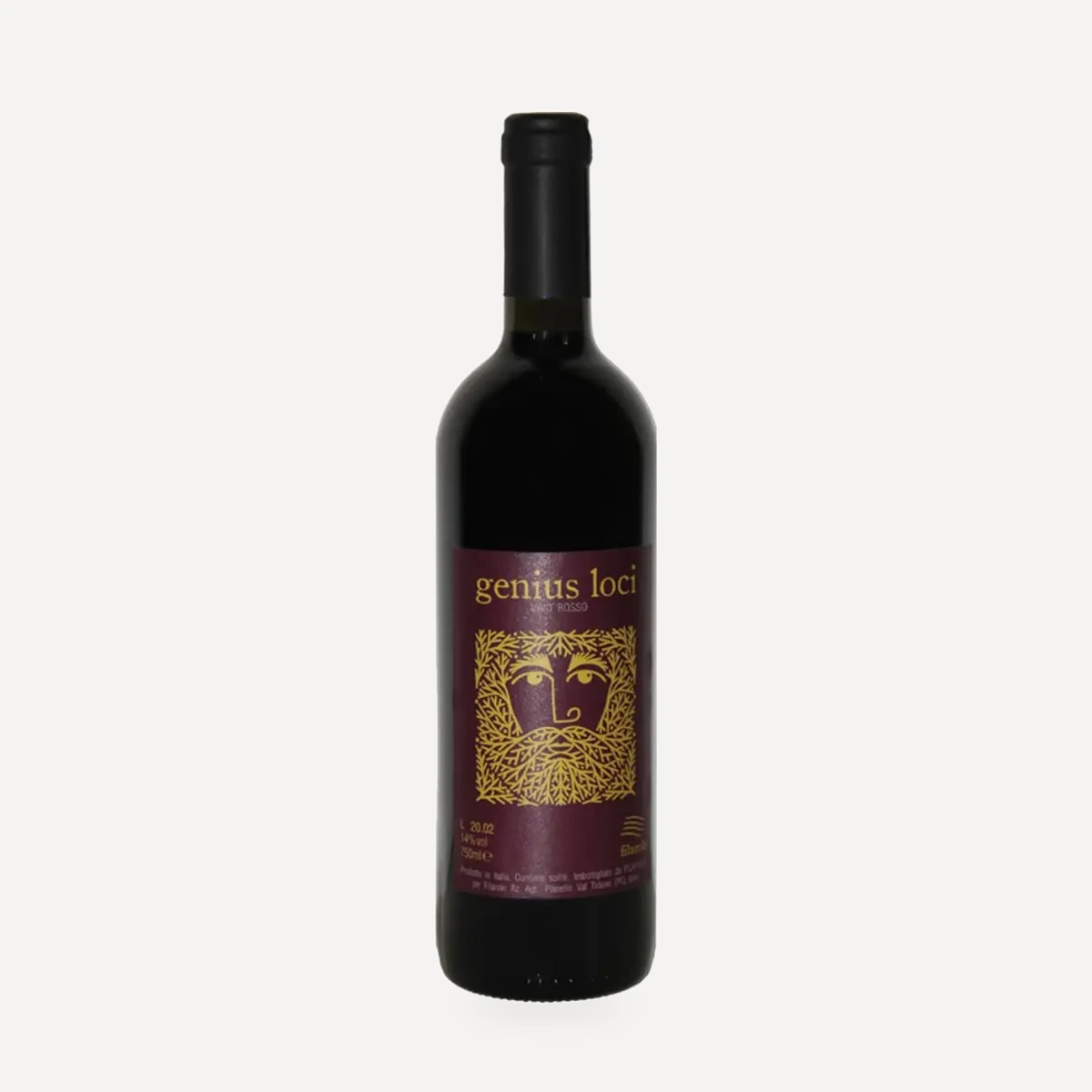
Genius Loci
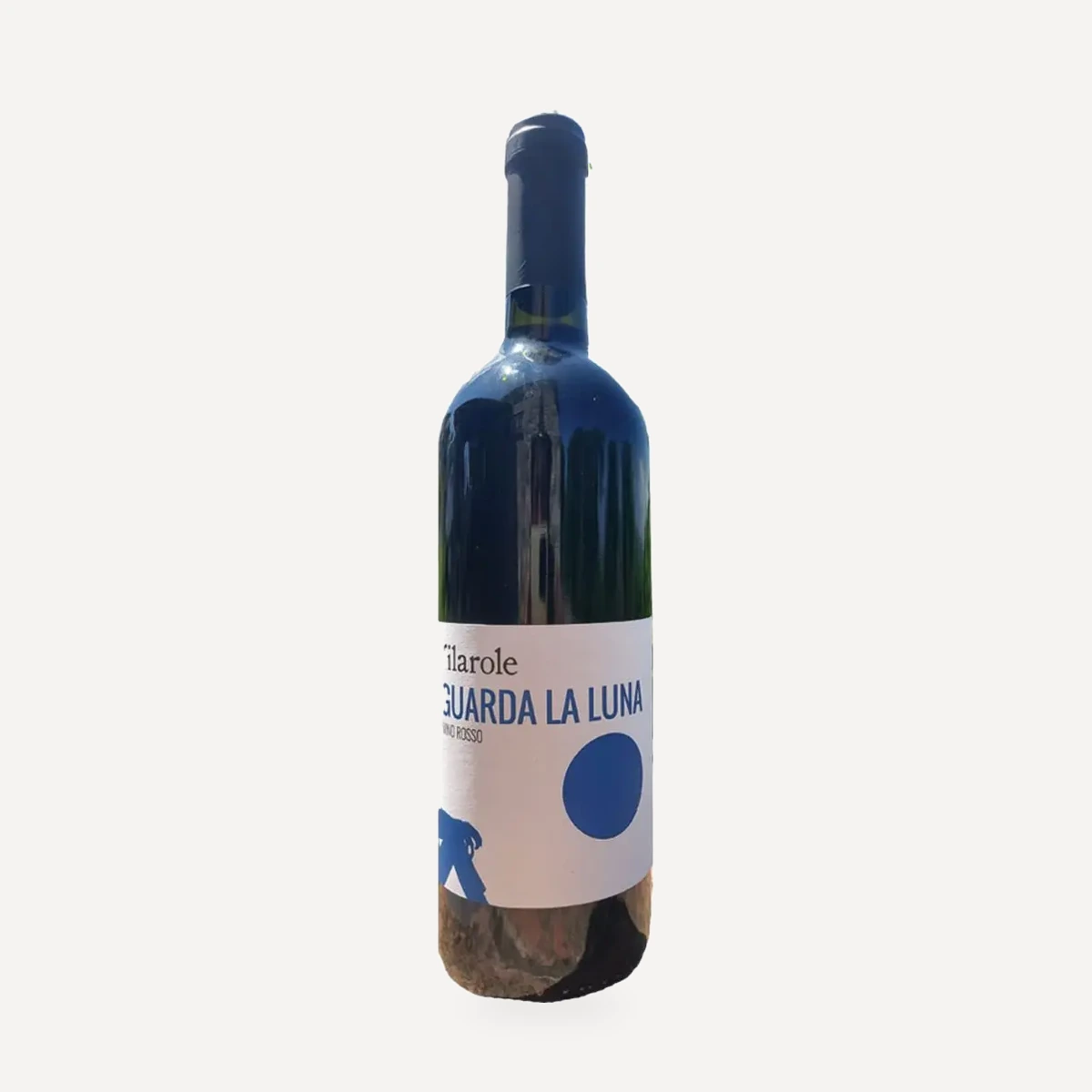
Guarda la luna
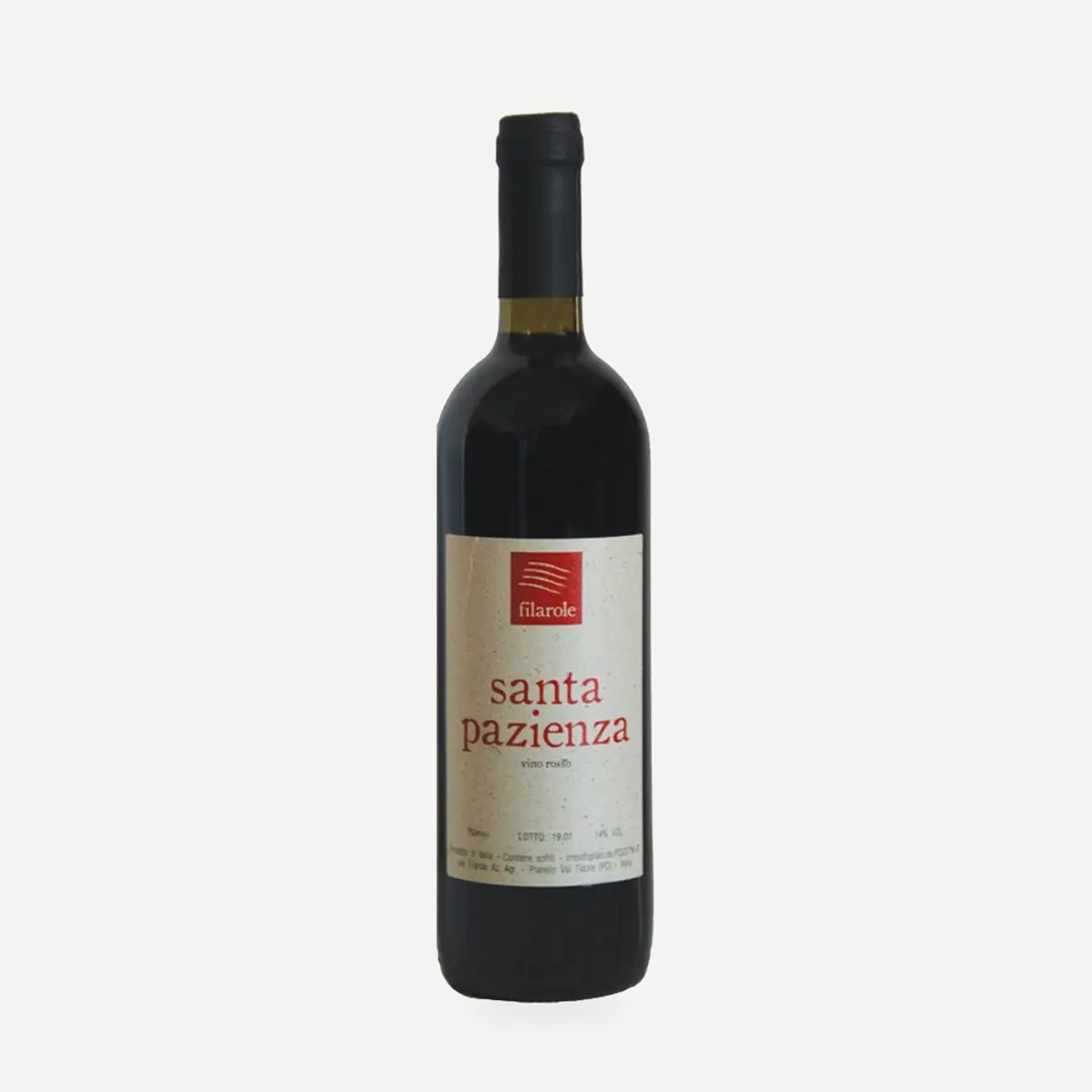
Santa Pazienza
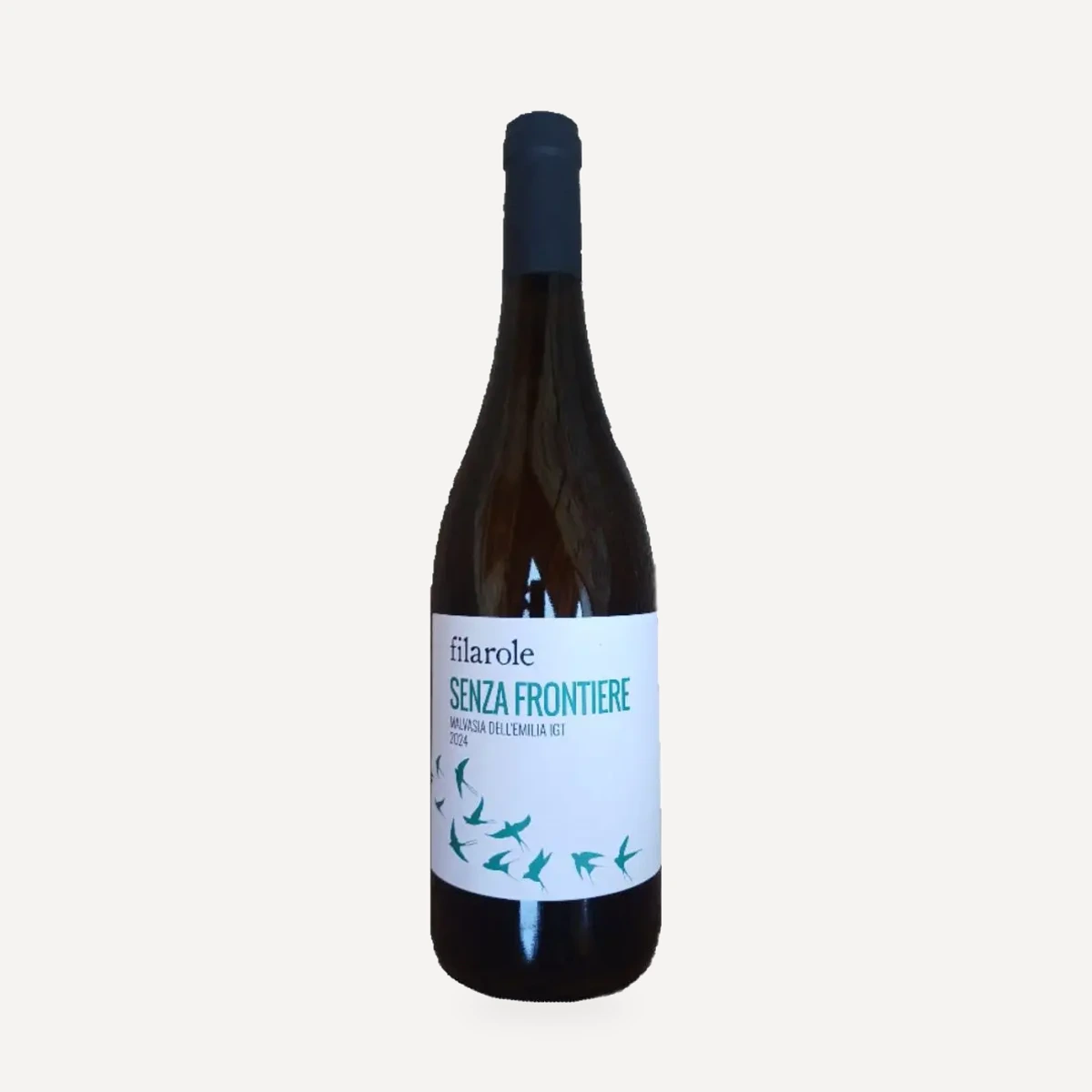
Senza Frontiere
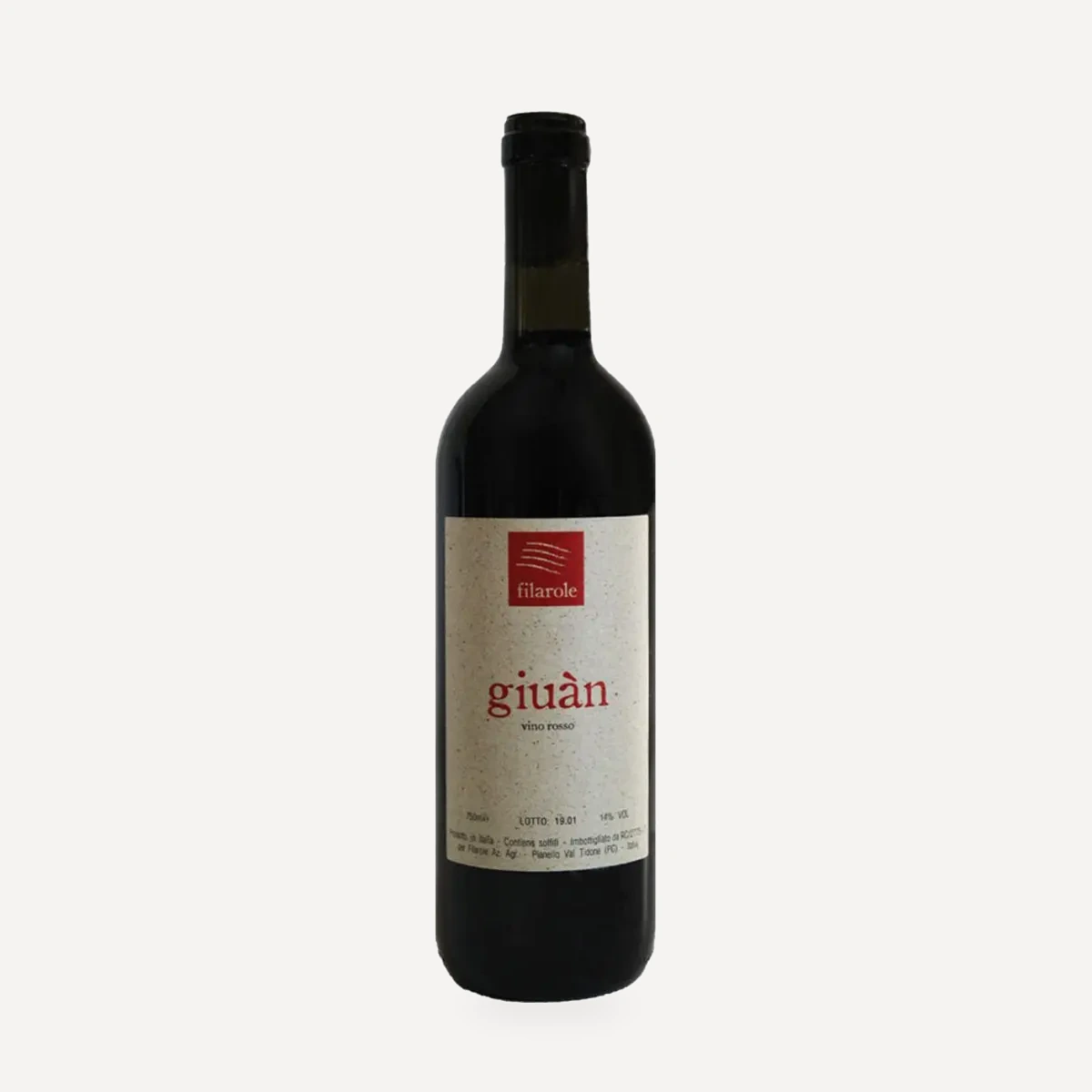
Giuàn
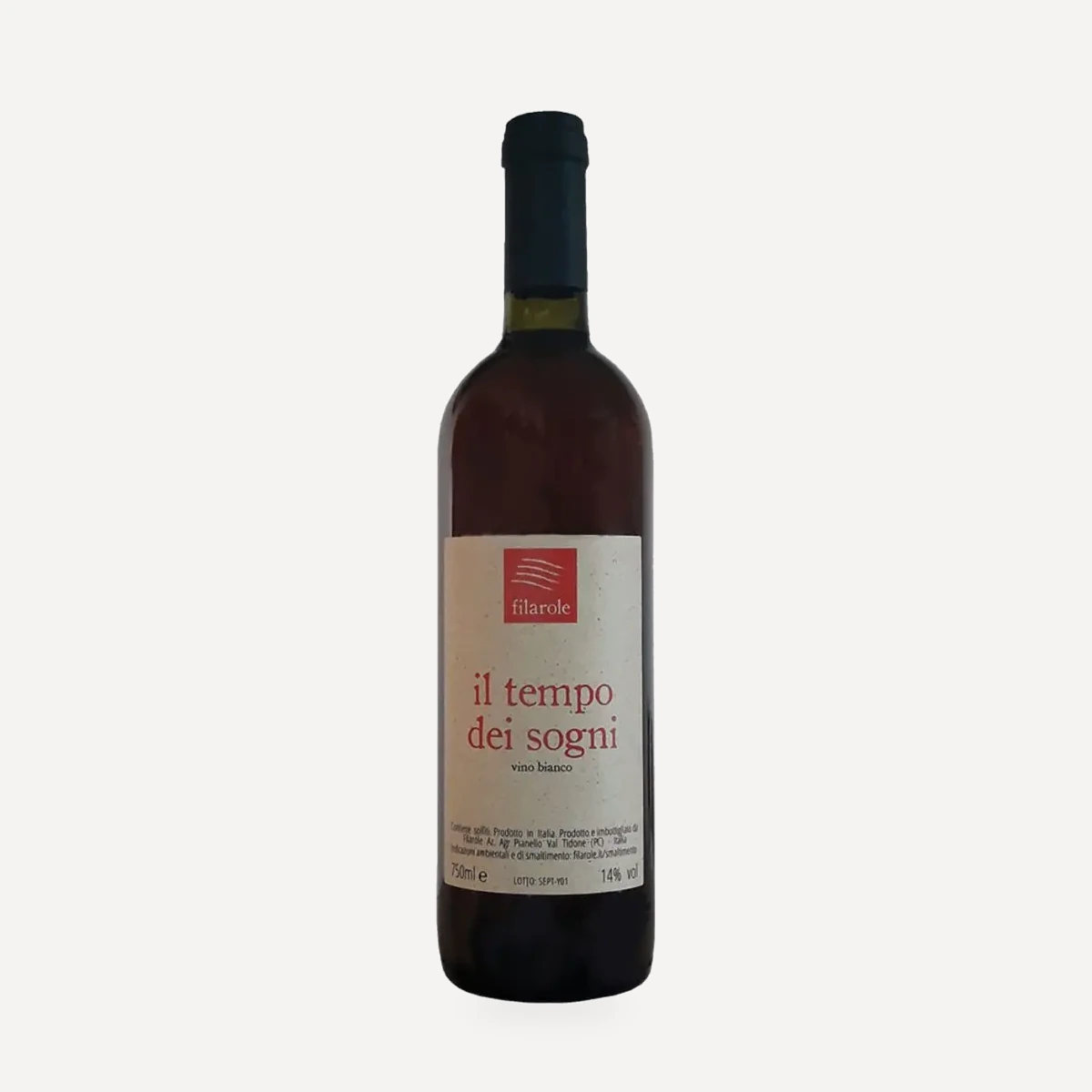
Il tempo dei sogni
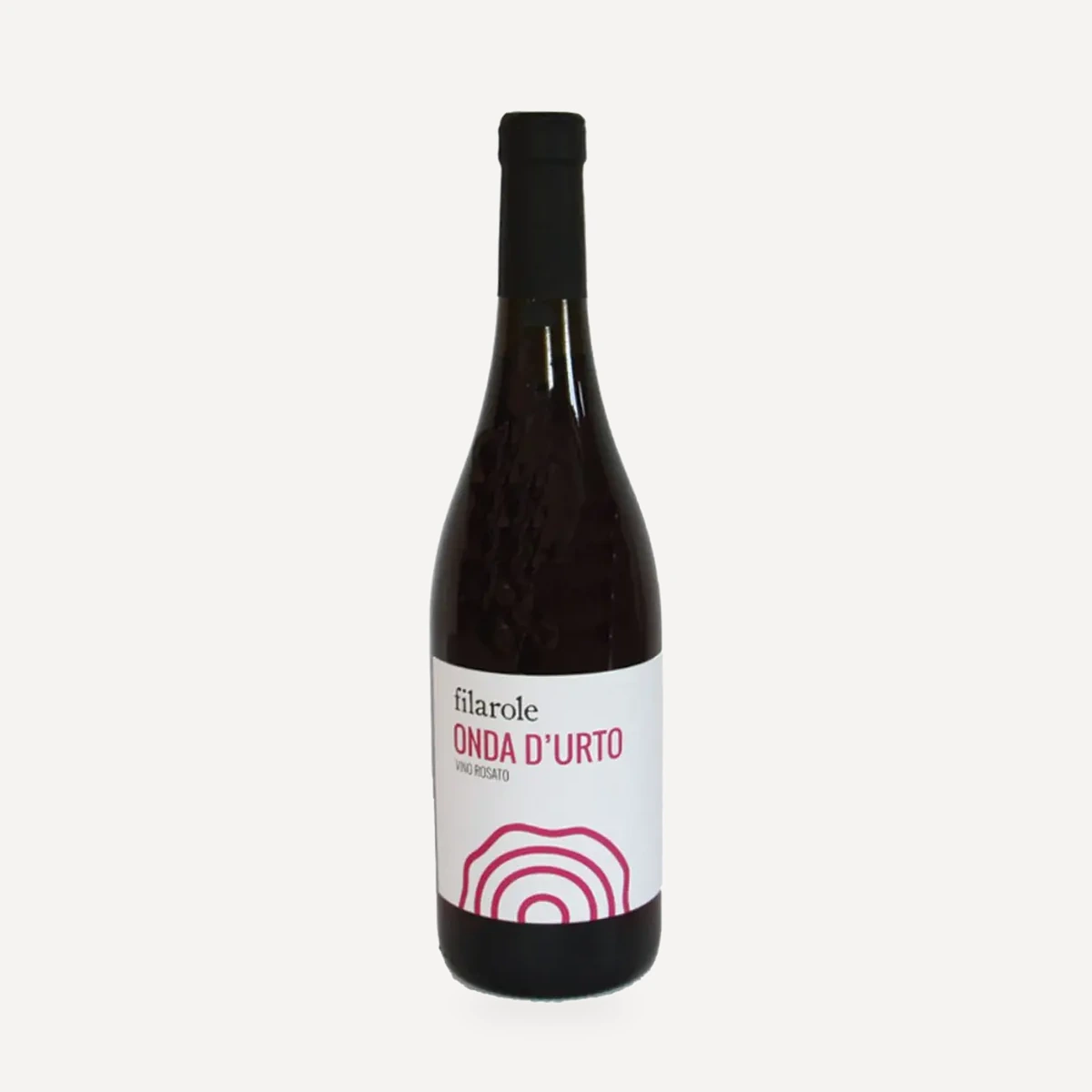
Onda d’urto
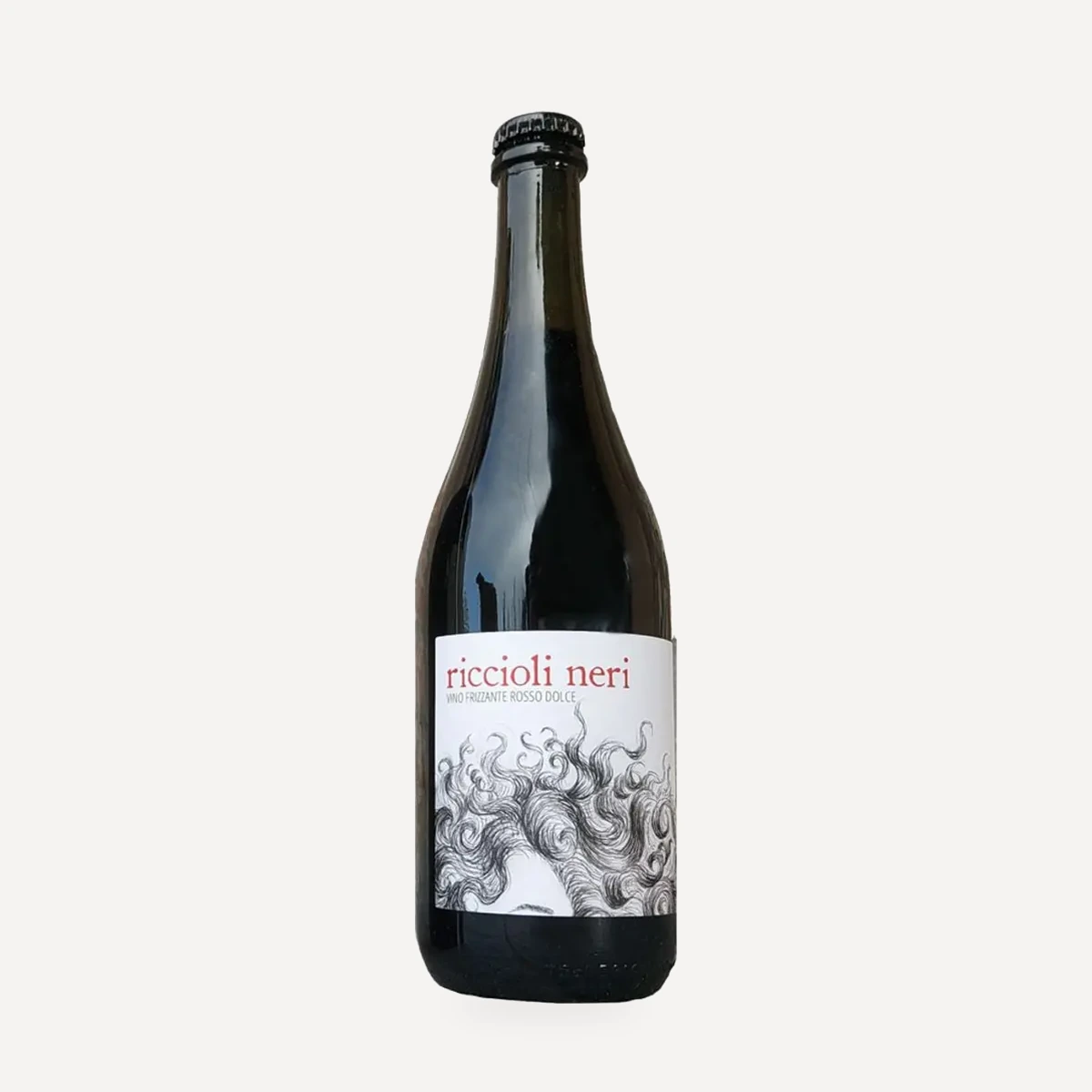
Riccioli neri
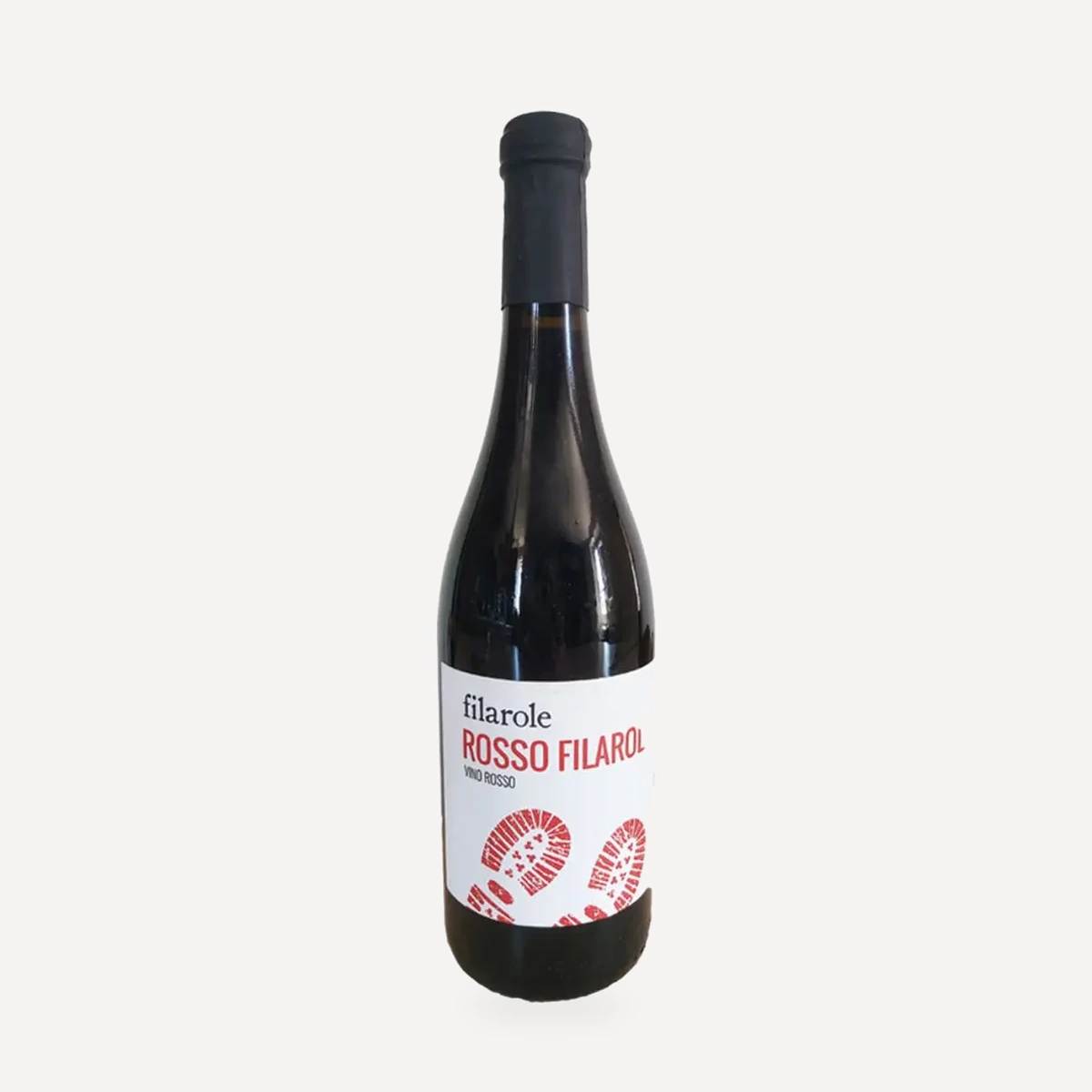
Rosso Filarole