Storia
Before the Fontanabianca name
The agricultural activity predates the Fontanabianca name. The family was already established on the hills of Neive, cultivating local grape varieties and maintaining a close connection with the area and its annual harvest cycle.
1969: Franco Pola begins the documented chapter
The present history begins in 1969, when Franco Pola started the work subsequently continued by his son Aldo and the wider Pola family. The original business was centred on growing and selling grapes.
From grape growing to estate bottling
The decisive development was the transition from selling grapes to bottling wine under the estate's own identity. Fontanabianca then began presenting its wines directly through tastings, fairs and other events. These changes strengthened the brand and gave the family a direct channel through which to express its interpretation of Neive.
Aldo Pola and the consolidation of the estate
Aldo Pola and his family carried Franco's work forward. The winery remained in the Bordini locality, among the Barbaresco vineyards, while its facilities were modernized over time. The modernization was intended to combine established cellar practices with temperature-controlled equipment and other technology capable of preserving the character of the grapes.
The production area was organized around temperature-controlled stainless-steel fermenters, while the maturation area incorporated both large oak casks and smaller barriques. An underground bottle-storage room and a tasting room were also established.
International development
As estate bottling and direct promotion expanded, Fontanabianca reached markets outside Italy, including the United States, Northern Europe, Japan and Australia. Throughout this development, the family retained Neive and its vineyards as the central reference points for the estate's identity.
Terroir
Fontanabianca is based at Bordini in the commune of Neive, within the Langhe and the Barbaresco production area. Neive forms part of the Barbaresco district together with Treiso, Barbaresco and San Rocco Seno d'Elvio.
The estate characterizes the local vineyard soils as calcareous and clay-rich, with a medium texture and a significant mineral component. These soils are associated with grapes capable of producing aromatic, elegant and structured wines. Sunlight and the local microclimate are also identified as important elements of the growing environment.
The Neive sites described for the range generally lie between 250 and 300 metres above sea level and have a temperate climate. The Barbera site is listed at 250 metres, while the Nebbiolo, Arneis and Dolcetto sites are generally listed at 300 metres. The Chardonnay site used for Alta Langa is in Neviglie at 480 metres above sea level. Clay-limestone soils and Guyot training recur across the described sites.
Exposure is especially important in the named Barbaresco vineyards. Bordini faces south, while Serraboella and the three other Nebbiolo vineyards used for Barbaresco face southwest.
Vinificazione
Vineyard work is principally manual. The estate uses treatments it characterizes as non-aggressive and supports its decisions with careful soil analysis. The objective is to guide vine growth while preserving the qualities that the family associates with Neive's calcareous-clay soils.
Guyot is the recurring training system across the described vineyards, with Single Guyot specified for the site used for Langhe Rosato. The published vine ages range from 12–15 years for the Langhe Nebbiolo site to 50–60 years for Bordini. The other described sites include Arneis and Chardonnay vines averaging 15–20 years, rosato vines of 25–30 years, Barbera and general Barbaresco vines of about 30 years, and Dolcetto vines of 30–35 years.
Manual grape selection is specifically employed for the Chardonnay destined for Alta Langa. The Langhe Rosato vineyard profile records a yield of 80 quintals per hectare.
Fontanabianca's cellar stands in the Bordini locality among the vineyards. It has been modernized over time to combine traditional maturation vessels with temperature-controlled technology.
The vinification area contains temperature-controlled stainless-steel fermenters. Fermentation of the must is described as natural. A separate maturation area contains large oak casks and smaller barriques. The estate uses wood selectively for Barbaresco, Barbera d'Alba Superiore and Langhe Nebbiolo, with wood maturation across these categories never exceeding 15 months. Dolcetto and Arneis mature exclusively in stainless steel.
The general approach varies by category. Temperature-controlled stainless steel is used for Arneis and Dolcetto. Langhe Nebbiolo receives a short period of approximately six months in large casks. Barbera d'Alba Superiore matures in large and small wooden vessels for approximately 12–13 months. Barbaresco matures in large casks, with barriques also used for the non-cru bottling; the stated periods range from 10–13 months for Barbaresco to 12–15 months for the named-cru bottlings.
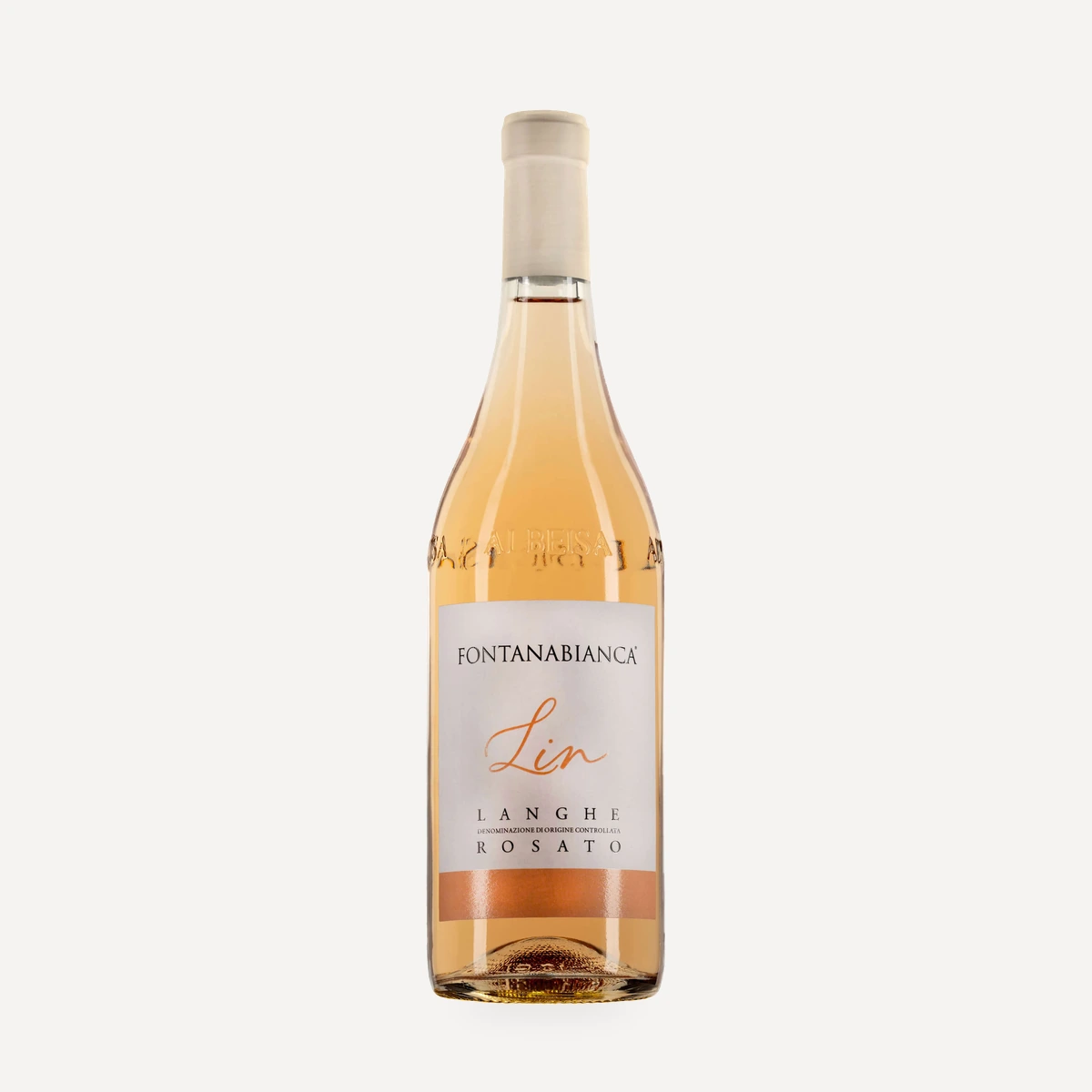
For Langhe Rosato, the grapes undergo one to three hours of skin cryomaceration, adjusted according to the desired colour intensity, followed by gentle pressing. Alcoholic fermentation takes place in stainless steel for 20 days, after which the wine spends several months on its lees in cement and steel tanks.
Alta Langa production begins with manual grape selection and gentle pressing. The first fermentation occurs in steel tanks at 15°C. Tirage with selected yeasts takes place in spring, followed by secondary fermentation in bottle at 15°C.
The cellar also includes an underground room for bottle storage.
Filosofia
Fontanabianca defines quality through fidelity to Neive. Its guiding principle is that a wine merits the description of quality only when its flavour reflects the place where its grapes were grown.
The family presents itself as the first consumer of its own work and aims to make wines that retain the flavours and aromas associated with Neive. In the cellar this is summarized by the intention to preserve the taste of the grape in the finished wine, based on the view that wine is a living product.
This philosophy shapes the balance between tradition and technology. Modern temperature control and stainless steel are used to safeguard fruit character, while large oak casks and barriques remain part of maturation. Wood is employed with restraint, with the stated purpose of softening tannins without masking the natural taste of the grapes.
Perfume, elegance and structure are recurring goals. The family's work in both vineyard and cellar is directed toward allowing soil, exposure, microclimate and grape variety to remain recognizable rather than imposing a uniform cellar style.
Vini
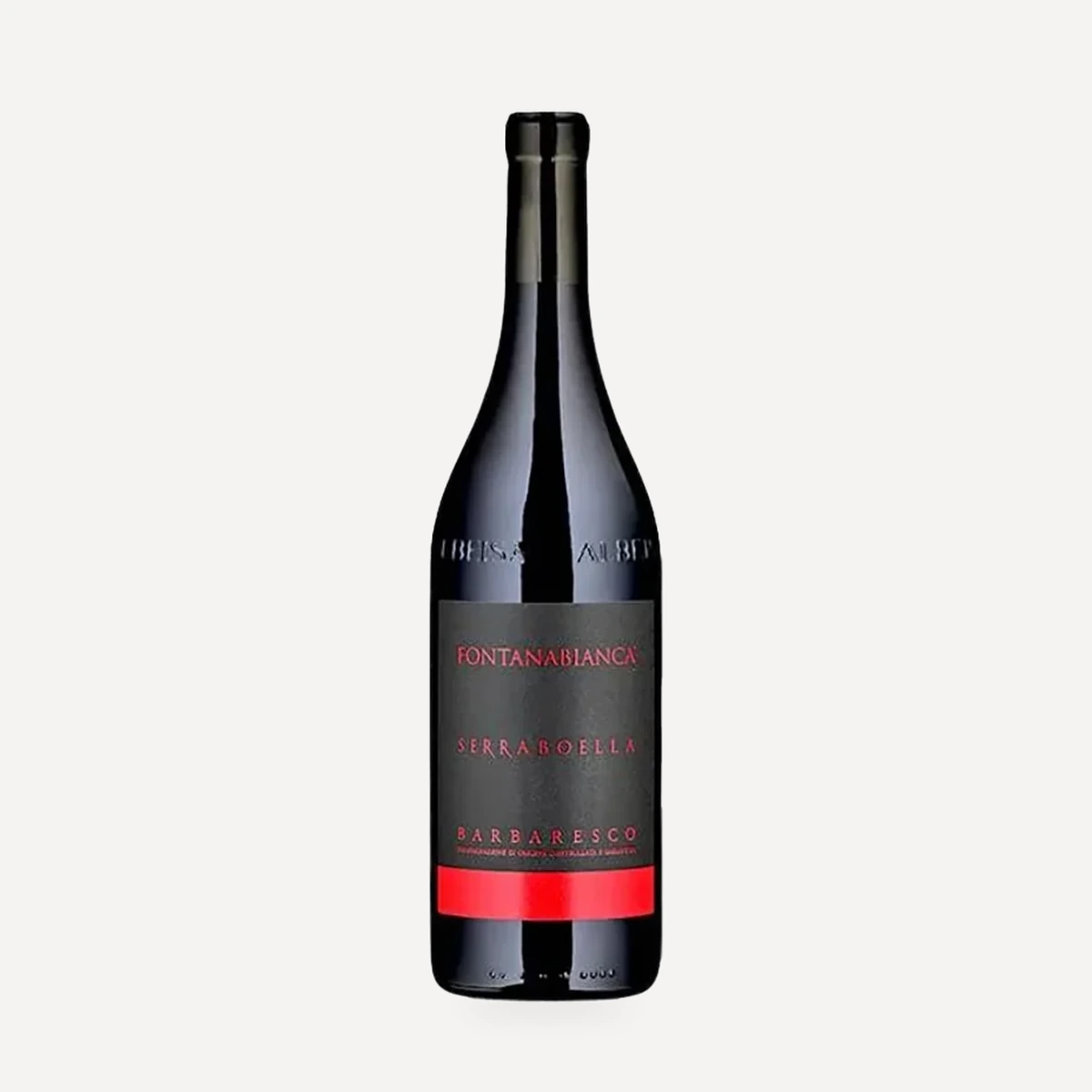
Barbaresco Serraboella DOCG
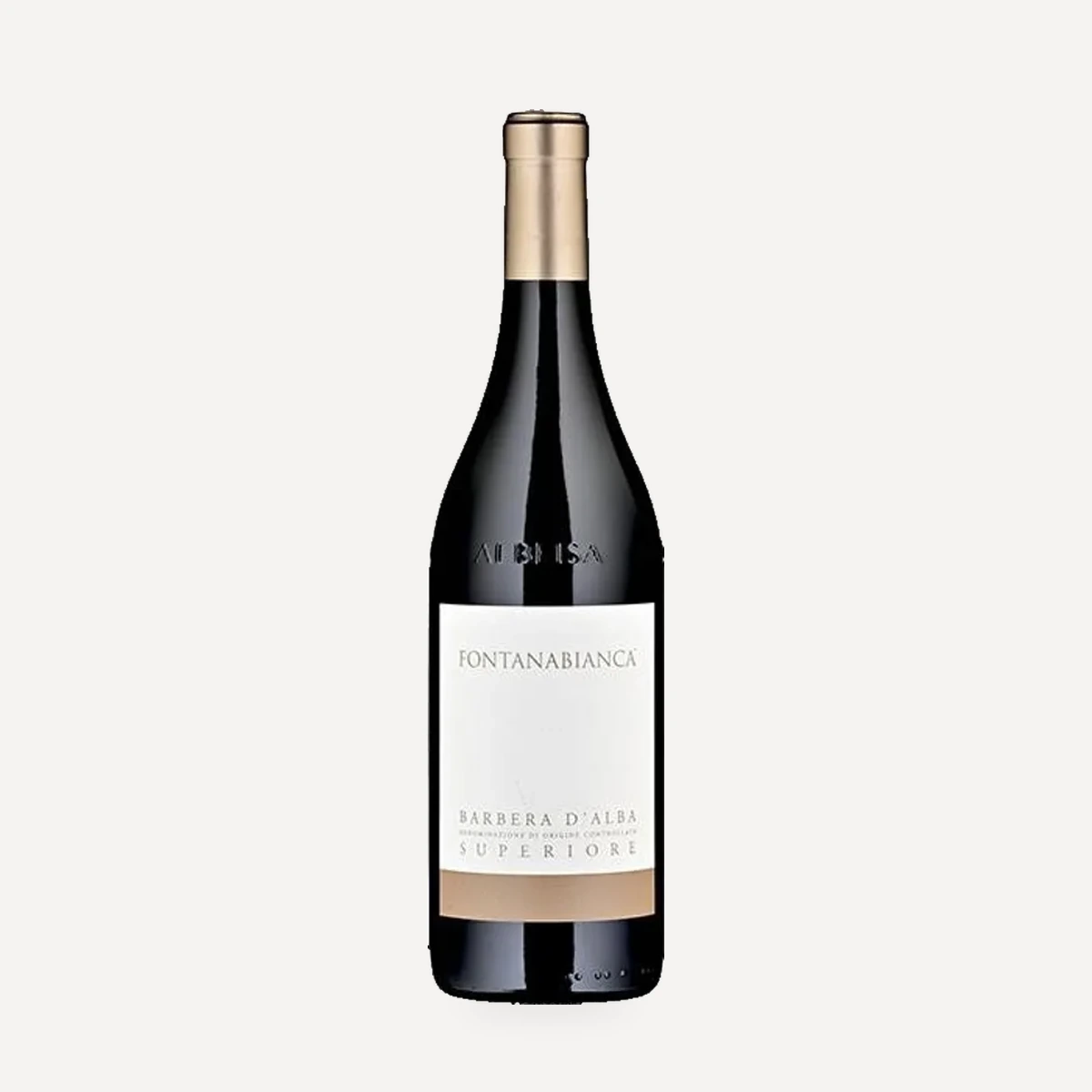
Barbera d’Alba Superiore DOC
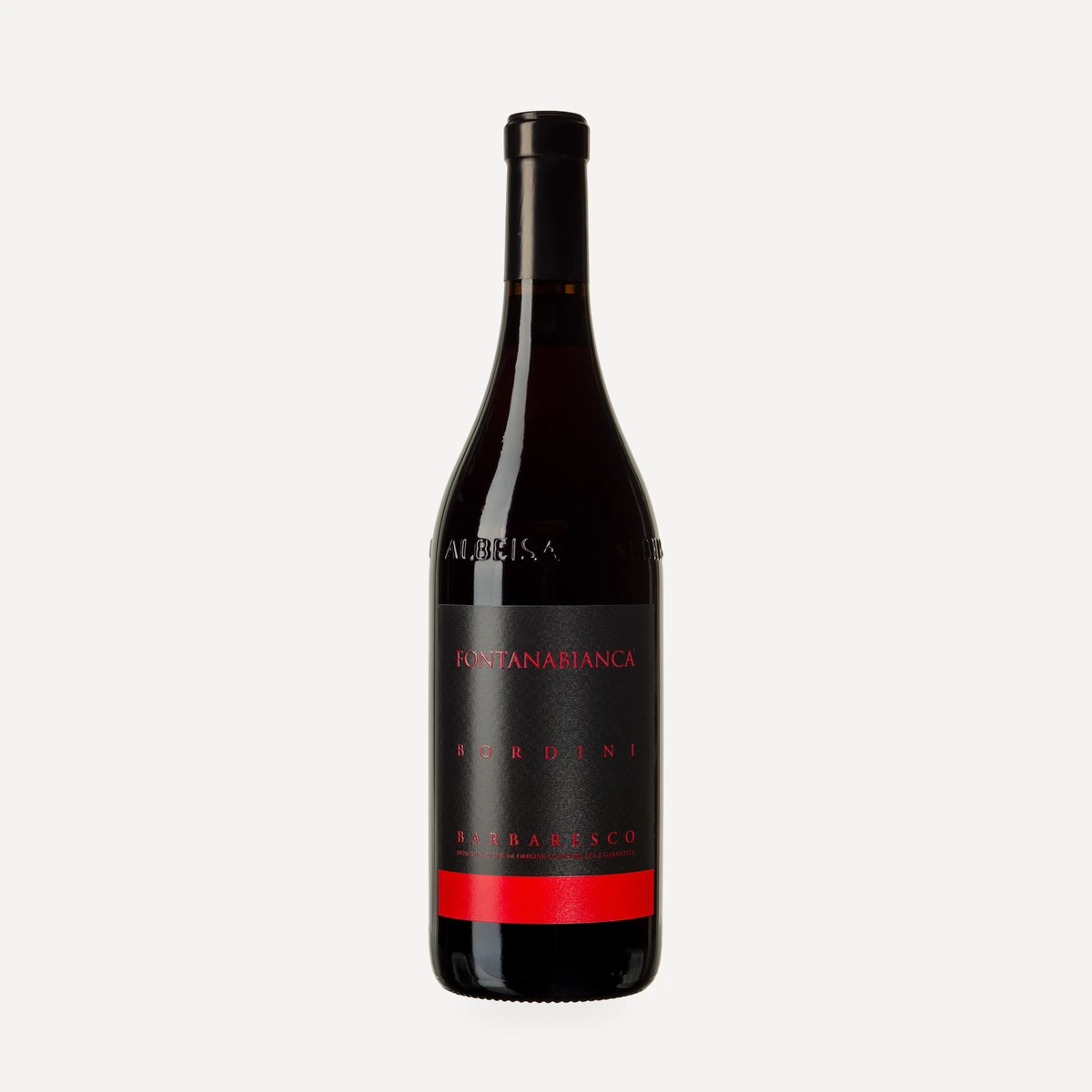
Barbaresco Bordini DOCG
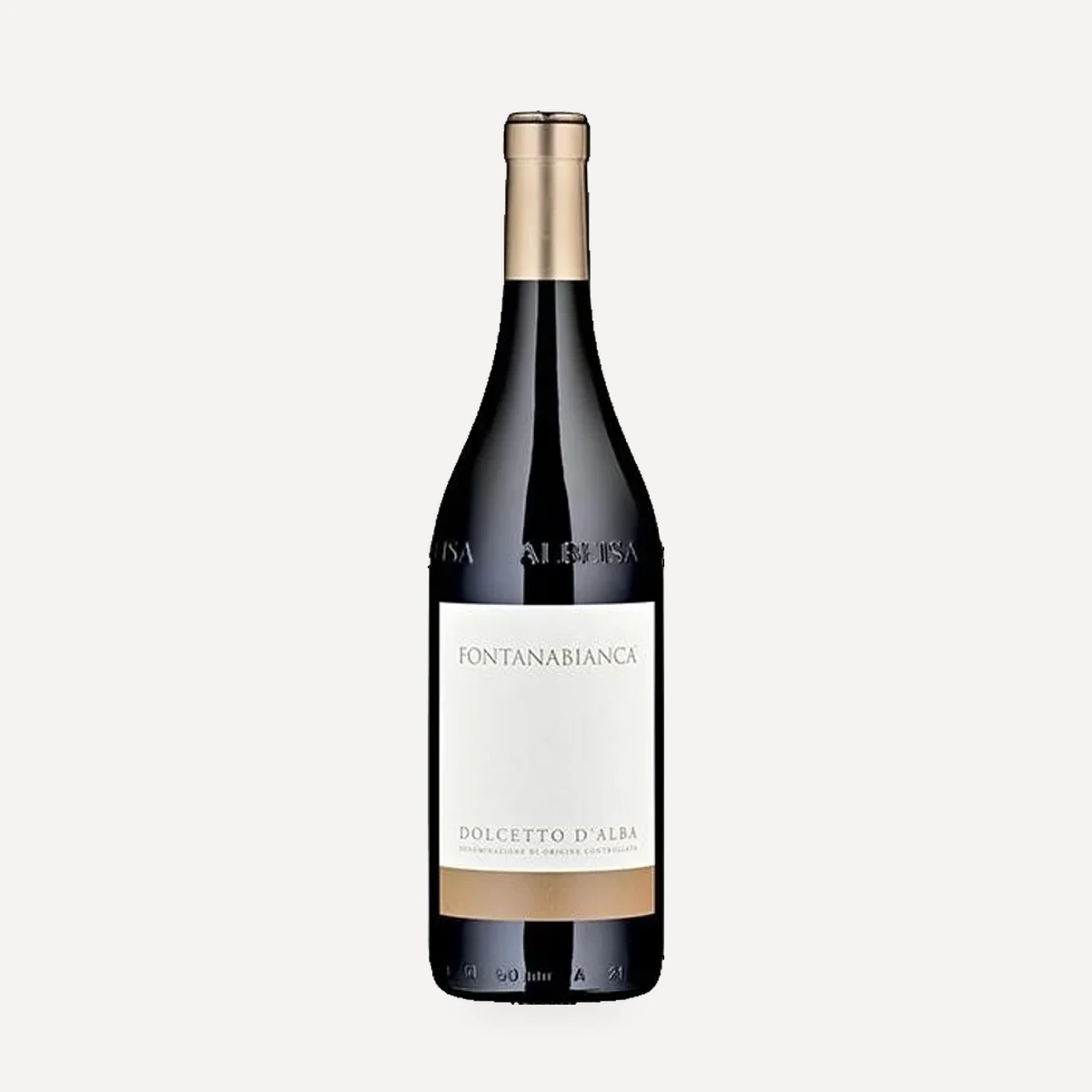
Dolcetto d’Alba DOC
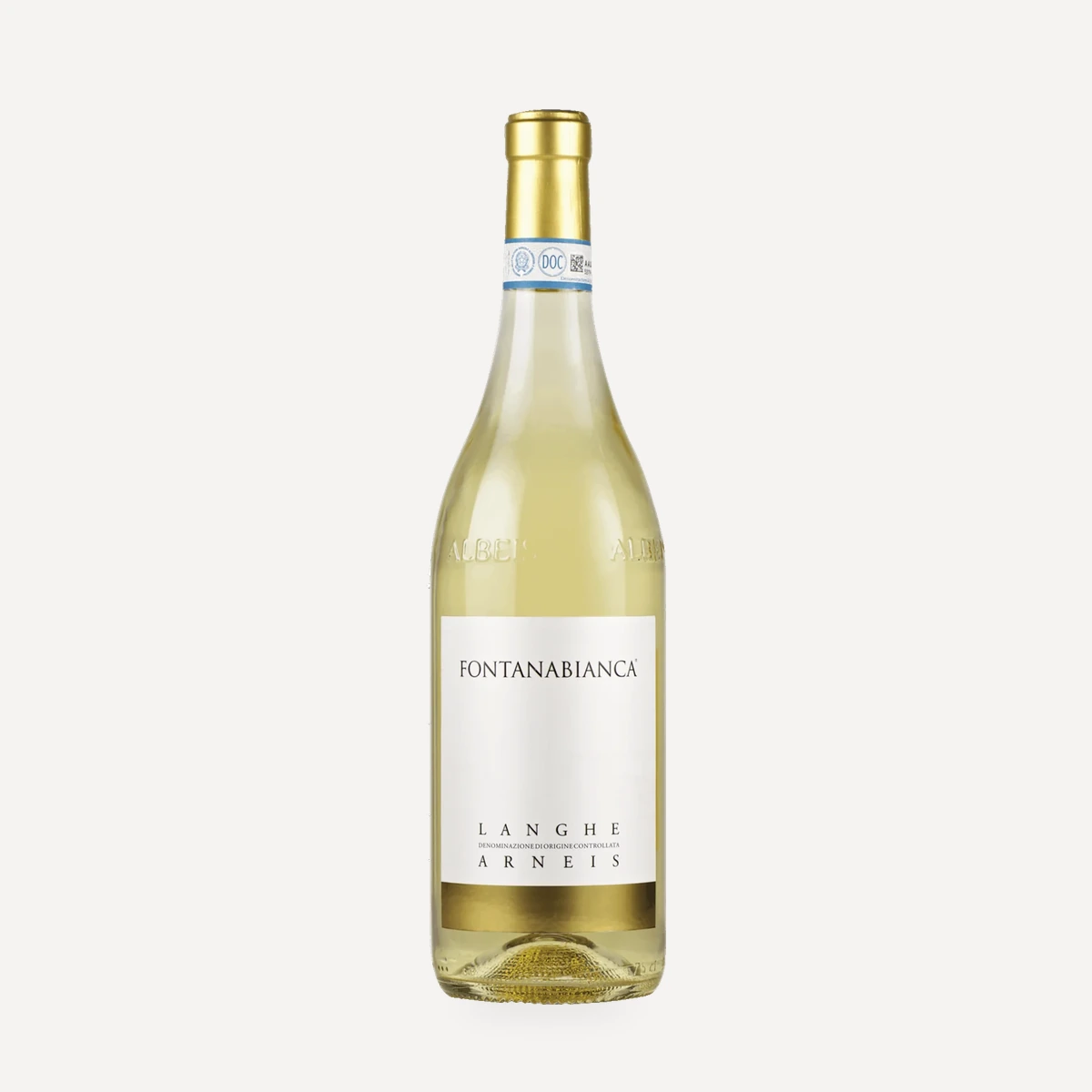
Langhe Arneis DOC
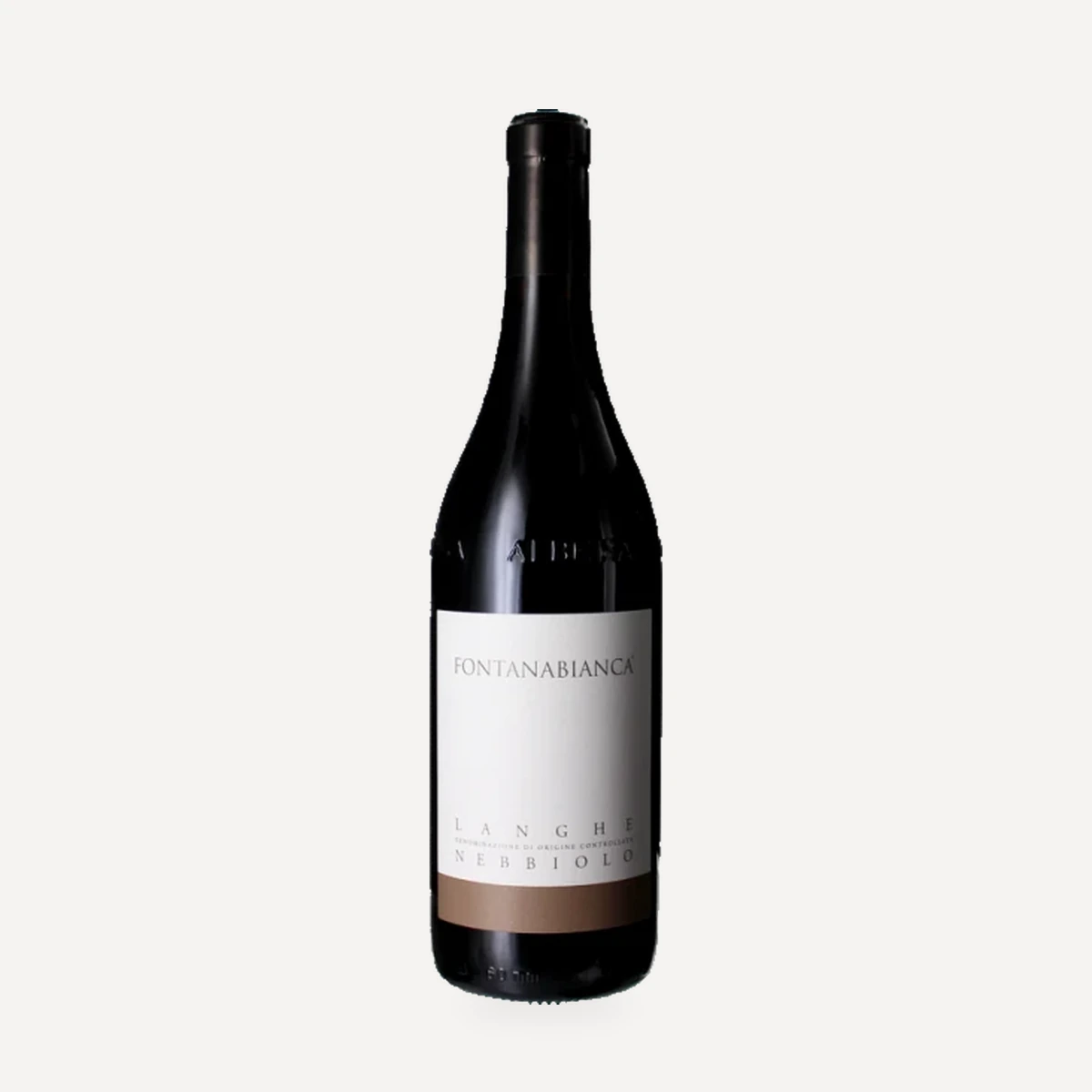
Langhe Nebbiolo DOC