Storia
Nineteenth-century origins
Fontanavecchia’s history is rooted in the Rillo family’s work as winegrowers in Torrecuso. A register dating from the Bourbon era records that members of the family were already producing wine in the area more than 160 years ago. The historic cellars were begun by the family’s founding ancestor in the nineteenth century and were subsequently restored, enlarged and adapted as the business developed.
From its beginnings, the family combined the cultivation of its own vineyards with pressing the grapes and bottling wine under its own name. This continuity made vineyard work, cellar practice and the care of family land inseparable parts of the estate’s identity.
Development of the estate
Across successive generations, the Rillo family concentrated particularly on Falanghina del Sannio and Aglianico del Taburno. Its work formed part of the modern revival and wider recognition of these two grapes and their wines. The estate continued to expand while retaining its historic base in Contrada Fontanavecchia, on the slopes of Monte Taburno.
The buildings evolved with the business: the original nineteenth-century cellars were renovated and enlarged, while the vineyard holding reached approximately 18 hectares within a total estate of 20 hectares. The production process remained under family direction, extending from vineyard management through vinification and bottling.
The contemporary family estate
Libero Rillo took responsibility for the management of Fontanavecchia, working alongside his father Orazio and his brother Giuseppe. Orazio remained closely involved with the vineyards and the subsequent cellar work, while Libero and Giuseppe developed new projects and initiatives together. In a 2017 estate profile, the cellar’s oenological direction was entrusted to Angelo Pizzi.
During this period Fontanavecchia was described as producing approximately 180,000 bottles annually. Its vineyards were distributed among several sites at the foot of Monte Taburno, while part of the grapes used for other historic Campanian varieties was purchased from growers in the surrounding area.
Range, hospitality and recent development
Over the decades, Fontanavecchia developed both youthful, fruit-led wines and longer-lived bottlings, including its reserve and special selections. Its portfolio came to encompass Aglianico, Falanghina, Piedirosso, Greco, Fiano and Coda di volpe, as well as traditional- and tank-method sparkling wines.
The family subsequently broadened the estate beyond wine production. Vineyard and cellar tours, tastings and traditional Benevento cuisine became part of its hospitality programme. The agriturismo was later expanded with four newly equipped en-suite guest rooms on the upper floor, allowing visits to be extended into overnight stays.
Terroir
Fontanavecchia occupies the homonymous district of Torrecuso in the Benevento province, within Campania’s Sannio Beneventano. The estate lies at the foot of Monte Taburno, whose profile seen from the area is known as the Dormiente del Sannio, or “Sleeping Woman of Sannio.” Vineyards and olive trees shape the surrounding landscape, with vineyard sites distributed among several localities on the lower slopes of the mountain and interspersed with wooded areas.
The vineyard sites extend from approximately 210 m to more than 400 m above sea level. Individual plots represented in the estate range include sites at 250, 300, 350, 380 and 400 m. The vineyards are described as having favourable exposures, with sunlight and warmth contributing to grape ripening.
The dominant soil pattern is clay with outcrops of calcareous marl. One Falanghina parcel, Particella 190, is composed mainly of calcareous marl, while Particella 148 differs through its deltaic floodplain and coastal-plain deposits combined with mixed marine-continental aeolian material. The landscape also includes the wooded gorge known locally as Fuoss ’a noce, which surrounds the cellar and the nearby Aglianico and Falanghina vineyards.
Vinificazione
Quality is treated as beginning in the vineyard, with cultivation and harvest practices selected to respect the soil, environment and inherited local methods. Organic fertilizers are used to balance and improve the vitality of the soil and vines and to create favourable conditions for sound grapes. A 2017 technical profile additionally records organic-mineral fertilizers, chemical crop-protection products together with copper and sulfur, mechanical weed control and no formal certification.
Aglianico and Falanghina receive the principal attention in the estate vineyards. The same 2017 profile recorded that other historic Campanian grape types were obtained from growers in the surrounding area and that purchased fruit represented 20% of the total supply at that time.
Guyot is the training system documented across the estate’s detailed vineyard specifications. Harvesting is carried out by hand, with careful selection of the best bunches. Grapes are gathered in crates, including the selected fruit destined for the principal Aglianico and late-harvest Falanghina bottlings. Documented yields vary by site and grape from 5,000 to 15,000 kg/ha. Harvest dates extend from the first third of September for some white and sparkling-wine grapes to the final third of October for the most structured Aglianico selections. Temperature is controlled during the harvest and subsequent vinification stages.
The historic cellar complex originated in the nineteenth century and was subsequently renovated and enlarged. It contains quiet maturation rooms with French-oak vessels, as well as spaces in which reserve wines have rested for decades. Vineyard management, vinification and bottling are all treated as connected stages of the estate’s production.
Fruit is hand-picked and transported in crates. Red wines are made by temperature-controlled fermentation with the skins, with documented fermentation periods ranging from approximately 7 to 15 days. Rosé production uses short, temperature-controlled skin contact. White grapes are directly pressed and fermented under temperature control, commonly for approximately 7 to 15 days. The late-harvest Falanghina parcels undergo six hours of cold skin maceration before fermentation in French-oak barriques. Selected yeasts were recorded in the 2017 technical profile.
Maturation varies across the range. Fresh styles are kept in stainless steel. Other wines spend three months in large French-oak casks, one year in French-oak casks, or 18 months in French-oak barriques; the Grave Mora programme specifies new French-oak barriques. The parcel-designated late-harvest Falanghina wines mature for six months in French-oak barriques followed by 12 months in steel and three years in bottle.
Sparkling production encompasses both the Martinotti/Charmat method and the traditional method. The traditional-method rosé remains in contact with its yeasts for 36 months. Bottling forms part of the estate-controlled production sequence.
Filosofia
Fontanavecchia presents wine as an expression of Sannio’s viticultural tradition and of the accumulated experience of its people. The family’s stated priority is quality rather than volume, pursued through patient work and close attention at every stage from vineyard cultivation to vinification and bottling.
The guiding principle is to respect the vines, wine and people while allowing each grape variety to retain and express its own identity. This applies both to youthful wines and to reserve bottlings: each is intended to preserve a distinctive character while remaining balanced and pleasurable. Lightness and harmony are sought alongside elegance, body, structural complexity and the ability to develop over time.
Tradition is not treated as incompatible with innovation. The family combines its attachment to the wines of Taburno and its winegrowing roots with experimentation, attention to international markets and a willingness to anticipate changing preferences. Vineyard and cellar decisions are grounded in the conviction that sound grapes are indispensable but that their potential can only be realised through commitment, precision and passion.
The estate’s language also connects wine to family memory and place. Casavecchia is used as a metaphorical “family dictionary” in which roughly 150 years of knowledge transmitted by the land—physical work, practical skill and winemaking talent—have been recorded.
Vini
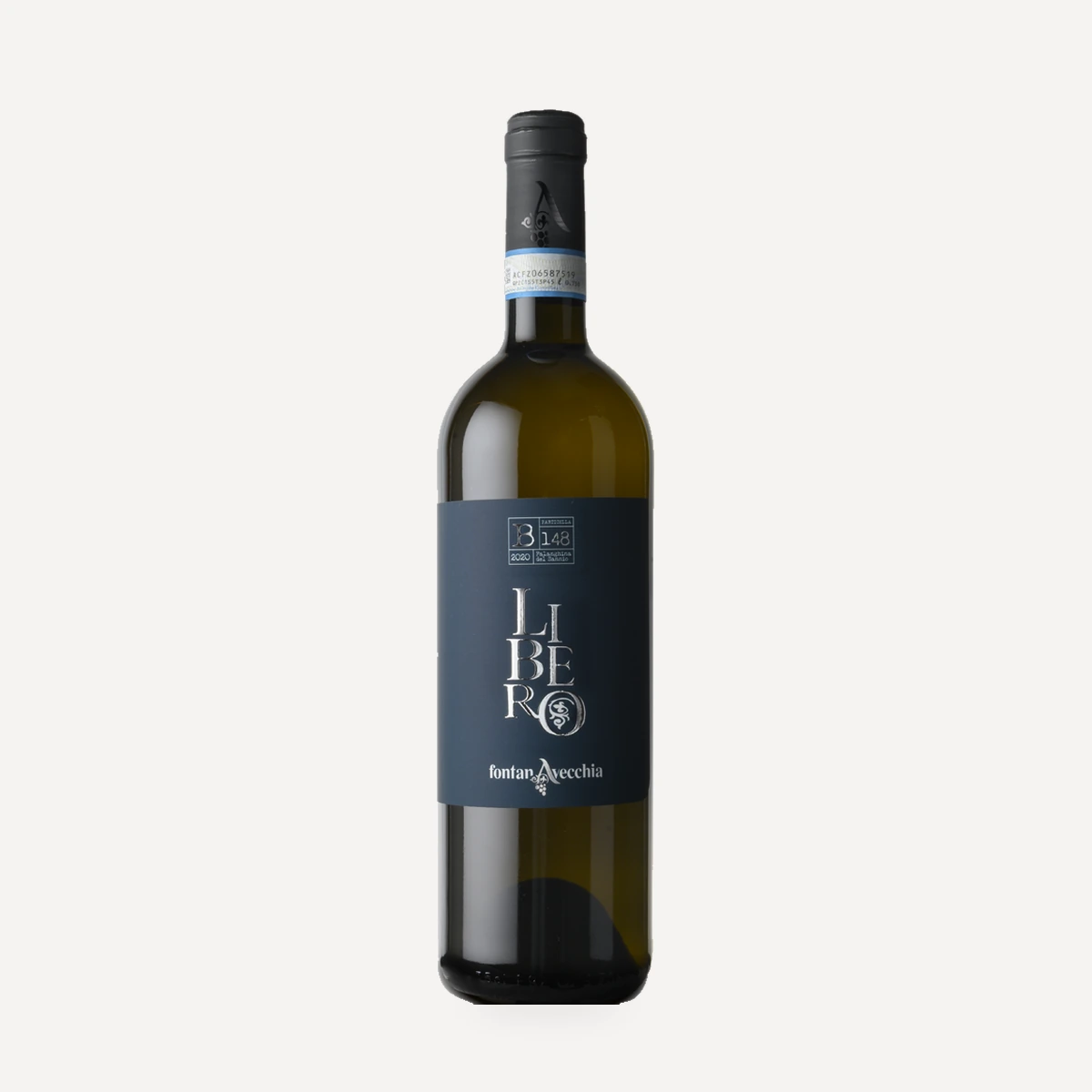
Falanghina del Sannio Taburno Vendemmia Tardiva Libero B Particella 148
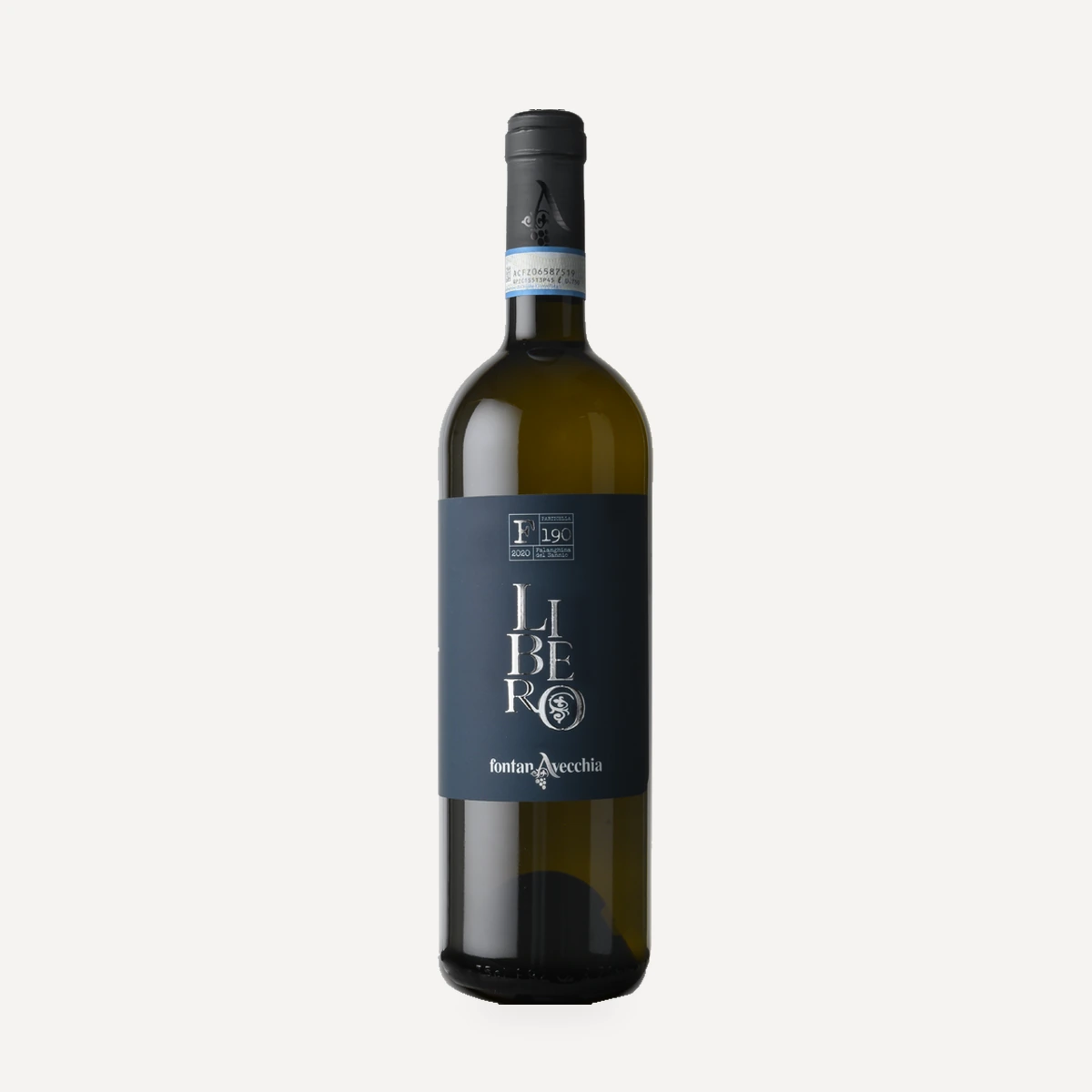
Falanghina del Sannio Taburno Vendemmia Tardiva Libero F Particella 190
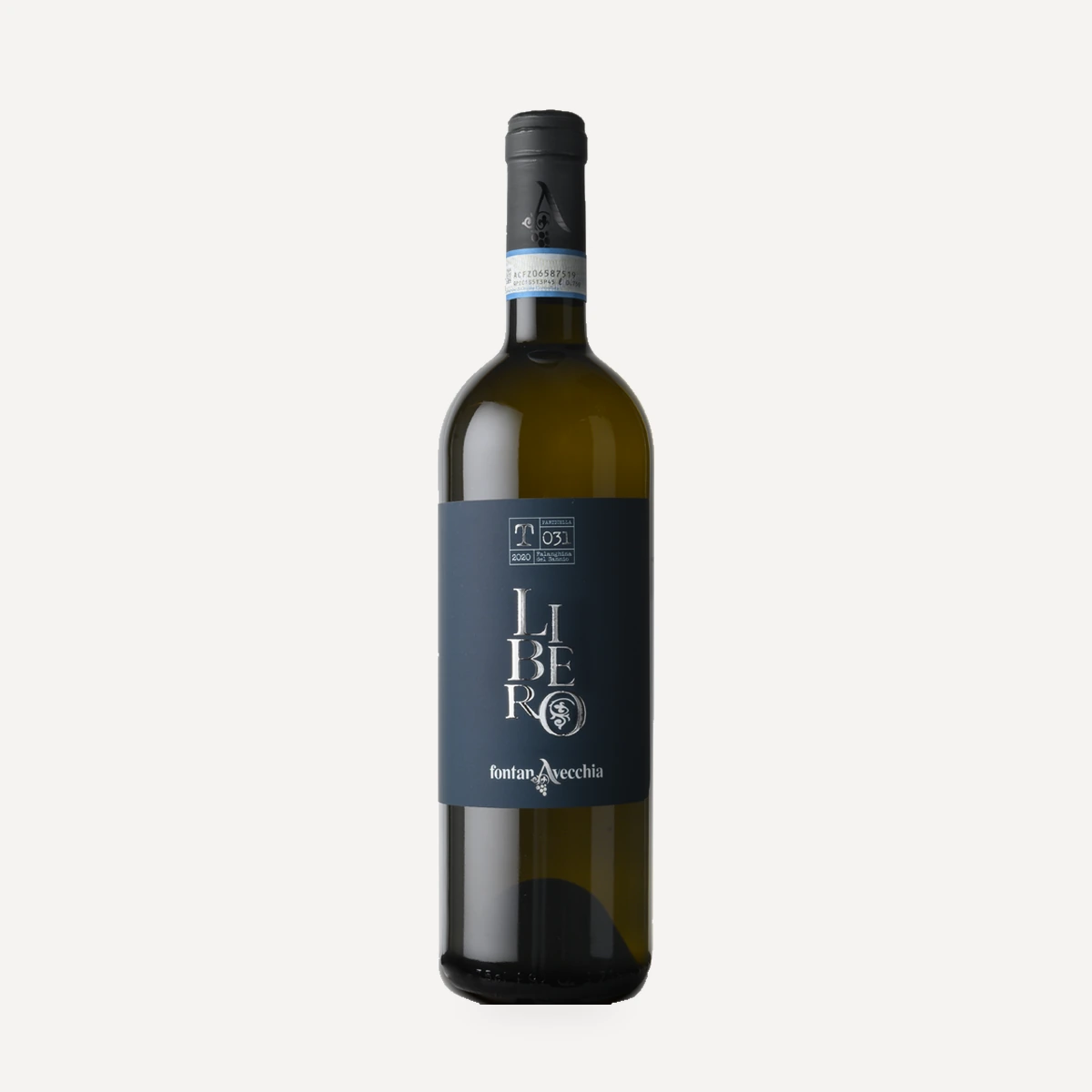
Falanghina del Sannio Taburno Vendemmia Tardiva Libero T Particella 031
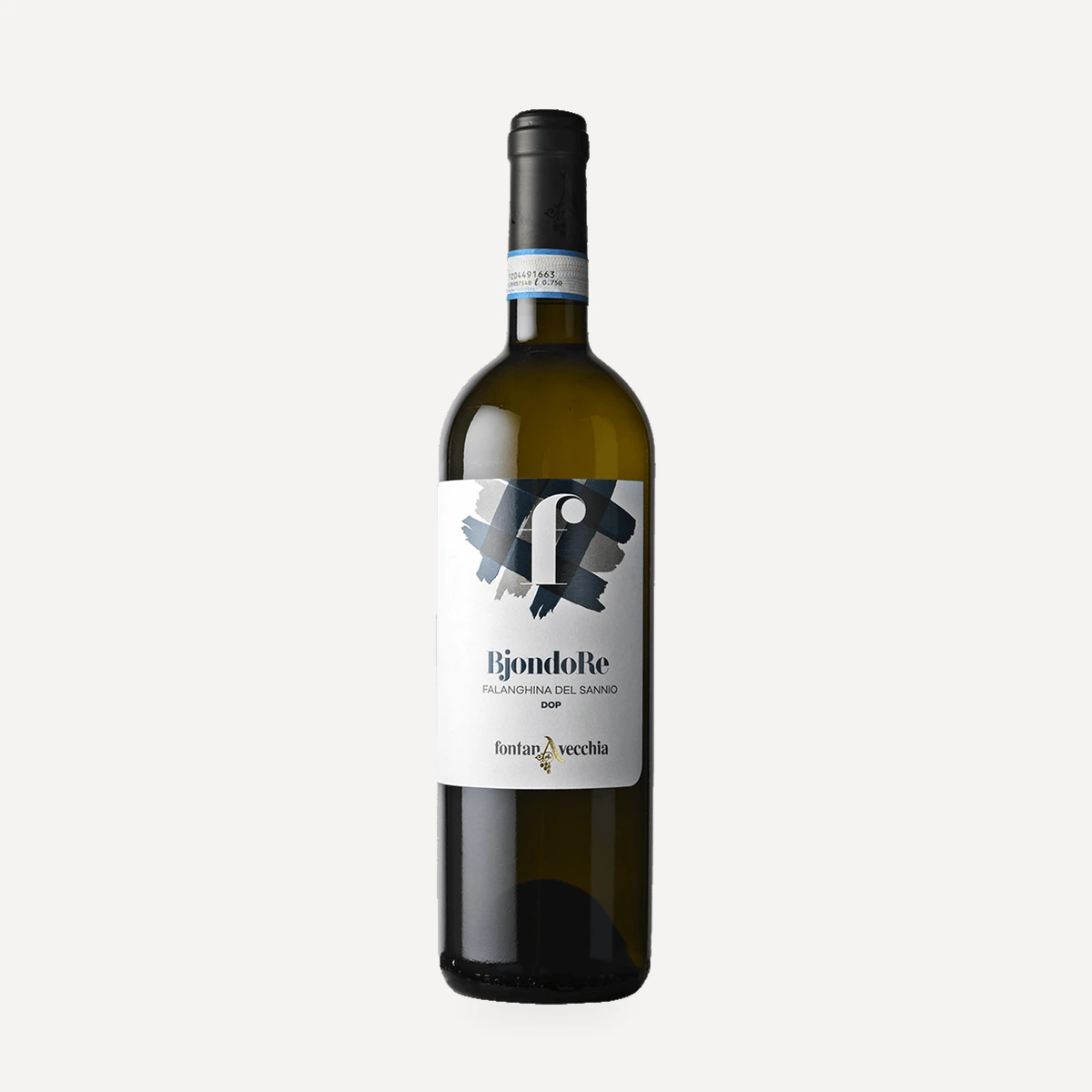
DOP BjondoRe - Falanghina del Sannio
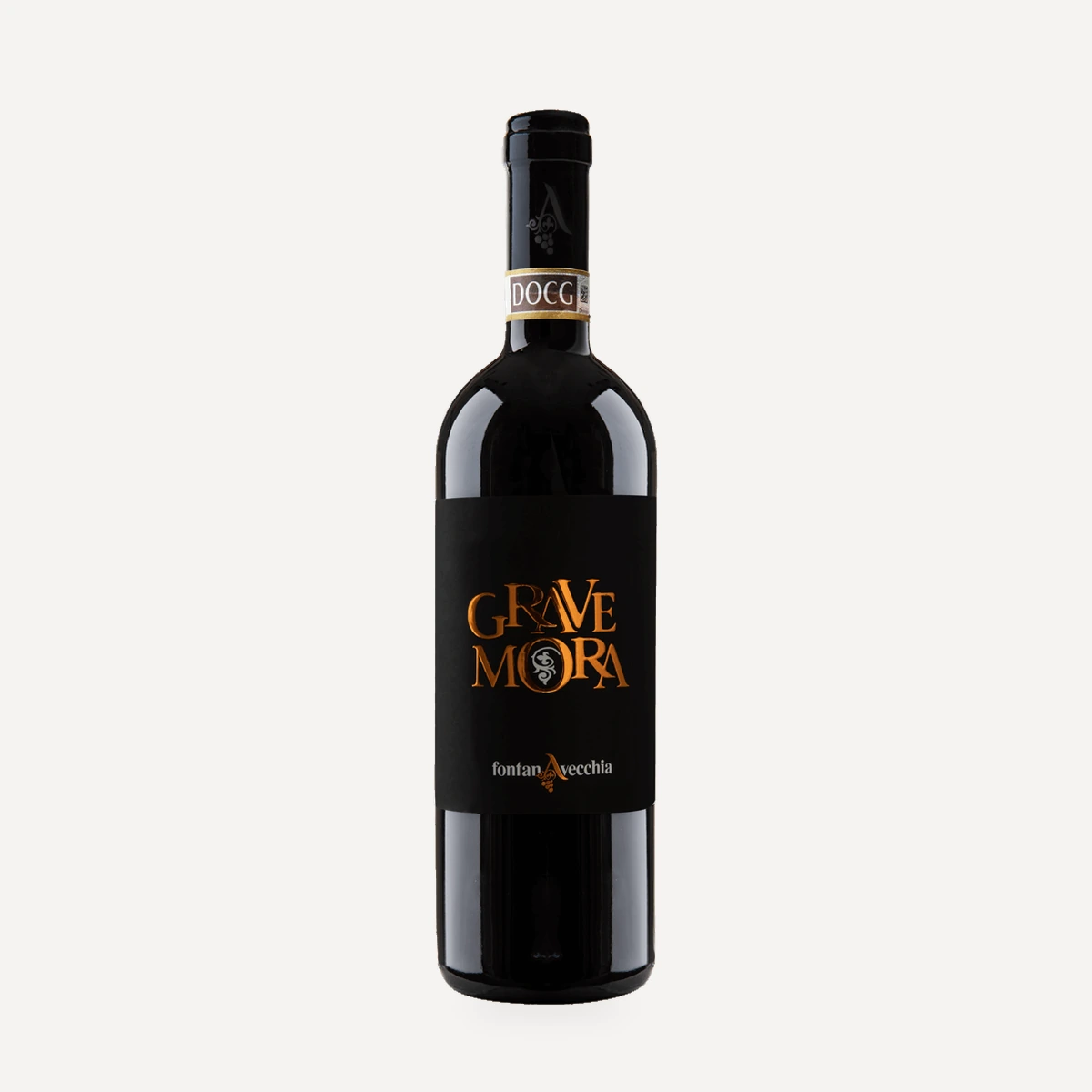
Aglianico del Taburno Riserva DOCG Grave Mora
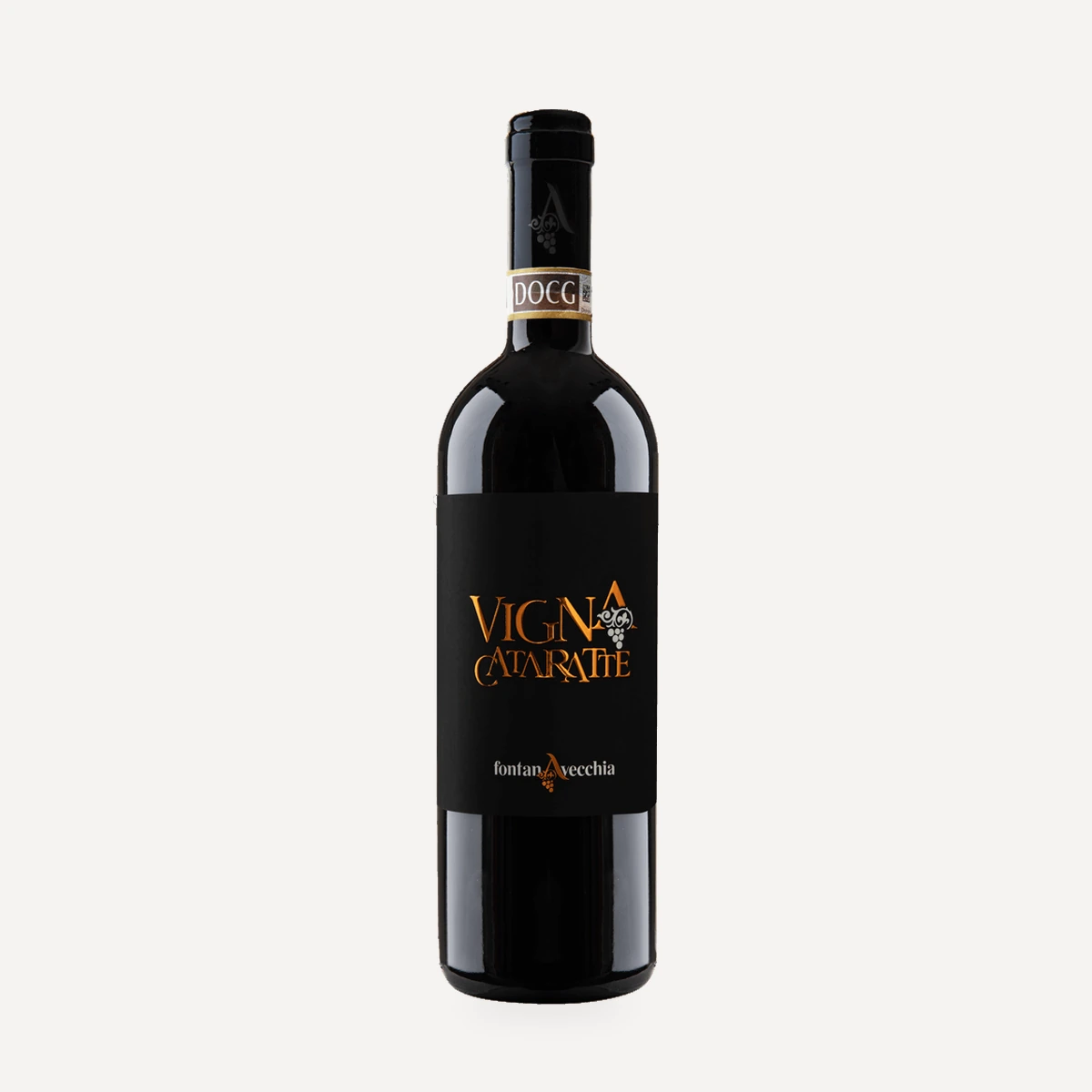
Aglianico del Taburno Riserva DOCG Vigna Cataratte
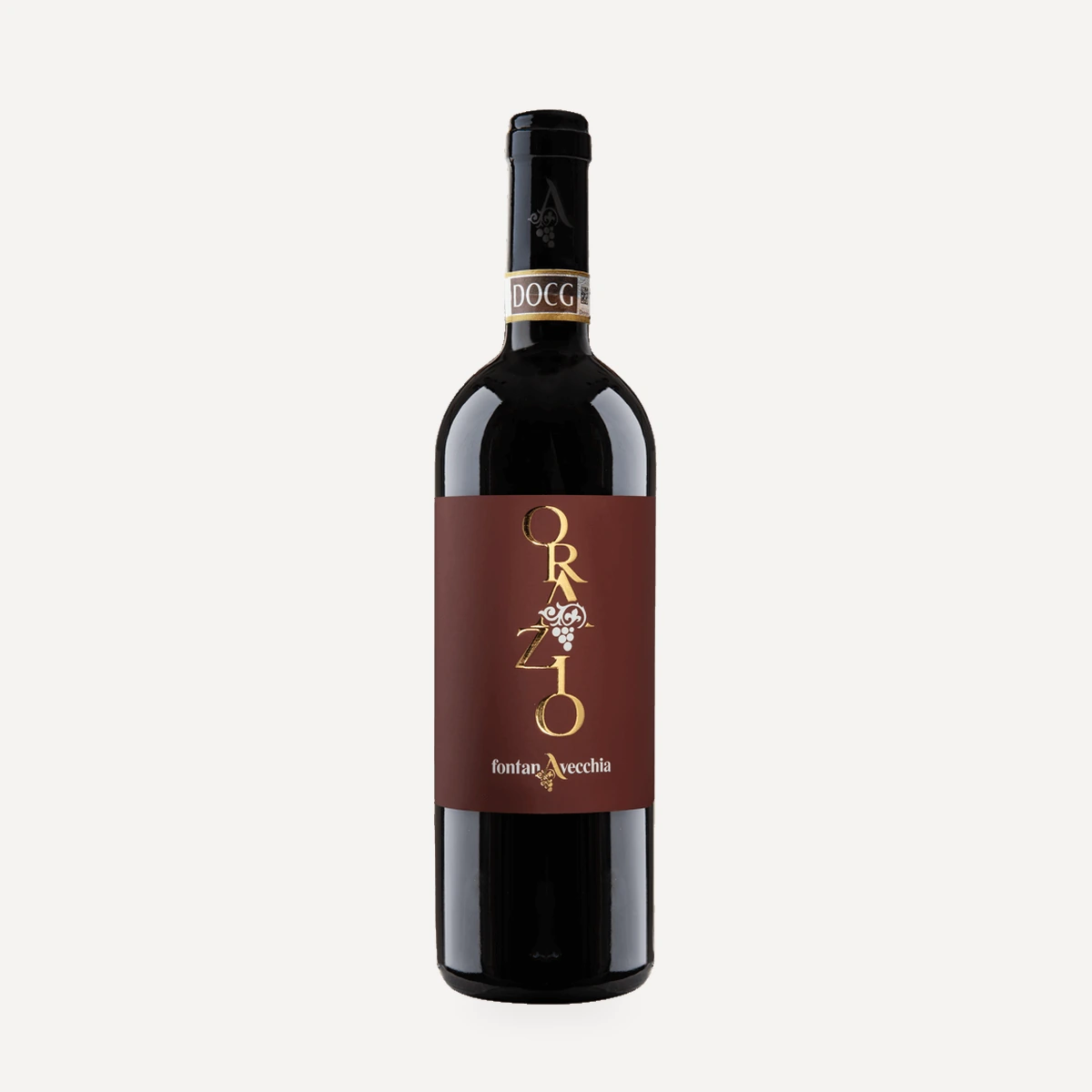
Benevento Rosso IGP Orazio
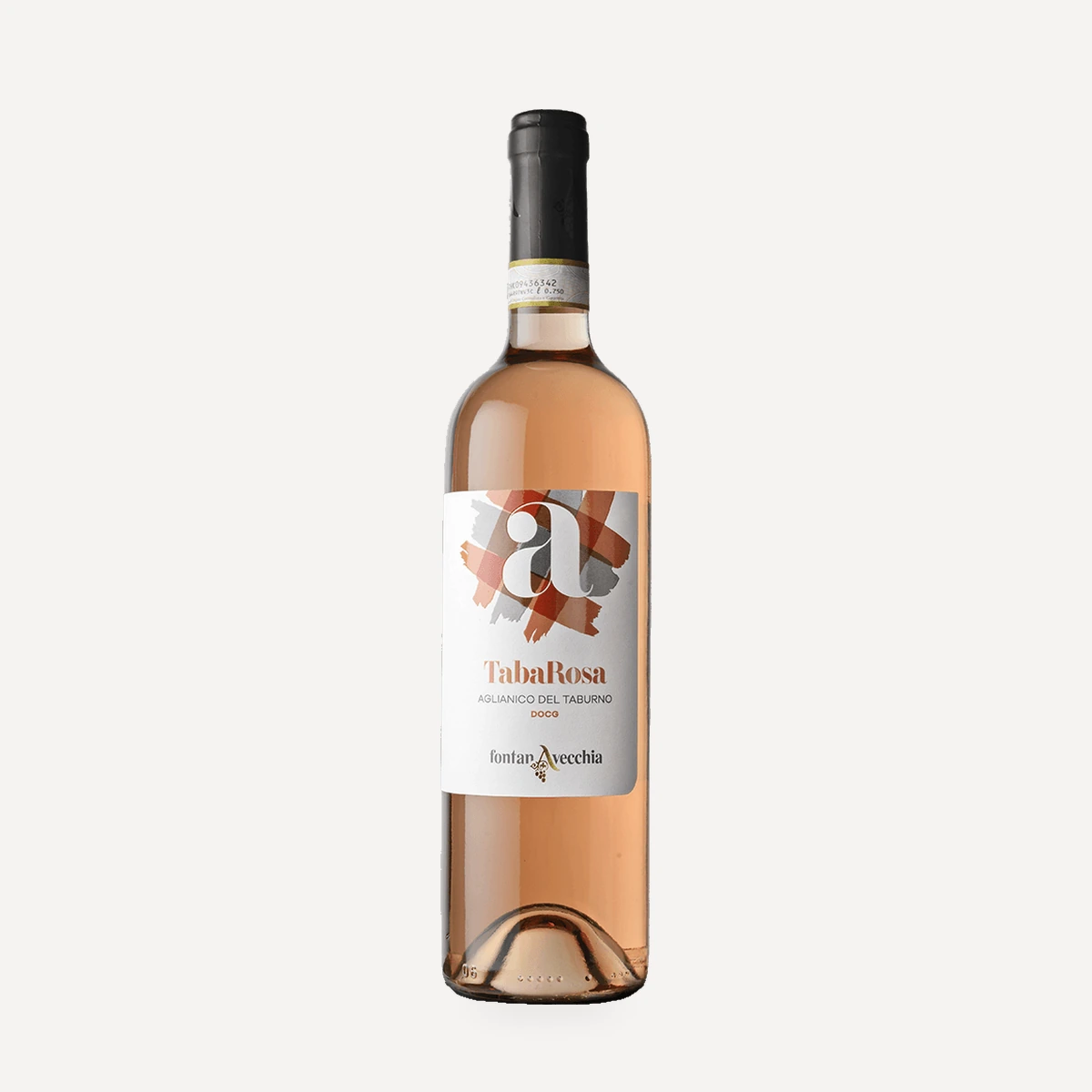
DOCG TabaRosa - Aglianico del Taburno
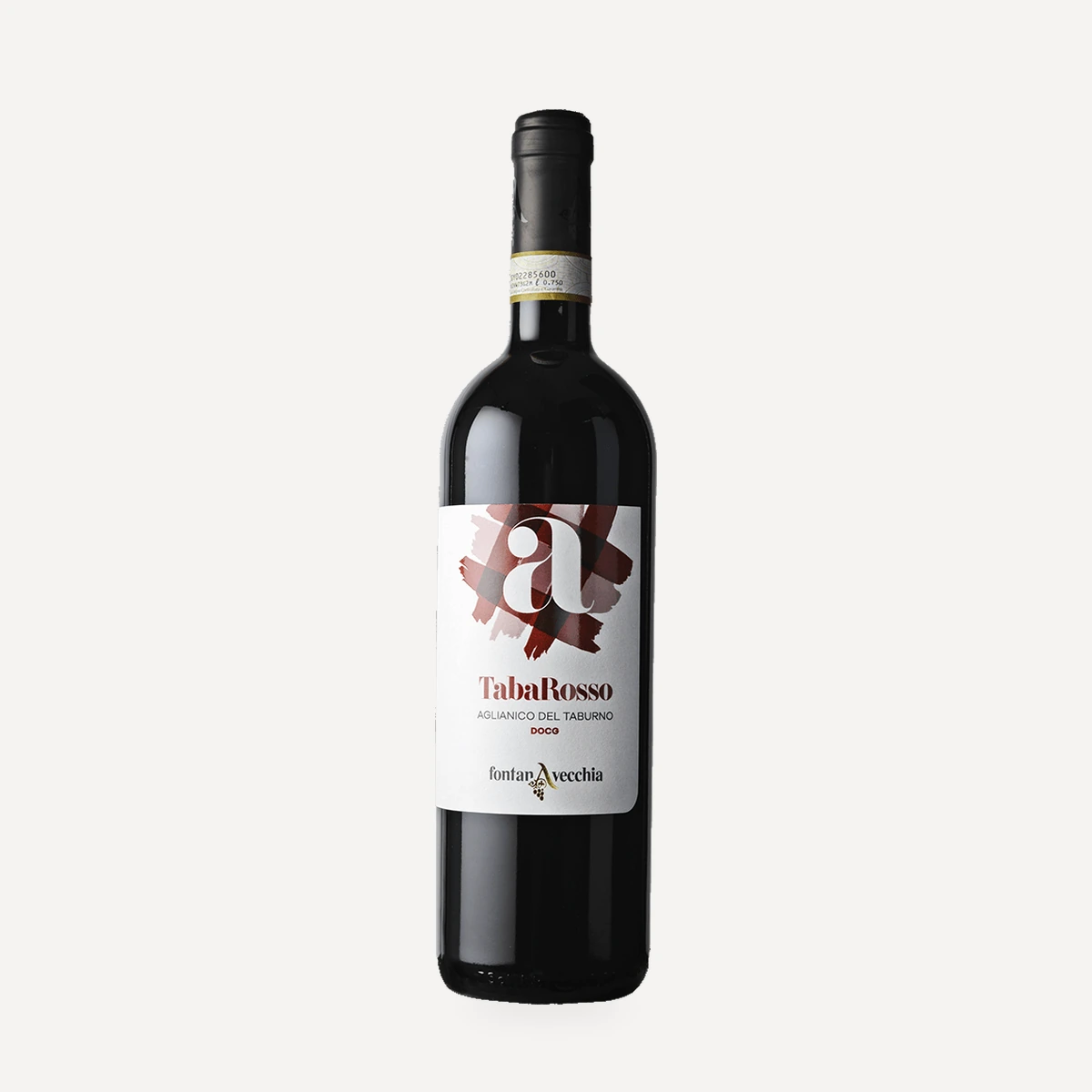
DOCG TabaRosso - Aglianico del Taburno
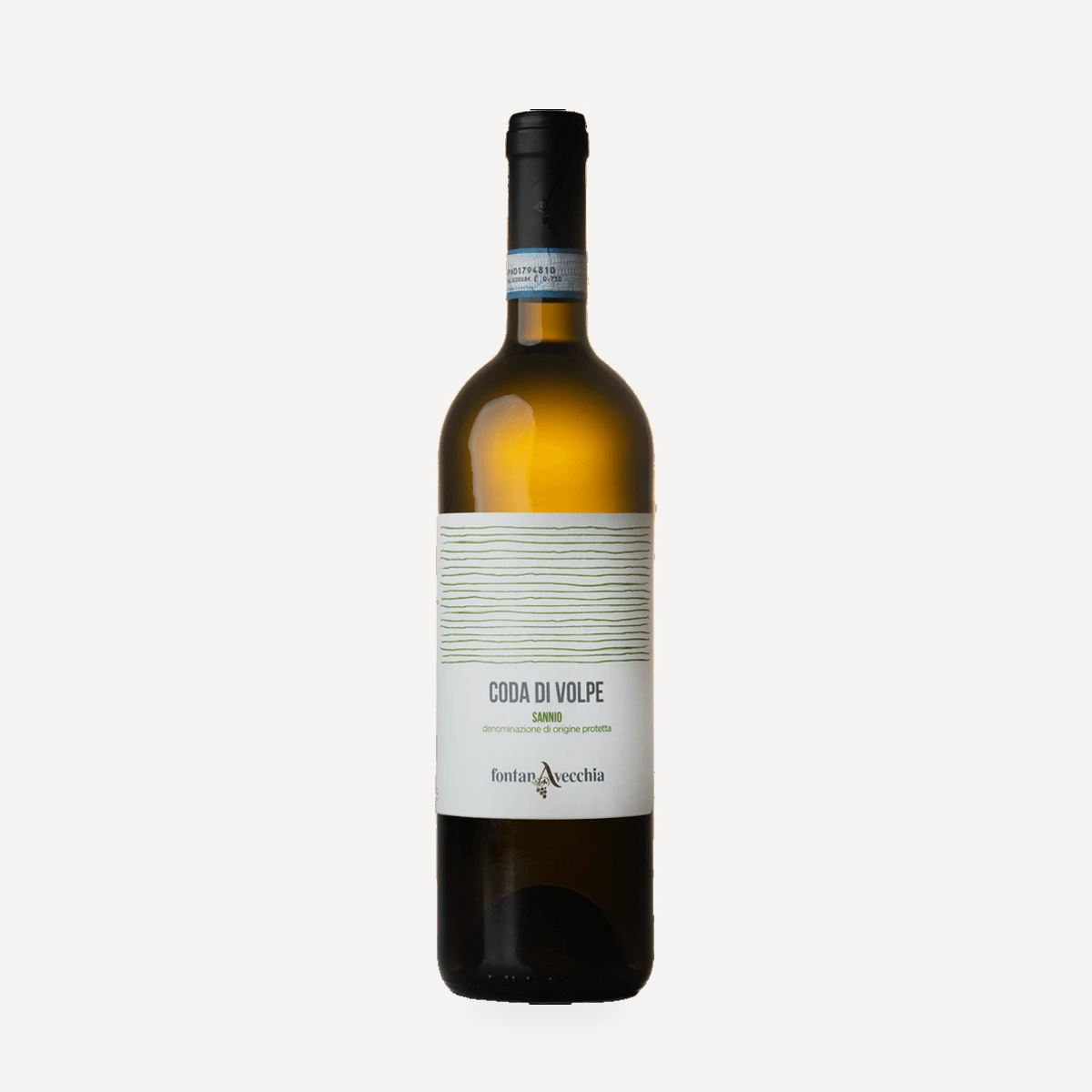
DOP Sannio Coda di volpe
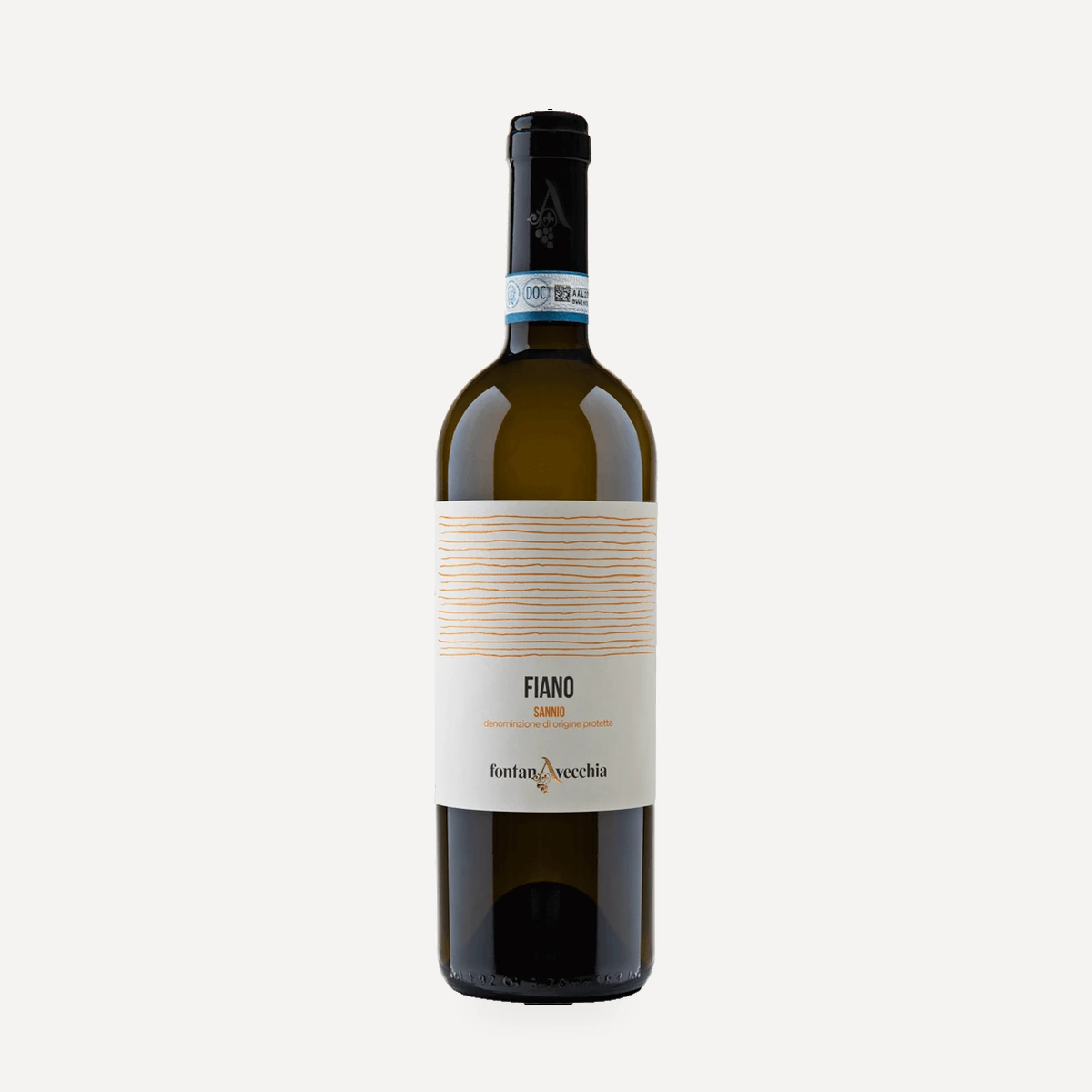
DOP Sannio Fiano
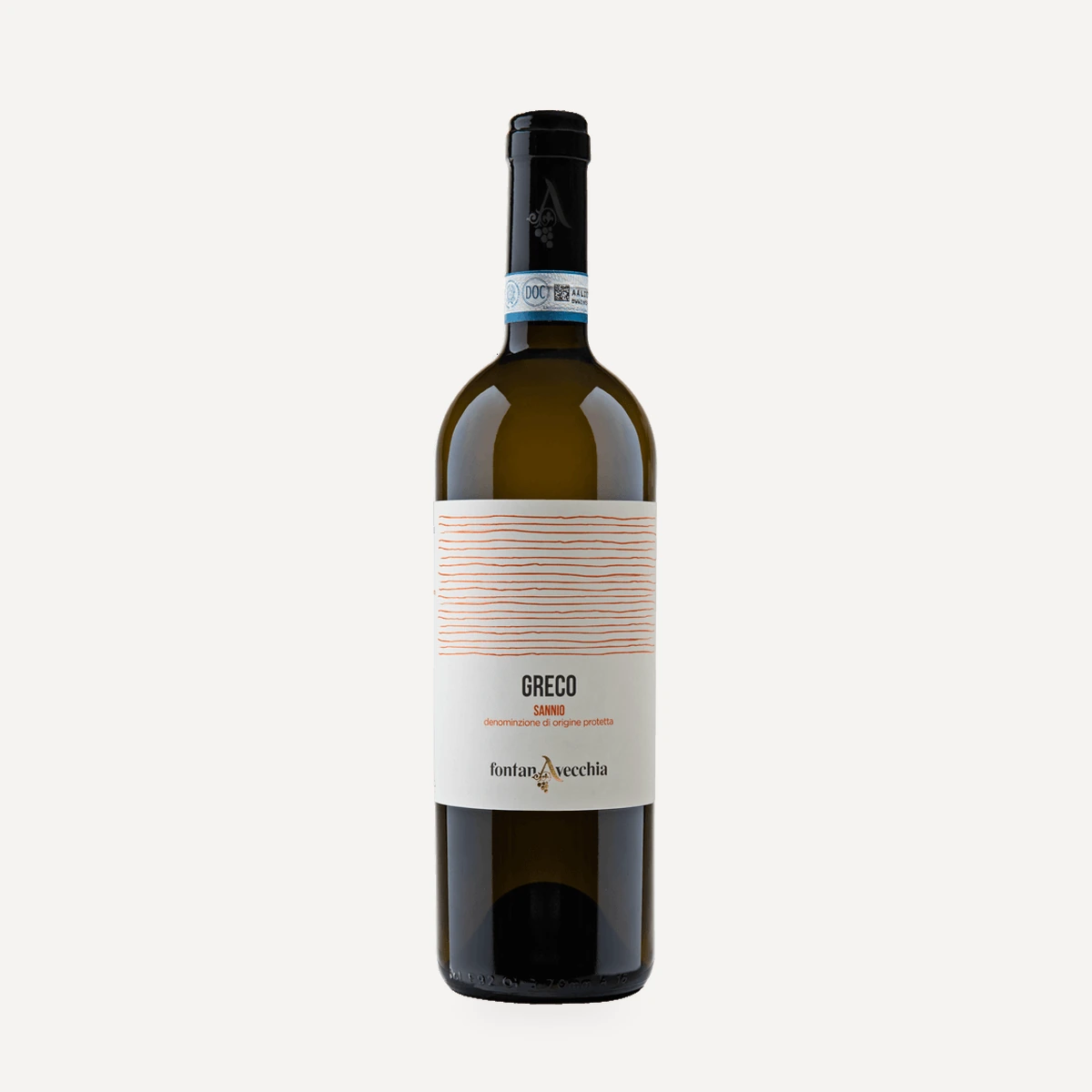
DOP Sannio Greco
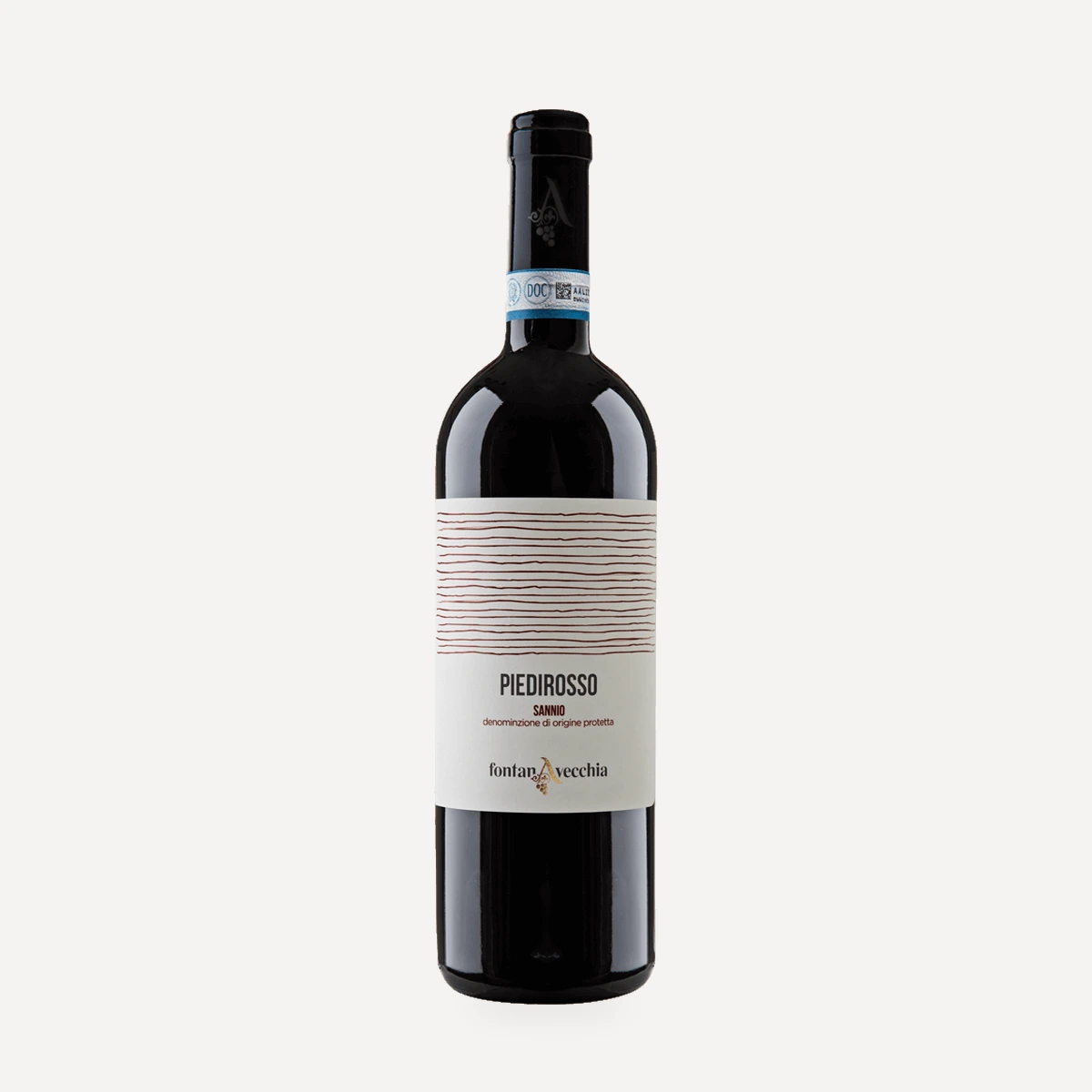
DOP Sannio Piedirosso
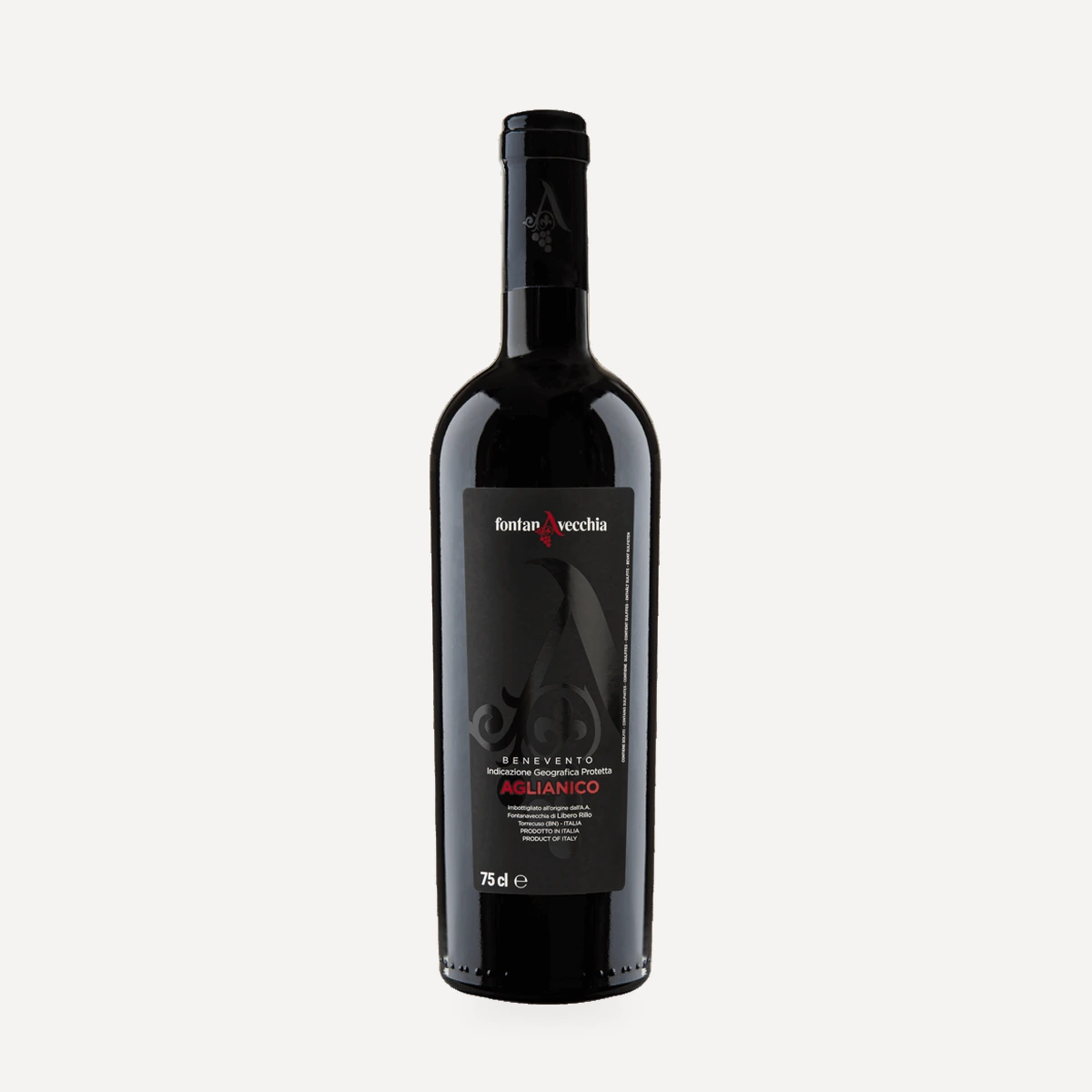
IGP Benevento Aglianico
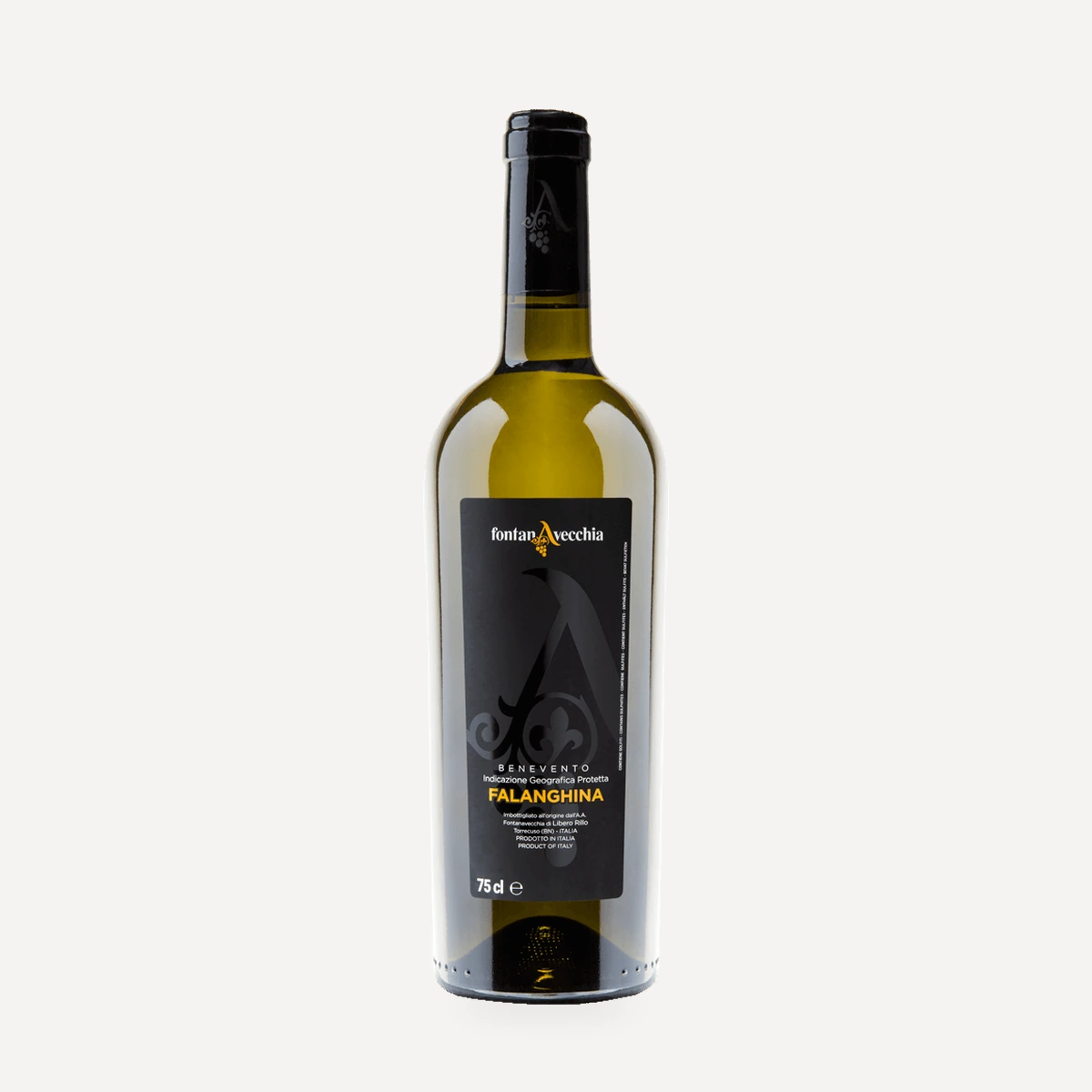
IGP Benevento Falanghina
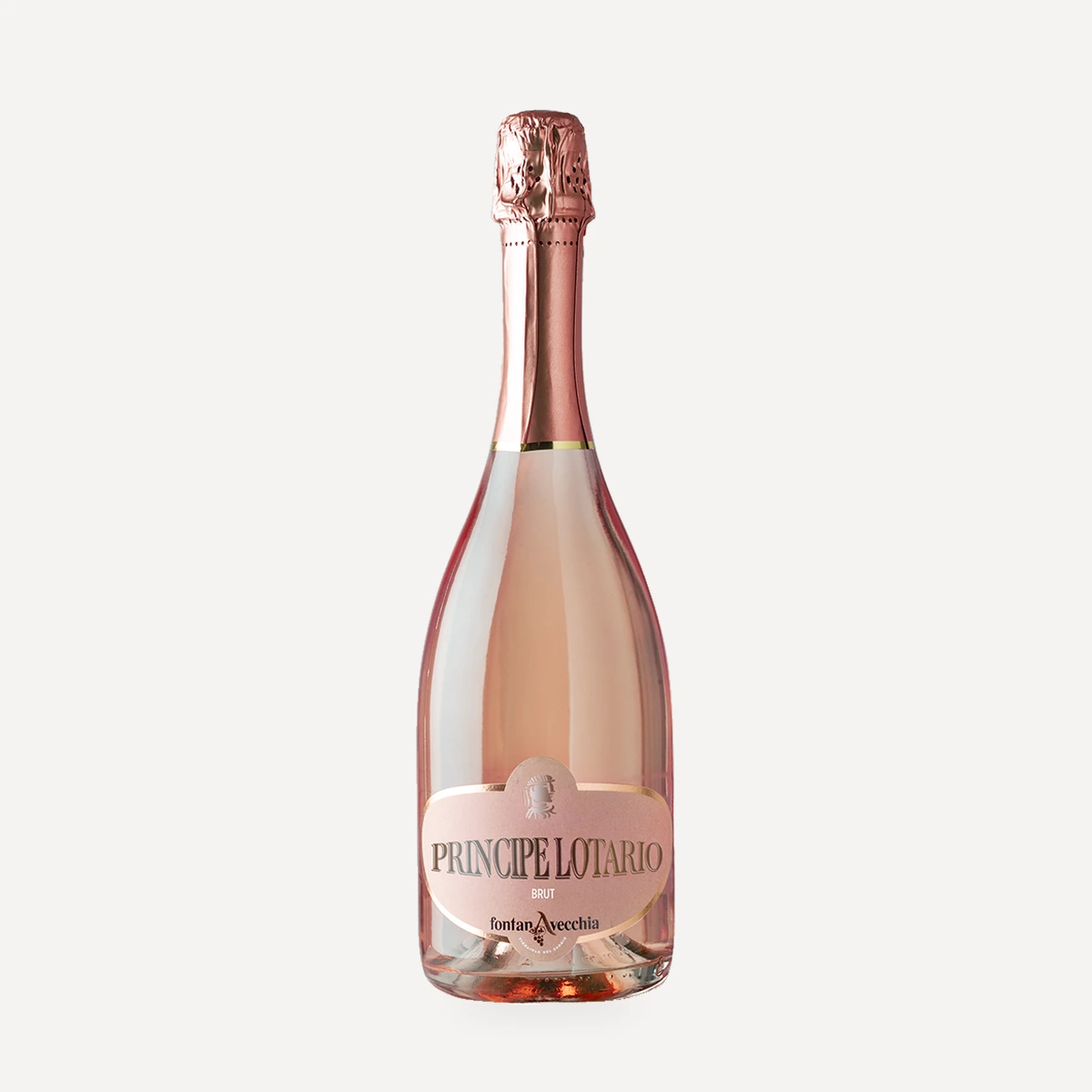
Spumante di Qualità Metodo Classico Brut Principe Lotario