Storia
Foundation and inherited vineyards
Giacomo Fenocchio Azienda Agricola was founded in 1864. Its historical foundation is the land and farming heritage created by successive generations of the Fenocchio family, including the grandparents and parents of the present generation. Agricultural practices have likewise been handed down within the family.
Continuity across five generations
The estate remains a family farming business and has reached its fifth generation. Respect for the work of earlier generations is presented as the principle that has given the enterprise continuity and form. Its contemporary identity is explicitly tied to traditional Barolo production.
Expansion of the vineyard holding
More recently acquired vineyards have been added to the inherited family holdings. The purpose of this expansion is to unite old and new parcels in a body of work that represents and protects each wine’s place of origin. The current vineyard holding totals 14 ha.
New facilities and hospitality
A company shop and tasting room were co-financed during the 2020/2021 campaign through the European Union’s Common Market Organisation investment measure for the wine sector. The estate’s audiovisual archive also records a new cellar and a celebration associated with it, although no construction or inauguration date is attached to those entries.
The family has additionally developed Fenocchio’s House in Castiglione Falletto. The recently renovated property comprises two independent two-room apartments and supports the estate’s tasting and hospitality activities.
Terroir
The estate works across several communes and growing zones. Its headquarters and largest specifically documented holding are in the Bussia area of Monforte d’Alba; other named sites are Castellero and Cannubi in Barolo, Villero in Castiglione Falletto, and vineyards in Monteu Roero.
Elevations in the documented holdings range from approximately 280 to 350 m above sea level. Exposures include east, west, southeast and southwest, reflecting the distribution of the vineyards across different hillsides.
Two principal soil descriptions recur. Castellero and Cannubi have Tortonian marl with tuff and a substantial sandy component that keeps the ground dry. Bussia and Villero have Helvetian soils with clay and calcareous sediments rich in iron. Other Monforte d’Alba vineyards contain combinations of clay, blue marl and tuff, while the vineyard associated with the generic Barolo includes sand, clay and calcareous marl. The Monteu Roero holding has calcareous, clay-rich soil of medium texture.
Vinificazione
The estate regards its farming as organic but does not hold organic certification. It participates in a European project encouraging sustainable agriculture and continues vineyard practices transmitted through the Fenocchio family over several generations.
The stated objective is to protect the territory represented by the wines while integrating recently acquired vineyards with the inherited family holdings. Harvest timing varies by site and variety: indigenous white grapes and Arneis are collected in mid-September; Dolcetto at the end of September; Freisa and some Nebbiolo sites in early October; Castellero, Cannubi and Villero during the first half of October; and Bussia, Langhe Nebbiolo and Barbera around mid-October.
Documented grape yields are 55 quintals per hectare at Villero; 70 quintals per hectare at Castellero, Cannubi, Bussia and the source vineyard for Bussia 90 dì; and 80 quintals per hectare in the east-facing Monforte d’Alba Barolo vineyard.
Red-wine fermentations
The red wines follow traditional fermentations in stainless-steel tanks, with the grapes kept in contact with their skins and no added yeasts. Barolo macerations extend to approximately 40 days. Langhe Nebbiolo, Barbera and Dolcetto remain on their skins for about 10 days, while Freisa receives about eight days.
Barolo maturation
The Barolos spend six months in stainless steel followed by 30 months in large Slavonian oak casks and further bottle maturation. Cask capacity varies by selection: 20–25 hl for Castellero and Cannubi, 25–35 hl for the Monforte d’Alba Barolo, and 35–50 hl for Villero and Bussia.
Bussia 90 dì employs an old submerged-cap technique in which wooden splints hold the cap below the surface for as long as 90 days. This is intended to retain and gently transfer desirable elements from the skins. Maturation comprises six months in stainless steel, four years in 35–50 hl Slavonian oak casks and subsequent bottle refinement.
Other red wines
Langhe Nebbiolo, Barbera d’Alba and Langhe Freisa spend six months in stainless steel and six months in large Slavonian oak casks before bottle maturation. Dolcetto remains for six months in stainless steel and is then matured in bottle.
White-wine handling
Arneis grapes are gently pressed. The resulting must is chilled in stainless-steel vats to settle the lees; after 24–36 hours, the juice is separated from the deposit and fermented at controlled temperature. Bottling takes place under sterile conditions, followed by maturation in stainless steel and bottle.
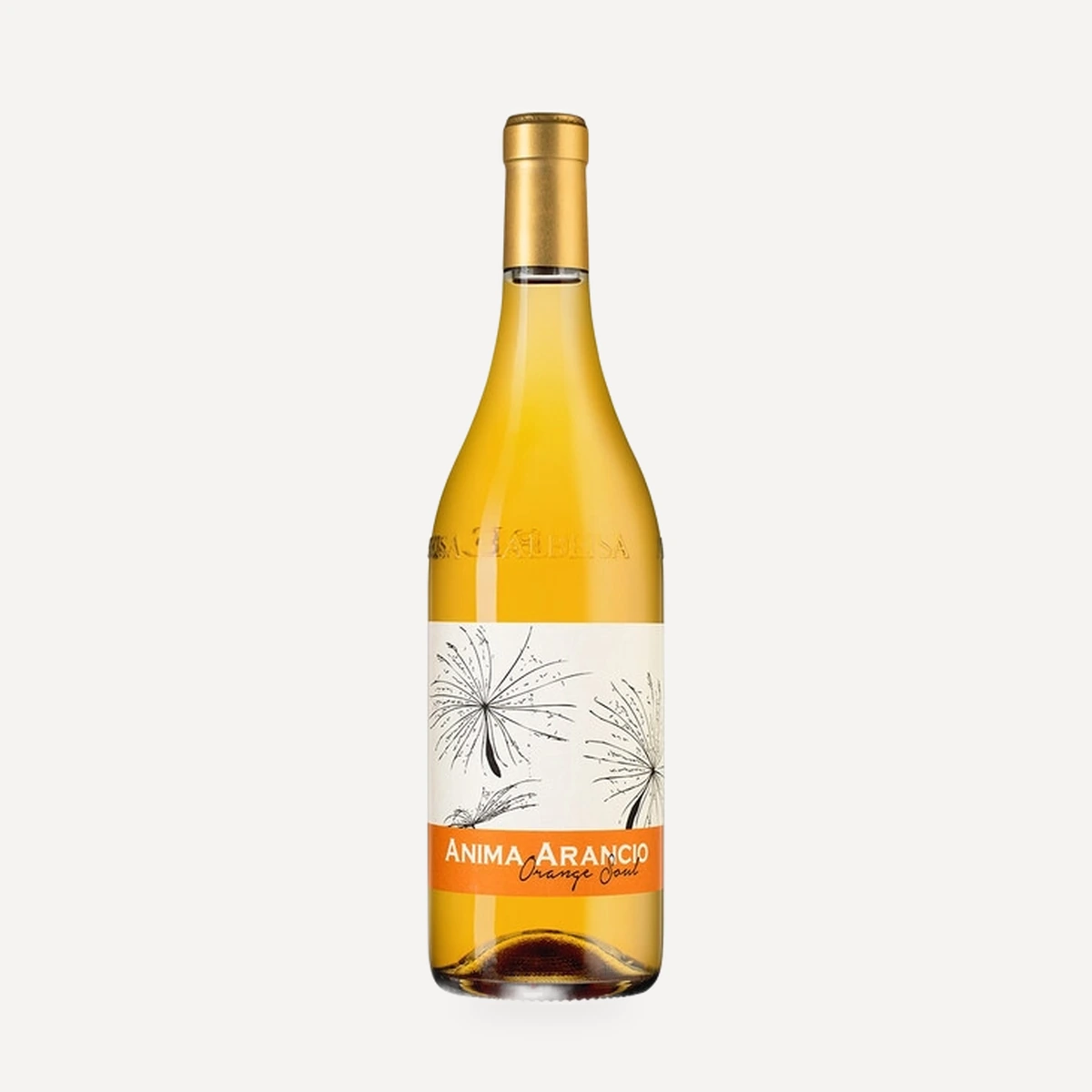
The macerated indigenous-white selection Anima Arancio is matured for 30 days in stainless steel.
Filosofia
The Fenocchio family defines the estate through continuity: respect for the work of its forebears, preservation of inherited agricultural practices and the determination to carry that tradition forward into the fifth generation.
Its vineyard philosophy links quality to faithful representation of origin. Recently acquired parcels are incorporated alongside the historical family holdings with the aim of expressing and protecting their respective territories.
The production approach combines traditional methods—natural fermentation without added yeasts, long skin contact, large Slavonian oak casks and, for Bussia 90 dì, submerged-cap maceration—with controlled stainless-steel handling where appropriate. Environmental responsibility is framed through uncertified organic practice and participation in a European sustainable-agriculture initiative.
Vini
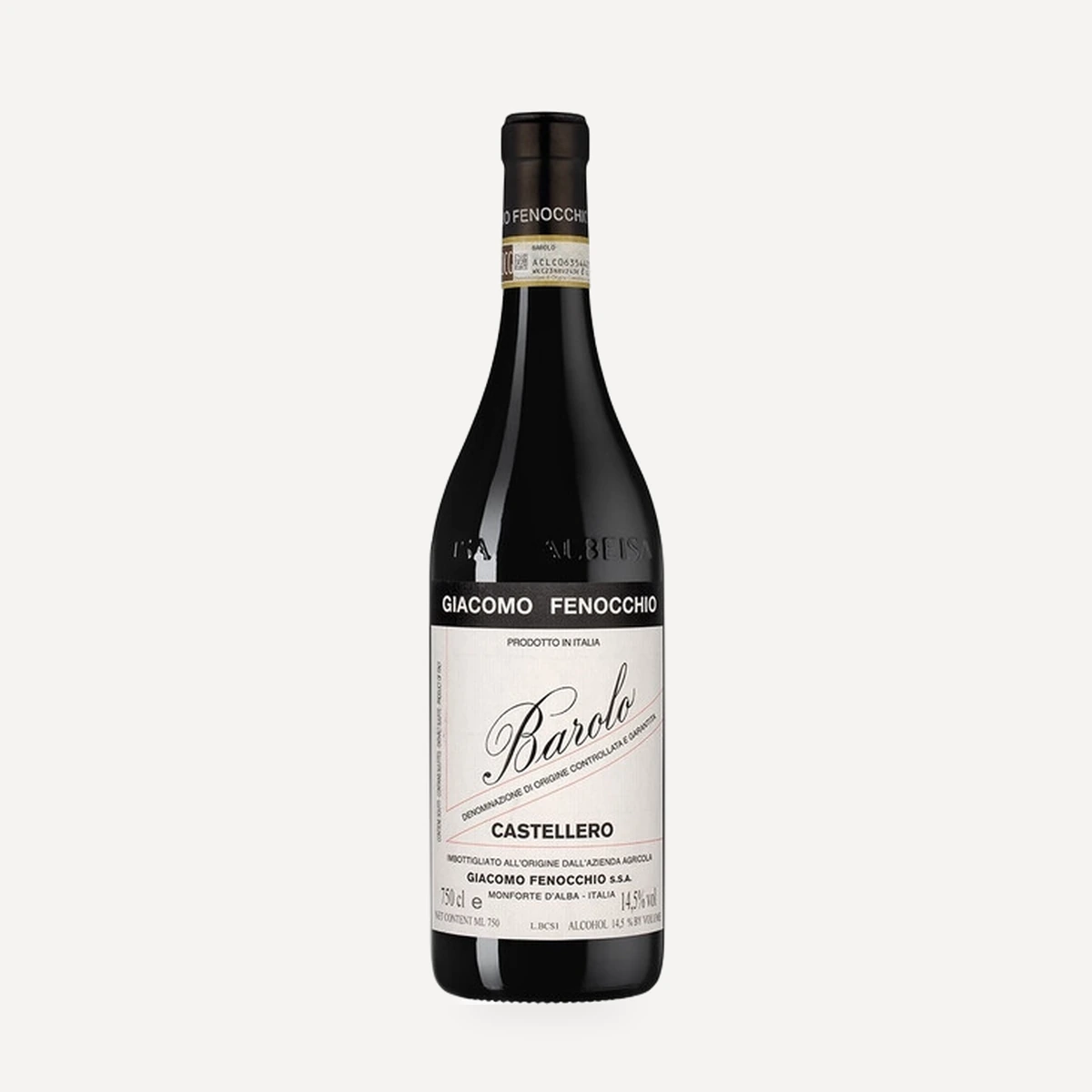
Barolo Castellero DOCG
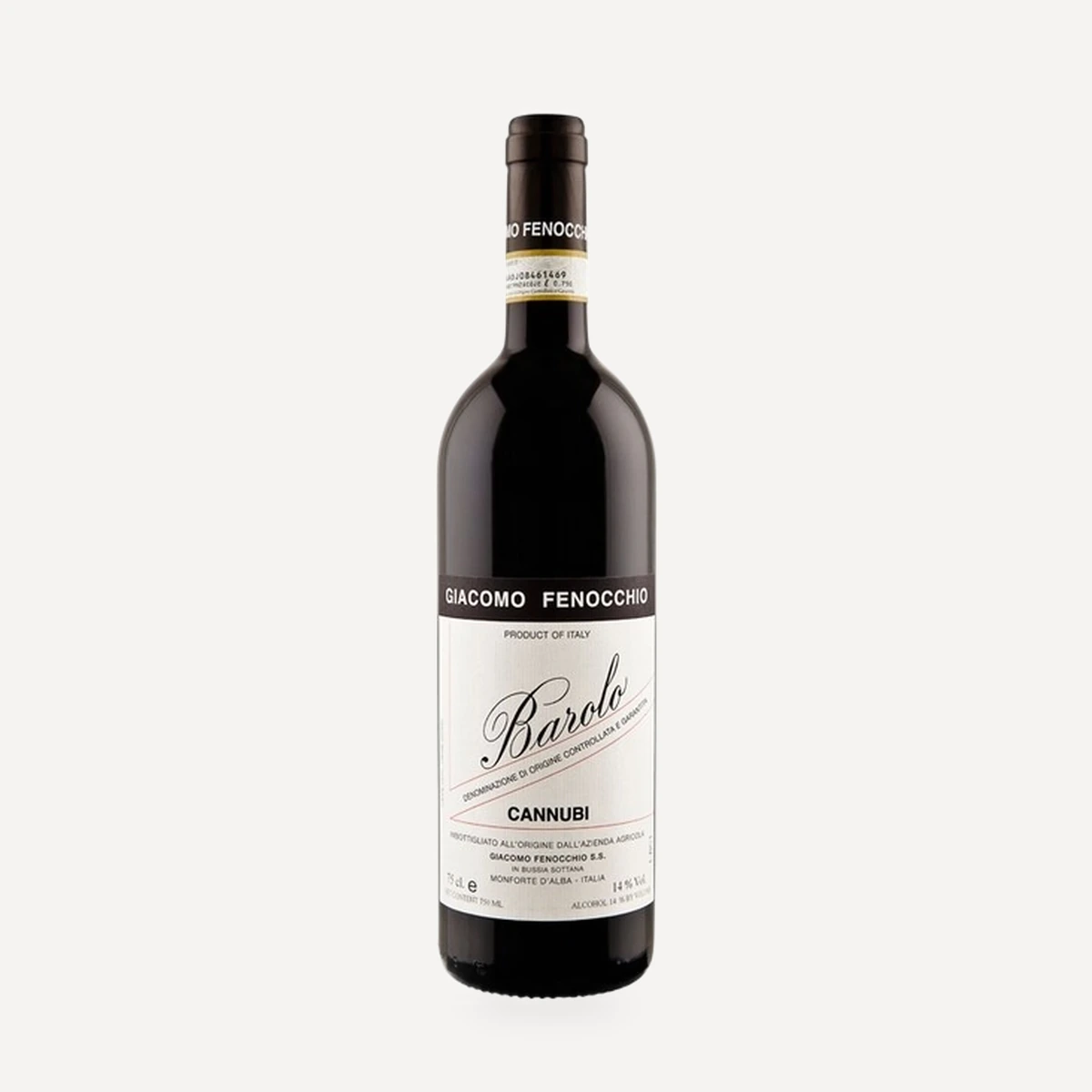
Barolo Cannubi DOCG
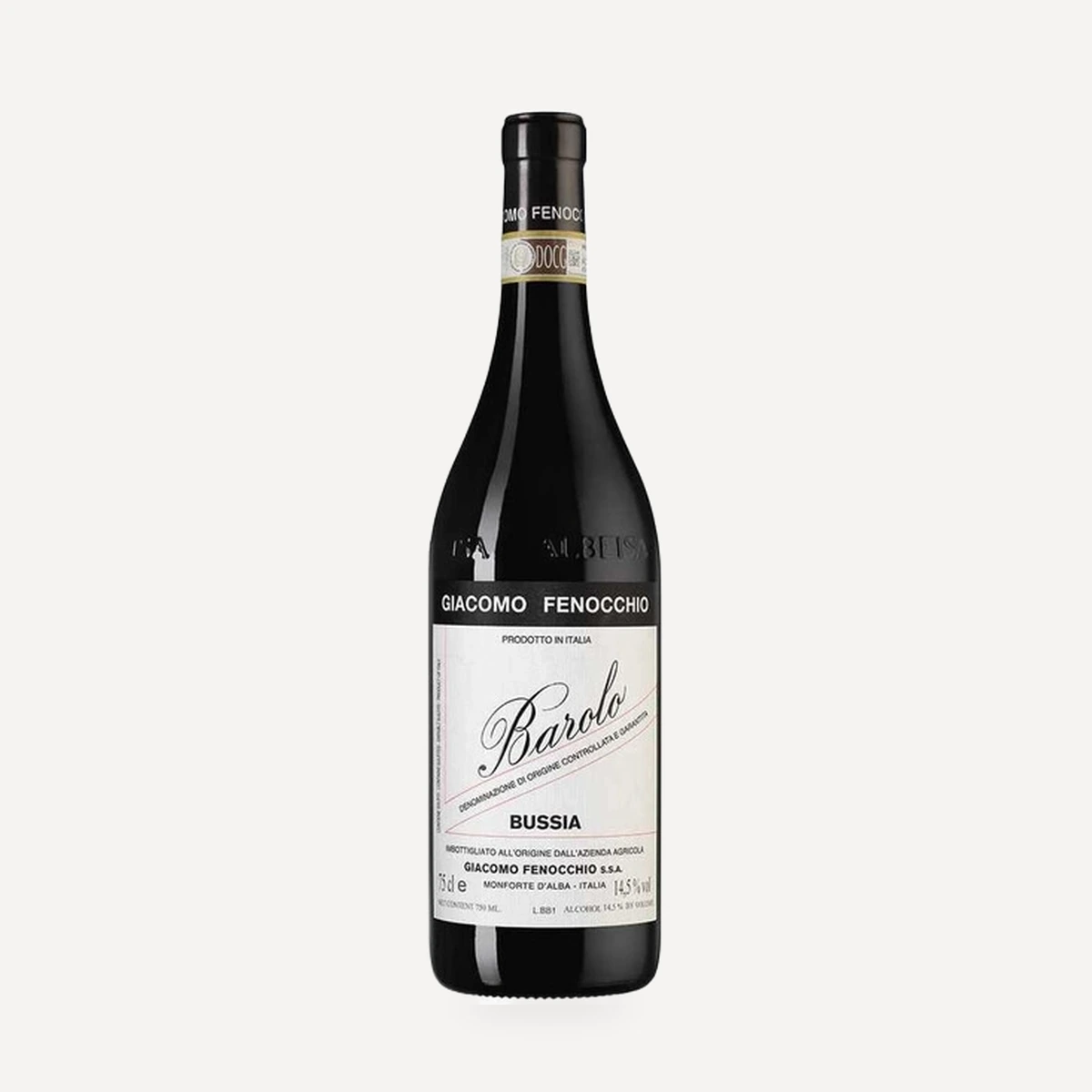
Barolo Bussia DOCG
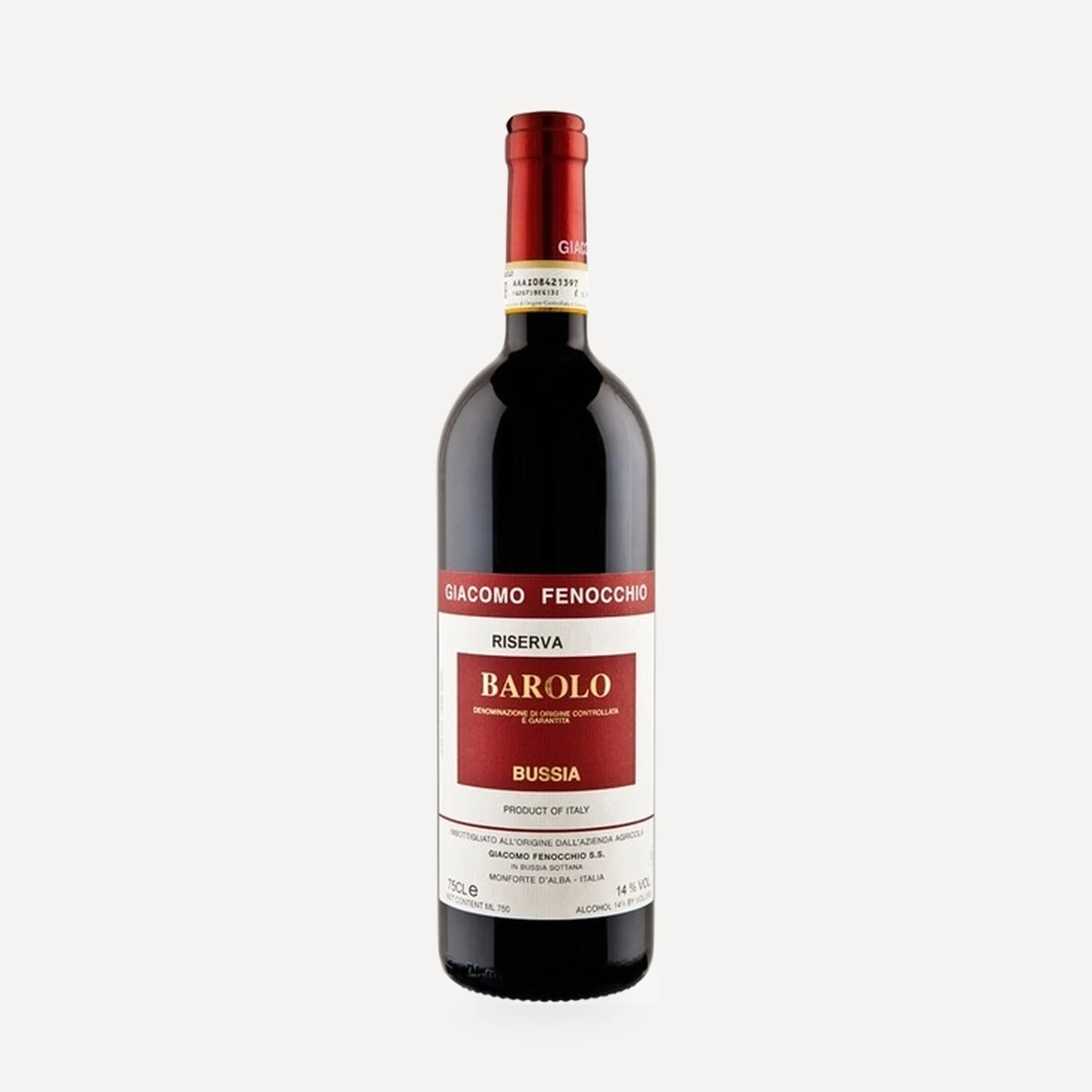
Barolo Riserva Bussia 90 dì DOCG
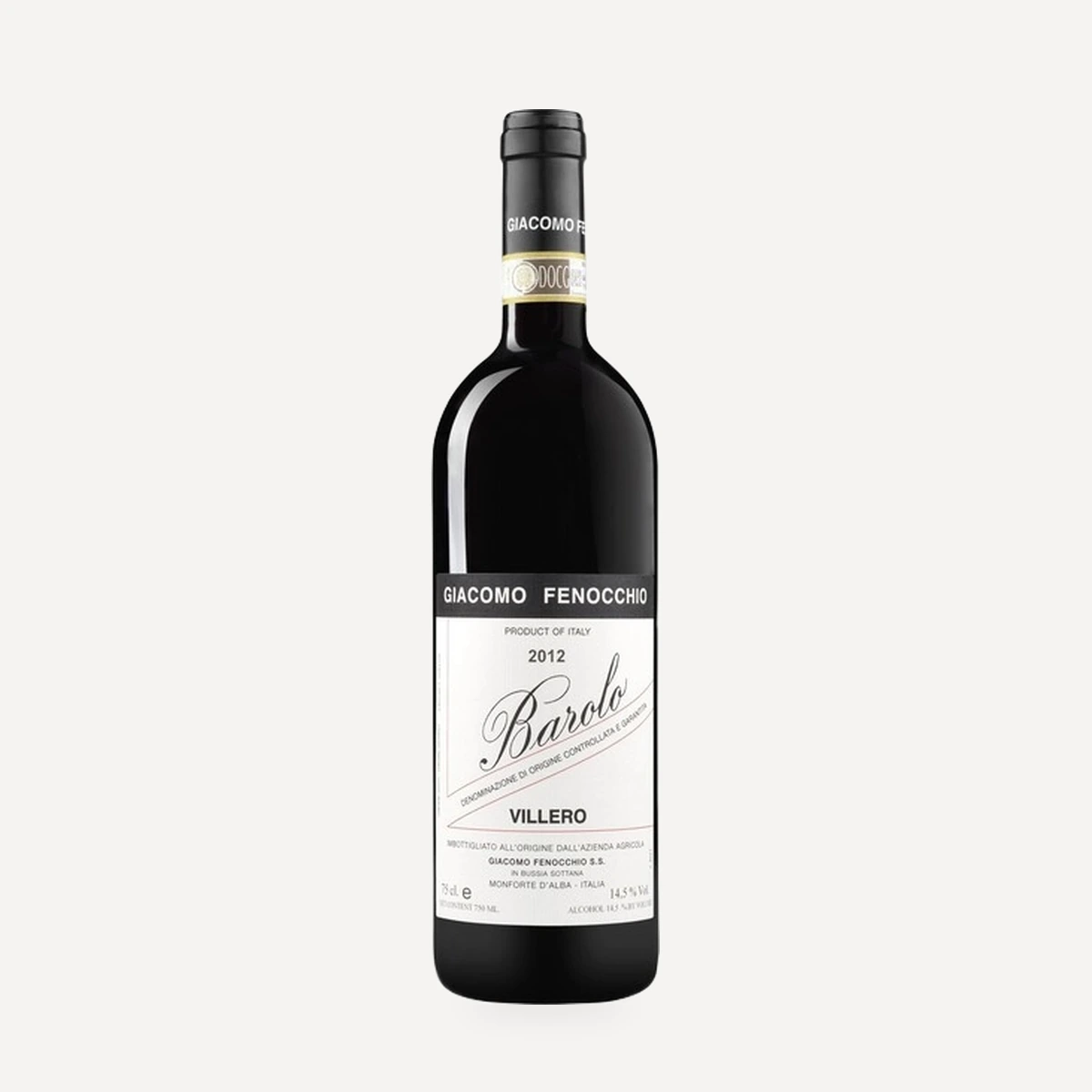
Barolo Villero DOCG
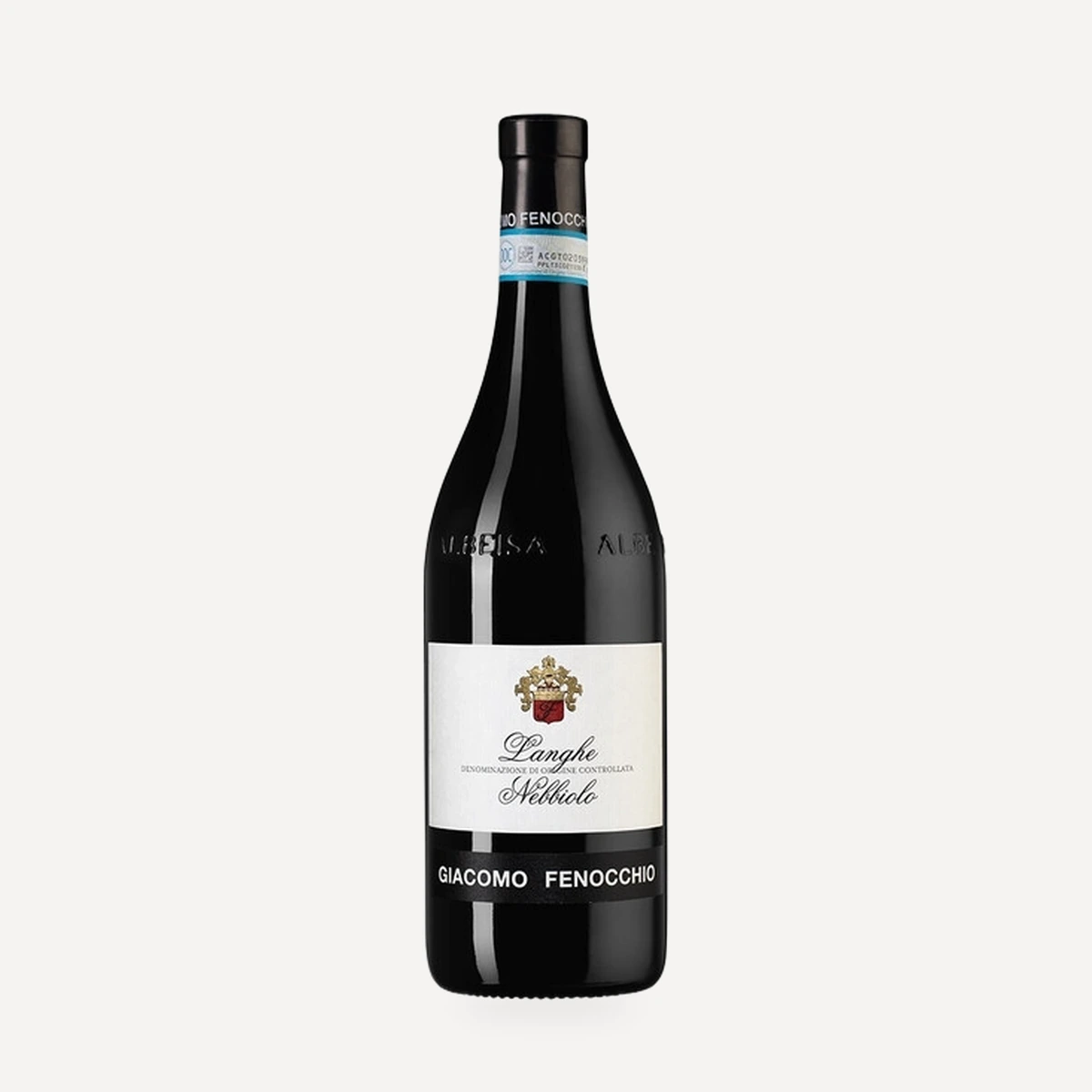
Langhe Nebbiolo DOC
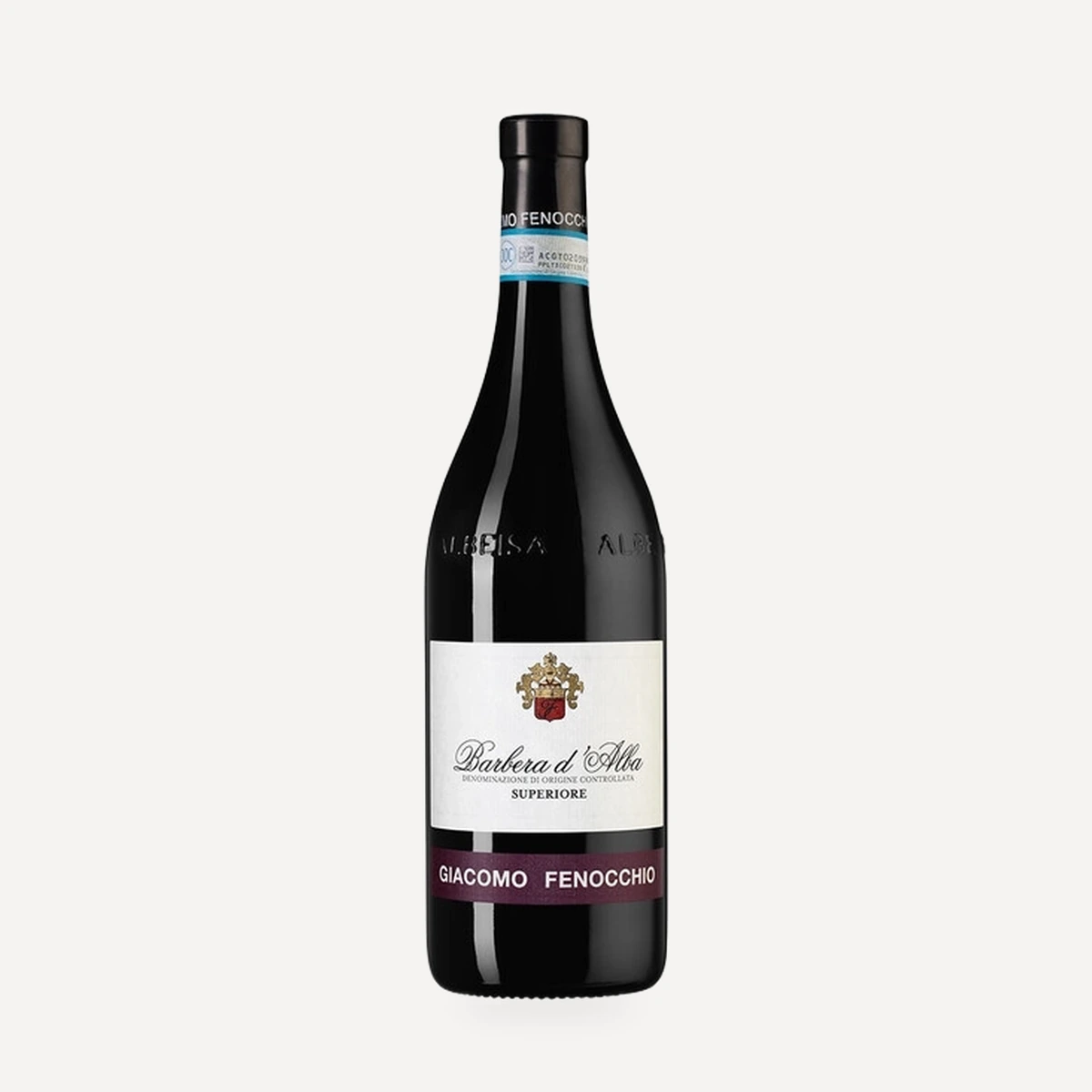
Barbera d'Alba Superiore DOC
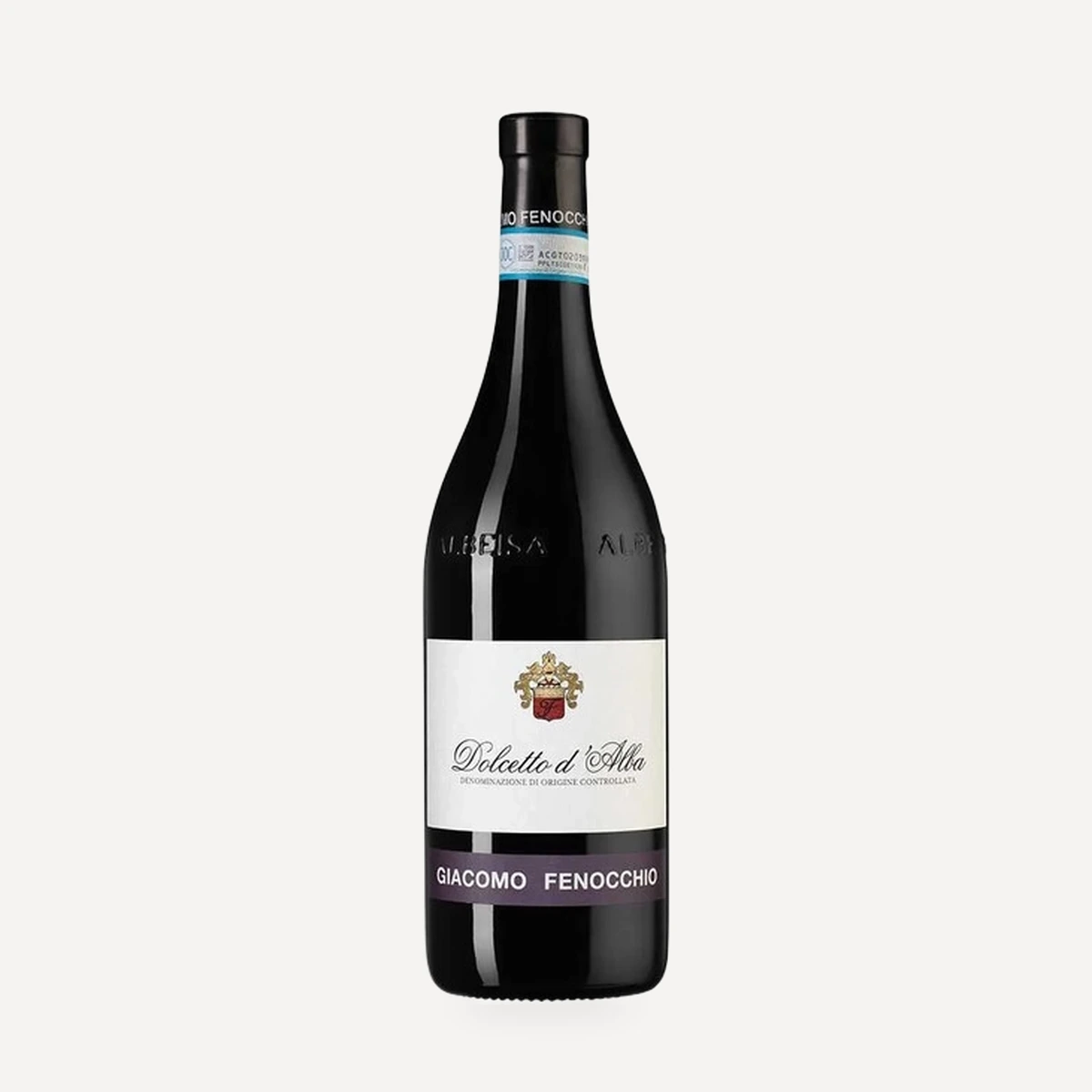
Dolcetto d'Alba DOC
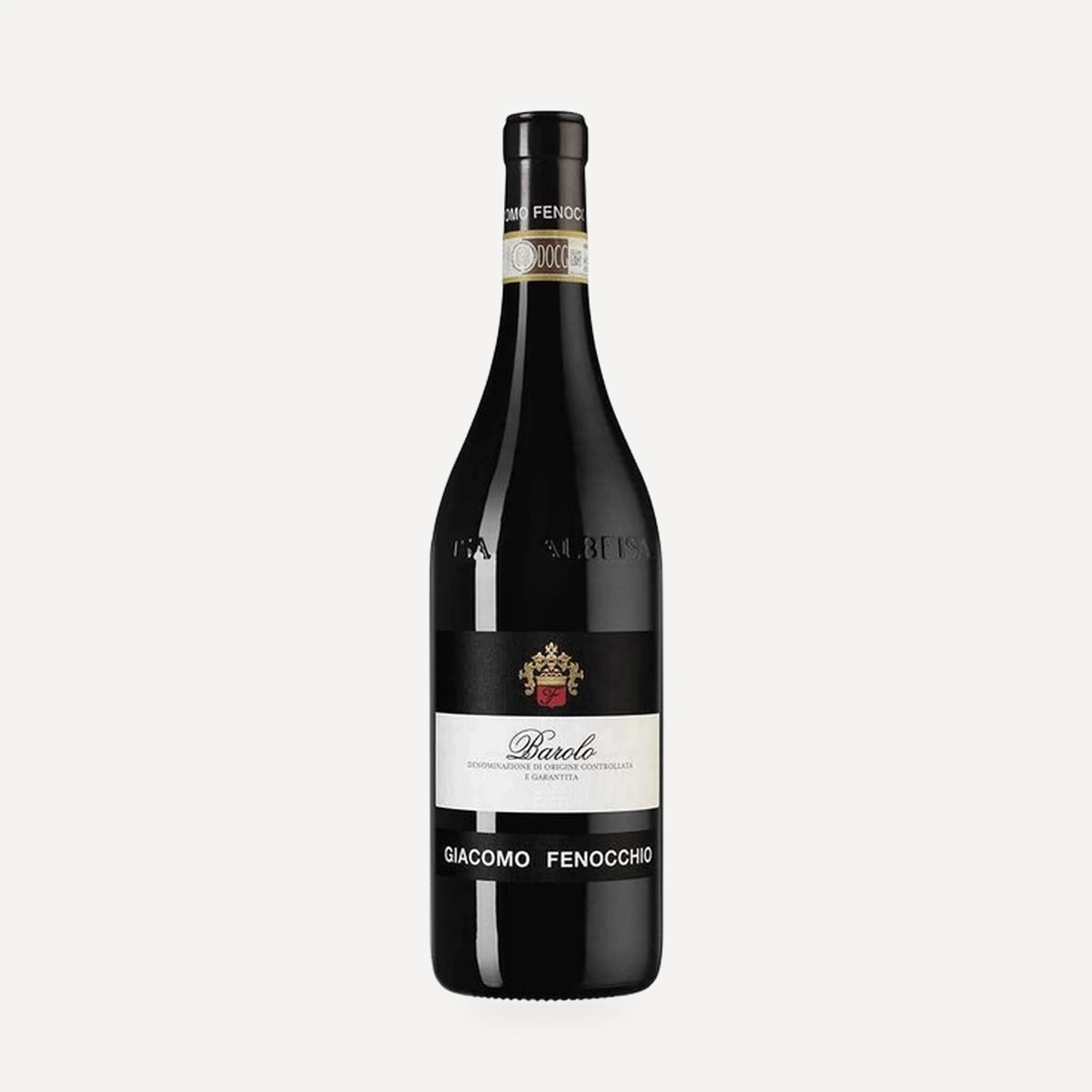
Barolo DOCG
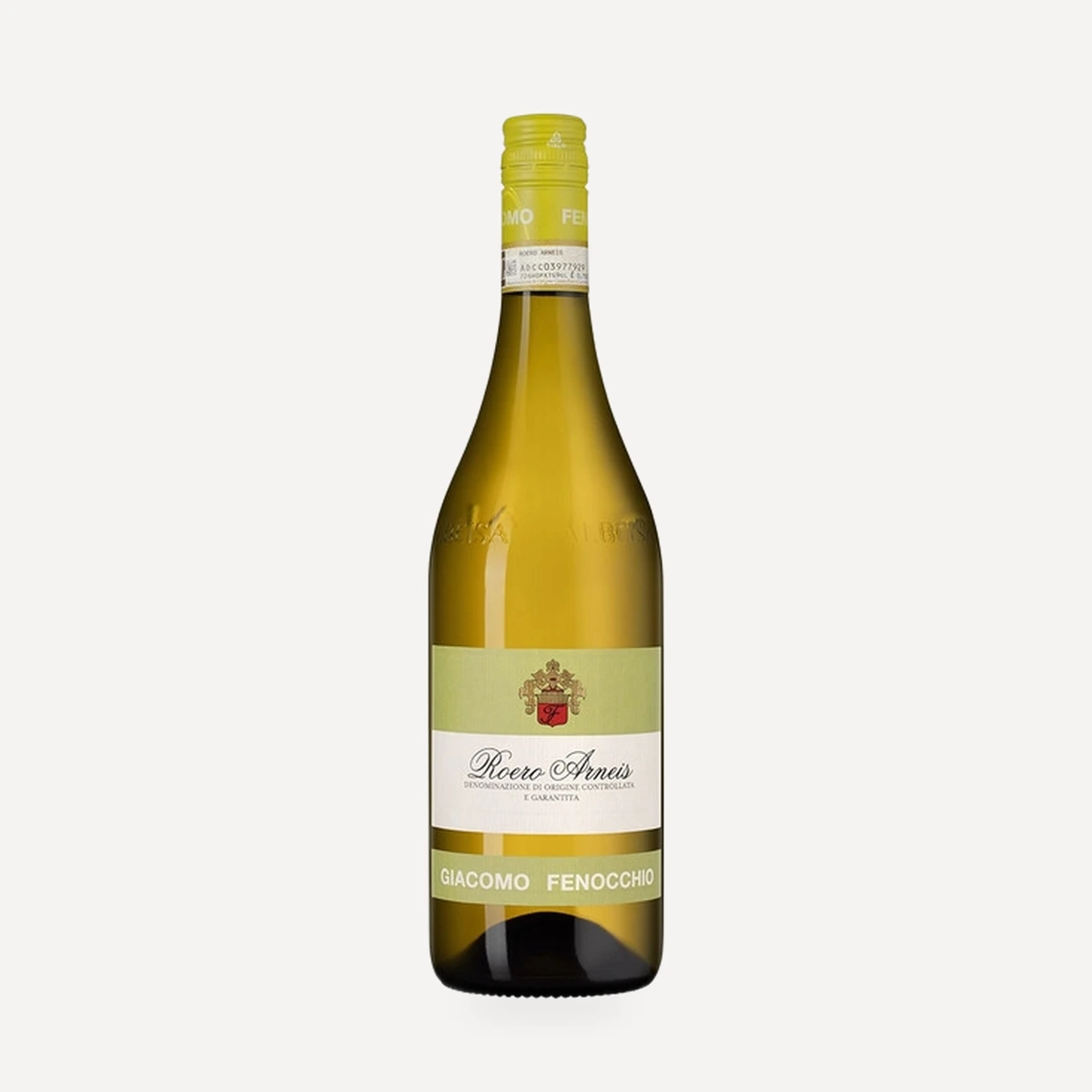
Roero Arneis DOCG