Storia
Family roots and the old vineyards
The Russo family's relationship with vines predates the modern winery. Feudo was already a viticultural site in the age of the ancient Greeks, who cultivated the land around the settlement that later became Randazzo. The family's old vineyards preserve this long agricultural continuity: many vines are more than a century old, while the Feudo di Mezzo and San Lorenzo holdings contain substantial populations of old alberello vines.
Giuseppe Russo grew up in Passopisciaro within this living wine culture. During fermentation, the aroma of must from Feudo di Mezzo rose from the family palmento and filled his childhood home. That smell remains one of his defining memories of the vineyard and harvest.
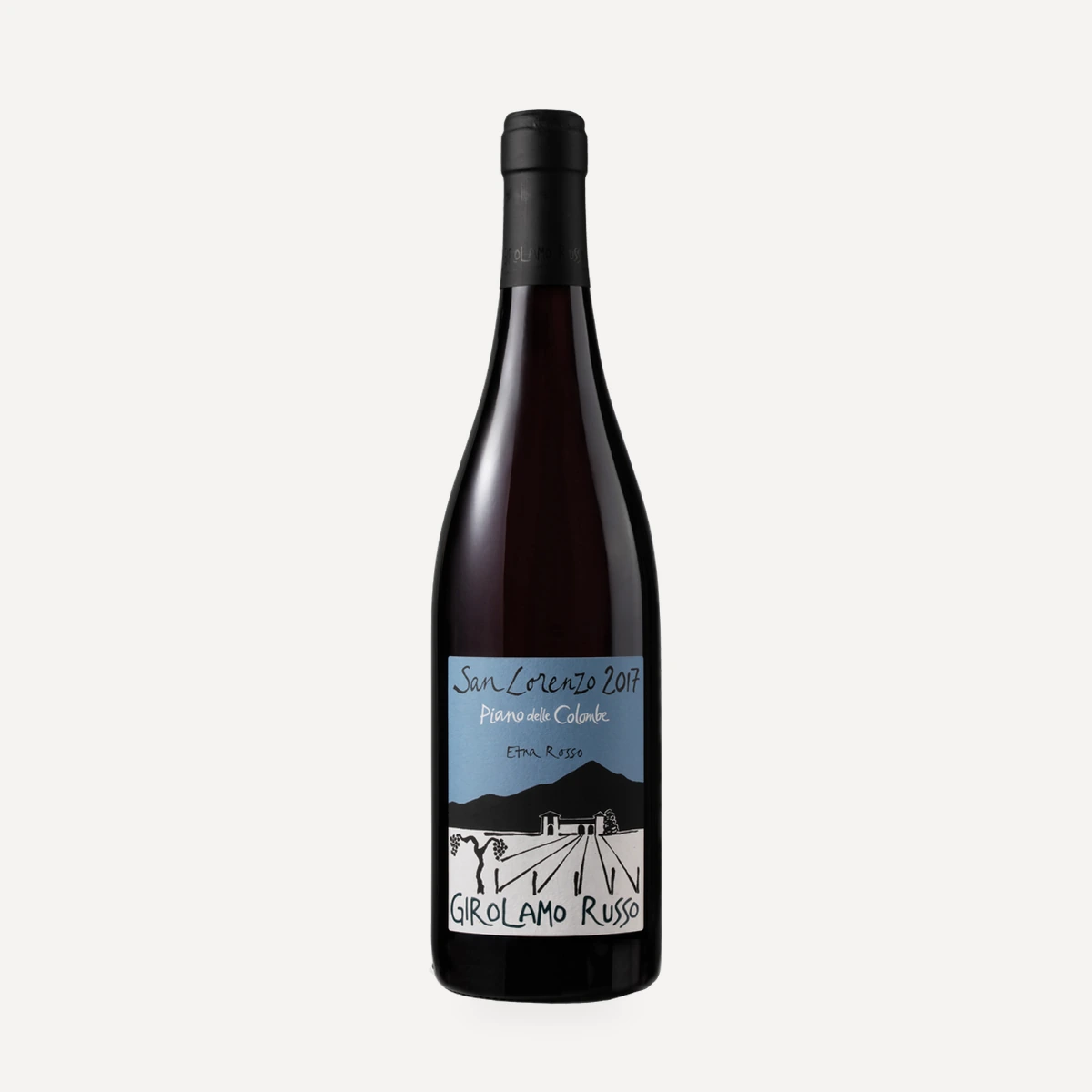
Giuseppe's father, Girolamo, also left a personal mark on the estate's geography. He called a particular part of San Lorenzo Piano delle Colombe, or “Plain of the Doves,” because doves came there to peck at the most flavourful grapes.
2005: the winery is re-established
Giuseppe Russo re-established the family winery in 2005 and named it Girolamo Russo in memory of his father. He remained in his native village of Passopisciaro, seeking to preserve the family's values while interpreting them through a personal, contemporary approach to wine and developing a new wine culture rooted in Etna.
The old alberello vineyards were retained, while newer cordon- and row-trained plantings were introduced alongside them. The estate continued the manual practices that had sustained its oldest vines: short spur pruning, ploughing, hoeing, tying and trellising, and vineyard protection based on sulphur and copper.
In October, bunches are selected carefully and the fruit from each contrada is harvested and vinified separately. This parcel-based approach is intended to preserve the distinct aromas, colours and character of each site.
Conservation and renewal of the vineyards
At Feudo di Mezzo, missing old alberello vines are replaced by propaggine, the traditional layering technique, so that the vineyard can be renewed without severing its continuity.
Calderara Sottana became the focus of a further conservation project. Giuseppe selected preferred old vines both there and in the estate's other contrade, subjected the material to DNA analysis and replanted the resulting selections in a new vineyard. The project preserves genetic material from the estate's older plantings while establishing a new generation of vines.
Feudo as a cultural home
In 2022 Giuseppe extended the family's relationship with Feudo beyond viticulture by creating Feudo Art Residency, a project dedicated initially to classical music and the volcano, with the intention of opening gradually to other artistic forms. The family home and vineyard became a residence where visiting artists could work together and perform for the public.
The first residency ran from 28 August to 3 September 2022, followed by a second edition on 1–3 September 2023. In August 2025 the winery marked its twentieth anniversary with another residency at Feudo. The project returned on 17–18 July 2026 with five guest musicians, vineyard tastings, concerts, an aperitif and dinner under the stars.
Terroir
The vineyards occupy the northern slope of Mount Etna, principally around Passopisciaro and Randazzo. The current estate presentation places them between 650 and 780 metres above sea level, while individual parcels extend from approximately 500 metres at Calderara Sottana to 800 metres in San Lorenzo. Hazel and olive groves frame the vineyard holdings.
The landscape is the product of successive volcanic eruptions. Etna formed more than half a million years ago, and each sciara—a term of Arabic origin for a lava flow that has cooled and solidified—has subsequently been altered by time and human activity. Consequently, neighbouring contrade can have markedly different morphologies, soil ages and vineyard characters. Lava, ash, volcanic stones and broom form the recurring physical setting.
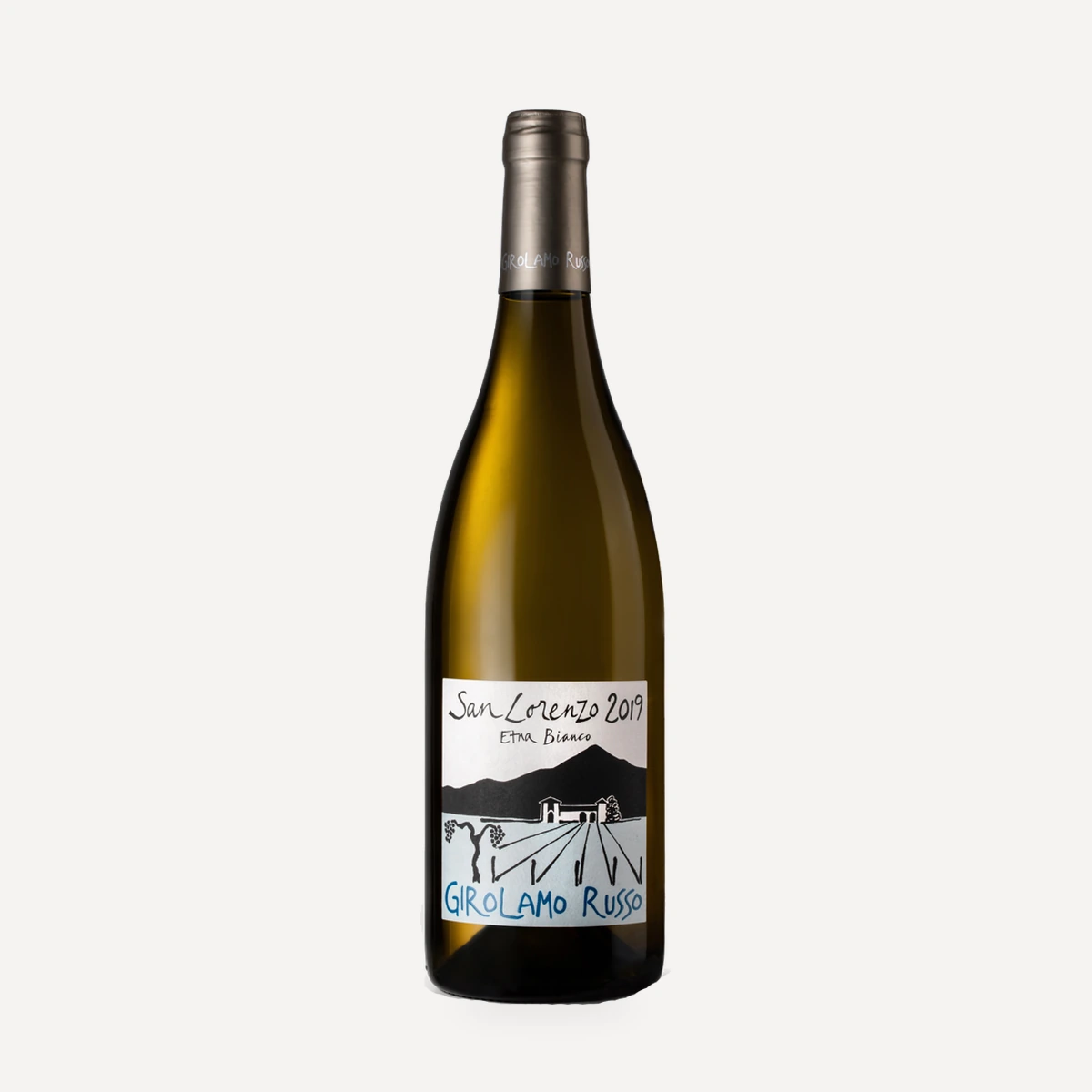
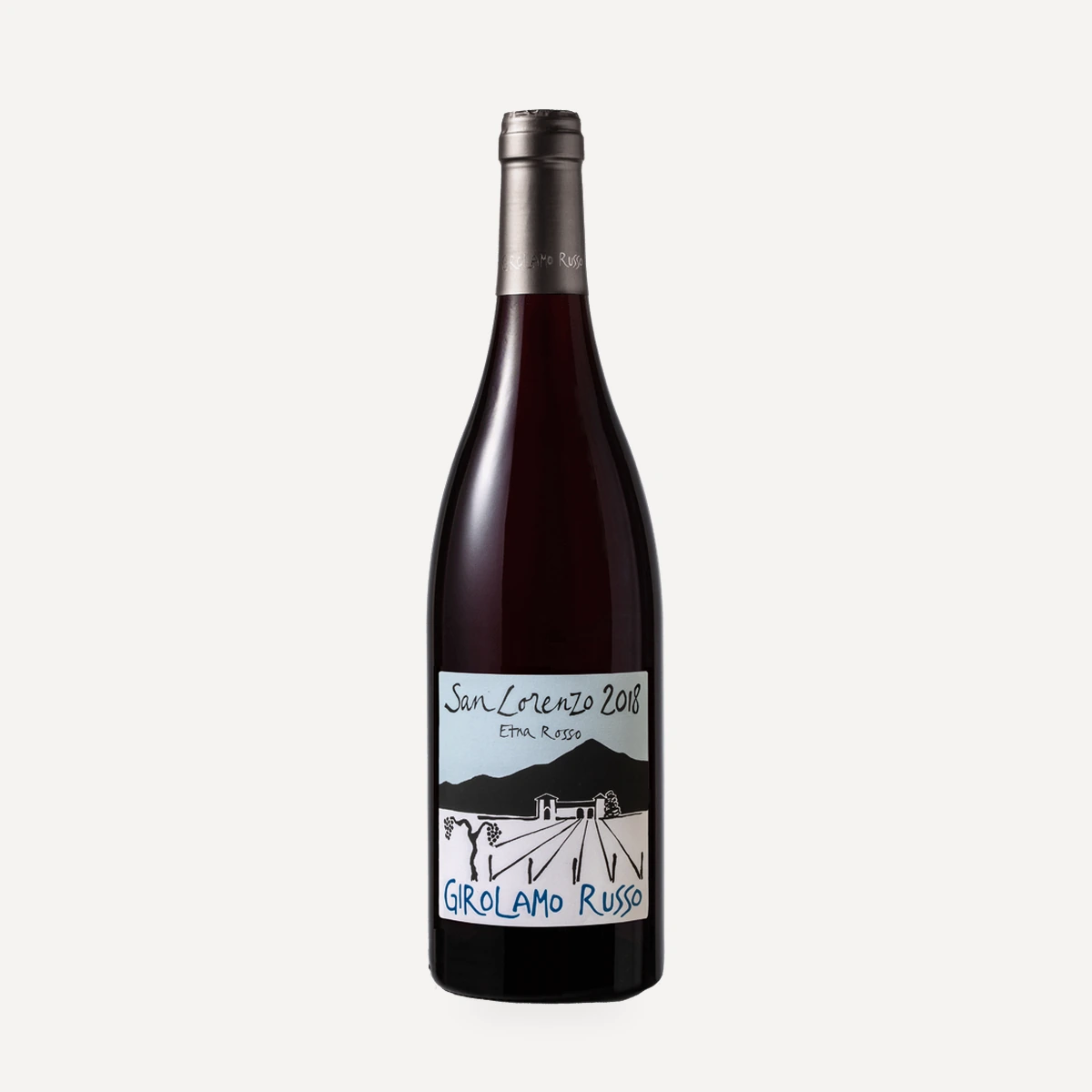
The soils are broadly volcanic, sandy and mineral-rich, but each site has a distinct geological history. San Lorenzo includes three geological formations, the largest dating back at least 15,000 years to the period of the Ellittico crater. Piano delle Colombe is calcium-rich and subalkaline, with a porous profile crowded with volcanic pebbles and outcrops of deep parent rock associated with Etna’s major Plinian eruption of 122 BC.
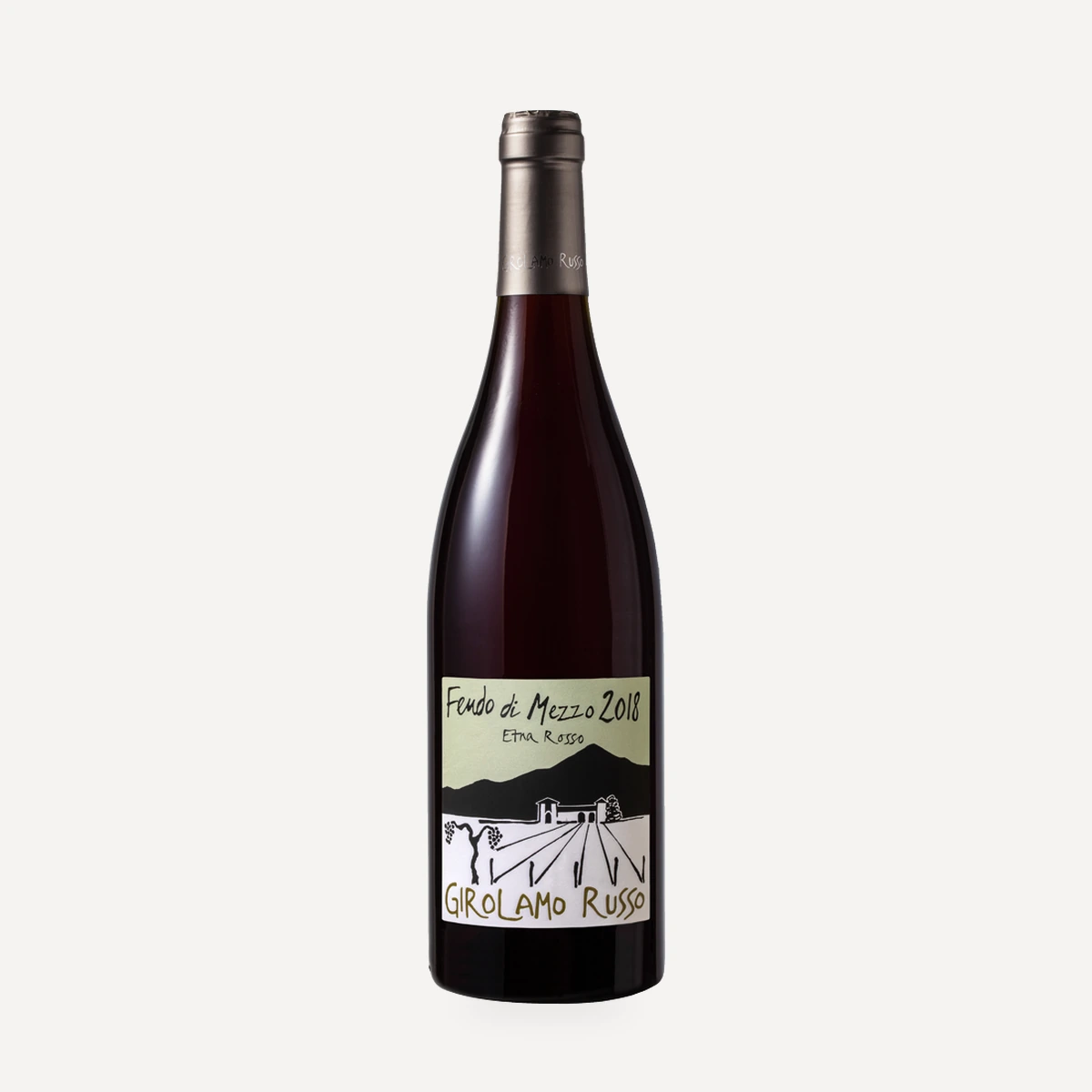
Feudo also rests on terrain at least 15,000 years old. Its soil is deep, and winds from Val Dèmone shape its microclimate. Feudo di Mezzo consists of two parcels formed by different eruptions: the higher parcel, at about 670 metres, lies on material from an eruption approximately 4,000 years ago; the lower parcel, at 630 metres, was shaped by a lava flow dated to 1696. Despite their relative geological youth, both contain appreciable clay, reflecting sustained human influence on soil development.
At Calderara Sottana, vineyards occupy two rock sections with the same geological origin but different evolutionary ages: one derives from a lava flow approximately 15,000 years old, while the other is about 32,000 years old. Across the estate, these differences in lava age, elevation, soil texture and exposure underpin the decision to manage and vinify the contrade separately.
Vinificazione
The vineyards are farmed organically by Giuseppe Russo and his team, using traditional practices credited with sustaining the estate’s old vines for more than a century. Most work is manual. Old alberello and head-trained vines coexist with newer row- and cordon-trained vineyards.
Vineyard operations include short spur pruning, ploughing, hoeing, tying or trellising, and protection with sulphur and copper. At Feudo di Mezzo, gaps among the old alberello vines are replanted by propaggine, an old layering method that allows replacement material to be derived directly from an established vine.
At Calderara Sottana, old plants from several contrade were selected and analysed through DNA testing before propagation and replanting. This conserves material from the original vineyards within a new planting.
Harvest is manual. Picking dates vary by site and grape selection, extending from early October into the final week of the month. Bunches are selected carefully and kept separate according to their vineyard or contrada of origin. The available parcel records show densities of 4,500–5,500 vines/ha and yields ranging from about 20 to 50 q/ha, depending on the selection.
The production approach is organised around individual vineyards and small parcels. During harvest, grapes are selected carefully, and fruit from each contrada is picked and fermented separately so that its particular aromas, colours and structural character remain identifiable.
Small portions of the crop are also selected for microvinification at different moments. These trials help identify and clarify the character of individual parcels before broader production decisions are made.
The cellar is deliberately spare, clean and limited to equipment considered necessary for attentive vinification. Its purpose is to retain the original richness and aromatic breadth of each harvested parcel rather than impose a uniform cellar style. Across the technical records, fermentations commonly rely on yeasts naturally present on the grapes, while vessel choice, maceration and maturation vary according to the individual wine and parcel.
Filosofia
Girolamo Russo presents winegrowing on Etna as an intimate, continuing attachment to the places where the family grew up. The land is understood as both sustaining and severe: a landscape of lava, ash, sun, rain and wind whose agricultural rhythms must be respected.
Giuseppe Russo’s guiding aim is to conserve inherited family values without treating tradition as static. Old alberello vines, manual work and traditional layering remain central, while DNA-assisted selection, new vineyard plantings and microvinification provide contemporary tools for preserving and interpreting those traditions.
Each vineyard is regarded as having its own personality. Separate harvesting, parcel trials and individual vinification are intended to translate that personality into wine rather than suppress differences among the contrade. The cellar follows the same restrained principle: only what is necessary for careful, respectful production is retained.
The cultural programme at Feudo extends this philosophy beyond wine. Giuseppe connects his humanistic education, piano training and interest in music with the effort to carry the family estate into the future, turning the family home into a place where artists, visitors, vineyards and the energy of the volcano can meet.
Vini
San Lorenzo Bianco
San Lorenzo
Feudo di Mezzo
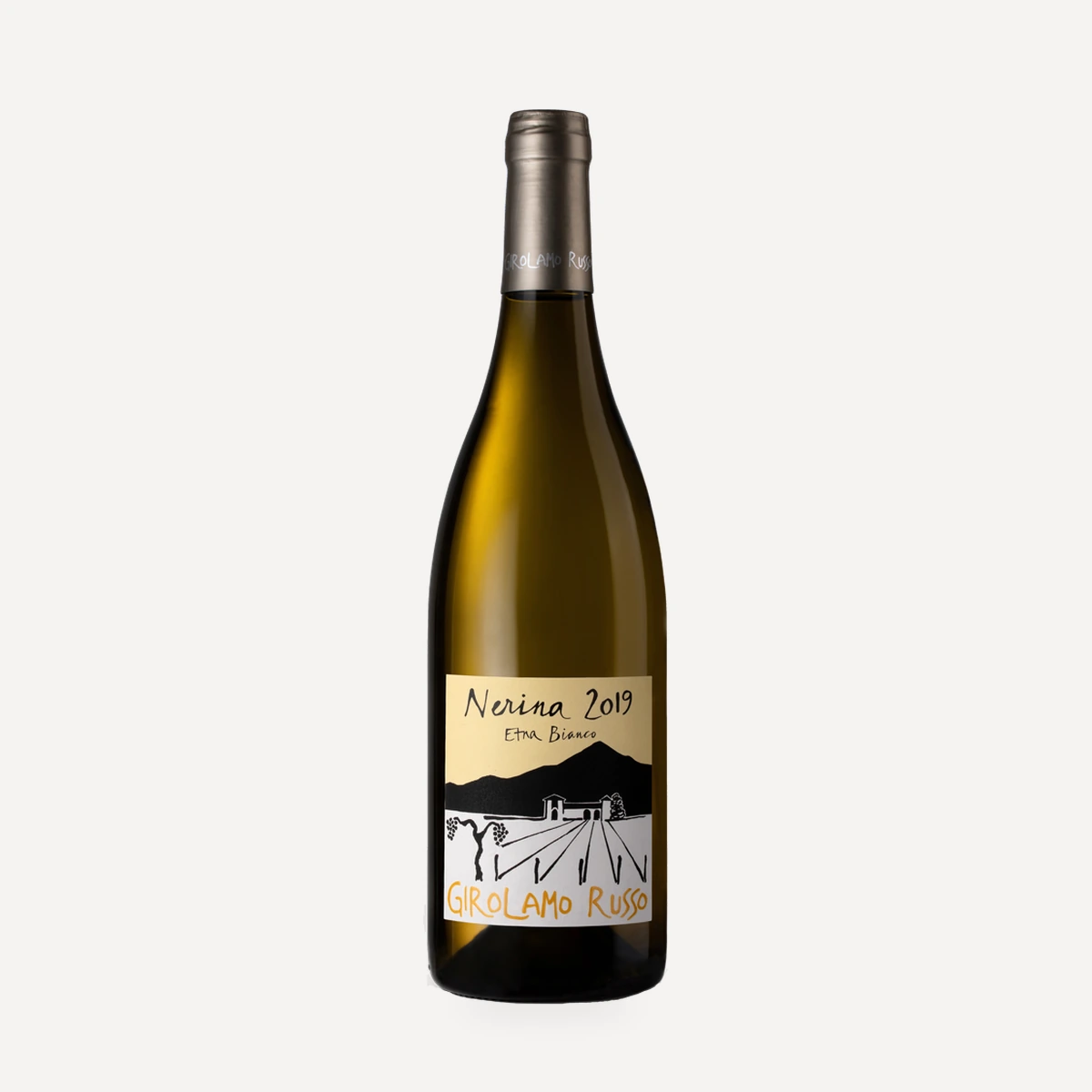
Nerina
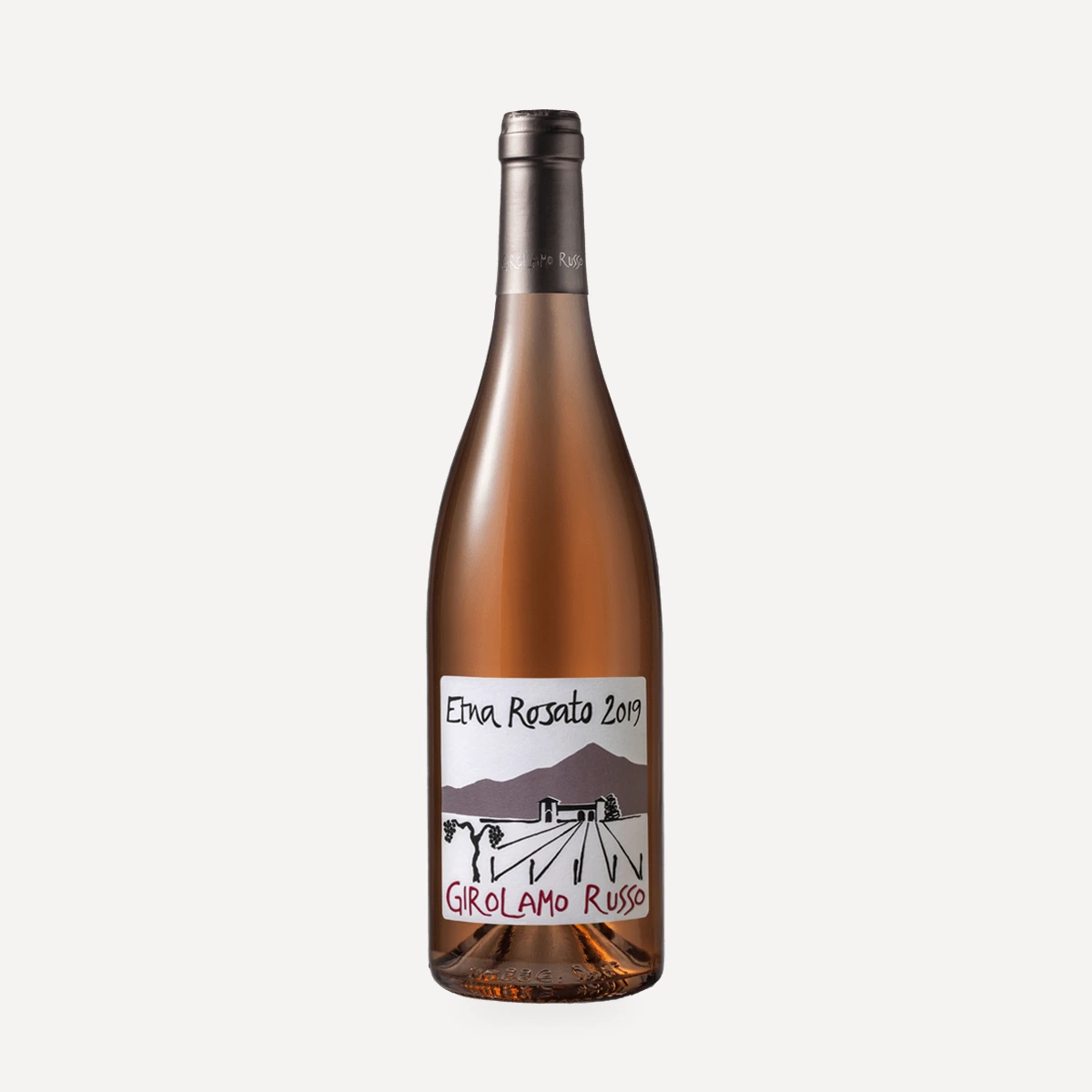
Etna Rosato
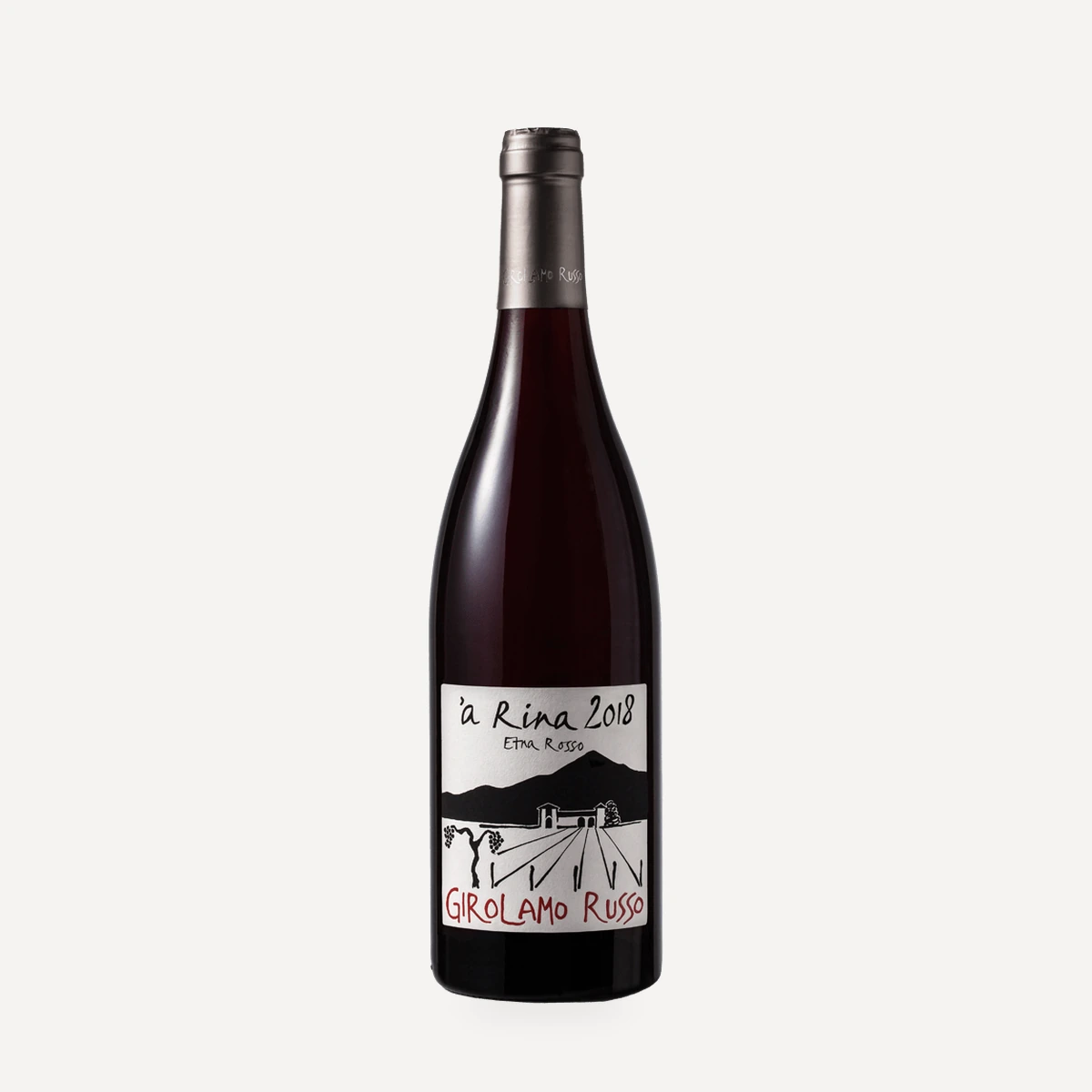
‘A Rina
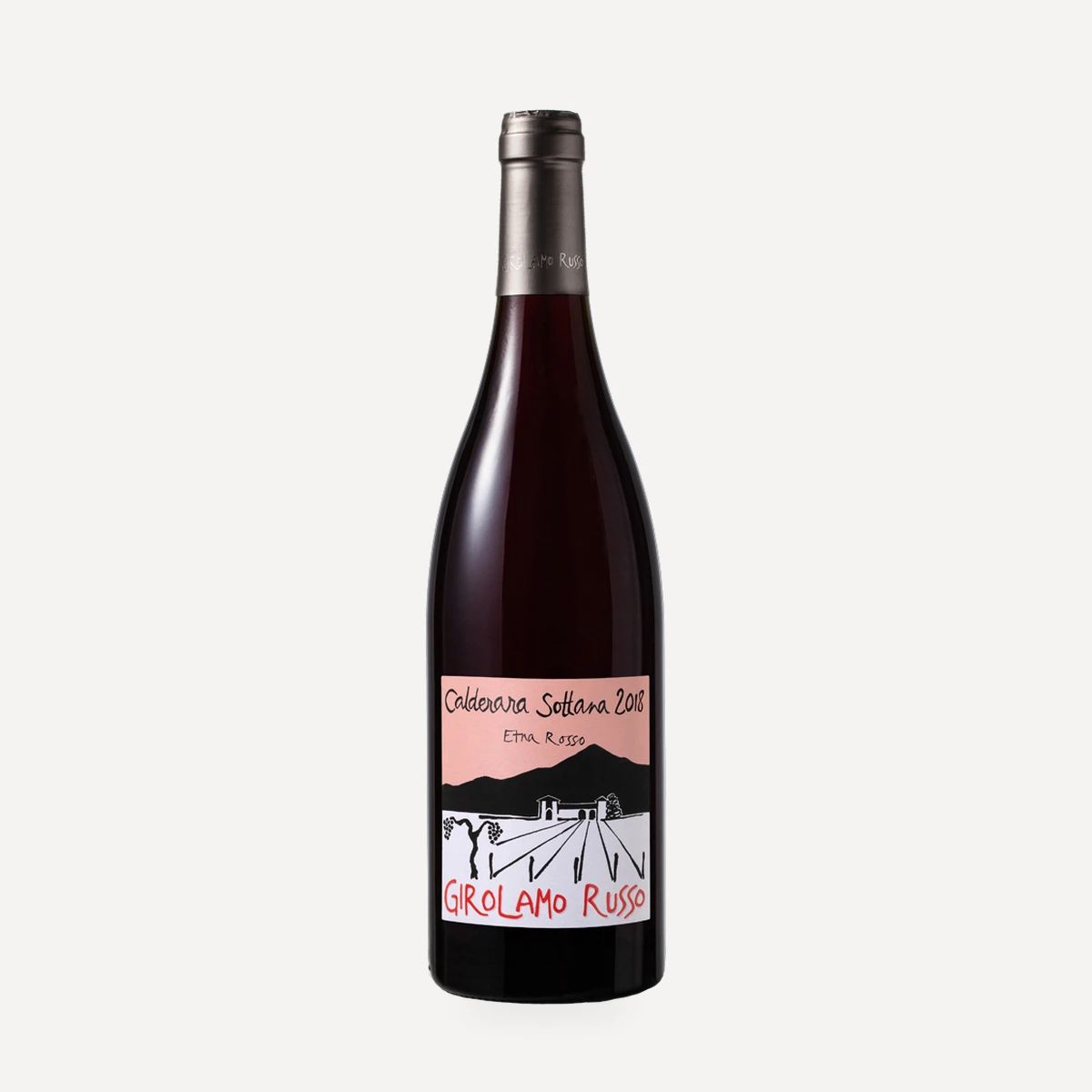
Calderara Sottana
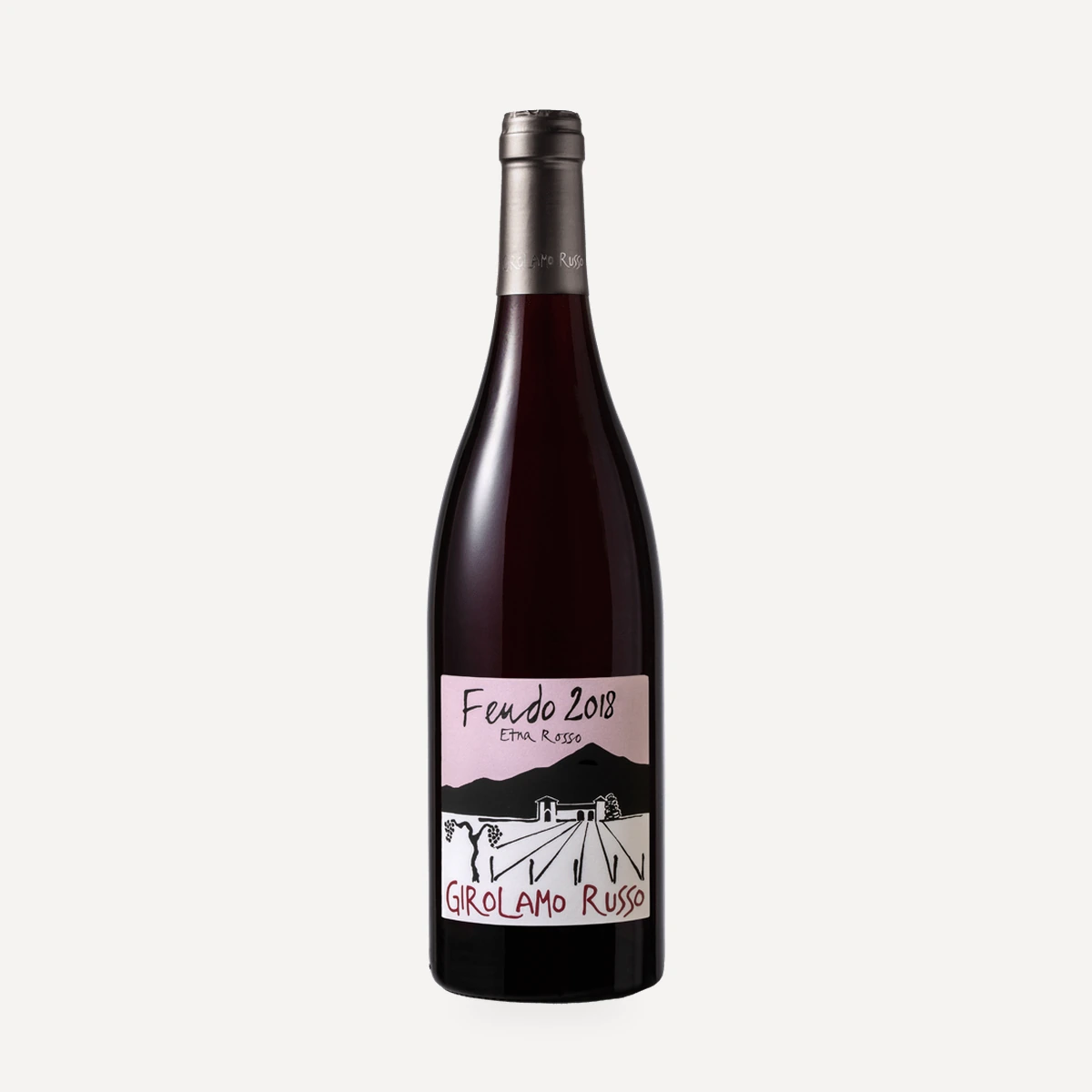
Feudo