Storia
Foundation and the post-war years
Gotto d'Oro began in 1945, when 41 winegrowers from Marino formed a cooperative and acquired the old Ciampino wine depot, which had been destroyed during the Second World War. Their purpose was to take the wines of the Castelli Romani beyond the restricted Roman market and overcome the limitations imposed by intense competition within that small commercial area. The cooperative quickly established a market in northern Italy, where its volcanic wines were appreciated for their savoury character.
The cooperative has continued to pursue the founding objective of supplying Italian families with wine offering a strong relationship between quality and price, while progressively developing more selective, quality-focused ranges.
Technical development in the 1950s
Toward the end of the 1950s, the young Ezio Rivella joined as enotechnician. During his tenure, the cooperative invested in advanced winemaking equipment, including a modern pasteurisation plant.
Frattocchie and expansion in the 1970s and 1980s
During the 1970s, Gotto d'Oro inaugurated its present headquarters at Frattocchie, conceived as a modern grape-reception and processing centre. The first members’ assembly in the new facility took place at the beginning of the 1980s.
In the same period, the cooperative acquired a winemaking centre in Frascati. Its corporate name changed from Cantina Sociale Cooperativa di Marino to Cantina di Marino Gotto d'Oro, and the Ministry of Agriculture and Forestry designated it a cooperative of national interest.
The first fifty years
In 1995, the cooperative marked its fiftieth anniversary by producing a commemorative book devoted to the people, difficulties and achievements that had shaped its history.
Industrial renewal and certification
From the 2000s onward, Gotto d'Oro undertook an industrial restyling programme. Its response to changing markets was accompanied by a greater emphasis on product quality, sustainability, new technology and staff development. The management system was progressively structured around ISO 9001:2015, BRC and IFS certification, while the Autorizzazione Unica Ambientale covered the production cycle from grape reception to differentiated waste disposal.
The modernisation programme included digitalisation and an Industry 4.0 approach, new equipment, software and systems intended to improve traceability and reduce resource consumption. Environmental projects included processing-water recovery, expansion of photovoltaic generation, energy-recovery systems and lower-impact packaging.
New wine ranges
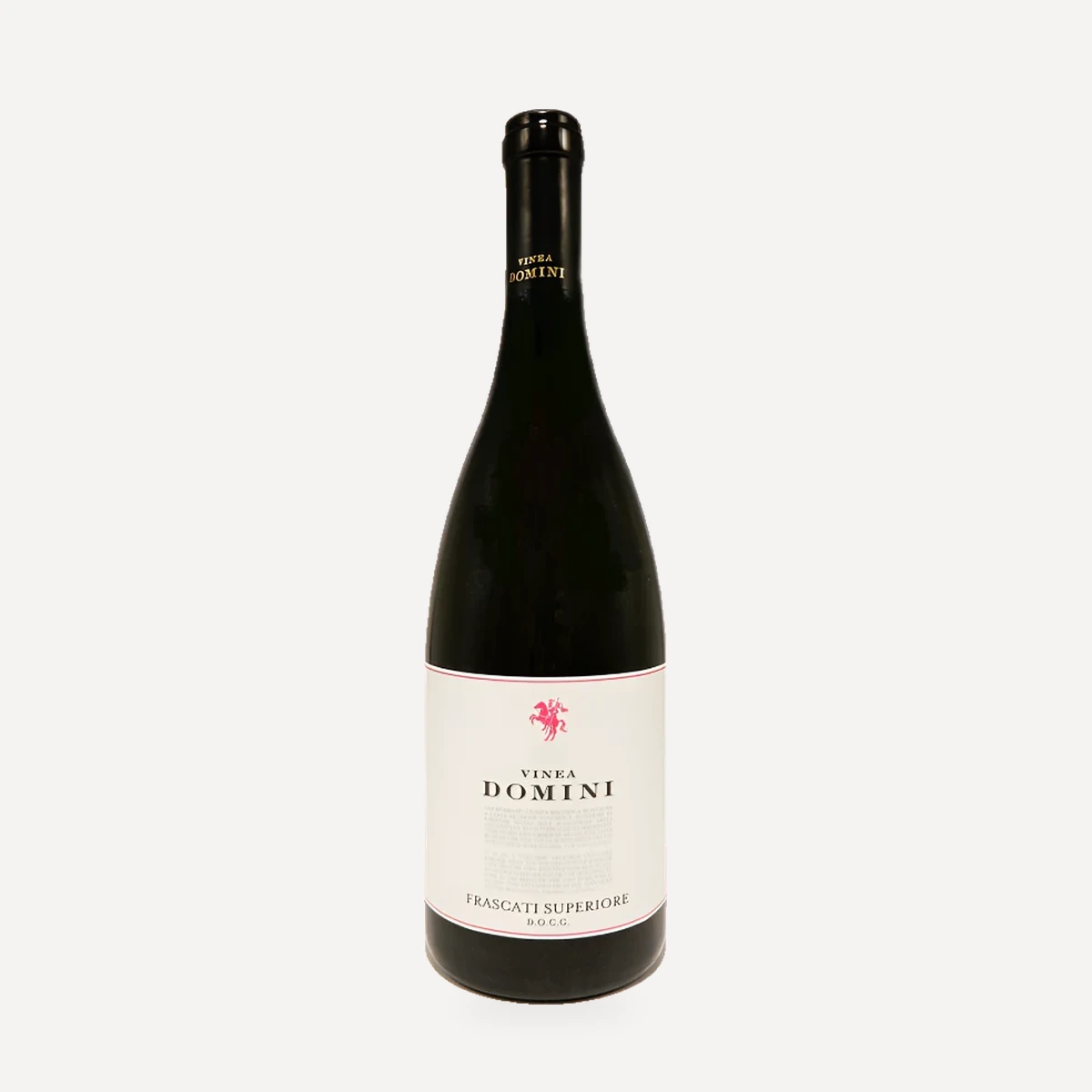
The Vinea Domini concept originated from Benedict XVI’s 2005 reference to himself as a humble worker in the vineyard of the Lord. The name was adopted for a range intended to give greater visibility to Lazio grape varieties and the region’s DOC and DOCG denominations.
After an extended development programme, the first Vinea Domini bottles appeared in 2017: six varietal wines made from Chardonnay, Sauvignon, Viognier, Cabernet Sauvignon, Syrah and Petit Verdot. These wines were deliberately kept away from wood so that each variety would remain immediately recognisable.
In 2019, Vinea Domini expanded to include four Lazio appellation wines: Roma DOC Rosso, Roma DOC Bianco, Frascati Superiore DOCG and Cesanese del Piglio DOCG. Friccicore, a pure Malvasia del Lazio, and Luccicore, a rosé made from Syrah, followed later.
The Settantacinque75 range was created as a tribute to the cooperative’s seventy-fifth anniversary. It brought twelve traditional, indigenous and modern white, red and rosé wines together in the 750 ml format, combining the established wine culture of Rome and the Castelli Romani with an effort to reach a younger audience.
Sustainability programme and change of leadership
In 2022, the cooperative began formal preparation for Equalitas certification. Its first sustainability report covered the 2022 financial year and established a framework based on the environmental, social and economic dimensions of sustainability. Equalitas objectives entered the annual corporate objectives plan in 2023, alongside quarterly monitoring, monthly committee discussion and an annual management review.
Luigi Caporicci led Gotto d'Oro for approximately twenty years and oversaw major productive and commercial development. Following his death in May 2023, Luca Del Gallo di Roccagiovine became president in June 2023.
On 30 September 2023, members delivered specially selected grapes for two limited-edition wines planned to commemorate the cooperative’s eightieth anniversary in 2025. The project—originally conceived by Luigi Caporicci and director Ilaria Palumbo during Vinitaly 2023—called for one white and one red Lazio IGT. Paolo Peira planned wood fermentation for the white in 2024 and wood maturation for the red following initial maceration. Both were to leave wood in 2025 before evaluation and bottling. The planned release comprised 1,300 numbered bottles.
In February 2024, Gotto d'Oro announced that it had obtained Equalitas certification, becoming the first winery in Lazio to achieve that standard.
Terroir
Volcanic landscape
The cooperative’s winegrowing base is in the Castelli Romani, the extensive hill country southeast of Rome surrounding Lakes Albano and Nemi. The landscape developed through the collapse of the Vulcano Laziale several hundred thousand years ago. The internal belt of the Castelli occupied the volcano’s principal crater; after its collapse, secondary vents formed, the most important corresponding to present-day Monte Cavo.
The volcanic soils are described as geologically young, vigorous and fertile. They are rich in minerals, particularly potassium, while containing little calcium and little active limestone. Subterranean water contributes further vigour and generally protects the vineyards from water stress. This reserve of water is considered especially important in hot years.
Individual wine descriptions place vineyards on hills at approximately 150–350 metres above sea level and identify volcanic soils with tuffaceous clay.
Climate
The climate is Mediterranean. Summers are very hot and winters mild near the coast, while inland districts have cooler summers and colder winters. The area benefits from a marked diurnal temperature range. Annual rainfall in the Castelli Romani averages approximately 600–800 mm, compared with more than 1,200 mm in Lazio’s mountain zones.
Winegrowing setting
The Castelli Romani form one of Lazio’s two principal wine districts. The area contains historic denominations including Frascati, Marino, Colli Albani, Velletri and Colli Lanuvini. In 1996, the wider area itself became the Castelli Romani denomination.
The combination of volcanic soils and the local climate is associated with floral and fresh-fruit characters, savoury flavours and moderate acidity in white wines. Red grapes grown in the hillier zones can develop deep pigmentation and ripe red-fruit character; harvest timing is important in avoiding cooked-fruit notes.
Vinificazione
The cooperative’s members cultivate vineyards across the volcanic hills of the Castelli Romani. Vineyard management has evolved through varietal conversion, greater capacity for mechanisation and the zonation of vineyards to identify the most suitable sites. The regional move away from high-yielding, difficult-to-mechanise training systems has accompanied lower yields and renewed attention to indigenous varieties.
The 2022 grape intake included separately identified organic lots for Castelli Romani Bianco DOC, Castelli Romani Rosso DOC and Marino DOC. Conventional deliveries were recorded by denomination and, in many cases, variety, including Merlot, Montepulciano, Syrah, Chardonnay, Malvasia del Lazio, Sauvignon, Vermentino, Cesanese, Sangiovese, Bellone, Bombino, Viognier and Roma DOC lots based on Malvasia del Lazio and Sangiovese.
Some variety-specific practices are emphasised. Malvasia del Lazio is late-ripening, disease-sensitive and susceptible to poor fruit set, and is suited to lower-production training systems. Bellone requires medium-expansion training and medium or short pruning. Sangiovese quality depends heavily on crop load, the number of buds retained during winter pruning and rigorous green operations such as shoot topping, leaf removal, bunch thinning and shoot thinning. Cesanese is sensitive to major fungal diseases, particularly downy mildew, and favours short pruning and medium-expansion training systems.
Cellars and processing
The Frattocchie headquarters, inaugurated during the 1970s, was designed as a modern centre for grape reception and processing. The cooperative subsequently acquired a separate winemaking centre at Frascati. Modernisation from the 2000s introduced new equipment, digital systems, software and traceability controls associated with the transition toward Industry 4.0.
A Maselli instrument connected directly to the IWINE system was installed in 2022 to measure grape Babo degree and pH. Other investments included a new electric warehouse vehicle, new-generation plant, hot-water boilers and plans for a new filler for the principal bottling line. The newer systems were selected in part to reduce water, energy, gas and cleaning-chemical consumption.
Technical approach
Gotto d'Oro defines production standards intended to keep quality and aromatic profiles consistent across large volumes. These standards specify the maximum number and type of permitted variations, while the management system places particular emphasis on traceability, food safety and compliance with the rules of the Lazio denominations represented in production.
The first six Vinea Domini varietal wines, introduced in 2017, were intentionally produced without wood contact to retain immediate varietal recognition. The winemaking guidance for Cesanese favours gentle crushing and pressing, punch-downs and pump-overs particularly during the early stages of alcoholic fermentation, short maceration and early separation from the skins. Cryomaceration is identified as one technique capable of intensifying Vermentino’s aromatic expression.
For the two wines conceived for the eightieth anniversary, selected grapes were delivered in small dedicated crates. The white was planned to ferment in wood during 2024. The red was to enter wood after initial maceration. Both wines were scheduled to be removed from wood, assessed and bottled in 2025.
Filosofia
Gotto d'Oro’s founding mission is to give Italian families wine with a strong relationship between quality and price while extending the reach of Castelli Romani wines beyond their local market. Its quality strategy combines consistency at scale with selected ranges intended to express a higher level of regional and varietal identity.
The cooperative presents its growers as the foundation of the business and links the continuity of Lazio winegrowing with environmental protection, viable remuneration and the transfer of vineyards between generations. Tradition is paired with technical renewal: investment in modern equipment, digitalisation and management systems is intended to improve quality, traceability, food safety and resource efficiency without separating the wines from their Lazio origins.
Its sustainability policy is organised around environmental, social and economic pillars. Declared priorities include reducing environmental impacts, protecting biodiversity, encouraging renewable resources and recyclable packaging, safeguarding worker dignity, preventing discrimination and corruption, maintaining customer care and supporting long-term economic resilience. Transparency, integrity, professionalism, confidentiality and independence are identified as core cooperative values.
Vini
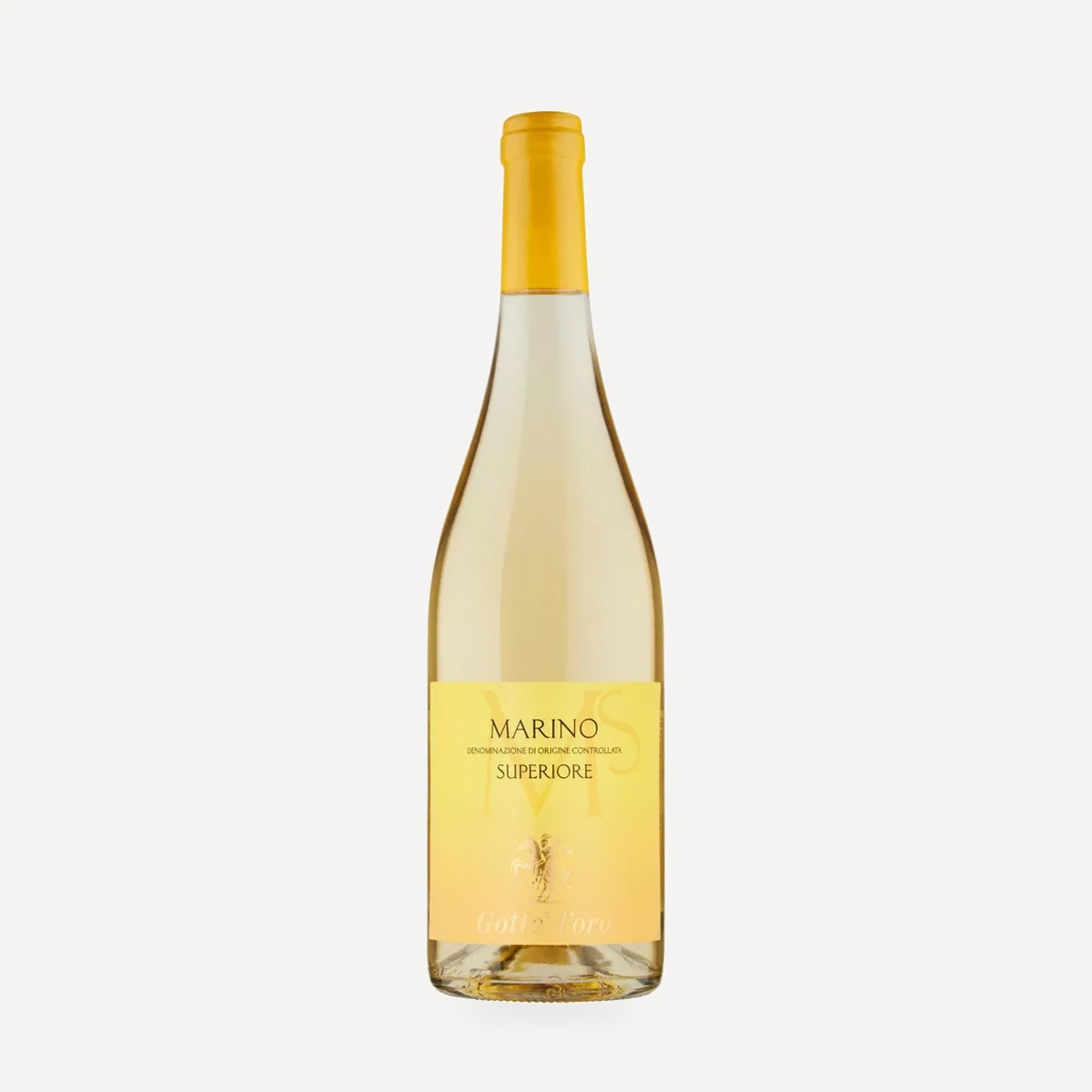
Linea Settantacinque75 Marino Superiore DOC
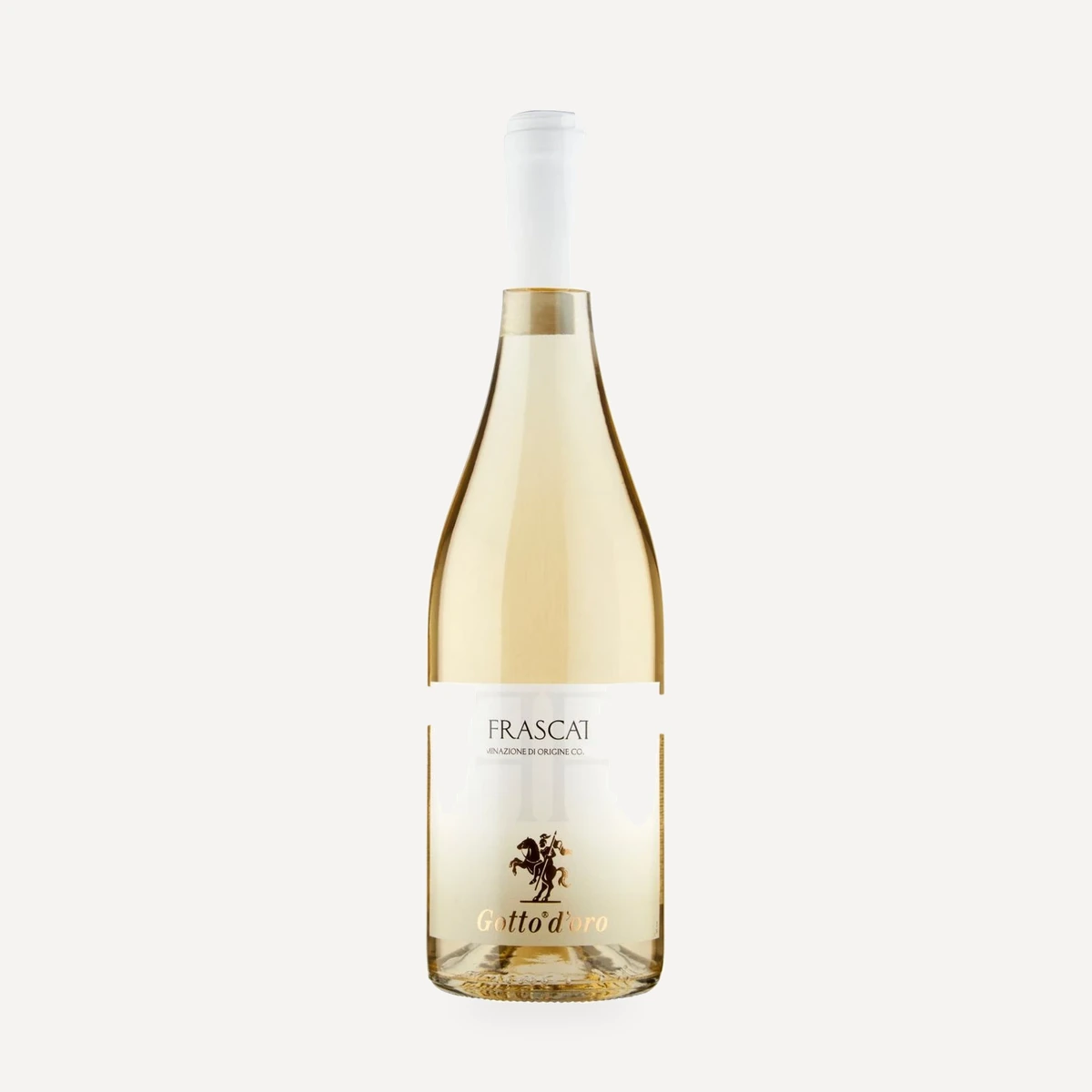
Linea Settantacinque75 Frascati DOC
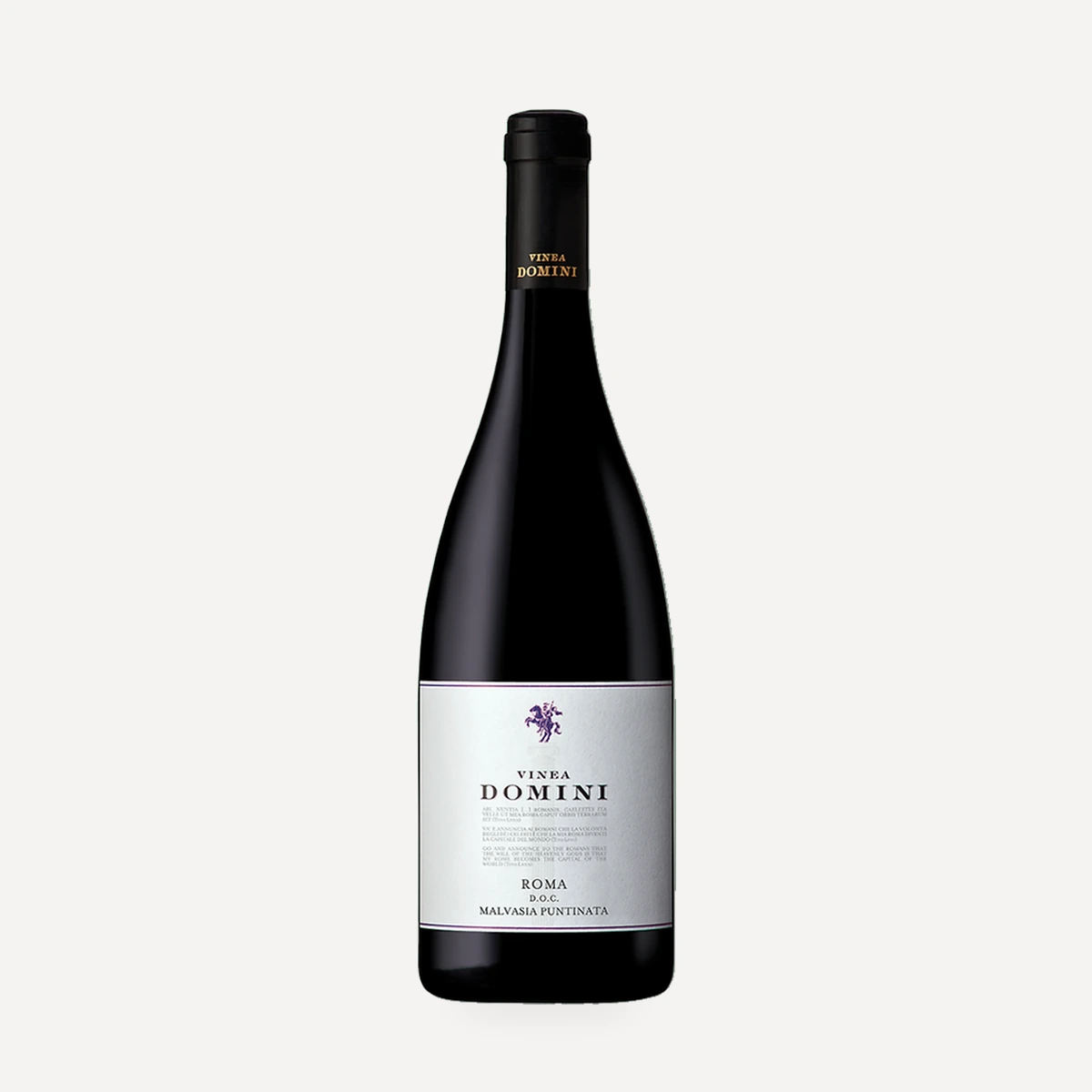
Linea Vinea Domini Roma Malvasia Puntinata DOC
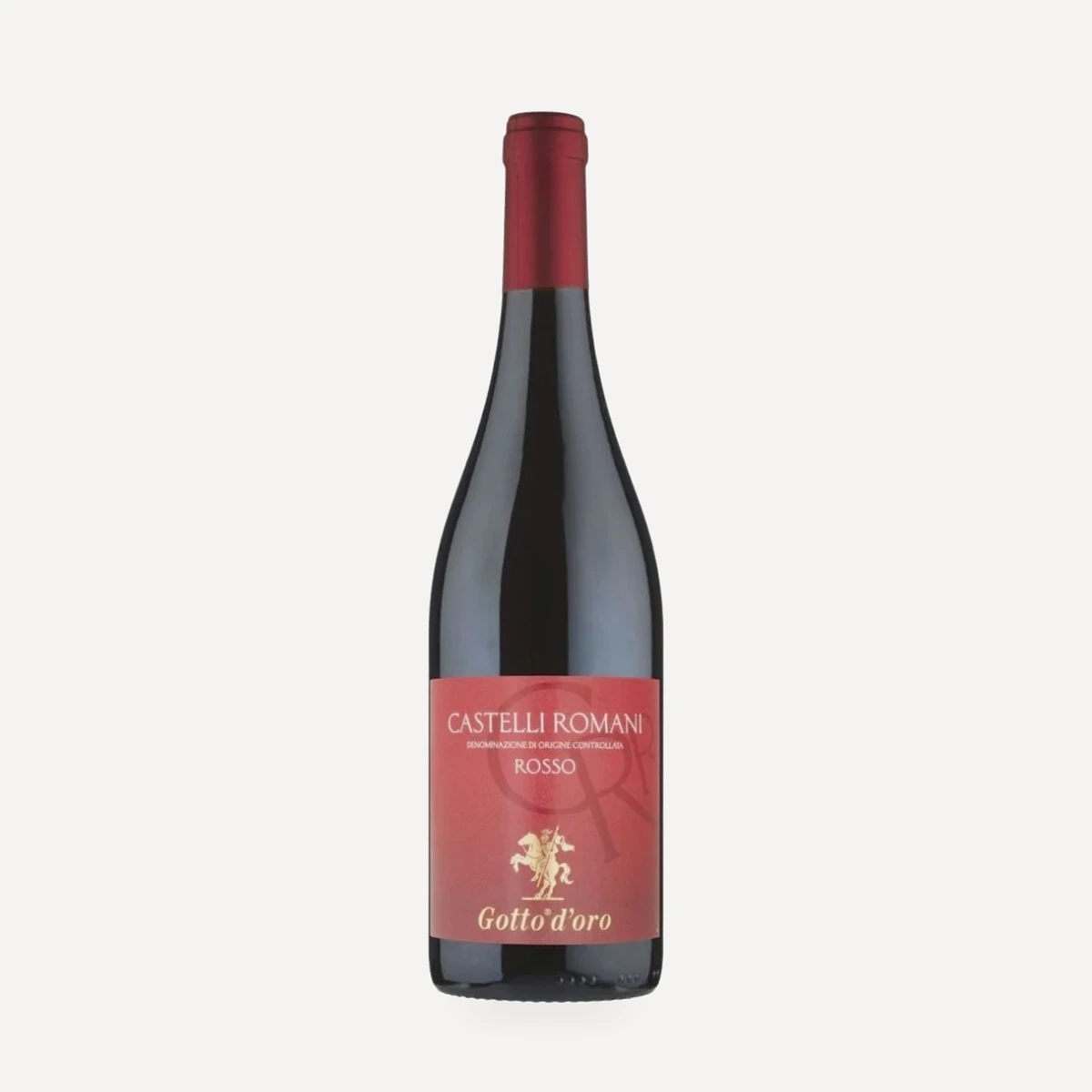
Linea Settantacinque75 Castelli Romani Rosso DOC
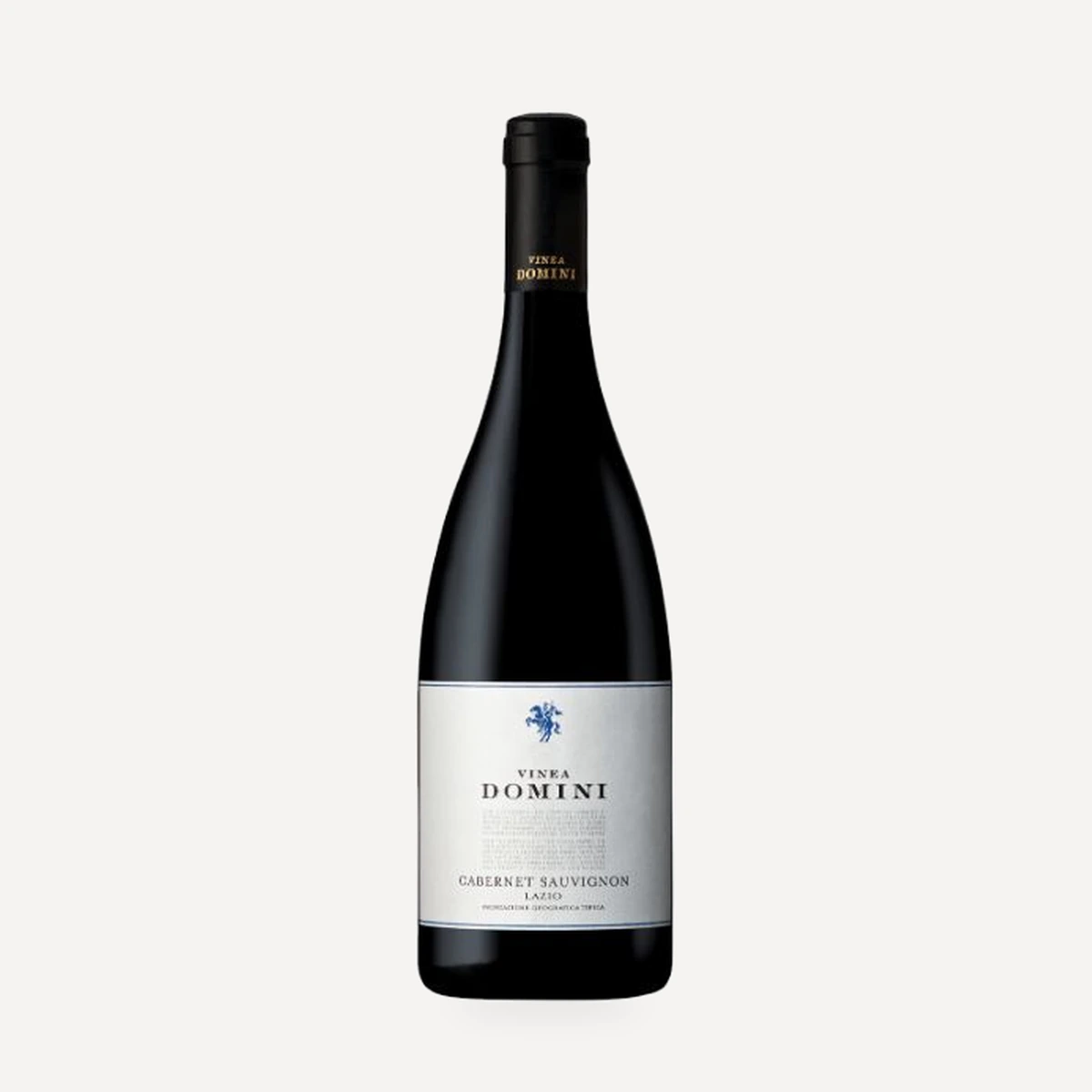
Linea Vinea Domini Cabernet Sauvignon Lazio IGT
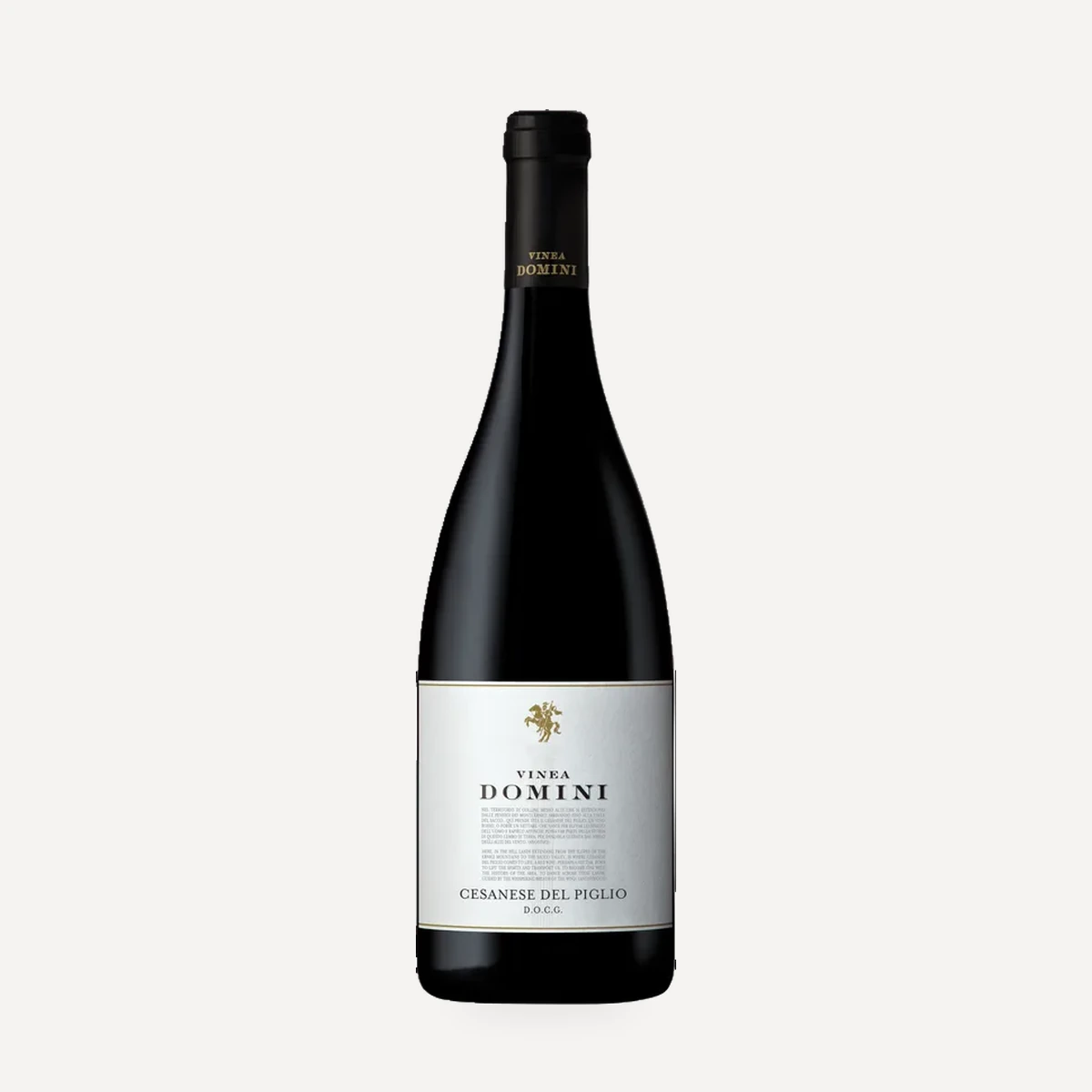
Linea Vinea Domini Cesanese del Piglio DOCG
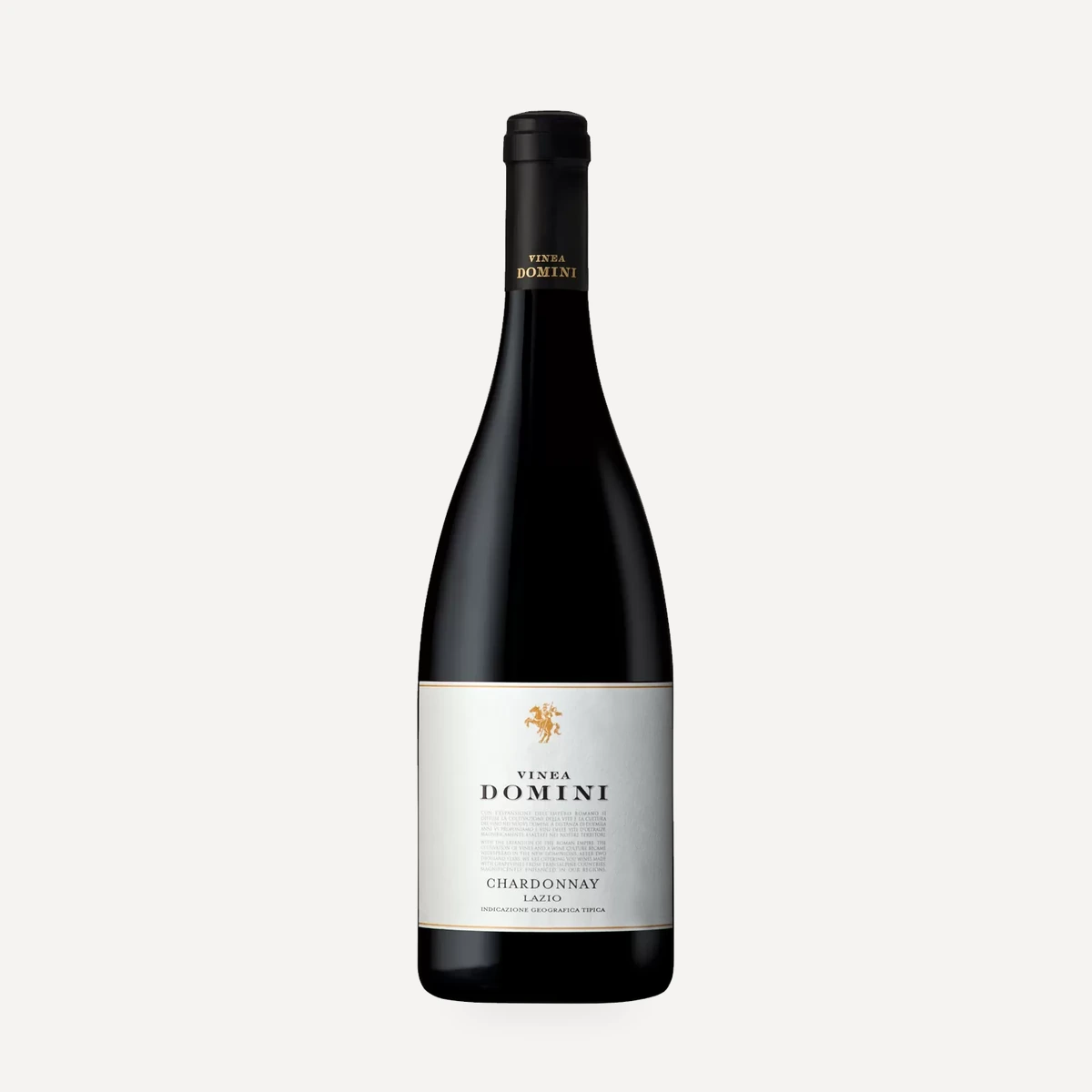
Linea Vinea Domini Chardonnay Lazio IGT
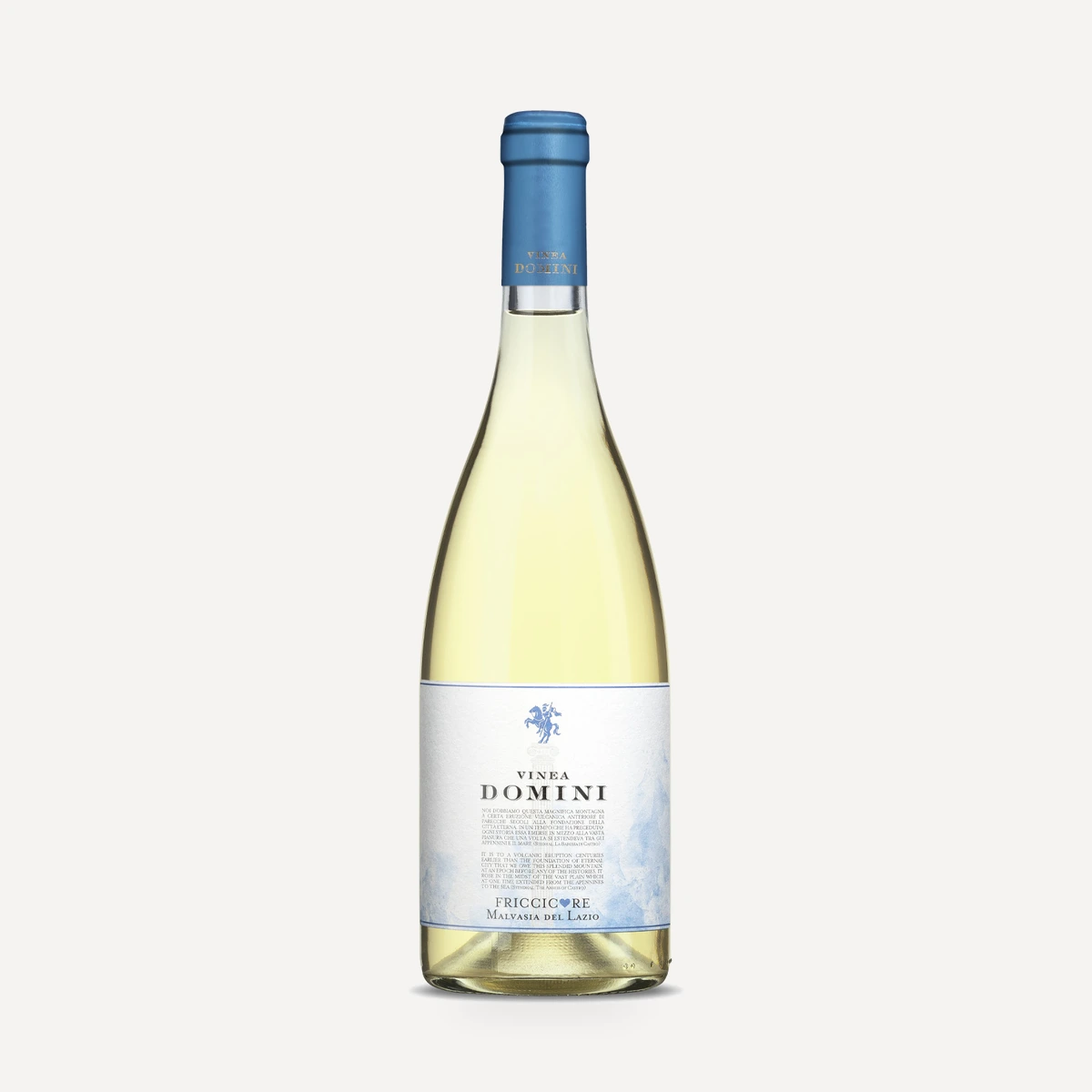
Linea Vinea Domini Friccicore Malvasia del Lazio IGT
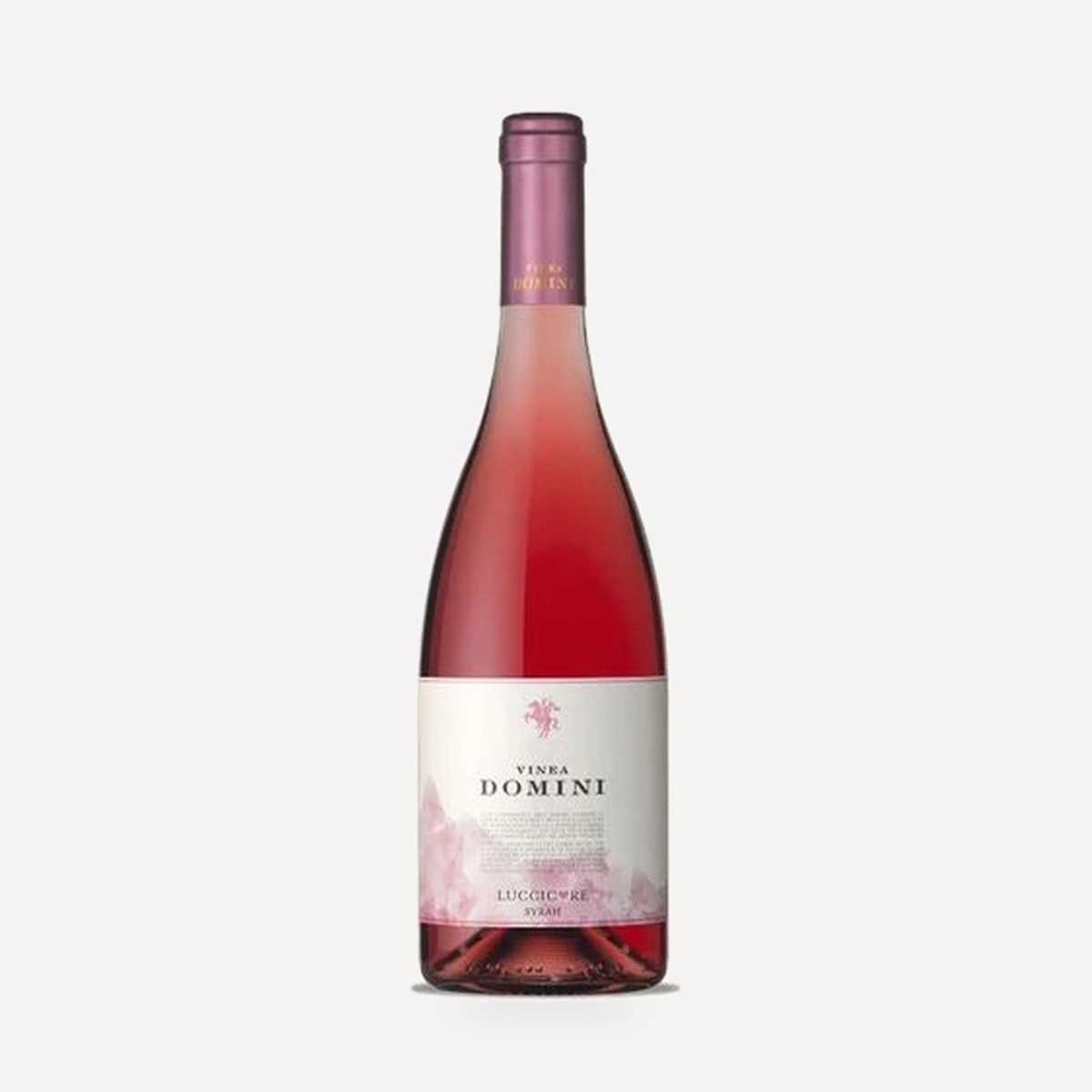
Linea Vinea Domini Luccicore Syrah Rosato Lazio IGT
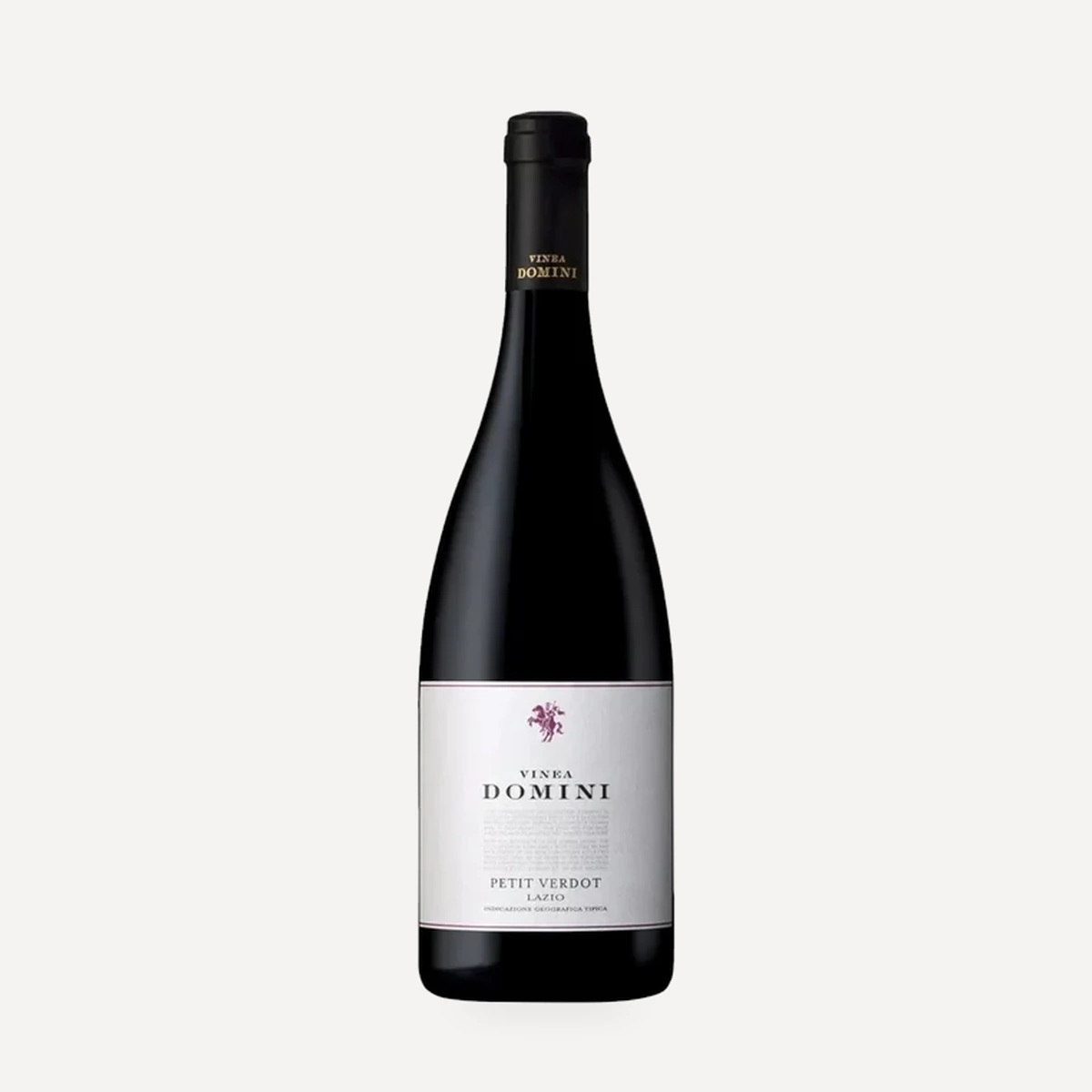
Linea Vinea Domini Petit Verdot Lazio IGT
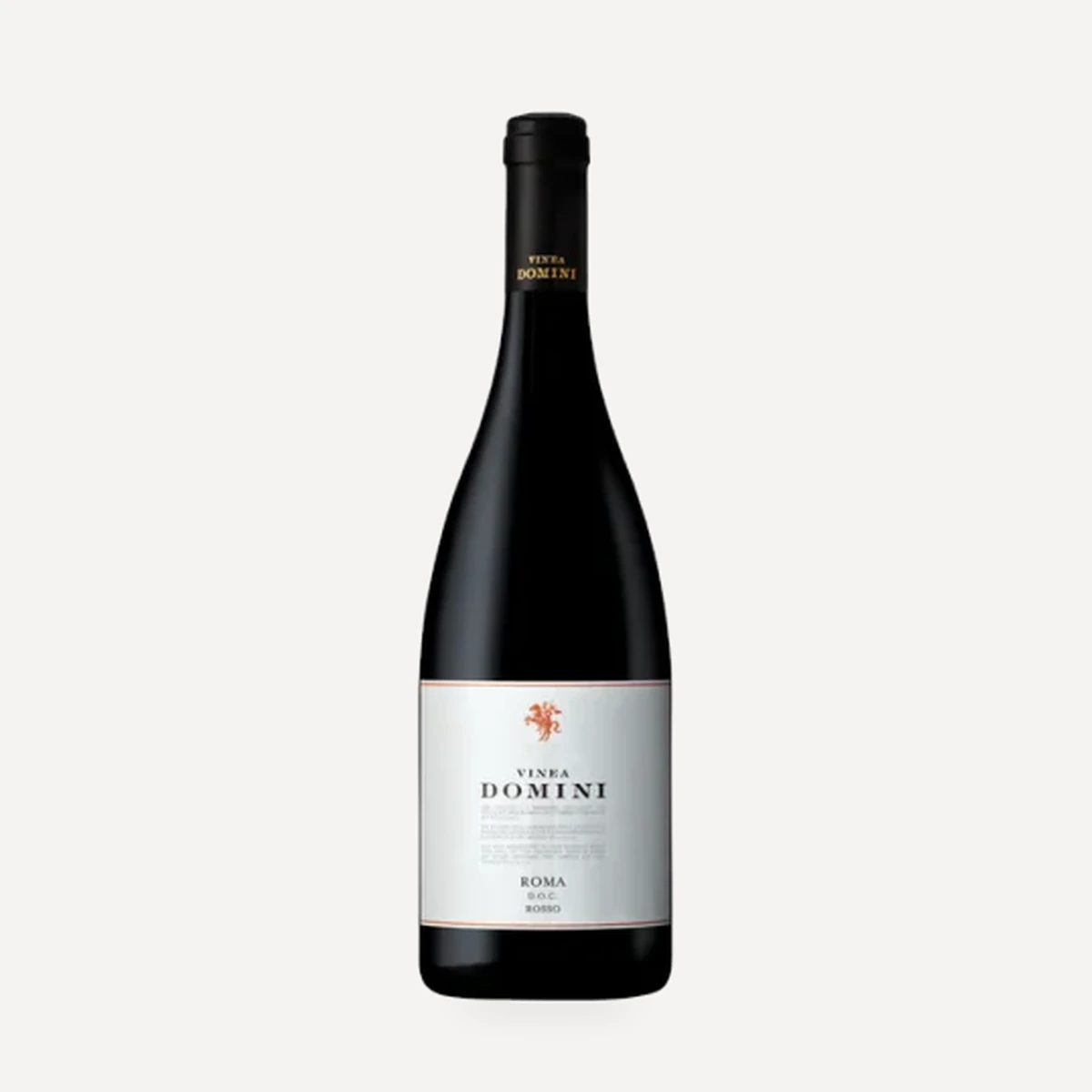
Linea Vinea Domini Roma Rosso DOC
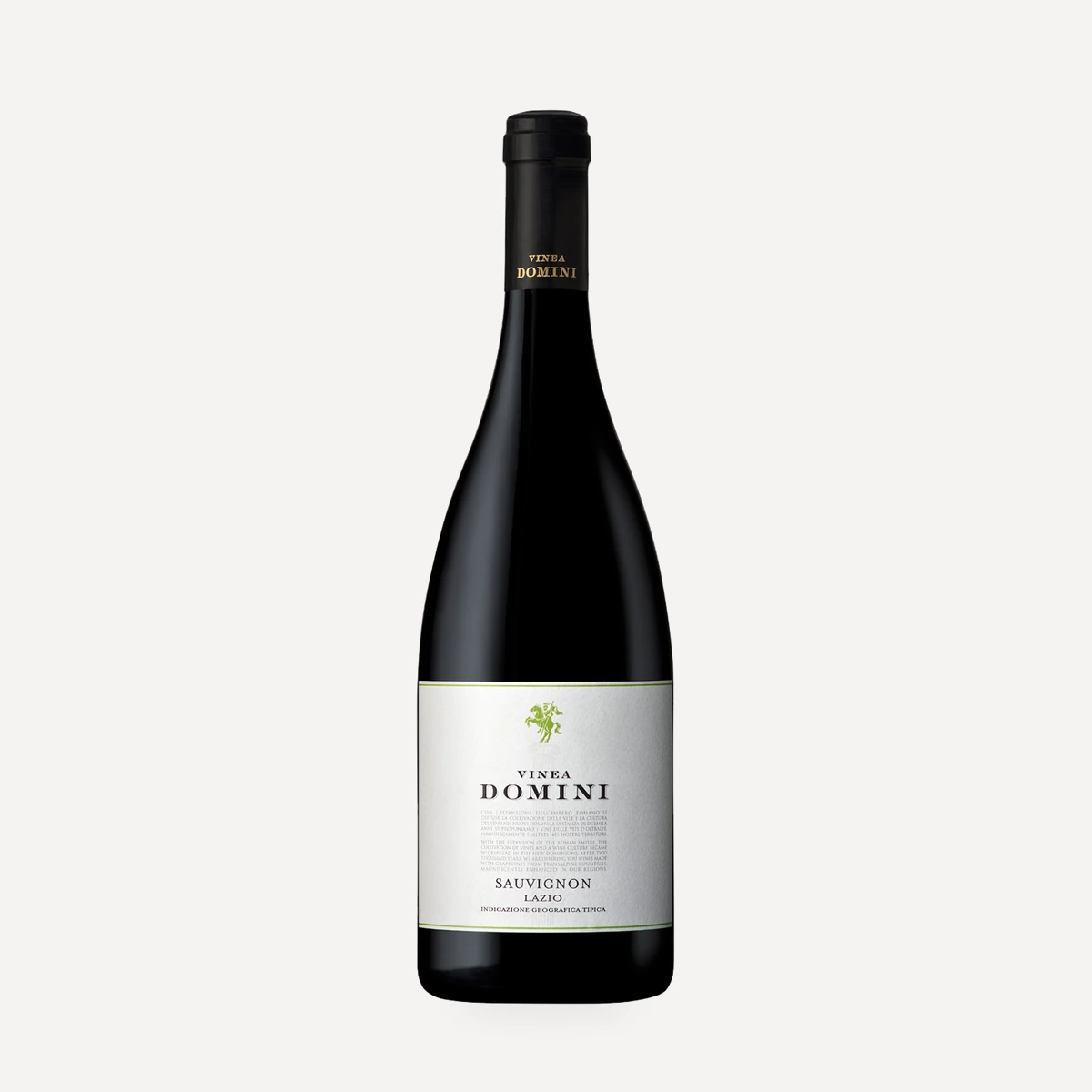
Linea Vinea Domini Sauvignon Lazio IGT
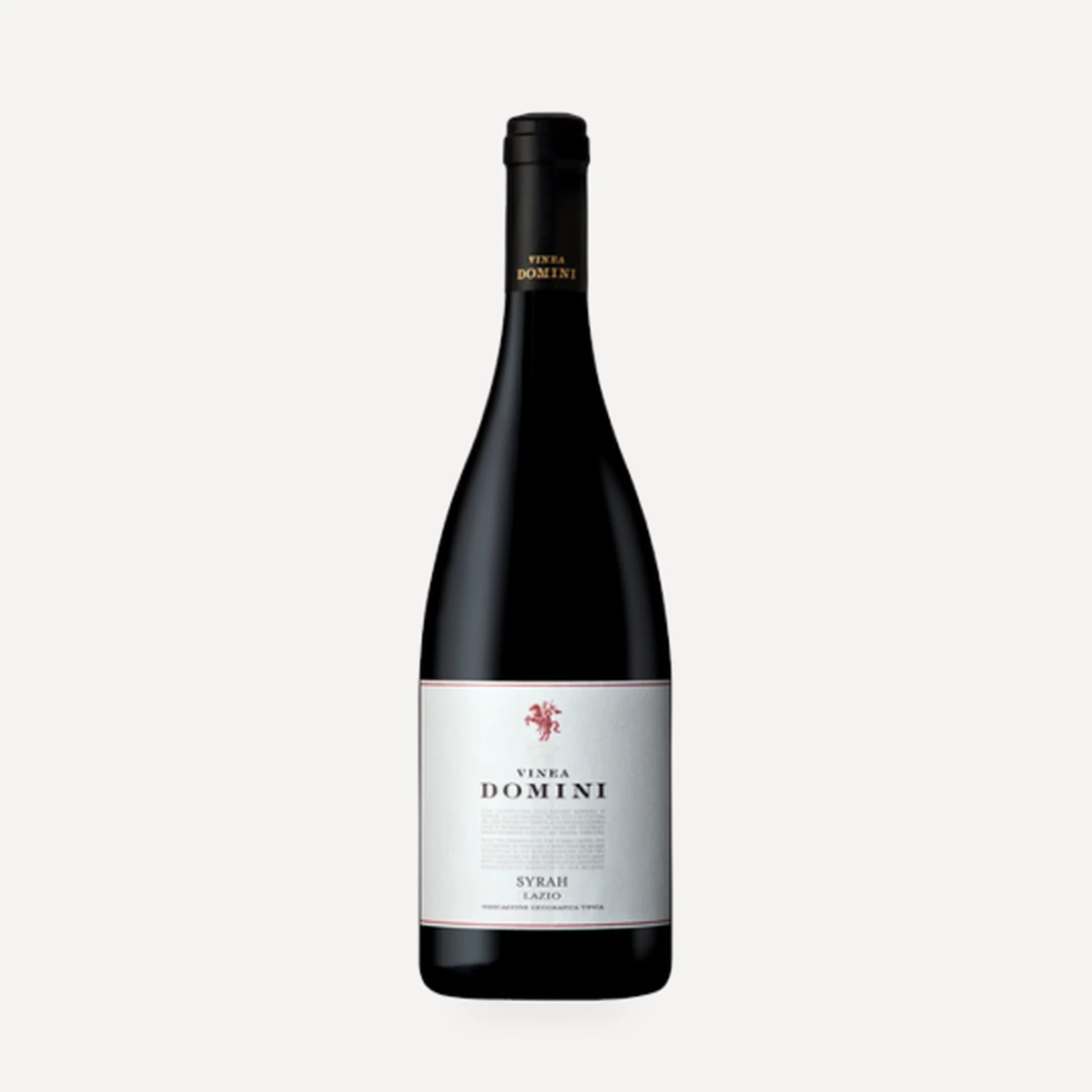
Linea Vinea Domini Syrah Lazio IGT
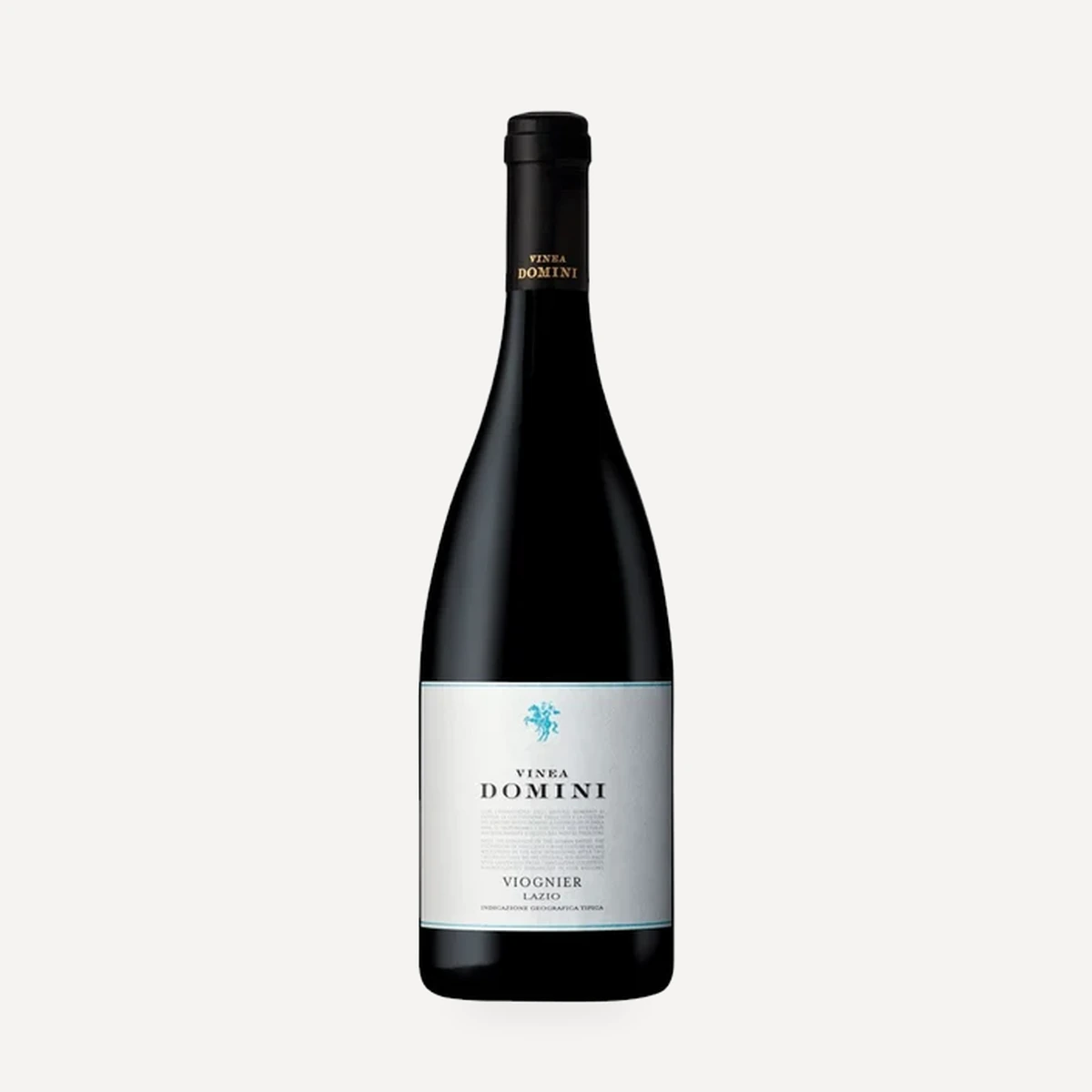
Linea Vinea Domini Viognier Lazio IGT