Storia
An established family farm
Gradizzolo was already operating as a wine-growing estate in the early 20th century. Vineyards formed part of the farm from the outset, and management has remained within the family. One surviving old vineyard of Grechetto gentile was planted in 1933.
1973: Antonio Ognibene takes over
In 1973, Antonio Ognibene succeeded his father. From the beginning of his tenure, he pursued an approach grounded in environmental care and the preservation of local wine traditions that were at risk of disappearing. This later included the recovery of Negrettino and Alionza, two local varieties that had fallen out of use as international grapes became more prevalent and because both presented cultivation challenges.
The beginning of estate bottling
Approximately a decade after taking over—around the early 1980s—Antonio and his family began bottling their own wine. They retained the household and wider Emilian tradition of bottle-refermented wines while also working with the traditional method.
1989: Vino del Parco
The Parco dell'Abbazia di Monteveglio was established in 1989 and promoted the Vino del Parco project. Gradizzolo joined the initiative and produced wine without synthetic chemical substances. Experience gained through the project became the foundation for a progressively more developed sustainable approach and, later, the adoption of biodynamic methods.
Mid-1990s: amphora winemaking
In the mid-1990s, Antonio began experimenting with amphora vinification. His inspiration was a large Roman amphora unearthed locally and preserved at the ecomuseum in Castello di Serravalle. The archaeological object suggested that amphora-based wine production had an ancient precedent in the immediate area. Amphora subsequently became one of Gradizzolo's defining cellar techniques, particularly for macerated Pignoletto.
During the estate's later development, Antonio also committed more fully to biodynamics and to restoring local grape varieties. Negrettino was recovered in cooperation with a small group of growers; Gradizzolo began vinifying it as a varietal wine in large casks. Alionza was likewise returned to production and used for bottle-refermented sparkling wine.
2008: the agriturismo
Gradizzolo opened its agriturismo in 2008, bringing together the family's work in wine, cooking, hospitality and convivial dining. The diversified farm grew to include approximately 100 olive trees for oil production, fruit trees and a small vegetable garden supplying the kitchen. Wild herbs, seasonal produce, poultry and free-range pigs became part of the estate's agricultural and culinary model.
The family estate today
Antonio remains principally responsible for the vineyards and cellar and works alongside his son Gianluca. Marisa and Chiara concentrate more heavily on the agriturismo kitchen. The family describes the estate as a living organism in which every activity and every family member has an essential role; responsibility is shared rather than imposed through a top-down succession.
Terroir
Gradizzolo lies at Monteveglio in the municipality of Valsamoggia, between Bologna and Modena. The estate occupies a hill surrounded by vineyards and calanchi, the area's eroded clay badlands. Its wines are identified with the Colli Bolognesi.
The vineyard heritage is closely tied to local varieties. Pignoletto, identified as Grechetto gentile, is treated as the principal grape of the Colli Bolognesi. Gradizzolo also cultivates a local form of Barbera, distinguished from its Piedmontese counterpart and marked particularly by acidity. Negrettino historically contributed alongside Barbera to Bologna's red wines, while the white Alionza retains acidity suited to sparkling-wine production.
Vinificazione
Gradizzolo's environmental path can be traced to 1989, when it joined the Vino del Parco initiative associated with the newly established Parco dell'Abbazia di Monteveglio. The project's wine was grown and produced without synthetic chemical substances. The family subsequently refined its sustainable farming knowledge and adopted the biodynamic method.
Recovery of local genetic heritage is a central part of the vineyard work. Gradizzolo cultivates Pignoletto (Grechetto gentile), Barbera, Negrettino and Alionza. Negrettino and Alionza had become uncommon following the spread of international varieties and because they can be difficult to cultivate. Negrettino is being restored in cooperation with a small group of growers.
The estate has also received support under the PSR 2014–2020 GAL Appennino Bolognese programme, measure 19.2.01, operation 4.1.01. The €4,542.75 contribution supported vineyard machinery comprising a mechanical shoot remover, a vine-shoot shredder and a loader-bucket blade.
Estate bottling began approximately a decade after Antonio Ognibene assumed management in 1973. The cellar maintains the family and Emilian tradition of refermentation in bottle and has also produced wine by the traditional method.
Amphora vinification entered the cellar in the mid-1990s, inspired by a large Roman amphora unearthed in the surrounding area and now held by the ecomuseum at Castello di Serravalle. Pignoletto is made in several forms: still, sparkling, bottle-refermented and skin-macerated in amphora.
Negrettino is vinified varietally and matured in large casks. Old-vine Barbera is also made as a still wine and aged in large casks; the grape is additionally used for a chinato expression. Alionza's natural acidity is directed toward sparkling production, including a bottle-refermented wine. The current range also includes a grappa made from Negrettino pomace.
Filosofia
Gradizzolo conceives the family farm as a living organism whose parts—vineyards, cellar, kitchen, crops, animals, hospitality and people—depend upon one another. Every family member participates, and the business is presented as a shared undertaking rather than a hierarchy handed down from above.
Antonio Ognibene's approach joins environmental responsibility with the preservation of local wine culture. This is expressed through biodynamic farming, the recovery of Negrettino and Alionza, continued production of bottle-refermented wines, work with old vineyards and the revival of amphora vinification.
For Antonio, quality requires both grape and place, balanced by intuition and considered judgement. He also acknowledges the unpredictability of nature and the role that the conditions of each vintage play in the final result. Tradition is therefore treated as a working foundation rather than a fixed formula: the estate retains regional practices while exploring the traditional method, amphora and different expressions of Pignoletto.
The same principles extend to the agriturismo. Its cooking starts from seasonality and local farm products, respects Bolognese and rural traditions, and allows measured reinterpretation. Hospitality and eating together are understood as essential parts of the estate's convivial identity.
Vini
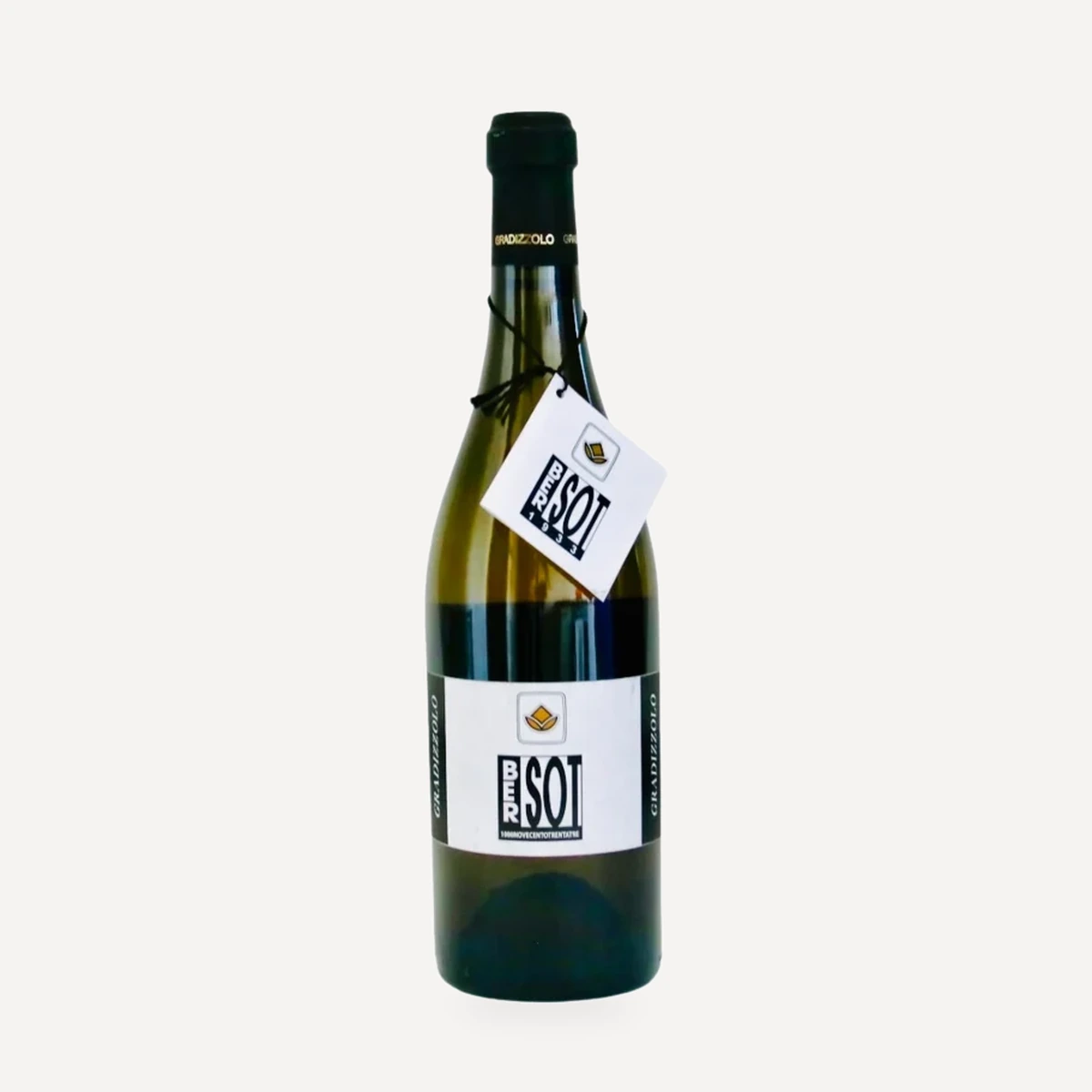
Bersot 33
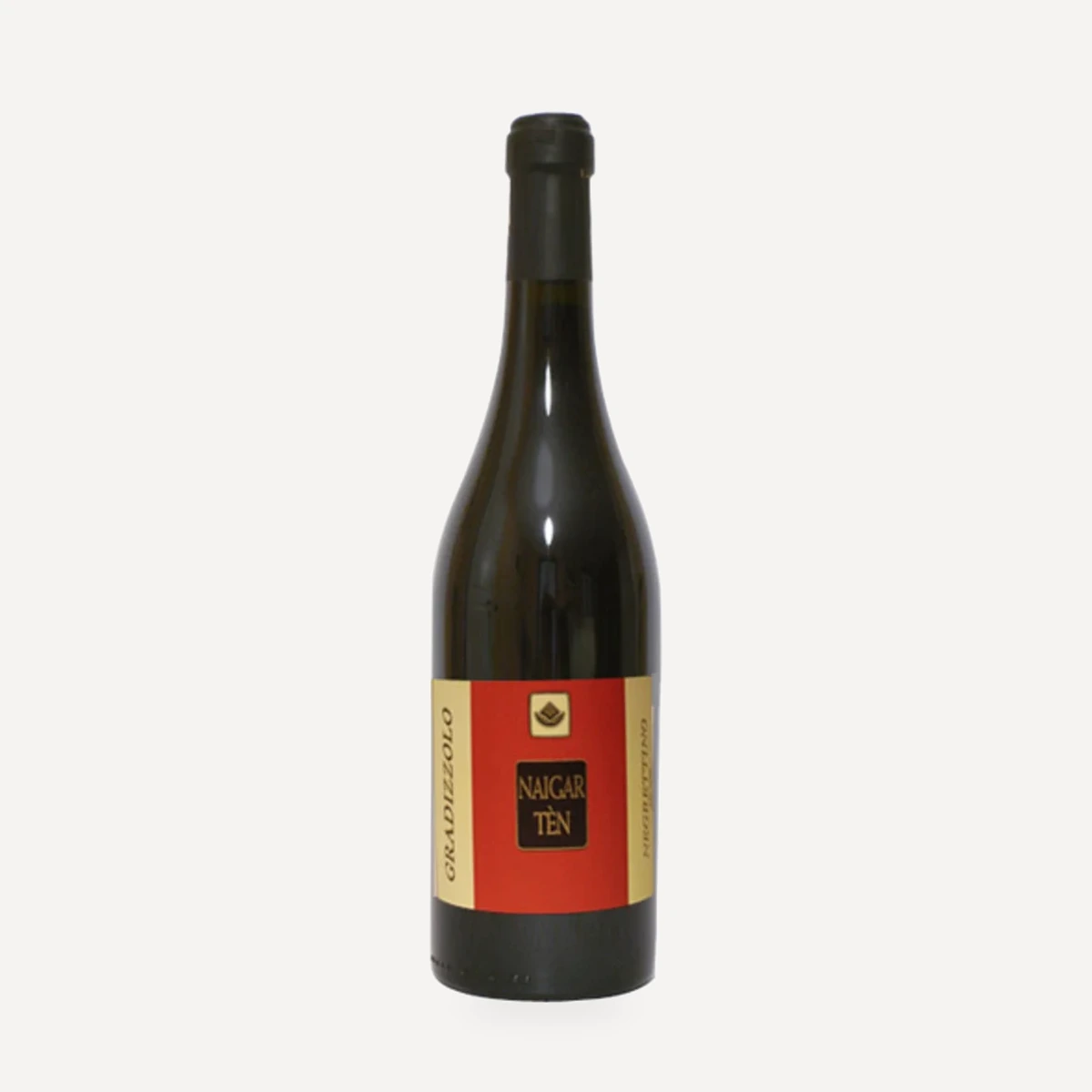
Naigarten