Storia
Historical setting
Graffetta stands close to Ispica, near Noto and Modica. The Baroque architecture of these neighbouring towns represents the reconstruction of Val di Noto after the earthquake of 1697, which razed the area’s principal settlements.
The estate includes a sixteenth-century baglio, formerly owned—together with the rest of the property—by the Count of Modica.
Eighteenth-century wine culture
Winegrowing in southeastern Sicily has roots in eighteenth-century traditions. At that time, much of the region was organized into large fiefdoms administered over long periods by noble families.
Nero d’Avola cultivation remained difficult and labour-intensive into the recent past. Vineyard work was performed manually, with mules helping to work the ground and carry barrels from the palmento to wine merchants. During September and October, the Ispica and Val di Noto area was marked by the smell of Nero d’Avola must, while grapes spilled from carts travelling to the crushing sites. Bottled-wine culture developed much more recently.
2004 acquisition
In 2004, the group behind Tenute Calì acquired Graffetta and connected the estate with its wider activities. The decision combined an emotional attachment to Sicily—the owners’ homeland—and an appreciation of the landscape and its history with an entrepreneurial commitment to the quality potential of Sicilian land and agricultural products.
The acquired property comprised 22 ha of vineyards at approximately 40 m above sea level in the Ragusa area near Ispica, beside the road running from the town toward the sea at Marina di Pozzallo. The new ownership set out to contribute to the still-recent history of bottled wine in the area, focusing on the qualitative potential of southeastern Sicily and its agricultural produce.
Terroir
Contrada Graffetta and the Hyblaean foothills
Poggio Graffetta lies on the limestone foundations at the base of the first Hyblaean Mountains. Its rocky, calcareous terrain was formed through the stratification of an ancient coral reef. The estate’s principal vineyards in Contrada Graffetta have fertile, generous soils of marine-limestone origin. They lie at an average elevation of 40 m and face south.
Climate and ripening
The climate is warm, dry and windy, with temperatures moderated by the nearby sea. Sunny spring conditions and an early summer encourage early budding. Vegetative growth slows during summer, while late-ripening varieties reach maturity in September. Ripening is long and steady, supporting the development of alcohol, colour and aroma. The sunny exposure and long summer also permit Cabernet Sauvignon, Cabernet Franc, Syrah and Petit Verdot to achieve extended, complex maturation.
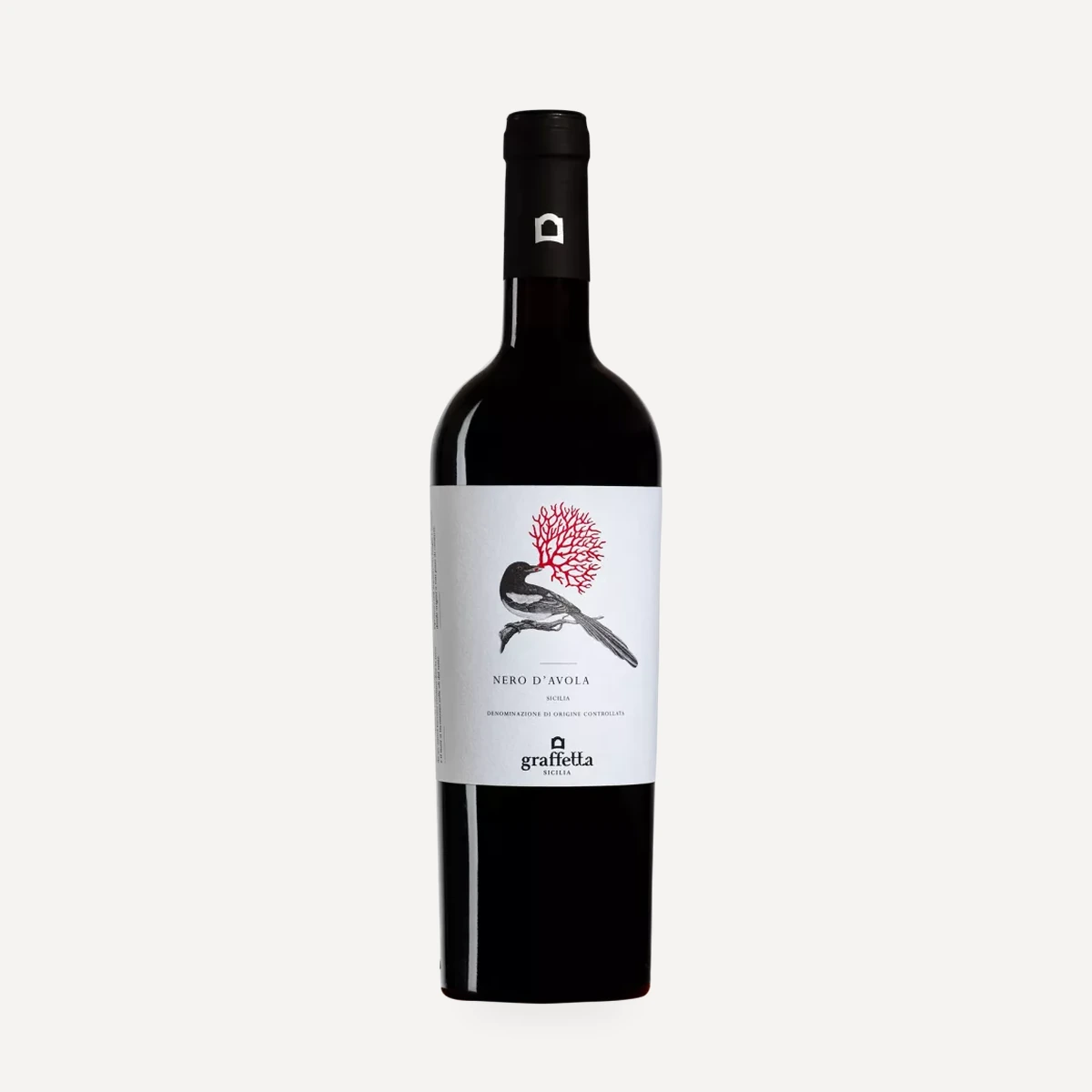
Nero d’Avola is central to production in Ispica and Val di Noto. Syrah also benefits from the local subsoil, which accentuates fruit and concentration.
Other vineyard areas
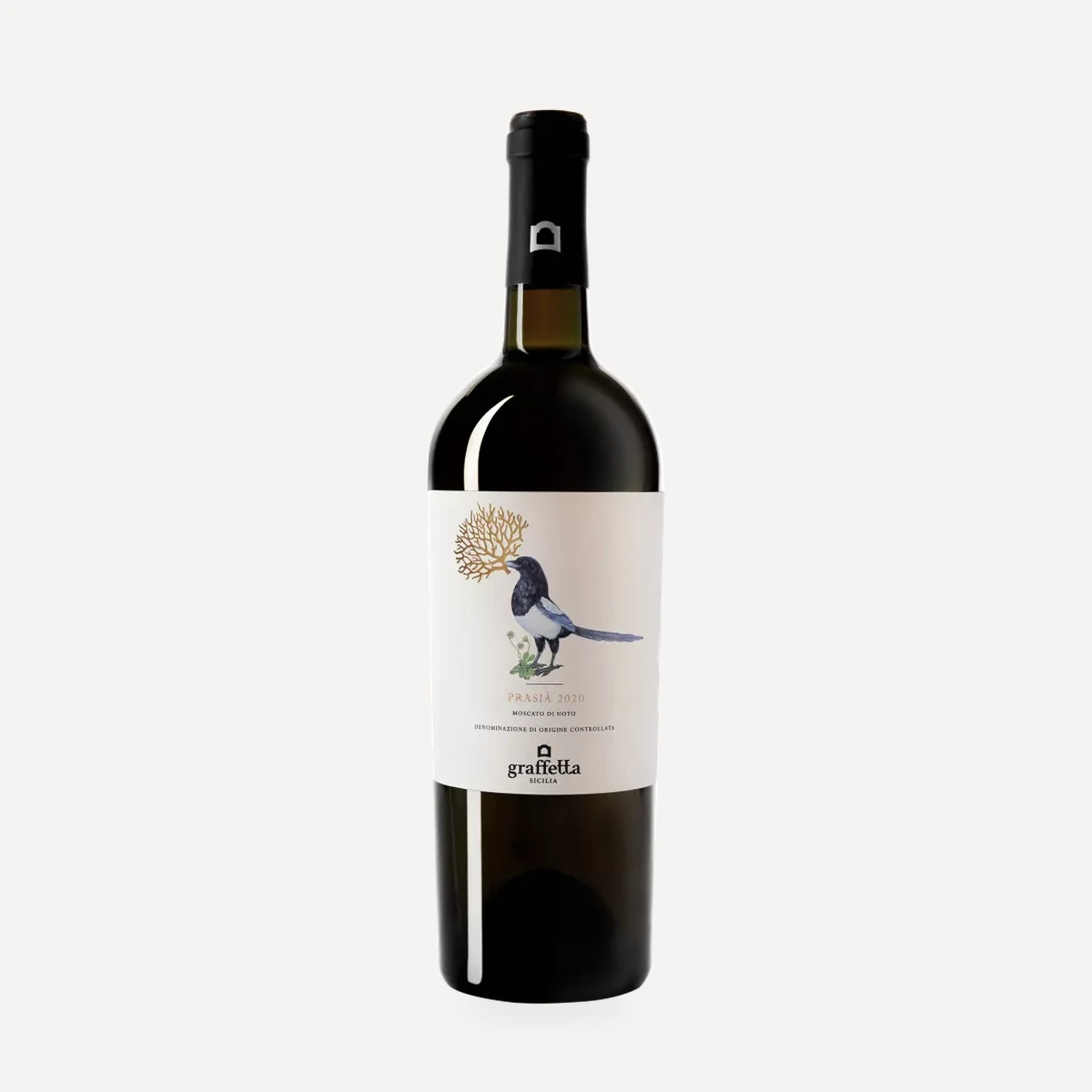
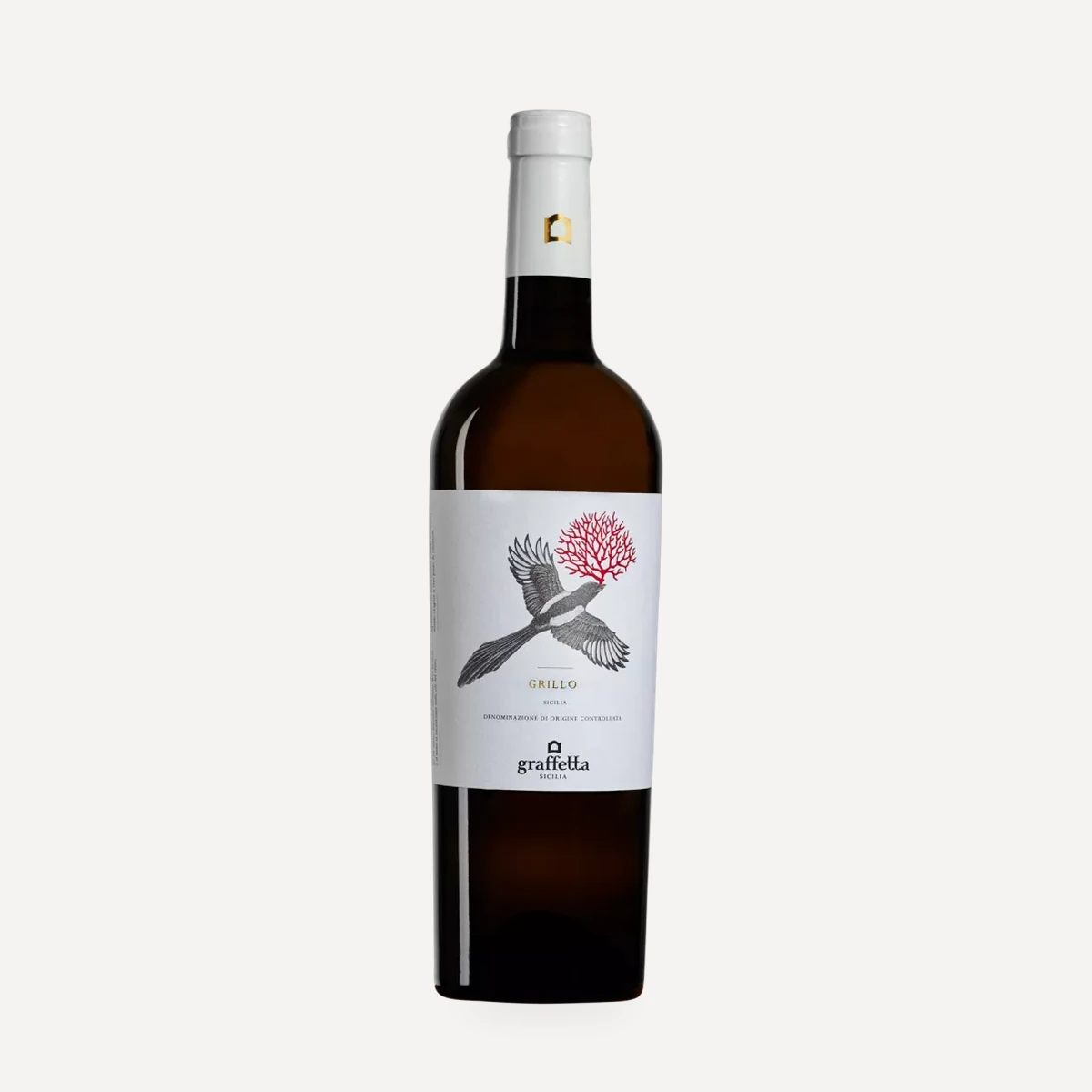
Graffetta also works with vineyards beyond Contrada Graffetta. Contrada Altarello is a poor, marine-ventilated hillside site at 350 m, with abundant stones and exposed rock. The Grillo vineyard at Segesta lies at approximately 600 m; its freshness and diurnal temperature variation favour white grapes. The Moscato di Noto vineyard at Rosolini is at 60 m on deep, fertile silt-and-clay soil that helps shelter bunches from the sun and supports gradual, complex ripening.
Vinificazione
The principal Contrada Graffetta vineyards combine spur-pruned cordon and Guyot or cane-pruned training systems. Their planting density is 6,500 vines/ha, with average yields ranging from 1 to 1.2 kg per vine. Harvest timing follows the varieties’ different ripening cycles: Syrah begins in the second half of August; Nero d’Avola is collected from the second half of September into early October; and the Cabernet Sauvignon, Cabernet Franc, Syrah and Petit Verdot parcels are harvested from late September to mid-October.
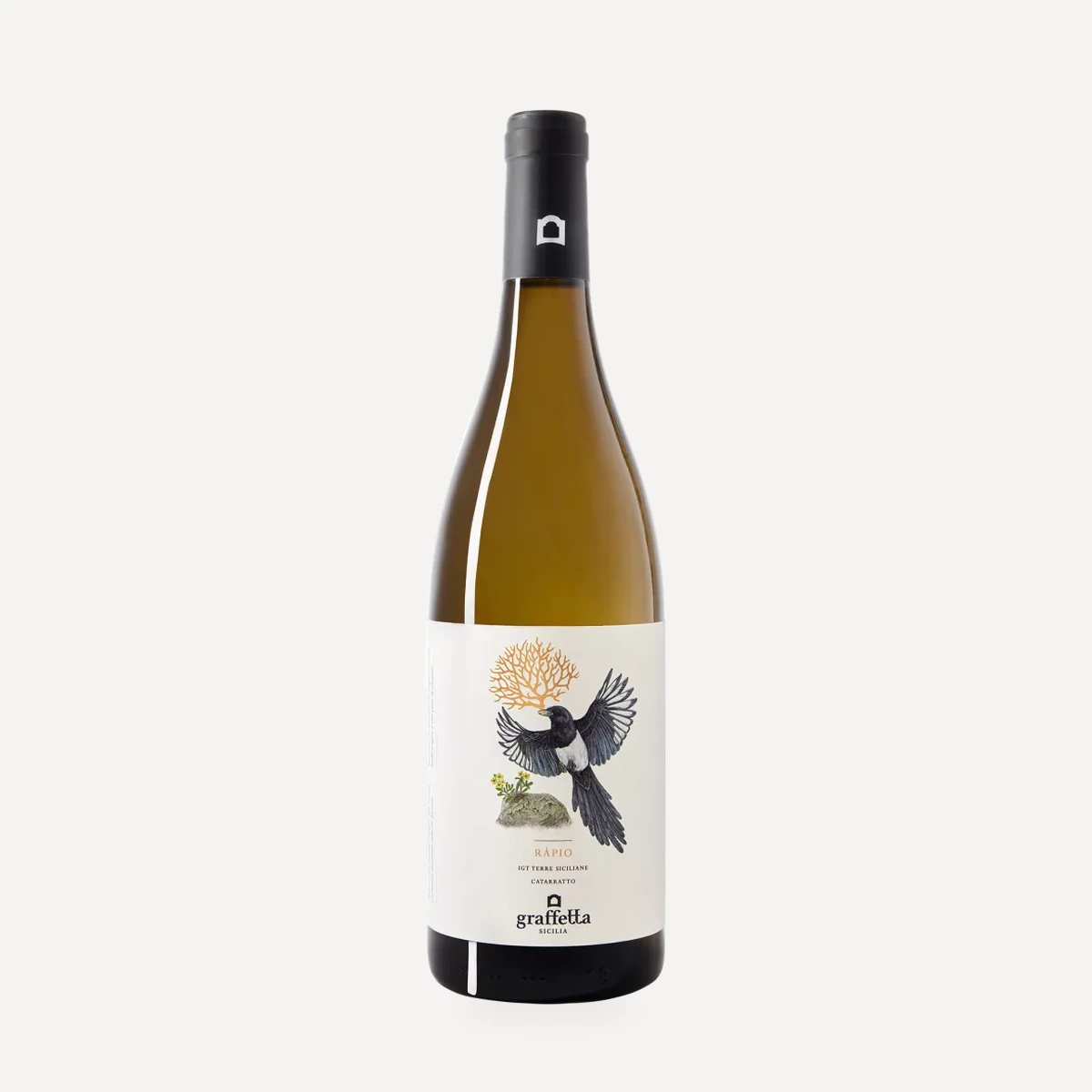
Practices vary in the other managed sites. The Rosolini and Contrada Altarello vineyards use Guyot training, while the Segesta Grillo vineyard is trained to spur-pruned cordon. Planting densities range from 5,000 vines/ha at Altarello to 6,500 vines/ha at Segesta, while stated yields range from 1 to 1.5 kg per vine. Moscato di Noto is harvested in August, with Catarratto and Grillo following during the first half of September.
Filosofia
Graffetta’s direction since 2004 combines emotional and agricultural priorities. Attachment to Sicily as the owners’ homeland, along with the landscape’s beauty and historical character, shaped the acquisition. The entrepreneurial rationale was confidence in the quality of Sicilian soils and agricultural produce.
The project seeks to participate in the relatively recent development of bottled wine in southeastern Sicily while drawing on a much older local winegrowing culture. Its approach centres Nero d’Avola as the defining variety of Ispica and Val di Noto, while also exploring the adaptation of international grapes and working with distinctive sites such as Segesta, Contrada Altarello and Rosolini.
Vini
Prasià
Grillo
Ràpio