Storia
Medieval origins and early viticulture
Rocca di Castagnoli occupies an ancient medieval fortress from which the hamlet of Castagnoli developed. The hill was already known to the Etruscans. Evidence preserved in deeds deposited by former owners records vine cultivation on the Stielle hill in 1153.
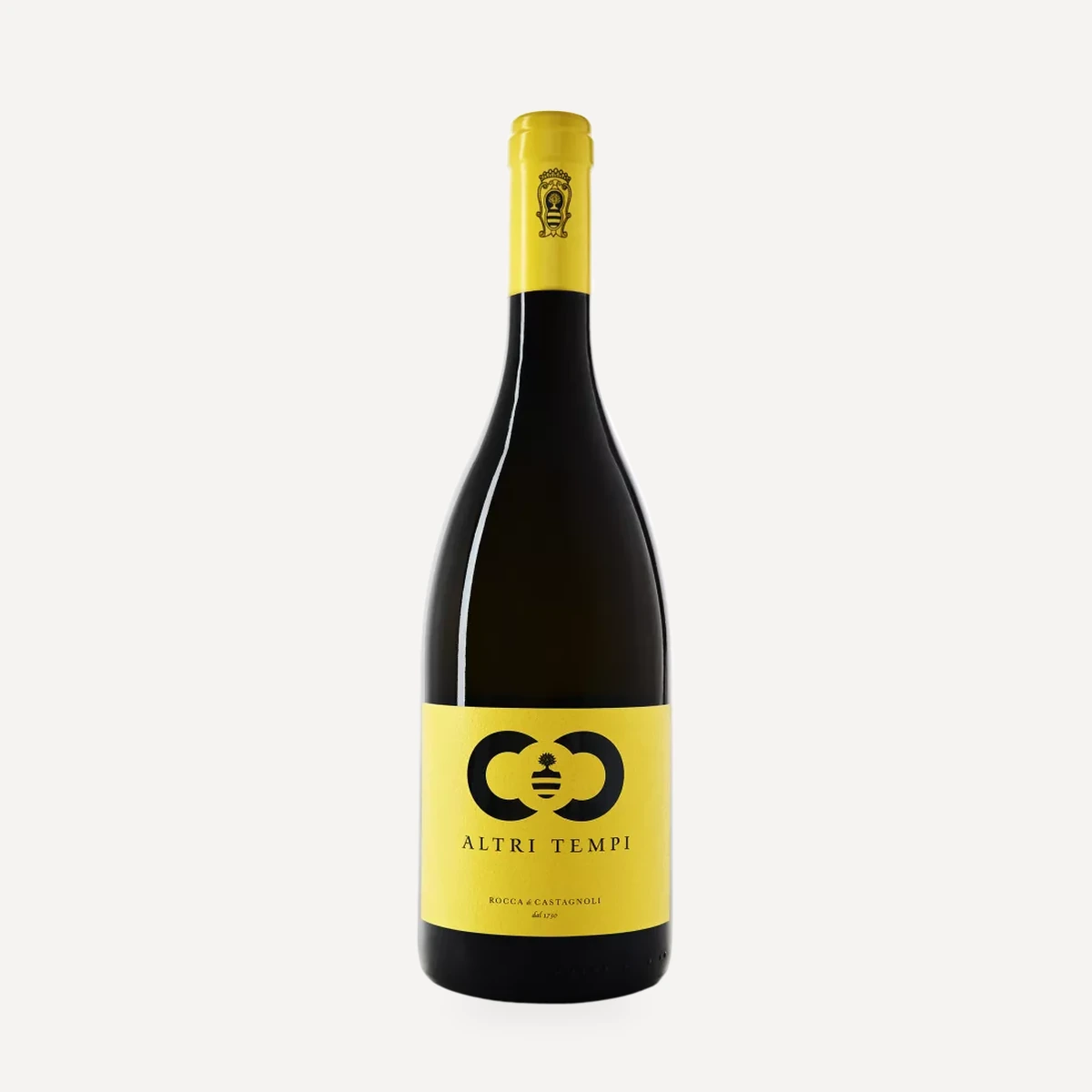
The property passed through several noble families. Among them were the Tempi, whose coat of arms remains the estate emblem, and the Ricasoli. The Tempi enlarged the farm in 1730. A wine-producing agricultural enterprise was established here by the 18th century and served as the economic centre of the village.
1773–1950s: recognition and noble ownership
In 1773 Grand Duke Pietro Leopoldo visited the property and praised the management, maintenance and innovation applied to its land. Baron Ricasoli subsequently owned the estate, retaining it until the 1950s.
1924: foundation of the Chianti Classico consortium
In 1924 Rocca di Castagnoli was among the 33 agricultural estates that founded the Chianti Classico Wine Consortium. The estate’s role as a founding member was commemorated during the consortium’s centenary in 2024.
1981: acquisition and reconstruction
The family behind Tenute Calì acquired Rocca di Castagnoli in 1981, making it the group’s first estate. A major programme followed: vineyards were replanted, the villa and medieval fortress were restored, and the winery was reorganised. A dedicated vinification cellar was created, while the historic cellars beneath the fortress were adapted for maturation in wood and equipped with French-oak barriques.
1985 onward: historic labels and vineyard selections
Molino delle Balze and Buriano have been produced since 1985. Molino delle Balze draws on Chardonnay from several contrasting Castagnoli plots. Buriano originated as a Bordeaux-style blend and is now based on Cabernet Sauvignon grown on the upper side of Stielle.
Poggio a’ Frati developed as a separate estate cru from vineyards surrounding a hill crowned by an old friars’ convent. Stielle became the principal Sangiovese selection from a hill with documented medieval viticultural history. Pratola was made entirely from Merlot through the 2015 vintage; from the 2018 vintage it was recast around the native Colorino variety.
2011–2017: documented harvest development
The 2011 season combined a cold beginning to the year, abundant spring rain and a warm, dry summer punctuated by storms. Chardonnay was picked on 27 August, followed by Merlot and Sangiovese in early September. The estate considered it one of the century’s finest vintages alongside 2001, noting strong phenolic maturity without excessive sugar accumulation and aromatic freshness preserved by cool nights.
The 2012 vintage was the most difficult since 2002. A mild, rainy winter was followed by persistent rain through spring and summer. Wet conditions interrupted the harvest and complicated phenolic maturity. Individual bunches were selected and some parcels were picked several times. No Gran Selezione was released; Riserva volume was cut by about 50%, while the international varieties allowed Pratola and Buriano to be produced.
In 2013 harvest began with Chardonnay on 8 September, followed by Merlot on 17 September and then Sangiovese. Stielle was picked on 30 September, followed by the alberello-trained vineyard. Vinification relied almost entirely on native yeasts, and the number of tanks fermented without added sulphur was increased.
The 2014 and 2015 harvest accounts record Chardonnay beginning on 27 August, Merlot from Pratola on 2 September, and Sangiovese from 7 September. Stielle was picked on 8–10 September, Alberello on 9–10 September, Canaiolo and Colorino on 11–12 September, and Poggio a’ Frati on 19–22 September. Pugnitello’s first production was harvested on 23 September. Because early picking left stems incompletely lignified, only 25% of the Stielle fruit was left undestemmed, with additional bunch-by-bunch selection.
The 2016 harvest began with Chardonnay on 30 August. Pratola Merlot followed on 12–13 September and Poggio a’ Frati Canaiolo on 20 September. Sangiovese picking progressed from younger vines to Rufena, Poggio a’ Frati, Castagnoli, Caciaie, Stielle and Alberello. The proportion of undestemmed Stielle fruit was reduced from 40% to 30% because late-August water shortage had prevented complete stem maturation. Cabernet for Buriano concluded the harvest on 10–11 October. Fermentation lasted 10–12 days, while maceration for the best lots exceeded 30 days.
In 2017 Chardonnay picking began on 28 August. The technical team harvested the most drought-prone young, rocky or warm-wind-exposed red parcels early to preserve red-fruit aromas and restrain potential alcohol. Stielle, Poggio a’ Frati and Alberello were picked in mid-September, and the harvest ended on 23 September. Stielle Sangiovese was vinified with 40% whole bunches. Principal Sangiovese selections fermented with indigenous yeasts propagated through parcel-specific pied de cuve starters prepared from grapes picked the previous day.
Organic and sustainability milestones
Wine became eligible for organic certification from the 2017 harvest. A Bioagricert certificate issued in 2019 covered organic wine grapes, red and white wines, olives and extra-virgin olive oil. In 2023 Rocca di Castagnoli obtained Equalitas certification, encompassing the environmental, economic and ethical-social dimensions of sustainability.
Continuing development
The estate marked the centenary of the Chianti Classico Consortium in 2024 as one of its 33 founding wineries. In 2026 it continued presenting its Chianti Classico work at the annual Chianti Classico Collection and announced a separate, long-term vineyard project in Bolgheri. That project is intended to become an independently named and branded estate in 2027 rather than an extension of the Castagnoli identity.
Terroir
Rocca di Castagnoli stands on a hill in the hamlet of Castagnoli, within Gaiole in Chianti, surrounded by woodland, vineyards and olive groves. The wider 850-hectare property extends from approximately 380 metres to 860 metres at Colle di Monte Luco, while the individual vineyard descriptions span approximately 300–550 metres. The 63 hectares used for Chianti Classico around the fortress and village run from roughly 340 metres to peaks of 530–550 metres.
The terrain varies in slope and exposure, with eastern and south-eastern aspects prevalent in the general geological description. Individual sites range through north, north-east, east, west and north–south orientations. This variation produces distinct mesoclimates across the estate.
The soils are deep and rich in rock fragments. Their parent materials include calcareous and sandy marl, Macigno del Chianti and other sandstones, Alberese, limestone, schistose clay or argillite sequences associated with Galestro, Pietraforte and sand. The combination changes from parcel to parcel: Stielle and Poggio a’ Frati are dominated by Alberese and limestone-clay sequences; Buriano and Pratola have medium-textured, stony Alberese and limestone soils; the Chardonnay parcels range from sandstone-rich Macigno to Alberese, limestone and Pietraforte.
The climate is temperate and characteristic of the Tyrrhenian hinterland, with above-average rainfall, good ventilation and comparatively low humidity. Conditions are generally unfavourable to persistent fog and frost. Significant day–night temperature differences accompany ripening, helping retain acidity and aromatic freshness. In the upper Chianti Classico sites this temperature range remains influential from August through the September and October harvest periods.
Vinificazione
Viticulture centres on matching native varieties and selected local clones to the estate’s varied elevations, exposures and rocky calcareous soils. Sangiovese dominates, accompanied by Colorino, Canaiolo and Ciliegiolo; smaller areas are devoted to international varieties. Selection work includes the local Sangiovese RDC1 clone and old Sangiovese material retained for Stielle.
Many vineyards were replanted during the fifteen years preceding the vineyard description, while mature plantings were preserved to maintain a balance of vine ages. Spur pruning and cane pruning or Guyot are the principal systems, with 4 ha maintained as alberello. Technical profiles commonly give a density of 5,000 vines/ha. Average yields are approximately 1 kg per vine in the principal selections and 1.5 kg per vine across the broader Chianti Classico holdings.
Harvesting decisions are parcel-specific. During the dry 2017 season, the technical team picked young vines, rocky drought-prone blocks and warm-wind-exposed parcels early to preserve red-fruit character and control potential alcohol. In the difficult, wet 2012 vintage, each bunch was selected and some plots were harvested in several passes. The 2015 Stielle harvest included additional bunch-by-bunch selection to ensure that only sufficiently lignified stems entered the whole-bunch component. Manual selection into small boxes is used for the La Stella skin-contact white.
Organic viticulture forms part of the estate’s declared production strategy. Bioagricert certification covered organic wine grapes, red and white wine, olives and extra-virgin olive oil; wine was certifiable from the 2017 harvest. The certificate was issued on 2 December 2019 and was valid through 10 December 2021. Equalitas sustainability certification followed in 2023, extending the sustainability framework across environmental, economic and ethical-social criteria.
The agricultural landscape also includes single-variety olive groves with 3,087 Leccino, Pendolino and Correggiolo trees. Woodland, vines and olive groves together contribute to the estate’s biodiversity.
The winery was extensively reorganised after the 1981 acquisition. A dedicated vinification cellar was built, while the cellars beneath the medieval fortress were converted to maturation in wood. The barrel cellar was equipped with French oak, and the estate now works with traditional Chianti casks, large barrels, tonneaux and barriques of different ages, alongside stainless steel and concrete.
Red-wine fermentations described across the estate commonly run at approximately 28°C for 10–12 days, with malolactic fermentation in stainless steel. For Stielle, fermentation is conducted with indigenous yeasts at about 24°C and maceration lasts 12–20 days. Vintage practice can be more extensive: in 2016 fermentation finished in 10–12 days, while the best batches remained on skins for more than 30 days.
Whole-bunch proportions are adjusted to stem maturity and the season. Stielle used 25% undestemmed fruit in 2015, 30% in 2016 and 40% in 2017. In 2017, principal Sangiovese selections fermented with indigenous pied de cuve starters prepared separately from each parcel’s grapes picked the previous day. In 2013, fermentations were conducted almost entirely with native yeasts, and the number of tanks vinified without added sulphur was increased.
Maturation is adapted to site and variety. The broad Chianti Classico cuvée spends at least one year in traditional Chianti barrels, three further months in steel and six months in bottle. Poggio a’ Frati receives at least 15 months in traditional barrels and tonneaux, at least six months in steel and one year in bottle. Stielle spends at least 18 months in tonneaux and large barrels, is assembled in a large barrel for another four months and then ages for at least 12 months in bottle. Buriano and Pratola mature for at least 18 months in barriques of different passages, followed by at least six months in steel and one year in bottle.
Chardonnay is cold-pressed for 48 hours and then gently pressed. Fermentation is split equally between steel and first- and second-use barriques for about ten days, with partial malolactic fermentation in both wood and steel. A separate skin-contact white from La Stella ferments spontaneously in concrete for about a week; free-run juice is drawn off overnight by natural drainage, fermentation is completed, and the wine remains in concrete for eight months before at least 12 months in bottle. It is bottled without filtration and may form natural tartrate sediment.
Vin Santo follows traditional practice: Malvasia Lunga del Chianti and Trebbiano Toscano grapes dry on racks for at least three months, then ferment and undergo malolactic conversion in 100-litre caratelli. Maturation lasts at least four years in caratelli of different passages, followed by at least six months in steel and one year in bottle.
Filtration varies by wine. The principal Chianti from Serre di Rapolano receives light filtration to preserve freshness, while Stielle receives a broad filtration that may leave natural sediment in the bottle.
Filosofia
Rocca di Castagnoli’s approach is founded on expressing the distinguishing features of each territory and variety rather than pursuing stylistic uniformity or fashion. Vineyard and cellar decisions are treated as a continuous sequence: site selection, local varieties and viticultural research precede restrained, parcel-sensitive work in the winery.
The declared mission combines innovation with authenticity and the recovery of old native cultivars. Sangiovese and the traditional Tuscan grapes are central, supported by old local clones and by renewed attention to Colorino, Pugnitello, Foglia Tonda, Malvasia Lunga del Chianti and Trebbiano Toscano.
Organic cultivation, environmental respect and Equalitas’s environmental, social and economic framework form the sustainability component. The wider values are authenticity, product quality, environmental responsibility, innovation, attachment to place and passion.
The family describes itself as agricultural and viticultural in origin, with knowledge acquired through generations of work on the land and through experience from one harvest to the next. Quality is understood as long-term work: careful vineyard management, patience, respect for seasonal rhythms and the preservation of individual vintage character.
Vini
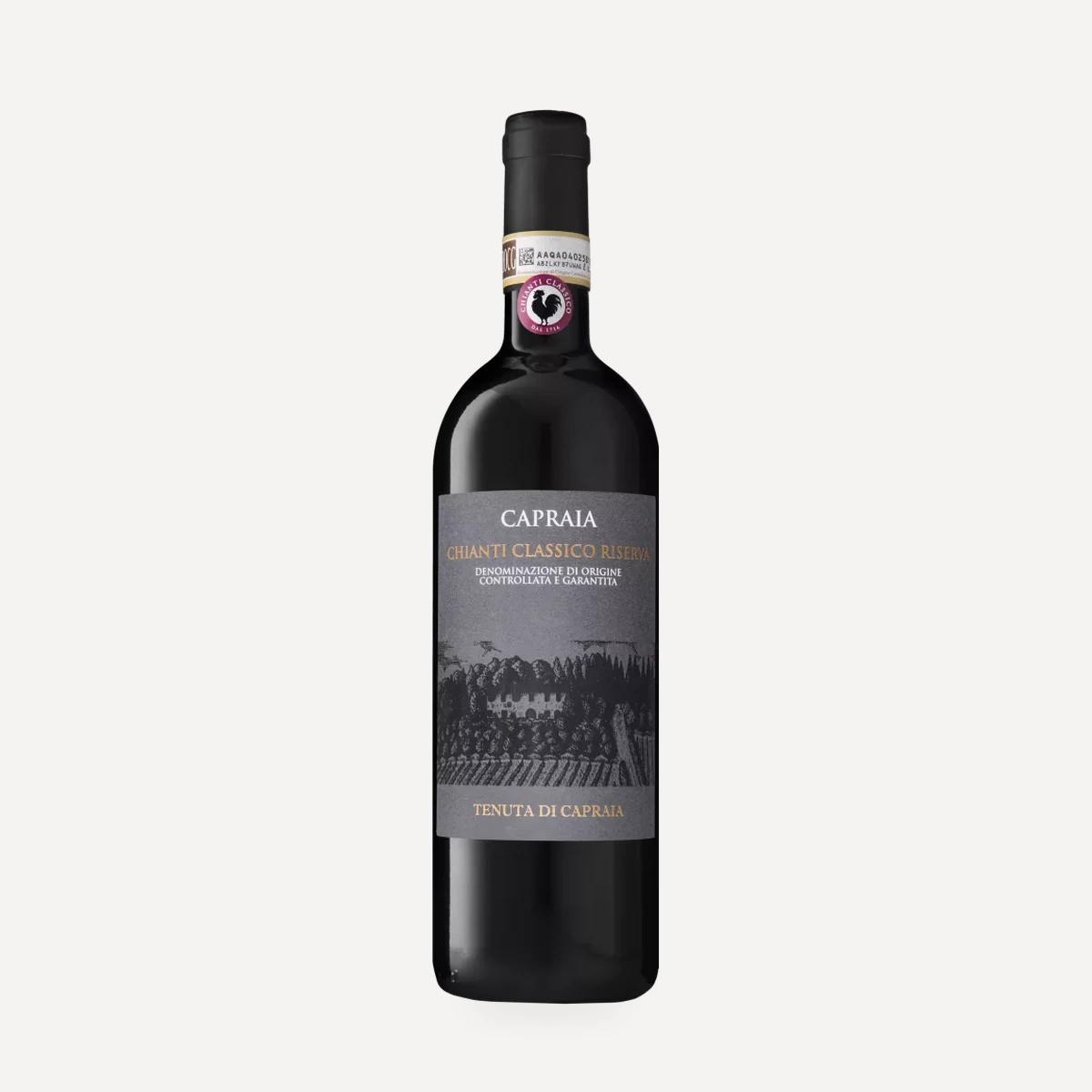
Chianti Classico Riserva Capraia
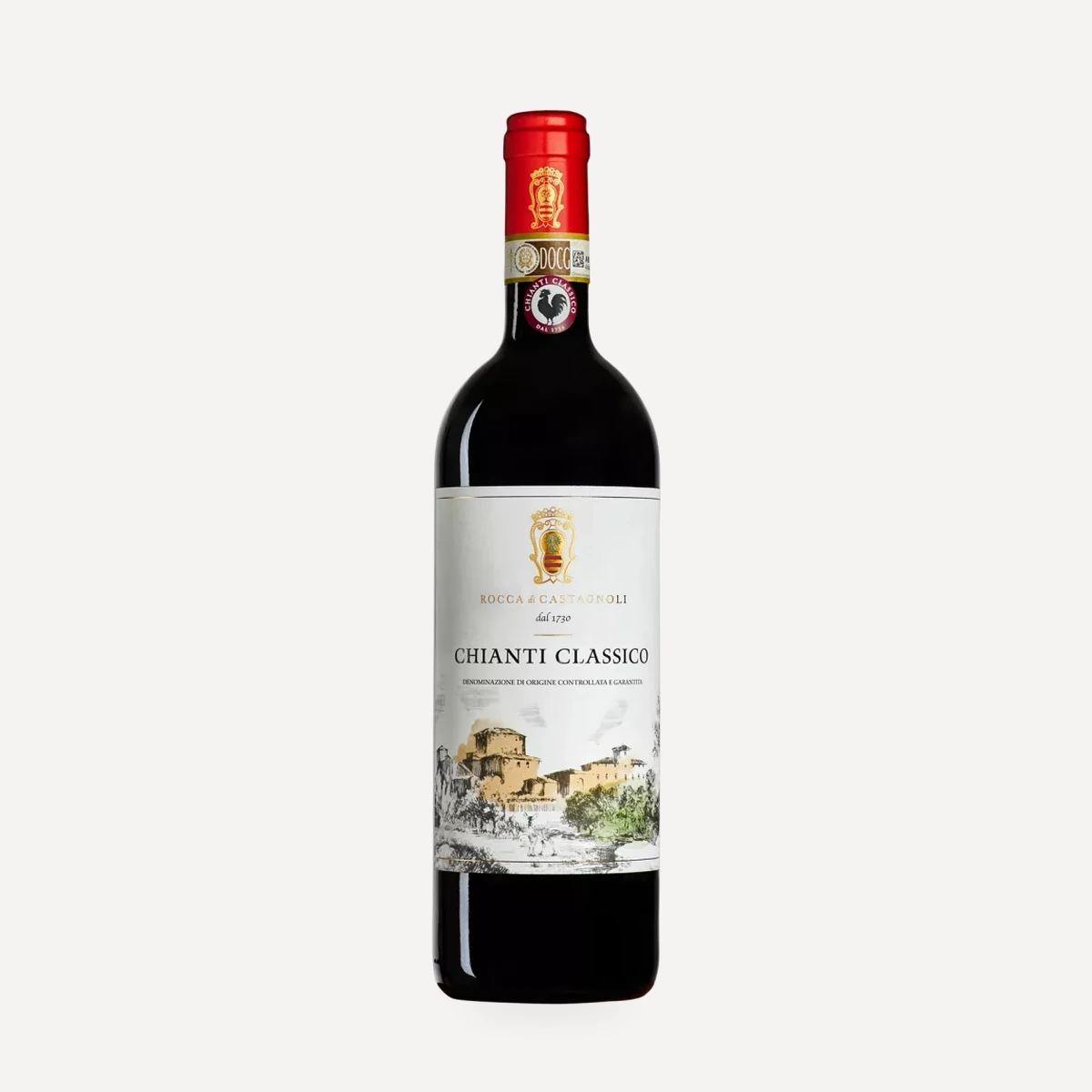
Chianti Classico Rocca di Castagnoli
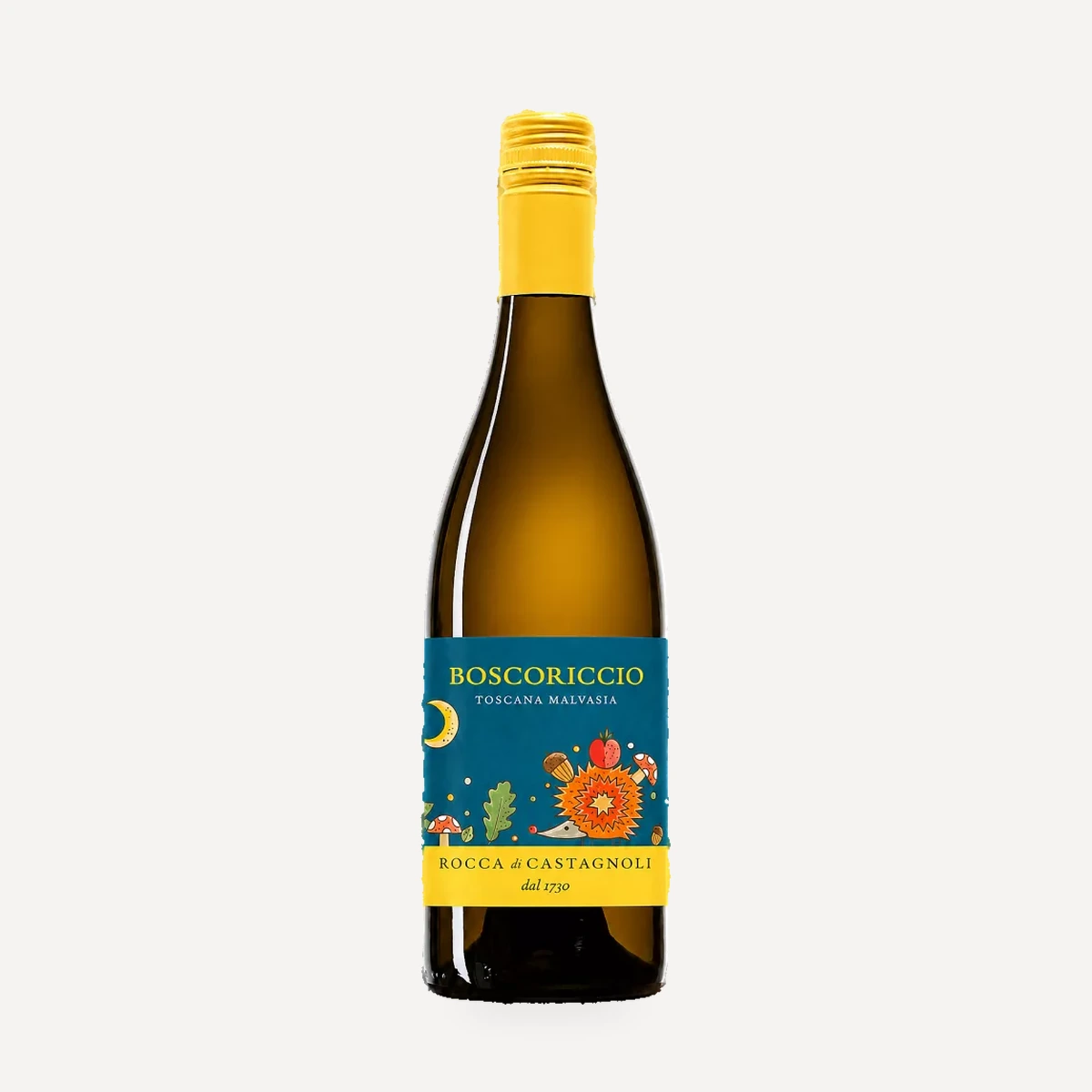
BoscoRiccio Bianco
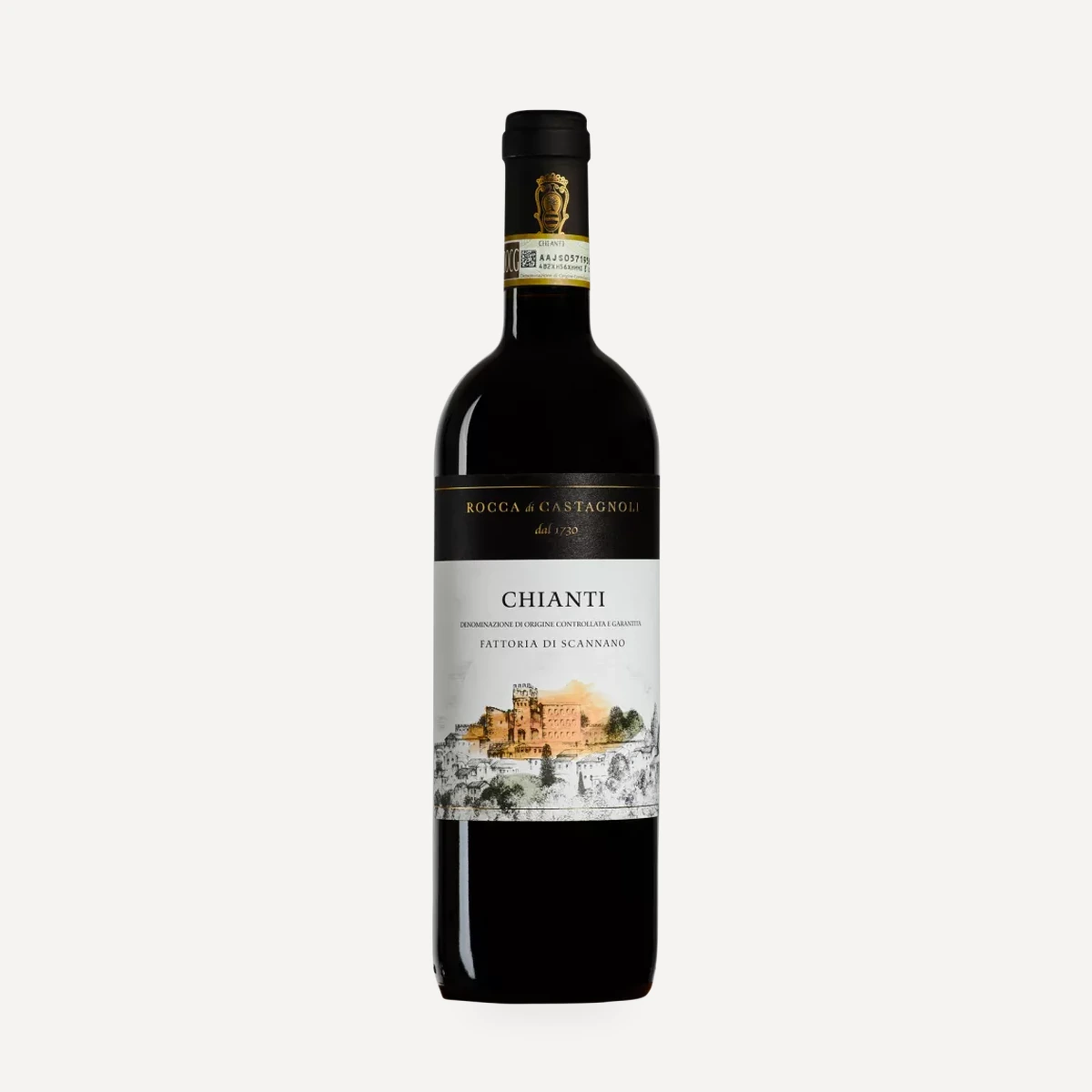
Chianti
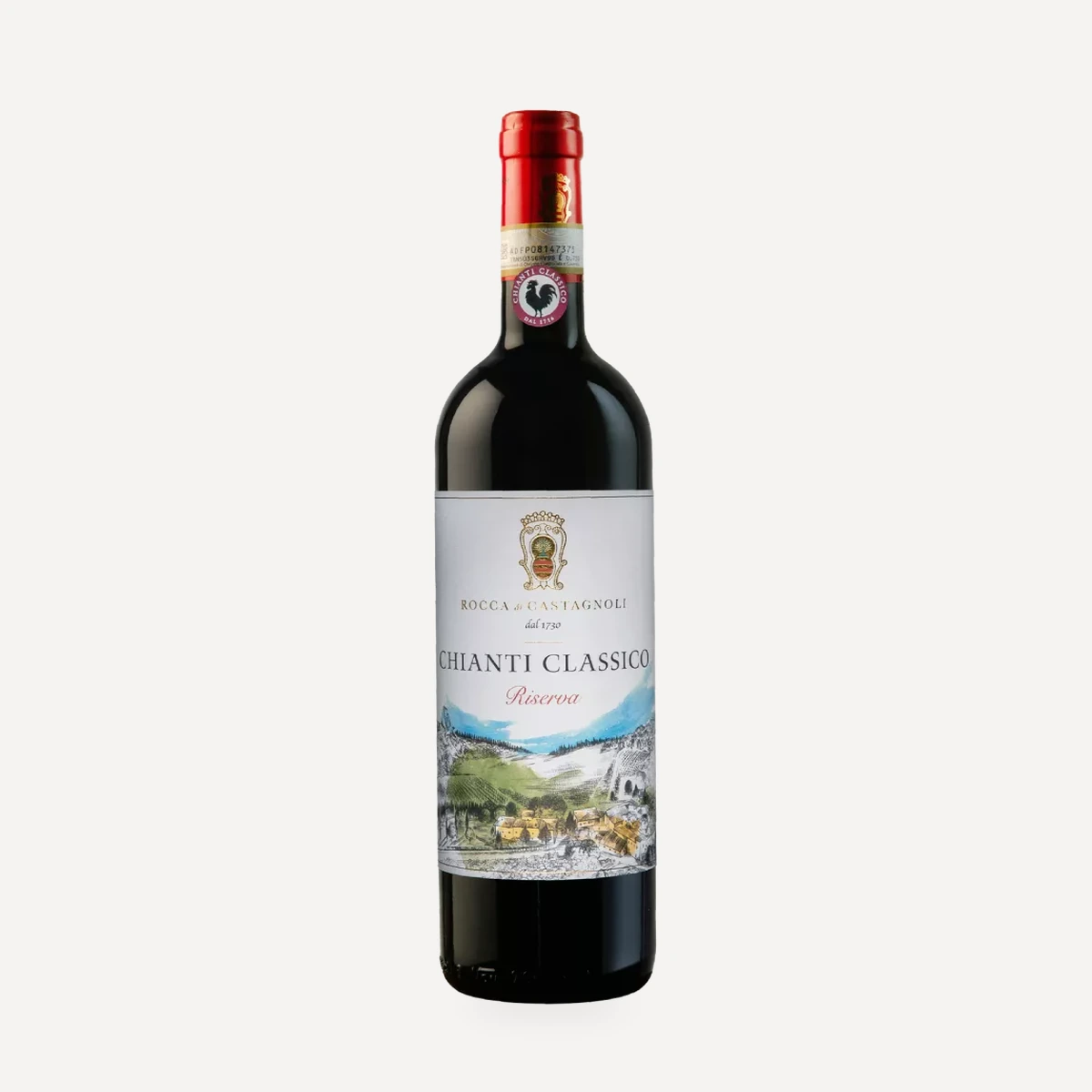
Chianti Classico Riserva
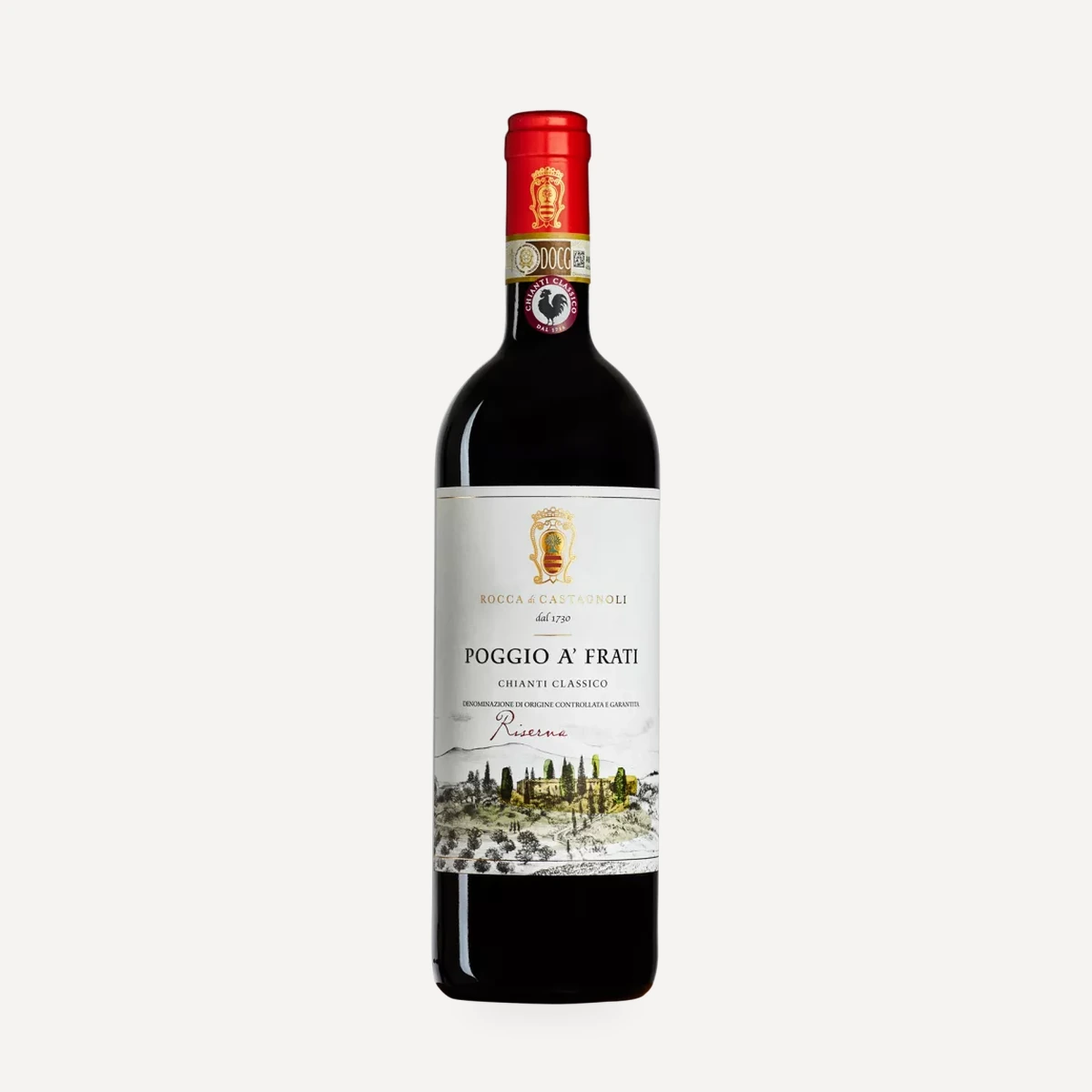
Poggio A’ Frati
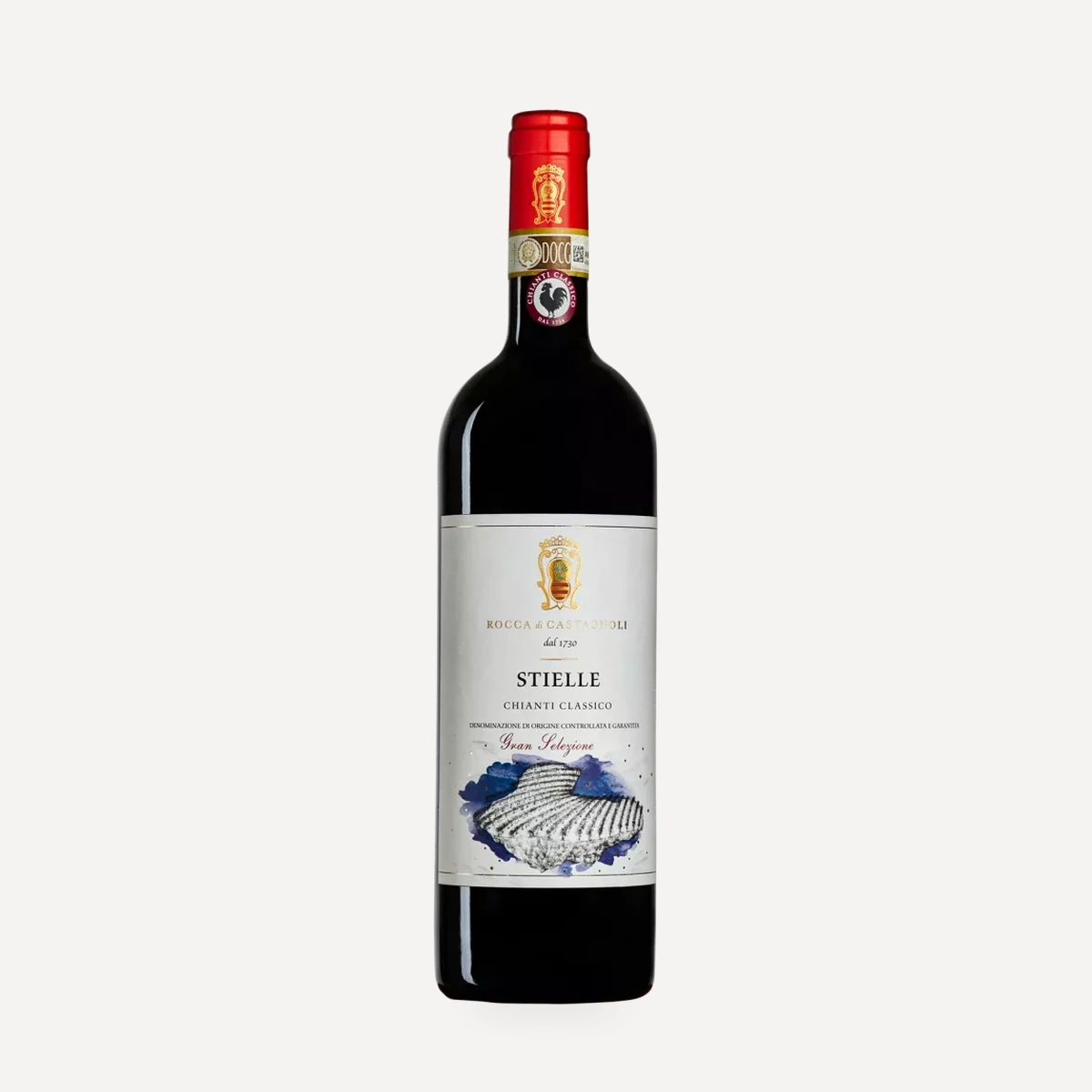
Stielle Gran Selezione
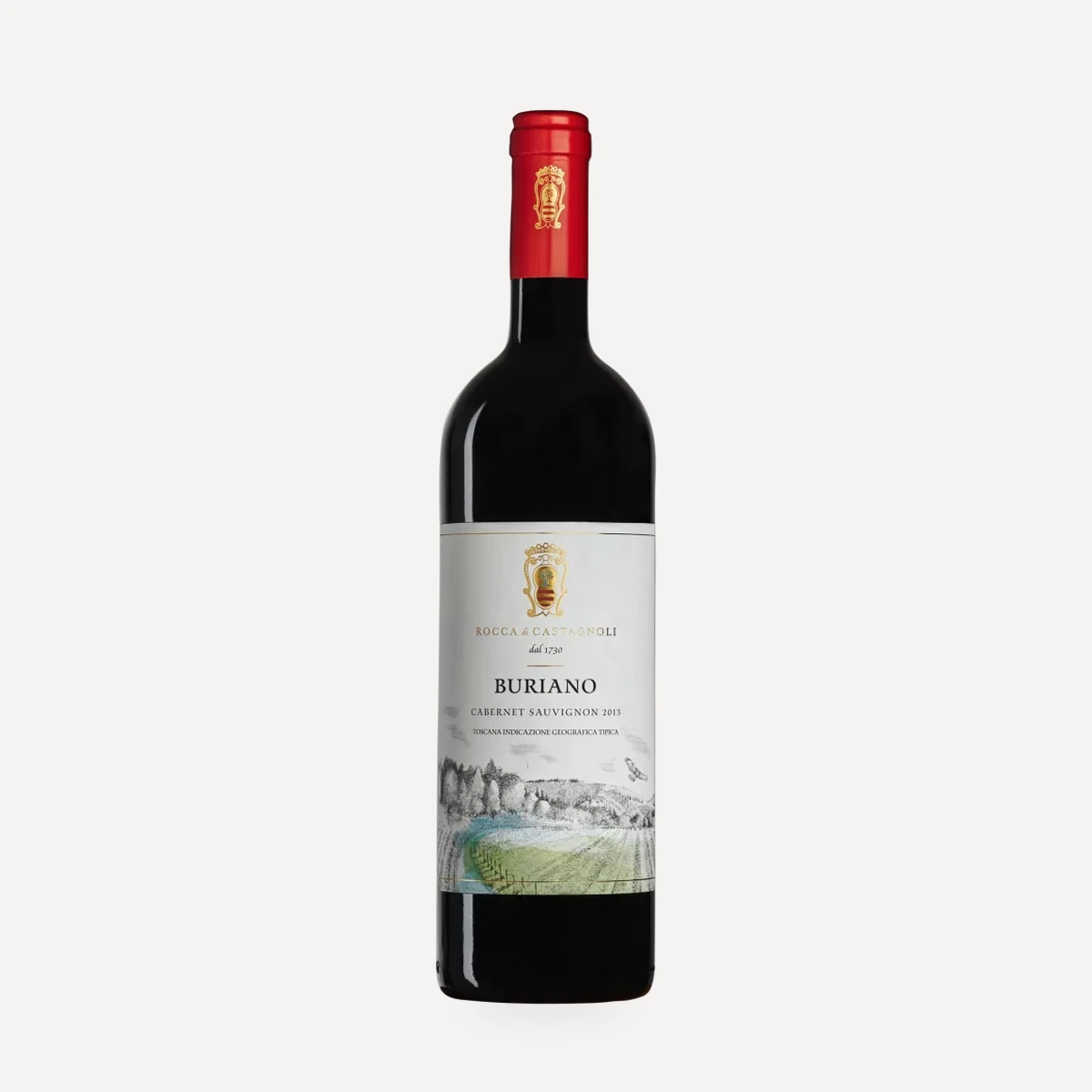
Buriano
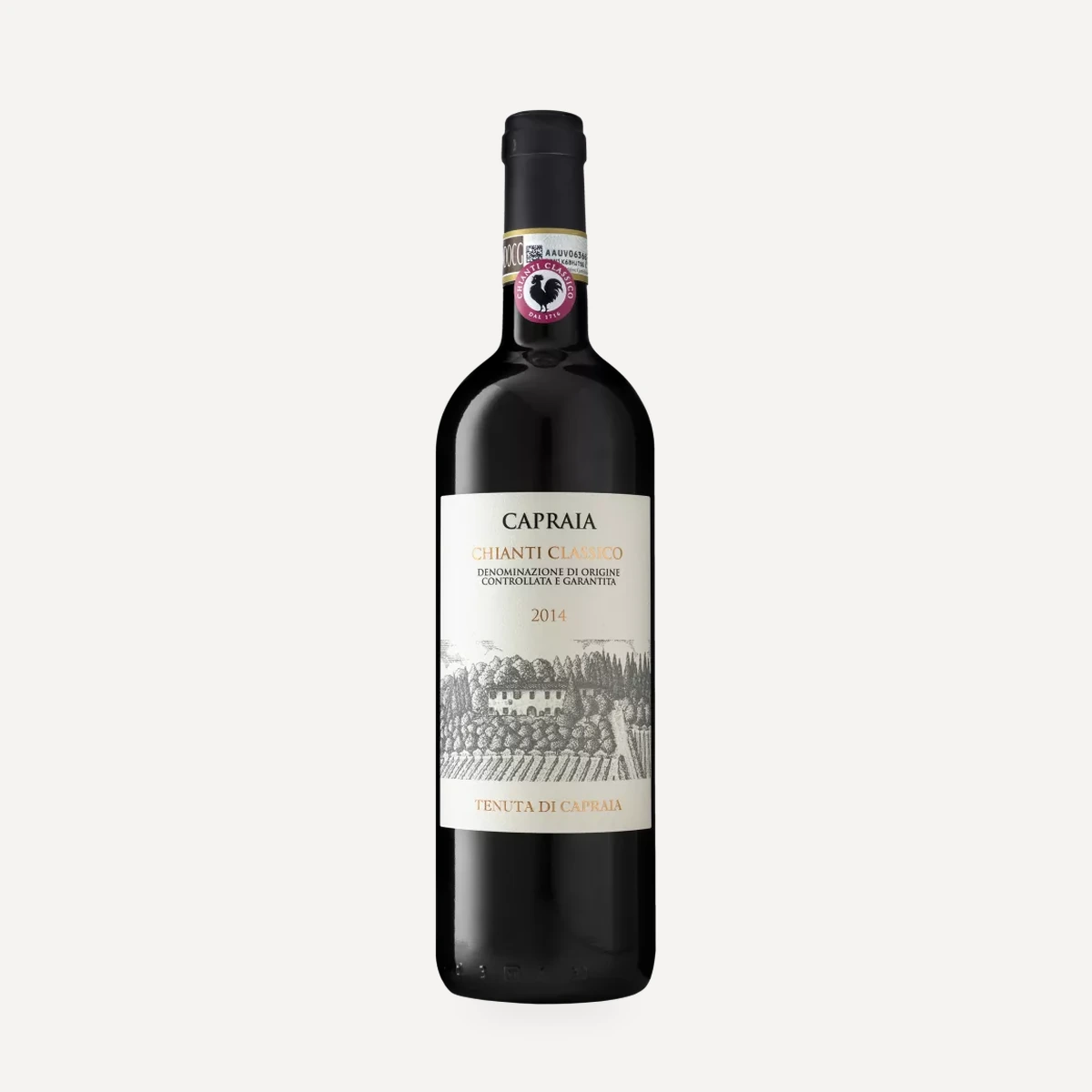
Chianti Classico Capraia
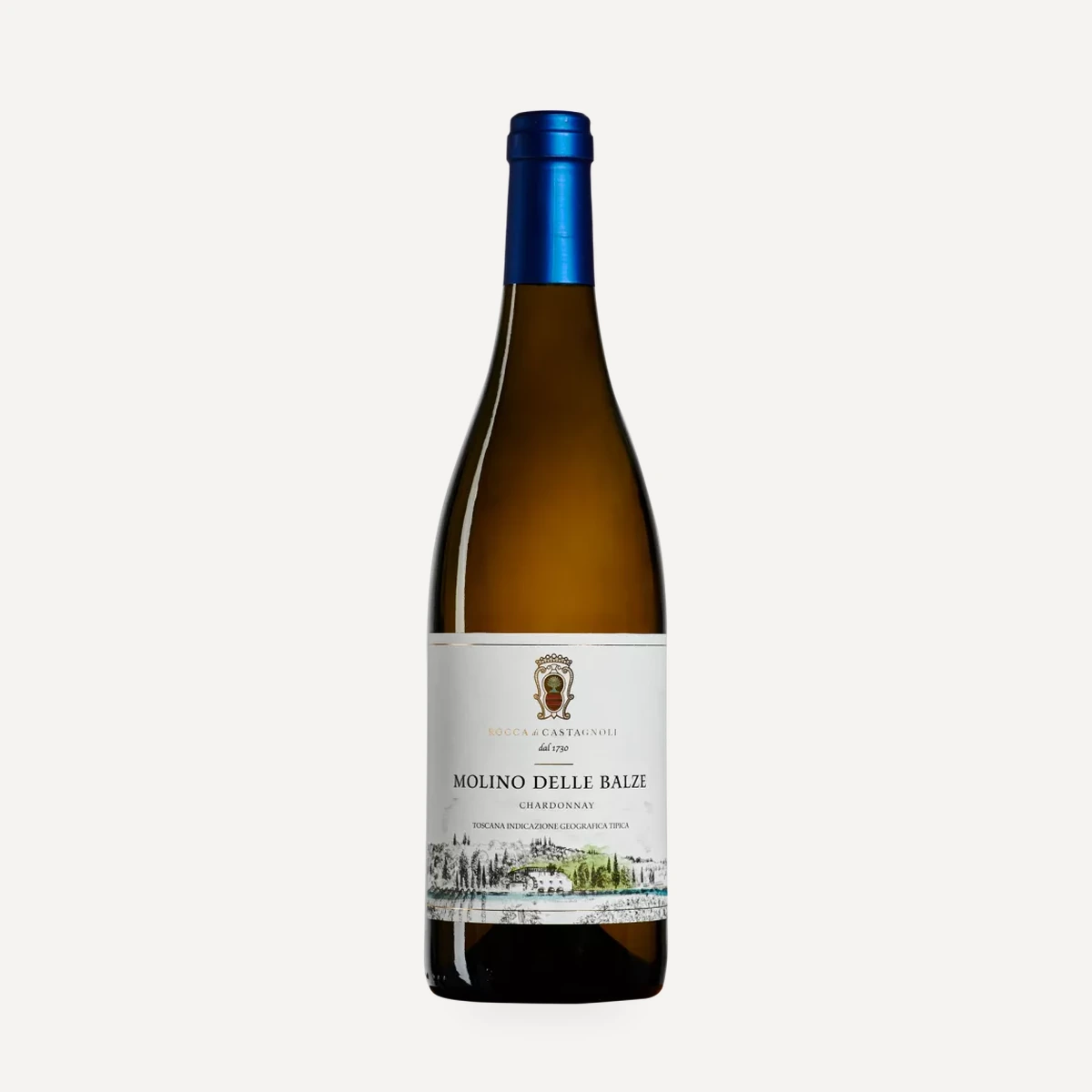
Molino delle Balze
Pratola
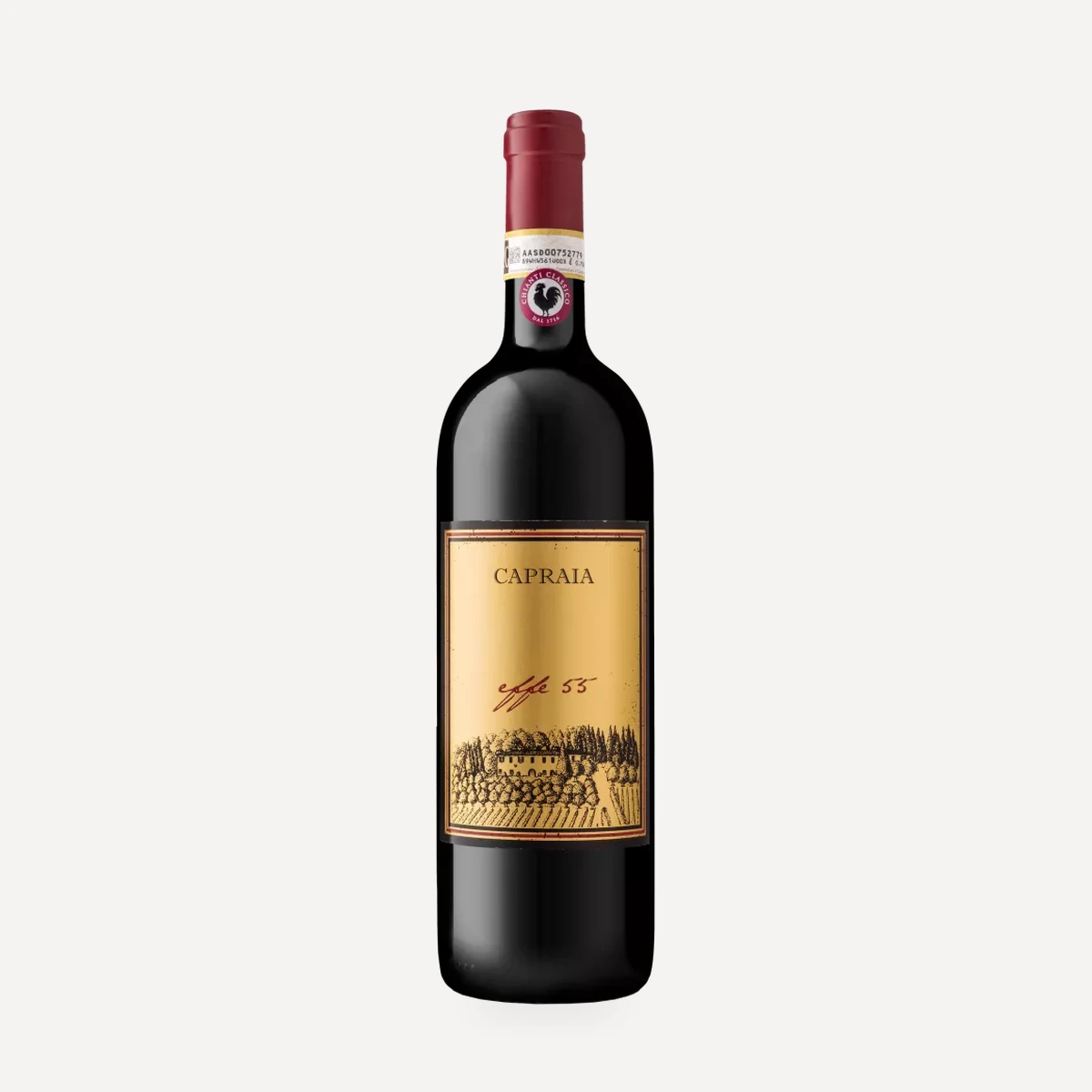
Chianti Classico Gran Selezione - Effe 55
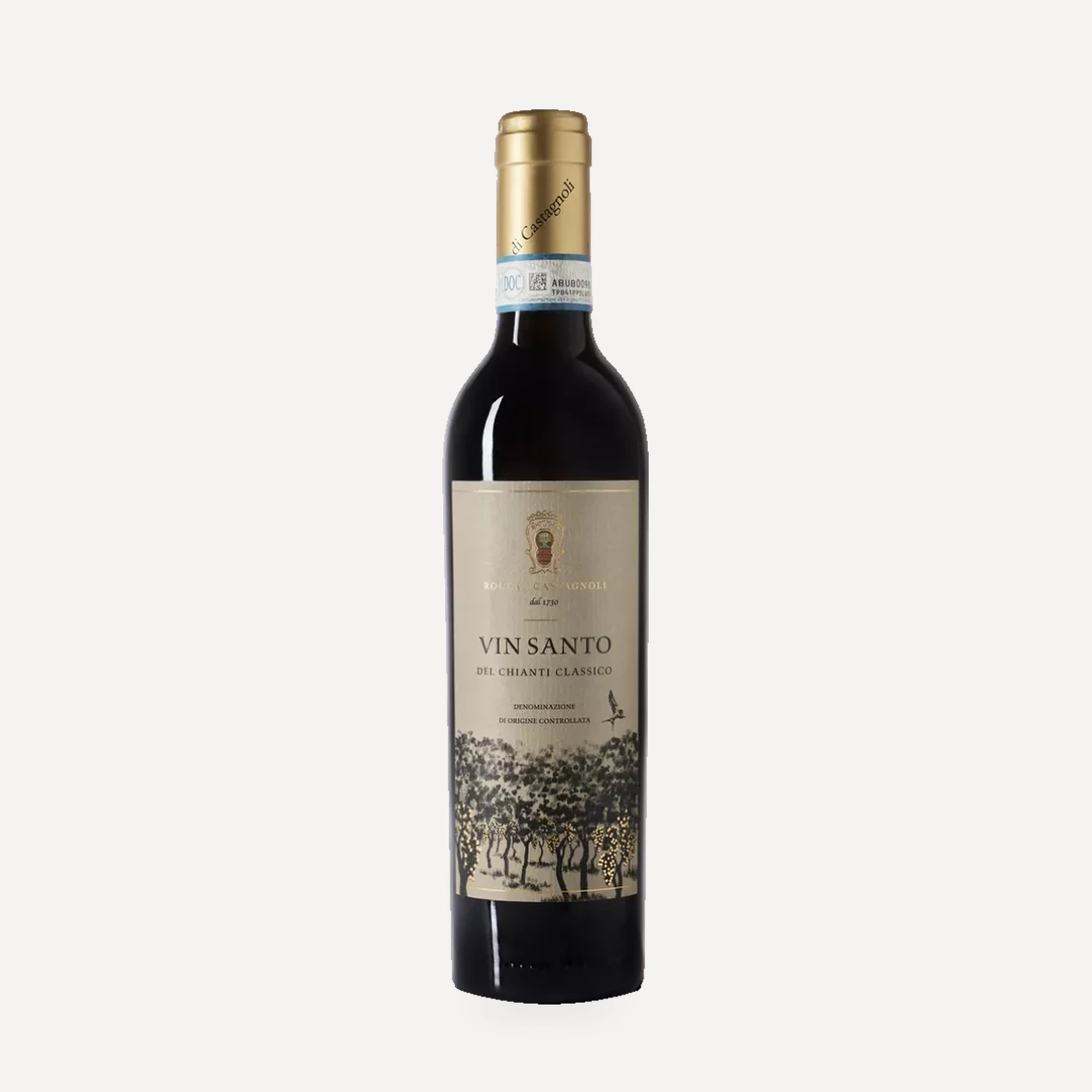
Vin Santo del Chianti Classico
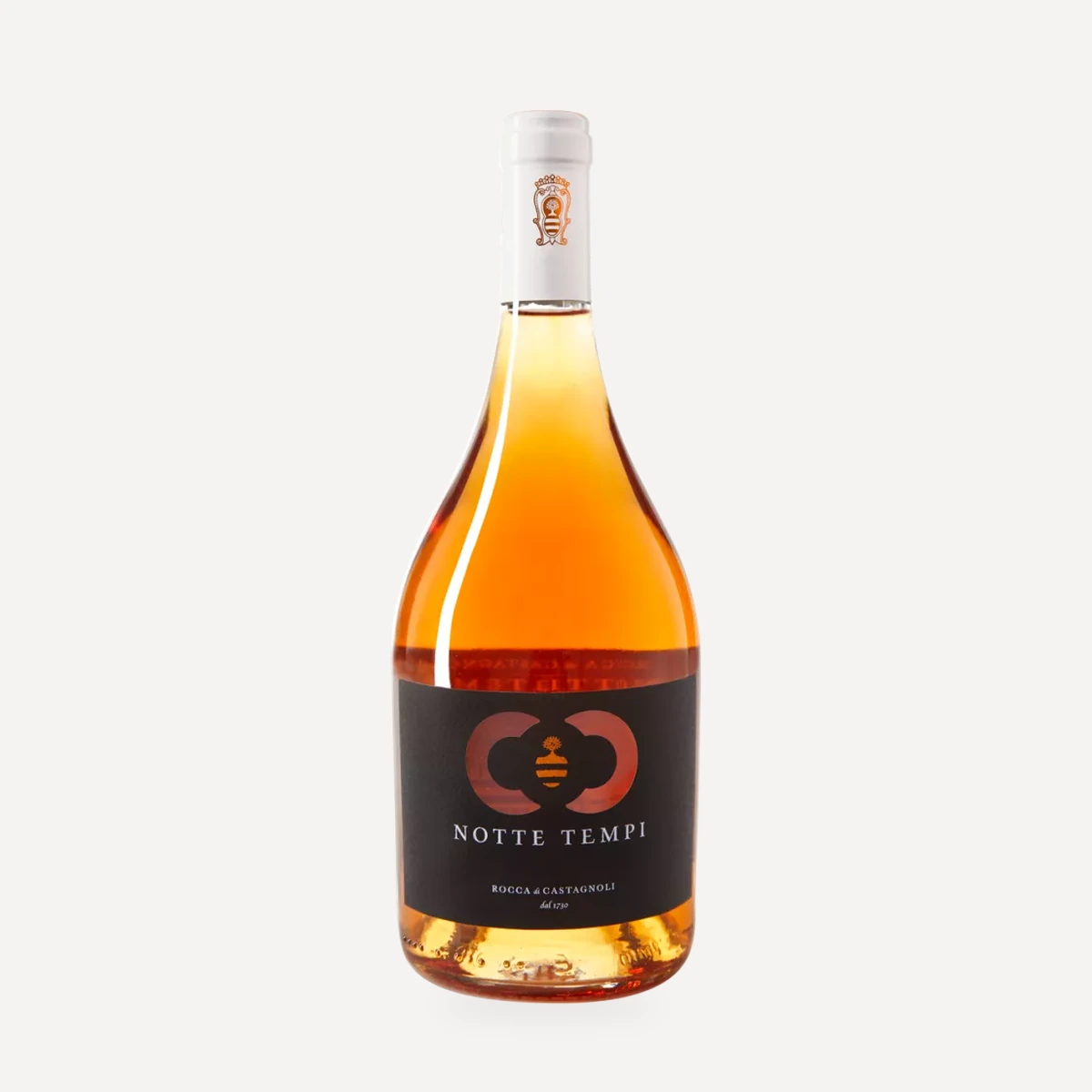
Nottetempi - Toscana IGT
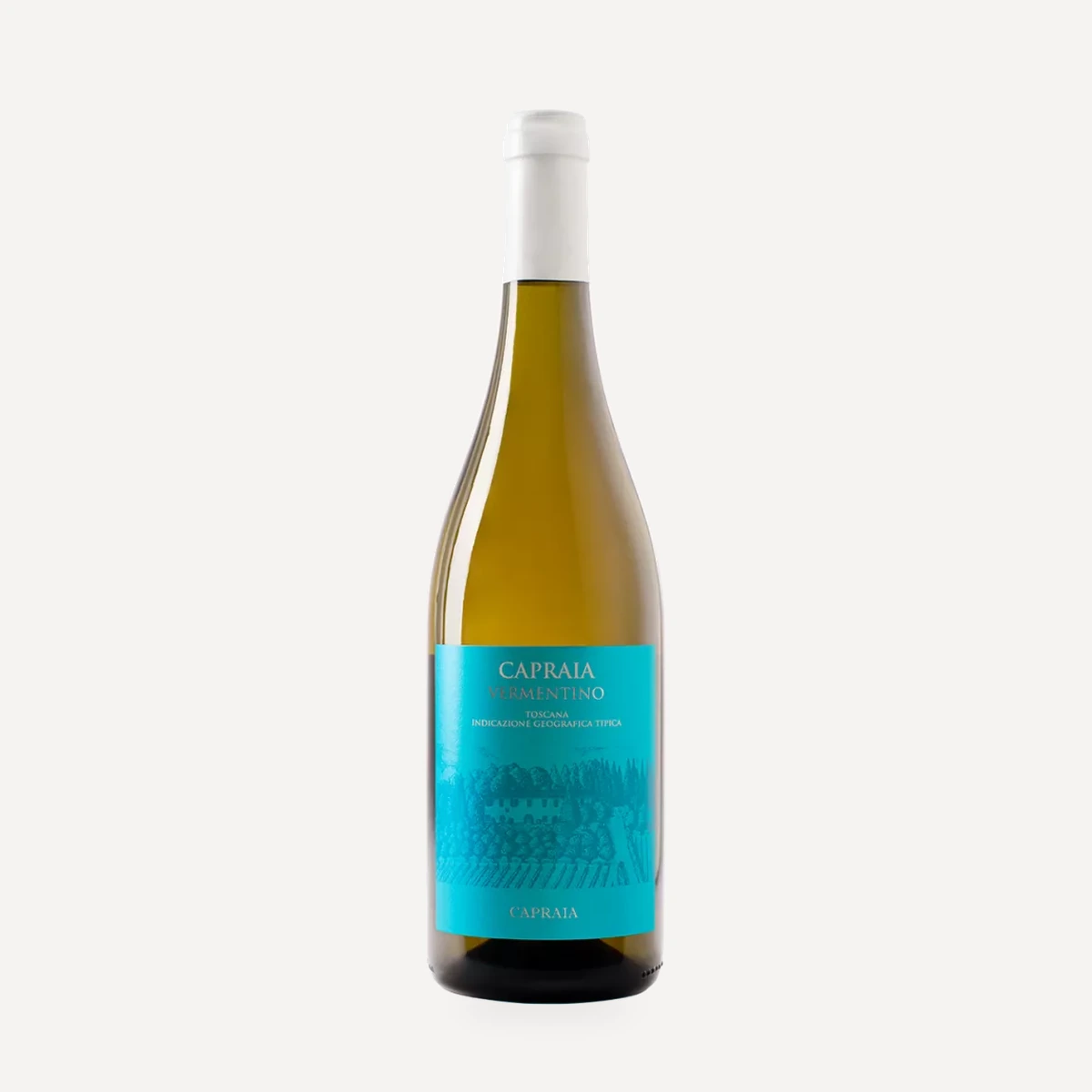
Vermentino Capraia
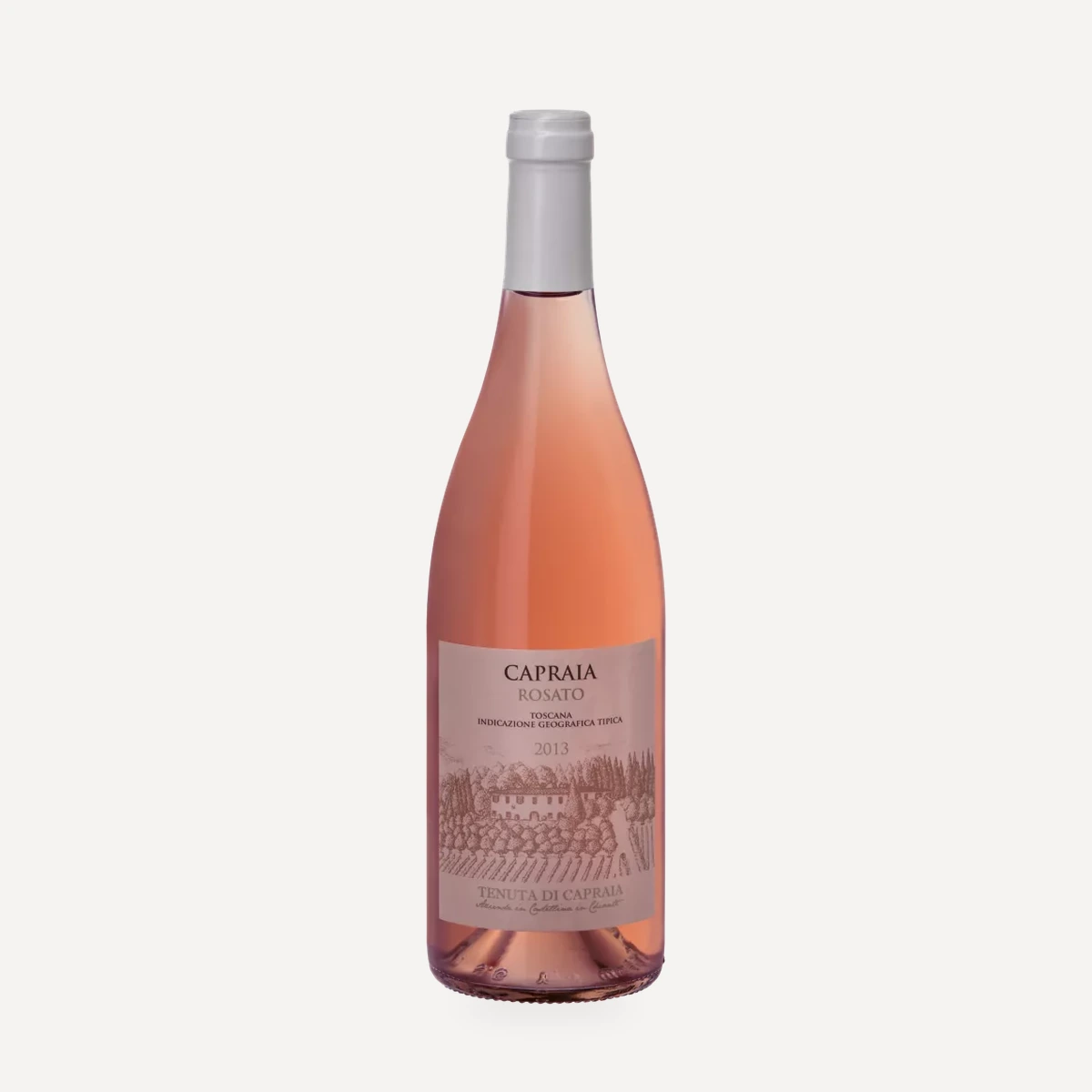
Toscana Rosato
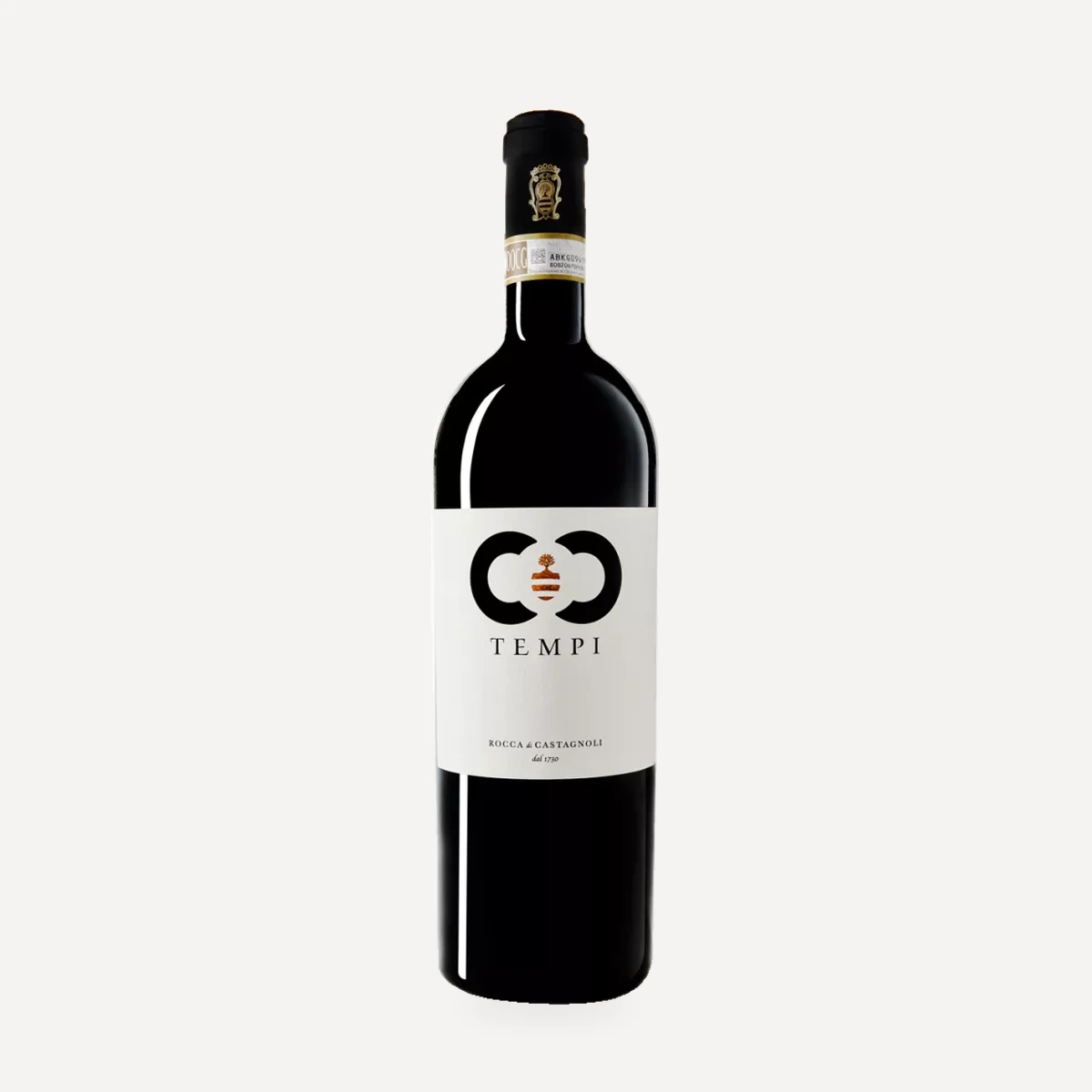
Tempi - Chianti Classico