Storia
Ancient roots and the development of Maremma viticulture
The history associated with Poggio Maestrino reaches back to the Etruscan-Roman period, from which the earliest evidence and archaeological finds are dated. For centuries, the Amiata-Maremma district followed an atypical course within Tuscany: its extensive woodland discouraged the spread of sharecropping that shaped much of the region’s rural economy.
From the late 18th century, a substantial increase in the population of the municipalities surrounding Scansano enlarged their settled areas. This demographic change contributed to the subsequent development of viticulture throughout Maremma. Vine growing expanded progressively over the following centuries and eventually supported the rise of Morellino di Scansano.
The Consorzio di Tutela for Morellino di Scansano was established in 1992. The denomination obtained DOCG recognition beginning with the 2007 harvest.
Establishment of the modern vineyards
The Poggio Maestrino vineyards were planted in 2000 on the first hills encountered when travelling inland from the sea. The site combined an arid, relatively infertile sandy-clay soil with maritime exposure and a pronounced day-to-night temperature range.
Acquisition by Tenute Calì
In 2005, the Calì family extended its Tuscan holdings by acquiring Poggio Maestrino in the municipality of Magliano in Toscana. The acquisition was motivated by the appeal of the Maremma coast and the quality potential of Morellino di Scansano. Poggio Maestrino became the family group’s third estate project after Rocca di Castagnoli in Chianti Classico and Graffetta in Sicily.
Recorded harvests
2014
Harvest began on 8 September with grapes from Spiaggiole and ended on 24 September with the selections intended for Poggio Maestrino. The season was considered broadly normal. The resulting wines reached 13–14% alcohol, completed alcoholic fermentation in all tanks and were close to completing racking. They were described as notably fruity and savoury.
2015
Harvest started on 3 September and continued for ten days. A shortage of rainfall, particularly during summer, slowed the final stages of the vine cycle. Morellino was consequently harvested at the same time as grapes at the group’s Chianti properties. Sangiovese in the Poggio Maestrino area was picked on Tuesday, 8 September.
2016
Picking began in the first week of September and lasted twenty days. Maremma’s warm conditions and the absence of August rain brought the harvest forward. The vintage produced moderate alcohol, good acidity and tannins that were soft and silky from the outset. The most exposed, least steep plots gave higher alcohol and lower acidity. Red-fruit character was particularly evident.
2017
The Morellino harvest began in the first days of September. Despite a summer without rain or storms, the grapes remained healthy, showed no signs of shrivelling and achieved excellent phenolic maturity. Yields per hectare were very low, and the Poggio Maestrino selection was not released for the vintage.
Terroir
Poggio Maestrino lies in the municipality of Magliano in Toscana in southern Tuscany, within Maremma and the Morellino di Scansano production area. The estate occupies the first hills encountered when moving inland from the sea. Its broader setting is predominantly hilly, with olive trees and old farmhouses alternating with dense Mediterranean scrub and marine horizons.
The Poggio Maestrino and Spiaggiole vineyards look toward Isola del Giglio, Monte Argentario and the promontory of Talamone. Parts of the property are close to the Maremma natural park and face the Costa d’Argento. Estate elevations are given as 200–300 metres, while individual vineyard descriptions range from 150 to 200 metres above sea level.
The principal vineyard soils have moderate rock content, very little limestone and a sandy-clay texture. They are comparatively dry and infertile, conditions considered suitable for vines. Individual blocks are also described as deep, generous and medium-textured, with a volcanic origin.
Sunshine, warm temperatures and salt-bearing sea breezes define the mesoclimate. Maritime airflow moderates conditions and helps maintain a marked difference between daytime and nighttime temperatures. At Spiaggiole, the light, long sunny days and salt-laced wind form a particularly direct coastal influence.
Vinificazione
The modern estate vineyards were planted in 2000. Site selection, vineyard management and harvest decisions are directed toward fruit-driven Morellino di Scansano with restrained oak influence.
Planting density in every individually documented block is 5,000 vines/ha. Training and pruning vary by site and variety: spur-pruned cordon is used for Sangiovese and Vermentino, Guyot for the Spiaggiole red-variety and Petit Verdot blocks, and the Poggio Maestrino Sangiovese selection combines spur pruning with Guyot.
Yield targets vary according to the intended selection. The most concentrated Sangiovese and the Spiaggiole red-variety and Petit Verdot blocks are limited to approximately 1 kg per vine. The broader Spiaggiole/Poggio Maestrino Sangiovese area and the Vermentino block are listed at 1.5 kg per vine. Grapes for the Maestrino selection come from the best-exposed areas, where production is deliberately reduced.
Harvest timing is adapted to each block. Vermentino and Petit Verdot are collected around mid-September; Spiaggiole Sangiovese and the other red varieties follow in the second half of September; the selected Poggio Maestrino Sangiovese is harvested in the second half of October. Vintage records show that seasonal conditions can move picking forward and affect release decisions. In 2017, drought produced very low yields but healthy grapes with excellent phenolic maturity; the estate chose not to release its Poggio Maestrino selection.
The documented red-wine protocols use temperature-controlled maceration followed by malolactic fermentation in stainless steel. Sangiovese is macerated at approximately 28°C for 10–12 days. Petit Verdot and the Cabernet Sauvignon–Merlot blend are macerated at approximately 25°C for 20 days.
Maturation is adjusted to the intended style. The fruit-driven Morellino is retained in stainless steel and then aged for at least six months in bottle. The selected Sangiovese receives at least one year in tonneaux, followed by at least six months in stainless steel and one year in bottle. Petit Verdot spends at least six months in tonneaux, three months in stainless steel and a further three months in bottle. The Maremma red blend is matured in stainless steel and bottle.
Vermentino is aged in stainless steel followed by three months in bottle. The cellar approach for Morellino is intended to preserve a pleasant, fruity profile without dominant wood character.
The harvest records also document completion of alcoholic fermentation in tank and subsequent racking. In 2014, all tanks had finished alcoholic fermentation and racking was nearly complete by the end of the recorded harvest update.
Filosofia
Poggio Maestrino’s agronomic and cellar choices are centred on producing a distinctive, pleasant and fruit-driven Morellino di Scansano without intrusive oak notes. Vineyard exposure, yield control, harvest decisions and the balance between stainless steel and tonneaux are adjusted to that goal.
The Calì family describes itself as rooted in farming and vine growing, with knowledge of the land developed over generations. Its stated approach combines experience gained from successive harvests with an ambition for continuous quality improvement.
Across the family’s estates, the guiding principle is to select sites for their altitude, soils, vine establishment, microclimate and solar exposure; respect the history of each territory and vineyard; and give value to historically established local varieties. Wines are intended to express the identity of their place and grape rather than conform to fashion or a standardised style. This requires attention first in the vineyard and then in the cellar.
Vini
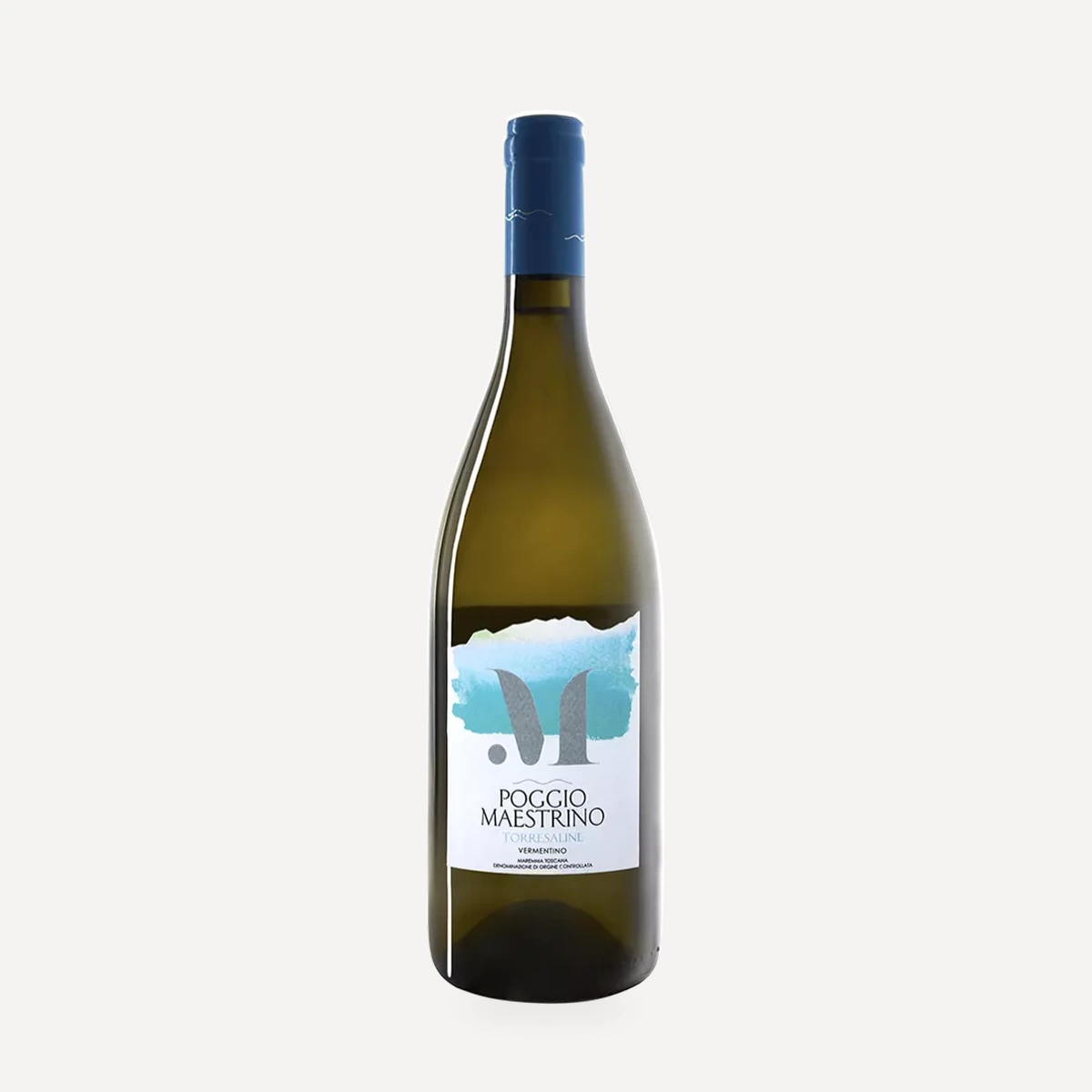
Vermentino Maremma Torresaline DOC
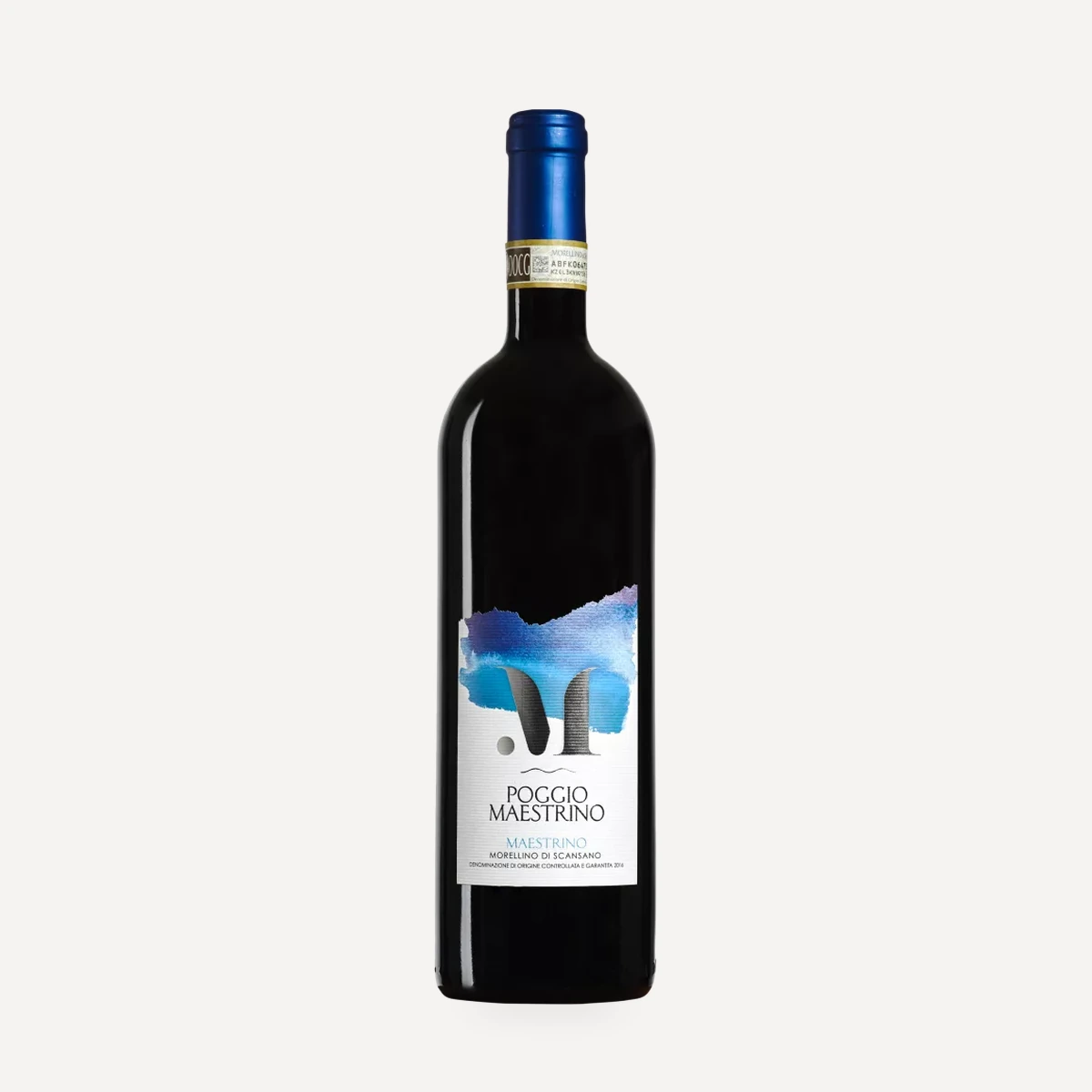
Maestrino — Morellino di Scansano DOCG
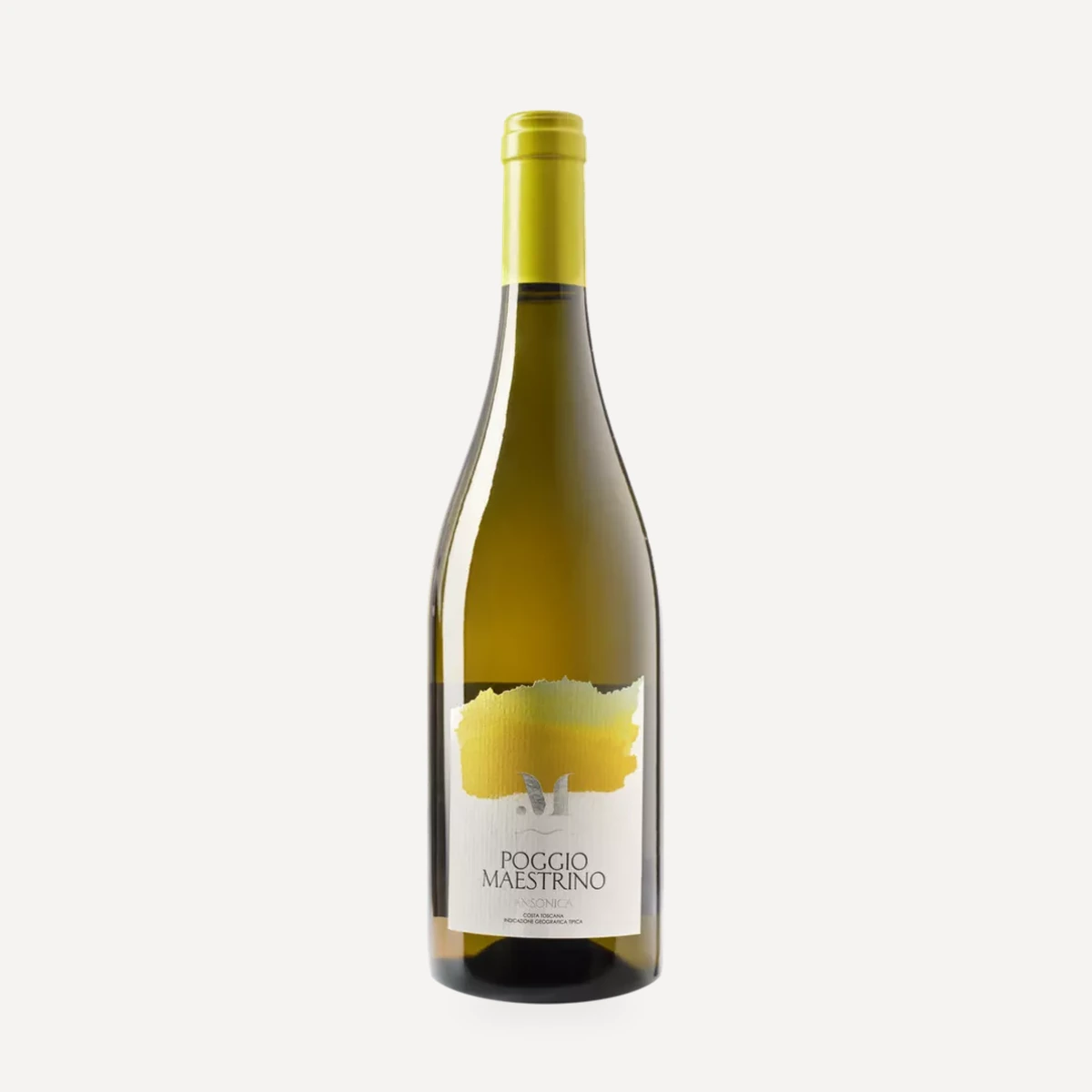
Ansonica
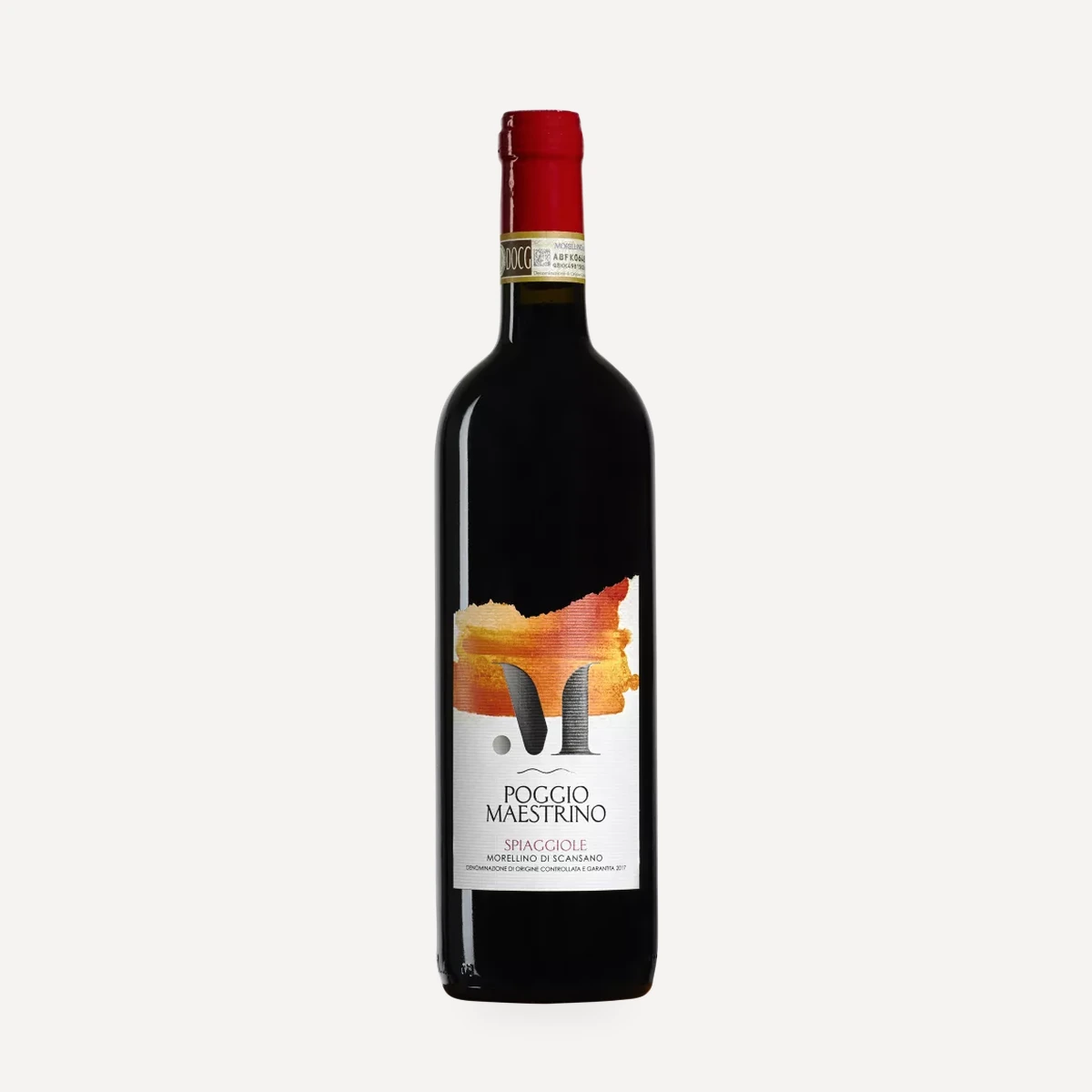
Spiaggiole — Morellino di Scansano DOCG
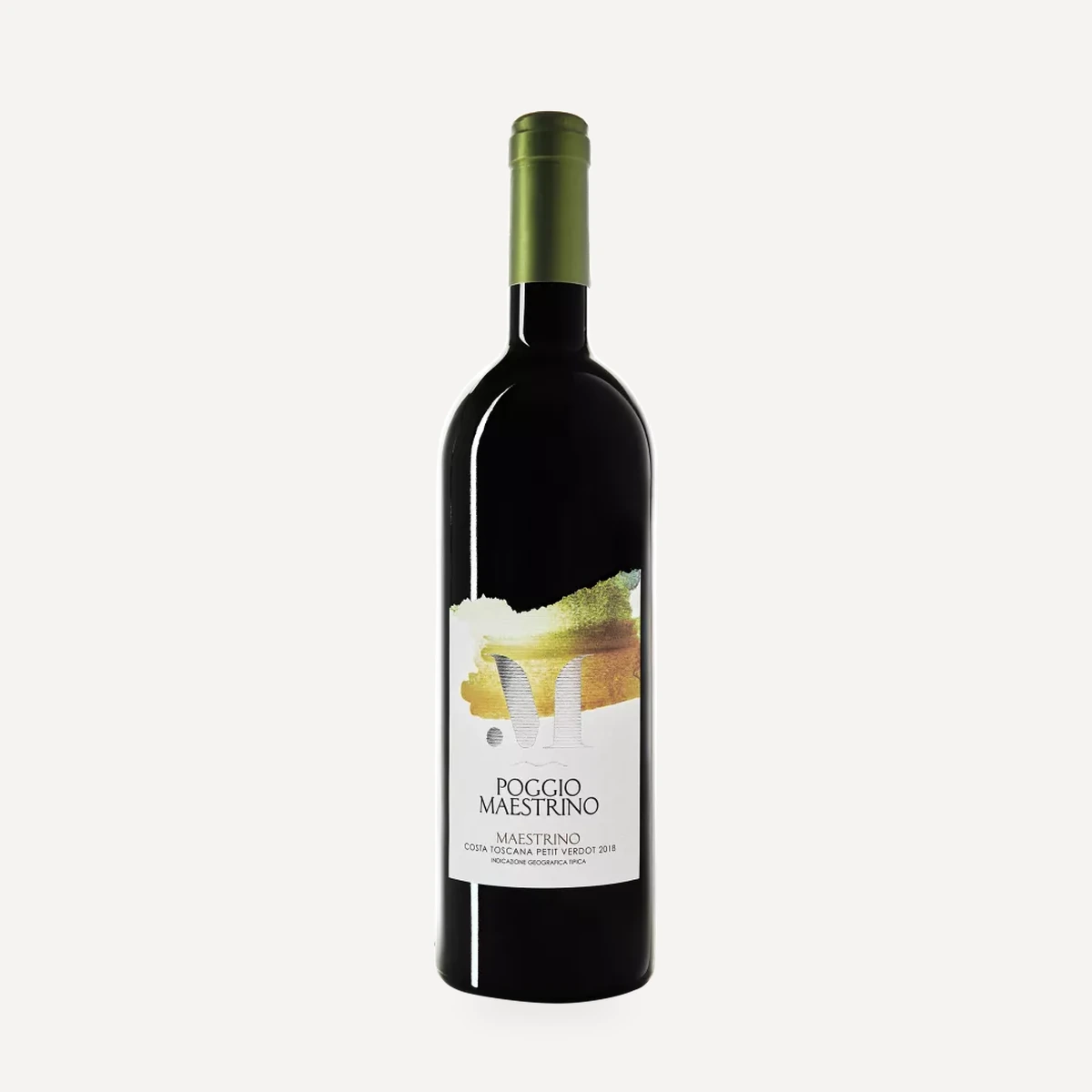
Petit Verdot
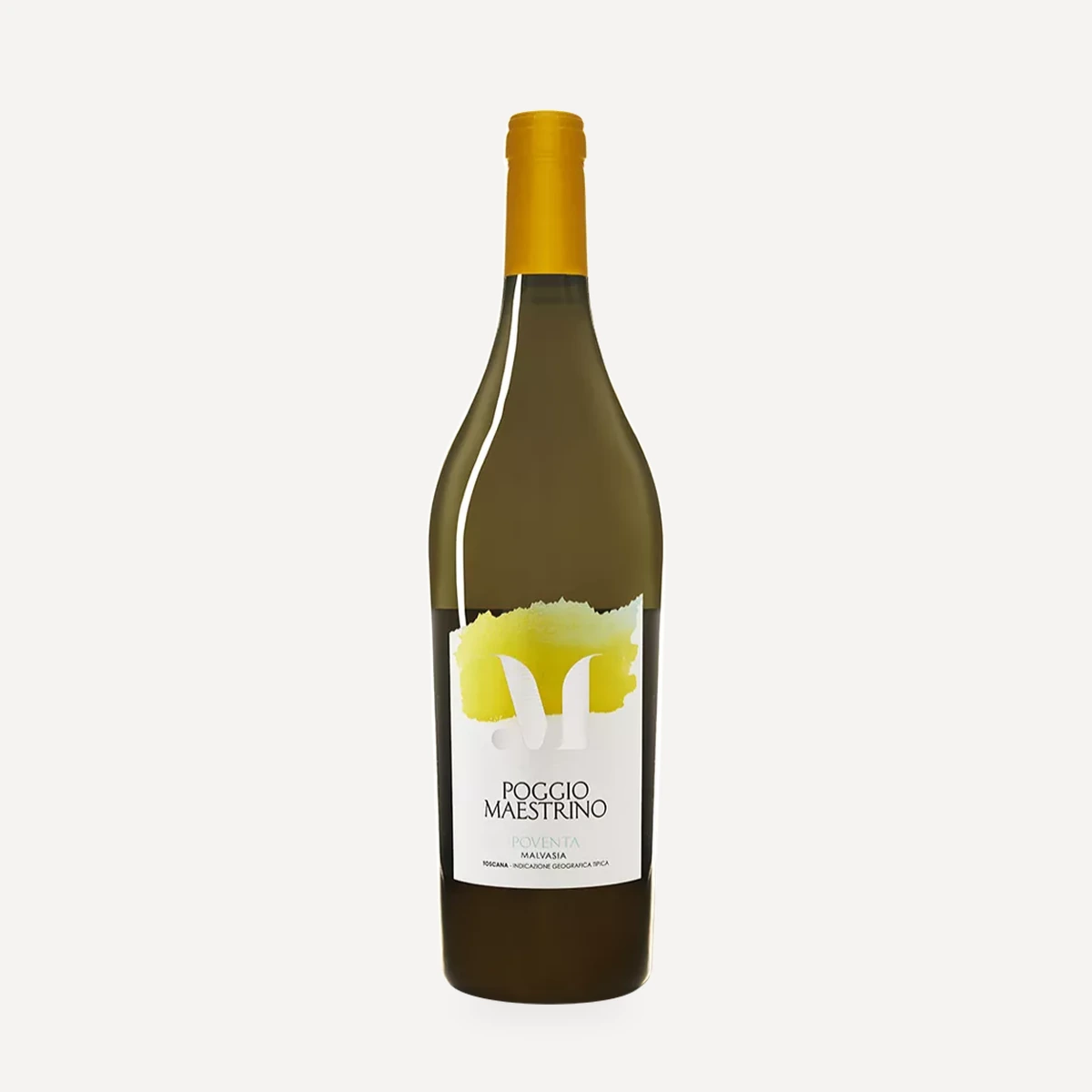
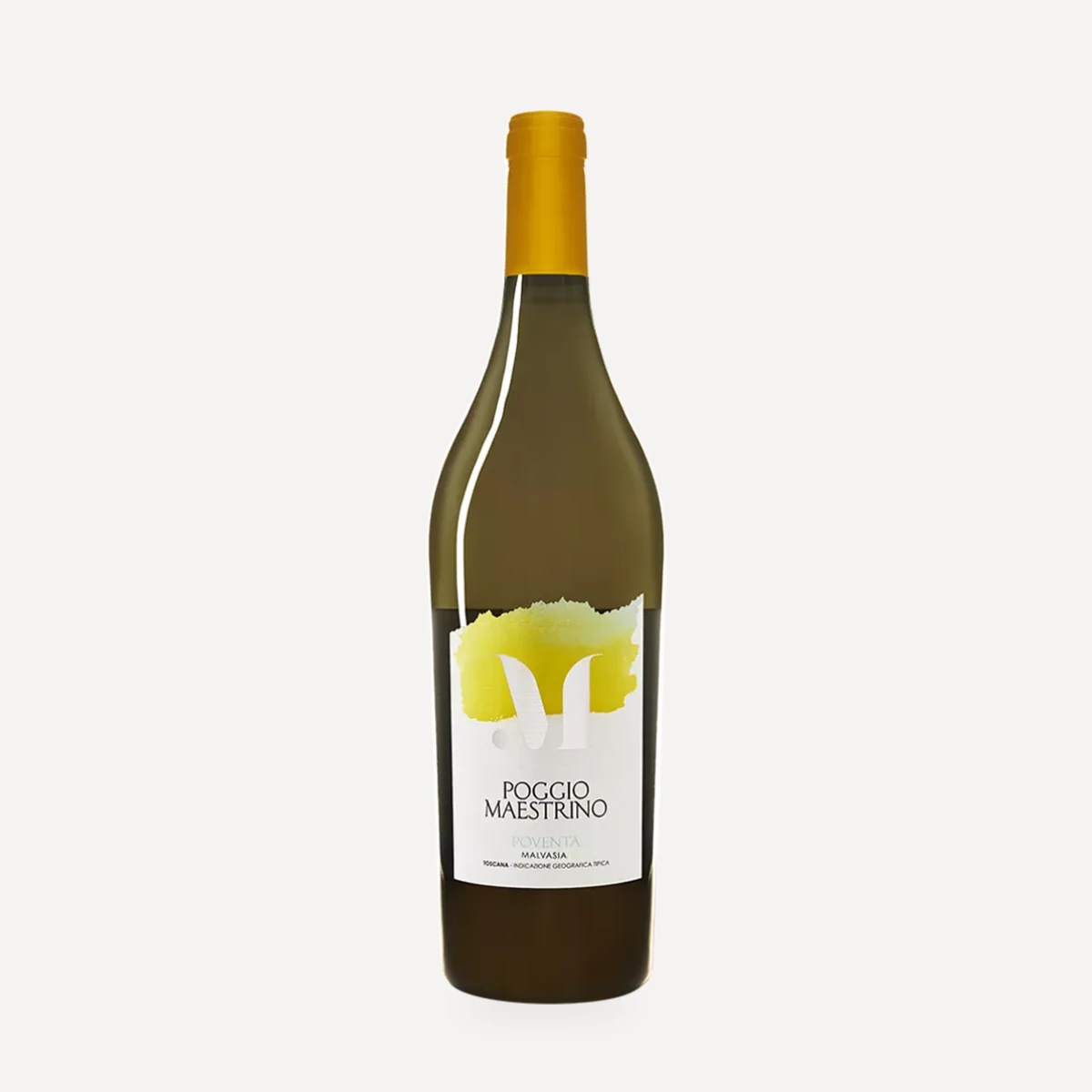
Poventa Malvasia Toscana
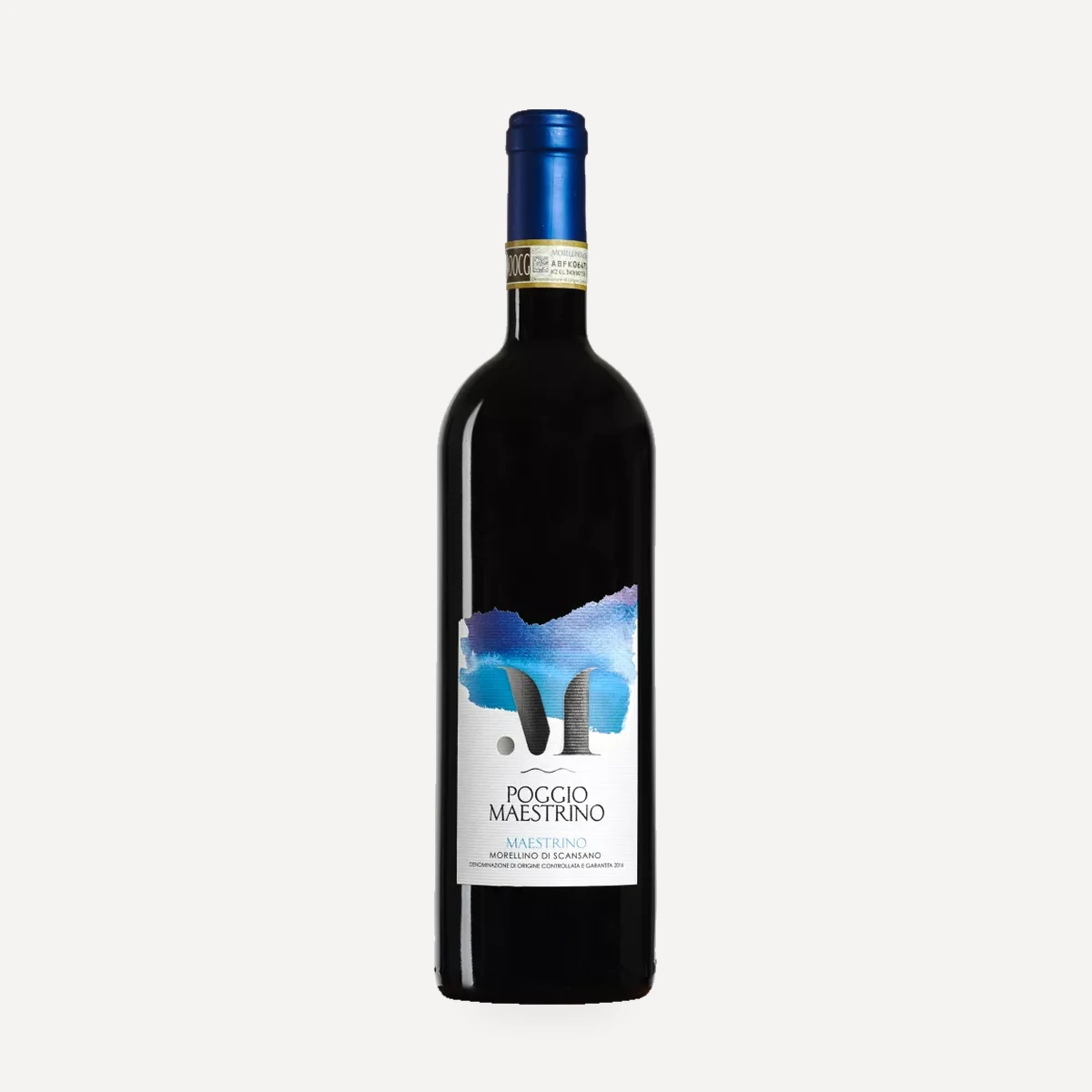
Maestrino
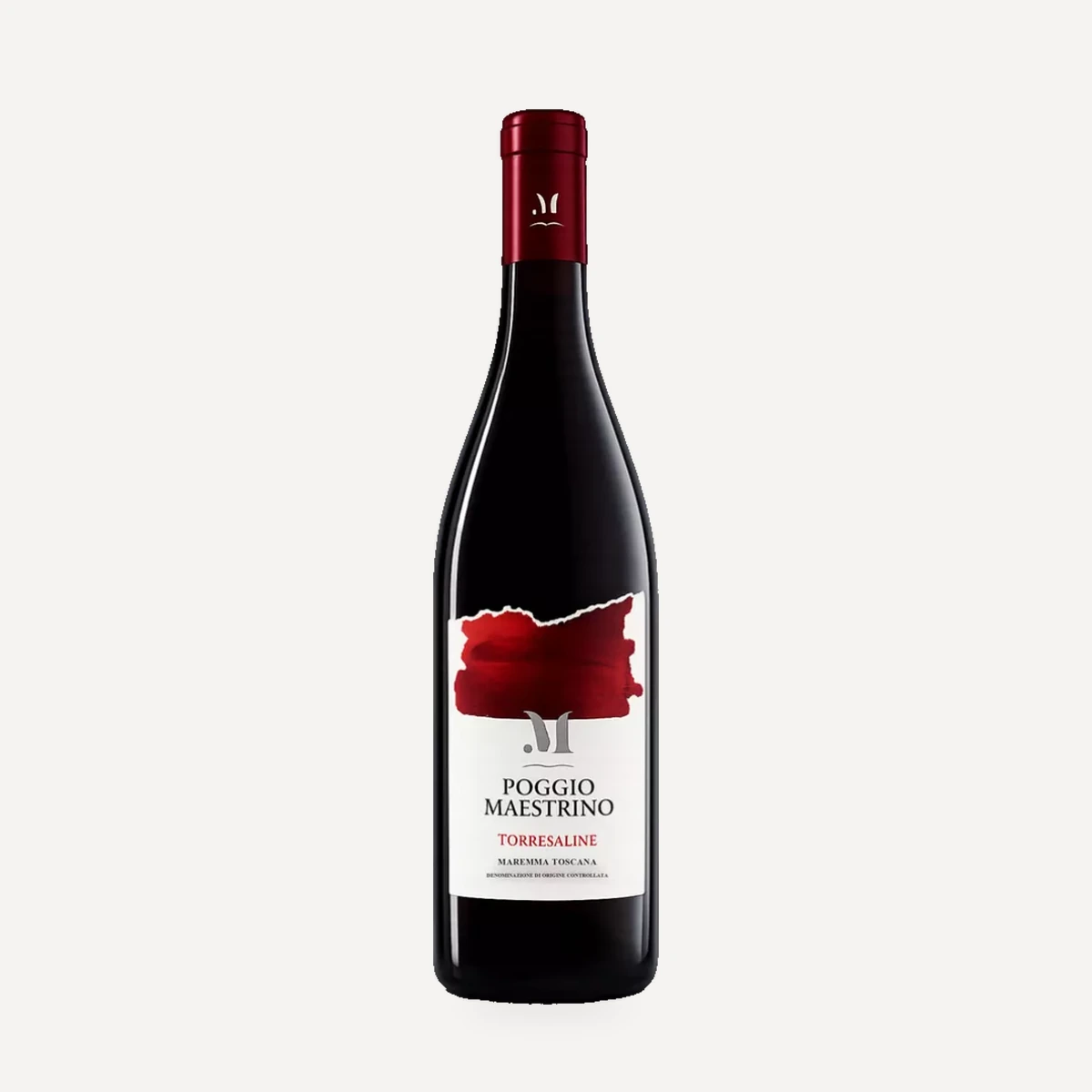
TorreSaline Doc Maremma Rosso