Storia
Foundation and the recovery project — 1996
The Carparelli family founded I Pastini in 1996 in the heart of Valle d’Itria, between the countryside of Locorotondo and Martina Franca. From the outset, the project focused on recovering and promoting grape varieties with a long history of cultivation in the valley.
The family searched the area’s oldest vineyards for varieties whose characteristics remained part of local and family memory. Particularly old vines were identified and marked, after which scions were collected to provide buds for grafting. This selection and propagation work formed the basis of the new vineyards.
Minutolo occupied a particularly important place in this recovery programme. The variety had almost disappeared after older growers replaced its low-yielding, disease-sensitive vines with grapes that were easier to manage and more productive. Although it had commonly been called Fiano, it belongs to the Muscat family. The Carparelli family promoted its rediscovery and rehabilitation and named it Minutolo after the small berries that compose its bunches.
Establishment of the vineyards and first harvest — September 2003
The long period of vine selection, propagation and vineyard establishment ultimately produced an 18-hectare vineyard estate planted with indigenous varieties. I Pastini completed its first harvest in September 2003.
The present varietal composition includes the white grapes Verdeca, Bianco d’Alessano and Minutolo, together with the red grapes Susumaniello and Primitivo. The estate continues to frame their recovery and promotion as its central purpose.
The contemporary estate
The winery remains under the management of the Carparelli family. Its production site is in Martina Franca, within the Valle d’Itria landscape, while the estate also incorporates an original 18th-century farmhouse. A newer cellar has subsequently been added to the property. Vineyard and cellar work combines established local practices with modern winemaking techniques, with the stated objective of expressing the territory through native varieties.
Terroir
I Pastini lies in the heart of Valle d’Itria in Puglia, between the countryside of Locorotondo and Martina Franca. The winery and vineyards are approximately 3 km from both towns.
The vineyards occupy the valley’s rocky terrain. The estate’s account of the traditional pàstino also reflects the area’s need to retain scarce rainfall: the tool was used to shape a small earthen barrier that collected rainwater in the dry Apulian landscape.
The property is presented as part of a Valle d’Itria environment distinguished by its biodiversity. Its planted varieties—Verdeca, Bianco d’Alessano, Minutolo, Susumaniello and Primitivo—are treated as the viticultural expression of this setting.
Vinificazione
The 18-hectare vineyard estate is devoted entirely to native grapes. Verdeca, Bianco d’Alessano and Minutolo form the white-grape component, while Susumaniello and Primitivo make up the red-grape plantings.
Vineyard treatments use organic products exclusively. Fertility is supported by green manure composed of various leguminous species. These practices are linked to the estate’s stated commitment to environmental care.
Harvesting begins during the early morning. Grapes are picked by hand to limit berry breakage, and the bunches undergo careful selection before being placed in small crates.
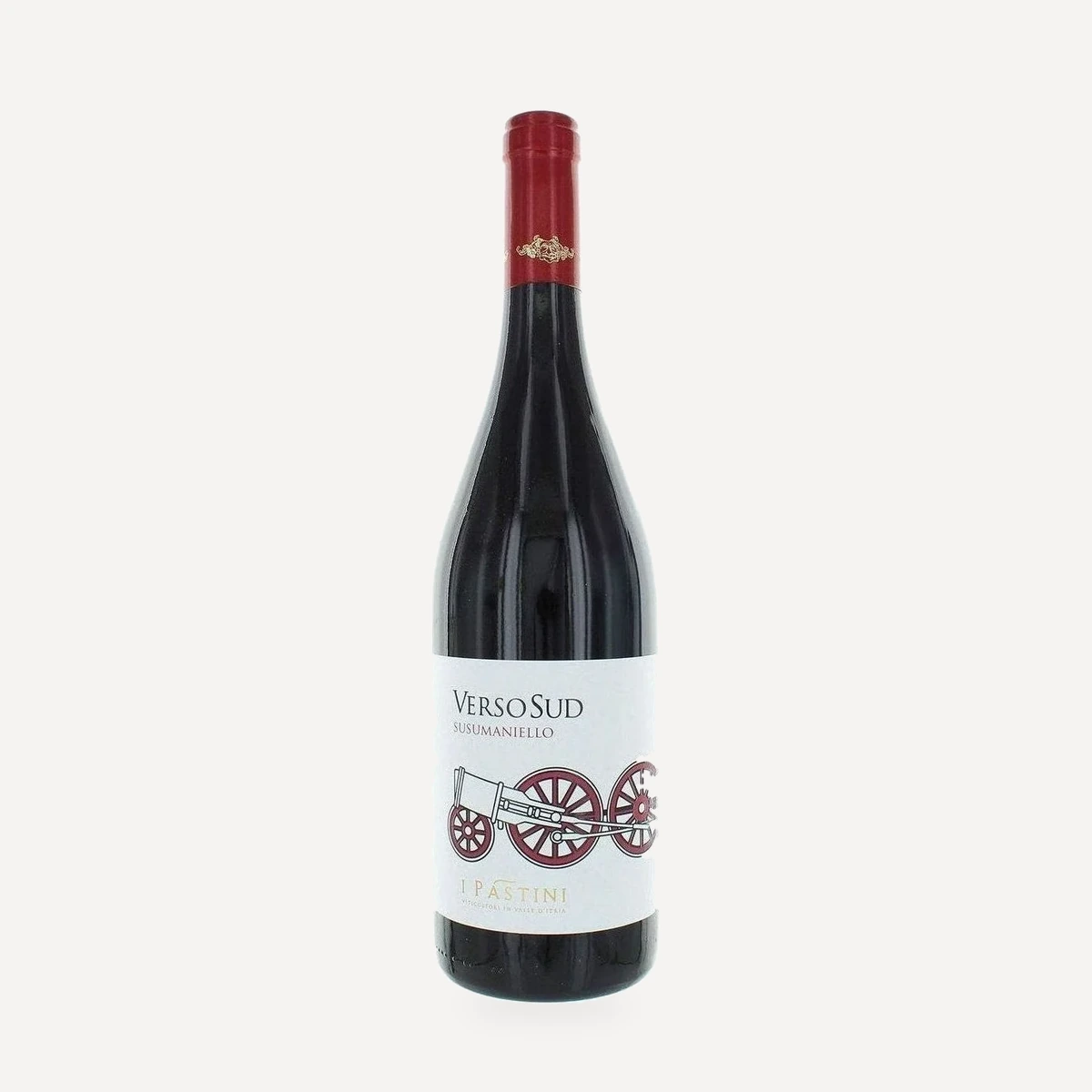
Minutolo presents particular viticultural challenges. It is a low-yielding, semi-aromatic variety susceptible to certain vine diseases. Those characteristics had encouraged earlier growers to replace it with more productive and easily managed grapes, contributing to its near disappearance before the Carparelli family’s recovery work. Susumaniello displays the opposite tendency during its early years: young vines can carry exceptionally abundant bunches, a characteristic reflected in the variety’s name.
I Pastini combines Valle d’Itria’s established viticultural traditions with modern cellar techniques. After early-morning hand harvesting, careful bunch selection and transport in small crates, the grapes are pre-cooled. Their juice is obtained through gentle pressing and fermented at controlled temperature. The wines then proceed through maturation and bottling.
The estate also produces sparkling wines by both the Charmat–Martinotti and traditional methods, although these processes apply to particular labels rather than the entire range. The newer winery is used to carry out and present the different stages of production.
Filosofia
I Pastini defines quality through the recovery of Valle d’Itria’s historic native grapes, respect for the environment and the combination of inherited practice with modern enological technique.
The family’s founding objective was not simply to plant commercially established varieties, but to search old vineyards for surviving vines whose characteristics formed part of local memory. Propagation from selected old-vine material and the rehabilitation of Minutolo embody that approach.
The estate works exclusively with native grapes grown in Valle d’Itria. Its wines are intended to express the territory, while vineyard treatments based on organic products, leguminous green manure, manual harvesting and careful handling translate its environmental principles into practical measures. Tradition and technology are treated as complementary tools rather than opposing positions.
Vini
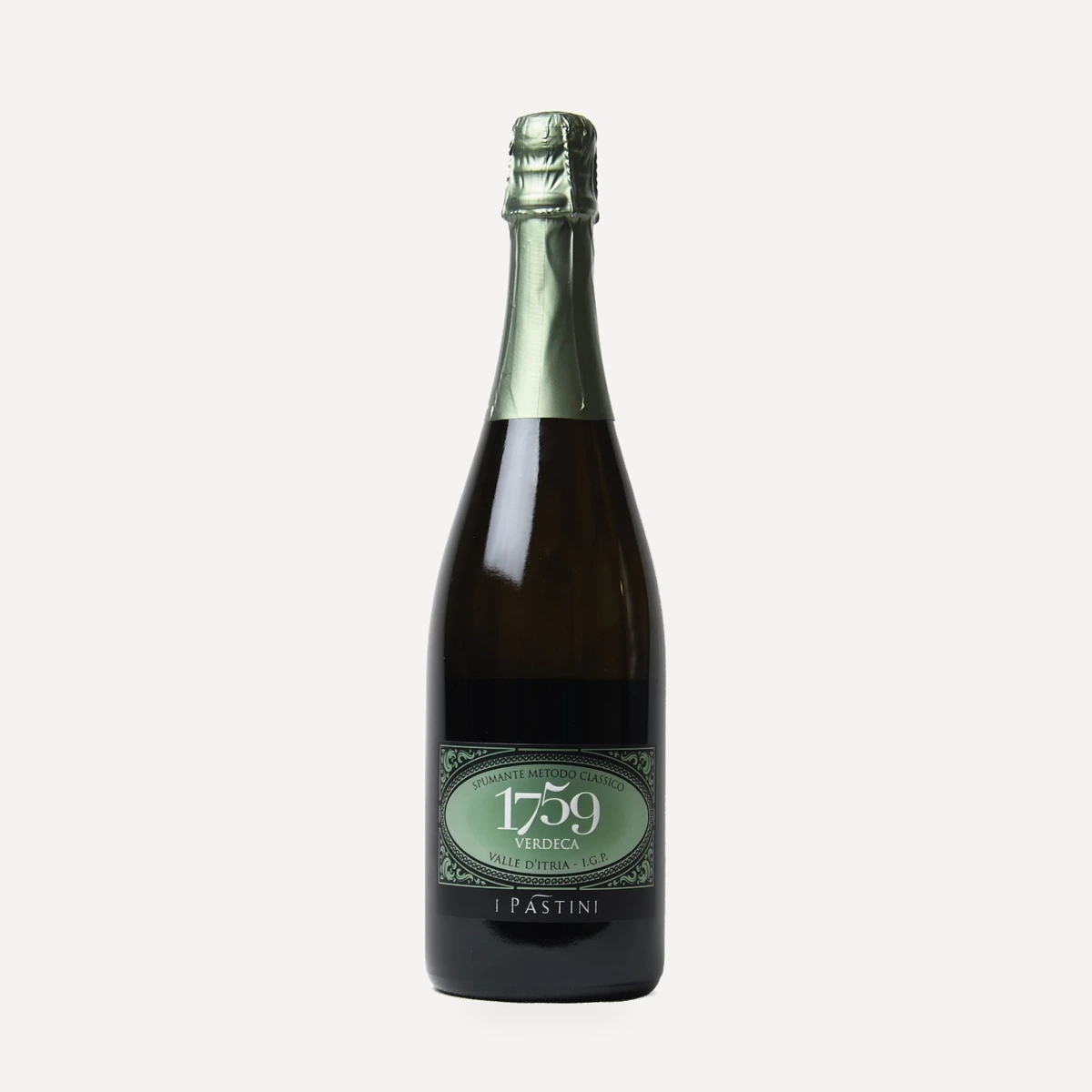
1759 - Spumante Metodo Classico, Verdeca Valle d'Itria IGP
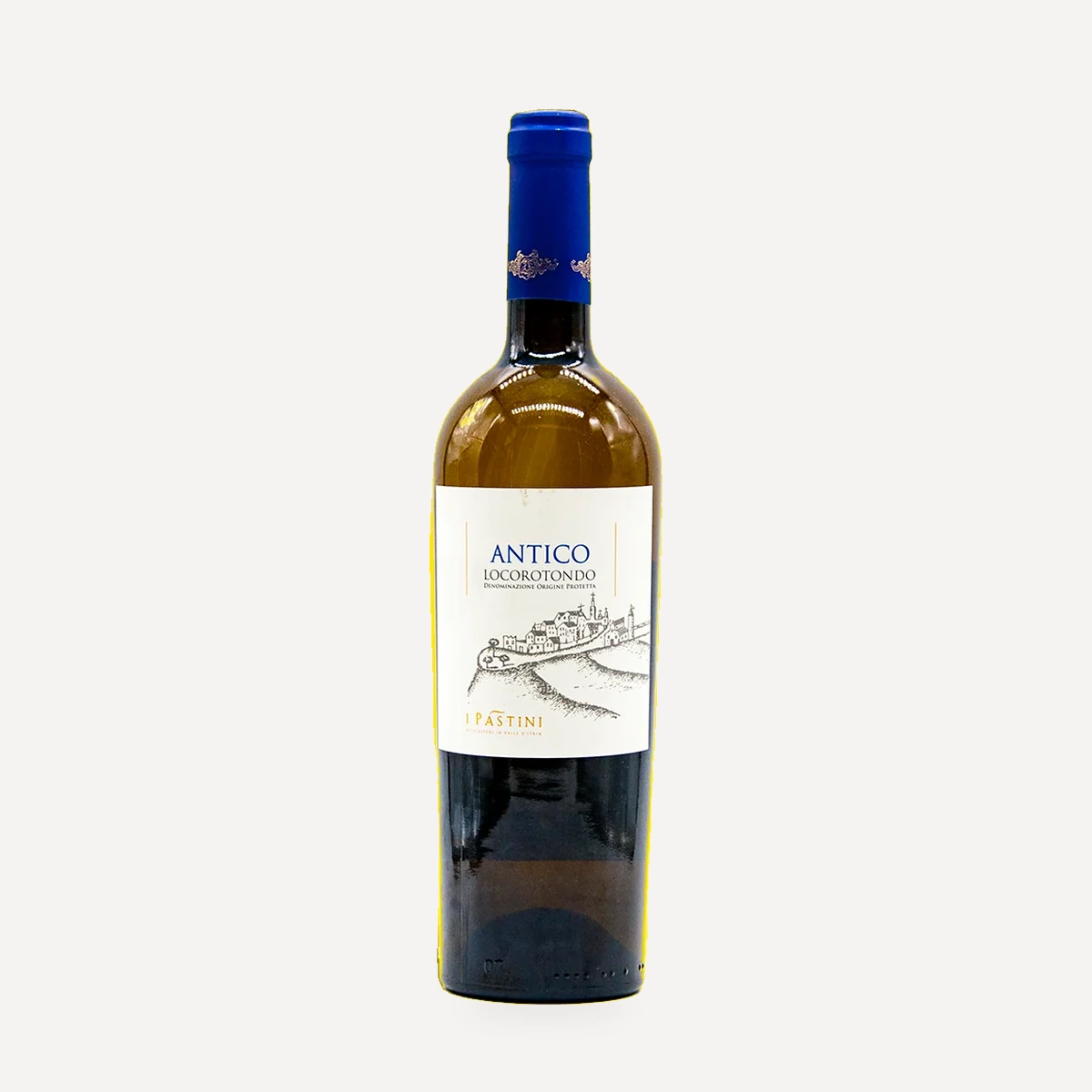
Antico - Vino Bianco, Locorotondo DOP
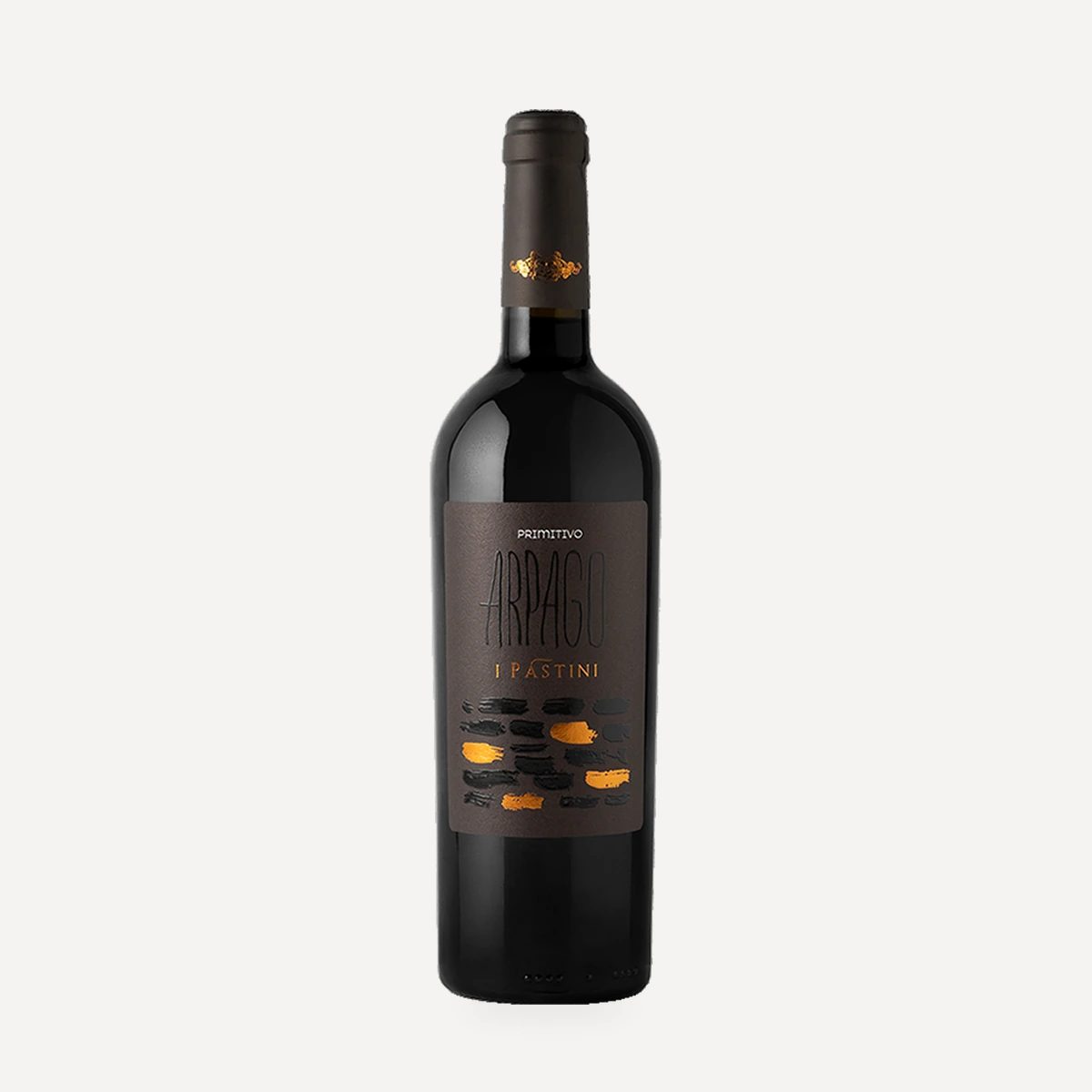
Arpago - Vino Rosso, Primitivo Puglia IGP
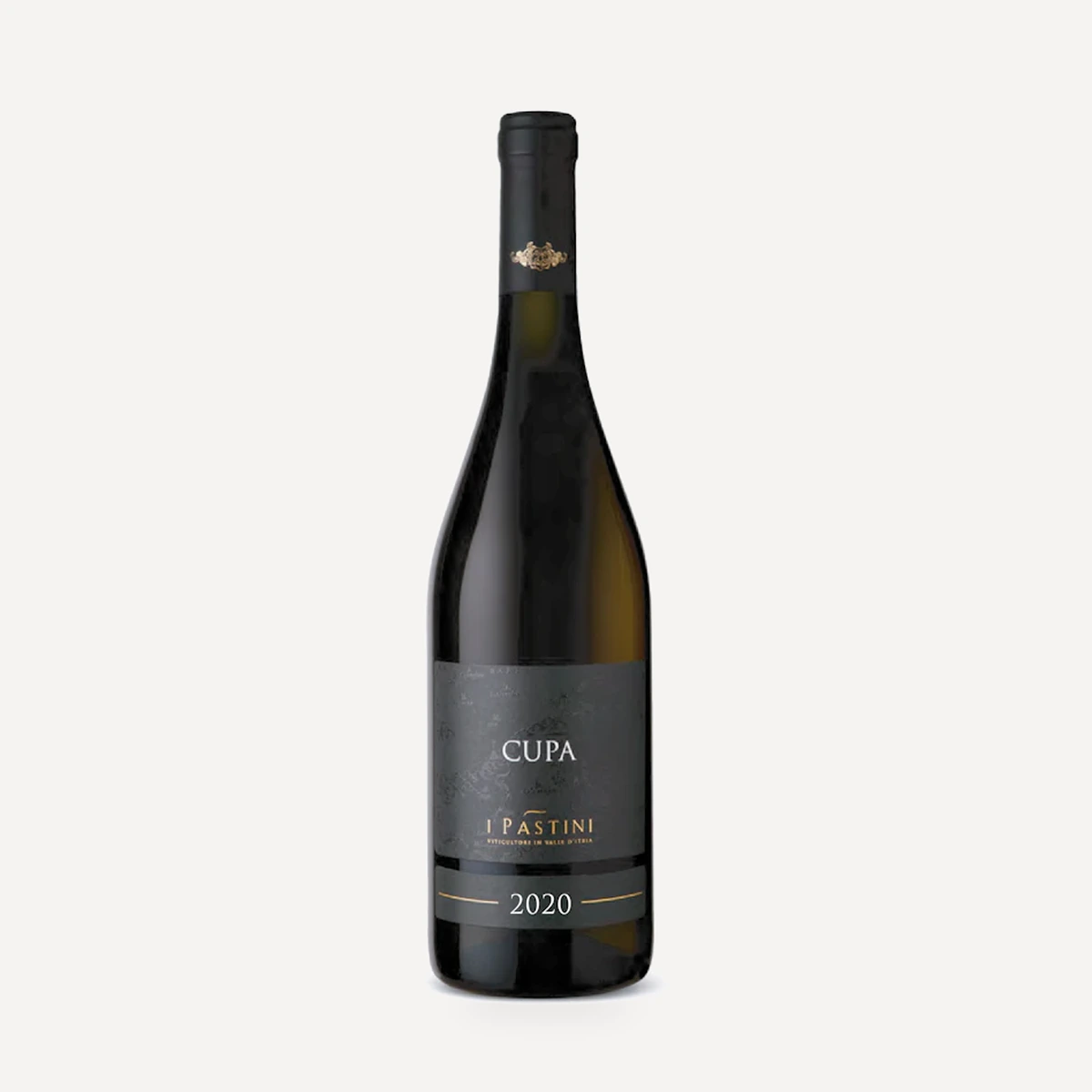
Cupa - Vino Bianco, Bianco d'Alessano Valle d'Itria IGP
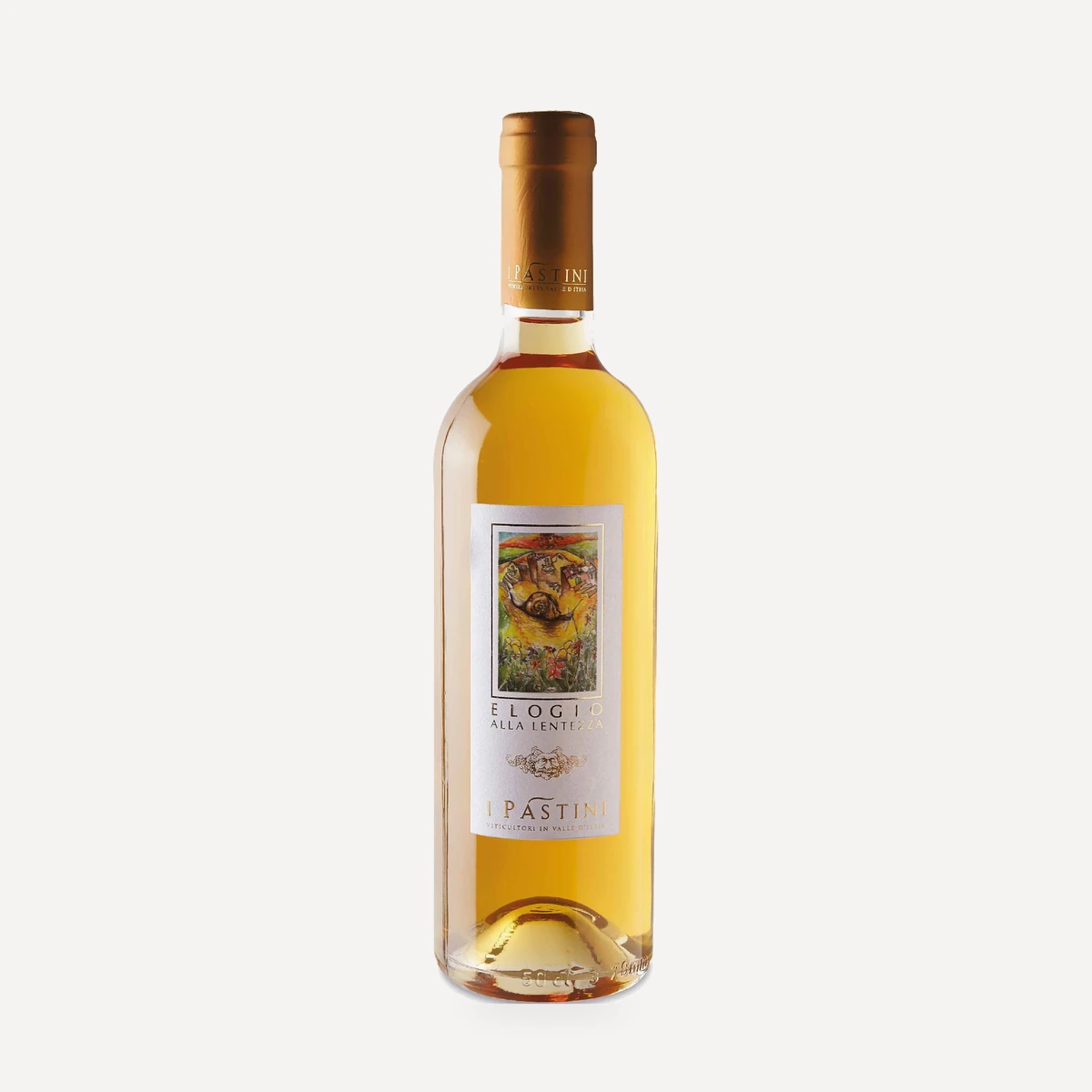
Elogio alla Lentezza - Vino Bianco Passito, Minutolo Valle d'Itria IGP
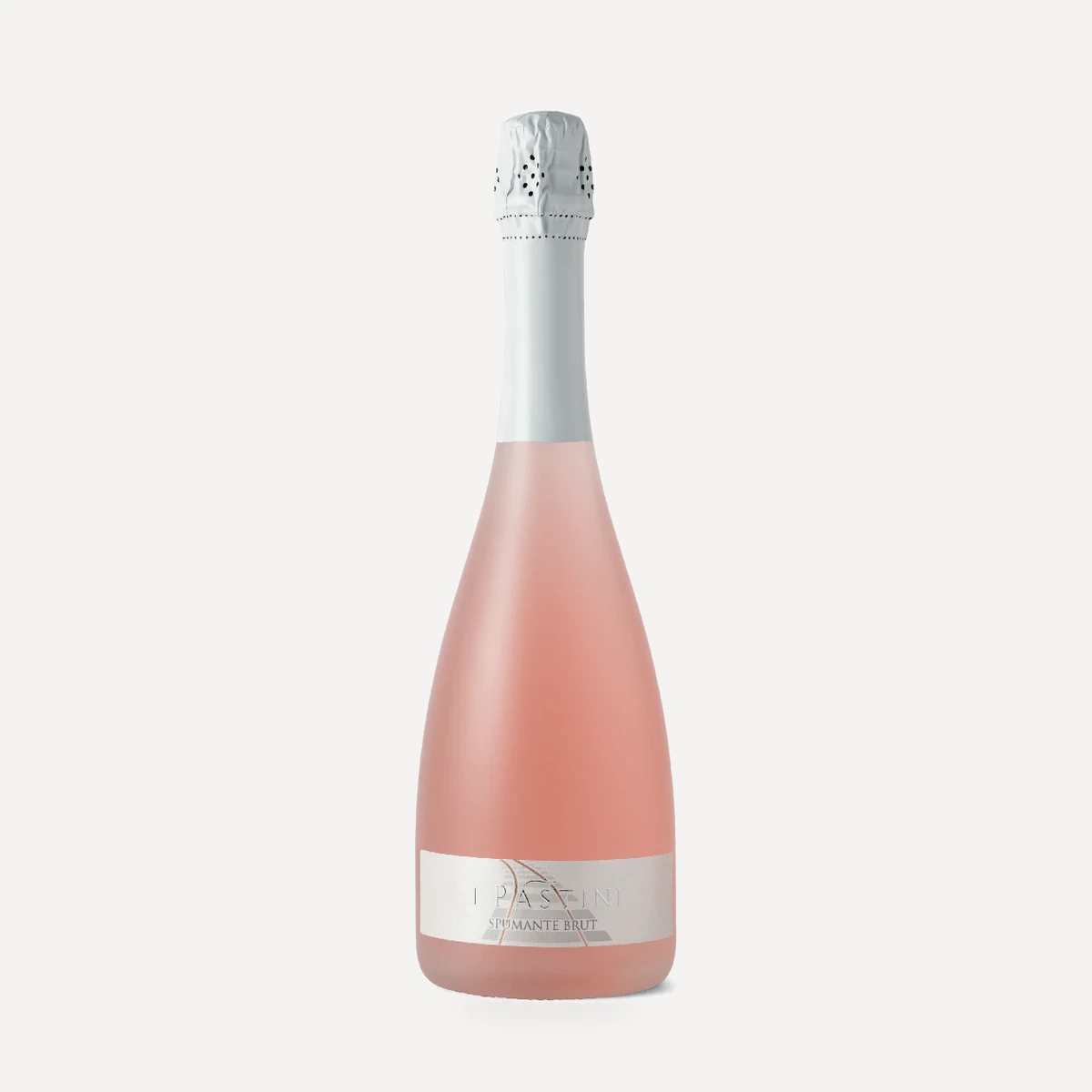
I Pàstini - Spumante Brut Metodo Charmat Rosato, Susumaniello Valle d'Itria IGP
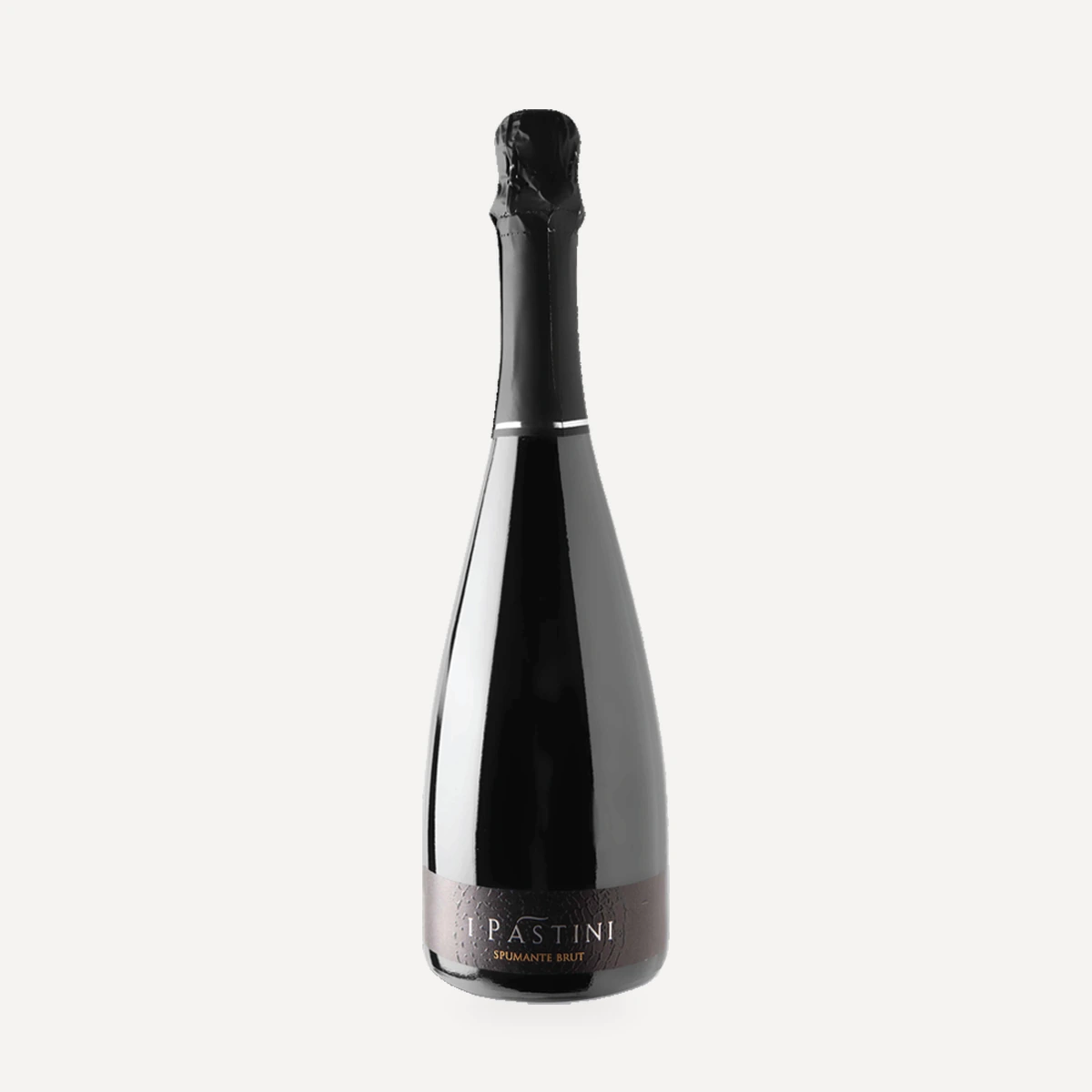
I Pàstini - Spumante Brut Metodo Charmat, Verdeca Valle d'Itria IGP
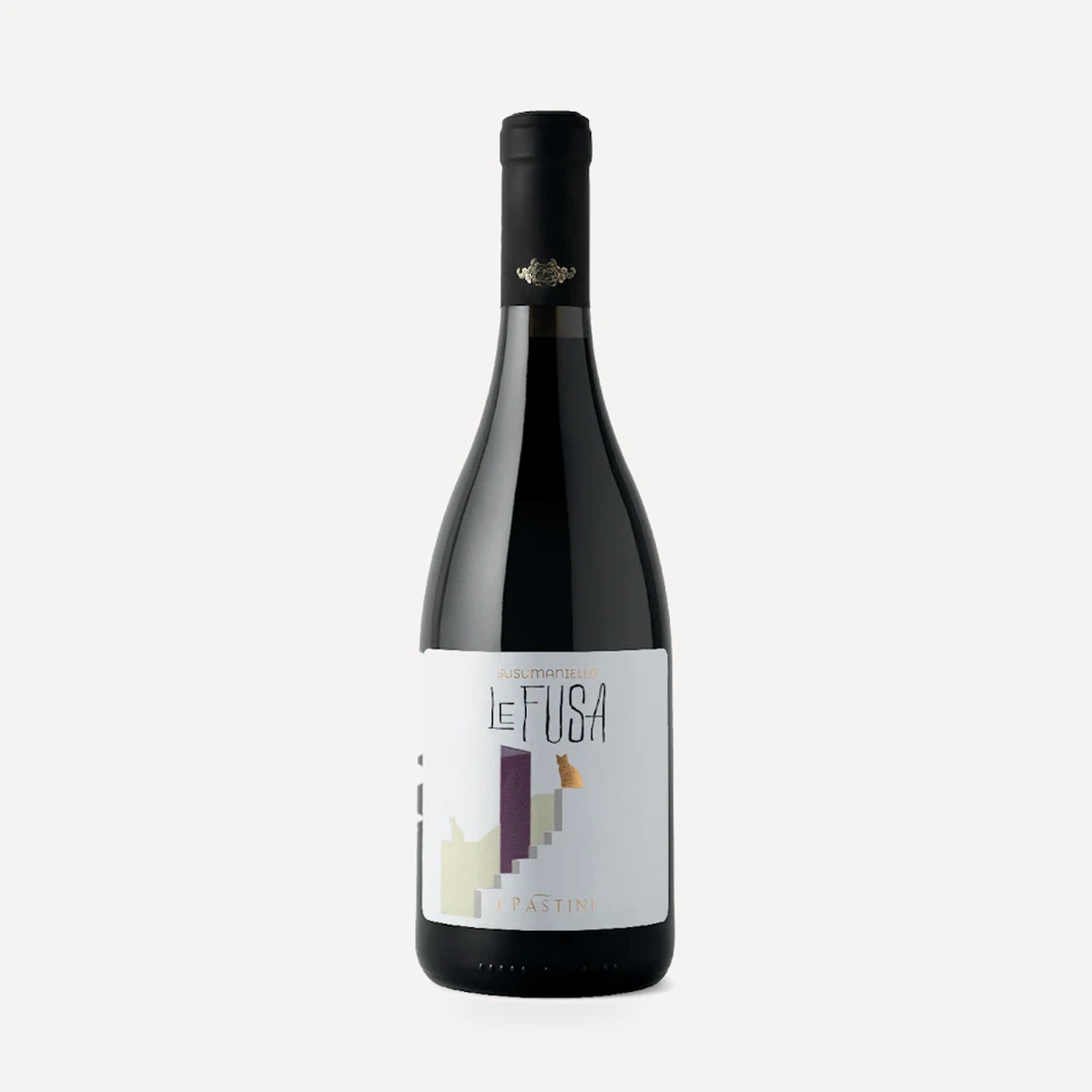
Le Fusa - Vino Rosso, Susumaniello Valle d'Itira IGP
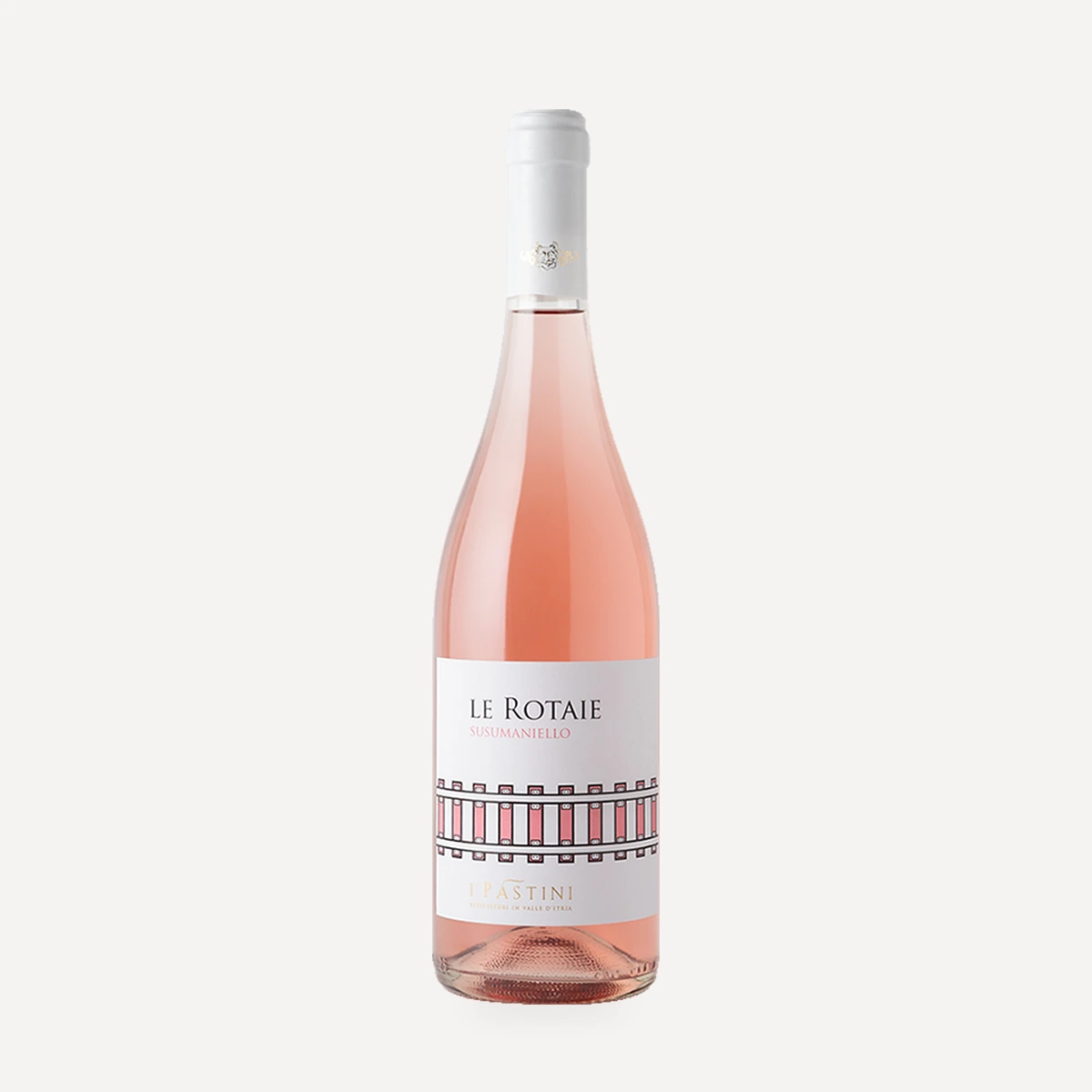
Le Rotaie - Vino Rosato, Susumaniello Valle d'Itria IGP
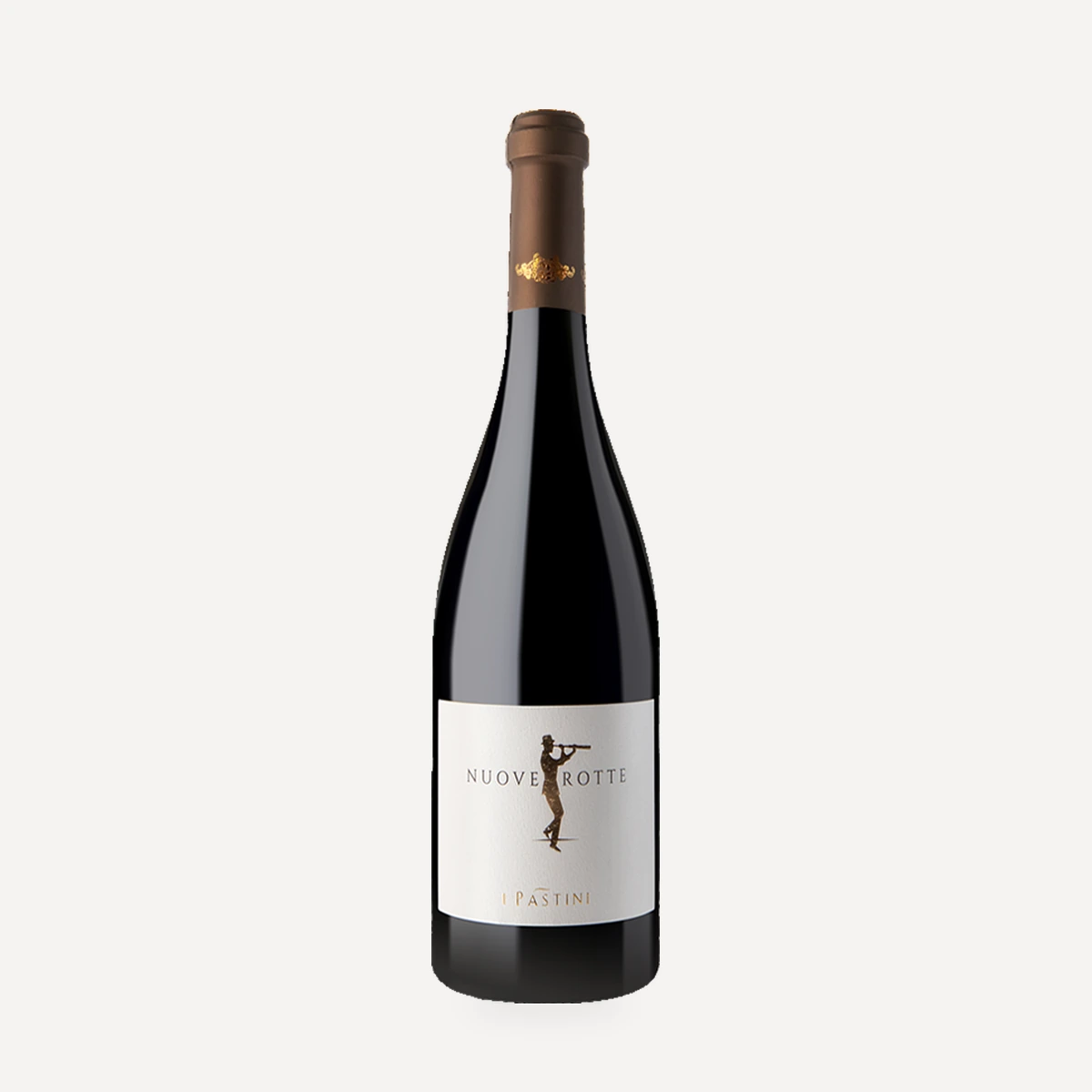
Nuove Rotte - Vino Rosso, Susumaniello/Primitivo Puglia IGP
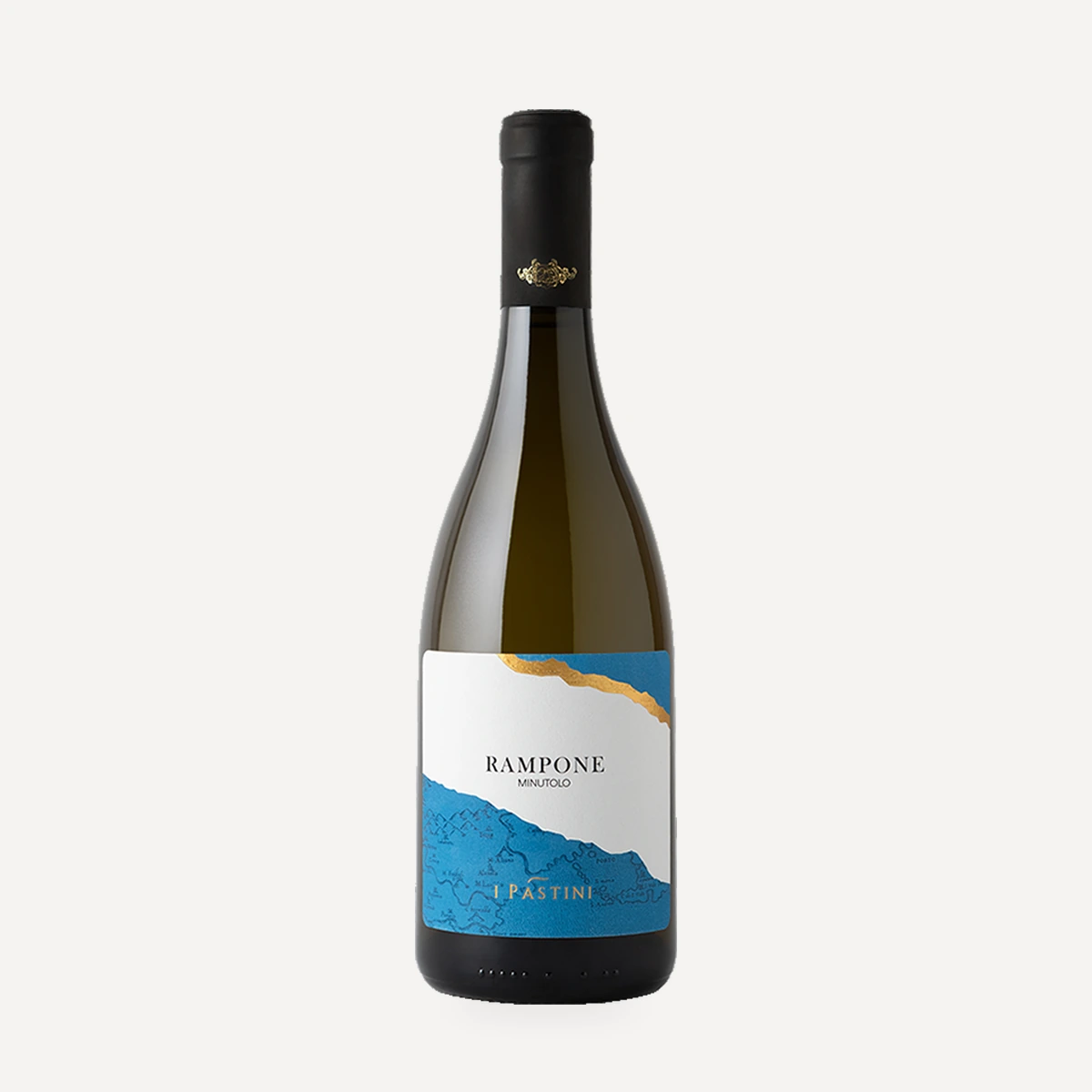
Rampone - Vino Bianco, Minutolo Valle d'Itria IGP