Storia
Foundation and early standing
Il Cascinone was founded in 1920 and became one of the leading estates around Acqui Terme devoted to Barbera d’Asti. Its vineyards occupied steep slopes that were inherently difficult to cultivate and maintain.
Decline in the second half of the twentieth century
During the second half of the twentieth century, the estate underwent a gradual period of abandonment. A substantial proportion of its vineyards was lost as cultivation receded from the demanding hillside terrain.
Acquisition and recovery
Araldica Group acquired Il Cascinone in 2001 with the objective of restoring the property. A long-term recovery programme followed, combining the rehabilitation of surviving old vineyards, extensive replanting and renovation of the cellars.
The new winery
A new production facility opened in 2004, enabling grapes to be vinified within the estate’s own cellar. The recovered property now comprises a contiguous 102-hectare holding, including 45 hectares under vine. Its modern identity combines the restoration of its historic viticultural landscape with research into varieties and the distinct conditions of its individual parcels.
Terroir
Il Cascinone occupies a single, contiguous 102-hectare property in the municipality of Acqui Terme, within Alto Monferrato. The estate contains 45 hectares of vineyards on a complex hillside landscape with numerous exposures and microenvironments.
The vineyards extend from east to west, receiving abundant sunlight. Strong day-to-night temperature variations help preserve acidity and freshness while supporting aromatic finesse and expressive potential.
Elevation ranges from 200 to 450 metres. Soils vary from parcel to parcel, alternating among marl, sandstone and clay. This combination of elevation, geological variation, exposure and localized microclimates supports markedly different expressions across the estate.
Steep gradients are a defining feature. They make vineyard management demanding and require many operations to be performed manually, but the conditions also favour concentrated grapes whose character is closely associated with individual parcels and their microclimates.
Vinificazione
The estate’s steep topography requires close vineyard management, with many operations carried out manually. Following the 2001 acquisition, a prolonged programme restored surviving old vineyards and replanted land lost during the preceding period of abandonment.
Il Cascinone also functions as an open-air research site. Its particular climatic conditions allow work with varieties that are uncommon in Monferrato, including Riesling and Pinot Nero. Projects devoted to the recovery and ampelographic study of Slarina and Baratuciat are conducted in collaboration with the University of Turin’s agricultural faculty.
The estate’s new production facility has vinified grapes in its own cellar since its inauguration in 2004. The cellar has historically placed particular emphasis on Barbera d’Asti, the emblematic wine of Monferrato.
The three Barbera d’Asti expressions are all produced as Superiore wines. Maturation employs barriques as well as large 35- and 70-hectolitre casks, using French wood and Slavonian oak. The broader contemporary range combines these oak-matured Barbera wines with varietal interpretations, experimental grapes, research-led cuvées and selections shaped by the estate’s varied soils and elevations.
Filosofia
Il Cascinone’s approach brings tradition and research together. The recovery of historic vineyards and the estate’s century-old viticultural identity are paired with experimentation involving varieties that are unusual in Monferrato.
The property is treated as an open-air laboratory in which soils, elevations, exposures and microclimates can be interpreted separately. Its stated aim is not limited to Barbera d’Asti: the range is intended to reflect the full diversity of the estate through oak-matured Barbera Superiore, fresh varietal wines, experimental grapes, research cuvées and parcel-sensitive selections.
The recovery and ampelographic study of Slarina and Baratuciat, undertaken with the University of Turin’s agricultural faculty, exemplifies this combination of local heritage and research.
Vini
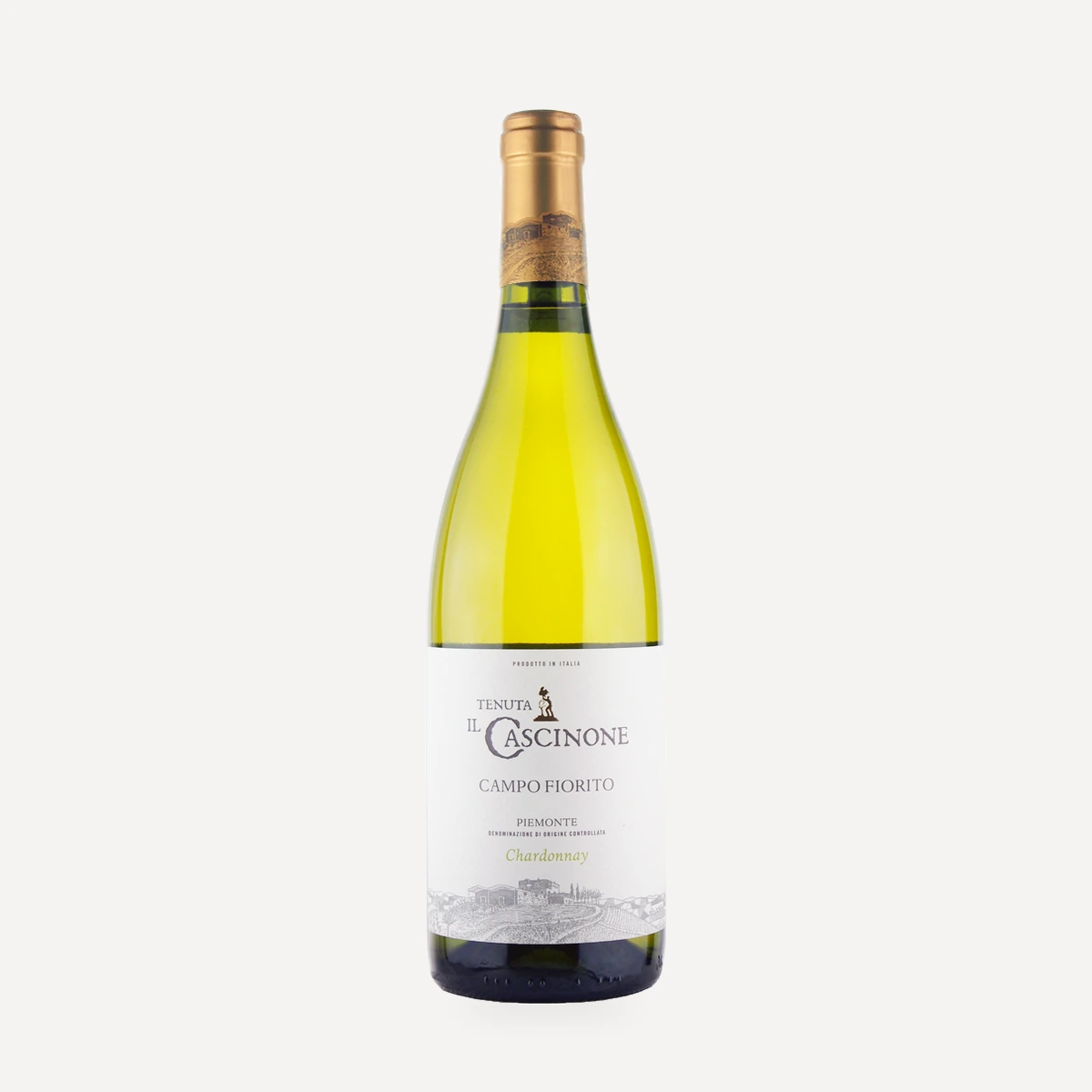
Campo Fiorito Piemonte DOC Chardonnay Il Cascinone
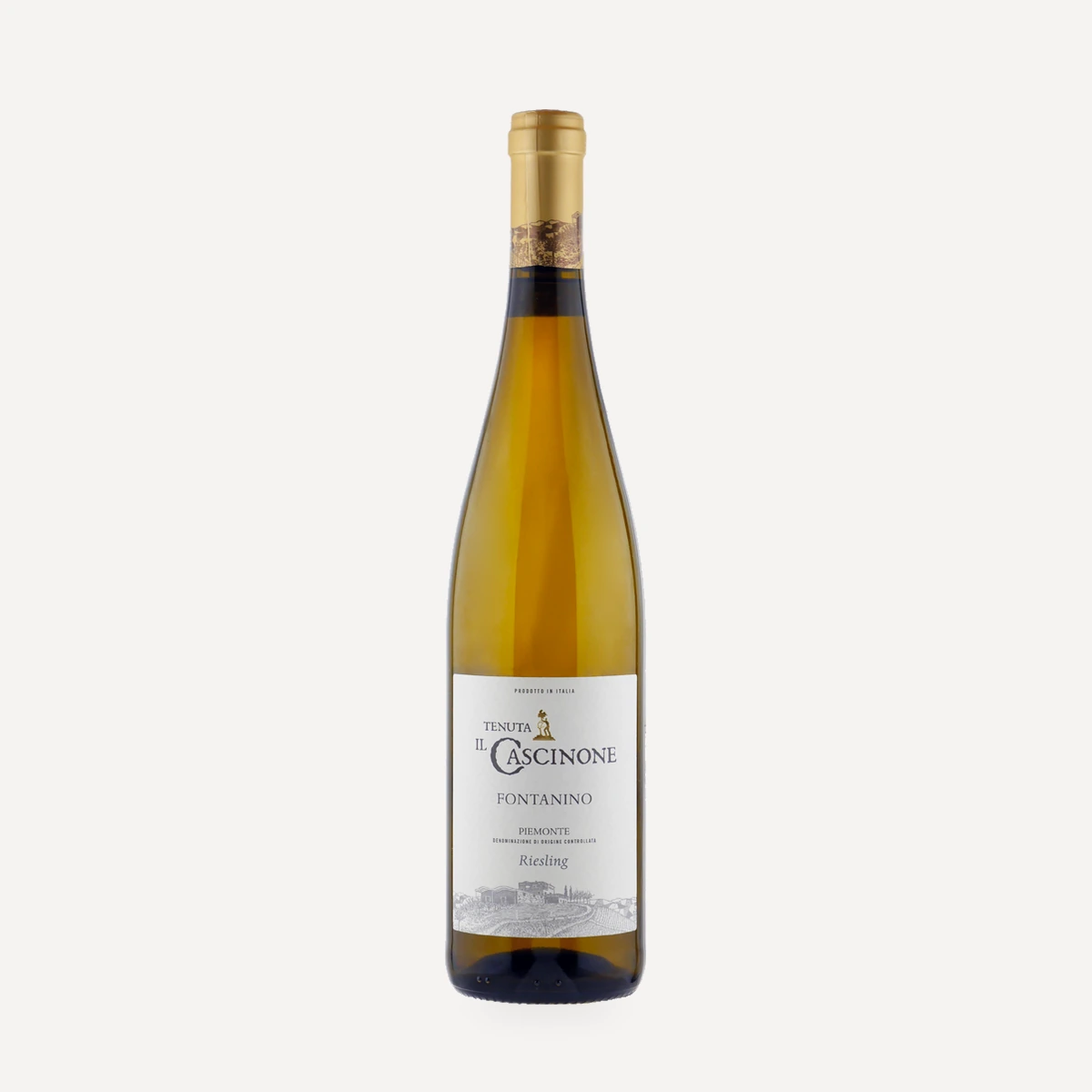
Fontanino Piemonte DOC Riesling Il Cascinone
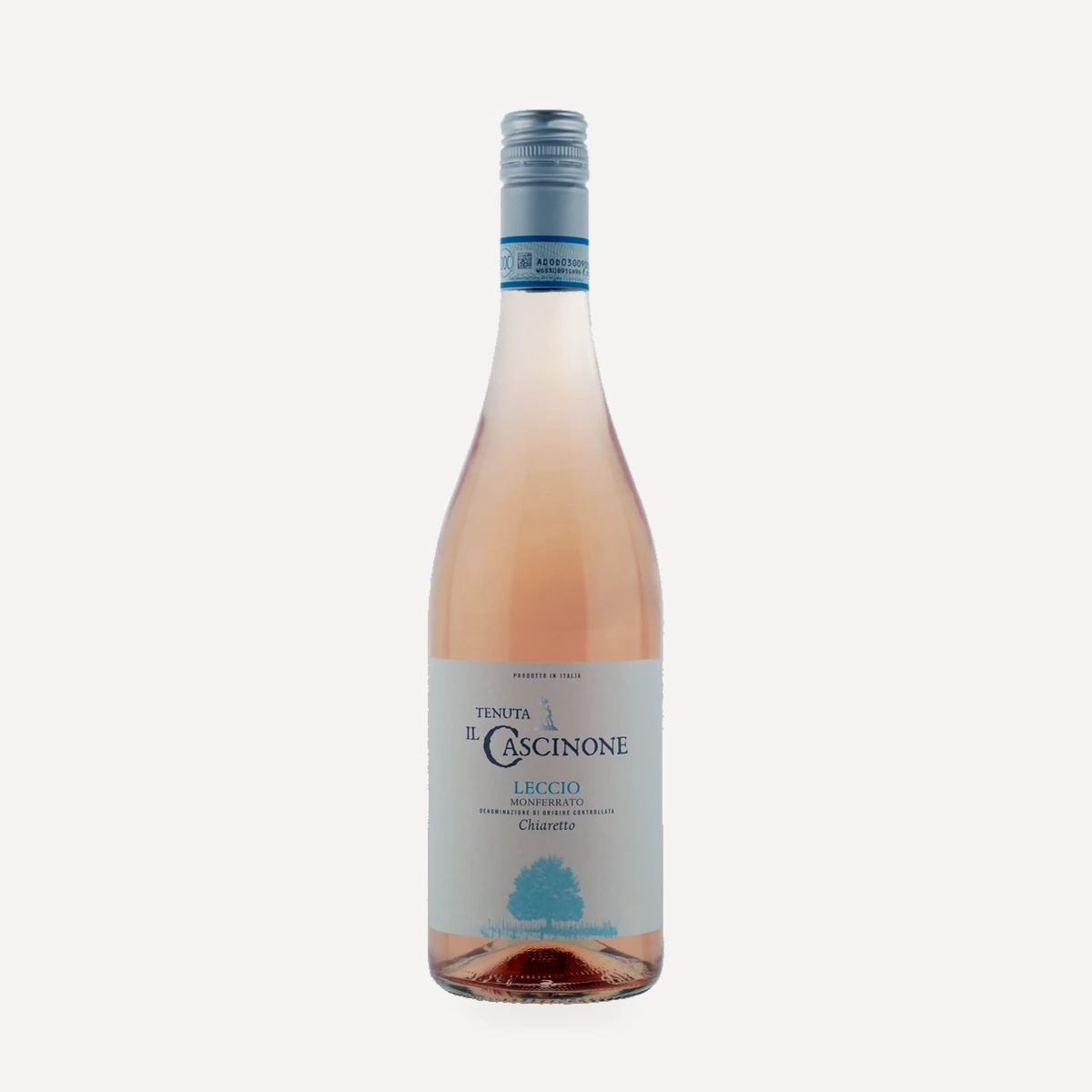
Leccio Monferrato DOC Chiaretto Il Cascinone
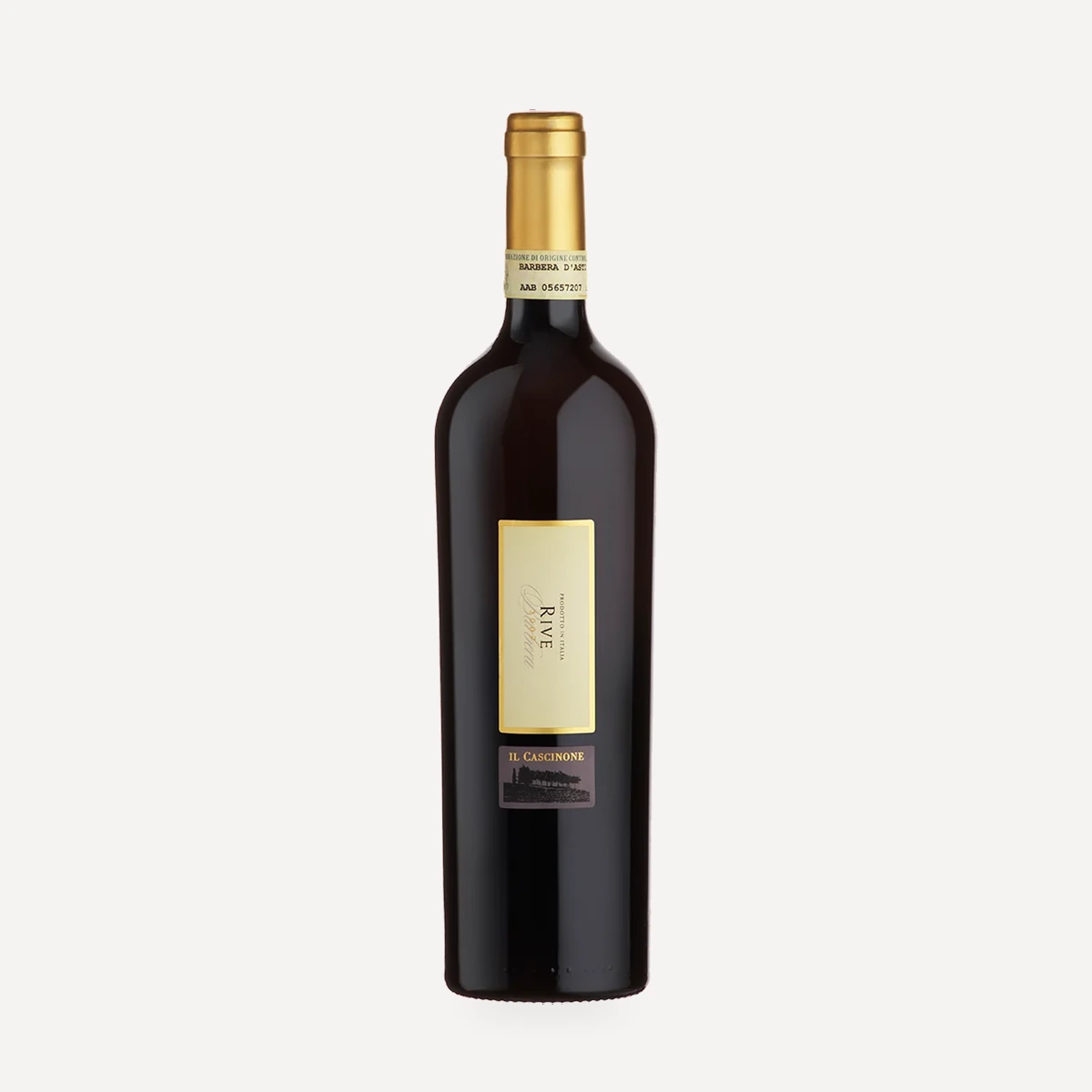
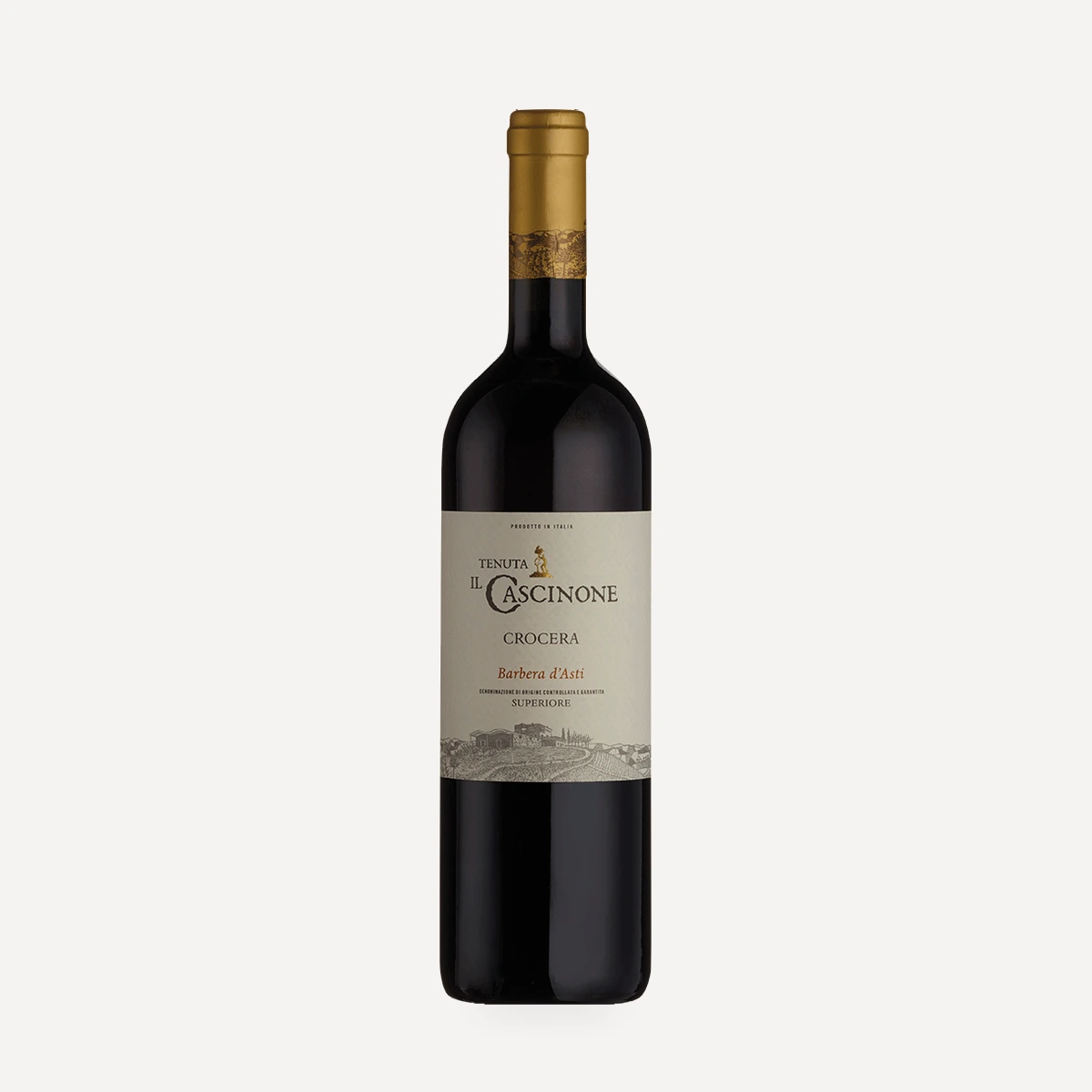
Il Cascinone Rive Barbera d’Asti Superiore DOCG
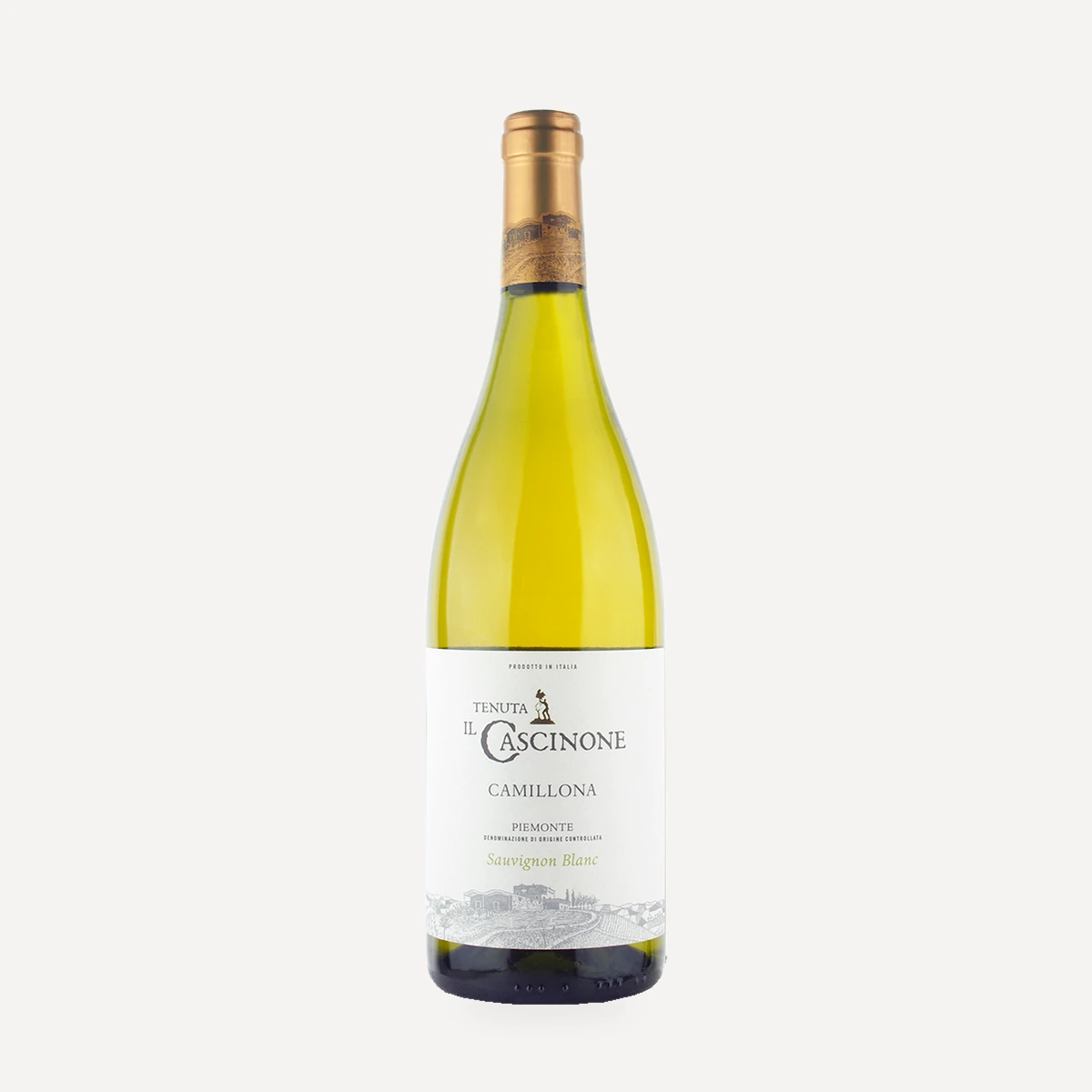
Camillona Piemonte DOC Sauvignon Blanc Il Cascinone