Storia
Sharecropping roots in the late 19th century
The Anichini family’s agricultural history begins around the end of the 19th century. Distant relatives worked a small holding in the Sienese countryside, near Castelnuovo Berardenga, as sharecroppers. Half of the harvest belonged to the landowner, including half of the demijohns of olive oil. The family’s livelihood was closely tied to farm produce: oil was even used to pay for medicines at the pharmacy.
The move to Cecione in 1961
In 1961, acting on a friend’s advice, Giuliano Anichini took on a larger farm at Panzano in Chianti—the property that would become Vallone di Cecione—with the aim of improving the family’s income. Although the move is described as an acquisition, the family continued under sharecropping conditions and had to surrender half of the crop to the landowner while supporting twelve people with the remainder.
In the early 1980s, the landowner told Giuliano that sharecropping was ending and proposed salaried employment. Giuliano refused because he wanted to remain independent and retain control over the organization of his work. Only one other farmer in the area reportedly made the same choice, while the others accepted wages and their greater income stability.
Purchase of the property in 1984
In 1984, during a period when urbanization was drawing many agricultural workers away from the countryside, the landowner offered to sell Vallone di Cecione to Giuliano. Giuliano initially lacked the required funds. He and his wife therefore worked for a year in the landowner’s restaurant, sometimes for as many as eighteen hours a day, until they had saved enough to complete the purchase.
The family preserved the mixed agricultural landscape rather than simplifying it. Dry-stone walls remained in place, while vines and olive trees continued to share the land.
Vineyard renewal from 1999
The family began replanting vineyards in 1999. In 2003, one entire hectare was renewed as thirteen small parcels. The olive trees within that hectare were retained, even though clearing them would have made the work easier. Cabernet Sauvignon was also planted in 2003, a decision Francesco Anichini later characterized as a youthful response to the period’s enthusiasm for international varieties.
Francesco Anichini and the transition to estate bottling
Francesco Anichini, Giuliano and Anna’s third child, joined the estate in 2001 and began working there full-time with his parents’ support. During an initial apprenticeship, the family continued selling its wine in bulk or by lot through the 2003–2004 period.
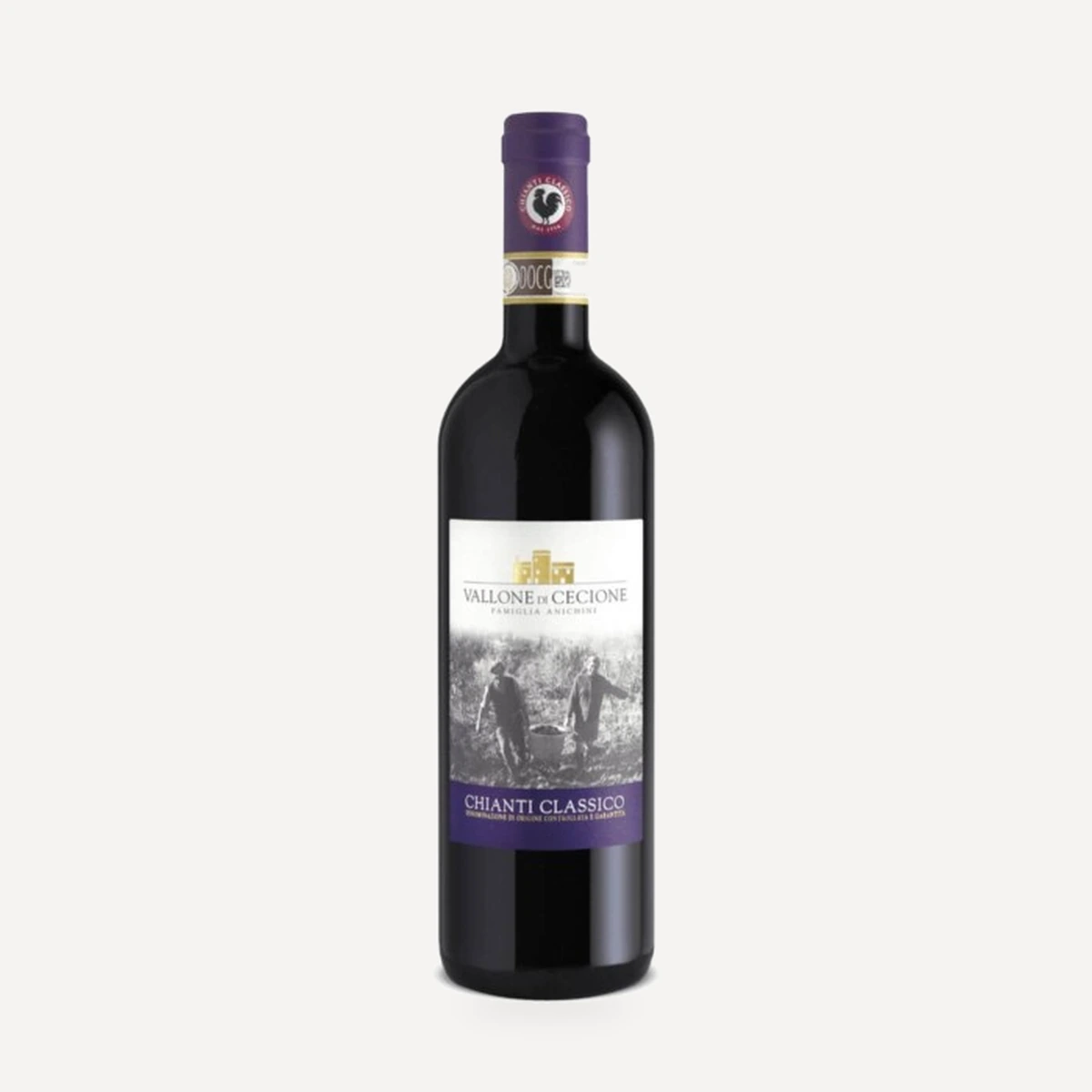
The 2004 vintage became the first bottled at the estate. Francesco oversaw the project, including the label, which used a 1975 photograph of his parents carrying their first plastic harvest tub uphill through the vineyard. Production began at approximately 1,000 bottles and subsequently reached about 15,000 bottles, opening markets that included the United States and allowing the estate to attend major trade fairs, including Vinitaly.
Organic certification and varietal projects
Long before certification, the fields were managed without herbicides or chemical fertilizers. Francesco progressively incorporated organic and biodynamic methods, working with agronomist Adriano Zago. The estate received organic certification in 2015 while continuing to apply biodynamic practices without biodynamic certification.
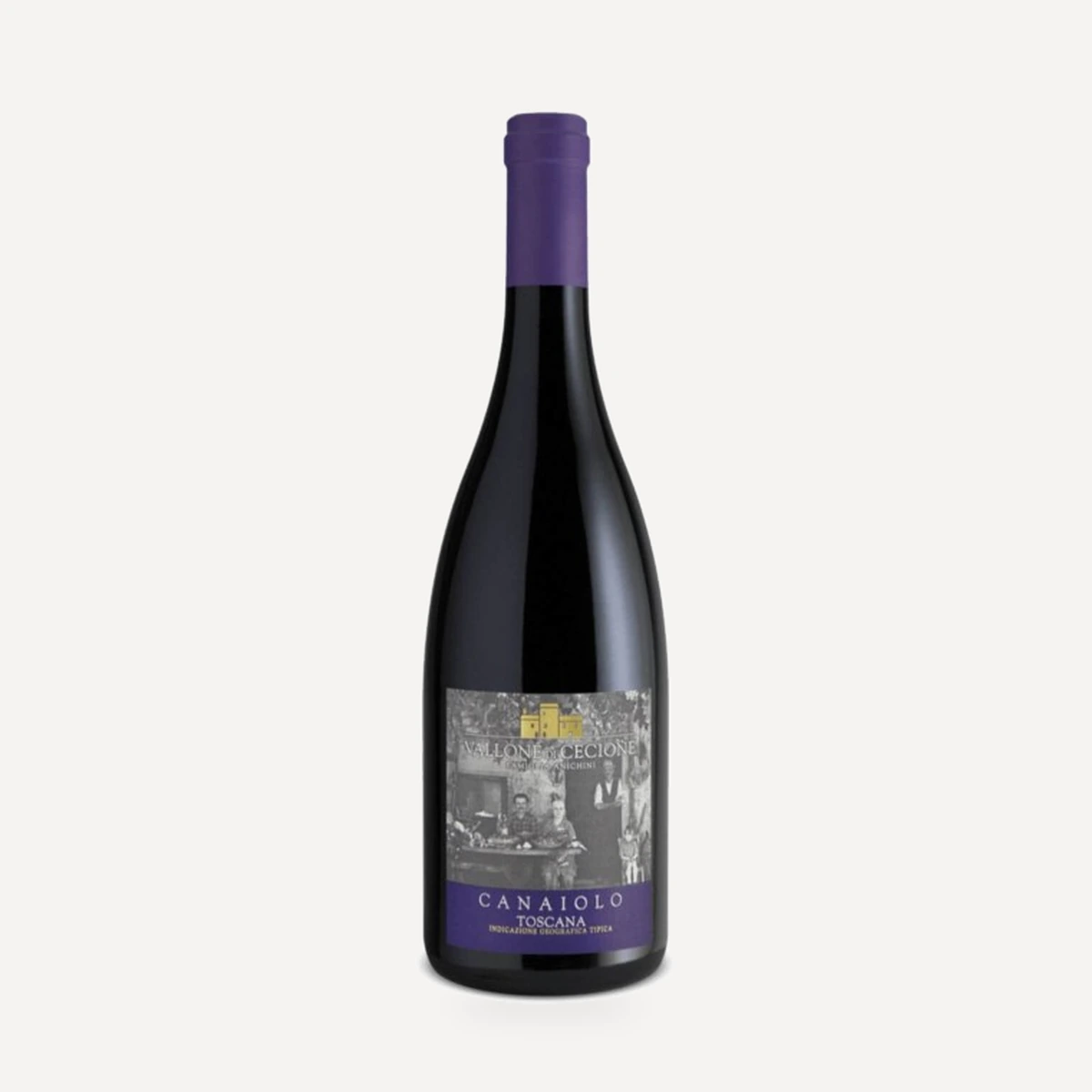
In 2015, the family also began producing a varietal Canaiolo, initially in a quantity of approximately 3,000 bottles. The project revived a grape that had long grown on the property and that Francesco’s grandfather Giovanni had valued both for everyday wine and for schiacciata con l’uva.
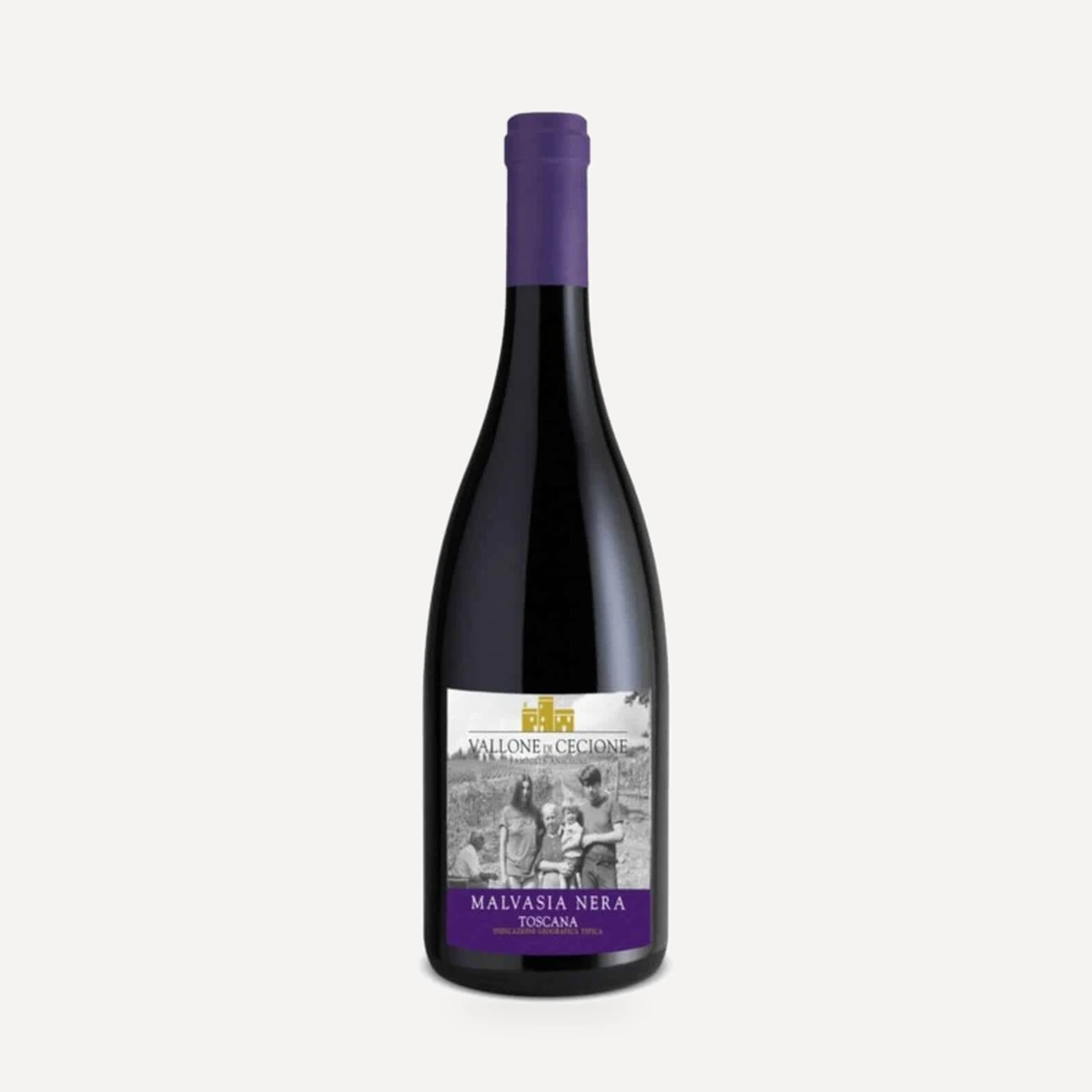
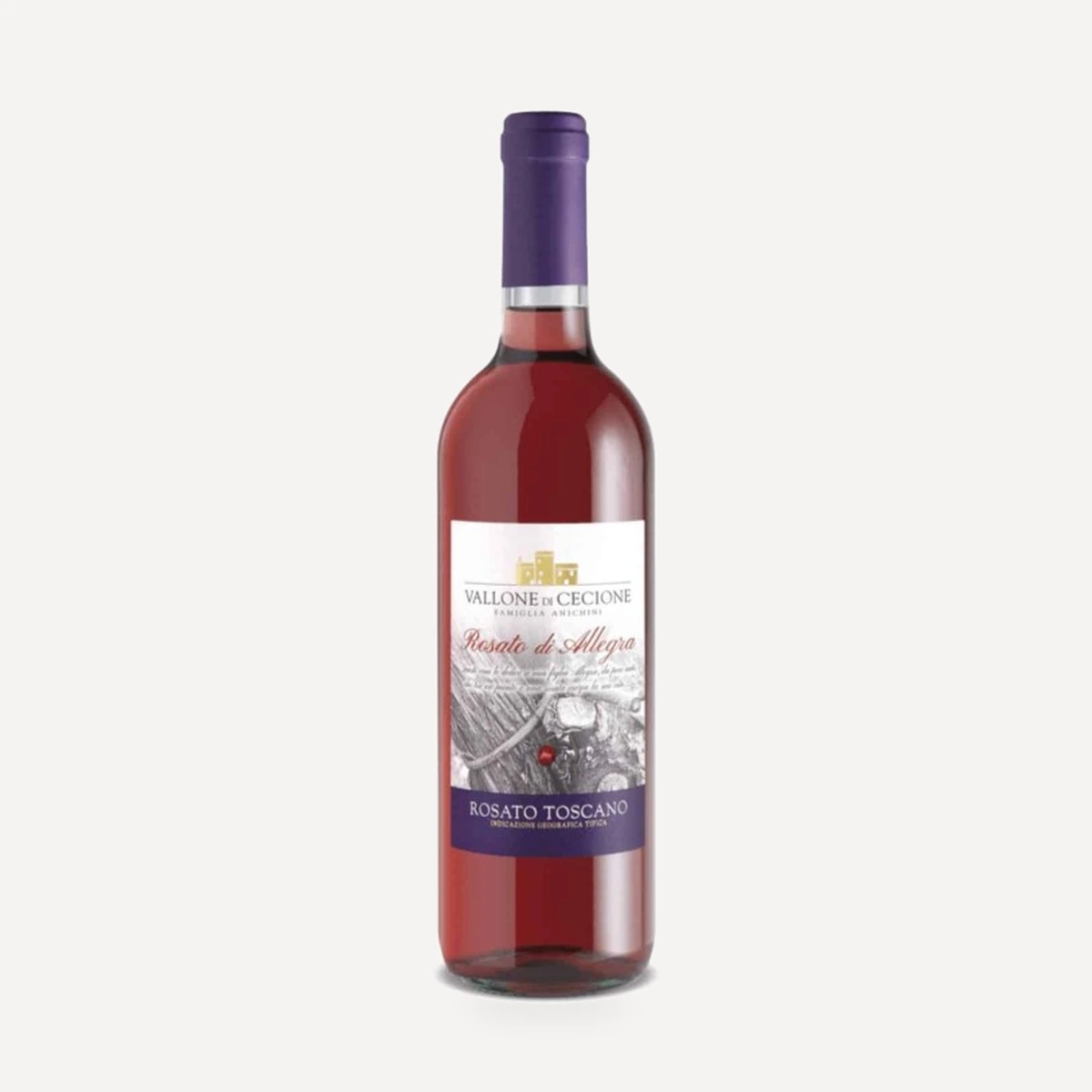
Other bottlings developed from particular family places and stories. Campo dell’Orzo recalls the field where Giovanni kept his vegetable garden and grew barley for the family’s animals. Rosato di Allegra and the lower-lying Vigna Allegra are associated with Francesco’s daughter, Allegra. Malvasia Nera from Vigna Allegra was later vinified separately in a very small run. XX Incanti was conceived to celebrate Francesco’s twentieth harvest as a winegrower by bringing together Sangiovese, Canaiolo and Malvasia Nera in the manner of the estate’s earlier mixed-grape everyday wines.
The family story in print
In 2022, Francesco Anichini published La luce incantevole di Cecione. The book follows the family’s path from sharecropping to ownership of the farm, the sacrifices and everyday pleasures of rural life, and the estate’s development under Francesco from the beginning of the 2000s. Wine is presented both in its former role as an everyday food and in its later pursuit of higher quality without losing its agricultural identity.
Terroir
Il Vallone di Cecione lies a few kilometres from Panzano in Chianti, in the Conca d’Oro di Panzano and within the Chianti Classico Gallo Nero area, close to the boundary between the provinces of Florence and Siena. The vineyards occupy small fields around the family’s old farmhouse in the Cecione valley.
The vines stand at approximately 460 metres above sea level. Their prevailing exposure is southeast, with regular sunlight and wind. Francesco Anichini identifies the elevation, airflow and exposure as important natural aids against fungal pressure and as conditions that make organic cultivation comparatively manageable.
The vineyard soils are described as clay-inclined and of medium texture. The Conca d’Oro is associated with favourable solar exposure and soil composition. Within the estate, elevation varies: Vigna Allegra occupies the lower part of the property.
The agricultural landscape remains mixed rather than being devoted exclusively to vines. Dry-stone walls survive, and vineyards are interspersed with olive trees. This continued coexistence of vines, olives and historic field divisions is central to the family’s understanding of terroir as an interaction between people and their environment.
Vinificazione
All production is organically farmed, with certification obtained in 2015. Current wine labels identify the control code IT-BIO-014 and Italian agricultural origin. The estate also follows biodynamic principles without claiming biodynamic certification.
The vineyards have long been managed without herbicides or chemical fertilizers. Instead of conventional fertilizers, the family uses green manures and alternates seeded rows. Mixtures have included rocket, clover, broad bean or favetta, mustard, horseradish and peas, which contribute organic matter, while barley is used for a cooling or balancing effect on the soil. The mixtures are varied from year to year in consultation with the agronomist.
Biodynamic work has included dynamized manure preparation E500, intended to improve soil receptiveness and fertility, and dynamized silica preparation E501, applied to foliage at dawn to strengthen the interaction between sunlight and leaves. Francesco Anichini began these practices around 2013–2014 and associated them with healthier vineyards while acknowledging the decisive influence of each season and its weather.
Copper and sulfur inputs are deliberately restricted. In 2016 Francesco reported applying a little over 1 kg of copper per hectare per year, compared with the stated organic limit of 6 kg/ha/year. A separate 2017 account placed the maximum below 1.5 kg/ha. Natural alternatives include propolis, nettle and chamomile infusions, and seaweed macerates. Sulfur is partially replaced by preparations based on nettle, propolis and algae. Sexual confusion is used to manage insect populations.
The estate’s elevation of approximately 460 metres, southeast exposure, steady sunlight and wind assist in limiting fungal disease. Increasing numbers of insects, bees and ladybirds in the vineyards are treated as signs of the ecological effects of this approach.
Grapes are harvested manually into crates. Across the current range, picking is generally described as taking place between the last week of September and the first week of October. Typical reported yields are 55–60 q/ha. The main training systems are arco toscano and cordone speronato.
The cellar approach is based on native fermentations and minimal additions. Francesco Anichini eliminated commercial yeast additions after a period of experimentation; current specifications consistently describe fermentations with indigenous yeasts. Apart from sulfur dioxide, the wines are presented as being made without other additions. In 2016, sulfur use was reported as 60–70% below the maximum permitted by the Chianti Classico consortium.
The cellar uses several vessels according to the material and intended expression: stainless-steel vats, concrete tanks, large oak casks and terracotta amphorae. Fermentation may last approximately 10–21 days for shorter macerations or about 40 days on the skins for longer-macerated wines. Some lots remain on their own lees for approximately one to four months. Maturation across the range includes concrete, stainless steel, six months in terracotta, large oak, and periods of one to two years in oak. Bottle maturation is also used, including a minimum four-month period for the estate’s principal Sangiovese–Canaiolo bottling.
A rosato is made by separating part of the fermenting Sangiovese juice through salasso after about one day of skin contact, then completing approximately twenty days of alcoholic fermentation without the skins in stainless steel. The winery’s broader objective is to preserve the character of the vintage, climate and land rather than construct a standardized competition-oriented style.
Filosofia
The family understands terroir broadly as the relationship between human work and the environment. Preserving dry-stone walls, olive trees among the vines and the estate’s small-scale field pattern is part of that relationship. When one hectare was replanted as thirteen parcels in 2003, the olive trees were retained even though their removal would have simplified the work.
Francesco Anichini combines modern agricultural knowledge with inherited Chianti farming traditions. Organic certification provides the formal framework, while biodynamic preparations, green manures and very low copper use are intended to create living, receptive soils and healthy vines. Biodynamic practice is treated as a working philosophy rather than a certified commercial claim.
In the cellar, native fermentation, restrained sulfur use and the avoidance of unnecessary additions are intended to allow each wine to reflect its year, climate and place. Francesco moved away from the idea of making a wine primarily for sommeliers or awards. His stated aim is to bottle the genuine character of the territory and to make wines that give pleasure at the table and invite drinking.
Family memory is carried through the estate’s places, wine names and labels. Photographs of parents, grandparents, neighbours and harvest life connect the present range with the family’s sharecropping past. Traditional grapes such as Canaiolo and Malvasia Nera are treated not merely as blending components but as expressions of the family’s farming roots.
Vini
Chianti Classico GiuliAnna
Malvasia Nera IGT
Rosato di Allegra IGT
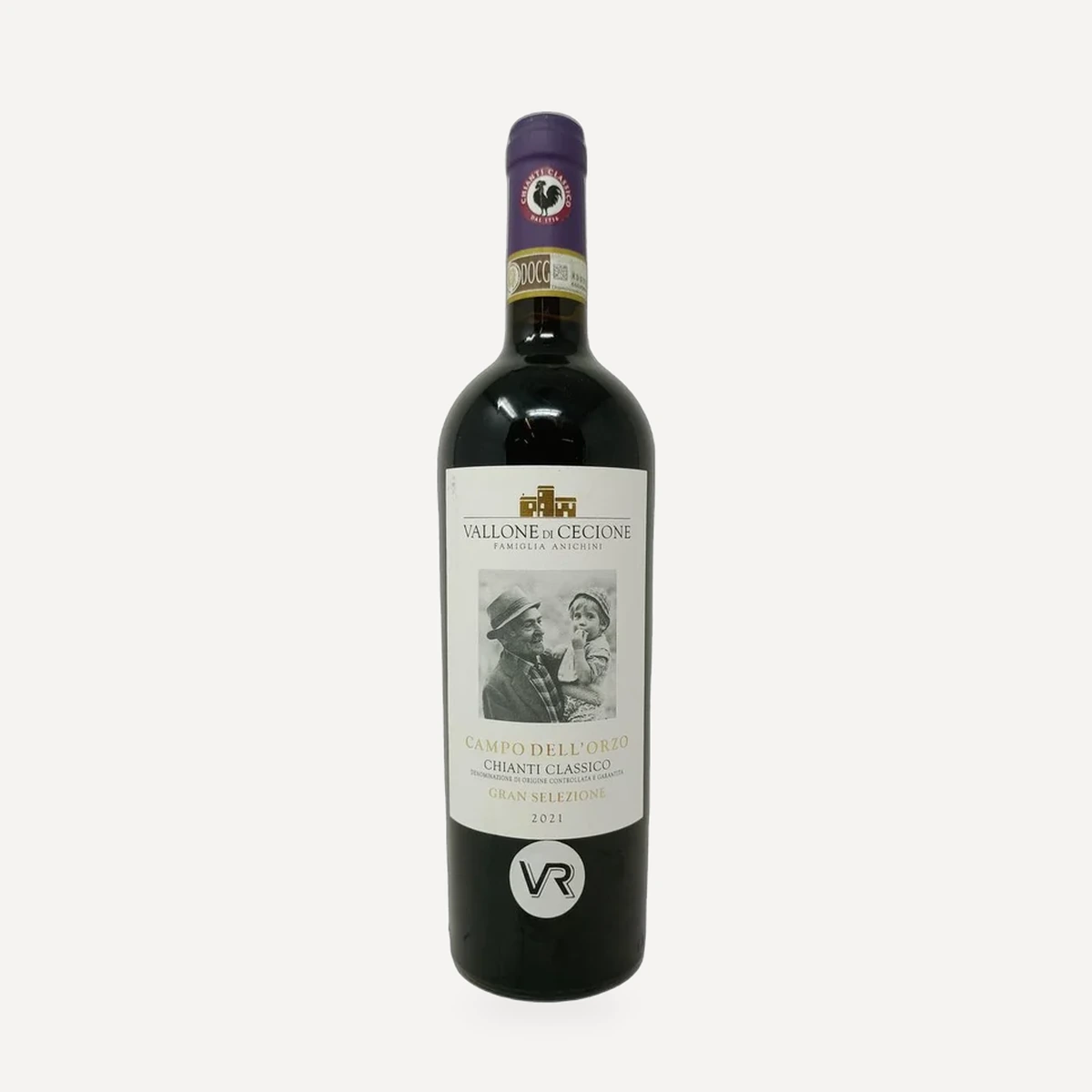
“Campo dell’Orzo” Chianti Classico Gran Selezione