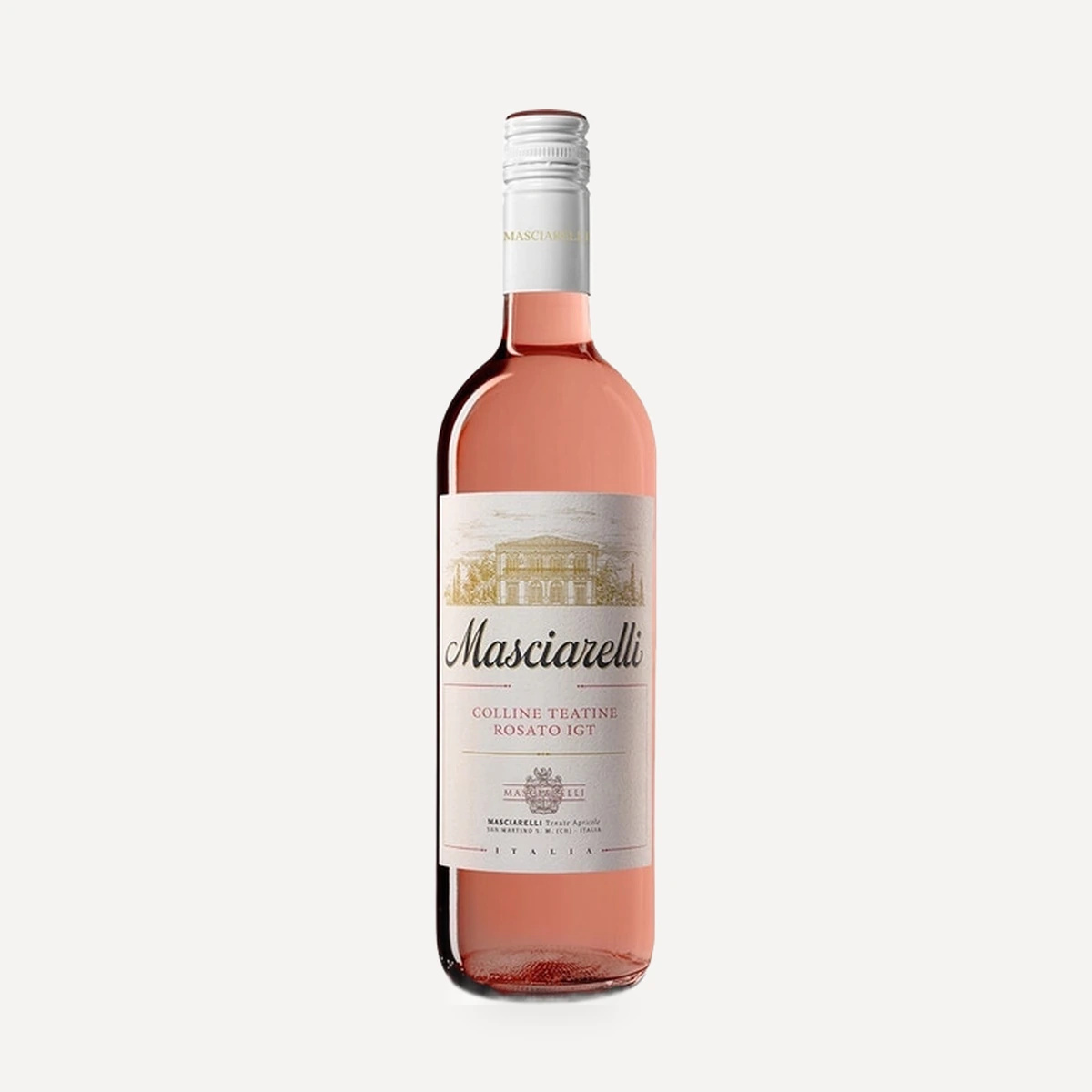
Storia
Origins and first experiments
Gianni Masciarelli inherited his interest in vines and wine from his maternal grandfather, Umberto. At the age of twenty, a summer harvest in Champagne and direct contact with local récoltants helped define his path. In the late 1970s, while still in his early twenties, he began experimenting with grapes and set out to demonstrate the potential of Abruzzo’s native varieties. He started with 2.5 hectares in the province of Chieti and introduced planting, cultivation, vinification and maturation techniques learned in France, challenging prevailing local practice.
1981–1987: establishment and early growth
Masciarelli Tenute Agricole was formally founded in 1981 at San Martino sulla Marrucina. Its first vintage comprised 700 bottles of Montepulciano d’Abruzzo and 1,300 bottles of Trebbiano d’Abruzzo. By 1983, production had reached 9,000 bottles.
Gianni became the first producer to introduce Guyot training in Abruzzo and to use French-oak barriques for ageing Montepulciano d’Abruzzo and Trebbiano d’Abruzzo. He continuously studied contemporary techniques and the characteristics of Abruzzo, selecting older, naturally less-productive vineyards. He described the business as having two cellars: the built winery and, more importantly, the vineyard beneath the open sky.
The first Villa Gemma Rosso was made in 1984 from selected Montepulciano grapes grown at San Martino sulla Marrucina. It became a vehicle for Gianni’s experiments with a new approach to vinification and the development of his own style.
Gianni met Marina Cvetic abroad in 1987. Their relationship developed into both a personal and professional partnership that accelerated the company’s international development. They married in 1989, the same year Marina became commercial director and began concentrating on export markets and the creation of a more managerial company structure.
1990s: new varieties and the Marina Cvetic range
Cabernet Sauvignon entered production in 1990. In 1991, Gianni created the Marina Cvetic range in honour of his wife. Marina directly coordinated its production and shaped its character. The range joined Montepulciano and Trebbiano with varietal wines from international grapes, including Cabernet Sauvignon, Merlot, Chardonnay and Syrah. Chardonnay, planted around the end of the 1980s in Bucchianico and San Martino sulla Marrucina, was the first international variety planted by Masciarelli in Abruzzo.
The company’s experimentation also extended to its principal cru. Villa Gemma Montepulciano was vinified in stainless steel through 1996, in wood from 1997 and again in stainless steel from 2012, while continuing to mature in new French-oak barriques.
2000–2009: recognition, succession and hospitality
In 2000, the 1995 Villa Gemma Montepulciano d’Abruzzo was named Best Wine of Italy by the Gambero Rosso/Arcigola guide—the first Montepulciano to receive that distinction. Masciarelli was named Best Winery of Italy in 2004.
The company acquired Castello di Semivicoli, a seventeenth-century baronial residence, and undertook a conservative restoration from 2004 to 2009. Historic functions and architecture were retained while the former oil mill, storage rooms and ground-floor barrel room became hospitality, event and tasting spaces. The piano nobile was arranged for dining, relaxation, reading, conversation and tasting, while guest rooms were created beneath the roof. Marina Cvetic directed an interior scheme combining period furnishings with contemporary design.
In 2008, Marina Cvetic Masciarelli and Miriam Lee Masciarelli assumed responsibility for Gianni’s project and the management of the company. Marina, already commercial director since 1989, took full responsibility for marketing and business management. Their subsequent shared leadership increased production and the number of markets reached, expanded the Gianni’s Selection distribution portfolio, established Castello di Semivicoli as a regional wine-tourism centre and developed the Masciarelli Food range.
The business adopted the legal form Azienda Agricola Masciarelli s.a.s. in 2008.
2010–2014: experimentation, infrastructure and corporate reorganisation
During the 2010 harvest, Marina and the team used two previously unused 700-litre French-oak tonneaux purchased by Gianni. A white and a red wine were vinified and matured in them for 30 months, producing approximately 900 hand-numbered bottles of each and giving rise to La Botte di Gianni.
In 2012, a technologically upgraded bottling, labelling, packing and packaging facility began operating at Campotrino in San Martino sulla Marrucina after a major expansion project. The original site on Via Gamberale remained the winery for grape reception, quality control, crushing, maceration, fermentation and maturation.
A revaluation of the company’s assets in 2013 resulted in the creation of Masciarelli Tenute Agricole s.r.l., a single-member limited-liability company administered by Marina Cvetic Masciarelli. The company’s formal activity under this corporate structure began on 8 October 2013.
The Gianni Masciarelli line was launched in 2014 at Marina’s initiative as a tribute to Gianni. Its Montepulciano, Trebbiano and Cerasuolo were based on grapes from Loreto Aprutino. On 31 July 2014, the company obtained certification for its environmental-management system, now maintained to the UNI EN ISO 14001:2015 standard through Bureau Veritas.
Subsequent development
Masciarelli expanded from its original 2.5 hectares to more than 60 vineyard parcels distributed across all four provinces of Abruzzo. The current viticultural map extends from Chieti and Pescara through Teramo to the mountain environment of L’Aquila. The winery’s heart remains San Martino sulla Marrucina, while vineyards and olive groves are distributed throughout the region.
The company also obtained registration under the EU Eco-Management and Audit Scheme, becoming the ninth Italian wine company to join EMAS. Its current environmental system covers the winery and the Campotrino bottling facility.
In 2021, marking 40 years of activity, the family launched the Masciarelli Art Project at Castello di Semivicoli. Its first three editions brought Job Smeets, Marcantonio and Agostino Iacurci to the estate for artist residencies and site-specific works.
Under Marina Cvetic and Miriam Lee Masciarelli, production has developed to more than two million bottles per year. The current portfolio comprises 22 labels in seven ranges, accompanied by a small production of extra-virgin olive oil and a Food project encompassing oil, grappa, cooked-must condiment and aromatic salts.
Terroir
A regional mosaic
The vineyards are divided among more than 60 parcels across the provinces of Chieti, Pescara, Teramo and L’Aquila. Abruzzo descends rapidly from the Apennine massifs through hills to the Adriatic, producing sharp changes in altitude, climate and soil over short distances. The technical team’s approach has been to match each native or international variety with sites whose pedoclimatic conditions emphasise its character.
Chieti
In the inland part of Chieti, the hills lie between the Adriatic and the Majella massif, which rises to approximately 2,700 metres. These two influences can produce summer day-to-night temperature changes of as much as 15°C and a generally cooler microclimate than elsewhere in the province. Soils have a strong calcareous component, while numerous rivers, streams and springs create varied microclimates and ecological niches.
The northern part of the province is drier, while the south has softer relief and scattered settlements. Limestone mountain formations give way to sub-Apennine hills and imposing calanchi. Woodlands and high biodiversity form natural buffers around agricultural land. The coast alternates sandy, pebbly and rocky sections along the Costa dei Trabocchi.
Bucchianico’s vineyards stand near prominent calanchi whose pale surfaces reflect sunlight towards the vines; Mediterranean scrub is also present. Casacanditella contains a convergence of springs. San Martino sulla Marrucina has abundant springs and year-round water availability, and most vineyards border natural woodland. Ripa Teatina is identified as a long-established Città del Vino.
Pescara
The province extends in a wedge from the Adriatic to the central Apennines. Its outer coastal and hill zone is dominated by clay ridges descending towards the sea, while its interior consists of carbonate mountain massifs. The terrain incorporates the northeastern Morrone, the northwestern Majella with deep valleys and canyons, and the southeastern extremities of Gran Sasso.
At Loreto Aprutino, vineyard slopes lie between the sea and the Calderone glacier. Clay and silty soils combine with a Mediterranean climate. A persistent airflow moderates hot summer days and favours gradual tannin maturation; the vineyards also receive cool breezes from the Adriatic. The general estate description places the slopes at about 200 metres, while the dedicated Loreto Aprutino entry gives an altitude of 350 metres, reflecting different sites within the area.
Teramo
Teramo occupies the eastern side of the Abruzzo Apennines. The Gran Sasso and Monti della Laga dominate its western side, while valleys and predominantly low hills descend gently towards the Adriatic. The province is largely hilly and crossed by rivers including the Vomano. The coast has a Mediterranean climate and lies approximately 10–20 kilometres from many vineyard areas.
Average daytime temperatures are generally warmer because of proximity to the sea. Soils are predominantly clay and are often red in colour. Montepulciano grown here is associated with the estate’s description of a maritime expression marked by substantial tannins and rounded structure.
L’Aquila and Ofena
L’Aquila is Abruzzo’s landlocked, predominantly mountainous province, arranged parallel to the coast and structured by former lake plateaus enclosed by Gran Sasso, Monti della Laga, Sirente-Velino, the Simbruini, Cantari and Ernici mountains, Majella, Monti Marsicani and Monti della Meta.
Ofena lies about 70 kilometres from the main winery, close to Gran Sasso. The broad plain has strong exposure and friable alluvial-terrace soils with a high gravel content. Gran Sasso blocks the maritime breeze, helping produce the high summer temperatures behind Ofena’s nickname, the “oven of Abruzzo.” Winters can be very cold and summers very hot, but constant ventilation from the Gran Sasso chain moderates extremes. A dry climate and pronounced day-to-night temperature variation complete the site’s defining conditions.
Vinificazione
The vineyard holdings extend across more than 60 parcels at altitudes ranging broadly from about 200 to 500 metres, with individual descriptions reaching approximately 600 metres at Ofena. Both traditional pergola abruzzese and Guyot systems are employed. Gianni Masciarelli pioneered Guyot training in Abruzzo and deliberately selected older, less-productive vineyards as part of his quality strategy.
Viticultural decisions are site-specific: the technical team identifies parcels whose soil and climate suit the intended expression of each native or international variety. High planting density is used in important sites such as Colle Cave, where approximately 9,000 vines per hectare limit individual-vine production. Stated yields range from 50 quintals per hectare at Colle Rosina to 60–80 quintals per hectare at Colle Cave, with other sites and wines carrying their own targets.
Biodiversity has a practical role at San Martino sulla Marrucina. Vineyards are positioned beside natural woods, which act as barriers against wind and insects and contribute to soil and ecosystem health. Springs provide year-round water availability at San Martino, while Casacanditella has a notable concentration of natural water sources. Hand harvesting in crates is identified for the Colle Cave cru, beginning in the second half of October and sometimes continuing into November.
The company operates ISO 14001:2015 and EMAS environmental-management systems covering wine production and the Campotrino finishing facility. Environmental work includes monitoring and optimisation of water, electricity and thermal-energy consumption, together with the management of processing residues, effluent and waste. A dedicated environmental function coordinates monitoring, regulatory compliance and improvement programmes. Masciarelli was the ninth Italian wine company to register with EMAS.
Winery organisation
The main winery at Via Gamberale in San Martino sulla Marrucina receives the grapes and conducts incoming quality control, crushing, maceration, fermentation, vinification and maturation. Wines are matured in stainless-steel tanks, wooden vats and fine-oak barriques. Separate spaces include the Bottaia dal Cielo Stellato, dedicated to Gianni Masciarelli; the Bottaia dei Rossi, containing more than 1,000 French-oak barriques; and the Bottaia dei Bianchi.
A separate facility at Campotrino, opened in 2012 after an expansion and technological-upgrade project, handles bottling, labelling, packing and packaging.
Cellar methods represented across the portfolio
Production is adapted to variety, vineyard and range. Stainless steel is used for controlled-temperature fermentation, fresh styles and maturation. Selected whites undergo low-temperature maceration or 12-hour cryomaceration in the press, followed by fermentation in French-oak barriques. Some mature on their lees with frequent bâtonnage before bottle ageing.
Red-wine techniques include stainless-steel fermentation, macerations ranging from approximately 15 to 30 days in identified examples, full malolactic fermentation for Villa Gemma Montepulciano and maturation in French oak. French-oak barriques may be new or first- and second-use, depending on the wine. Identified maturation regimes range from more than one year to 18–24 months in barrique, followed in some cases by extended bottle ageing.
Villa Gemma Montepulciano illustrates the evolution of the cellar’s methods: it was vinified in stainless steel through 1996, in wood from 1997 and again in stainless steel from 2012. Fermentation lasts approximately 15–20 days, followed by 20–30 days of maceration, complete malolactic fermentation, 18 months in new French-oak barriques and at least 24 months in bottle.
For La Botte di Gianni, two 700-litre French-oak tonneaux purchased by Gianni were put into service for the 2010 harvest. A white and a red wine were vinified and matured in the vessels for 30 months. Each resulted in a highly limited edition of about 900 bottles, numbered by hand.
Filosofia
Masciarelli’s founding objective was to raise the status of Abruzzo’s native grapes while preserving their connection to place and giving them an international dimension. Gianni pursued that objective through continuous experimentation: studying modern techniques, identifying the region’s oldest and least-productive vineyards and introducing practices learned in France. His distinction between the built cellar and the more important “cellar beneath the sky” placed the vineyard at the centre of quality.
The current approach combines innovation with respect for the environment and inherited regional traditions. Native Montepulciano, Trebbiano, Cerasuolo, Cococciola and Pecorino remain central, while carefully placed international varieties demonstrate the range of Abruzzo’s different terroirs. Quality is treated as the result of precise relationships among parcel, variety, climate and cellar method rather than a single regional formula.
Marina Cvetic and Miriam Lee Masciarelli have continued Gianni’s project while expanding its managerial, international, environmental and cultural dimensions. Marina’s guiding expression—“Land, sky and vineyards are a life therapy”—connects the working estate to hospitality and wine tourism. The company’s stated environmental responsibility focuses on protecting the ecosystem on which production depends, continuously improving measurable performance and reducing impacts on the business, local community and customers.
Family continuity, attachment to Abruzzo, openness to other cultures and continuous innovation form the recurring principles of the company’s self-description. This also extends to art, hospitality, food products and the distribution of small producers whose work reflects craftsmanship and environmental respect.
Vini
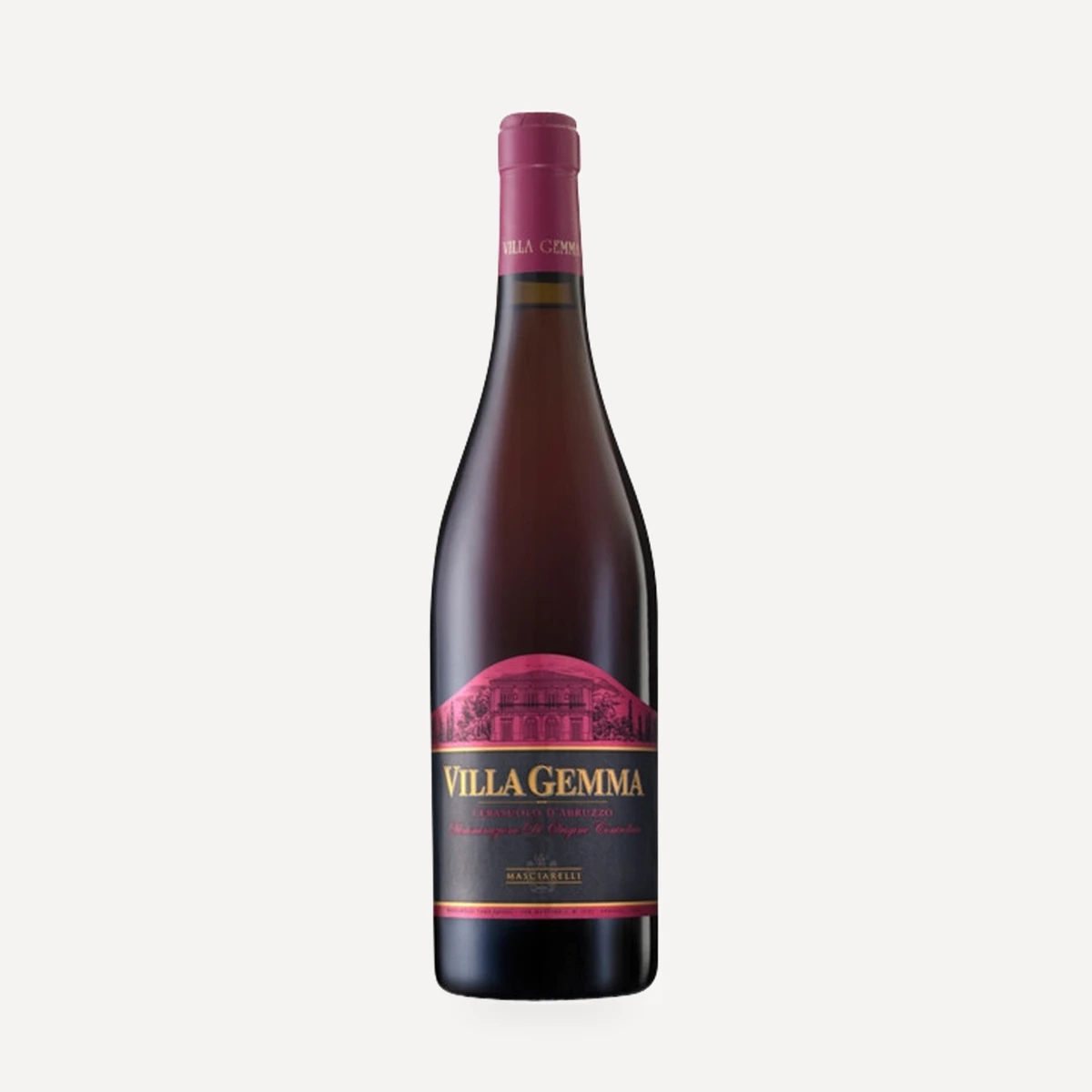
Villa Gemma Cerasuolo d’Abruzzo Superiore DOC
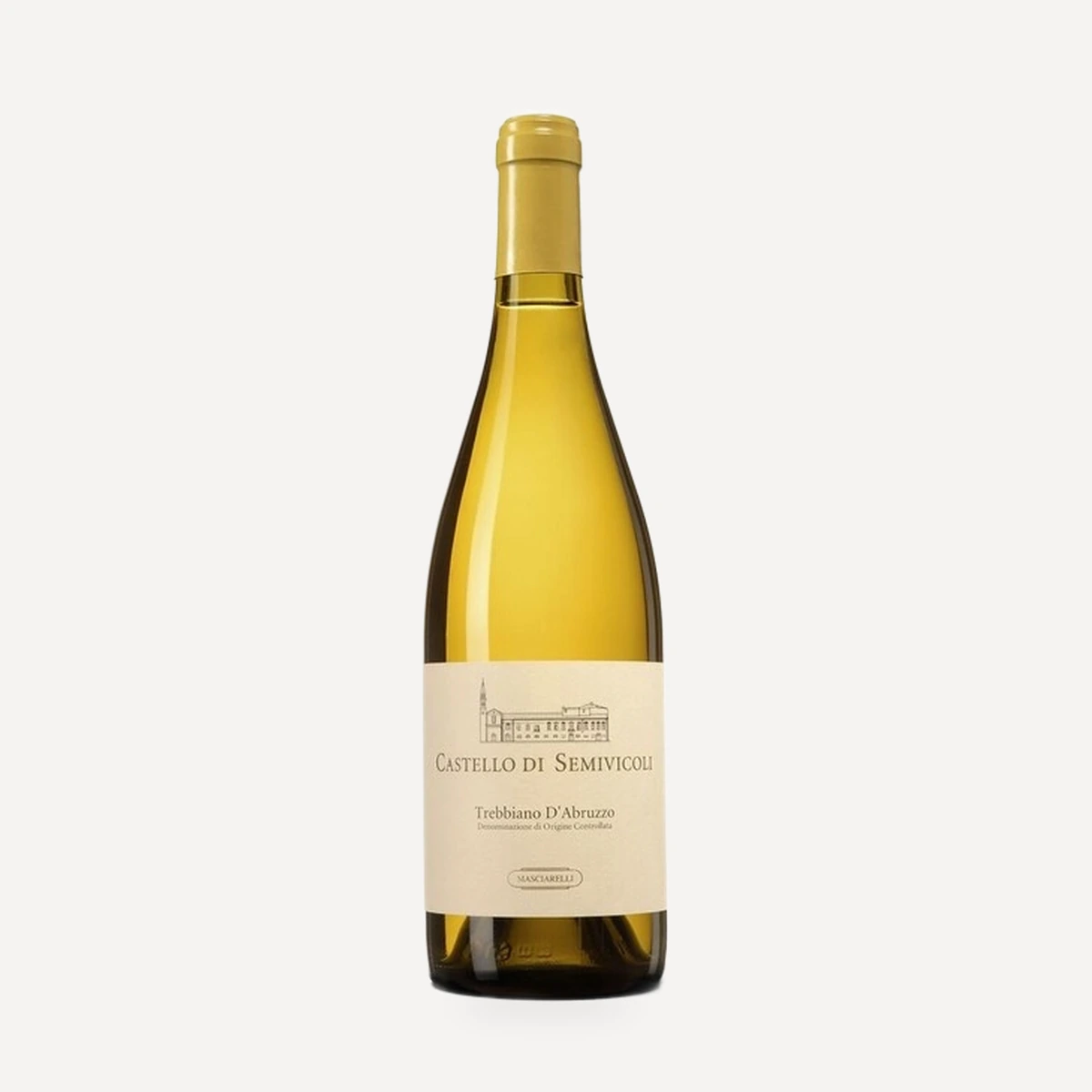
Castello di Semivicoli Trebbiano d’Abruzzo Superiore DOC
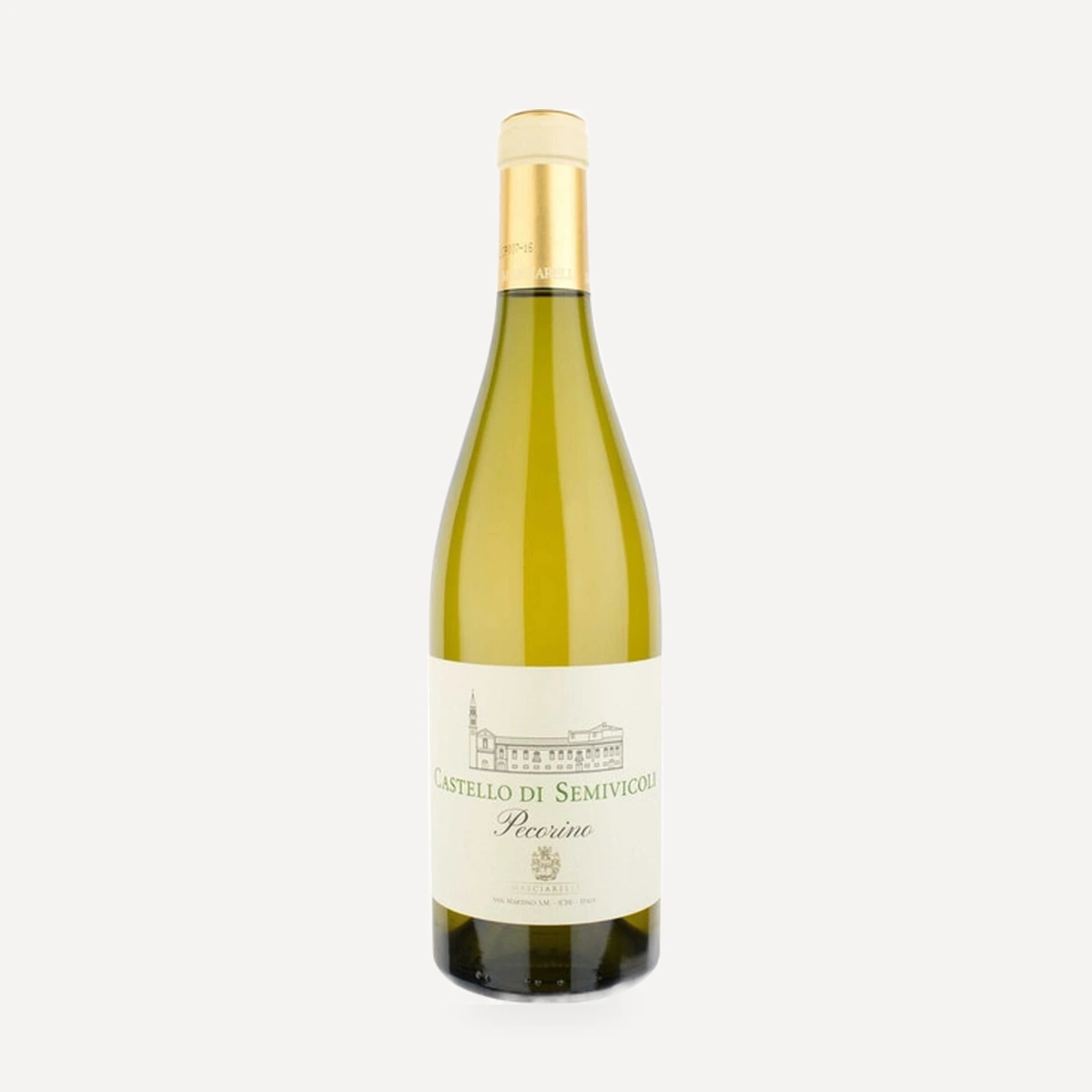
Castello di Semivicoli Pecorino Abruzzo Pecorino DOC
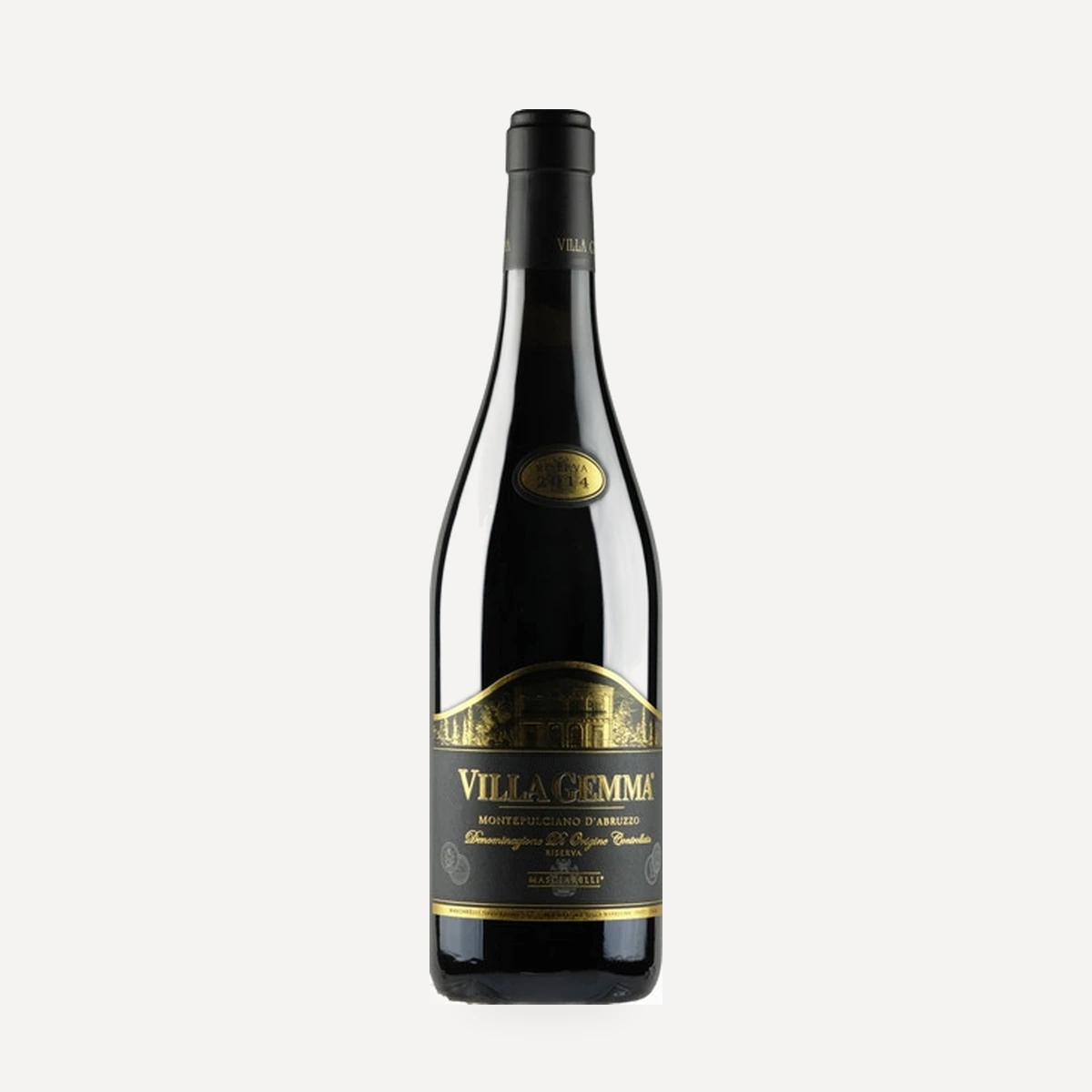
Villa Gemma Montepulciano d’Abruzzo Riserva DOC
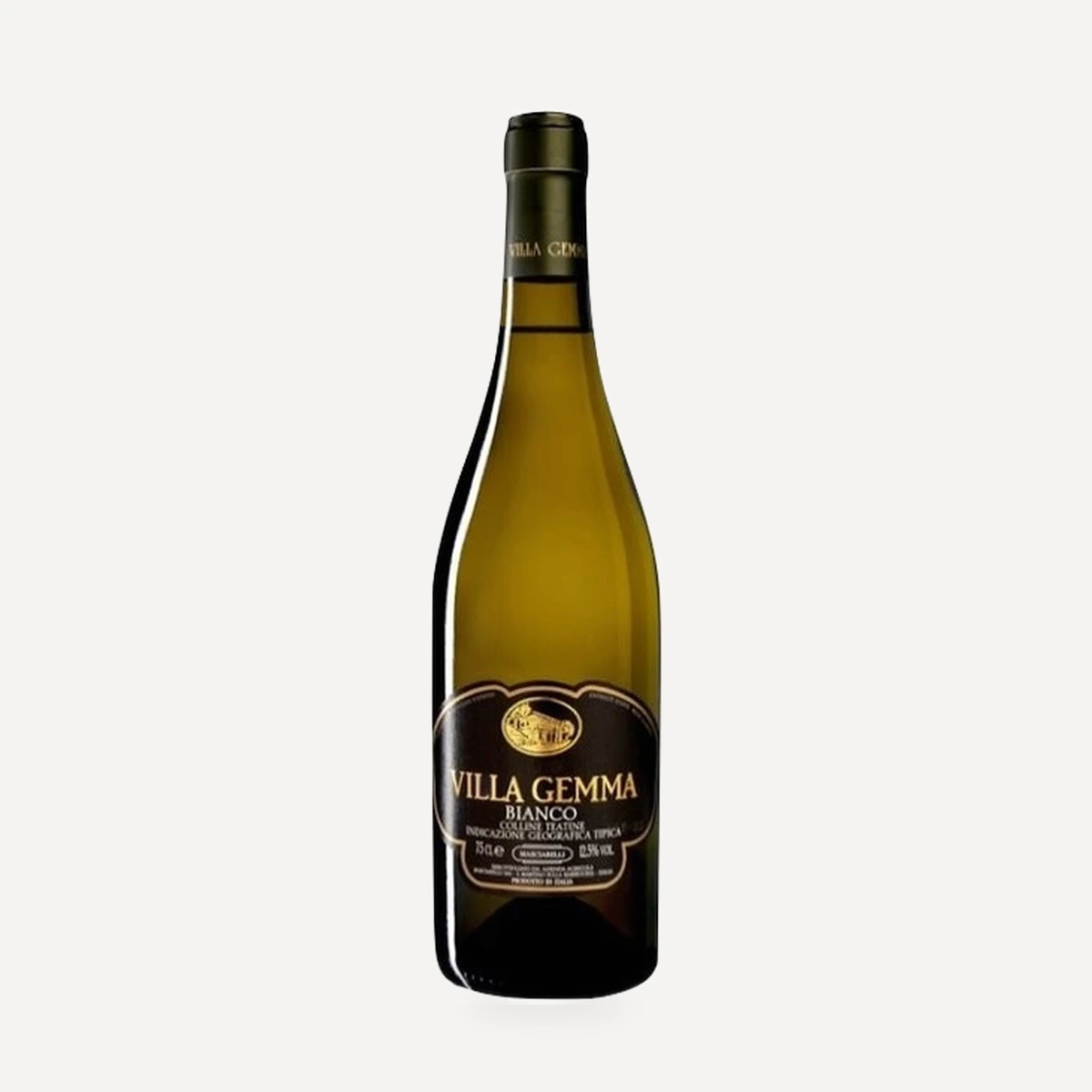
Villa Gemma Abruzzo Bianco DOC
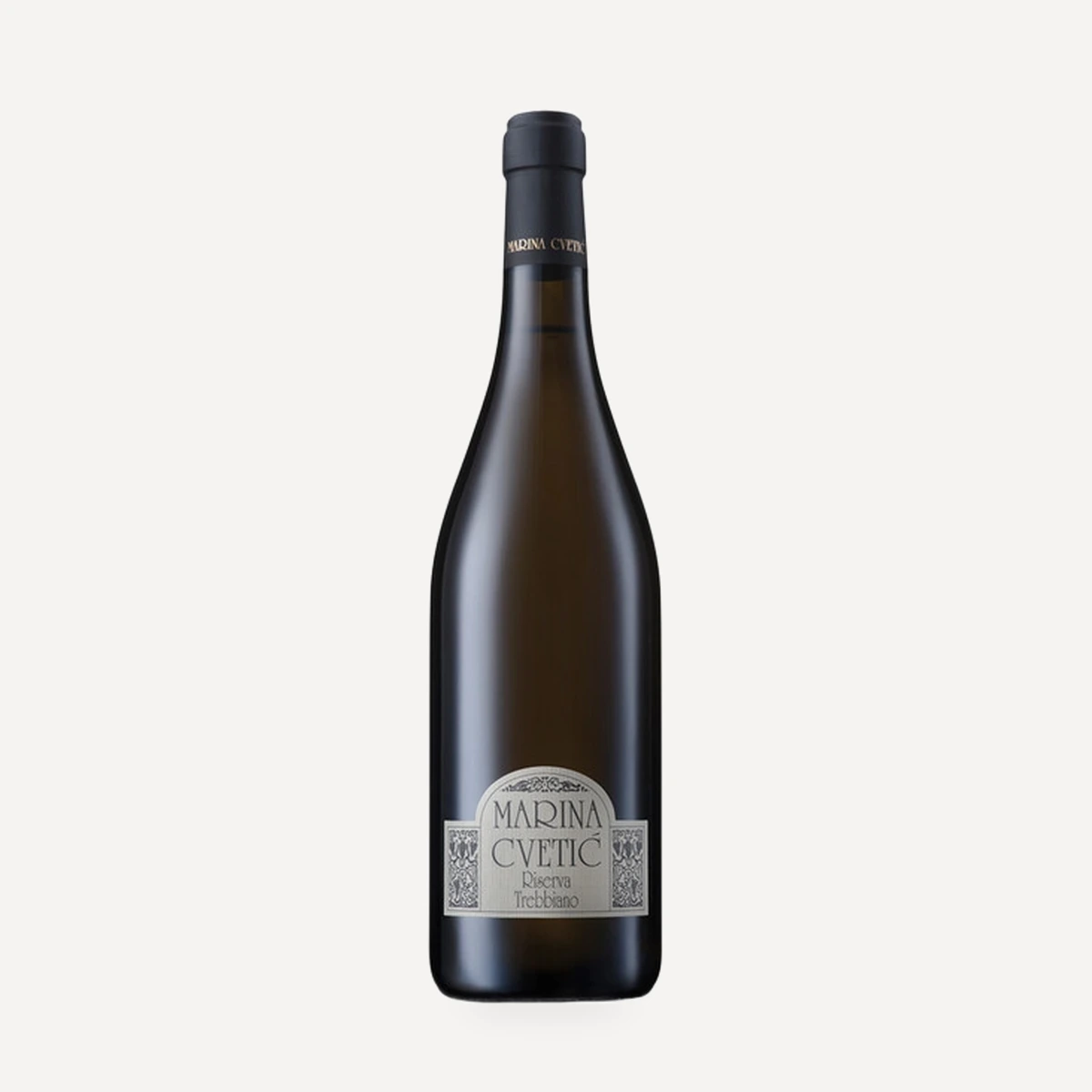
Marina Cvetic Trebbiano d’Abruzzo Riserva DOC
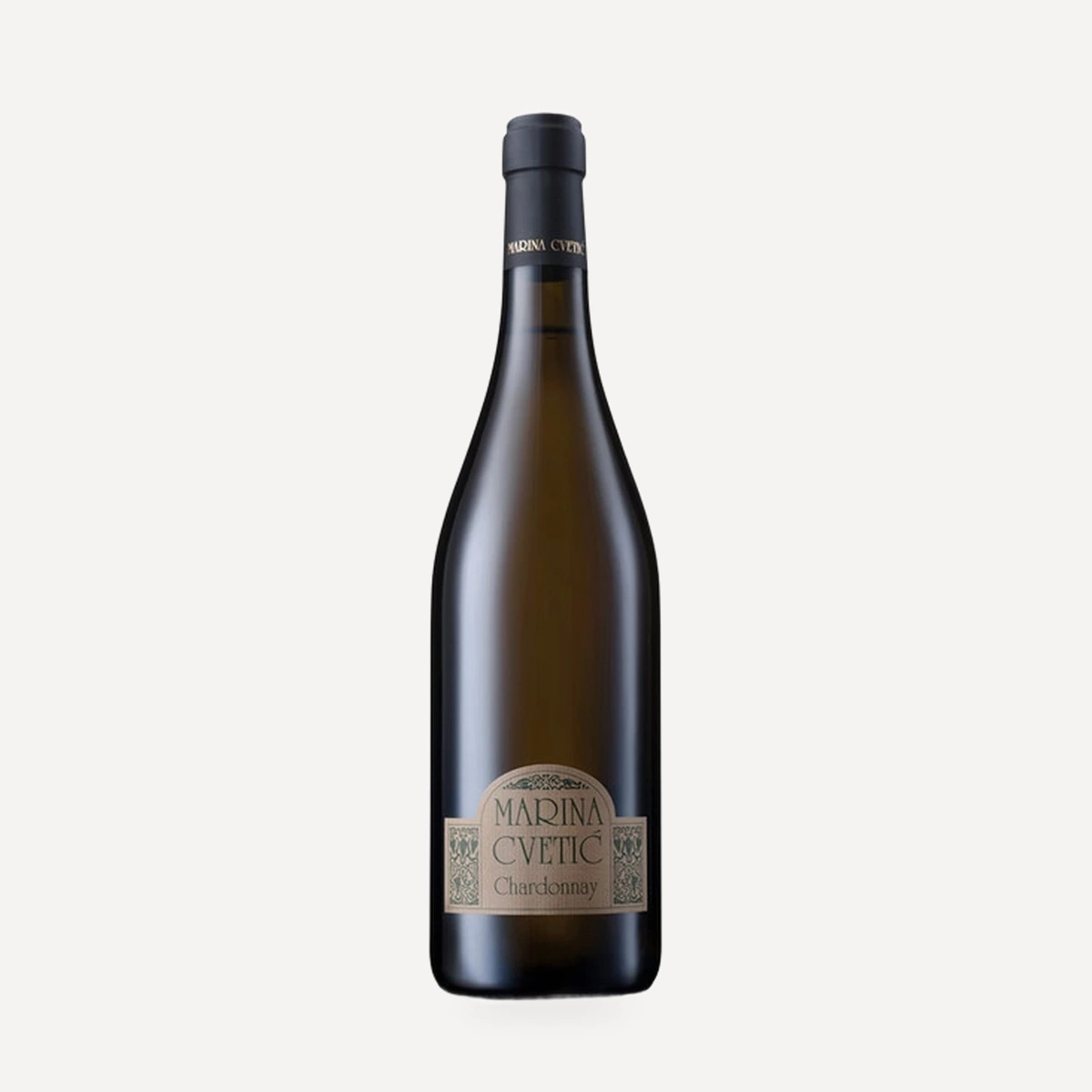
Marina Cvetic Chardonnay Colline Teatine IGT
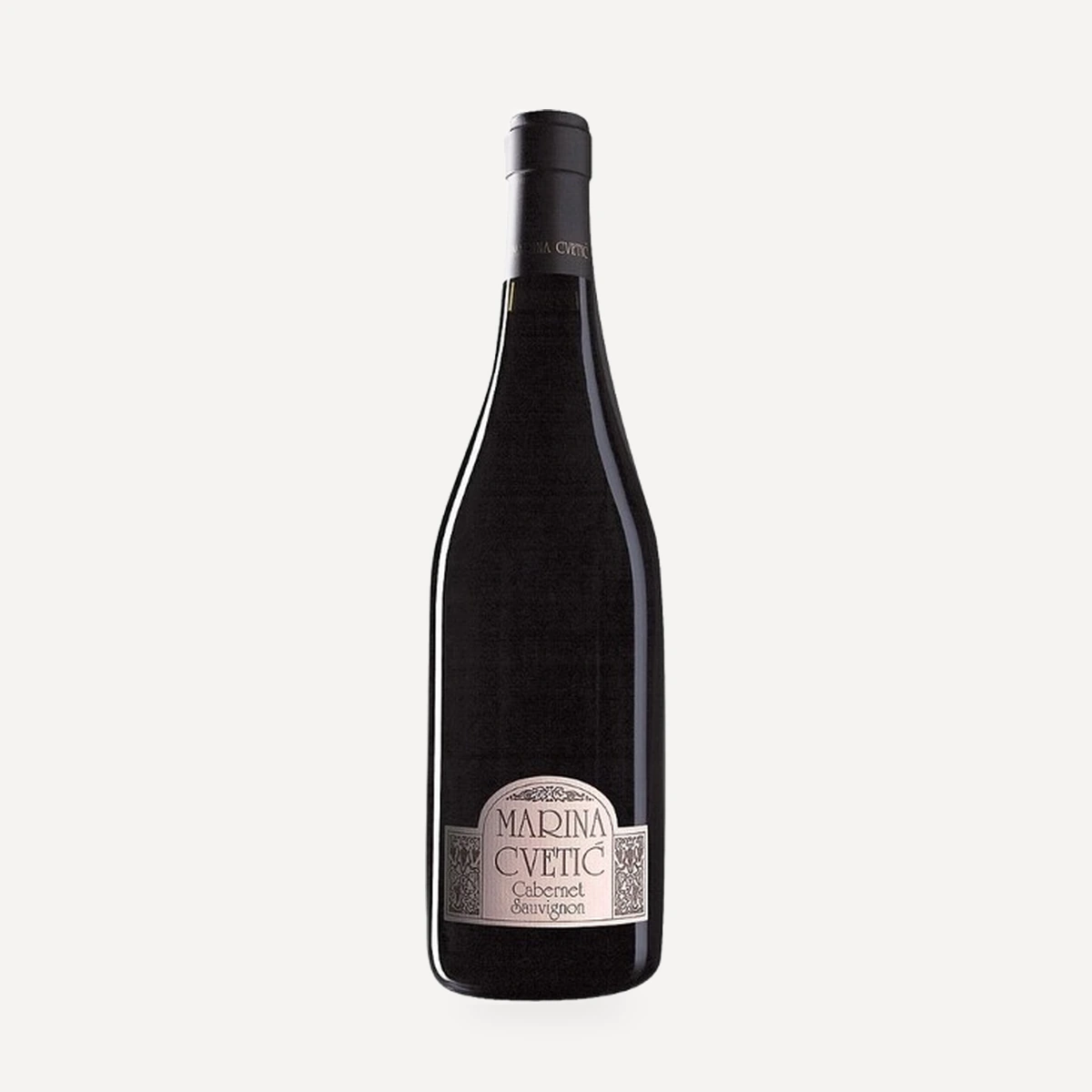
Marina Cvetic Cabernet Sauvignon Terre Aquilane IGT
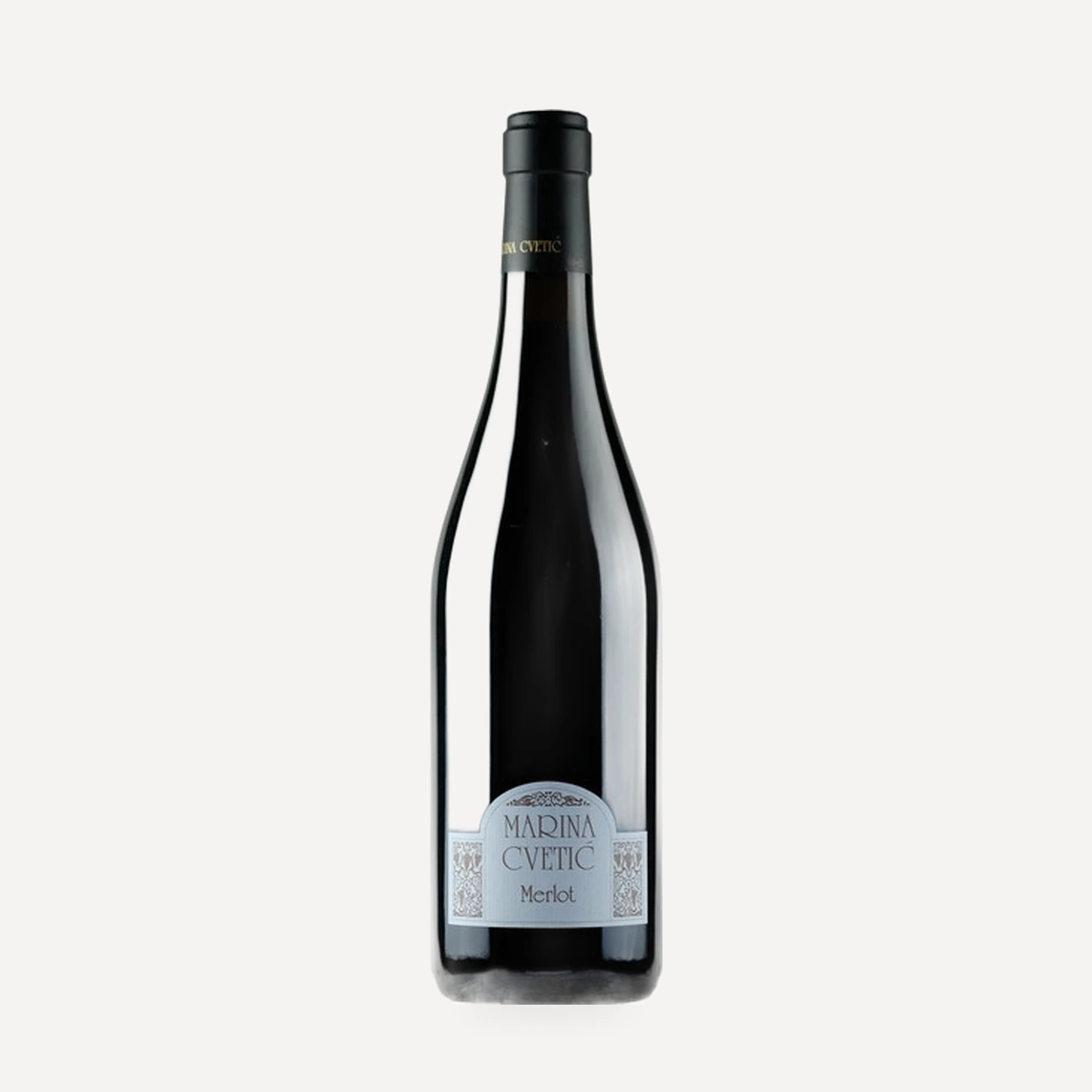
Marina Cvetic Merlot Terre Aquilane IGT
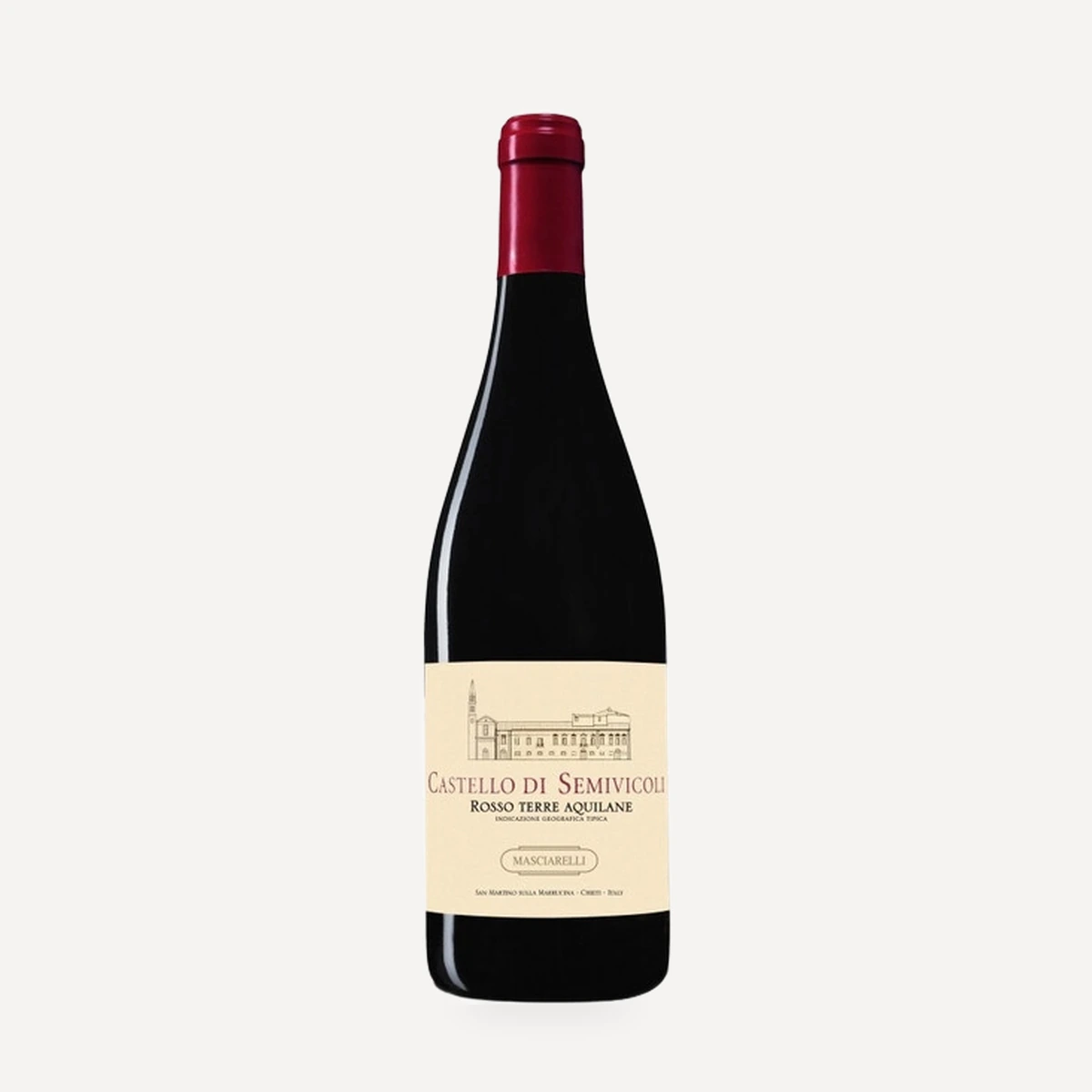
Castello di Semivicoli Rosso Terre di Chieti IGT
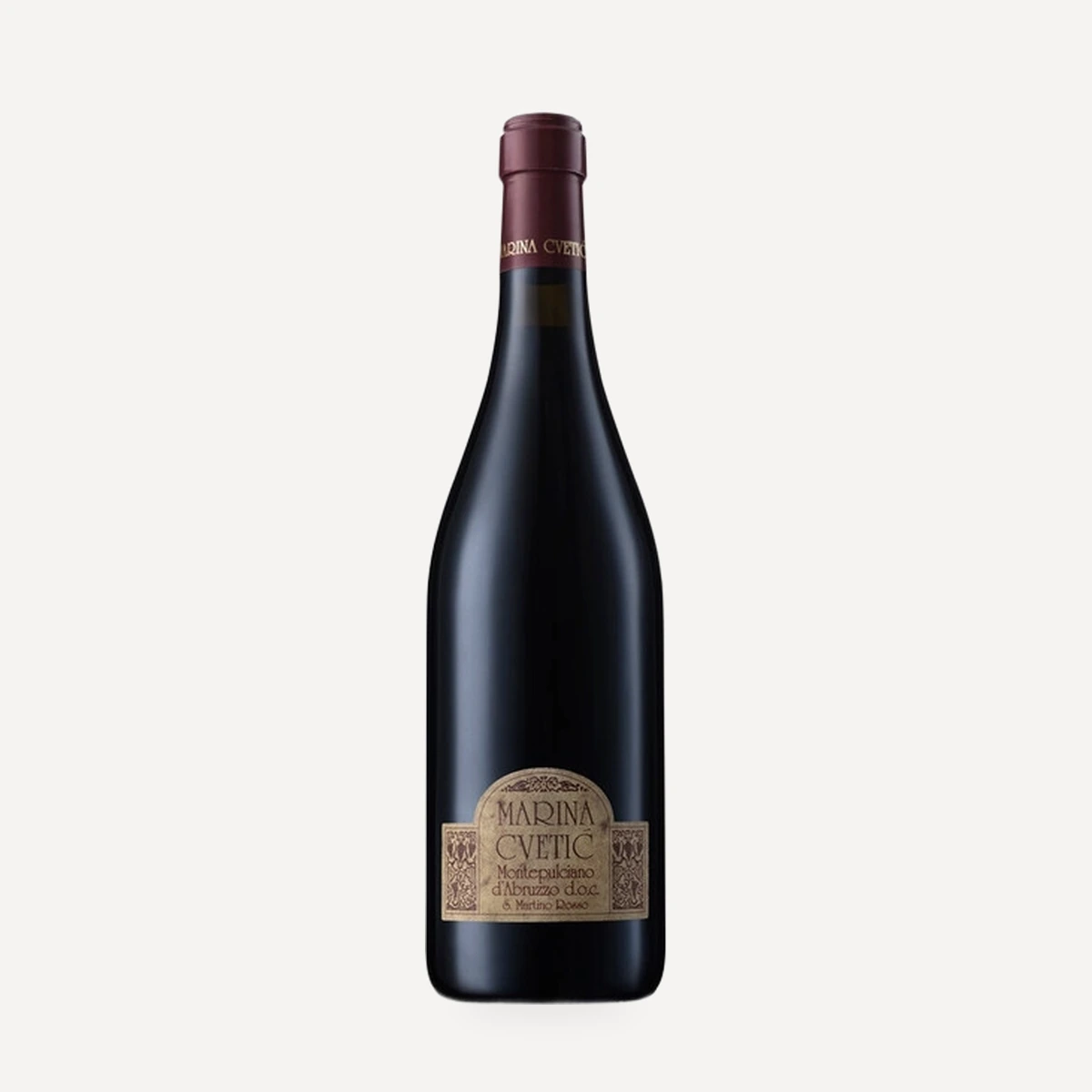
Marina Cvetic Montepulciano d’Abruzzo Riserva San Martino Rosso DOC