Storia
The Squarcialupi heritage
La Castellina traces its historical identity to the former estates of the Squarcialupi, a Florentine family settled in Chianti from around 1200. The family descended from Scorcialupo, who was of Lombard origin, and reached the height of its power around 1250. Between 1200 and 1550, different branches formed alliances alternately with the Florentine and Sienese nobility while the two cities fought over the country surrounding Castellina in Chianti.
In 1254, the Florentines destroyed Castello di Monternano, the Squarcialupi family's principal stronghold in Sienese territory. Palazzo Squarcialupi subsequently became an important centre of the family, which concentrated its power in Castellina in Chianti, then the capital of the Chianti terziere formed by Castellina, Radda and Gaiole.
The palace preserves an early Squarcialupi coat of arms depicting a wolf above six balls, an emblem associated with the family's alliance with the Medici. From the early fifteenth century until approximately 1450, that relationship was represented by Antonio Squarcialupi, an organist in the service of Lorenzo de’ Medici. Antonio owned the Squarcialupi Codex, an early collection of Ars Nova compositions, a musical movement opposed to Ars Antiqua and regarded as profane by the Church at the time.
Other Squarcialupi branches opposed the Medici and allied themselves with the Pazzi family, associated with the conspiracy that resulted in the death of Lorenzo's brother Giuliano de’ Medici in 1476. Other figures associated with the family include Marcello, identified as a sixteenth-century heretic, and Ignazio, abbot of the Benedictine Abbey of Montecassino during the same century.
Foundation and family renewal
Fattoria La Castellina was founded in 1980 from the historic Squarcialupi properties. The estate later passed to the Bojola–Targioni family. Tommaso Bojola has directed it since the 1990s, working with his wife, Monica Targioni, to renovate and expand the property. Modern equipment and advanced techniques were introduced over the following decades while the production programme remained rooted in Chianti traditions and centred on Sangiovese.
Palazzo Squarcialupi, a fifteenth-century former noble residence and the estate's historic seat, was restored and adapted to new uses. Its underground spaces became the ageing cellars, while the upper floors house Hotel Palazzo Squarcialupi. Monica Targioni manages the hotel. The lower part of the building accommodates the Taverna Squarcialupi restaurant and wine shop, including a terrace incorporated into Castellina's medieval walls. Two rampant-panther coats of arms on the façade were adopted for labels in the Squarcialupi range, including the Chianti Classico, Riserva and Gran Selezione.
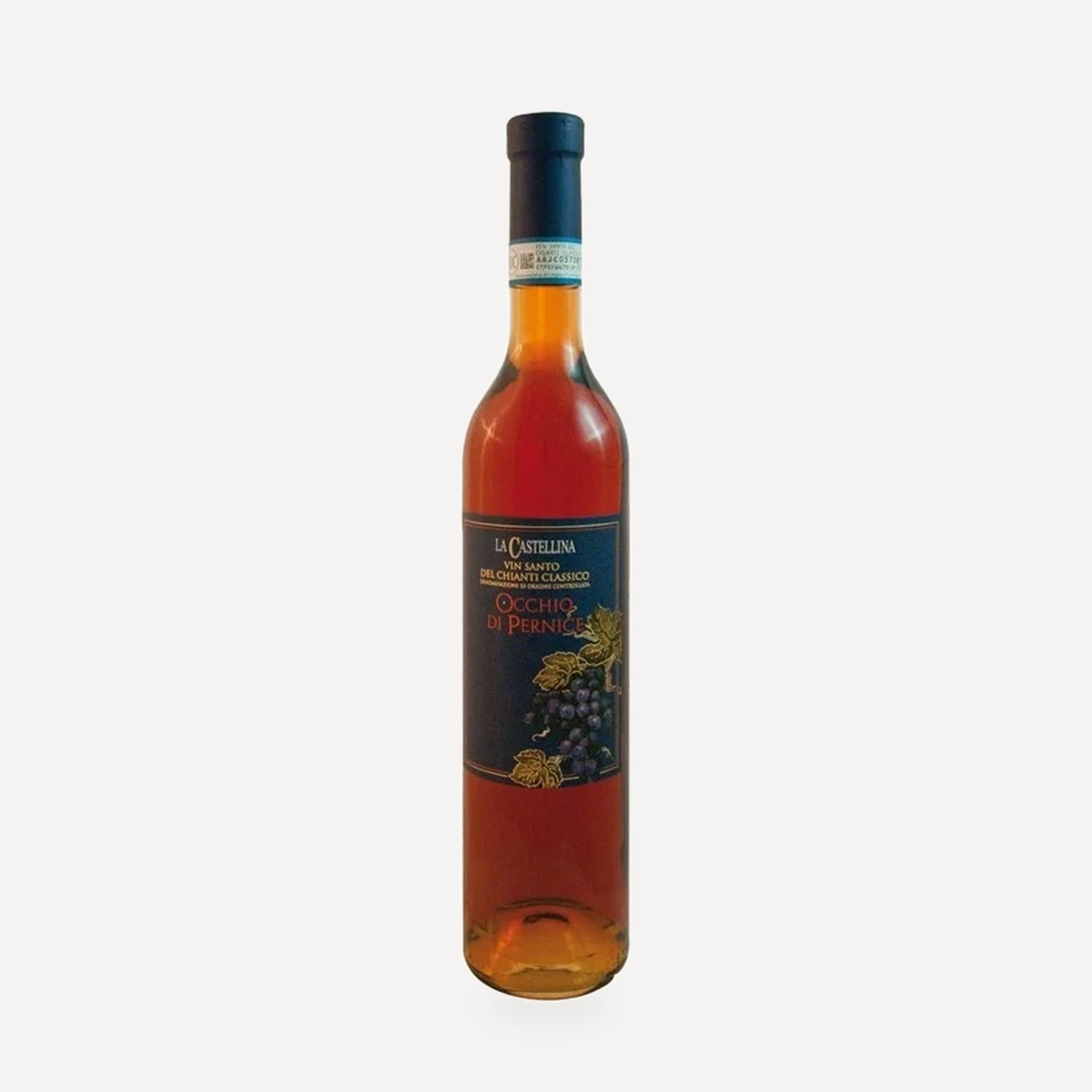
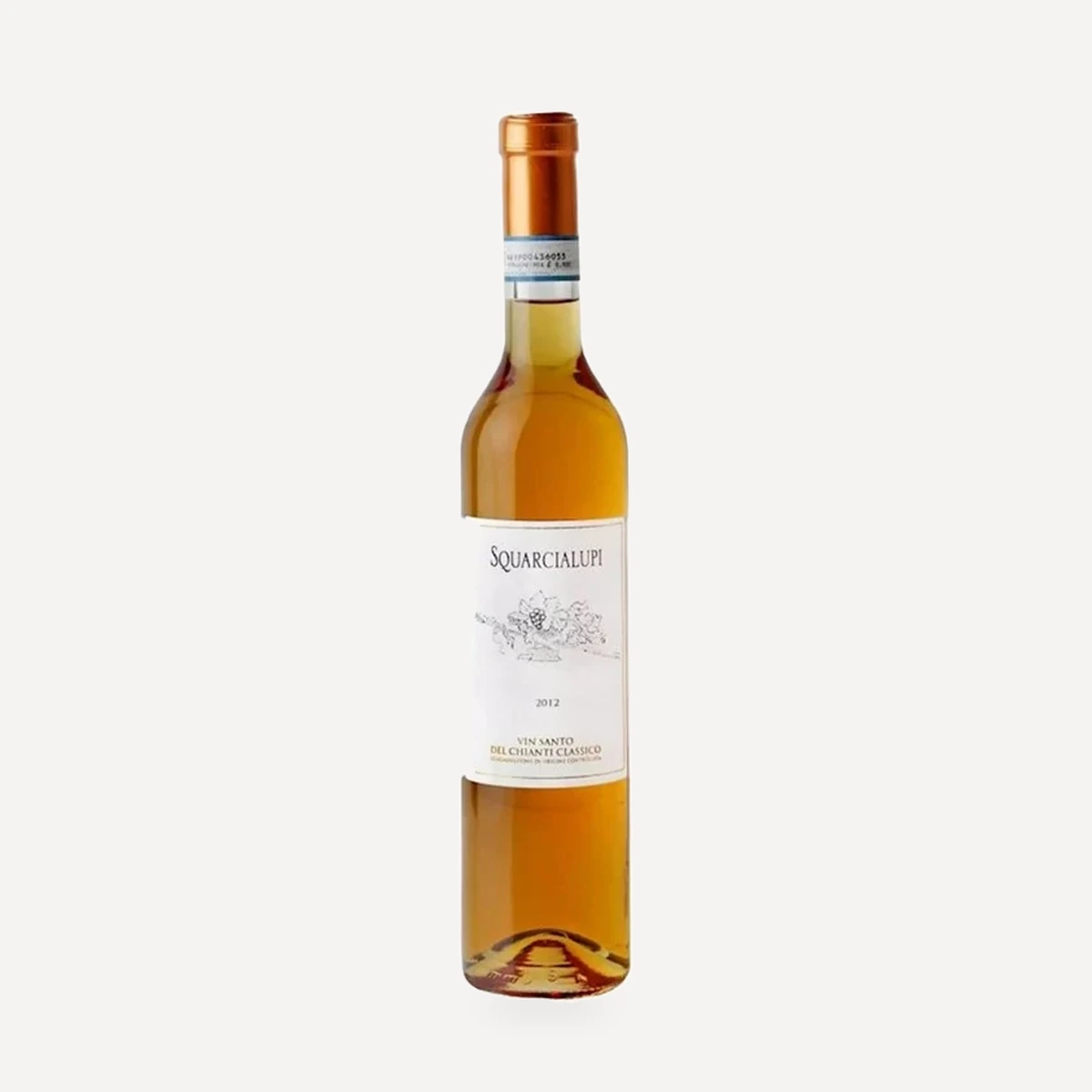
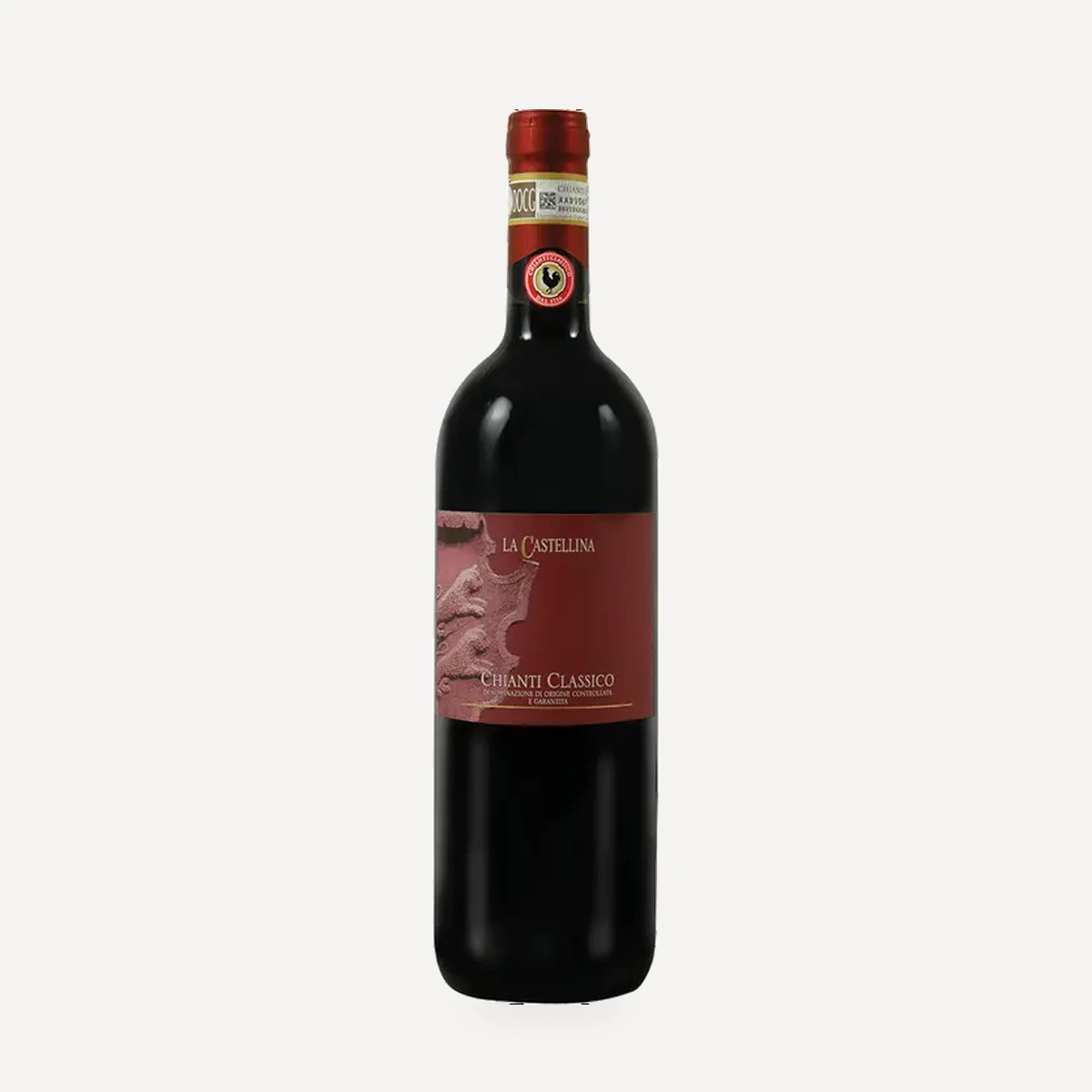
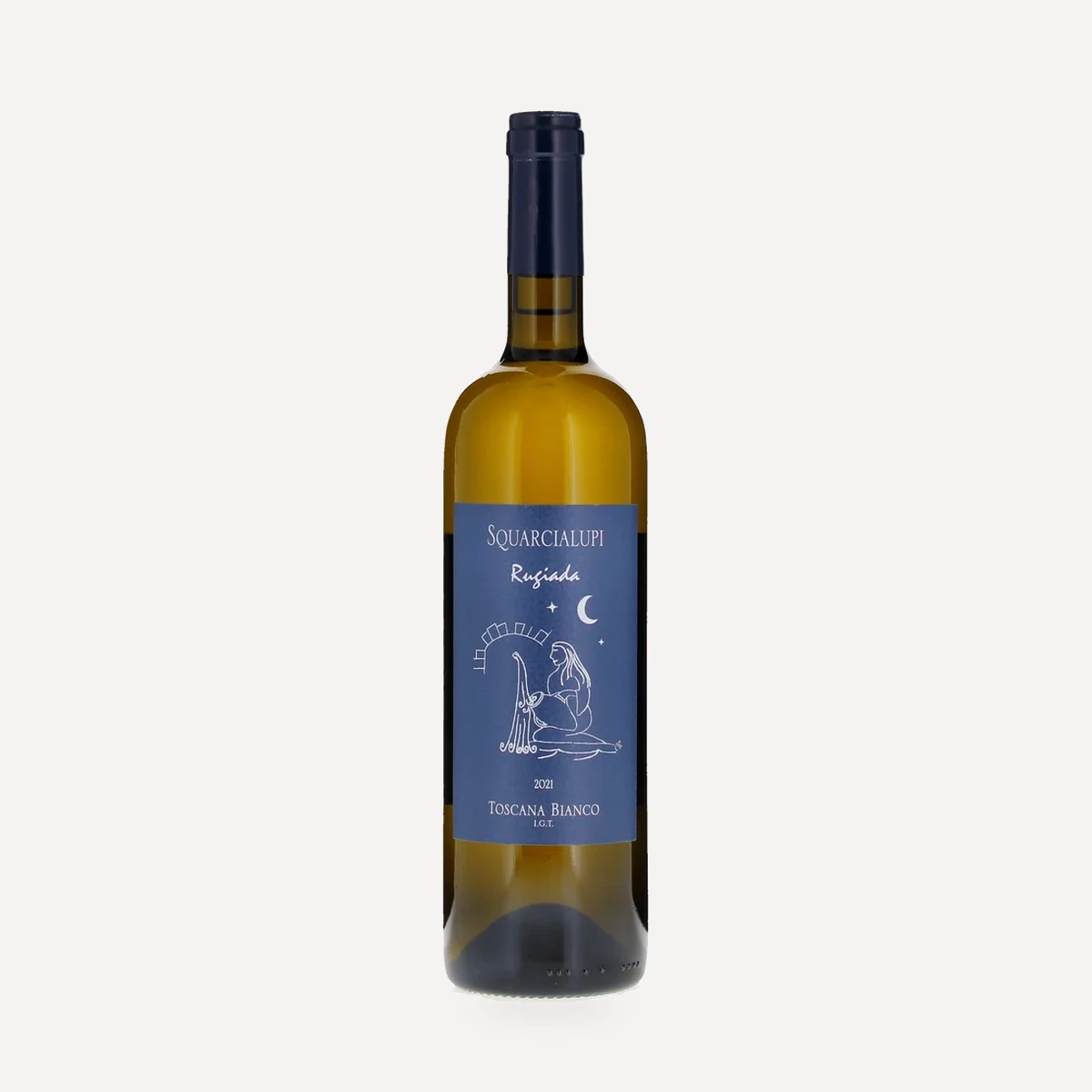
La Ferrozzola, formerly the accommodation of the estate's sharecroppers, was renovated as both the operational centre and an agriturismo. The estate now cultivates approximately 30 hectares of vines around Castellina in Chianti and another 8 hectares in Maremma. Grapes from both areas are vinified at Castellina in Chianti. Annual output is approximately 120,000 bottles of Chianti Classico and 80,000 bottles across Maremma Toscana DOC, Toscana IGT, Vinsanto del Chianti Classico and Vinsanto Occhio di Pernice.
Amphora research
During the 2017/2018 academic year, Cosimo Bojola completed an experimental thesis in Viticulture and Oenology at the University of Florence's Faculty of Agriculture. The project compared vinification in stainless steel with vinification in Impruneta terracotta. It became the basis of the estate's amphora work, including extended fermentation and maturation with skins, seeds and yeast lysates.
Terroir
La Castellina occupies the south to south-western side of the hill descending from the medieval village of Castellina in Chianti toward La Ferrozzola and Il Monte. La Ferrozzola lies in a basin at the foot of the village hill, less than 500 metres from Castellina's centre and surrounded by vineyards and olive groves. Its westward outlook reaches the towers of San Gimignano and, on especially clear days, Volterra.
Technical profiles place the vineyards used for different estate bottlings between 400 and 550 metres above sea level. Recorded aspects include south and south-west. The soils are medium-textured and clay-rich, with abundant stones and sands derived from galestro and alberese.
The estate also cultivates 8 hectares of vines in Maremma. These grapes are transported to the winery at Castellina in Chianti for vinification.
Vinificazione
Harvesting protocols include manual picking and bunch selection. Grapes intended for prolonged skin-contact amphora vinification are selected at full ripeness with intact skins. Late-harvest grapes for Vinsanto are picked by hand, placed in crates to preserve their integrity and transferred to ventilated rooms for natural drying on racks for two to three months.
Recorded vineyard densities range from 5,000 to 5,500 vines per hectare. Production figures attached to different vineyard sources range from 50 to 100 quintals of grapes per hectare. The estate treats Sangiovese as the principal variety through which to express its Chianti vineyards.
Cellars
Winemaking takes place at the cellar on the Chiantigiana road through Castellina in Chianti. The ageing cellar occupies the underground rooms of the fifteenth-century Palazzo Squarcialupi in the historic centre. Grapes grown both at Castellina and on the estate's 8 hectares in Maremma are vinified at Castellina.
Traditional cellar work
The production programme combines stainless steel, large wooden casks, barriques, oak or chestnut caratelli and Impruneta terracotta. Chianti Classico maturation includes 12 months in large casks. Riserva maturation combines large casks and barriques for 18 months, while longer-lived selections may spend 12–24 months in barriques followed by bottle ageing. White-wine must is handled at low temperature to preserve primary aromas.
For rosé production, manually harvested Merlot is destemmed and gently crushed before six hours of cold maceration in the press. Pressing and must clarification follow. Fermentation proceeds slowly in stainless steel below 20°C for 10–15 days, after which the wine is racked, held in stainless steel for four months and refined in bottle for at least two months.
Impruneta terracotta
Experimental vinification compared stainless-steel tanks with 8-hectolitre Impruneta terracotta jars. Local clay is fired for more than 70 hours at 1,000°C, producing slightly porous vessels that permit limited gas exchange and release mineral elements. Because oxygen passing through the pores can accelerate oxidation, the estate retains skins, seeds and reductive yeast lysates with the wine to moderate that effect.
In the red-wine trial, fermentation took place in the jars and maturation continued for 11 months with skins, seeds and yeast lysates. Natural micro-oxygenation reduced the perception of the most astringent and bitter tannins. The University of Florence tasting panel distinguished the steel sample by its more herbaceous, fuller and more astringent character, while the amphora sample showed stronger floral expression, freshness and persistent minerality.
For the Malvasia del Chianti amphora protocol, hand-selected grapes ferment in unlined Impruneta earthenware for 8–10 days. The cap is submerged by manual punching down. After 30 days the jars are topped and sealed, and the wine remains for nine months with skins and yeast lysates. Free-run wine is then separated from the marc, the marc is pressed, and the wine is bottled for a further three months of refinement.
Vinsanto
Vinsanto begins with a manual late harvest. Selected bunches are placed in crates, then laid on racks in a ventilated room for two to three months of natural drying. After gentle pressing and clarification, the must ferments directly in small oak or chestnut caratelli. The barrels are sealed with wax and kept in an attic exposed to temperature fluctuations. Repeated changes in temperature stop and restart fermentation over several months until rising alcohol brings it to a natural halt with residual sugar. White-grape Vinsanto matures for at least three years, while the Sangiovese Occhio di Pernice matures for at least four years.
Filosofia
La Castellina places tradition and innovation in a complementary relationship. Its production principles centre on Sangiovese and the preservation of a recognisably Chianti identity, while modern equipment, advanced cellar techniques and experimental terracotta vinification are used to improve quality.
The estate's amphora programme reflects this approach. Terracotta is valued for controlled micro-oxygenation and its interaction with wine, but the technique is managed through prolonged contact with skins, seeds and reductive yeast lysates to prevent excessive oxidation. University-led comparative research formed part of the programme rather than amphora being adopted solely as a historical gesture.
The family's programme also links wine production with the restoration and continued use of historic agricultural and architectural spaces, including Palazzo Squarcialupi and the former sharecroppers' residence at La Ferrozzola.
Vini
Vinsanto del Chianti Classico DOC
Chianti Classico
IGT Bianco Toscano