Storia
From Milan to Tuscany
Francesca Bellini, from Pisa, and Luca Recine, from Milan, met and fell in love in 1998 while both were working in Milan’s fashion and clothing industry. Both had degrees in economics and shared two ambitions: to build a family and to make wine in Tuscany, where Francesca hoped to return.
They married, welcomed their son Leonardo and subsequently their daughter Isabella, and spent three years searching along the Tuscan coast for land on which to establish a vineyard. Their search ended on a hill at Suvereto. Standing on the terrace of an abandoned farmhouse, they began imagining their first wine amid views extending toward Monteverdi Marittimo, the Cornate mountains behind Massa Marittima, Mediterranean scrub and extensive woodland.
2005–2006: establishment and planting
The La Fralluca project began in 2005. Its name combines Francesca and Luca. The estate’s vineyards were planted by the couple between 2005 and 2006. High-density planting—approximately 7,000 vines per hectare at 1.80 × 0.80 metres—was chosen to encourage low yields per vine and natural balance. The initial varietal plan combined Sangiovese and Vermentino, regarded as traditional locally, with Cabernet Franc, Syrah and Viognier, plus Alicante Bouschet, whose presence in parts of Maremma has a long local history.
The vineyards were distributed across three adjoining hills, all within one contiguous estate, allowing different slopes and exposures to be matched to individual varieties. From the outset, the vineyards were not irrigated, including during the driest years.
2009: the winery and estate restoration
The winery was completed in spring 2009 in a natural depression among the vineyards. It was built almost entirely underground and covered by approximately two metres of soil. Stones recovered while preparing the vineyard land were reused around the structure to improve insulation and humidity control. The estate’s abandoned ochre-yellow Tuscan farmhouse has meanwhile been restored gradually by the family. It contains their home, a small guest studio and a tasting room facing the Colline Metallifere.
Development of farming and production
La Fralluca developed an organic approach based on limited intervention, manual vineyard work, mechanical soil management, natural fertilisation and a maximum of six to eight treatments annually. A 2021 estate profile recorded certified-organic viticulture, 10 hectares under vine and annual production of 40,000 bottles. The same profile associated Luca Recine and Federico Curtaz with both enological and agronomic management. An earlier 2014 profile identified Luca as the estate manager, Francesca as responsible for commercial activity and Paolo Caciogna as enologist.
2023–2024: energy and identity
In 2023, photovoltaic panels were installed to generate electricity for the winery, supplementing solar panels already used to heat water. In 2024, the estate’s varietal Alicante wine was given the name Leonis and a redesigned identity, linking it to Leonardo, one of Francesca and Luca’s children.
Terroir
Barbiconi
Podere dei Barbiconi occupies the crest of the hills northeast of Suvereto, facing Monteverdi Marittimo in northern Maremma. The estate lies approximately 120 metres above sea level and about 15 kilometres from the coast. Although relatively close to the Tyrrhenian Sea and the Gulf of Follonica, it is sheltered from direct maritime influence by a belt of hills. The elevated position looks north and east toward the Colline Metallifere and the Cornate di Gerfalco, which rise to approximately 1,000 metres, and south toward Scarlino on clear days. Woodland, Mediterranean scrub and pasture surround the property.
Wind and temperature
Ventilation is constant. Southwesterly air commonly dominates during the day, then reverses after sunset as colder currents descend from the wooded hills to the north and east. July minimum temperatures generally fall to approximately 16–17°C, while maximum temperatures commonly reach 32–33°C. The nocturnal cooling is especially important on the northeastern slopes and beside the estate’s woods.
Soils and geology
The medium-textured soils are highly stony, mineral and calcareous. They derive from the geological formation known as alberese, a sedimentary marly limestone created on the floor of an ancient ocean. Geological uplift fractured the rock into material ranging from thin, tile-like pieces only a few centimetres thick to slabs weighing several tonnes. Large blocks were reused in retaining walls beside the winery, while smaller stones were used to pave the road to the farmhouse.
The soils visibly contain veins of white limestone, calcium and magnesium, together with galestro, a schistous clay that breaks down into small fragments. The soils become especially stony, calcareous and rich in galestro in the Romano and Punta sector.
Wider Suvereto setting
Suvereto stands on slopes rising from the Cornia river valley toward the Colline Metallifere. The surrounding landscape includes cork oak woodland, Mediterranean scrub, centuries-old olive trees, vines and pasture. Its climate is mild, warm and temperate, with dry summers and wetter winters. Coastal Maremma has a Mediterranean climate that becomes more continental inland. Corsica to the west and the nearer relief of Elba can divert or weaken Atlantic weather systems, contributing to average annual precipitation of approximately 600–700 mm. The coastal belt averages more than seven hours of sunshine per day over the year, falling to around four hours in December and exceeding eleven hours in June and July.
Vinificazione
Planting and training
The estate vineyards were planted in 2005 and 2006 at approximately 7,000 vines per hectare, using a spacing of 1.80 × 0.80 metres. The high density was intended to produce low yields per vine and balanced growth. Sangiovese, Vermentino and Alicante Bouschet are trained to a double spur-pruned cordon with two productive points on each side. The short arms promote uniform vegetation and bunch size while avoiding the empty central section that can develop on a single cordon. Syrah, Cabernet Franc and Viognier are Guyot-trained with a traditional willow-head form.
Seasonal work
Pruning is performed manually, generally in February. Shoots are selected manually at the end of April, reducing the number of fertile buds and controlling yield. Topping is mechanical where required. The inter-rows normally remain grassed until the end of the wetter season in May or June. During spring, grass and winter-pruning material are mechanically mown. This organic layer is incorporated in late spring or early summer during the first soil cultivation, which aerates the ground and prepares the roots for summer heat and drought.
The area beneath the vines is worked mechanically at the same time when competition from grass becomes excessive. Decisions on timing and intensity are guided by the condition of the vines and their leaves. Manual bunch thinning is carried out where necessary, usually after veraison but moved earlier or later according to the vintage. Average final yields are approximately 50–60 quintals per hectare, with a target maximum of about 1 kg of fruit per vine.
Organic farming and resources
Viticulture is certified organic. Soil and undervine cultivation are mechanical and limited to periods of strict necessity. Spontaneous grasses and other plants are allowed to form a spring cover, then mown and incorporated to fertilise and aerate the soil. Chopped winter-pruning residues are also returned as fertiliser. Natural manure comes from the pastures surrounding the property; the English-language description identifies it specifically as sheep manure.
The vineyards are never irrigated, including in the driest years. Water draining naturally from around the winery is collected for vineyard treatments and other agricultural work. The hilltop position, surrounding woods and constant ventilation limit treatments to a maximum of six to eight per year. Only natural products authorised under organic rules are used.
Most vineyard operations—including pruning, shoot selection, bunch thinning and harvesting—are performed by hand. Harvest dates are chosen first through analysis and then by tasting berries at multiple points within each vineyard. Grapes are harvested manually into small 15 kg-style boxes and moved rapidly to the winery. Individual vineyards are harvested and vinified separately by variety and, in many cases, by clone. Selection takes place first in the vineyard and again in the winery.
Winery design
Completed in spring 2009, the winery occupies a natural depression among the vineyards and is almost entirely underground. Approximately two metres of soil cover the building. Stones recovered during vineyard preparation form a surrounding insulating belt described as approximately 3 metres deep and 6 metres high, helping maintain stable temperature and humidity while reducing visual and environmental impact.
A canopy runs along the only exposed façade. Destemming, crushing and pressing—the heavier stages of grape processing—take place beneath it. Inside, the largest area accommodates fermentation and storage in temperature-controlled stainless-steel tanks. A long, narrow barrel cellar occupies the coldest rear section. Separate spaces are used for bottled-wine storage and maturation and for general storage.
Reception and selection
Only estate-grown grapes enter the winery. They are always harvested by hand, placed in small boxes and transported rapidly for immediate processing. Vineyards and varieties are kept separate, frequently with further separation by clone. Bunches are selected manually in the vineyard and then on a conveyor in the winery. Red grapes pass through a specialised destemmer; the resulting whole berries are checked on a vibrating table and unwanted material is removed.
White-wine production
White grapes are pressed gently as whole bunches, without prior destemming or crushing. After clarification, the must ferments at controlled temperature. The wines remain on their fine lees for at least five or six months. Stainless steel is the principal vessel, while Viognier production may divide fermentation and lees maturation between stainless steel and French-oak tonneaux. Lees stirring is used for selected white wines.
Red-wine production
Red grapes ferment with their skins at controlled temperature. Pump-overs are performed manually and gently, only as often as required. Maceration is adjusted to the variety and vintage, ranging from approximately 15–20 days to 30–40 days. After alcoholic fermentation, the wines are racked and undergo malolactic fermentation in stainless steel or wood.
Maturation
The estate uses stainless steel, French-oak barriques and French-oak tonneaux. Red-wine maturation generally lasts between 12 and 24 months according to the wine, followed by further ageing in bottle. The production philosophy combines traditional methods with temperature control, precise grape handling and selective use of technology, experimentation and creative judgement.
Filosofia
La Fralluca’s philosophy begins with the individual vine as the interpreter of place and season. Francesca and Luca personally follow the vineyards and favour numerous small manual interventions intended to support the plants rather than force them. Decisions change with each vintage, and vintage variation is treated as part of the identity of the resulting wines.
In the cellar, the objective is to preserve the character already imprinted on the grapes by the vines, the growing season, the site and the year’s vineyard work. Tradition remains the foundation, while technology, experimentation and a degree of creativity are accepted where they help protect the fruit. The operational principles are cleanliness, precision and timely action.
Sustainability is approached as an estate-wide system rather than as vineyard treatments alone. It includes organic cultivation, permanent woodland, natural fertilisation, the absence of irrigation, water recovery, reuse of vineyard stones, an underground winery, solar water heating and photovoltaic electricity. The broader aim is realistic minimal intervention carried out consciously and with responsibility toward the intact Barbiconi landscape.
Vini
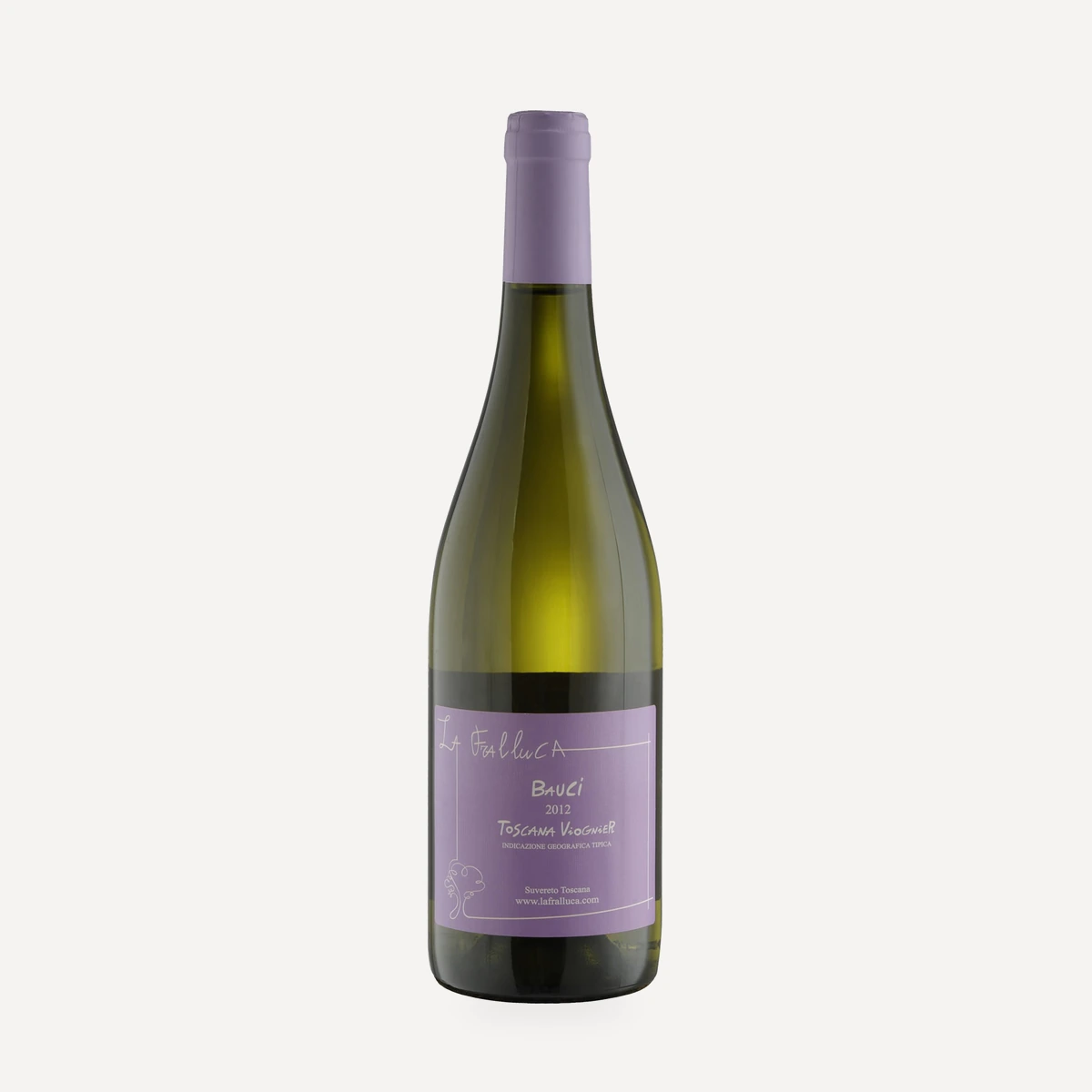
Bauci
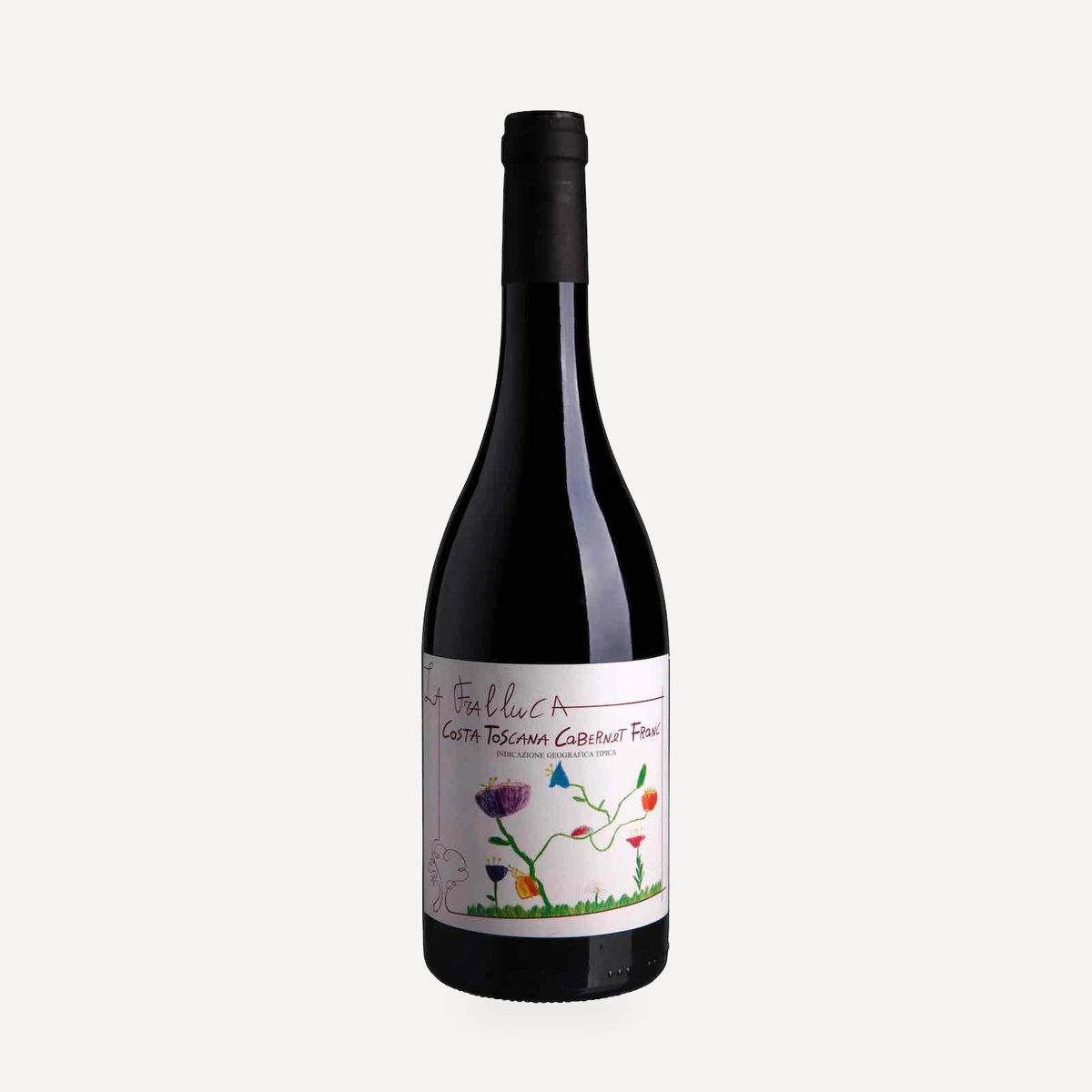
Cabernet Franc
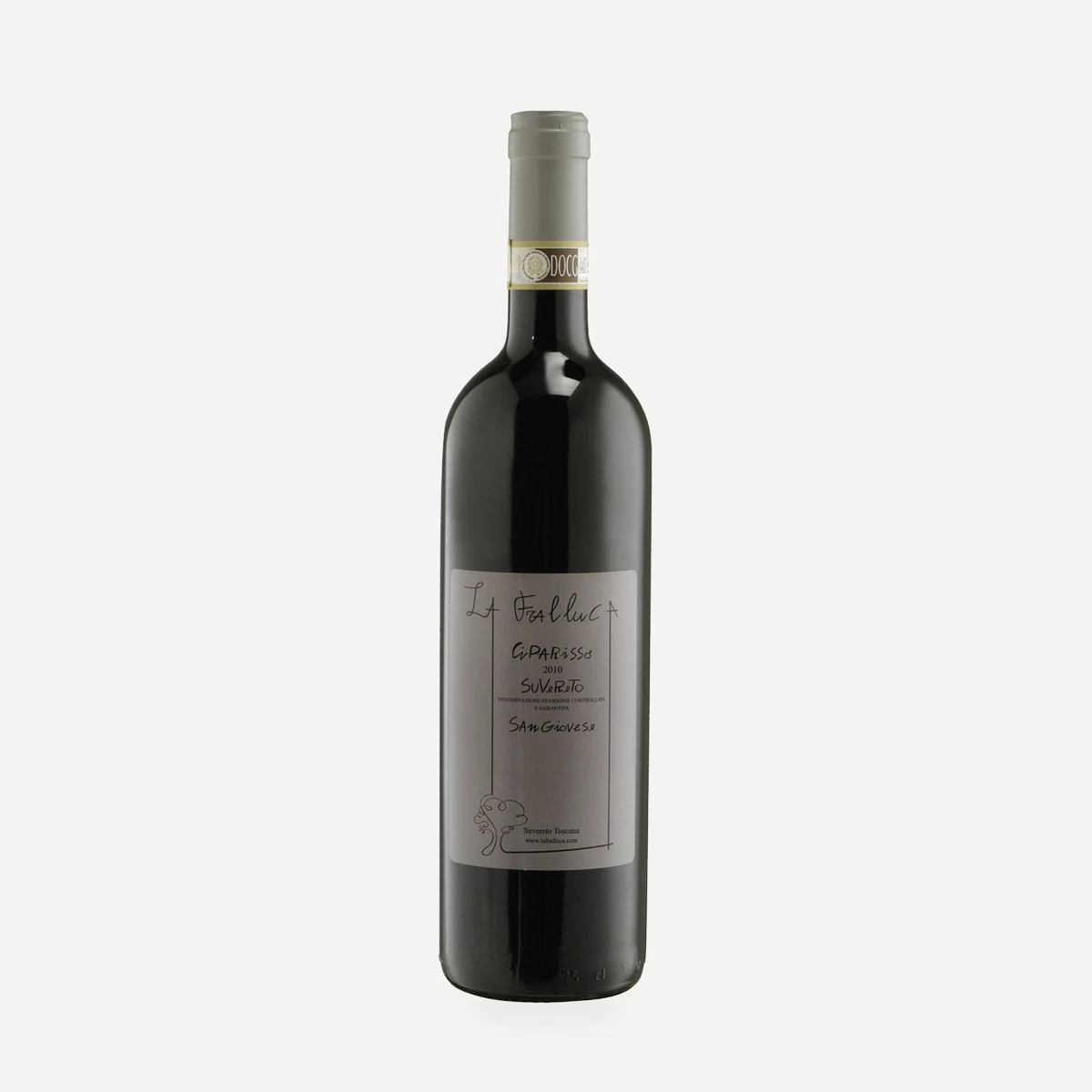
Ciparisso
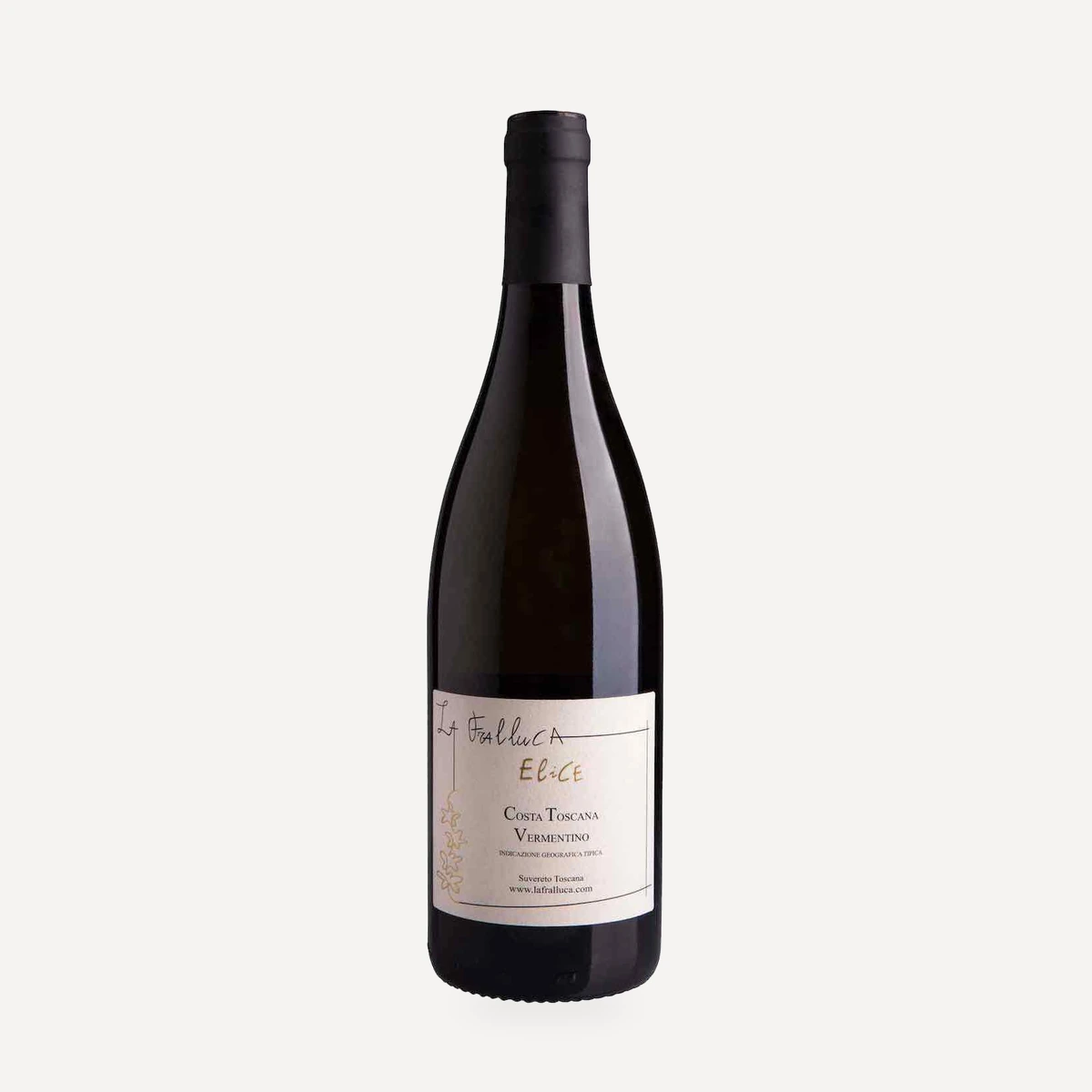
Elice
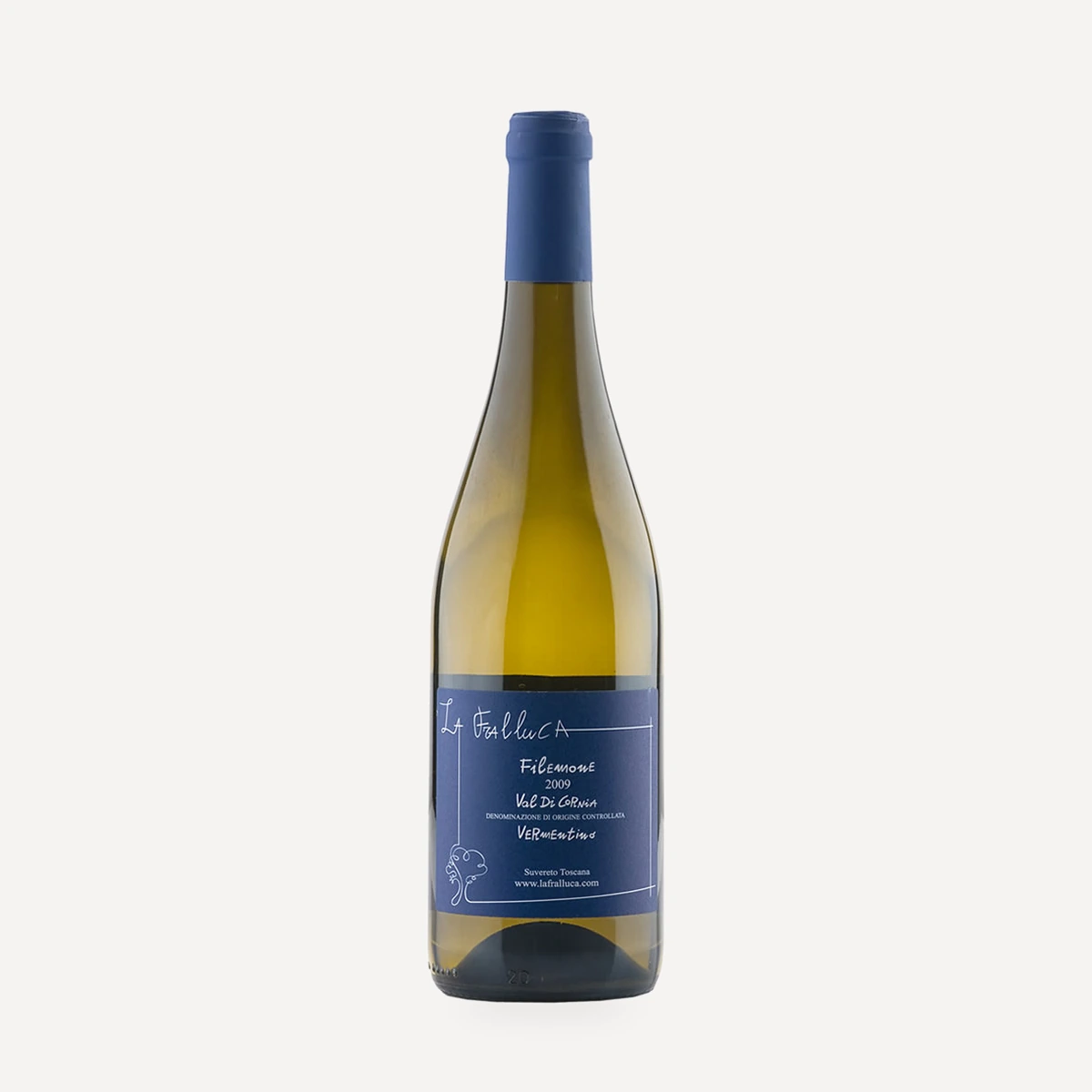
Filemone
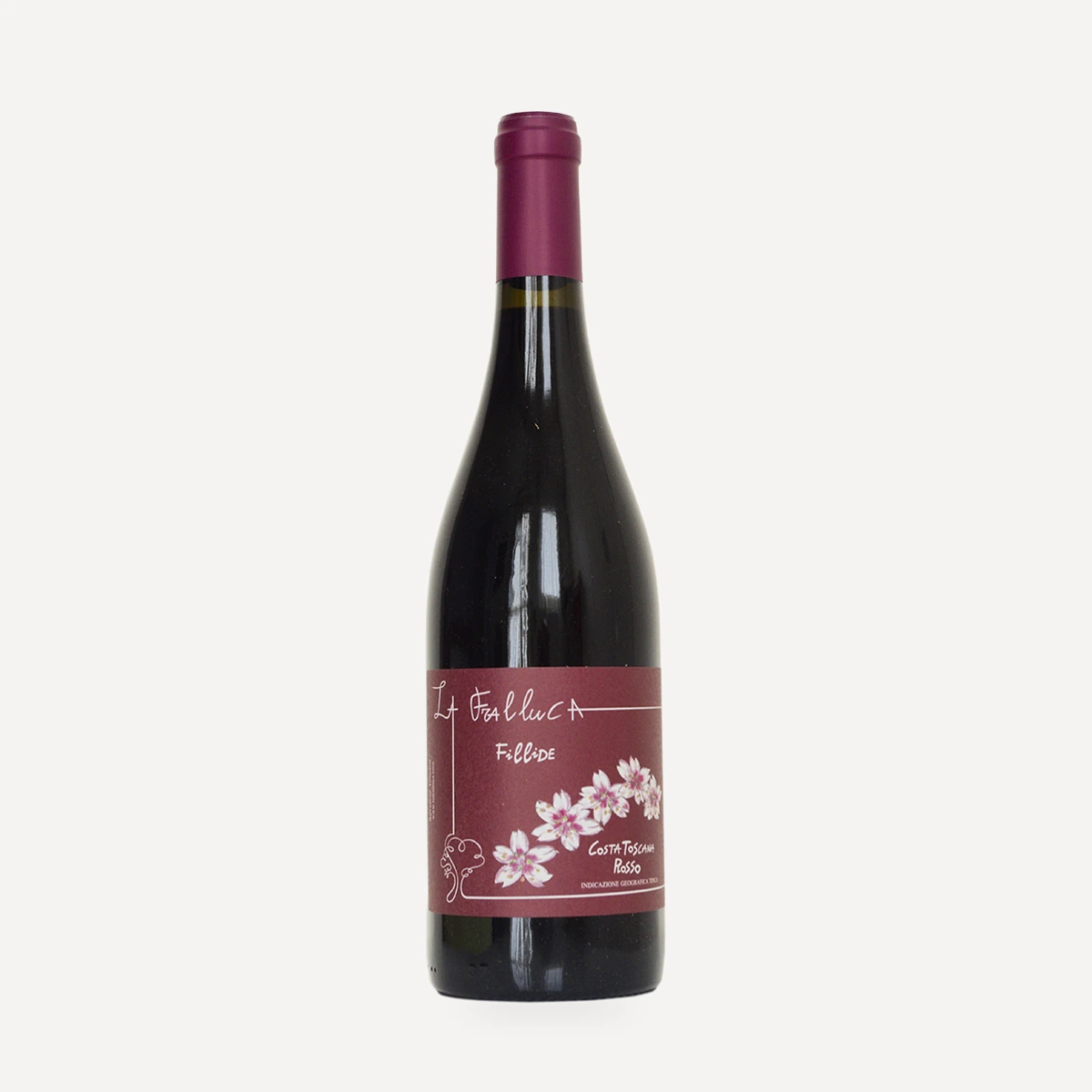
Fillide
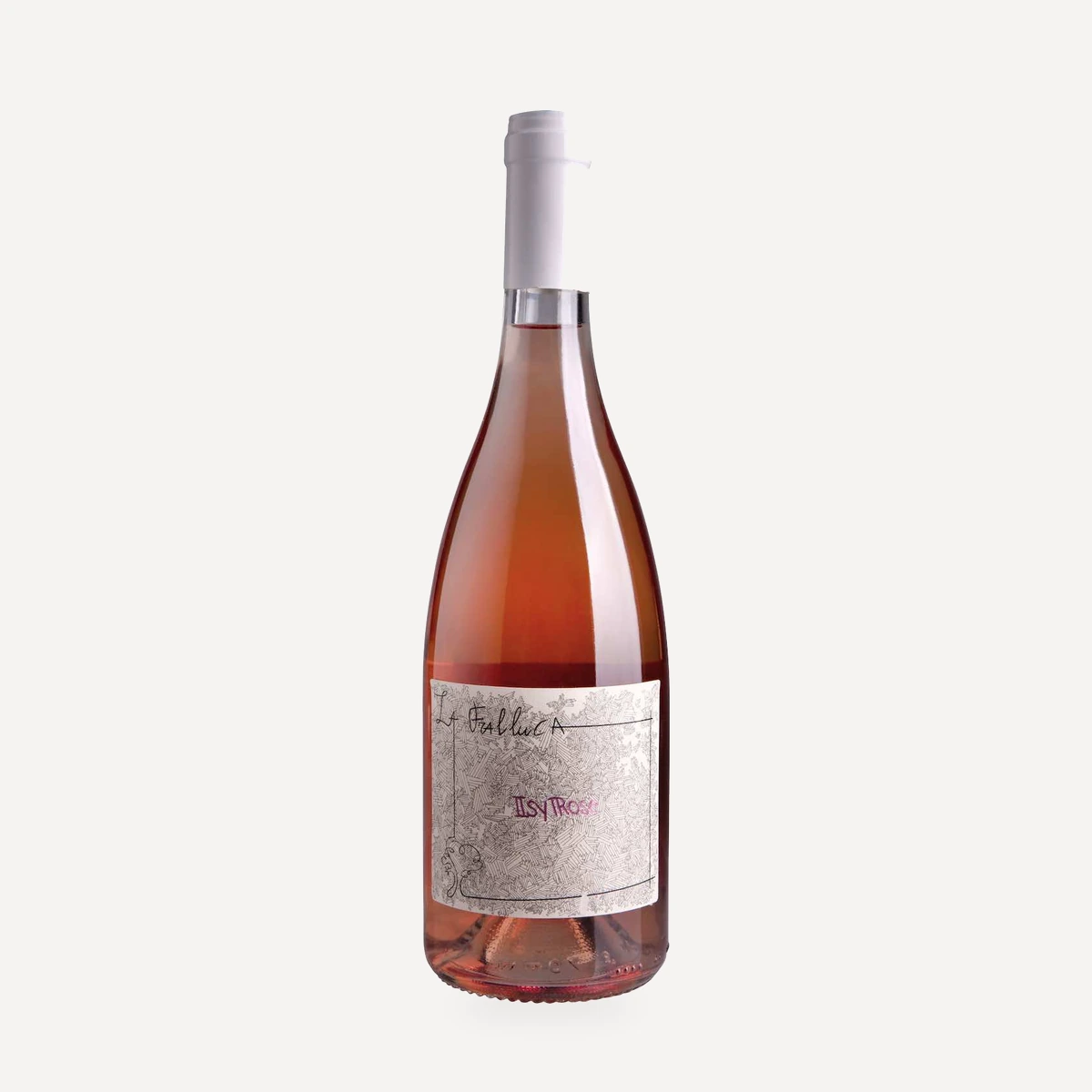
Isyrose
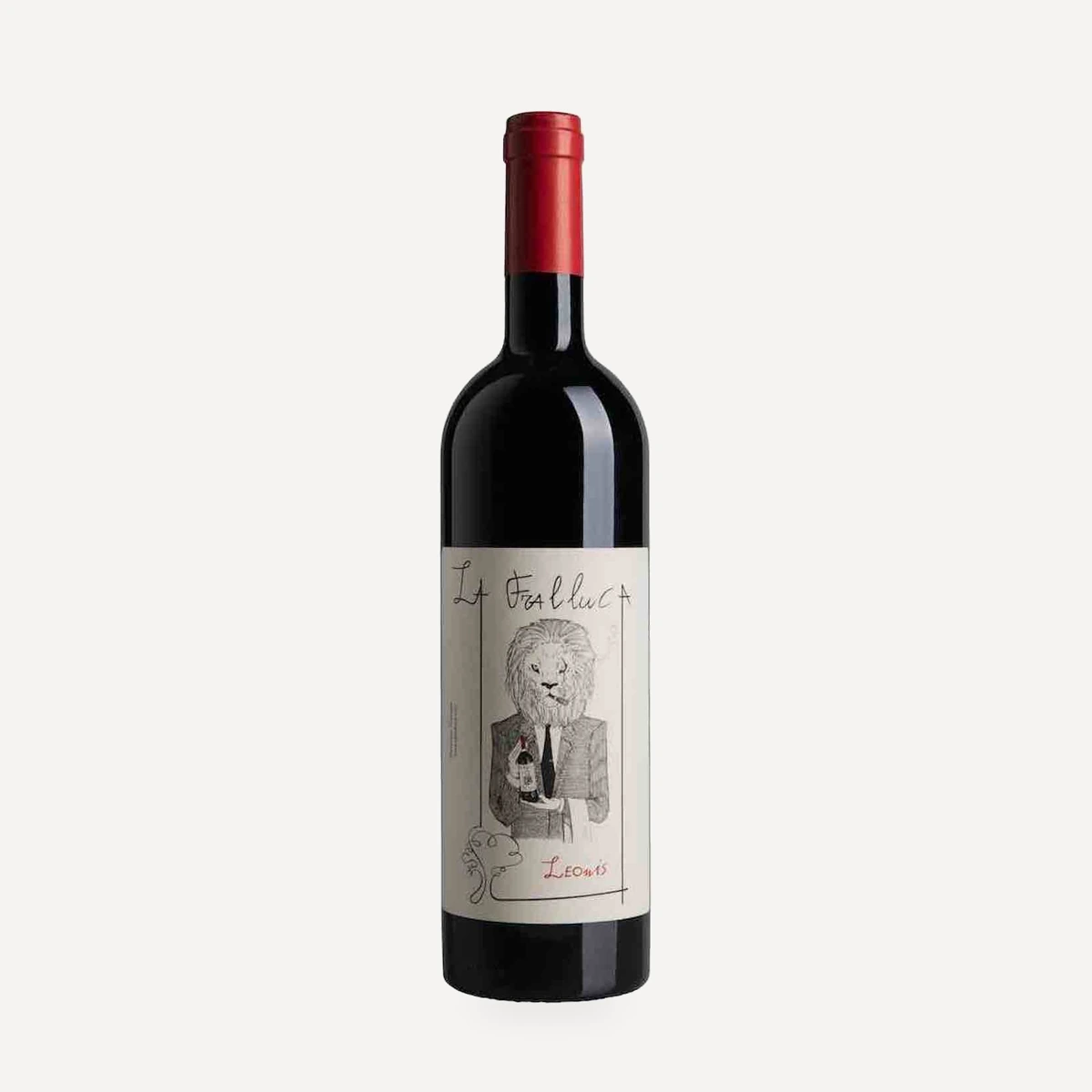
Leonis