Storia
Ancient foundations
The farmhouse rests on an ancient cistern dated to approximately 100 BC. The hand-excavated tuff cave now used for winemaking and maturation was probably created while the cistern was being built. Excavation supplied flint and pozzolana for the construction and for the Roman mortar used to waterproof cisterns. The cave’s branches and barrel niches remain part of the working cellar.
Family ownership from 1864
The estate entered the family in 1864, when it was acquired by Simone di Mattia, an ancestor of Riccardo Magno. The family account identifies him as the father of Riccardo’s grandmother’s grandfather—Riccardo’s great-great-great-grandfather—and places the purchase in the second half of the nineteenth century.
In its earlier form, La Torretta comprised more than 30 hectares of vineyards. It supplied numerous taverns in Rome and the Castelli Romani. Wine was not bottled at the estate: it travelled in small barrels carried by horse. The number of surviving barrel niches in the cave indicates the scale of this historical trade.
The original property was subsequently divided. Today the La Torretta hill accommodates two small wine estates: La Torretta and the neighboring operation of Riccardo’s cousin Gabriele.
Return to estate bottling
Maria Enqvist and Riccardo Magno developed the present small family farm from a longstanding commitment to ecology, environmental sustainability, food awareness and the relationship between agriculture, flora and fauna. In 2015 they decided to begin producing natural wine. They undertook intensive study of natural agriculture and winemaking, supported by the consultancy of Michele Lorenzetti and the practical help of Carlo Noro.
The first wine of the renewed project was Torretta Bianco 2018, bottled in 2019. Production is based exclusively on estate-grown grapes.
Continuing development
From 2022, the estate began changing its approach to shoot topping. Topping is kept to a minimum, with the aim of prolonging phenological activity while preserving acidity in the fruit. Recent harvests have also introduced multiple passes through the rows, collecting only fully mature bunches and allowing the remaining fruit additional ripening time.
The current project remains directly managed by Maria Enqvist and Riccardo Magno with their children. Its three hectares are cultivated organically and biodynamically, while the historical tuff cave, terracotta vessels, cement tanks and local chestnut barrels connect the modern estate with the property’s earlier agricultural life.
Terroir
Position and exposure
The vineyards occupy the slopes of the Vulcano Laziale in Valle Marciana, immediately below Grottaferrata in the Castelli Romani. The estate faces toward Rome and the sea, with Monte Cavo—the prominent surviving extremity of the volcanic complex—behind it. The general vineyard description places the site at approximately 300 metres above sea level; the most recent 2024 material specifies 320 metres. Exposures across the vineyards include west, southwest and east.
Summer nights bring falling temperatures and fresh winds. This nocturnal cooling is associated with the preservation of aromatic expression in the fruit. The property’s terrace and west-facing position overlook Rome and its sunsets.
Valle Marciana tuff
The vineyard occupies a small occurrence of the Tufo di Valle Marciana recorded on the geological map of Rome. This ancient, stratified, light-grey volcanic tuff was formed through repeated eruptions on the outer part of the Vulcano Laziale. Its layers display multiple shades of grey.
The tuff contains abundant ejected fragments ranging from approximately 0.5 millimetres to more than 0.5 metres. These inclusions derive both from lava and other tuffs and from sedimentary materials including limestone, marly limestone, marl and arenaceous marl. Stratigraphically, the Valle Marciana tuff lies above the Villa Senni tuff formation and beneath the peperino di Albano. The exposed rock inside the estate’s cave makes this geology directly visible.
The broader soil description emphasizes tuff, lava, potassium, phosphorus and iron, characterizing the ground as both rich and saline. In parts of the surrounding territory, fossilized waves of brown lava several metres long emerge from the earth.
A mixed-variety landscape
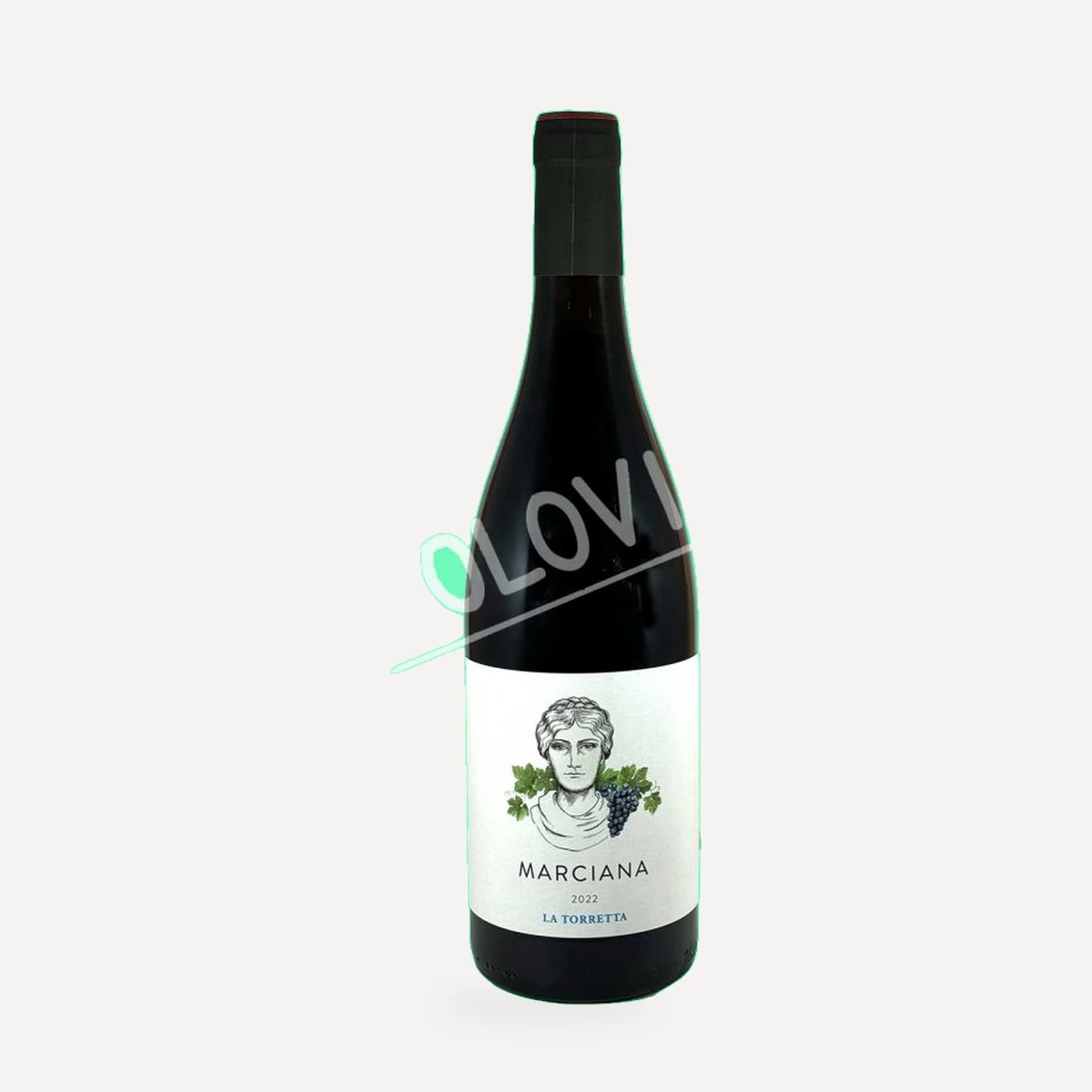
The vineyards contain Bonvino, also identified locally with Trebbiano d’Abruzzo; Bellone Velletrano; Grechetto; Malvasia di Candia; Malvasia Puntinata; and Trebbiano Giallo dei Castelli. Production descriptions additionally identify Trebbiano Toscano, Trebbiano Verde, Cesanese d’Affile, Sangiovese and mixed surviving red vines. The cohabitation of several varieties within the same vineyard forms part of the estate’s approach to field diversity and blending.
Vinificazione
La Torretta is certified organic by Sidel, with IF-BIO-021 appearing on the estate’s certified labeling, and certified biodynamic by Demeter. Farming is described as natural and conducted according to biodynamic principles.
Horn manure preparations 500 and 500P are used to stimulate root systems across the vineyard, orchard and vegetable garden and to broaden the biological diversity of the soil. Seasonal green manures and manure heaps treated with biodynamic preparations fertilize the soil surface and help preserve moisture, a practice intended to strengthen the plants’ response to progressive climatic warming.
During spring and leaf development, the estate applies horn silica preparation 501 to support the action of light during photosynthesis. Copper and sulfur are used only when considered strictly necessary.
The objective is not to let vines dominate the farm ecosystem. La Torretta connects plant diversity and balanced relationships among organisms with the natural management of fungal disease and other vineyard hazards. Bees are kept to reinforce pollination and to support colonies considered especially vulnerable to climatic change. The wider farm population also includes a dog, five cats, rabbits, geese, hens and roosters.
Shoot topping has been kept to a minimum under an approach begun in 2022. The aim is to preserve fruit acidity by extending the vine’s phenological activity. In 2024, pruning took place according to schedule, buds developed gradually and flowering occurred normally and at the expected time. Disease pressure did not require intensive treatment.
Harvest is manual into crates. Selection begins in the vineyard and is deliberately rigorous: only healthy, fully mature bunches and berries are accepted. Recent harvests have involved several passes through the rows, picking ripe bunches and leaving the rest longer. This carries a risk that later rain may dilute the remaining crop, but the estate considers full maturity essential for spontaneous fermentation and for balancing acidity with berry sweetness.
Historical cellar
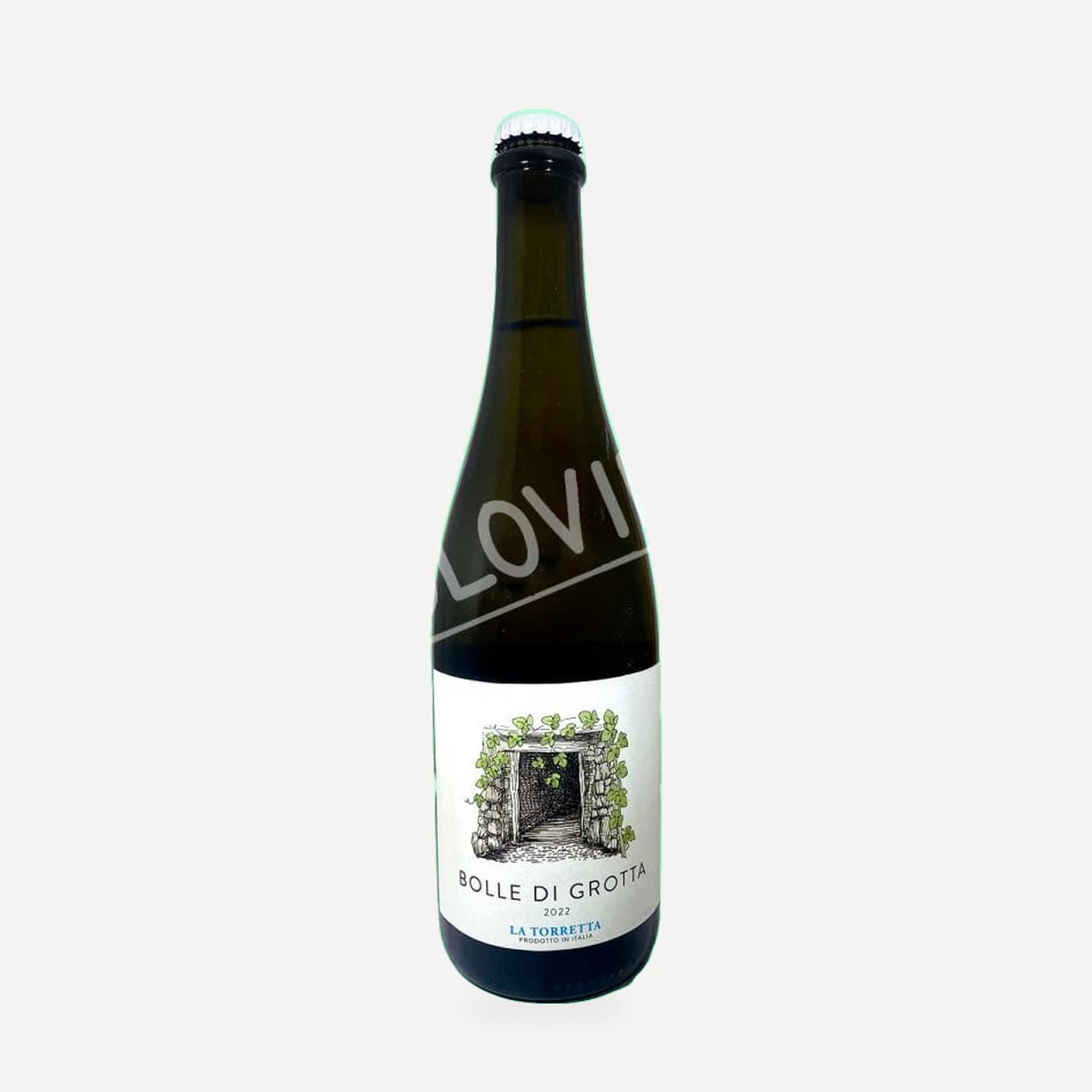
Winemaking and maturation take place in an ancient cave excavated by hand from the estate’s tuff. Its branches protect vessels and wine from excessive temperature fluctuations. The cave probably originated during construction of the Roman-period cistern beneath the farmhouse, and its rock walls expose the layered Valle Marciana tuff.
Fruit and fermentation
Only estate-grown grapes are vinified. Selection in the vineyard prioritizes mature, sound bunches and berries so that fermentation can begin spontaneously with minimal risk. Depending on the harvest and intended expression, grapes may be destemmed and crushed or gently pressed. Whole bunches are sometimes incorporated. The 2024 approach included spontaneous fermentation of free-run juice with whole bunches for the white production and several hours of skin contact before spontaneous fermentation for the rosé.
Fermentations proceed without inoculated yeasts. Earlier production documents also specify no addition of bacteria or other oenological additives. The estate experiments with both shorter and longer skin macerations and adjusts treatment to the grape variety and the conditions of each vintage rather than following a fixed recipe.
Vessels and maturation
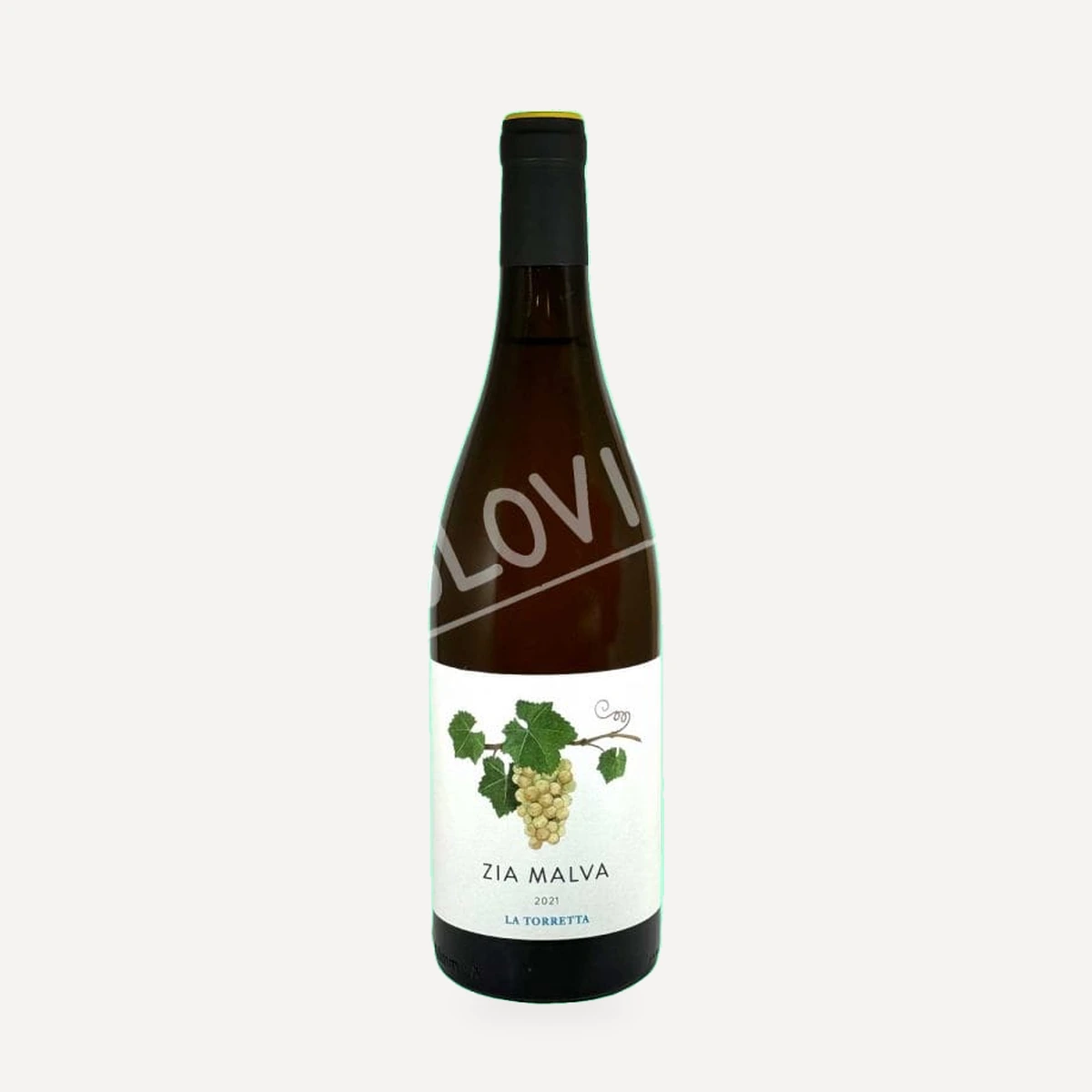
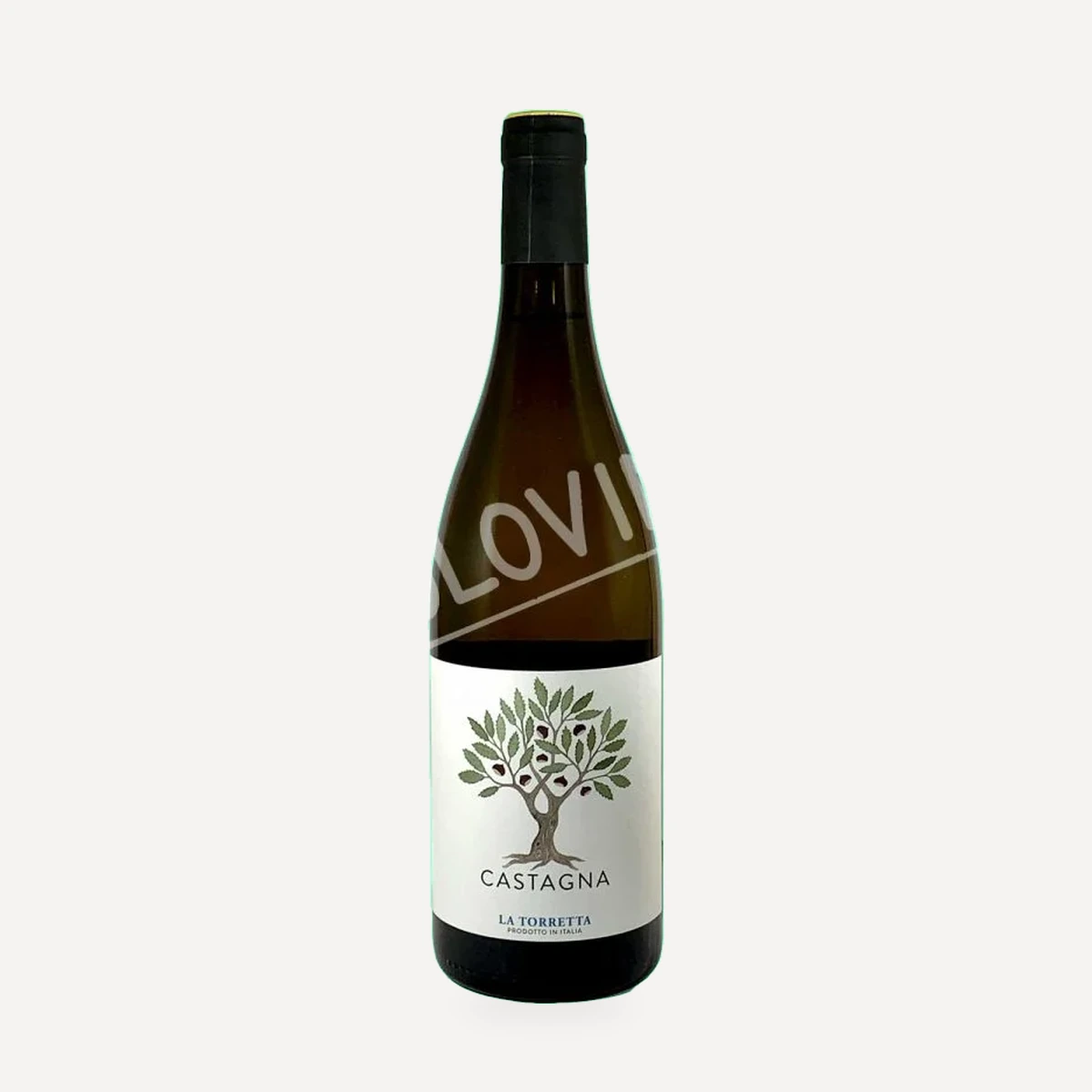
The cellar emphasizes vessels made from natural materials. Terracotta includes both amphorae and buried Georgian amphorae or dolia; cement is also used. Local chestnut wood is used for barrels, particularly for fruit from the oldest vineyard.
Maturation regimes represented across the estate include approximately six months in amphora; approximately twelve months in buried amphora and cement; and approximately fifteen months in local chestnut barrels. Some wines receive further bottle maturation. Natural refermentation in bottle is carried out using must from the same vintage.
The estate regards terracotta, chestnut wood and bottle maturation as active stages in the wine’s evolution. Technical choices remain deliberately adaptable: gentle pressing, whole bunches, the length of skin contact and the selection of vessel are reconsidered for the character of each harvest.
Filosofia
La Torretta defines natural wine as a human and communal practice that safeguards life from the vineyard to the glass, avoids serious interference and accompanies rather than replaces natural transformation. Its approach links wine to the wider biological life of the farm.
The project places mature, healthy fruit at the center of production because this is considered essential for reliable spontaneous fermentation. Rigorous selection in the vineyard is therefore more important than corrective intervention in the cellar. Waiting for fermentation and allowing later-picked fruit to ripen can introduce risk, but accepting that risk is treated as part of the discipline of production.
There is no fixed technical formula. Maceration lengths, whole-bunch use, gentle pressing and vessel choice remain subjects of experimentation. Maria Enqvist and Riccardo Magno describe themselves as still learning how to adapt decisions to different harvests, guided by observation, intuition, continued study and taste.
Vintage differences are not treated as something to erase. The sensitivity of the vineyards and cellar methods is intended to transmit each season directly, with terracotta, local chestnut and bottle maturation providing environments in which the wines can continue to evolve.
The agricultural philosophy extends beyond vines. La Torretta seeks a living unity in which people, plants, animals and microorganisms regain balanced relationships. Biodiversity, biodynamic study and respect for the spiritual dimension of agriculture form part of the family’s understanding of sustainability.
Vini
Bolle di Grotta
Castagna
Marciana