Storia
Founding in 1999
La Trava began in 1999, when Giorgio Costa and Maria Grazia Rivetti purchased the historic Cascina La Trava on the hills of Mango in the province of Cuneo. Motivated by their attachment to the surrounding territory, they renovated the farmhouse and carefully converted the vineyards.
First production in 2000
Following the restoration and vineyard conversion, La Trava began producing Moscato in 2000. Its first bottle of Moscato was made that year. The estate subsequently developed a broader portfolio based on Favorita, Arneis, Dolcetto, Barbera and Nebbiolo as well as Moscato.
Manuela joins in 2010
Giorgio and Maria Grazia passed their commitment to the family business to their daughter Manuela. In 2010 she joined the management of the winery, taking responsibility for work in both the vineyards and cellar. Maria Grazia remained involved in hospitality and tastings, while Giorgio continued his work in the vineyards. Maria Grazia and Giorgio also oversee the stages of production in the cellar.
The surrounding landscape in 2014
In 2014, the vineyard landscape of which La Trava forms part was recognized by UNESCO as a World Heritage Site. The recognition reflects the landscape’s cultural and historical value and its connection with the development of Italian viticulture.
New methods from the 2015 harvest
Beginning with the 2015 harvest, La Trava added innovative production methods alongside its traditional practices. The purpose was to bring forward characteristics of the wines that had previously received less emphasis. Research and development were combined with the preservation of each grape variety’s original identity and flavor.
Environmental measures
Environmental awareness became an increasingly explicit part of the estate’s work. La Trava acquired machinery for managing the soil beneath the vine rows and increased its use of natural fertilizers. Its environmental measures were extended beyond the vineyard through the adoption of lighter bottles, intended to reduce the burden of transport, and reduced paper use in the sales process.
Terroir
La Trava is situated at Via Trava 2 on the hills of Mango, in the province of Cuneo. Its setting forms part of the Langhe landscape, with views extending across the Langhe and Roero and, in clear conditions, to Monviso.
The estate characterizes the local ground as marly and humid and describes its vineyards as part of a landscape of pronounced hills. The area around the property includes vineyards, hazelnut trees and truffle grounds, while the wider panorama combines cultivated hills with mountain views.
The vineyards lie within the territory recognized by UNESCO as a World Heritage Site in 2014 for its cultural and historical value and its association with the development of viticulture. The hills around Mango are particularly associated with Moscato in La Trava’s account of its setting.
Vinificazione
Simplicity is the organizing principle of La Trava’s vineyard work. All work among the rows is intended to respect the surrounding environment and natural setting. Grass is retained between the vine rows, and the estate favors native grape varieties to maintain a close connection between its vineyards and the identity of the area.
Environmental awareness has led La Trava to reconsider the effects of non-rational chemical use. The estate acquired dedicated machinery to manage the ground beneath the vine rows and reports increasing its use of natural fertilizers to care for the soil. These measures combine straightforward vineyard practices with newer machinery and techniques.
Sustainability measures continue after cultivation: lighter glass is used for every bottle to reduce the transport burden, and paper use has been reduced within the sales process.
Maria Grazia Rivetti and Giorgio Costa follow the different stages of production in the cellar. Their stated method centers on preserving and enhancing the aromas of the grapes, selecting the best bunches and avoiding barriques.
Traditional processing remains part of the cellar approach. Beginning with the 2015 harvest, La Trava placed innovative methods alongside those established practices in order to bring forward characteristics that had previously remained in the background. The resulting approach combines wine research and development with the aim of preserving the original taste and identity of each grape variety.
The property’s historic buildings were renovated before production began in 2000. No detailed cellar protocol is defined for crushing, pressing, fermentation, maceration, temperature control, yeasts, malolactic conversion, vessel types other than the rejection of barriques, maturation periods, stabilization, filtration, sulfur use or bottling.
Filosofia
La Trava defines its philosophy through the care of simplicity, applying that idea both to growing vines and making wine. Vineyard work is intended to respect the surrounding environment, while the preference for native varieties is meant to preserve the clearest possible identity of the territory.
In the cellar, simplicity is expressed through attention to grape aromas, selection of the best bunches and the avoidance of barriques. Tradition is not treated as incompatible with experimentation: innovative methods introduced with the 2015 harvest are paired with research and development, but their purpose remains the preservation of the grape variety’s original character.
Environmental responsibility extends across the production chain. Mechanical under-row management and greater reliance on natural fertilizers address vineyard and soil care, while lighter bottles and lower paper consumption reduce impacts associated with transport and sales.
Vini
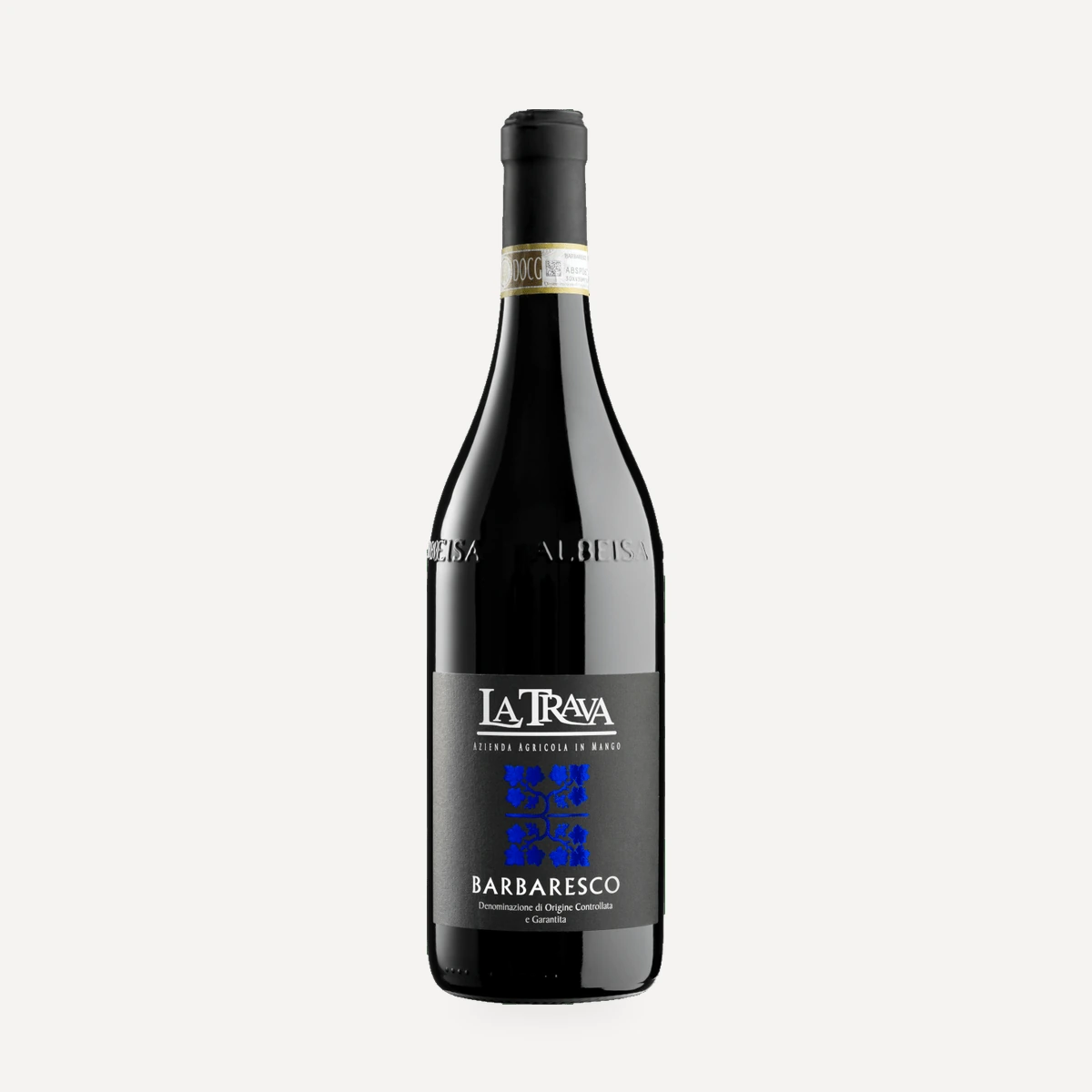
Barbaresco DOCG
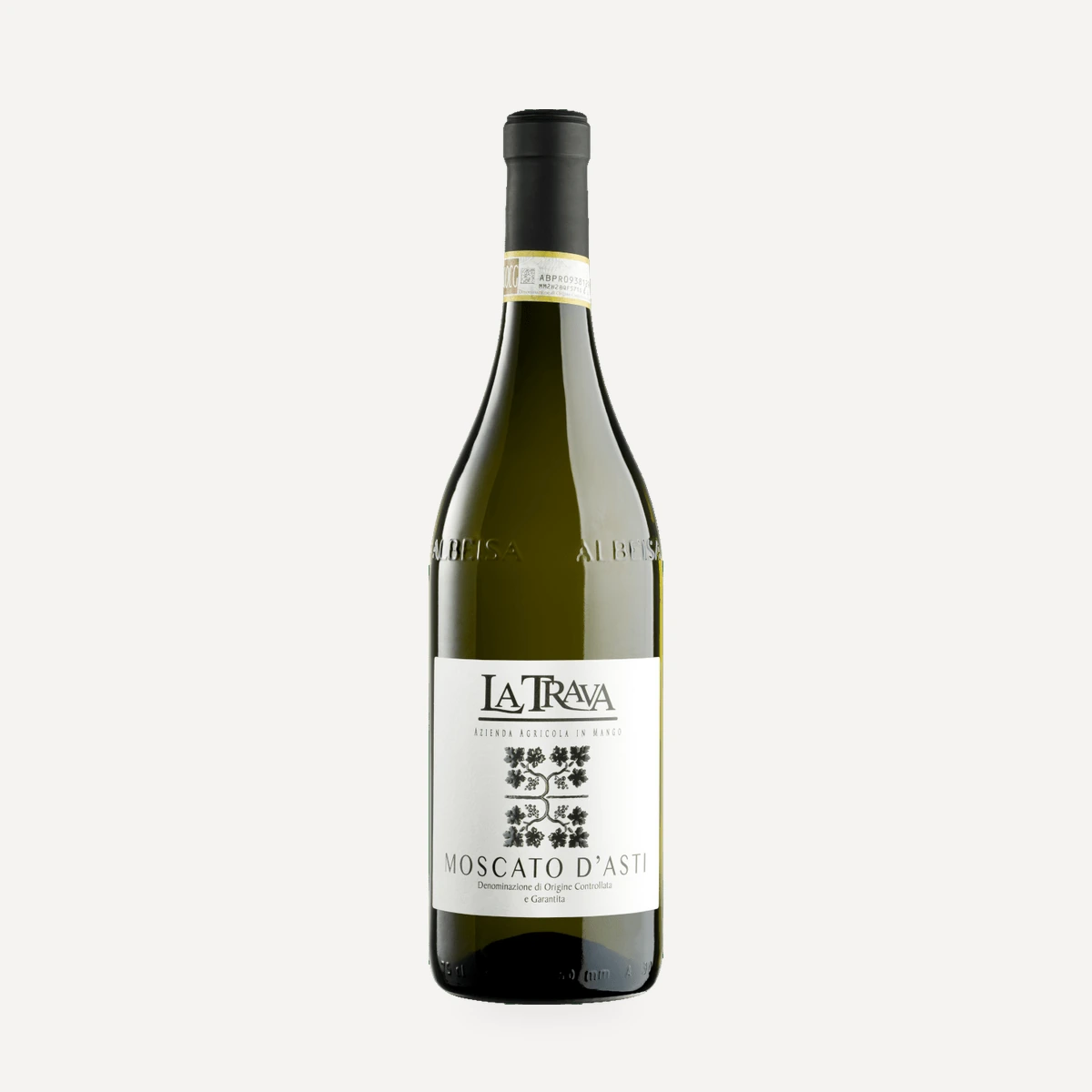
Moscato d'Asti DOCG
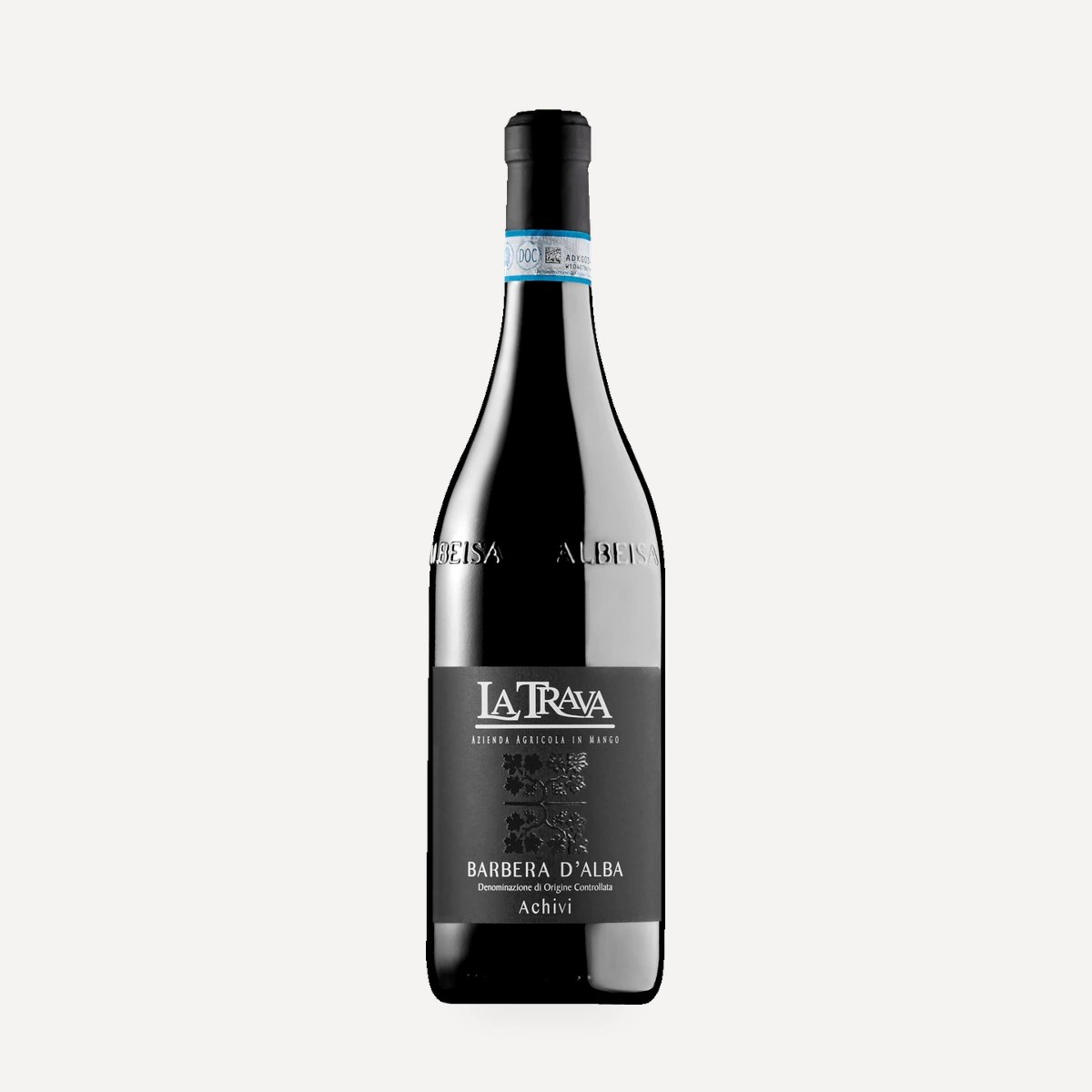
Barbera d'Alba DOC
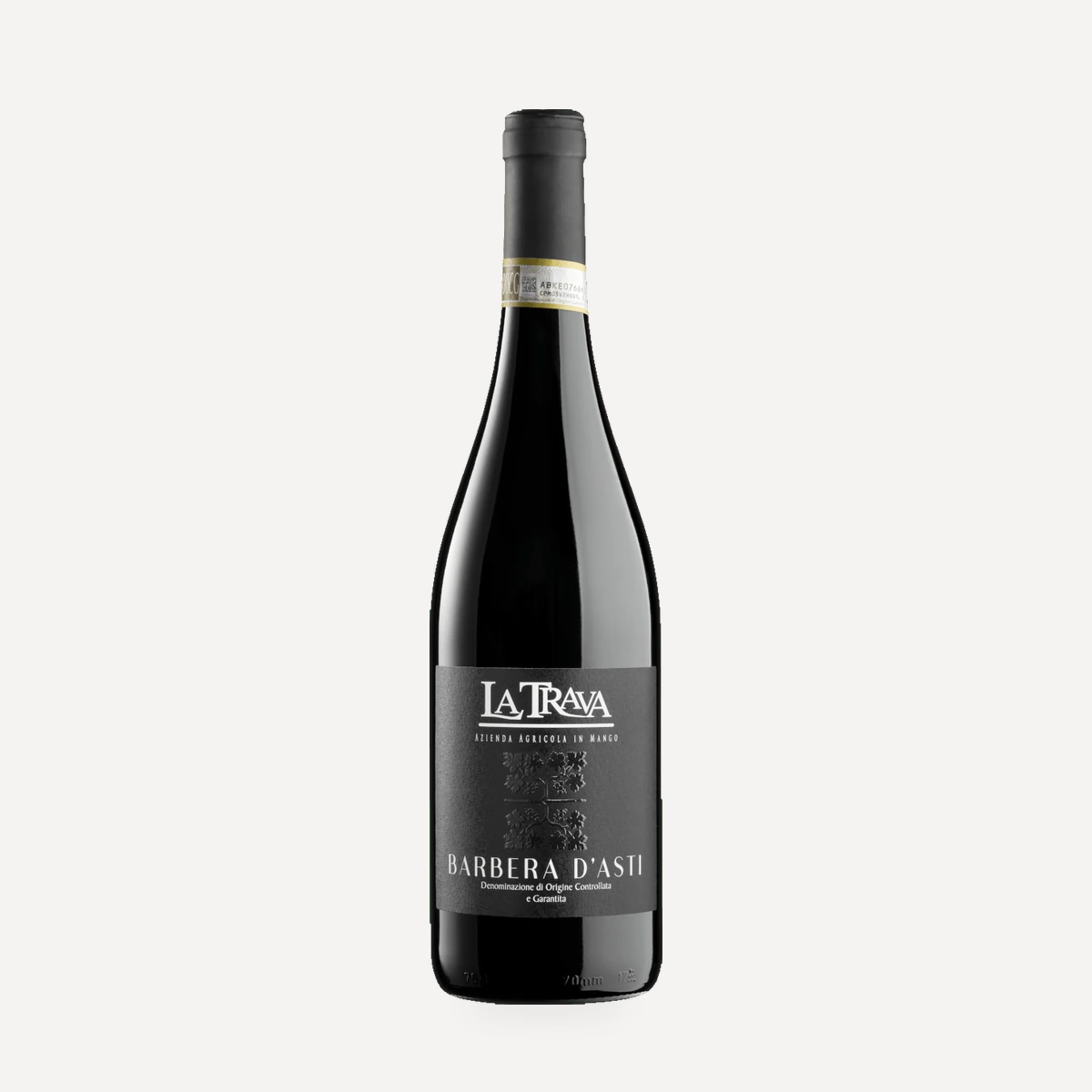
Barbera d'Asti DOCG
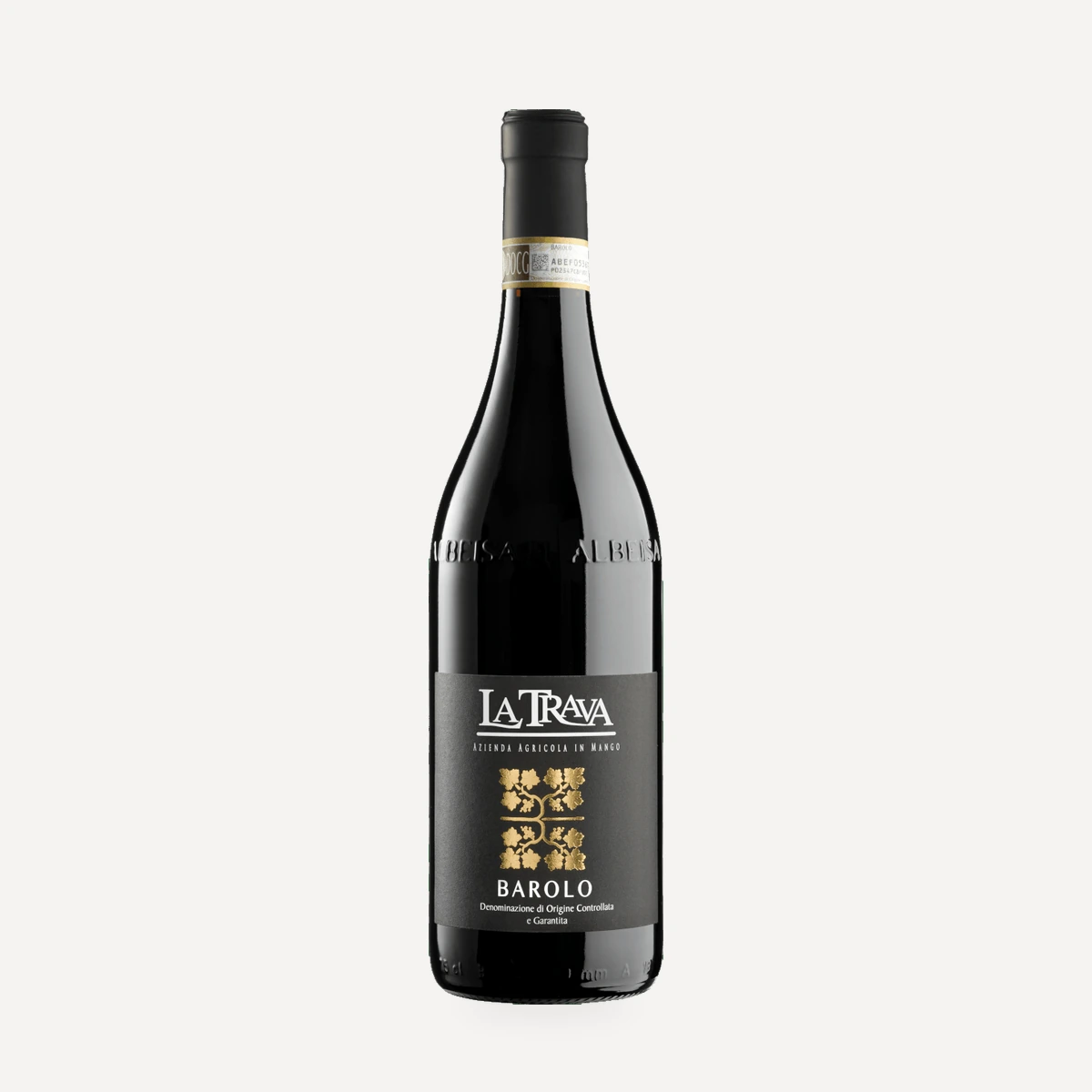
Barolo DOCG
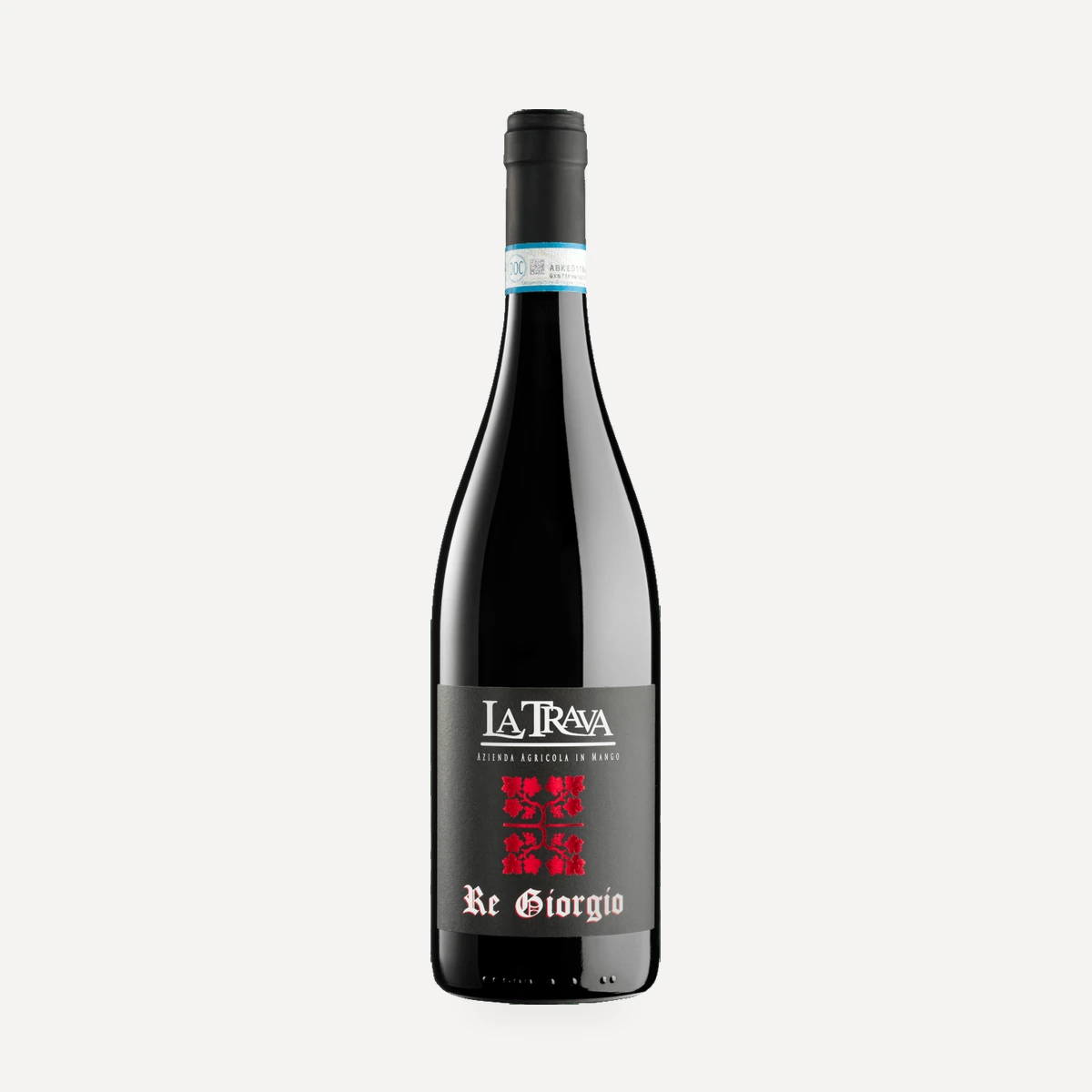
Langhe Rosso DOC Re Giorgio
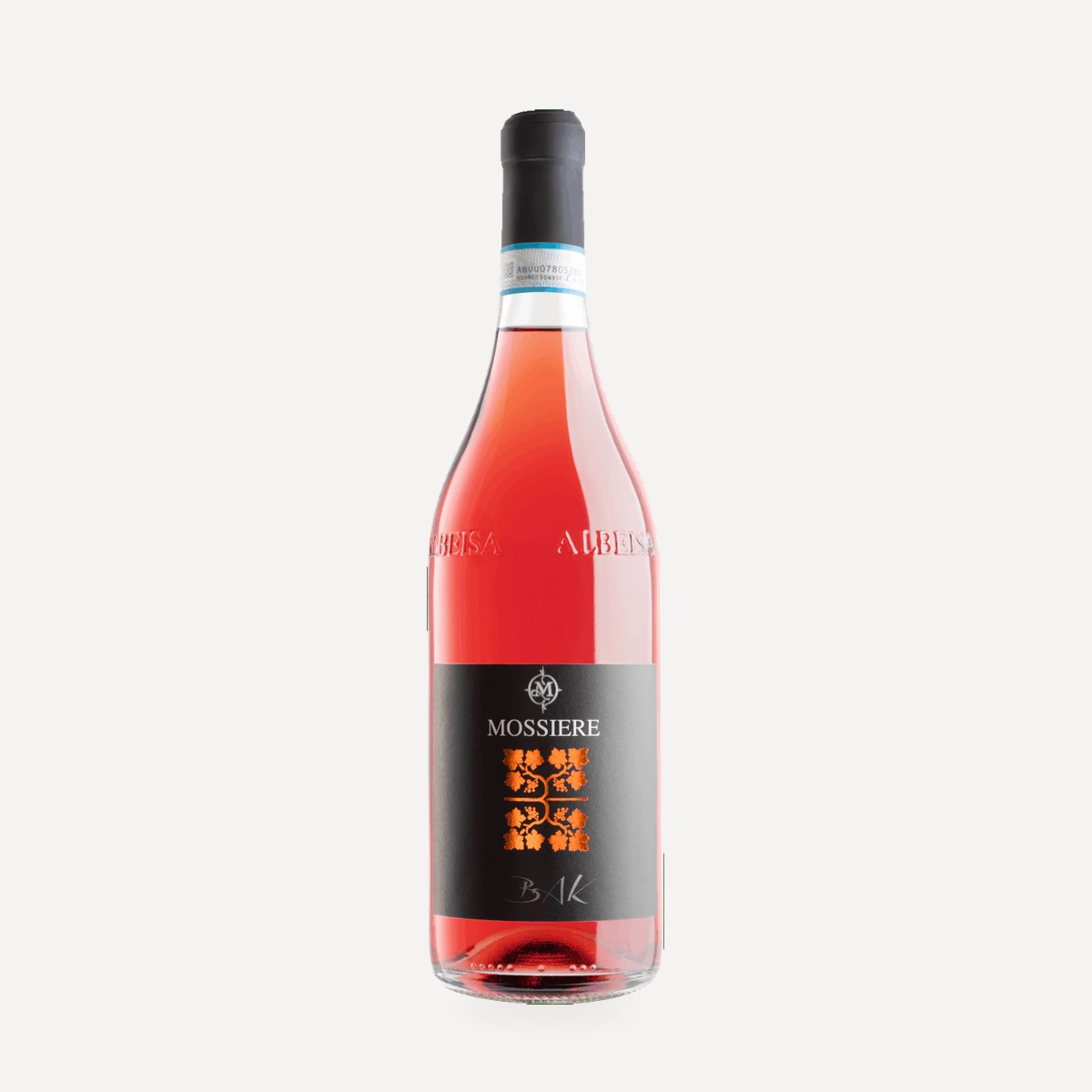
Langhe Rosato