Storia
Return to the Cavit cooperative structure
By spring 2019, Cantina di La-Vis e Valle di Cembra was a former Cavit member and had expressed an interest in returning to the consortium as a supplying cooperative. The proposed return formed part of a broader transaction involving businesses then controlled by the winery.
The following months were devoted to financial, fiscal, legal and employment-related due diligence, business valuation, and planning for the operational and strategic integration of the companies concerned. PwC was assigned this preliminary analysis.
November–December 2019 transaction
A framework agreement was signed in November 2019. The operation was completed in December and comprised two complementary steps. Cavit acquired Casa Girelli S.p.A. and Cesarini Sforza S.p.A., both previously wholly controlled by Cantina di La-Vis e Valle di Cembra, together with an 80% interest in G.L.V. S.r.l. The latter company handled the distribution of the Cantina La-Vis, Cembra Cantina di Montagna and Cesarini Sforza brands. At the same time, Cantina di La-Vis e Valle di Cembra re-entered Cavit as a supplying member.
The transaction closed the restructuring arrangement to which the businesses had been subject. Employment was maintained across the companies involved. Its stated strategic purposes included strengthening sparkling-wine activity, creating operating units for particular market requirements, and improving the long-term valorisation and segmentation of wines from the territory.
Integration from 2020 onward
Organisational, production, logistics and information-technology integration began during the first months of 2020, although the work was slowed by the COVID-19 lockdown.
During the 2020/21 financial year, the winery’s admission increased Cavit’s grape and wine supply plan to more than 400,000 hl. Requirements also rose in response to market demand, including demand associated with Cesarini Sforza and, in part, Casa Girelli.
Representation within Cavit
Pietro Patton represented Cantina di La-Vis e Valle di Cembra on Cavit’s board of directors during the 2019/20, 2020/21 and 2021/22 reporting periods. He resigned from the board on 12 October 2022 following his election to the Senate of the Italian Republic.
Angela Curzel subsequently became the cooperative’s representative on the Cavit board. She appears in that role in the 2022/23, 2023/24 and 2024/25 governance records.
In the 2024/25 reporting structure, Cantina di La-Vis e Valle di Cembra remains one of Cavit’s eleven associated social wineries and is assigned to both Valle dell’Adige and Valle di Cembra.
Terroir
Cantina di La-Vis e Valle di Cembra is associated with two distinct Trentino growing areas: Valle di Cembra and Valle dell’Adige.
Valle di Cembra
Valle di Cembra has an Alpine climate and a combination of volcanic and glacial soils. The volcanic porphyry-derived soils are shallow and siliceous and are associated with slightly aromatic white wines. Soils formed from glacial deposits are deeper, structured and rich in coarse mineral material, conditions suited to grapes intended as sparkling-wine bases.
The varieties identified with this macro-area are Müller Thurgau, Chardonnay, Nosiola, Gewürztraminer and Pinot Nero.
Valle dell’Adige
Valle dell’Adige has a continental climate. Its vineyards extend from approximately 190 to 650 metres above sea level, with south, south-east and south-west exposures.
The alluvial valley floor is dominated by silt and sand. Along the mountainsides, dolomitic limestone soils were formed from material transported and deposited by rivers or glaciers. Chardonnay is particularly associated with these sites for both still wines and sparkling-wine bases. Nearer the mountains, sedimentary soils with a prevalence of siltstone are associated with aromatic white and red varieties.
The varieties identified with Valle dell’Adige are Chardonnay, Cabernet Sauvignon, Gewürztraminer, Lagrein, Merlot, Nosiola, Pinot Bianco, Pinot Grigio, Pinot Nero and Schiava.
Vinificazione
As one of Cavit’s associated cooperatives, Cantina di La-Vis e Valle di Cembra participates in a shared system of precision and integrated viticulture.
The PICA platform—Piattaforma Integrata Cartografica Agriviticola—was created in 2010 with Fondazione Edmund Mach and Fondazione Bruno Kessler. It combines soil mapping, geo-climatic analysis, individual-vineyard records and information from field sensors. Processed data are returned to growers through personalised notifications that support day-to-day vineyard decisions.
PICA is used to identify suitable varieties for individual parcels, conduct controls and selections through the agronomic cycle, monitor ripening and determine the optimum harvest period. Its environmental functions include rationalising plant-protection treatments, supporting pathogen control, tailoring resource use to individual vineyards and optimising water use.
All Cavit members hold SQNPI certification under Italy’s Sistema di Qualità Nazionale Produzione Integrata. The cooperative network also participates in the Protocol for Quality Winegrowing in Trentino, which regularly verifies whether vineyard practices meet its sustainability requirements.
Promoted field practices include green manuring, preservation and maintenance of dry-stone walls, and insect mating disruption. These measures are directed toward soil health, biodiversity, landscape conservation and more targeted crop protection.
Vini
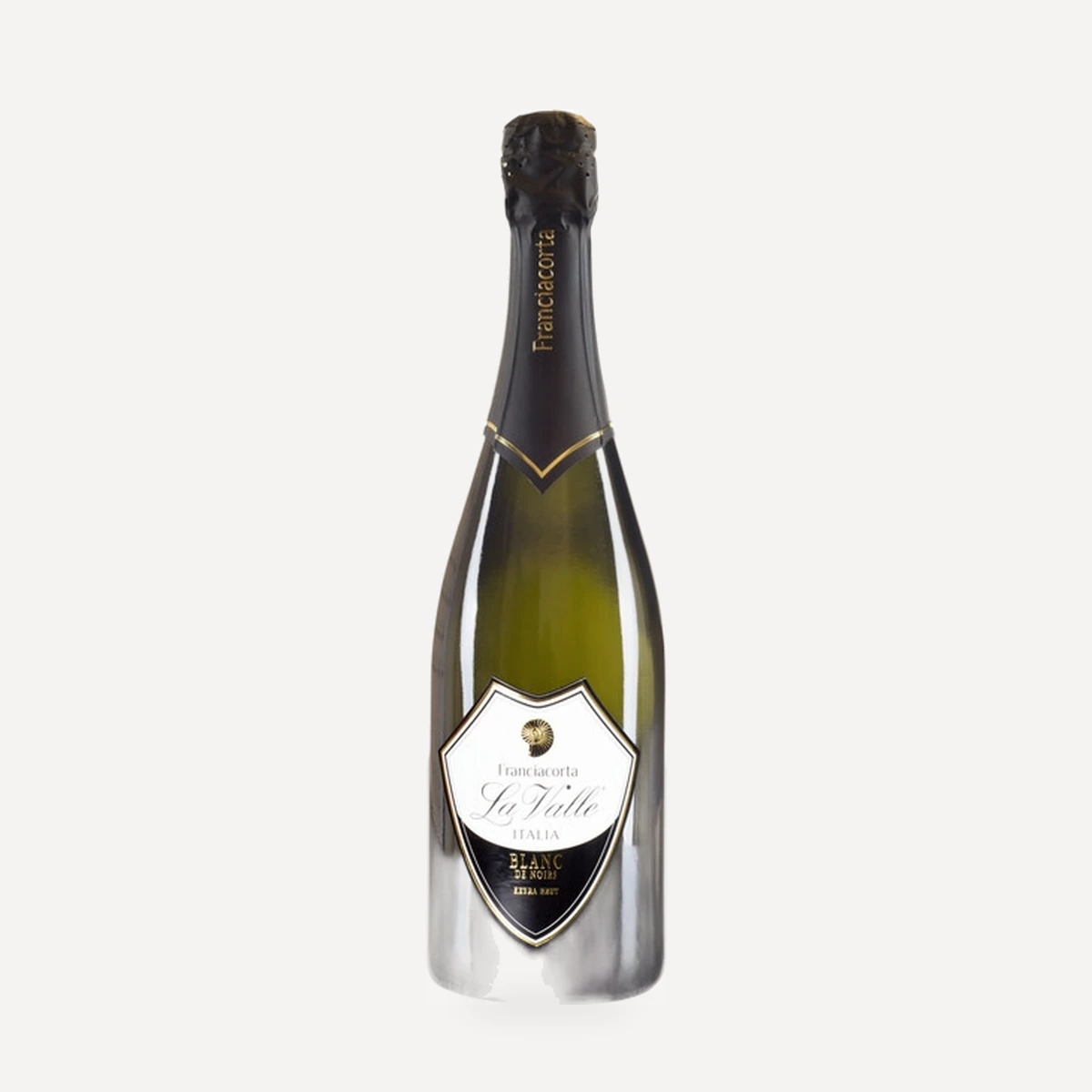
Blanc de Noirs Extra Brut Franciacorta DOCG
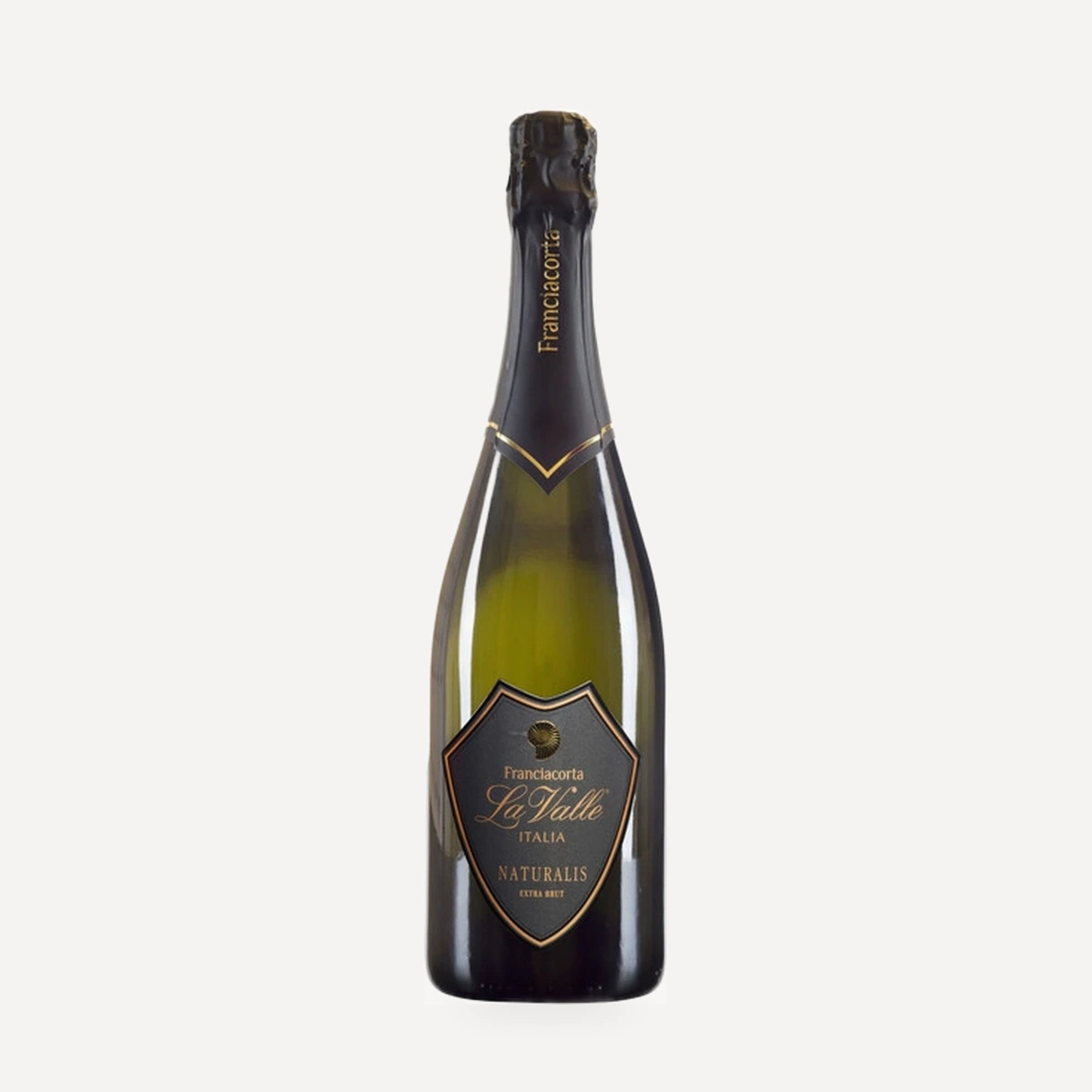
Naturalis Extra Brut Franciacorta DOCG
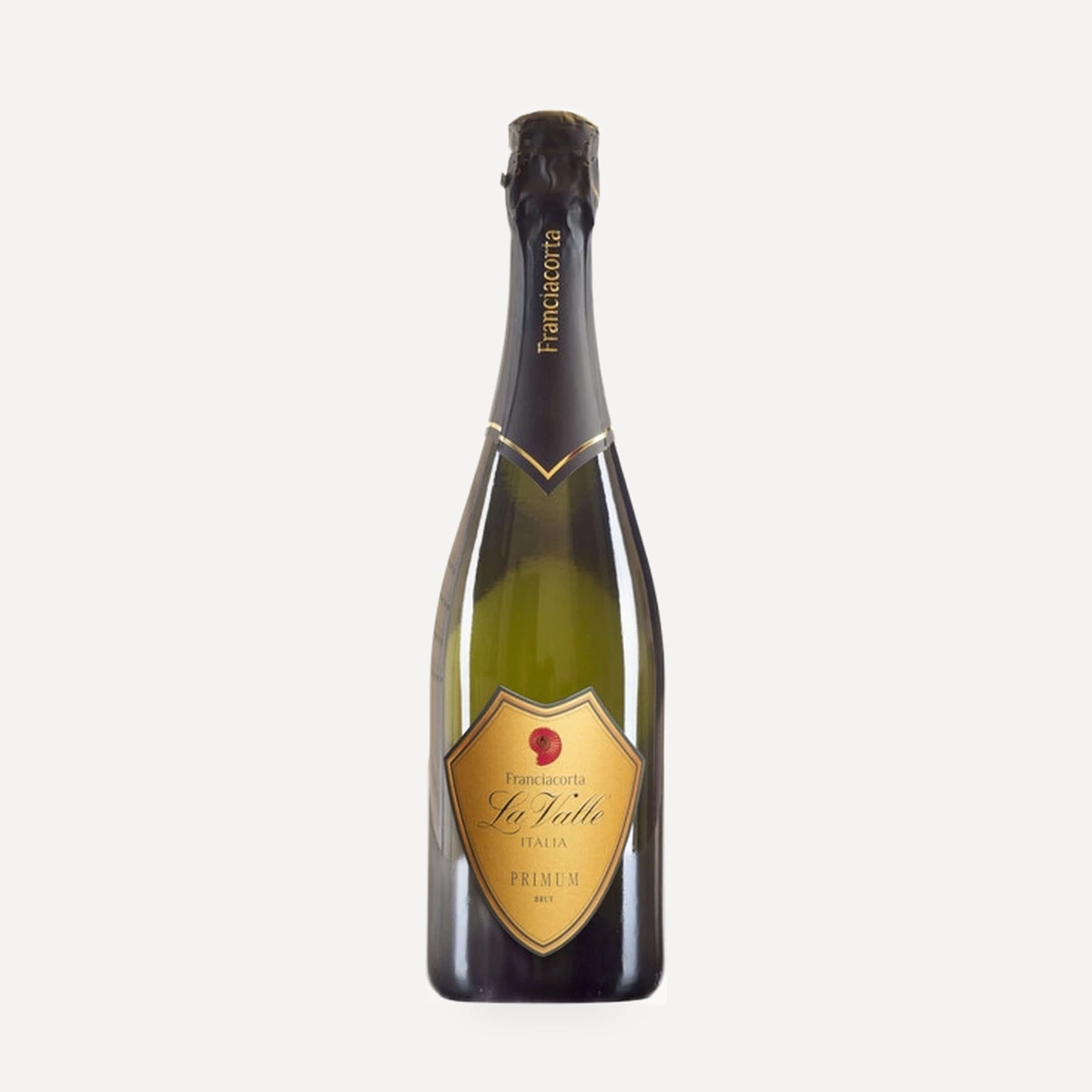
Primum Brut Franciacorta DOCG