Storia
The Schmitt-Vitali era
The Schmitt-Vitali family took control of Fattoria Le Fonti in 1994. The family directly oversees the wine-production chain from pruning through commercialization, assisted by a small number of experienced collaborators. Annual production is approximately 40,000–50,000 bottles.
Beginning in 1994, all the vineyards were replanted. Plant material and rootstocks were selected to suit the estate’s position, elevation, soils and the variations among individual parts of the property. The cellars were completely renovated and enlarged, and new winemaking technology was introduced.
Evolution of the vineyards
Sangiovese accounts for approximately 85% of the principal vineyard plantings, with the remainder divided between Merlot and Cabernet Sauvignon. A small plot containing 200 Malvasia and Trebbiano vines was subsequently added for a passito intended to enter the market from 2018 onward.
Evolution of Fontissimo
Fontissimo began in the early 1990s as a Sangiovese–Cabernet Sauvignon blend. Merlot was first added in 2003. The 2012 and 2013 vintages were composed solely of Cabernet Sauvignon and Merlot in a 60:40 ratio. Sangiovese returned as a small component beginning with the 2014 vintage.
Terroir
Fattoria Le Fonti lies immediately below the village church of Panzano in Chianti, halfway between Florence and Siena, in the heart of the Chianti Classico area. The winery and vineyards stand at approximately 450 m above sea level. The vines occupy a southeast-facing hillside and form a horseshoe around the winery beneath the village.
The soils vary across the property. Their components include gravel or stone, schist, limestone, sand, clay and volcanic stone; the mixed formation is identified as Galestro. Plant material was selected to take advantage of the differences among parts of the estate.
The vineyards have an open position exposed to cooling winds, which help them dry quickly. During the late-April frost of 2017, this openness and airflow helped limit damage. Technical records for 2016 also describe favorable differences between daytime and nighttime temperatures during the decisive ripening period.
Vinificazione
The vineyards and olive groves are certified organic by ICEA and are managed with an emphasis on maintaining environmental integrity and balance in the soil.
Autumn and winter
The annual vineyard cycle begins immediately after harvest. Around the middle to end of October, every second row is sown with a mixed cover crop that includes rocket, grasses, red beet, beans or fava beans, barley and rapeseed. Germinating plants loosen and aerate the soil. In spring they are cut, and where appropriate incorporated into the soil as fertilizer and a source of nitrogen.
Vines and olive trees are pruned from winter into spring. The vineyard pruning is described as strict, limiting the structure carried into the new season.
Spring and summer canopy work
As growth begins, the first shoots are selected, unwanted shoots are removed and the retained growth is trained between the wires. New branches are repeatedly repositioned as they lengthen. Laterals are trimmed and further canopy growth is discouraged after the desired height is reached, directing the vine’s energy toward the fruit rather than additional foliage.
A green harvest takes place around véraison in August. Excess bunches are removed—down to one bunch per shoot in the most specific description—to improve selection and promote full, timely ripening.
Harvest
Merlot is normally the first variety harvested, beginning around the middle of September. Sangiovese follows around the beginning of October, then Cabernet Sauvignon. All grapes are harvested manually. Selection in the vineyard retains healthy, fully ripe bunches, which are carried promptly to the cellar in small 15–20 kg cases to avoid premature crushing. A second selection occurs during destemming.
The cellars were completely renovated and enlarged after the Schmitt-Vitali family assumed control in 1994, and new production technology was introduced. The family follows the entire process with a small group of experienced collaborators.
Hand-harvested grapes arrive in 15–20 kg cases. A second selection is performed at the destemmer. The destemmed fruit is transferred to small and medium-sized stainless-steel fermentation tanks and cold-soaked for two to three days before alcoholic fermentation.
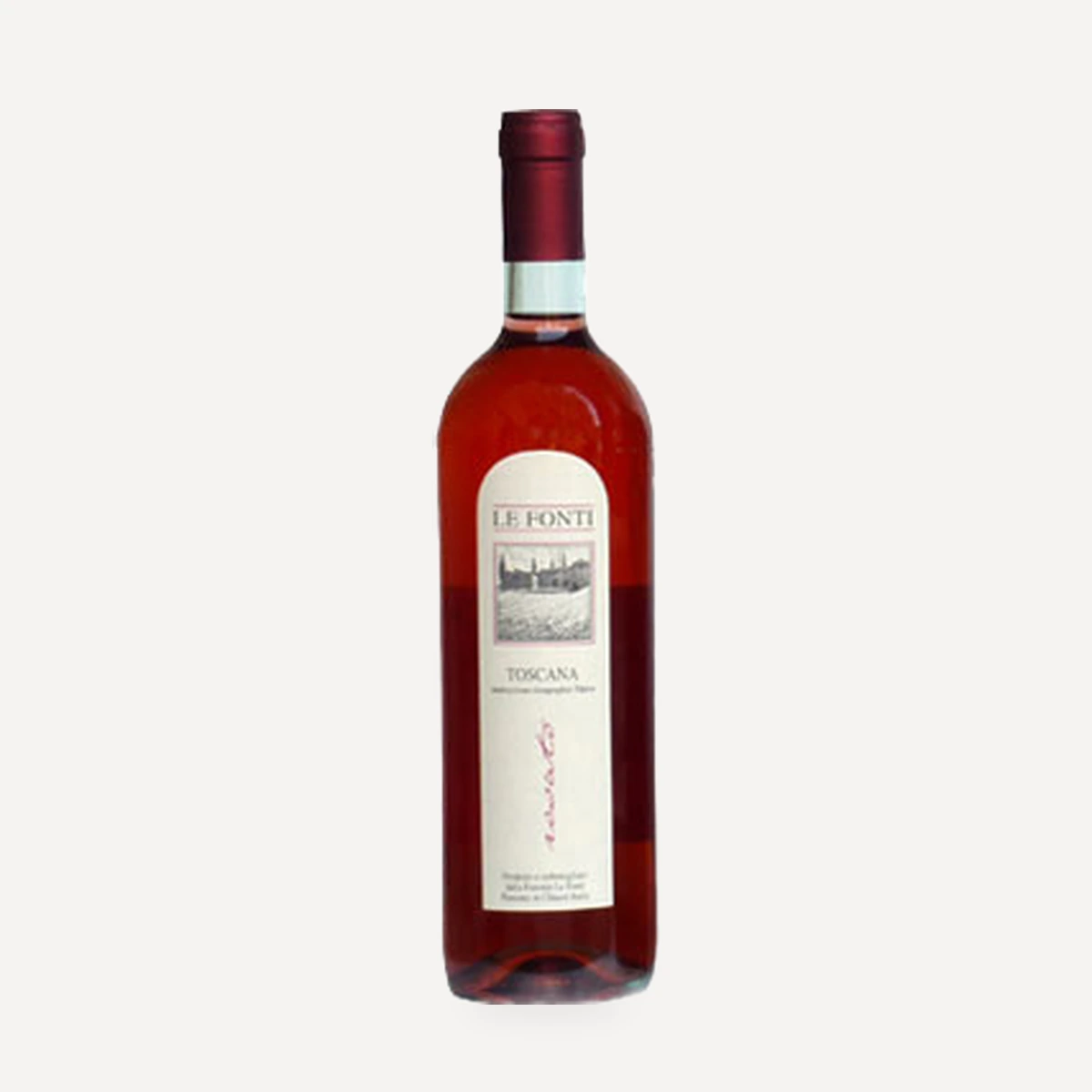
Whenever conditions permit, fermentation begins spontaneously with indigenous yeasts present on the grapes. Technical sheets describe slow fermentation at 28–29°C. Within the first 12–18 hours, approximately 10–15% of the liquid is drawn from every Sangiovese and Merlot tank by salasso. The removed must continues fermenting at low temperature without skins to produce Rosato. Removing this juice also raises the skin-to-must ratio in the red-wine tanks and increases color concentration.
During fermentation, the must is pumped over the cap three or four times per day to extract color, tannins and aromatic components. The first fermentation and maceration phase lasts approximately 25–30 days; technical records place pressing and separation from the skins toward the end of October. The free-run wine is drawn off and the skins are pressed lightly.
The wines subsequently undergo malolactic fermentation, converting malic acid into lactic acid and softening the tannin profile. This process is normally complete by December. Blending begins in January, after which the wines are transferred to their designated maturation vessels. The cellar uses stainless steel as well as French-oak barriques and tonneaux of several capacities.
The pressed Sangiovese pomace is sent promptly to Distilleria Nannoni in Paganico, where it is distilled into the estate’s grappa by the traditional discontinuous method.
Filosofia
Fattoria Le Fonti’s central principle is that the quality of a wine begins in the vineyard. Sustainable organic farming is intended to preserve environmental integrity and maintain balanced soils. Meticulous work in the vines, green harvesting and repeated selection are used to ensure that only healthy, fully ripe grapes reach the cellar.
The estate associates its small scale with close control over each stage of production. The family directly oversees work from pruning through commercialization, supported by only a few experienced collaborators. Selection continues beyond harvest: only the preferred lots are ultimately bottled.
The production approach combines family involvement and sensory judgment with renovated cellars and modern technology. Intervention is restrained where conditions allow, particularly through spontaneous fermentation with indigenous yeasts, while temperature-controlled tanks, salasso, scheduled pump-overs and carefully assigned maturation vessels provide technical control.
Vini
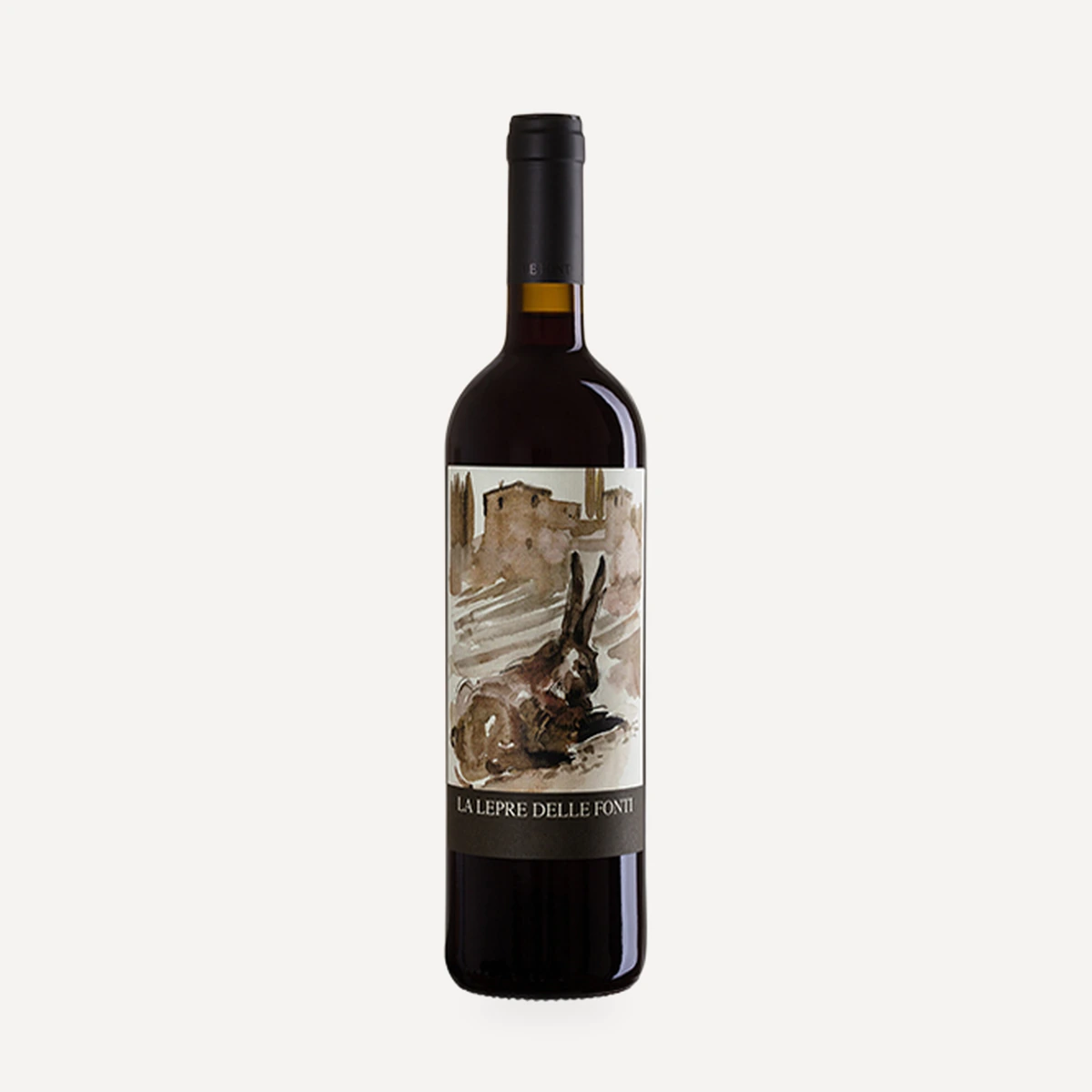
La Lepre delle Fonti IGT
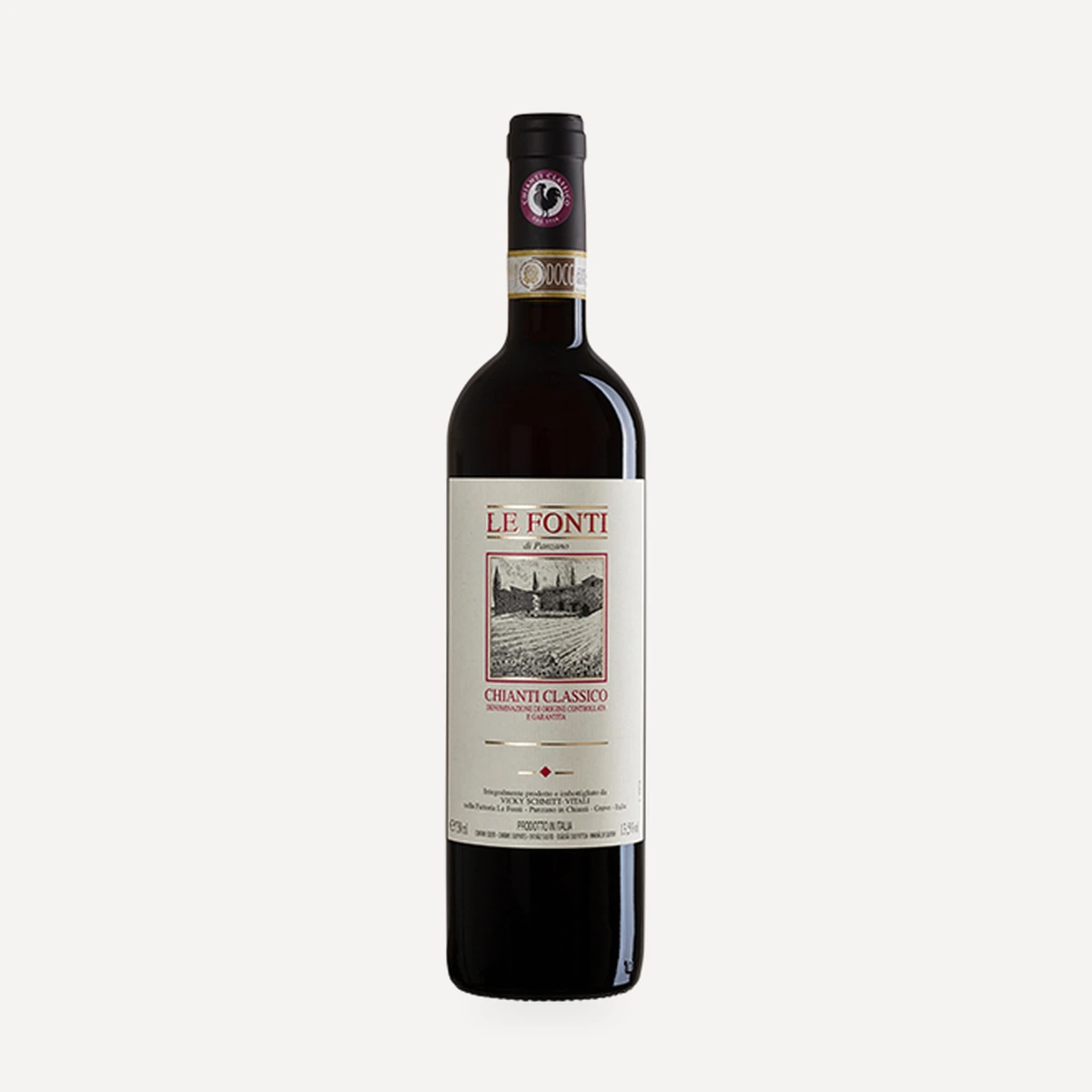
Chianti Classico DOCG
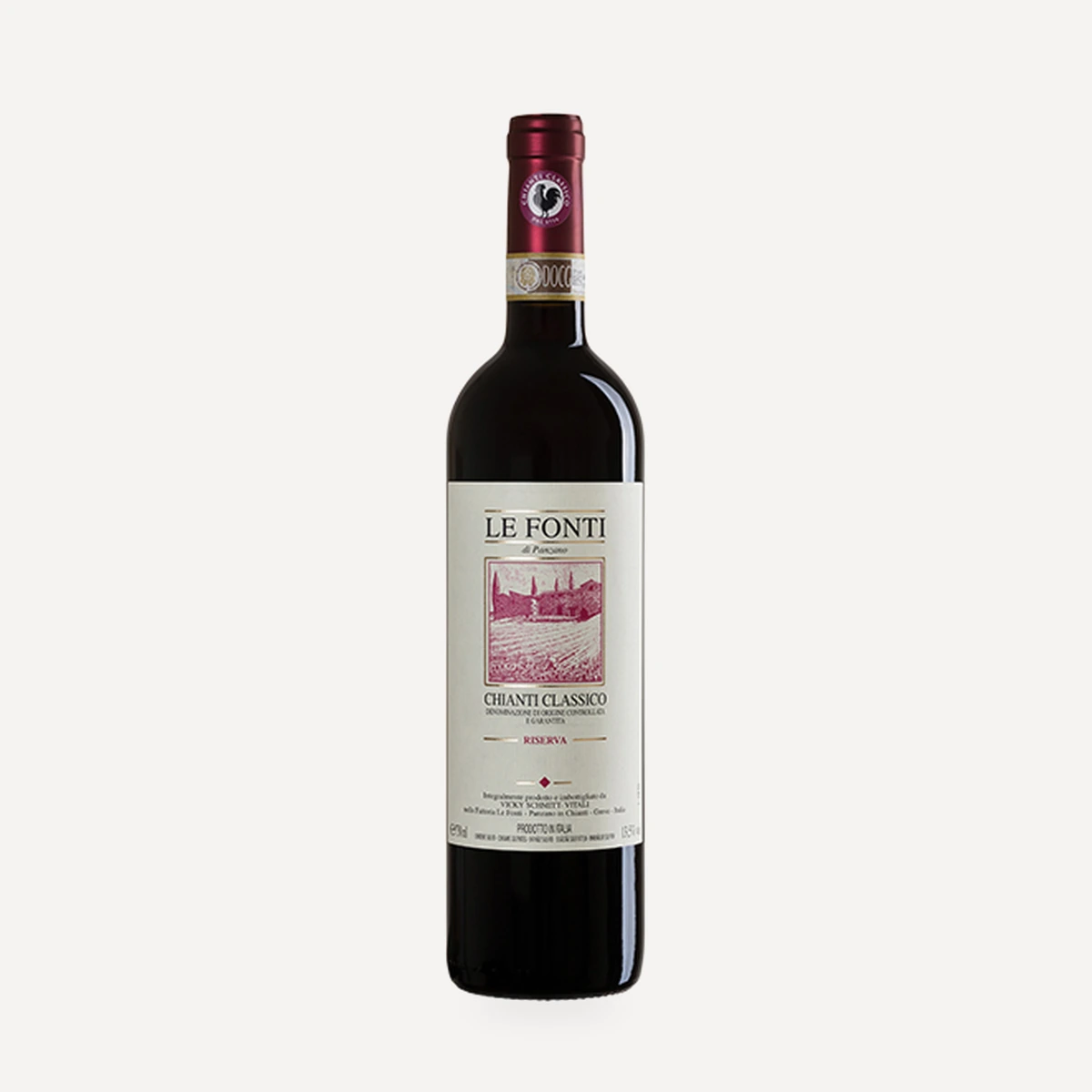
Chianti Classico Riserva DOCG
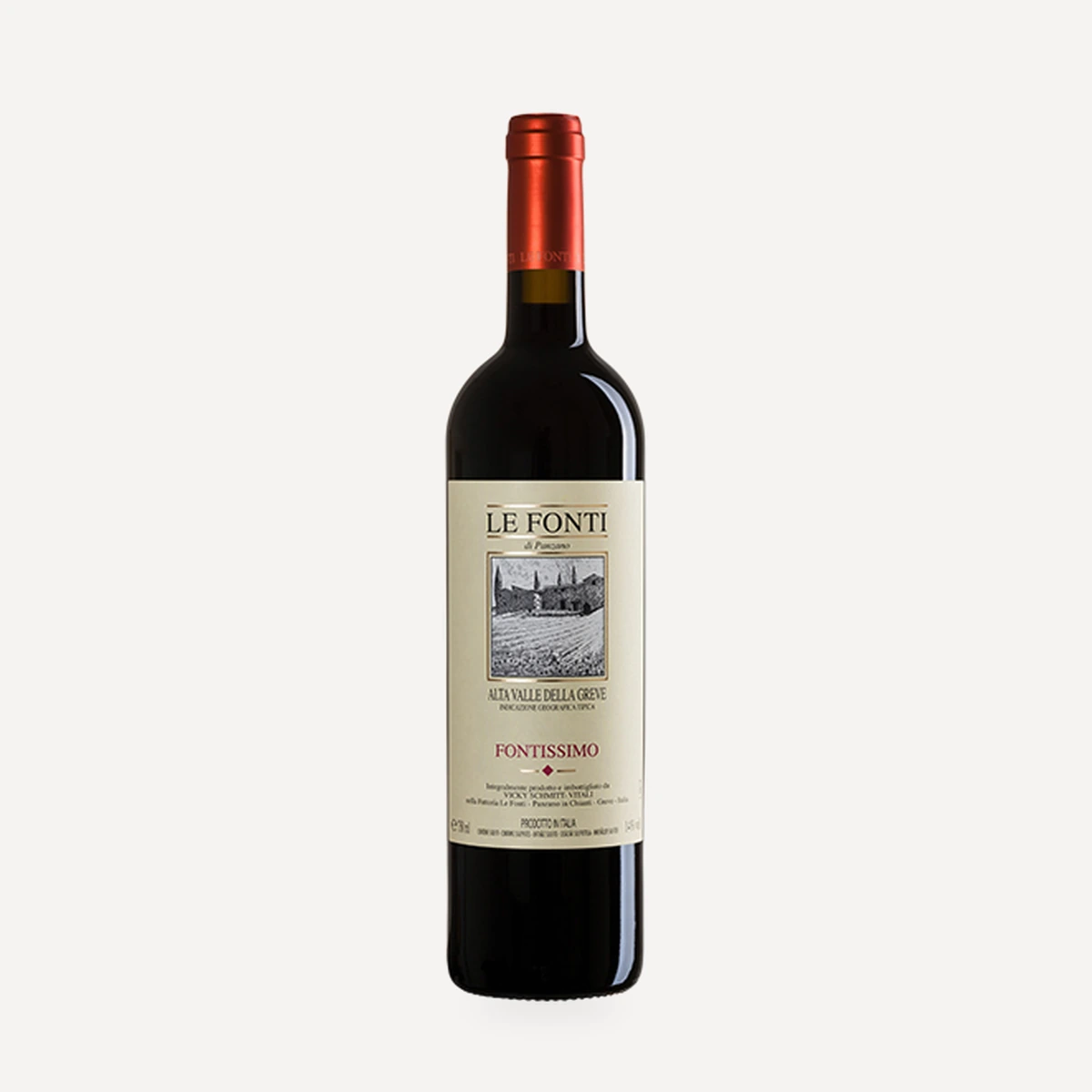
Fontissimo IGT
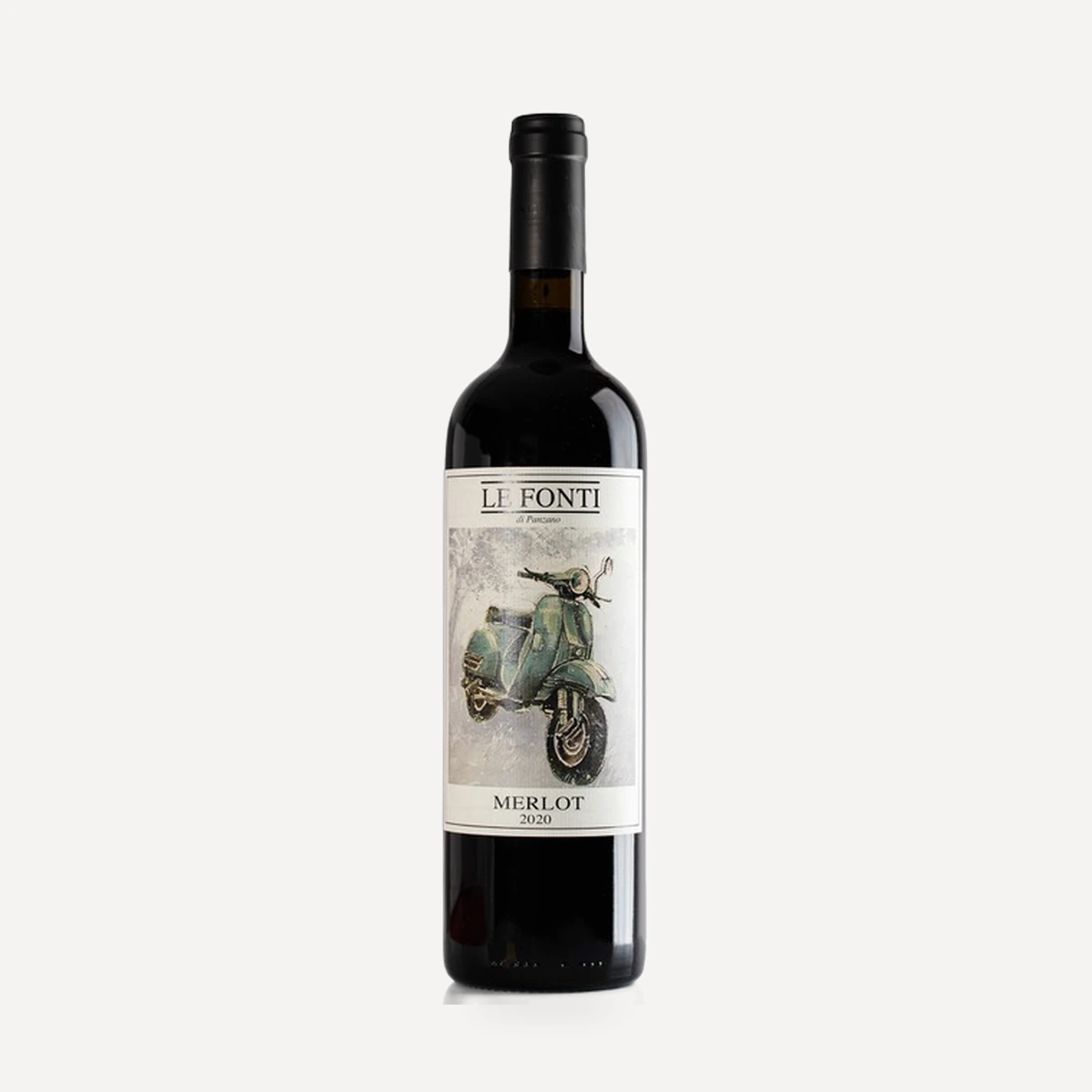
Merlot IGT