Storia
The Libera Terra framework
Libera Terra emerged from the Italian system for returning property confiscated from organised crime to social and productive use. Law 109 was approved on 7 March 1996, and the Libera Terra project formally began in 2000 through a protocol between Libera and the Prefettura di Palermo. The model entrusted confiscated agricultural property to type-B social cooperatives selected through public procedures, combining production with the employment and social integration of disadvantaged people.
Foundation of Terre di Puglia – Libera Terra in 2008
Terre di Puglia – Libera Terra was founded in January 2008 by young people from Puglia. Constituted under Law 381/1991 as a nonprofit type-B social cooperative, it was created to bring property confiscated from the Sacra Corona Unita back into lawful agricultural and social use. Its operations began in 2008 within the framework of Law 109/1996.
The cooperative pursued the general interest of the community through agricultural, industrial, commercial, cultural and service activities designed to create employment and promote the social integration of disadvantaged people. It signed cooperation protocols with the external penal-enforcement office serving Lecce and Brindisi and with the prisons in both cities.
The municipalities responsible for the confiscated assets, the Prefettura di Brindisi and Libera were joined at the project’s outset by the Provincia di Brindisi and Italia Lavoro through the Pari programme. Cooperare con Libera Terra contributed organisational and professional expertise through its national cooperative network. Terre di Puglia was also among the cooperatives that established Consorzio Libera Terra Mediterraneo in 2008 to coordinate production, transformation, commercialisation and market development.
Land, vineyards and the Hiso Telaray cellar
The cooperative managed approximately 90 ha of confiscated agricultural property in Puglia. The winegrowing component comprised 26 ha of vines at Torchiarolo and 2 ha at San Pietro Vernotico. Other cooperative-managed land included olive groves and arable crops in Torchiarolo, Mesagne, Andria, Fasano and Oria, but these holdings were not part of the Hisotelaray vineyard base.
The Torchiarolo property in Contrada Santa Barbara included Villa Santa Barbara, a manor house and a winery. Renovation financed for the Comune di Torchiarolo through the PON Sicurezza programme created the cellar subsequently named Hiso Telaray – Libera Terra Puglia. The cooperative continued investing its own resources in the confiscated assets entrusted to it, although the properties remained in public ownership.
Hiso Telaray became the distinct wine brand for the production of Terre di Puglia – Libera Terra in Alto Salento. Its production chain, identity and development were separate from the Sicilian Centopassi operation, while the two brands shared many commercial outlets through Consorzio Libera Terra Mediterraneo. In 2022, Hiso Telaray accounted for approximately one quarter of the consortium’s Wine-area revenue, against approximately three quarters for Centopassi.
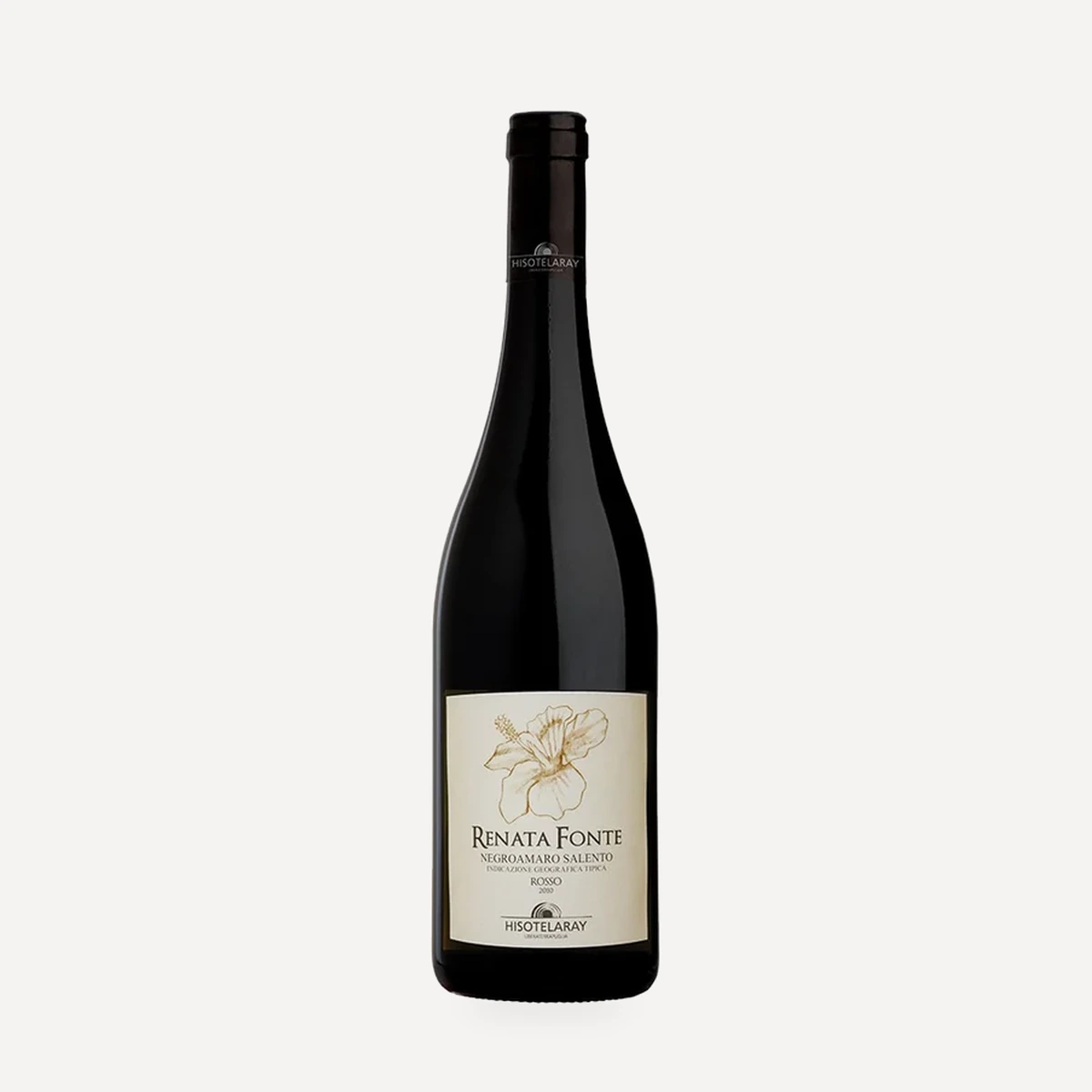
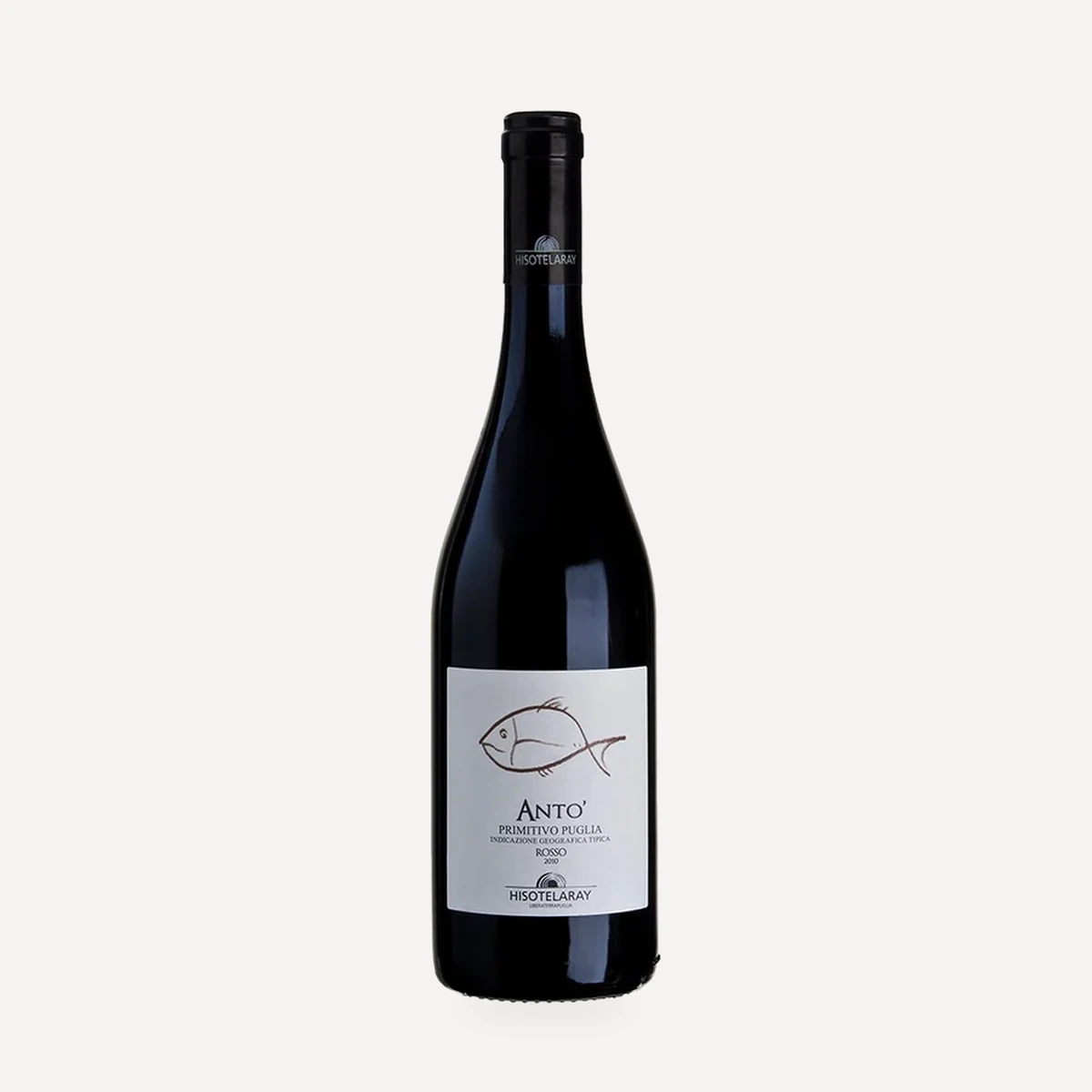
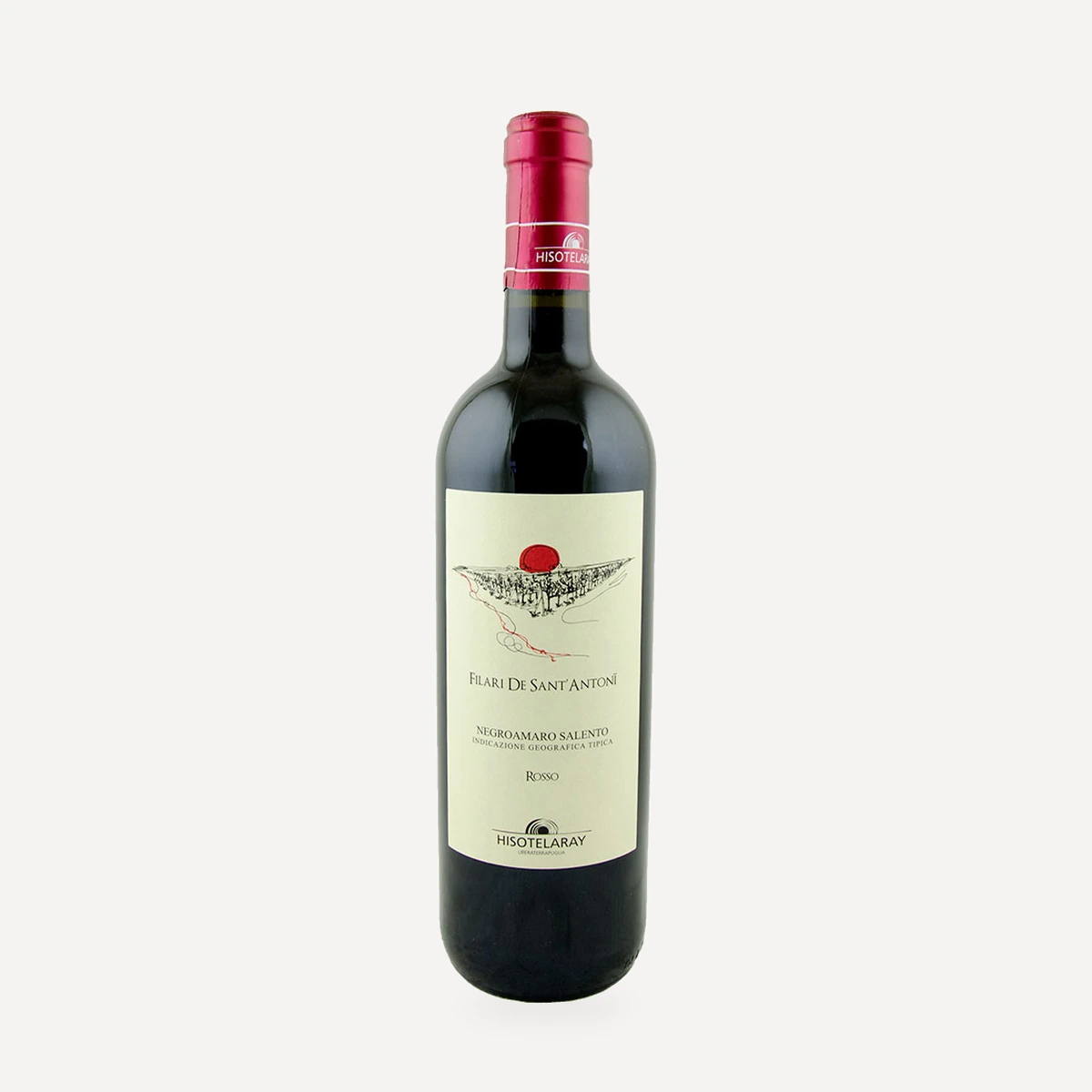
The name commemorated Hiso Telaray, a young Albanian man killed by illegal labour gangmasters. Other wines and food products were dedicated to innocent victims of mafia violence and exploitation, including Renata Fonte, Antonio Montinaro, Francesco Marcone, Marcella Di Levrano, Gaetano Marchitelli and Michele Fazio.
Vineyard and production development, 2020–2021
The consortium continued rationalising the Puglian wine chain during 2021, covering both vineyard management and vinification. The quantity of grapes vinified in the cooperative’s own Torchiarolo cellar rose from 500 quintals in 2020 to 660 quintals in 2021.
The dry 2021 summer brought above-average temperatures in Alto Salento. Emergency irrigation moderated the adverse effect on production. Terre di Puglia – Libera Terra conducted the harvest, while a new partnership with an outside facility was introduced for Hiso Telaray red grapes exceeding the capacity of the directly managed cellar. This arrangement was intended to strengthen supervision and the quality of outsourced vinification.
Two additional weather stations were installed in Puglia in 2021 through the Vite.net programme and cooperation with Horta, a spin-off of Università Cattolica del Sacro Cuore. Their data supported a predictive mathematical model intended to improve the effectiveness and efficiency of vineyard health management.
The 2022 season and Villa Santa Barbara project
Alto Salento experienced no extreme weather during the 2022 season. Summer was hot but not excessively torrid, and production increased. Terre di Puglia – Libera Terra managed the harvest. Two external partners vinified the share of red and rosé grapes that exceeded the Torchiarolo cellar’s production capacity.
A €1 million PNRR-funded renovation and redevelopment intervention was planned for Villa Santa Barbara. Dialogue with the Comune di Torchiarolo was also renewed concerning the future of the winery.
The cooperative participated in Evoluzione Terra with Consorzio Libera Terra Mediterraneo, Legambiente and the CNHI group. Two meteorological stations were used to map crop requirements and statistics and to make the use of technical inputs more efficient.
The difficult 2023 growing season
Low April temperatures, frequent and abundant rain during May and June, and high temperatures in July disrupted the normal succession of the vines’ phenological stages in 2023. Intense late-spring rainfall also encouraged downy mildew, which caused extensive crop losses in Puglia and other Italian regions.
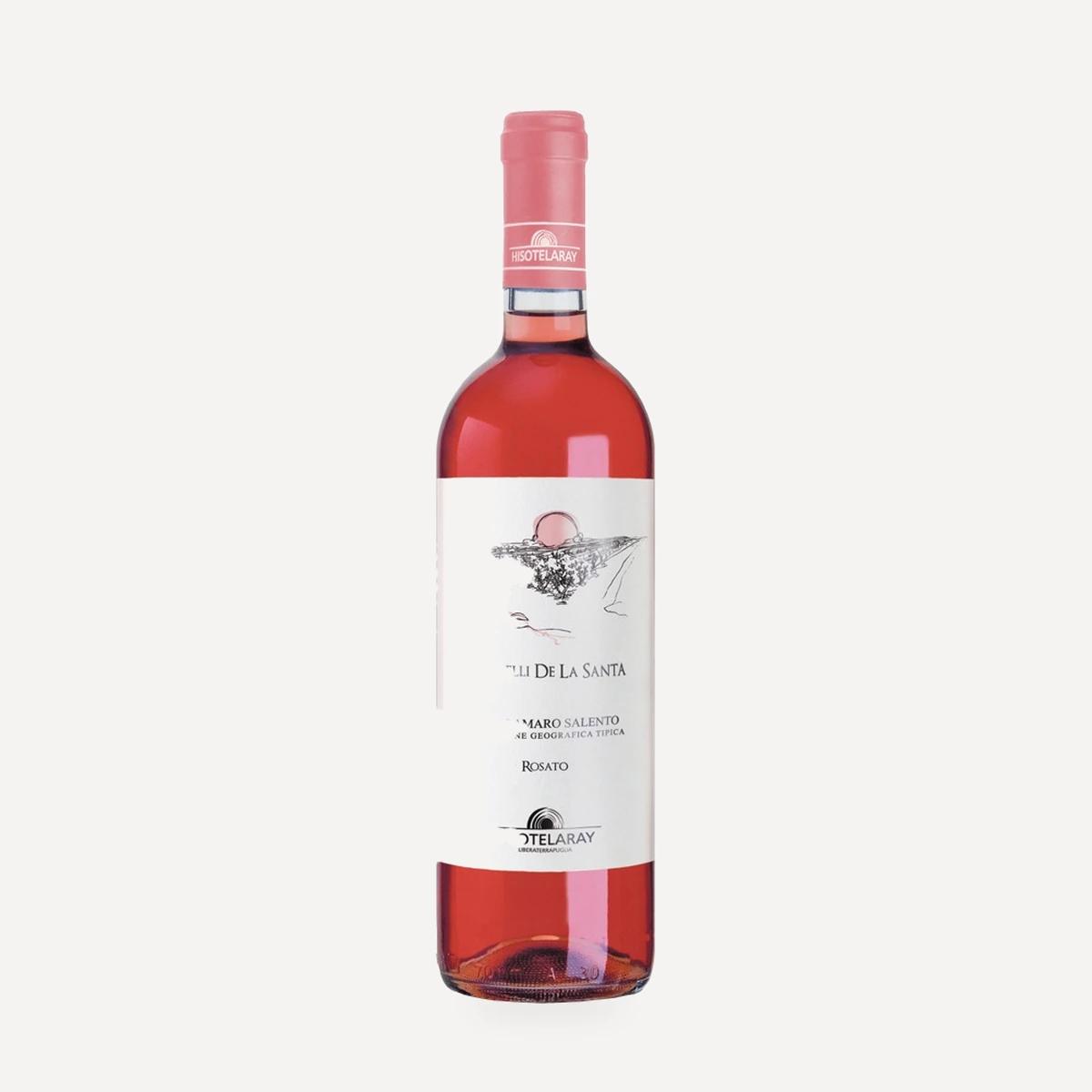
Terre di Puglia – Libera Terra again conducted the harvest. Grapes exceeding the capacity of the cooperative’s own cellar were processed by two external partners for Hiso Telaray Negramaro Rosso and Hiso Telaray Negramaro Rosato.
The cooperative’s financial position deteriorated sharply during the year. A state of crisis first approved in 2018 was renewed by the members on 10 July 2023. A temporary manager, Sergio Violante, was engaged in June to develop and implement a three-year industrial plan and negotiate debt restructuring and consolidation with a bank. The intended restructuring was not achieved, and the assignment ended in February 2024. The cooperative’s governing body concluded that continuity could no longer be pursued.
Supply interruption and liquidation, 2024–2025
Increasing operating difficulties affected the continuity of wine supplies during 2024. Bottling stopped completely, creating out-of-stock conditions and lost sales; the remaining Puglian wine sales during the year came from residual bottles held in inventory. Revenue from Puglian rosé disappeared, and a Sicilian rosé was developed within the wider Libera Terra portfolio to address the resulting gap.
Terre di Puglia – Libera Terra subsequently entered compulsory administrative liquidation. In 2025, Consorzio Libera Terra Mediterraneo excluded the cooperative from membership under the statutory provision applying to a member placed in compulsory liquidation. Revenue from Hiso Telaray wines was substantially nil, and the Puglian wine chain no longer contributed to the consortium’s Wine-area results.
Terroir
The historical wine operation was situated in Alto Salento, in the province of Brindisi. Its vineyards were divided between Torchiarolo, with 26 ha, and San Pietro Vernotico, with 2 ha. The Hiso Telaray cellar occupied the confiscated Villa Santa Barbara complex in Contrada Santa Barbara, Torchiarolo.
Seasonal records show pronounced year-to-year variation. The 2021 summer was dry, with temperatures above the seasonal average; emergency irrigation moderated the impact on production. In 2022, Alto Salento avoided extreme events, and a hot but not excessively torrid summer supported increased production. Conditions deteriorated in 2023: low April temperatures were followed by frequent and abundant May–June rainfall and high July temperatures. This sequence interfered with the normal progression of vine phenology, while late-spring rainfall encouraged downy mildew and extensive crop losses.
Vinificazione
The 28 ha historical vineyard base formed part of a certified-organic agricultural operation managed according to social-agriculture principles. Cultivation was intended to preserve and enrich the soil, protect consumer health and avoid excessive exploitation of natural resources. The wider Libera Terra organic protocol favoured plant varieties suited to their particular environment and excluded chemical fertilisers, chemical pesticides and genetically modified organisms. Biodegradable, low-impact cultivation materials were preferred, including environmentally responsible vineyard ties.
Vineyard management incorporated weather-based decision support. In 2021, cooperation with Horta, a spin-off of Università Cattolica del Sacro Cuore, was intensified through Vite.net. Two new weather stations were installed in Puglia, feeding observations into a predictive mathematical model designed to improve the effectiveness and efficiency of vine-health management. This work continued through Evoluzione Terra, undertaken with Consorzio Libera Terra Mediterraneo, Legambiente and the CNHI group. The stations mapped crop conditions and needs so that technical inputs could be used more selectively and efficiently.
Emergency irrigation moderated the effects of the dry, above-average temperatures of summer 2021. The cooperative itself conducted the Puglian harvests documented in 2021, 2022 and 2023. The operation also participated in broader experimentation intended to improve the quality, productivity and environmental sustainability of organic agriculture while maintaining soil fertility, biodiversity and ecosystem health.
The production centre was a renovated winery within the confiscated Villa Santa Barbara complex in Contrada Santa Barbara, Torchiarolo. The complex comprised a manor house and cellar, and the winery was created through restoration financed for the Comune di Torchiarolo under the PON Sicurezza programme. The facility became known as Hiso Telaray – Libera Terra Puglia and was directly managed by Terre di Puglia – Libera Terra.
The volume processed at the directly managed cellar increased from 500 quintals of grapes in 2020 to 660 quintals in 2021. Its capacity nevertheless remained lower than the total harvest. A partnership with an external facility began in 2021 for grapes destined for Hiso Telaray red that exceeded internal capacity. The aim was to strengthen supervision and the quality of this outsourced production.
By 2022, two external partners were processing the excess volume for both Hiso Telaray red and rosé. In 2023, this arrangement covered Hiso Telaray Negramaro Rosso and Hiso Telaray Negramaro Rosato. Terre di Puglia – Libera Terra retained responsibility for the harvest, while the Torchiarolo cellar processed the portion that its capacity allowed.
Increasing operational problems interrupted the chain in 2024. Bottling ceased completely, stocks ran out, and sales during the first months of the year were limited to bottles remaining in inventory. Following the managing cooperative’s liquidation, Hiso Telaray revenue was substantially nil in 2025 and the Puglian wine chain ceased contributing to the consortium’s wine activity.
Filosofia
Libera Terra Hisotelaray joined wine production to the social and productive recovery of property confiscated from organised crime. Its managing cooperative sought to demonstrate that public assets once associated with criminal power could generate lawful employment, social inclusion and durable economic activity.
The model placed legal employment, contractual rights, social justice and respect for people alongside agricultural and product quality. Terre di Puglia – Libera Terra was structured as a nonprofit social enterprise whose agricultural, industrial, commercial, cultural and service activities supported the employment and integration of disadvantaged people.
Organic farming was understood as the method most consistent with caring for confiscated land held only provisionally by the cooperative. Its environmental principles included preserving soil structure and fertility, avoiding excessive use of natural resources, favouring crops associated with the territory, excluding chemical fertilisers and pesticides, using biodegradable or low-impact materials, applying renewable energy and adopting data-supported crop protection.
Products were intended to communicate the flavours and agricultural knowledge of lands regarded as belonging to the whole community. The Hiso Telaray name and the dedication of other products to victims of mafia violence and exploitation linked the range directly to remembrance, civic responsibility and opposition to criminal control of work and land.
Vini
Antonio Montinaro
Francesco Marcone
Gaetano Marchitelli