Storia
Medieval origins
The earliest records of Borgo di Lilliano date from the Middle Ages, when it was a fortified complex. It included the Church of Santa Cristina, distinguished by a single large nave—an unusual arrangement among Chianti parish churches—and a façade with well-preserved Alberese limestone masonry. The imposing farm building dominated the settlement.
Ownership passed successively through the Marquis of Tuscany, the Badia di Poggibonsi and the Ospedale di Santa Maria Nuova di Firenze. During the latter period, the complex was known as Palazzo di Santa Maria Nuova a Ligliano.
Lilliano’s border position between the territories of Siena and Florence, together with its proximity to the strongholds of Staggia, Castellina in Chianti and Monteriggioni, exposed it to sieges and destruction during the wars between the two republics. Its medieval organization remains visible in the topography, cellars and enclosure walls, while the architecture evolved through successive later phases.
The Ruspoli and Berlingieri background
The Ruspoli are an old Italian aristocratic family whose presence in Tuscany reaches back to the Renaissance and whose Roman history dates from the seventeenth century. In 1708, Pope Clement XI granted the principality of Cerveteri to the family after its own regiment had served in defence of the Papal State. Lilliano’s present owners retain residences in the historic Palazzo Ruspoli in central Rome.
Baron Berlingieri purchased Tenuta di Lilliano in 1920. The Chianti Classico labels subsequently united the heraldic arms of the Ruspoli and Berlingieri families.
The beginning of estate bottling
During the 1950s, Princess Eleonora Ruspoli Berlingieri recognized the estate’s winegrowing potential and worked with Giulio Gambelli, a specialist in Sangiovese and Tuscan grapes. Together they produced and bottled Lilliano’s first Chianti Classico vintage in 1958. That year also marked the beginning of commercial estate bottling and sales.
Vin Santo has been bottled at Lilliano since the early 1960s. It later took the form of Vin Santo del Chianti Classico Occhio di Pernice, made from red Sangiovese grapes.
Cellar development and new wines
A dedicated storage and winemaking cellar was built in 1978. It complemented the older ageing cellar beneath the villa in Lilliano’s historic complex.
Anagallis was first produced in 1985 from Sangiovese and Colorino. Its name comes from a small orange flower common in Chianti. The composition later changed to Cabernet Sauvignon, Merlot and Petit Verdot.
Giulio Ruspoli has managed the estate since 1989. Vignacatena followed in 1994, made from Merlot grown in the recently planted vineyard of the same name in the estate’s higher sector. Production was reserved for selected vintages and limited to a few hundred bottles.
Present organization
Brothers Giulio and Pietro Ruspoli co-own Tenuta di Lilliano. Giulio continues to direct the property, while his nephew Alessandro represents it in international markets. Agronomist Stefano Porcinai is responsible for the vineyards, and oenologist Lorenzo Landi supervises and selects the wines.
Terroir
Tenuta di Lilliano occupies about 460 ha of gently rolling Chianti Classico countryside between Castellina in Chianti and Monteriggioni. The broader property lies at approximately 350 m above sea level and combines vineyards, olive groves and grain fields protected by woodland and Mediterranean scrub. Its recorded coordinates are 43°26′12″ N, 11°15′18″ E.
The estate describes its microclimate as intermediate and balanced within Chianti Classico. Summers are relatively warm, while rainfall is sufficient without being excessive.
Alberese-derived soil is the dominant formation. It is marly and calcareous, tends toward clay and contains an abundant stony skeleton. This structure slows grape ripening, helping retain acidity and aromatic freshness. The relatively warm conditions and clay component contribute concentration and power; limestone, together with a smaller influence from clay, supports freshness and acidity.
The three highlighted vineyards occupy elevations of approximately 280–300 m. Le Piagge faces south at about 300 m; Casina Sopra Strada faces east to southeast at about 300 m; and Vigna Catena faces south to southwest at about 280 m. The upper part of the estate where Vigna Catena was established is particularly rich in coarse stone.
Vinificazione
The estate vineyards cover 40 ha and are planted predominantly to Sangiovese, with smaller areas of native and international varieties. Named plantings include Colorino in Casina Sopra Strada and Merlot in Vigna Catena; estate-grown blends also identify Cabernet Sauvignon and Petit Verdot.
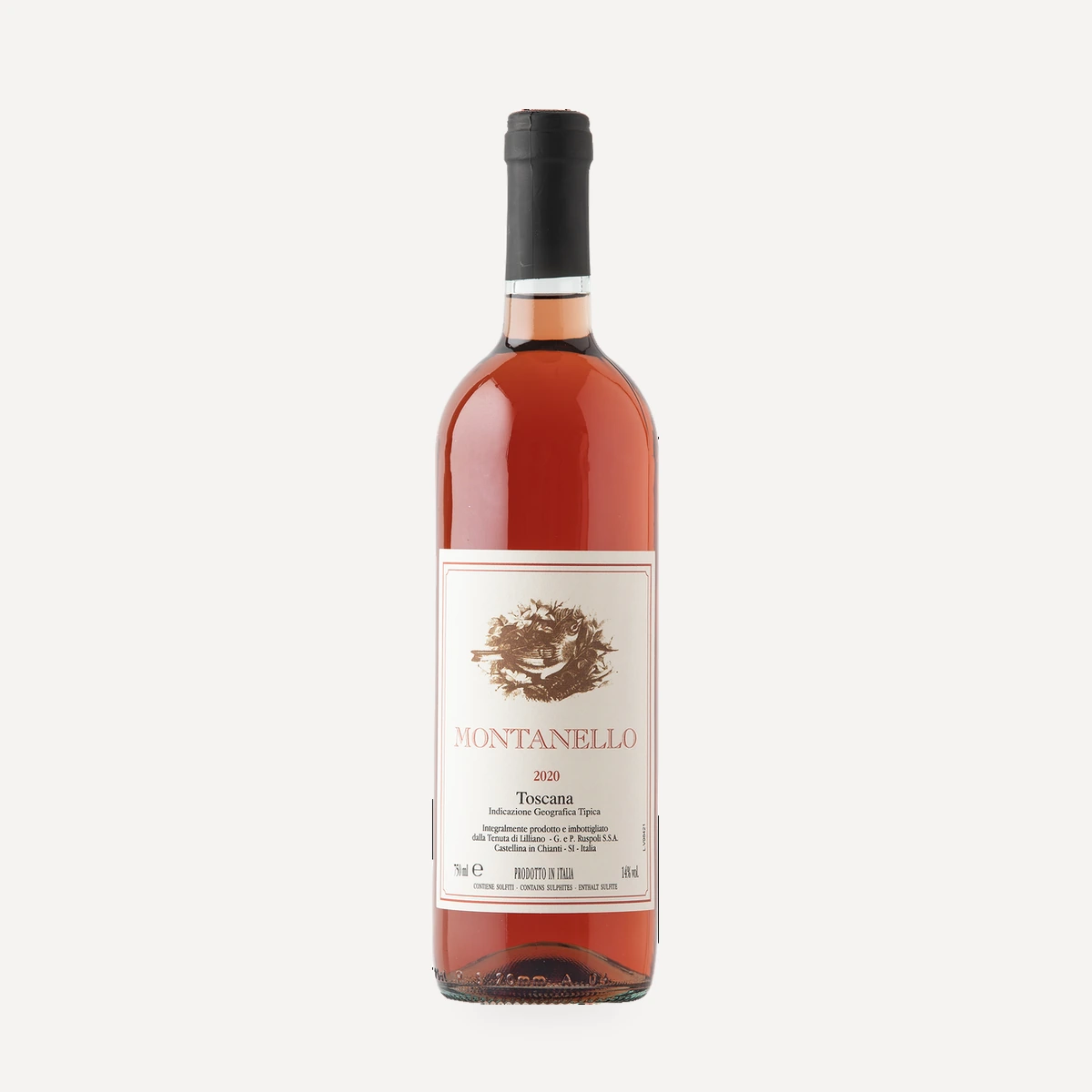
Harvesting is manual for the principal estate wines. Selection begins in the vineyard: the best parcels and bunches are chosen for higher-tier lots, while fruit from Le Piagge and Casina is monitored and selected by hand on a vintage-by-vintage basis. The rosé-designated Sangiovese vineyards receive a light green harvest around véraison, removing approximately 10–20% of the crop. Those grapes are harvested during the second ten-day period of September.
Agronomist Stefano Porcinai directs the care of the vineyards.
Lilliano operates two cellars. The historical ageing cellar lies beneath the villa within the old Lilliano complex. Large oak casks are used there for Chianti Classico Riserva, tonneaux for Gran Selezione and barriques for the estate’s Super Tuscan wines.
The storage and winemaking cellar was built in 1978. It contains glass-lined concrete tanks with individual capacities of 145 or 195 hl and a combined capacity of 6,000 hl, plus approximately 2,000 hl of stainless-steel capacity.
Temperature-controlled fermentation and maceration for the estate’s vintage Chianti Classico take place in concrete and last about 20 days. The wine then ages for approximately 12 months. Across the cellar, the estate employs concrete and stainless steel for fermentation or maturation and French oak in large casks, tonneaux and barriques, assigning the vessel according to the intended wine.
Filosofia
Lilliano presents Sangiovese as the direct expression of its balanced microclimate and Alberese-derived soils. Warm summers and clay are associated with concentration and power, while limestone, stony structure and measured clay content preserve freshness, acidity and aromatic definition.
The production approach combines parcel and bunch selection with distinct maturation vessels. Selection is adjusted to each harvest, especially in Le Piagge and Casina, while the cellar retains both traditional large oak and smaller French-oak formats alongside concrete and stainless steel. The intended result is a balance between structure and freshness, with the capacity to develop elegance, longevity and mineral aromas during bottle ageing.
Vini
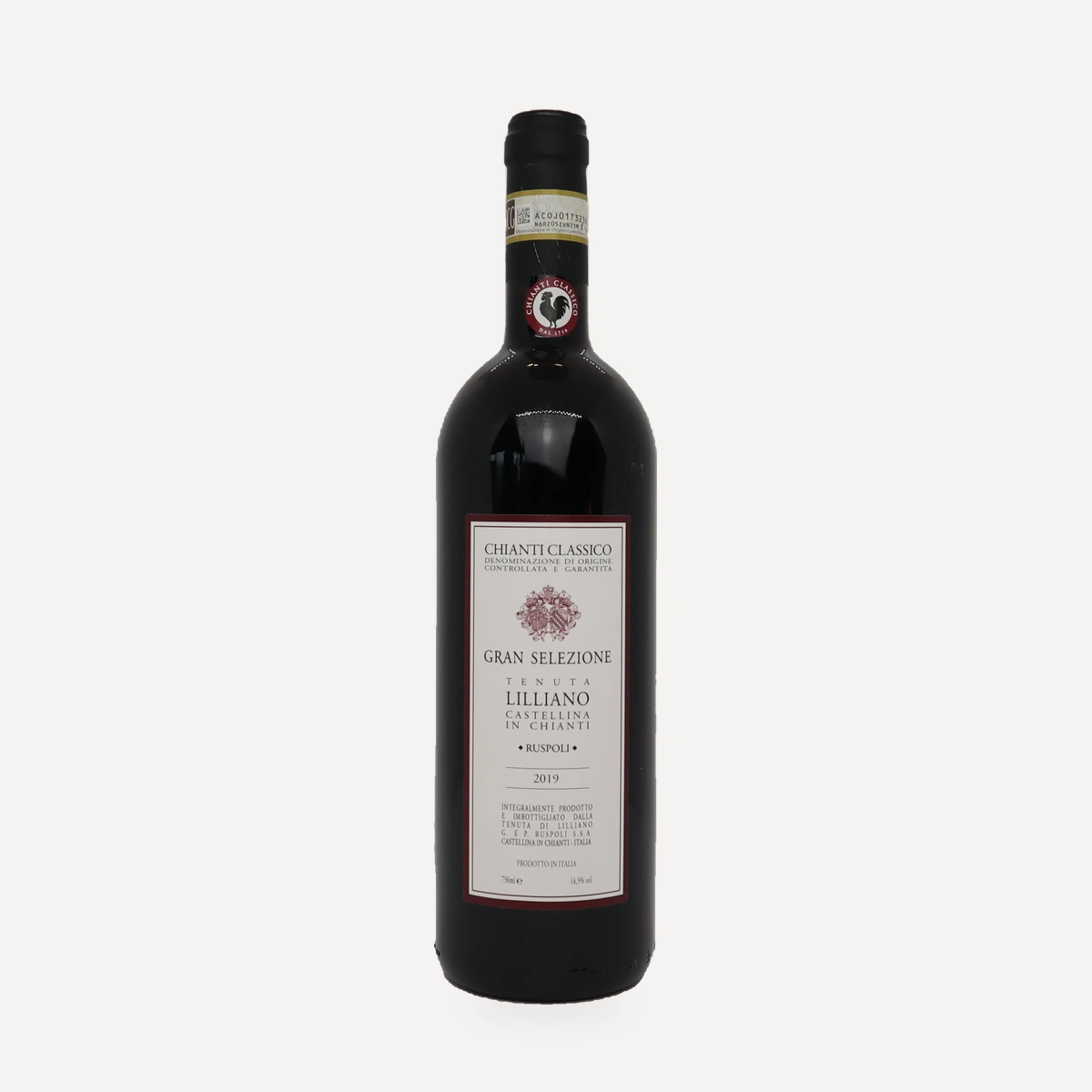
Chianti Classico Gran Selezione DOCG
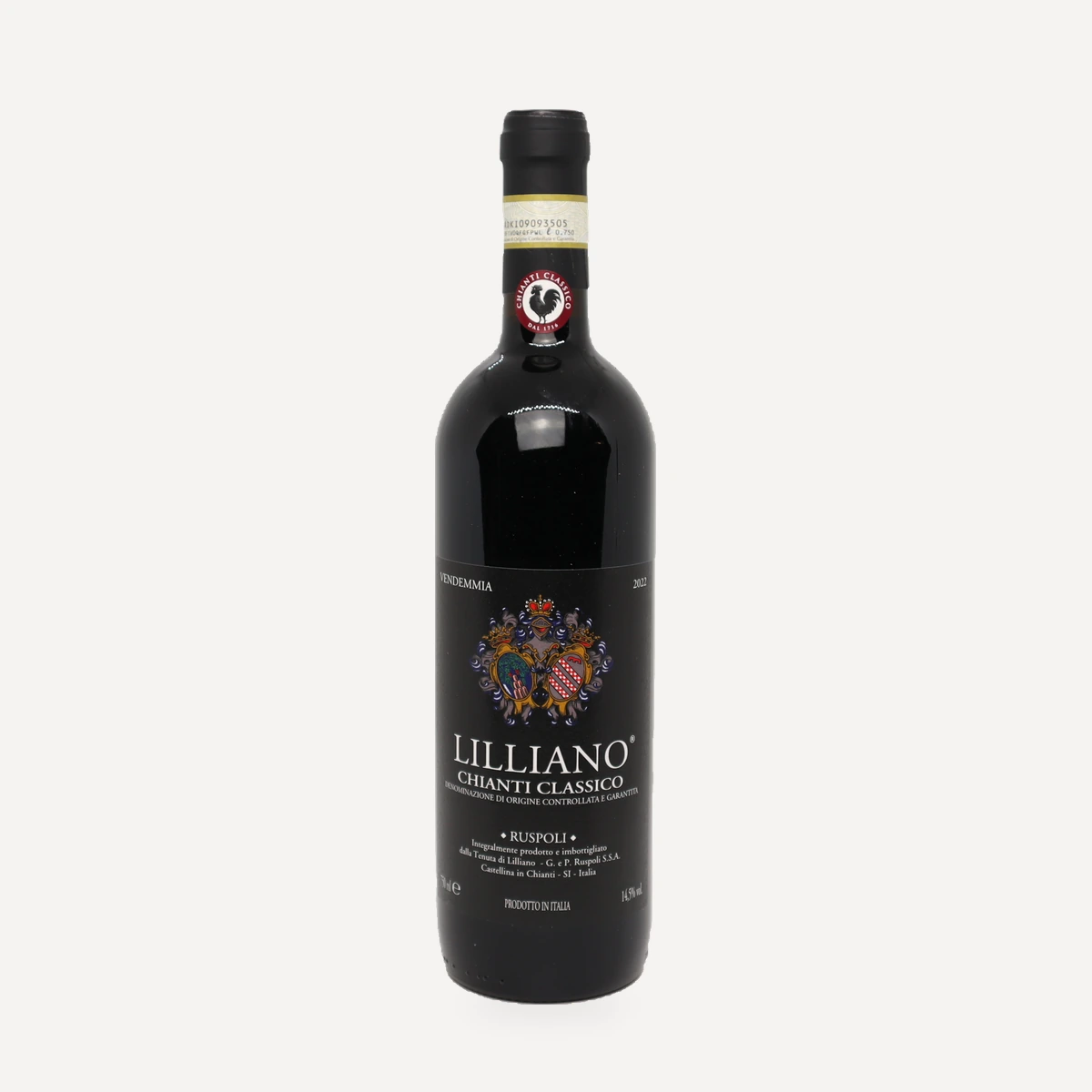
Chianti Classico DOCG
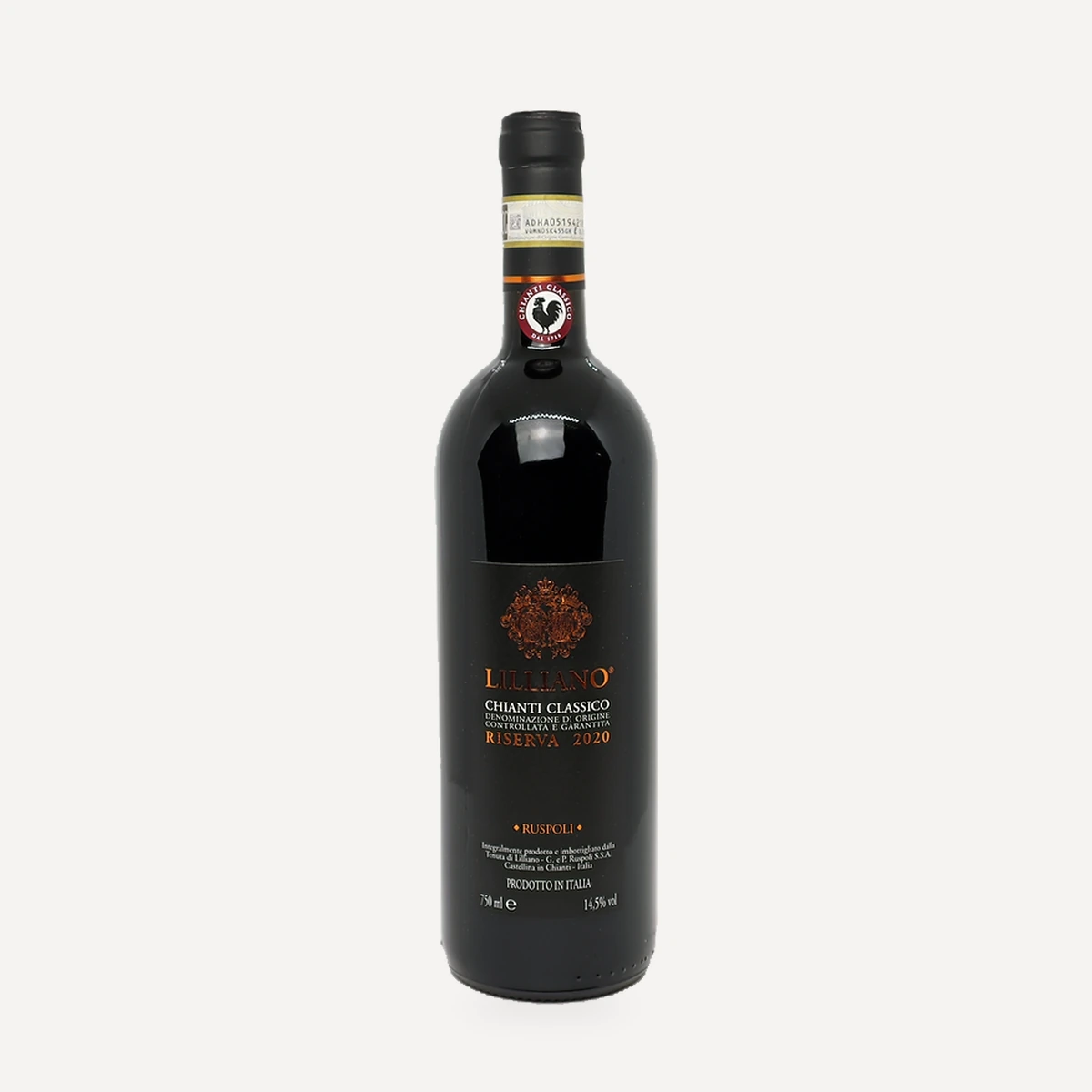
Chianti Classico Riserva DOCG
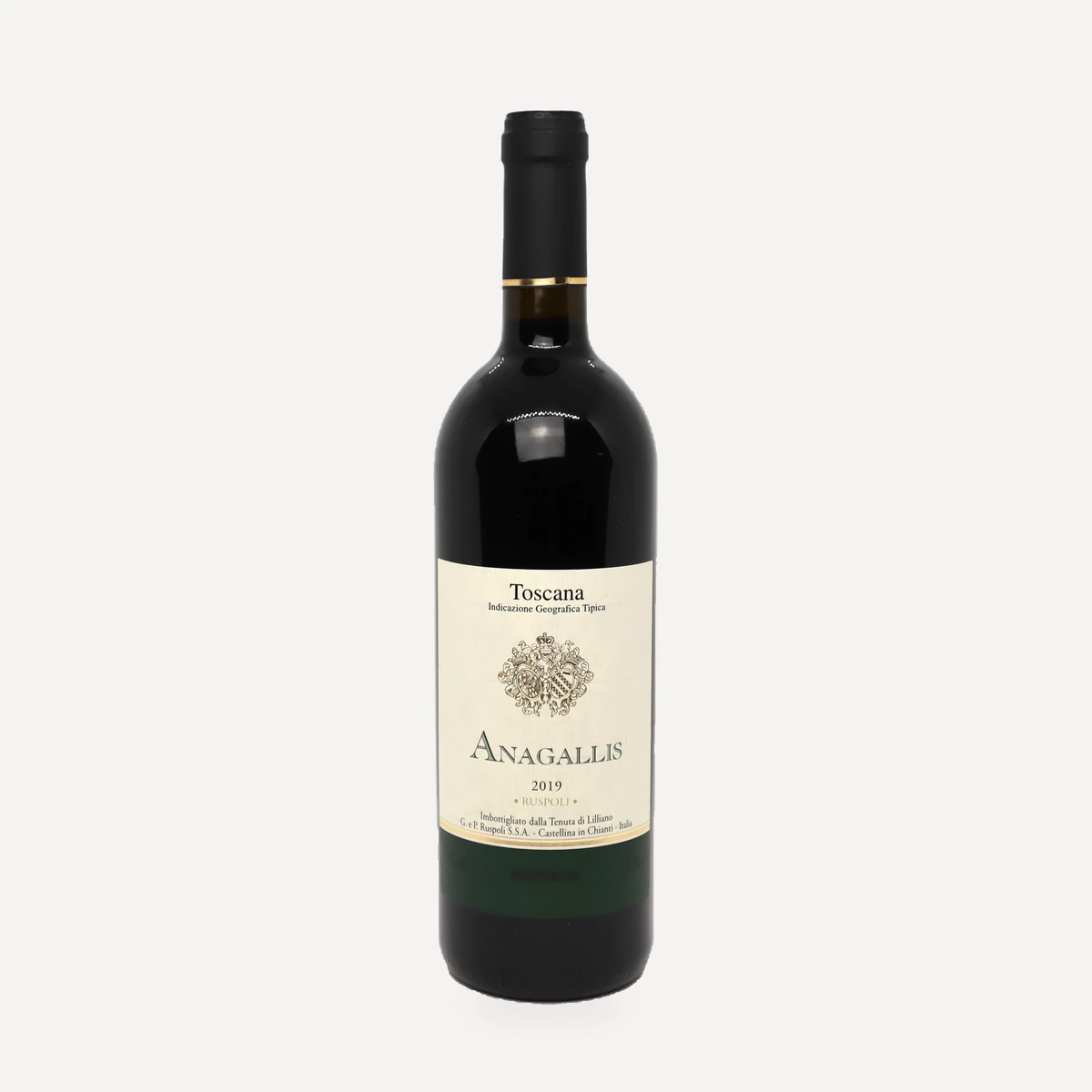
Anagallis IGT Colli delle Toscana Centrale