Storia
Foundation and family continuity
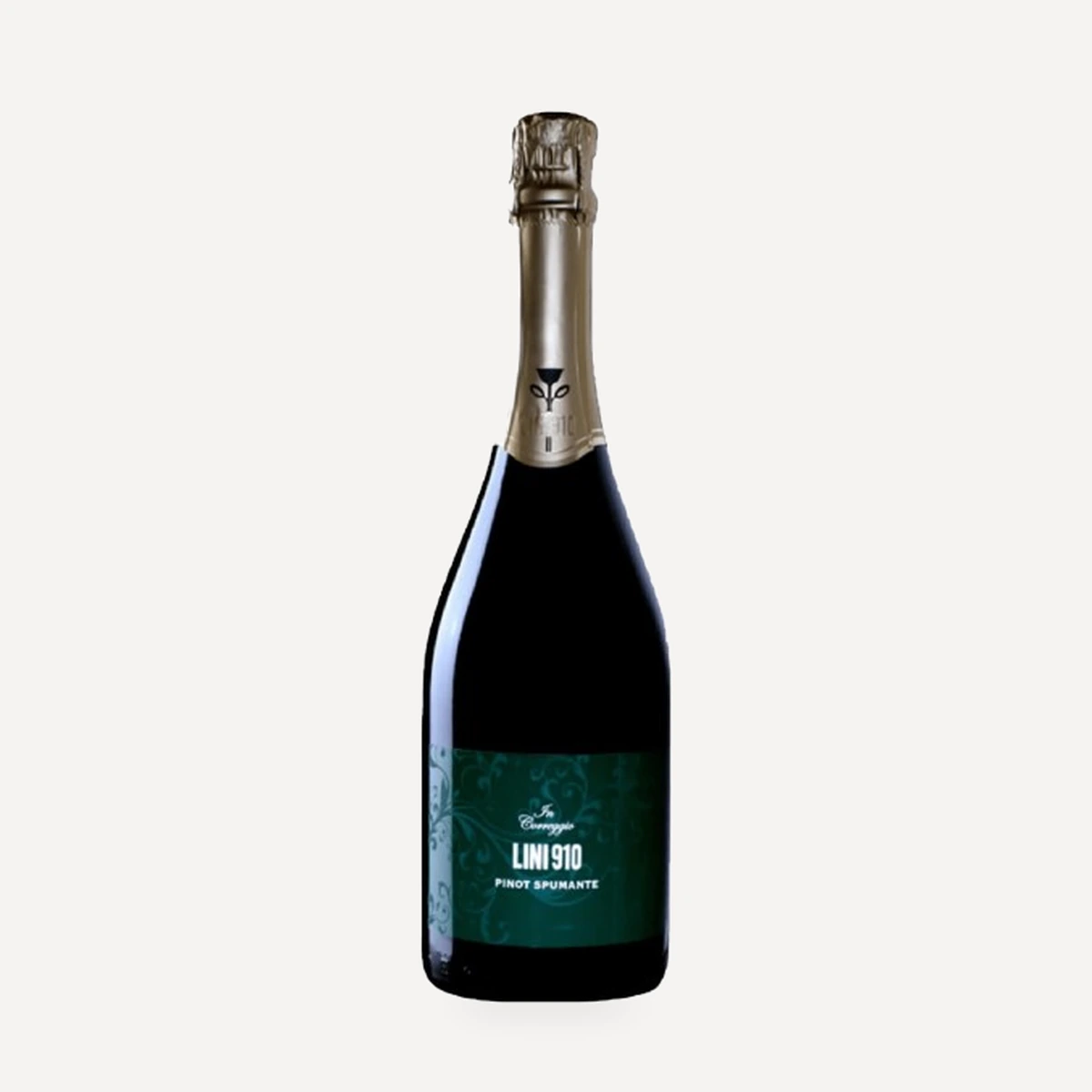
Lini 910 was founded in Correggio in 1910 by Oreste Lini, the great-grandfather of the present generation. The company has remained under family ownership through four generations. Lambrusco became its core business, alongside sparkling wines made from Pinot Nero and the family's Aceto Balsamico Tradizionale di Reggio Emilia DOP.
Over more than a century, the family experienced substantial changes in the market for Lambrusco. During a roughly twenty-year period when the category had been severely devalued in Italy and abroad, Lini invested in rebuilding its reputation and repositioning its wines for a medium-to-high market segment. This work included research and oenological trials devoted to applying Metodo Classico production to Lambrusco, as well as partnerships focused on education and distribution.
Recognition and historic-company status
Lini 910 belongs to the Registro delle imprese storiche italiane, the register established by Unioncamere in 2011 to recognize businesses that have transferred entrepreneurial experience and values between generations.
In 2015, Wine Spectator selected Lini for OperaWine's group of 100 Great Producers. The recognition followed the family's research into Metodo Classico Lambrusco and was associated with its Metodo Classico Rosso Millesimato.
International development
During the five years leading up to 2021, Lini reorganized its commercial approach, formed new partnerships in the United States and increased both case volumes and turnover. In 2020–2021, despite disruption caused by the pandemic, the company undertook a complex national-distribution project in the United States. Supporting work included integrated communications, tastings, international travel, events, incoming visits and training for overseas wine professionals. A film was produced to communicate the winery's identity when in-person activities were restricted.
The subsequent multi-year strategy concentrated on the United States and Canada, with goals encompassing the development of the LINI910 brand, expansion in both off-premise and on-premise channels and growth in North American sales. By 2025, exports represented 62% of turnover; more than 92% of export business came from North America, led by the United States at 82% and Canada at 10%.
Sustainability programme
Formal Equalitas certification began in July 2021 under the SOPD standard for sustainable wine-sector organizations, products and denominations. The programme established continuous improvement across production, environmental management, employee safety, suppliers and relations with the local community.
In 2022, Lini completed baseline carbon- and water-footprint studies encompassing the vineyard, cellar and bottling operations. The same year brought the first soil-biodiversity survey, conducted in May under the Biodiversity Friend methodology; it returned an “excellent” result. Internal audits on 22 and 23 March 2022 found strengths in management of key procedures, structural and hygienic conditions and willingness to invest.
The 2023 internal audits generated recommendations that had all been addressed by publication of that year's sustainability report. Air conditioning was also installed in the finished-product and bottling rooms to improve working conditions during hot and cold periods. A renewable-electricity project received approval for access to PNRR funding, preparing the transition to expanded photovoltaic generation.
Students from the Istituto Tecnologico Agrario di Piacenza joined the winery's established educational programme in 2024, alongside visits involving the Scuola Alberghiera di Correggio and Liceo Economico San Tommaso di Correggio.
A second soil-biodiversity survey was conducted by Timesis in May 2025, ahead of the required interval. Using the QBS-ar index, it examined the vineyard area facing the winery and again found a high-quality soil ecosystem. Updated footprint calculations recorded a reduction in total greenhouse-gas emissions from 546.31 tonnes CO₂-equivalent in the 2022 baseline to 395.83 tonnes, approximately 27.5% lower.
In March 2026, a new 199.4 kW photovoltaic installation was completed. It combines generation and storage management with self-consumption, peak shaving, tariff optimization and integrated fire and electrical-safety systems. The company's electricity supply is now described as entirely photovoltaic and covered by guarantees of origin.
Present governance
The company is administered by sole director Anita Lini. Shareholders Alberto, Massimo and Fabio Lini participate directly in its management. Alicia Lini oversees commercial operations, while Liliana Turcan is responsible for bottling and serves on the HACCP team. Family governance consequently combines fourth-generation continuity with substantial female and younger-generation representation in senior roles.
Terroir
Lini 910 is based at Via Vecchia Canolo 7 in the winegrowing area of Correggio, in the province of Reggio Emilia. Its identity and principal activity are tied to the Lambrusco territory of Emilia-Romagna. A vineyard lies directly in front of the production facility and is included in the company's soil-biodiversity and environmental-footprint monitoring.
The production range identifies Emilia as the area for both Metodo Classico sparkling production and the Charmat wines, while the Reggiano DOP Lambruscos belong to the province's protected denomination. Aceto Balsamico Tradizionale di Reggio Emilia DOP is produced within the province of Reggio Emilia.
Vinificazione
Environmental accounting encompasses vineyard operations even though Lini 910 does not directly manage the harvest. The 2022 vineyard inventory included plant-protection products, fertilizers, agricultural fuel and water used for dilutions. Recorded inputs comprised 2.29 kg of pesticides, 49.44 kg of fungicides, 261.59 kg of fertilizers and 498 L of fuel for agricultural machinery.
The vineyard is included in periodic soil-biodiversity monitoring. The May 2022 Biodiversity Friend assessment was rated “excellent”; a May 2025 QBS-ar survey by Timesis again found a high-quality soil ecosystem. Land use had remained unchanged for at least 25 years, without erosion sufficient to change soil-carbon content.
The updated environmental assessment identified phytosanitary products as the main source of vineyard-related toxicity impacts. Rationalizing their use is therefore a programmed improvement objective. Vineyard emissions fell from 133.37 kg CO₂eq per quintal of grapes in the 2022 baseline to 24.48 kg CO₂eq in the latest assessment, largely through vineyard maturation, increased yields and process efficiency.
Equalitas certification covers the organization and its wine-sector supply chain. It is a sustainability certification rather than a declaration of organic or biodynamic farming.
Lini 910's production model centres on selecting musts and wines from the Lambrusco area, followed by processing and bottling at Correggio. The company does not directly manage the harvest. Lambrusco is the core business, complemented by Pinot Nero sparkling wines and Aceto Balsamico Tradizionale di Reggio Emilia DOP.
Two sparkling-wine processes define the range. Metodo Classico wines undergo their second fermentation and ageing in bottle. The family developed this approach for Lambrusco through years of research and oenological trials, as well as using it for Pinot Nero. The Charmat range is elaborated in pressurized tanks; the Lambrusco wines described within that range remain in autoclave for three to four months.
Processing and bottling employ technology intended to maintain high hygienic and food-safety standards. Lini is progressively reducing its dependence on processing aids and additives by favouring physical solutions, particularly temperature control and the cold chain. Residual sulphur dioxide has been reduced to below 100 mg/L, while additive, detergent and sanitizer consumption is continuously monitored against the volume of wine processed.
The 2022 operating inventory covered 242,689 L of wine and 323,585 bottles of 0.75 L. Bottling materials include glass, natural corks, wire cages, capsules, labels, cartons, plastic film and pallets. Bottling is the company's largest source of greenhouse-gas emissions; in the latest assessment, packaging accounted for 59% of total emissions. Bottle lightweighting and greater use of recycled material are programmed priorities.
Process wastewater is monitored. The latest values reported were 5 mg/L suspended solids, BOD₅ of 10 mg/L, COD of 15 mg/L, chlorides at 1 mg/L and total phosphorus at 0.05 mg/L. Paper, cardboard, glass and plastic are separated and transferred to specialist recovery operators, and the footprint assessment treated all recorded waste as recovered.
Filosofia
Lini 910 defines quality as an integral part of sustainability rather than as a separate production objective. Wine and balsamic vinegar are treated as expressions of the family's territory and identity, with Lambrusco occupying the central place in that work.
The family's approach combines continuity with technical development. Metodo Classico has long been a family passion, and years of trials were devoted to adapting it to Lambrusco. This research belongs to a broader effort to defend the quality of a category whose image had been weakened in both Italy and export markets. Education, distribution partnerships and direct contact with trade and consumers are used to support a medium-to-high positioning for Lambrusco.
The management system follows the principles of Total Quality and continuous improvement. Its intended balance encompasses customer satisfaction, cost control, safe and healthy working conditions, partnerships with suppliers and the community, environmental protection and conservation of resources. Management sets measurable objectives, assigns human and material resources, reviews the system's effectiveness and introduces corrective actions.
Supplier qualification incorporates sustainability criteria, including monitoring of energy, water and gas consumption, environmental and workplace certifications, SMETA four-pillar audits and formal ethical codes. Preference is given to suppliers that actively implement their stated commitments.
Family continuity and regional identity remain explicit values. The fourth generation seeks to present a contemporary expression of Lambrusco internationally while maintaining the company's connection to Emilia and sharing its accumulated entrepreneurial experience with future generations.
Vini
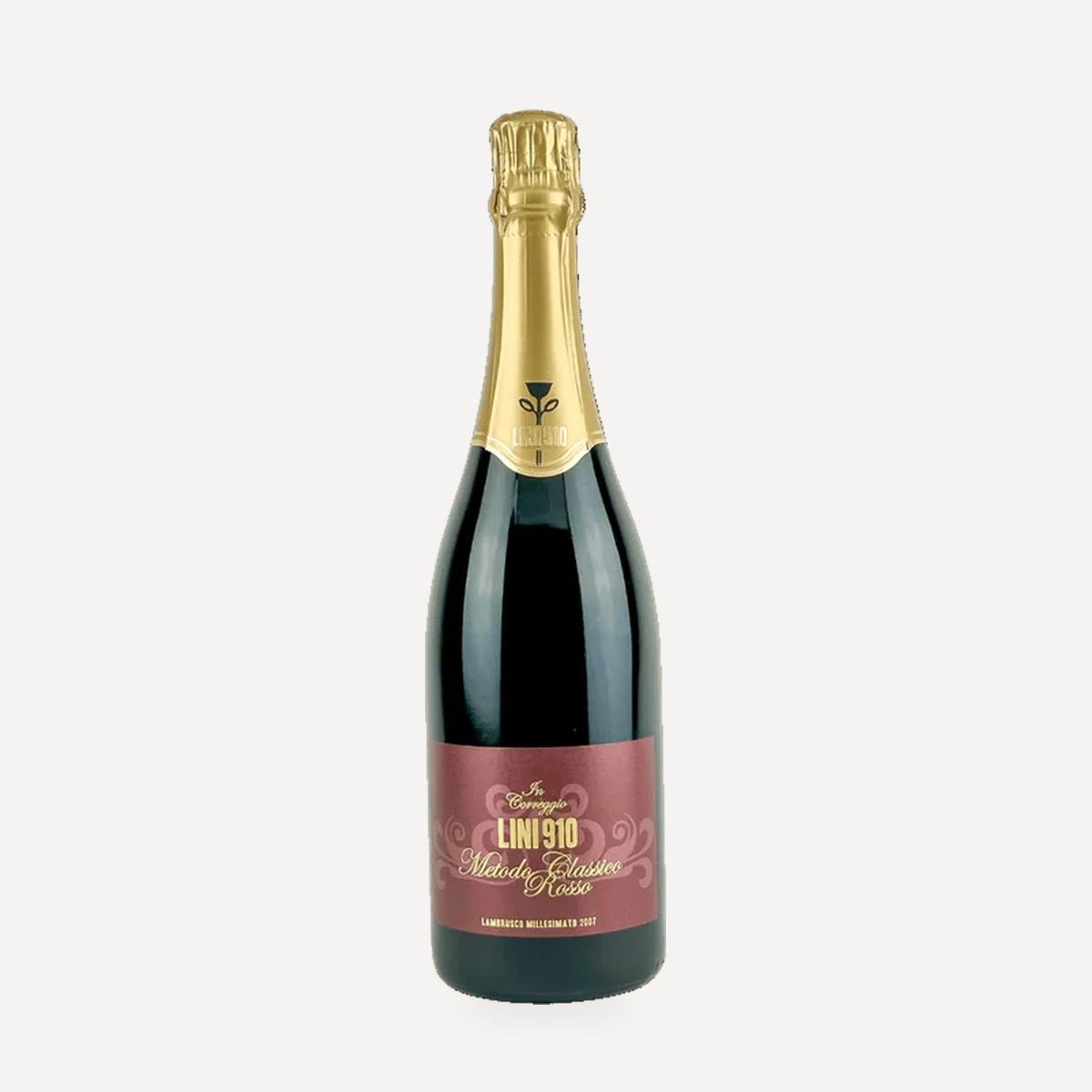
In Correggio Metodo Classico Rosso Millesimato VSQ Brut
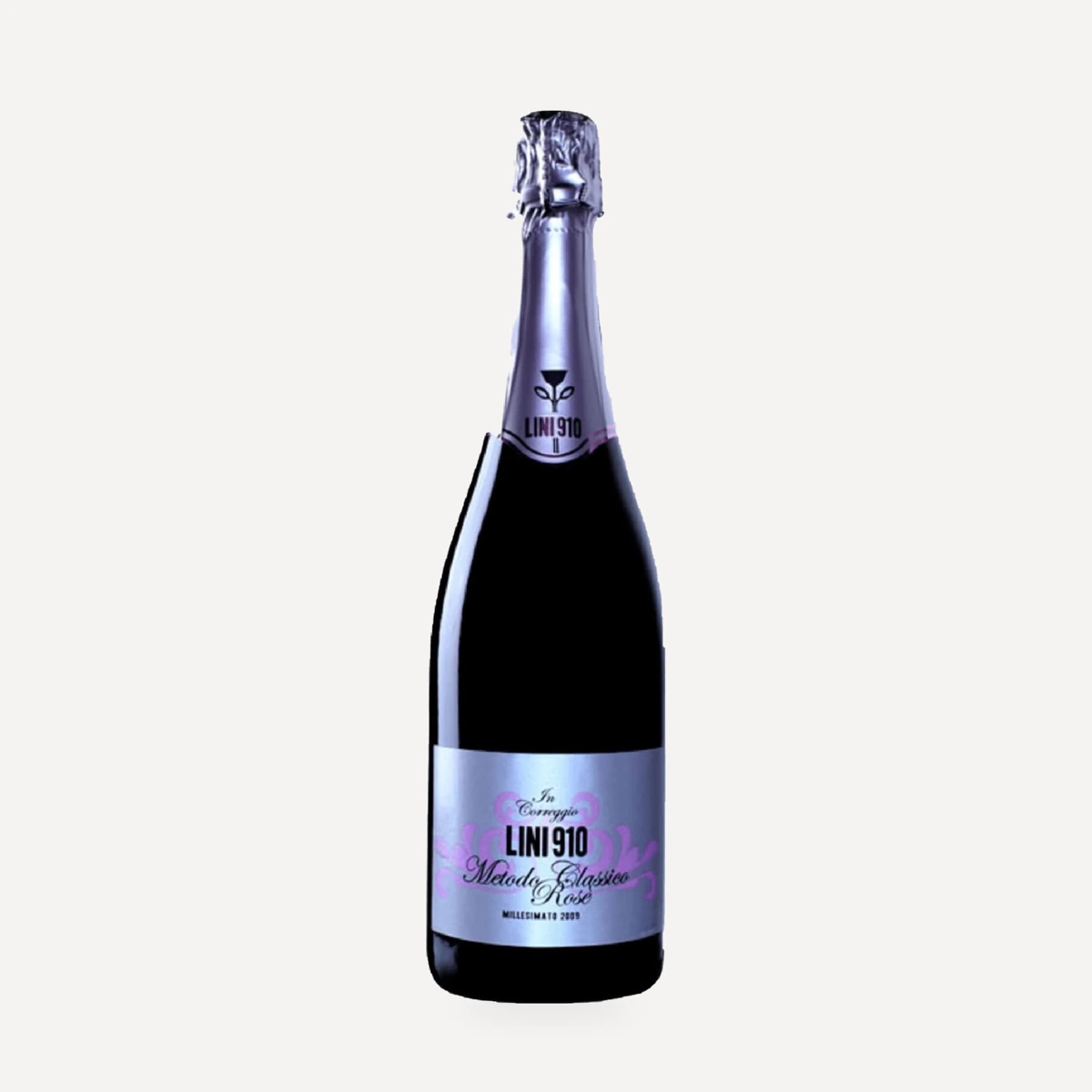
In Correggio Metodo Classico Rosè Millesimato VSQ Brut
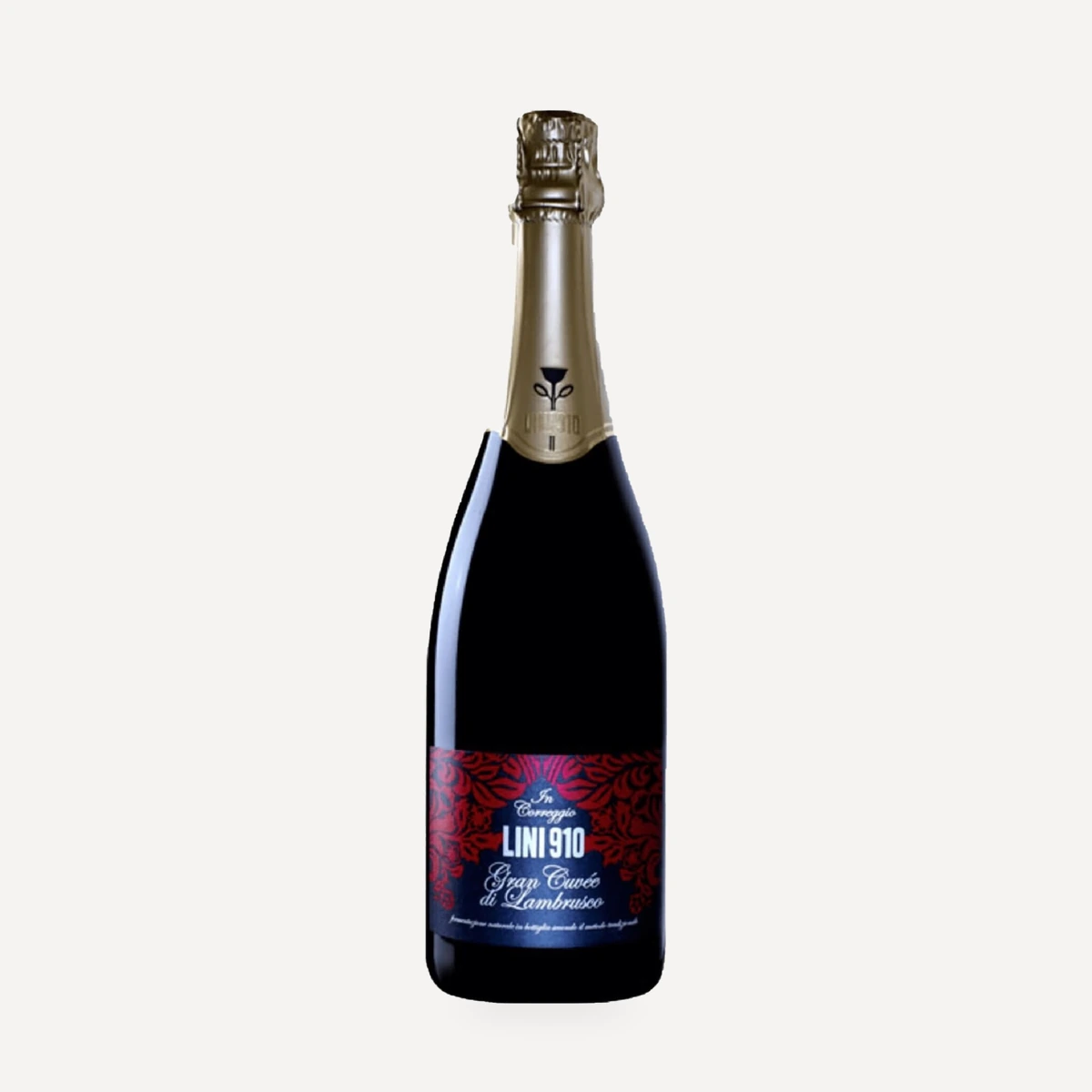
In Correggio Gran Cuvée di Lambrusco VSQ
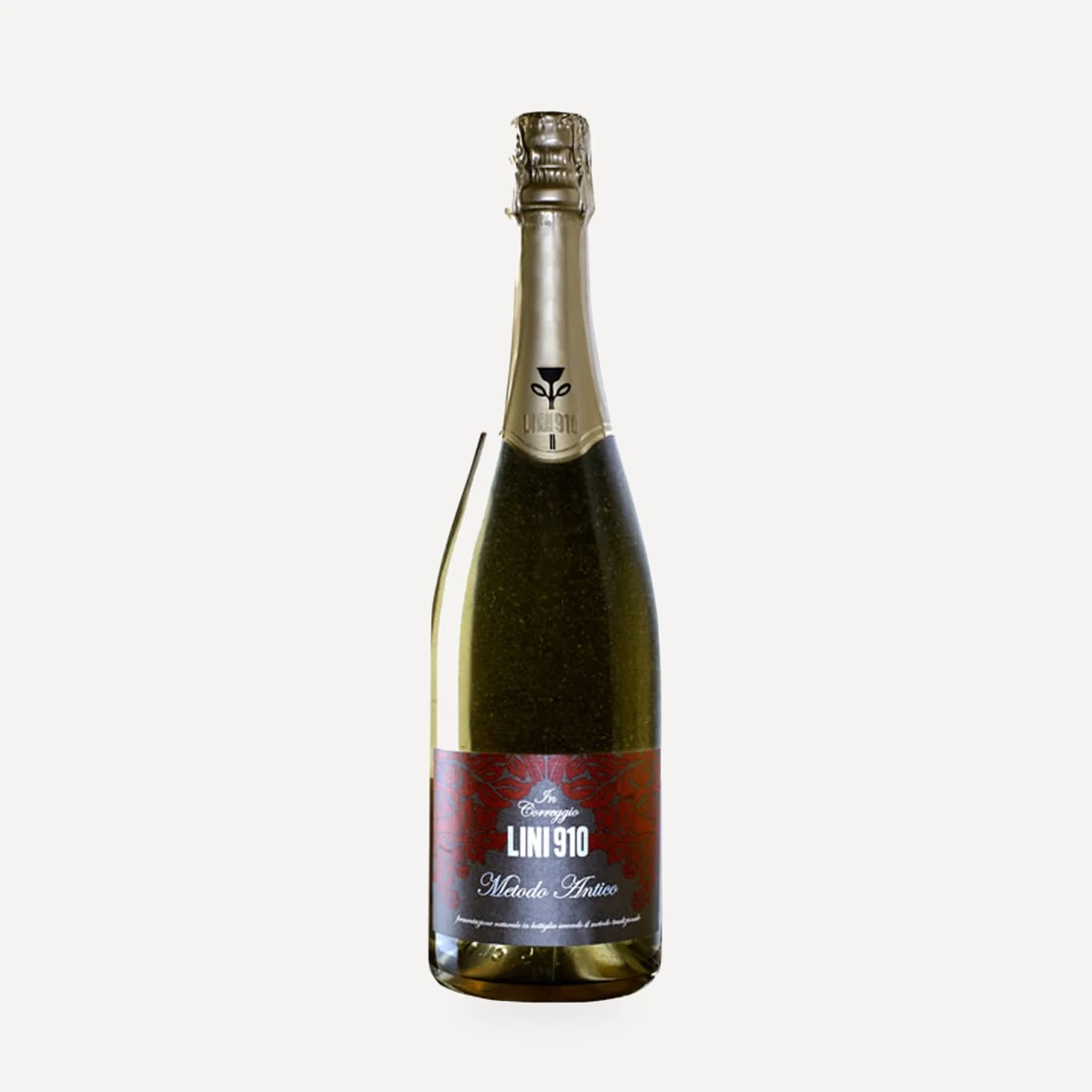
In Correggio Metodo Antico VSQ Brut
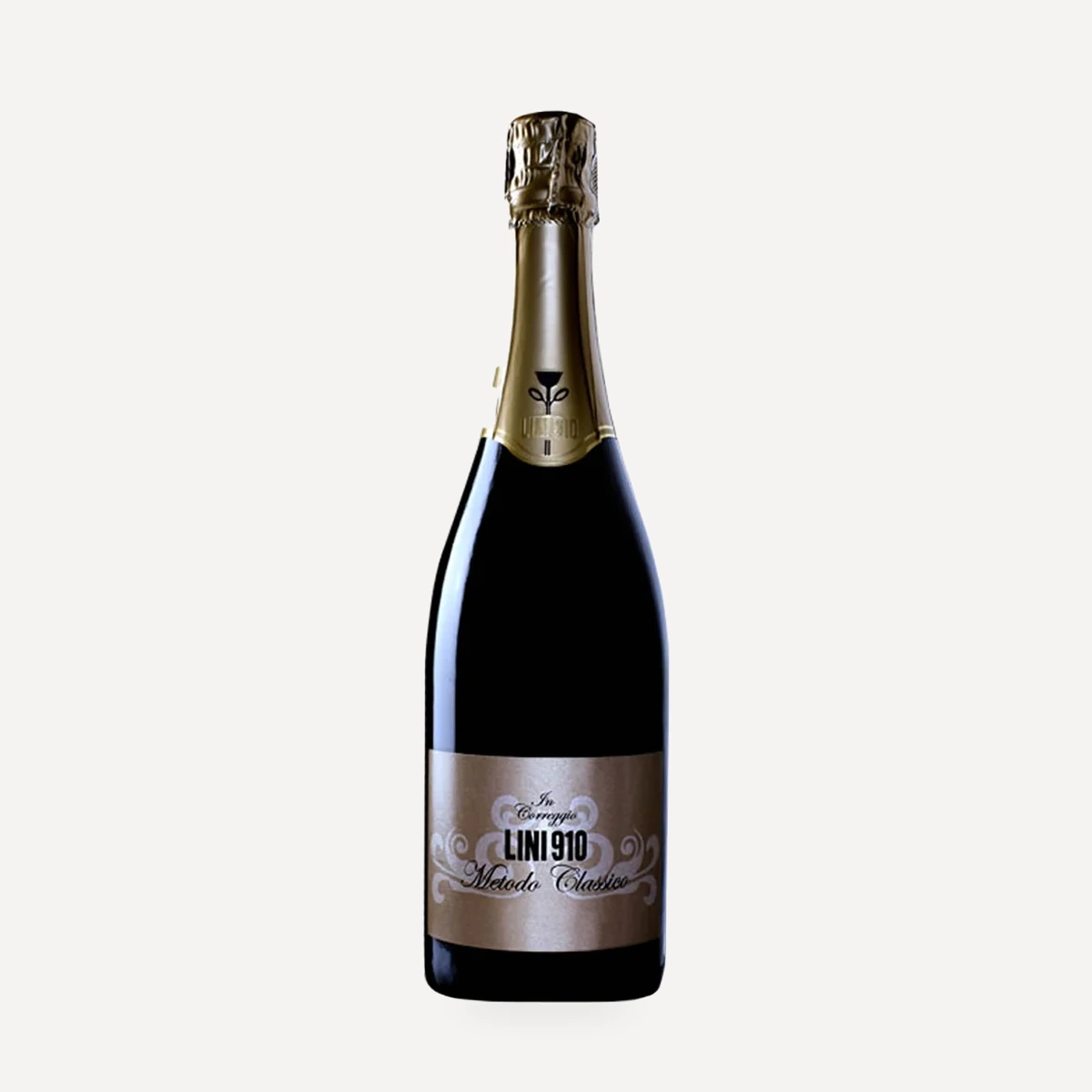
In Correggio Metodo Classico Bianco VSQ Brut
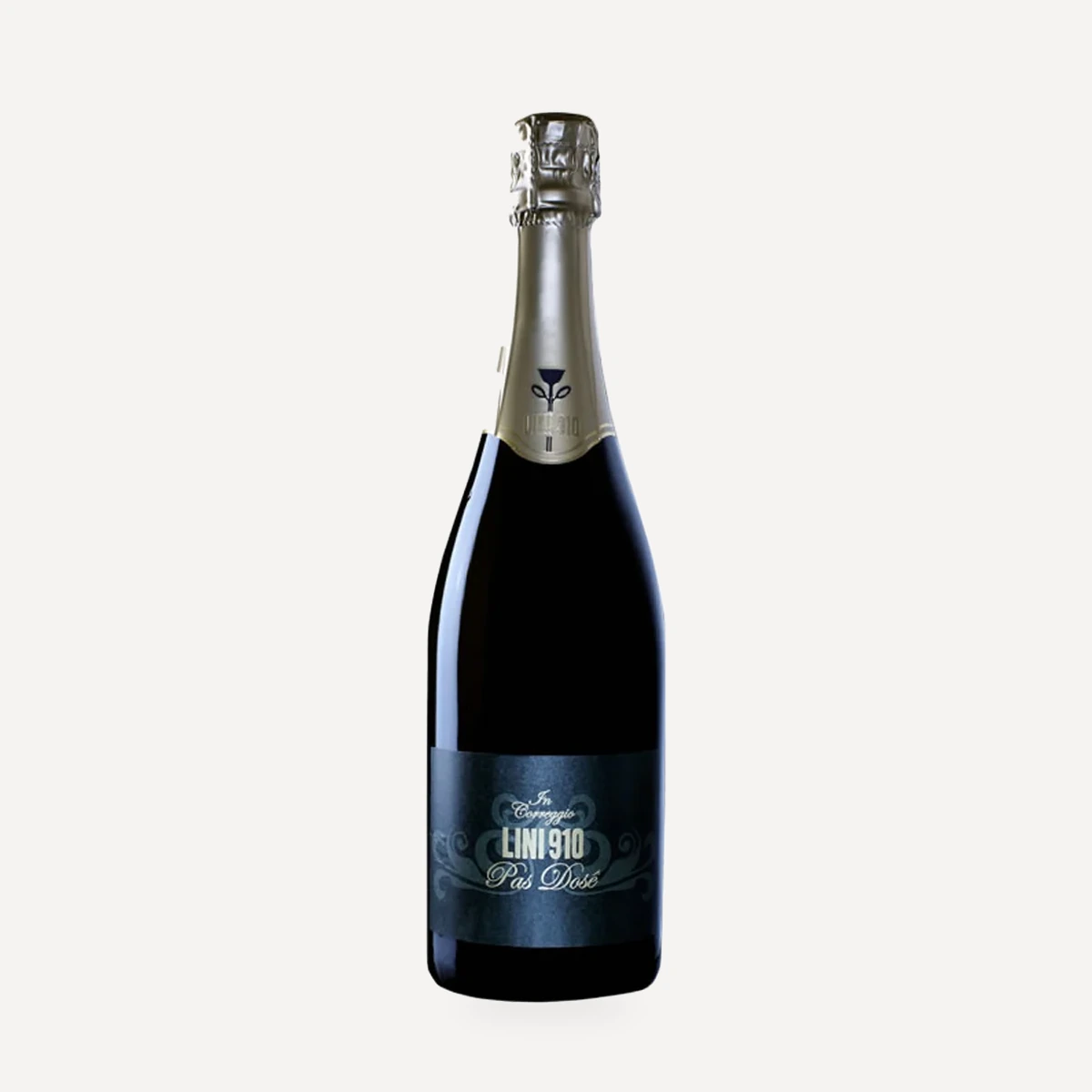
In Correggio Pas Dosè VSQ
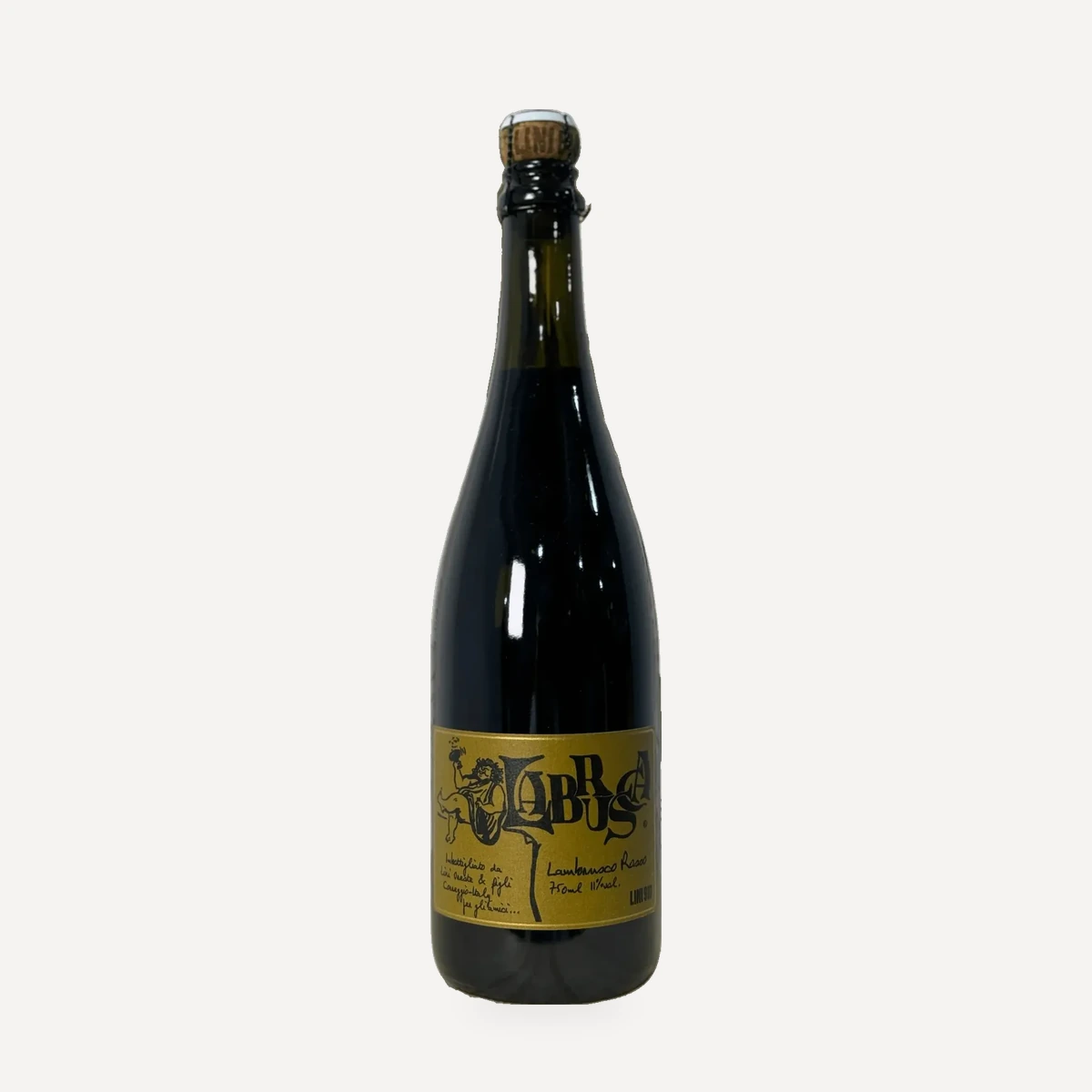
Labrusca Lambrusco Rosso Reggiano DOP
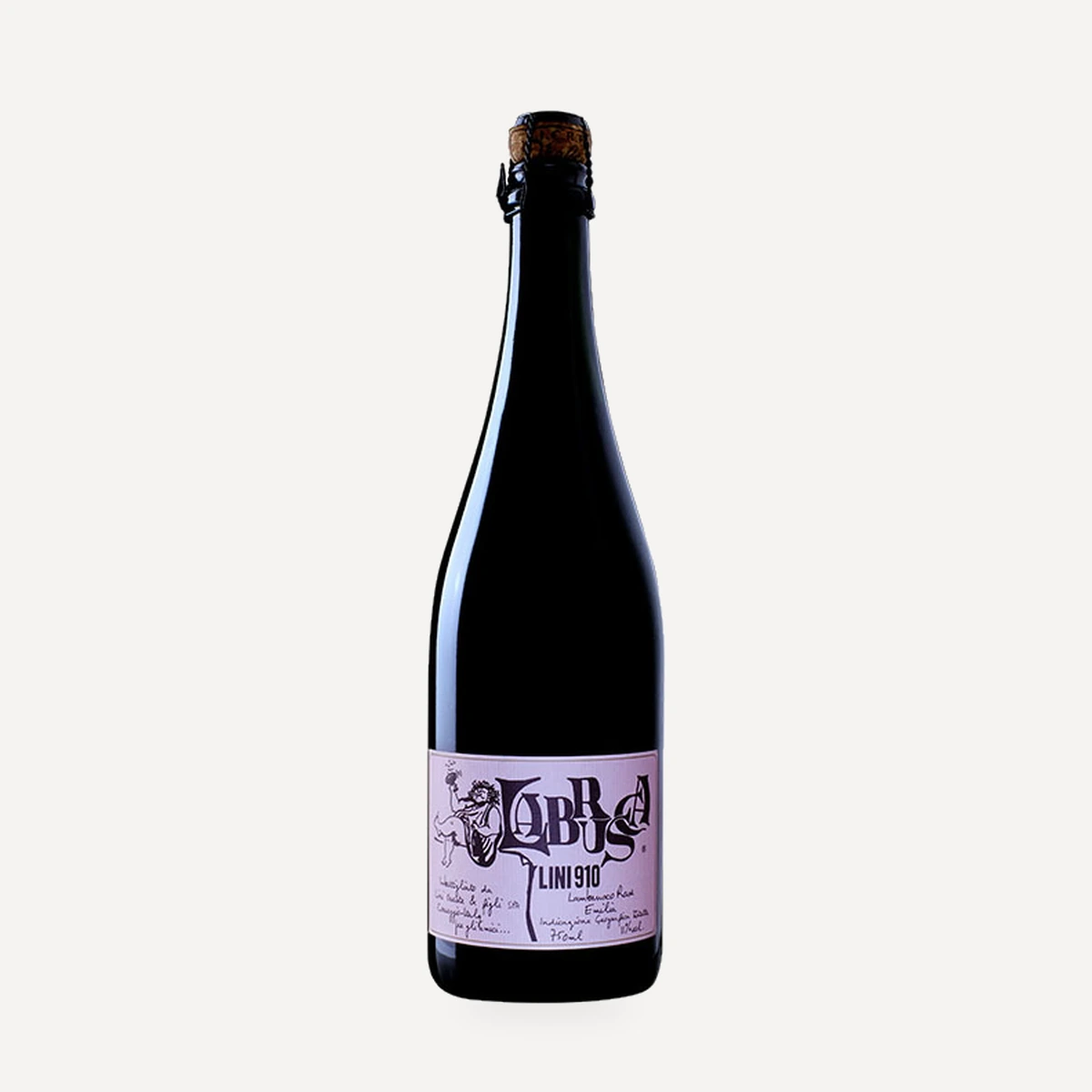
Labrusca Lambrusco Rosè Reggiano DOP
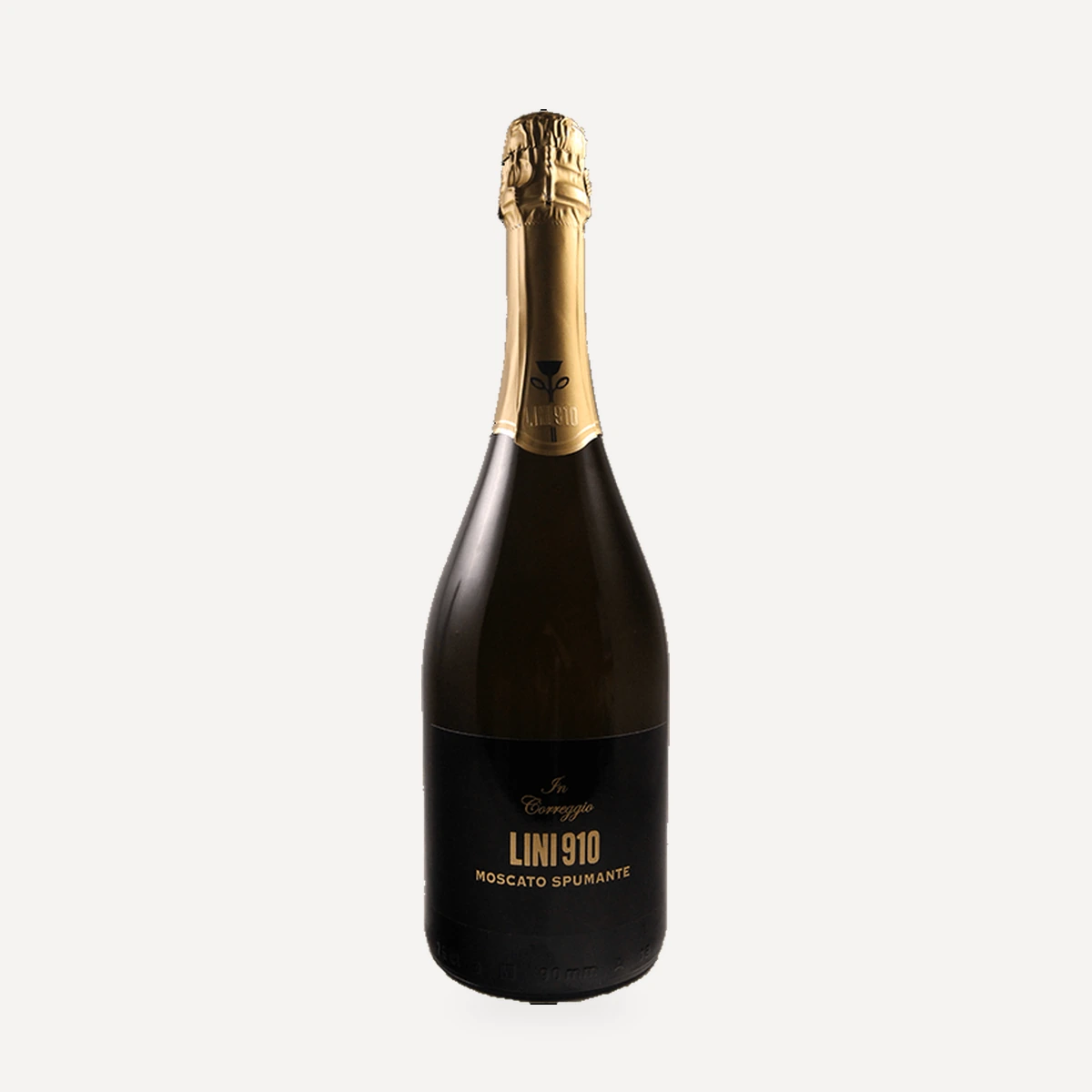
Moscato Spumante