Storia
The founding journey
Luretta’s story begins with Felice, a cattle breeder who moved to France to explore its winemaking tradition. On his return journey to Italy, he accumulated experiences and encountered different tastes and techniques. Reaching the Piacenza area, he recognized the potential of its Emilian valleys and decided to remain there, applying what he had learned in France.
Felice founded the winery beneath the medieval Castello di Momeliano. The fortress, first documented around the year 1000, provided naturally constant cellar temperatures suited to long maturation. The Salamini family’s project in the Colli Piacentini dates from 1988. Organic farming techniques were adopted from the same year to protect the balance of the vineyards and their surrounding life.
From the beginning, Luretta’s identity rested on the interaction between local grapes and varieties of French origin. The winery paired the traditions of the Colli Piacentini with an experimental outlook, giving wines literary and imaginative names such as Pantera, Achab and Carabas.
The first projects of the 1990s
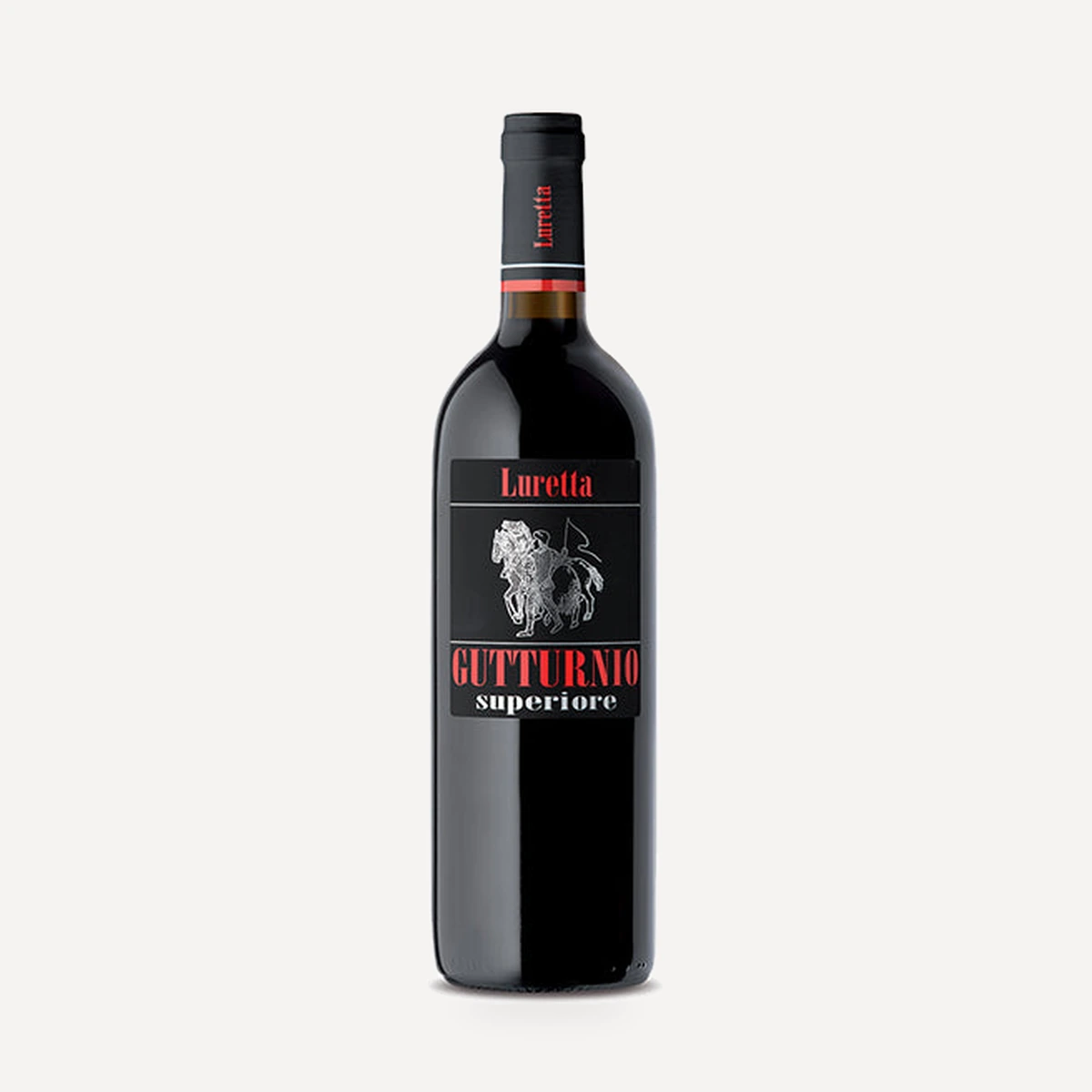
Luretta began producing Gutturnio Superiore in the early 1990s, combining Barbera and Croatina and retaining cement maturation as part of its interpretation of the local tradition.
Several long-term projects began in 1992. Boccadirosa introduced a still, intense interpretation of Malvasia Aromatica di Candia rather than the sweet or sparkling styles more commonly associated with the grape. Sauvignon Blanc was planted in the same year; the winery initially had modest expectations, but the 1996 harvest demonstrated the variety’s potential on the estate’s calcareous marl. The 2007 and 2015 Sauvignon harvests later became further reference points, and an additional site was planted in 2019 to expand the project.
The Selin dl’Armari Chardonnay project also began in 1992. Its objective was to use the estate’s calcareous marl and a small area of white soil to produce a structured, elegant Chardonnay. The first bottle appeared in 1997 after several years of development. The 1999 and 2000 vintages brought the project its first major international recognition, and continued refinement established it as a central part of the range.
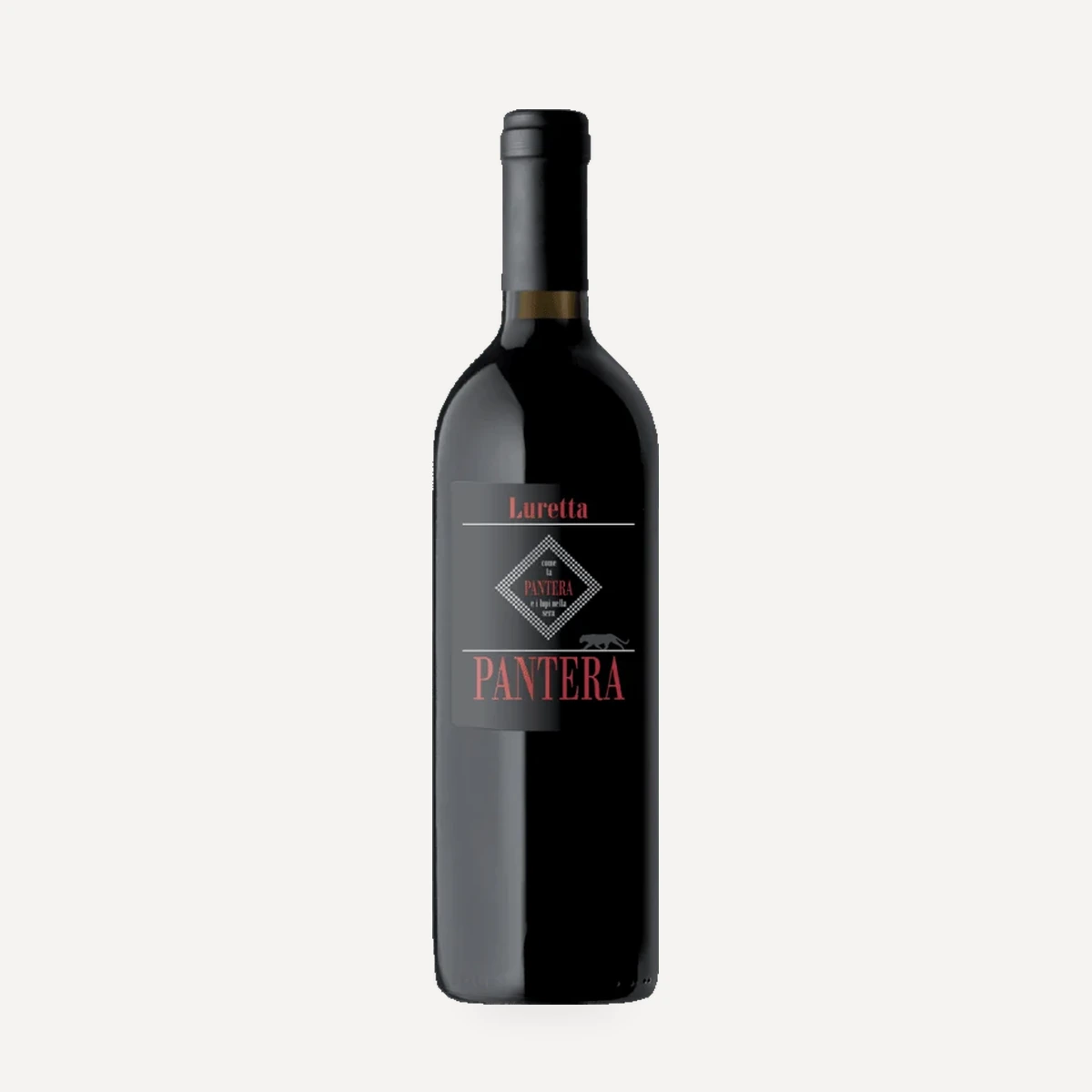
Pantera began with the 1997 harvest and was first released on 10 September 1998. Its original blend joined the local Barbera and Croatina with Pinot Nero. In 2003, Cabernet Sauvignon replaced Pinot Nero, strengthening the wine’s international dimension while preserving its local base.
Le Rane reached the market in 1999. It developed from Boccadirosa as an experiment in expressing Malvasia Aromatica di Candia as a sweet wine inspired by French precedents, with prolonged bottle maturation.
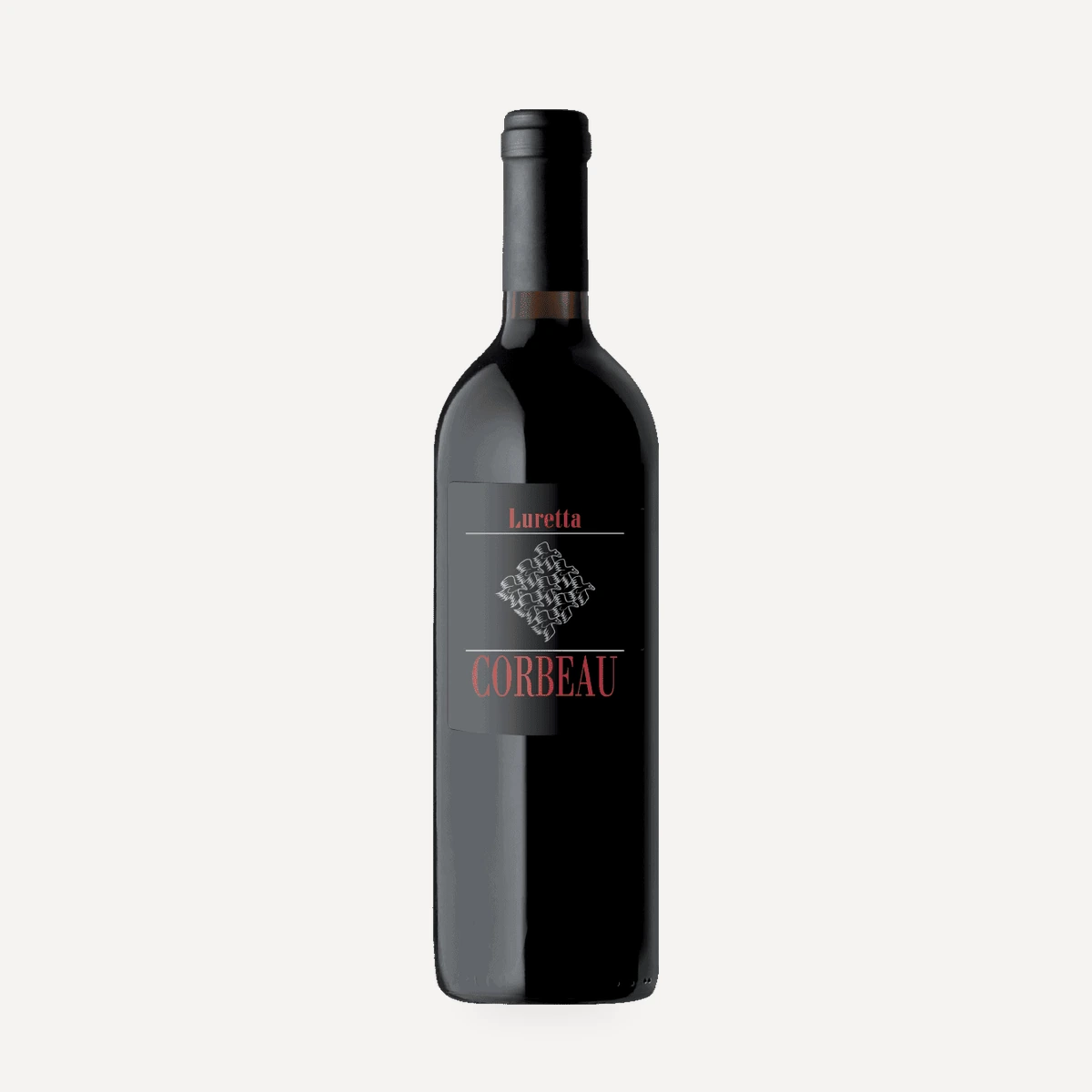
At the end of the 1990s, land with calcareous-marl soils was purchased and planted specifically for Corbeau. Its first commercial vintage was 2000. The wine subsequently became a deliberately irregular release, made only in years judged capable of attaining the required quality.
Expansion in the 2000s
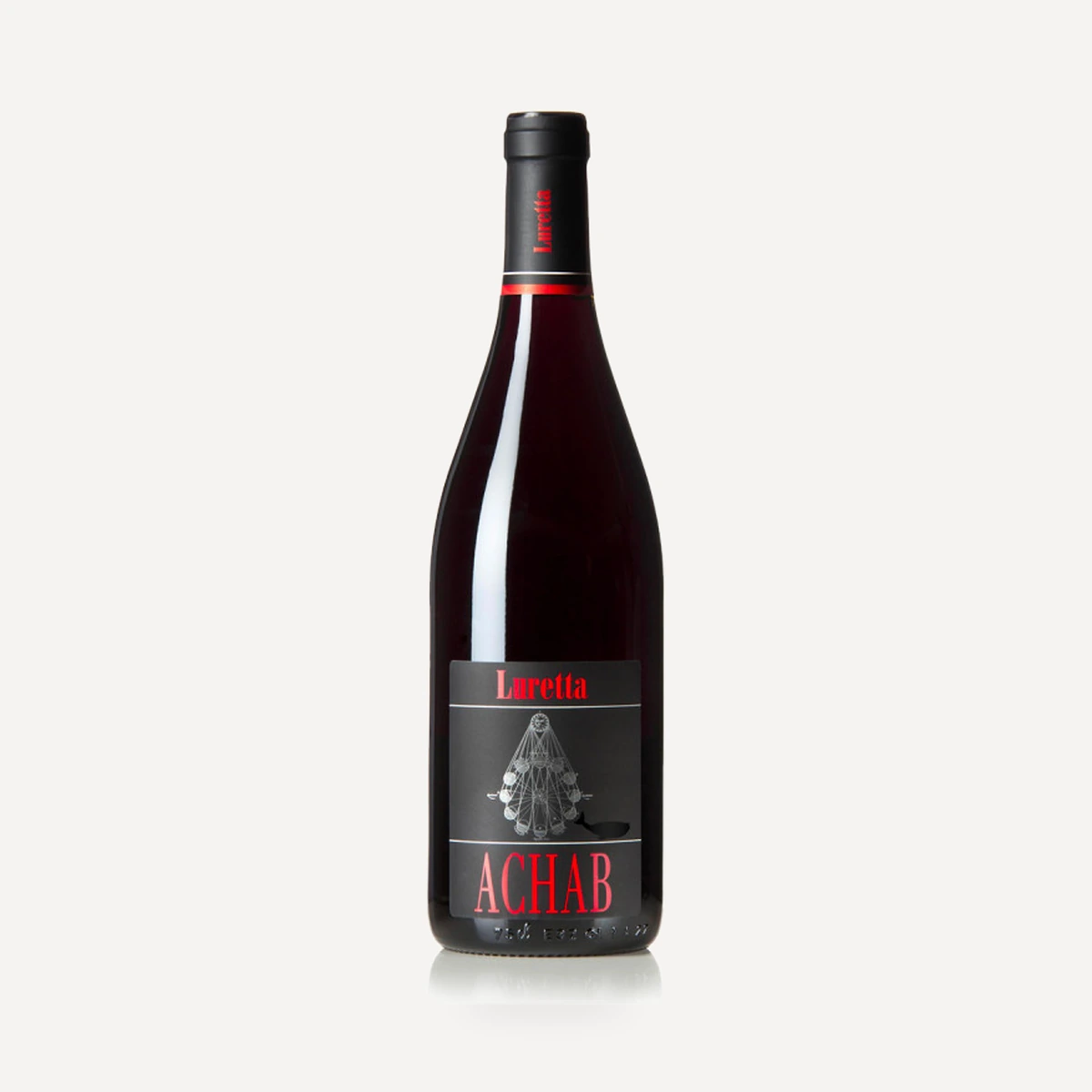
Achab was created in 2000 from the one-hectare Corte vineyard. The small site limits production, while the project represents Luretta’s continuing attempt to interpret Pinot Nero in the Colli Piacentini.
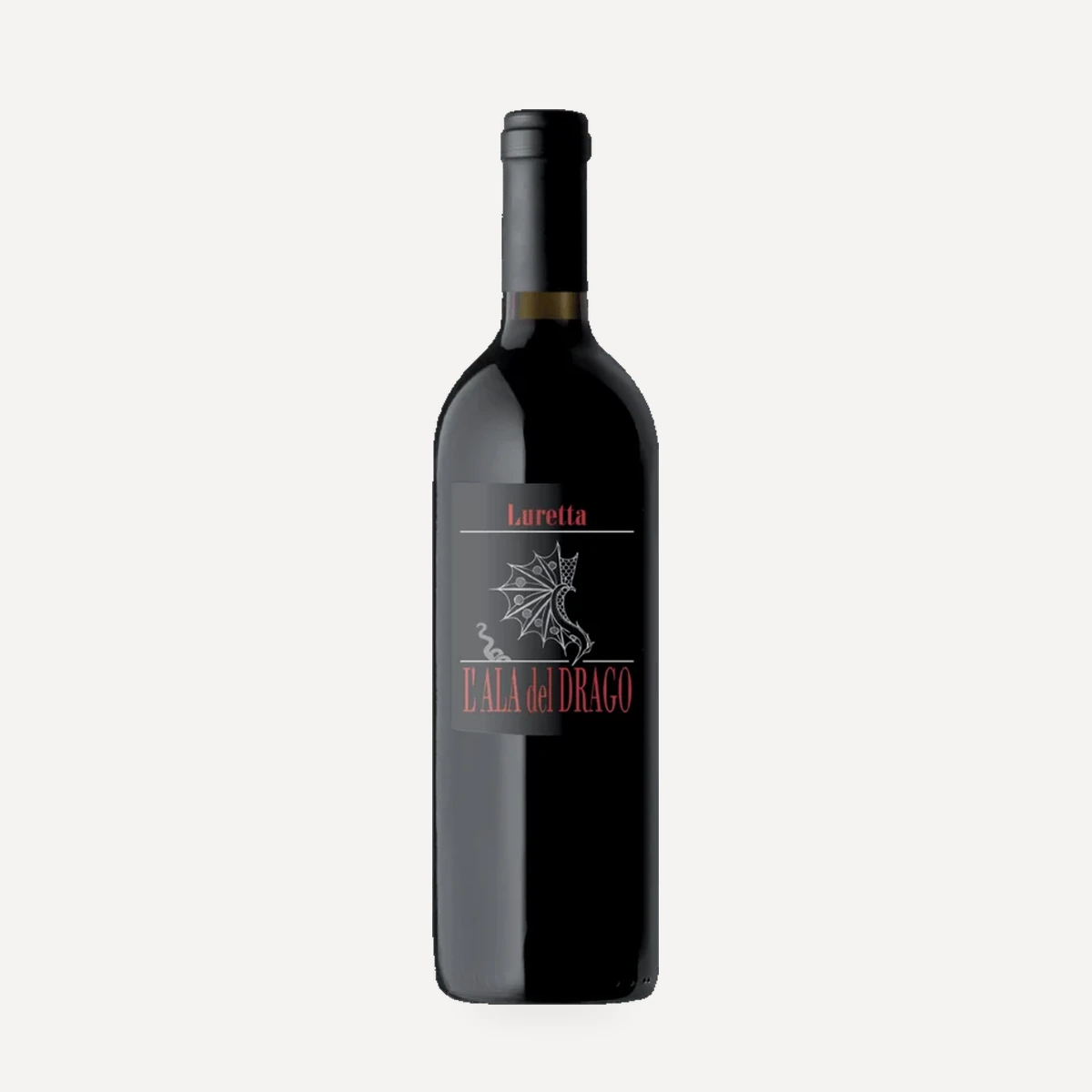
The first L’Ala del Drago was released in 2001. It draws on some of Luretta’s oldest Barbera and Croatina vines—described as approximately forty years old—and reinterprets Gutturnio through extended oak and bottle maturation.
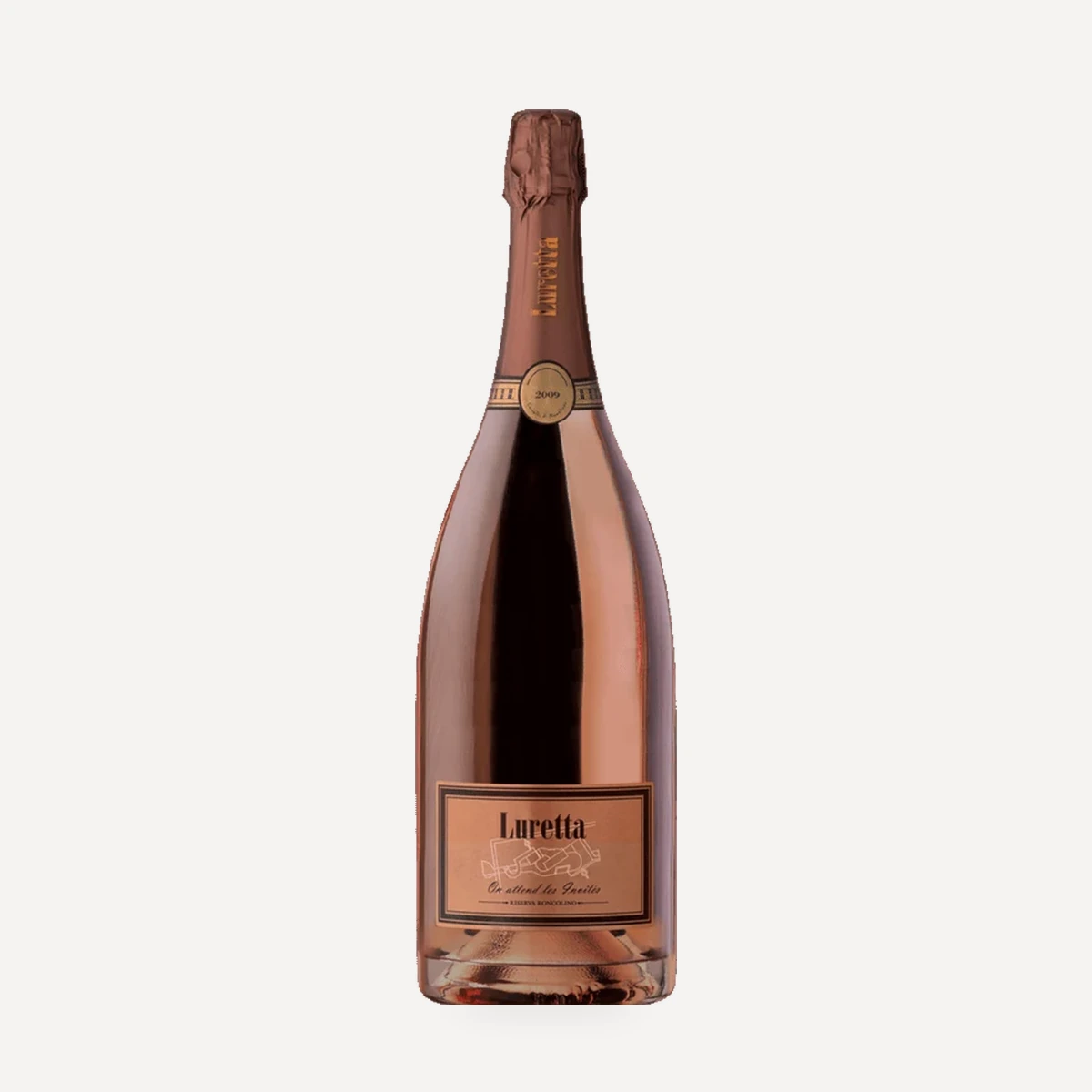
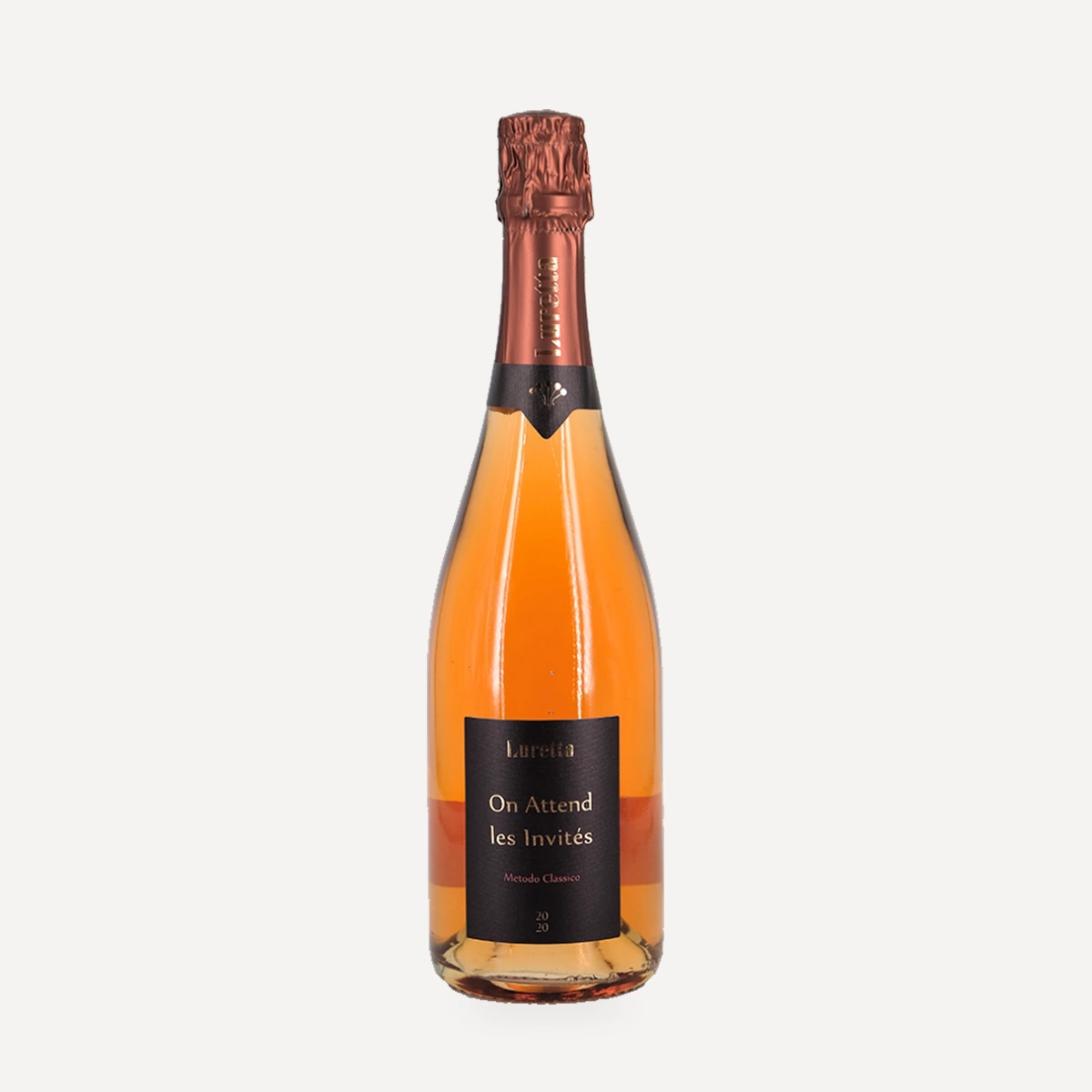
On Attend Les Invités also began in 2001 as Luretta expanded its Metodo Classico range. Conceived as a more austere, structured counterpart to Principessa, its first, nearly white expression subsequently evolved into a true Pinot Nero rosé whose character changes with each vintage.
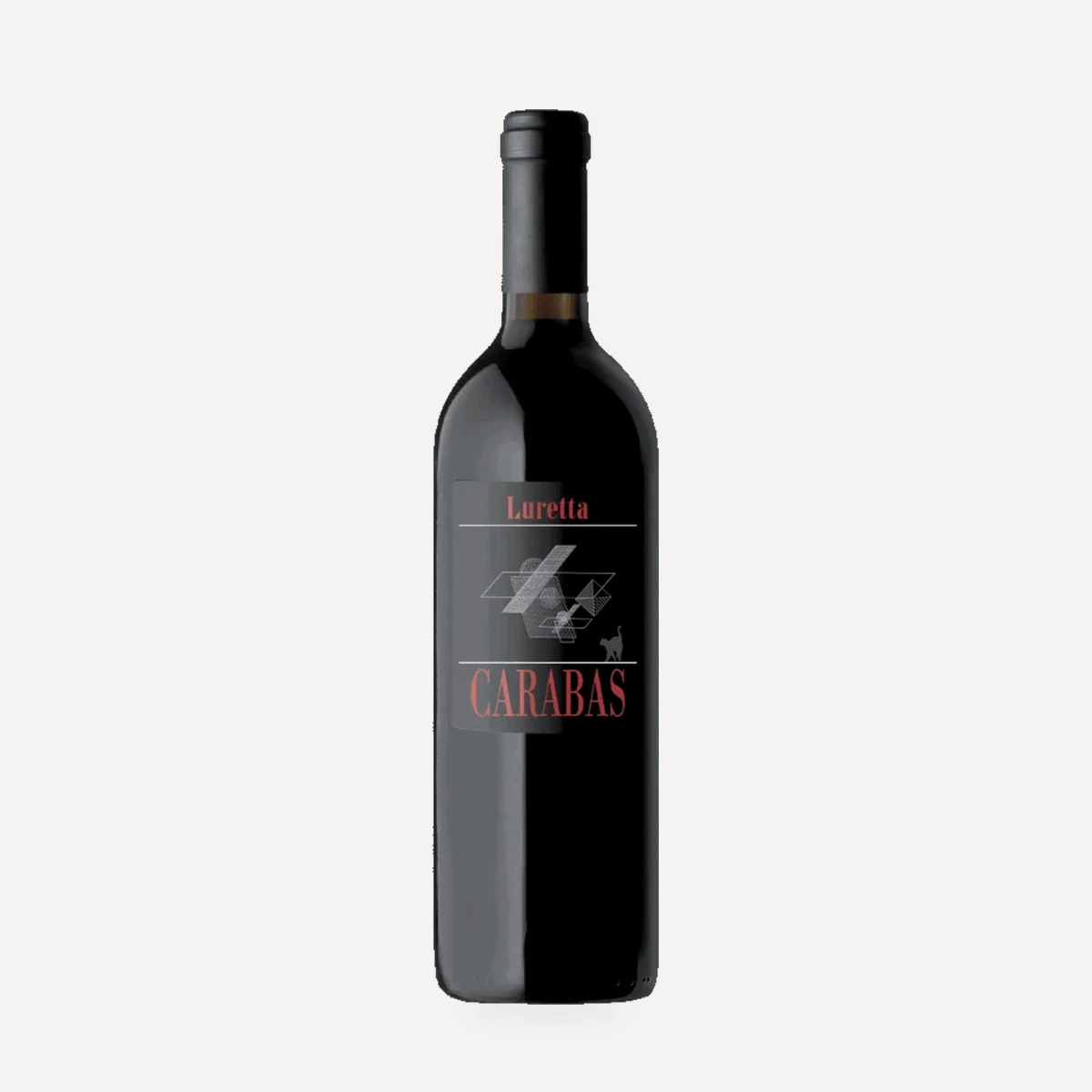
Carabas first appeared in 2003 as Luretta’s interpretation of Barbera grown on the clay soils of the Colli Piacentini. Il Capitano also debuted in 2003 in a very small edition. This secret blend of Italian varieties disappeared rapidly, returned to the range in 2008 and has continued as an intermittent release.
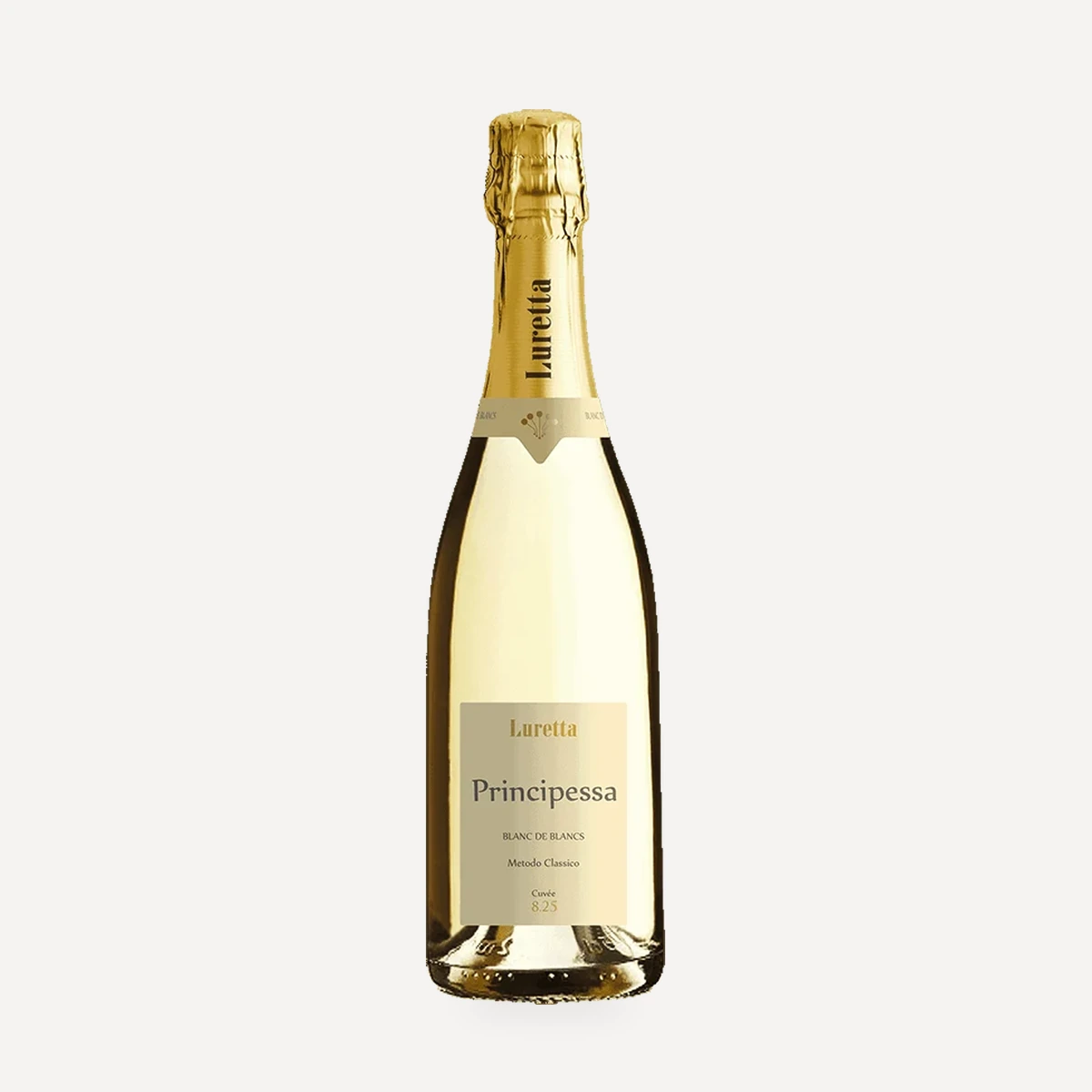
Principessa began as an experimental Metodo Classico wine made in tiny quantities for friends, relatives and loyal customers rather than for sale. In the mid-2000s, renewed cellar machinery and increasing demand transformed it into a regularly produced sparkling wine. Sales rose to tens of thousands of bottles within a few years.
During the early 2000s, the winery also experimented with a longer-lived Pinot Nero Metodo Classico. Equipment and technique alone did not deliver the intended result, prompting investment in the historic Roncolino site in Val Nure. Its strongly calcareous soil and short daily period of sunlight proved decisive. The 2007 harvest was the first to meet expectations for the Riserva Roncolino, and only three vintages had been released when its account was published.
Organic certification and later development
In 2011, the entire Luretta collection received the European Union’s organic-wine certification, formalizing an agricultural direction followed since 1988.
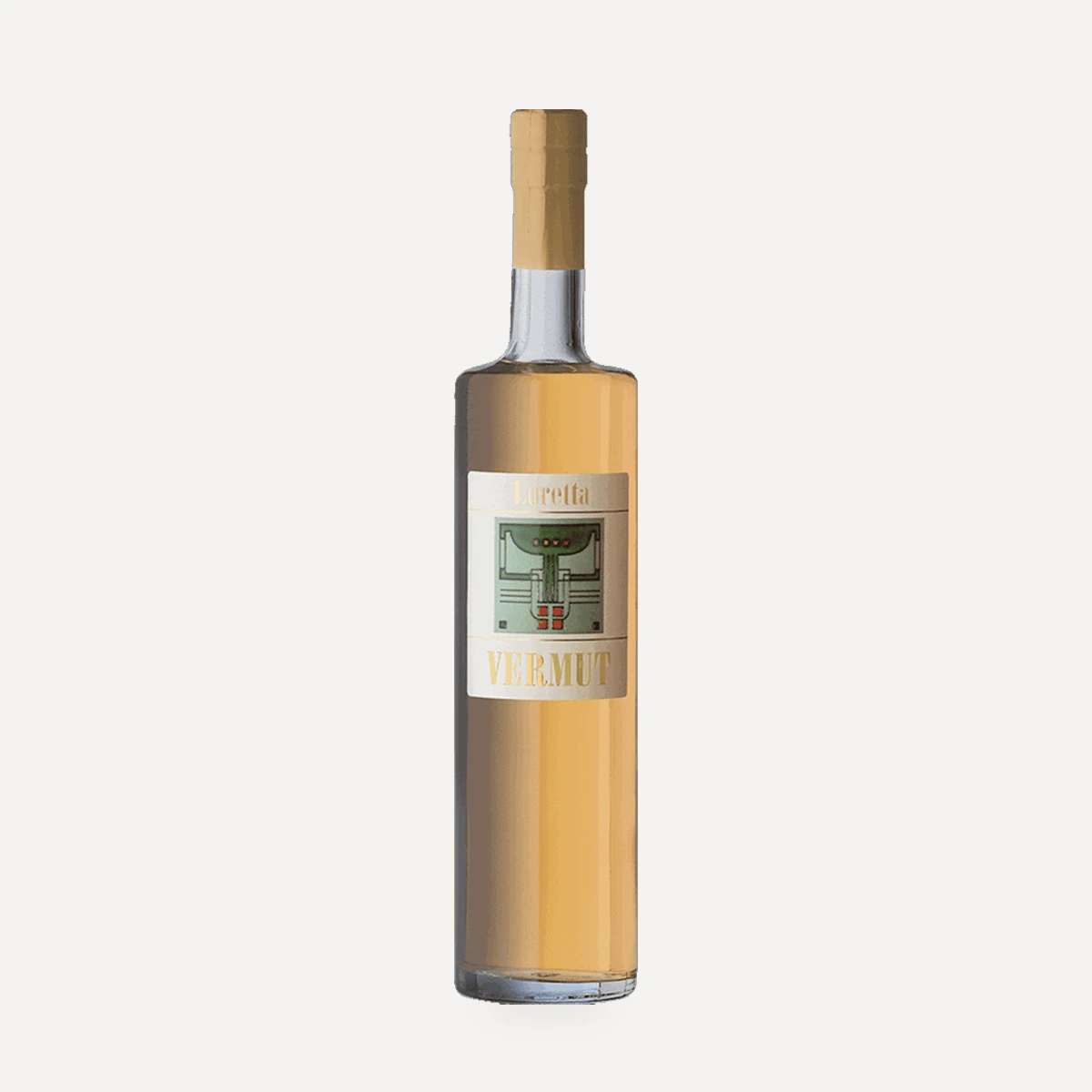
Later projects continued the estate’s emphasis on extended maturation and experimentation. Nevermore applies on-vine drying, slow pressing and eight years of maturation in small vessels made from four different woods to Malvasia Aromatica di Candia. The Puck collection was introduced as a lighter, spontaneous and deliberately informal family of wines. Luretta also developed an amber vermouth with Liquoreria Friulana, using Malvasia Aromatica di Candia and thirteen botanicals.
Throughout this development, production has remained anchored in the cellars of Castello di Momeliano. Some wines mature for as long as eight years below the medieval fortress, while the range continues to combine local grapes, French-origin varieties, traditional vessels, oak and modern cellar techniques.
Terroir
Luretta is based at Castello di Momeliano in the municipality of Gazzola, within the hills of Piacenza. The surrounding landscape combines Apennine peaks, gentler hills, valleys and the transition toward the Po plain. Val Tidone, Val Luretta, Val Trebbia, Val Nure and Val d’Arda form part of this varied setting, producing multiple microclimates.
Calcareous marl is central to several estate projects. It underpins the mineral character sought for Sauvignon Blanc and was the reason for selecting the land planted for Corbeau. Selin dl’Armari originates in a small area of white soil among the Piacenza hills, where the Chardonnay project was designed around the structure and elegance obtainable from calcareous marl.
Clay soils are associated with the estate’s Barbera. The Roncolino site in Val Nure is strongly calcareous and has an unusual light regime: sunlight reaches it later than neighboring land and shade returns earlier. The resulting slow, difficult-to-work site was selected for Pinot Nero intended for very long Metodo Classico maturation.
The medieval cellar is itself an important part of the production environment. Its underground rooms maintain a constant temperature, allowing selected wines to mature for as long as eight years beneath the castle.
Vinificazione
Organic farming techniques have been used since 1988 as part of Luretta’s effort to preserve the ecological balance of its Piacenza vineyards. The full collection received European Union organic-wine certification in 2011.
The approach gives priority to the condition of each harvest rather than a fixed release schedule. Several wines are produced only in suitable years, and vintages may be released out of chronological sequence when additional maturation is considered beneficial. The vineyards used for Nevermore are managed without chemical herbicides; its Malvasia Aromatica di Candia remains on the vine to dry and concentrate before harvest.
Site selection is treated as a long-term part of viticulture. Land was purchased specifically for the calcareous-marl Corbeau vineyard, the difficult Roncolino site was chosen for its strongly calcareous soil and limited sunlight, and the Sauvignon Blanc project was expanded through a new planting in 2019.
Luretta makes wine in the underground cellars of Castello di Momeliano. Their naturally constant temperature supports prolonged maturation, with selected wines resting beneath the fortress for as long as eight years. Oak barriques are an important feature of the cellar, and French oak is combined with modern techniques across the range.
Production combines local varieties with grapes of French origin. Barbera and Croatina provide the base for the Gutturnio interpretations and are also blended with international grapes in Pantera. Malvasia Aromatica di Candia is made in still, late-harvest, dried-grape and aromatized forms. Chardonnay, Pinot Nero, Cabernet Sauvignon and Sauvignon Blanc support projects developed through site-specific experimentation.
The cellar uses multiple fermentation and maturation vessels according to the project. Gutturnio Superiore matures in cement for six months. Pinot Nero for Achab ferments in truncated-conical wooden vats and matures for nine months in small oak and cherry barrels. L’Ala del Drago matures for 18 months in oak barriques followed by 24 months in bottle. Selin dl’Armari spends nine months in oak barriques.
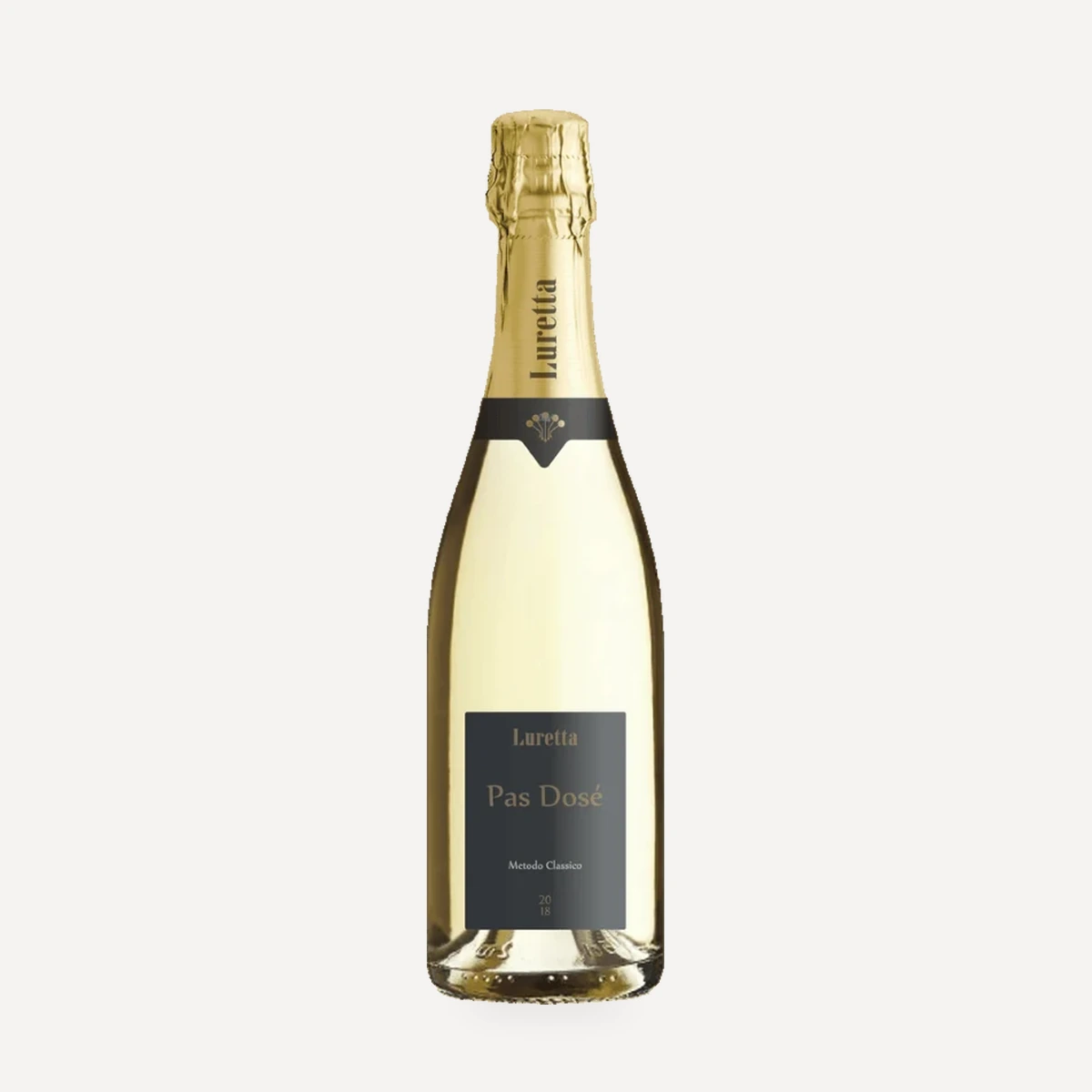
Metodo Classico is used throughout the sparkling-wine range. Principessa spends approximately 18–24 months on lees; On Attend Les Invités and Pas Dosé spend 36 months, with the former dosed at 8 g/L and the latter made without dosage. Riserva Roncolino undergoes eight years of lees maturation and appears only in selected vintages.
For Nevermore, Malvasia Aromatica di Candia dries on the vine before slow pressing. The wine then matures for eight years in 100-litre vessels made from oak, cherry, chestnut and acacia, with four transfers during an approximately decade-long process. It is bottled without filtration and becomes naturally clear during its long maturation.
The amber Vermut is made with Malvasia Aromatica di Candia in collaboration with Liquoreria Friulana. Thirteen botanicals are used, including greater wormwood, gentle wormwood, bitter orange, rhubarb, oregano, tonka bean and citrus.
Filosofia
Luretta’s guiding idea is to reinterpret tradition rather than reproduce it unchanged. The estate brings local grapes and practices into dialogue with varieties of French origin, modern techniques and prolonged experimentation. Craftsmanship and science are treated as productive sources of tension rather than opposing choices.
The vineyard comes first. Nature provides both the lens through which the family considers the future and the limits within which ambition must operate. Long-term sustainability is framed as respect for the land and for the life inhabiting it, an outlook expressed through organic farming since 1988.
Vintage variation is accepted rather than engineered away. Some projects appear only in years that meet their intended standard, and additional maturation can take precedence over chronological release. The objective is to let fruit, site and time reshape each edition while maintaining the project’s underlying identity.
Curiosity is another recurring principle. The range is designed to invite exploration through unfamiliar blends, unconventional expressions of regional grapes and names drawn from literature and imagination. The wider ambition is to pay homage to the people and traditions of the Colli Piacentini while continually testing their possibilities.
Vini
L’Ala del Drago
On Attend les Invités Riserva Roncolino
Pas Dosè
Principessa
Achab
Carabas
Corbeau
Gutturnio Superiore
I Nani e le Ballerine
On Attend les Invités
Pantera
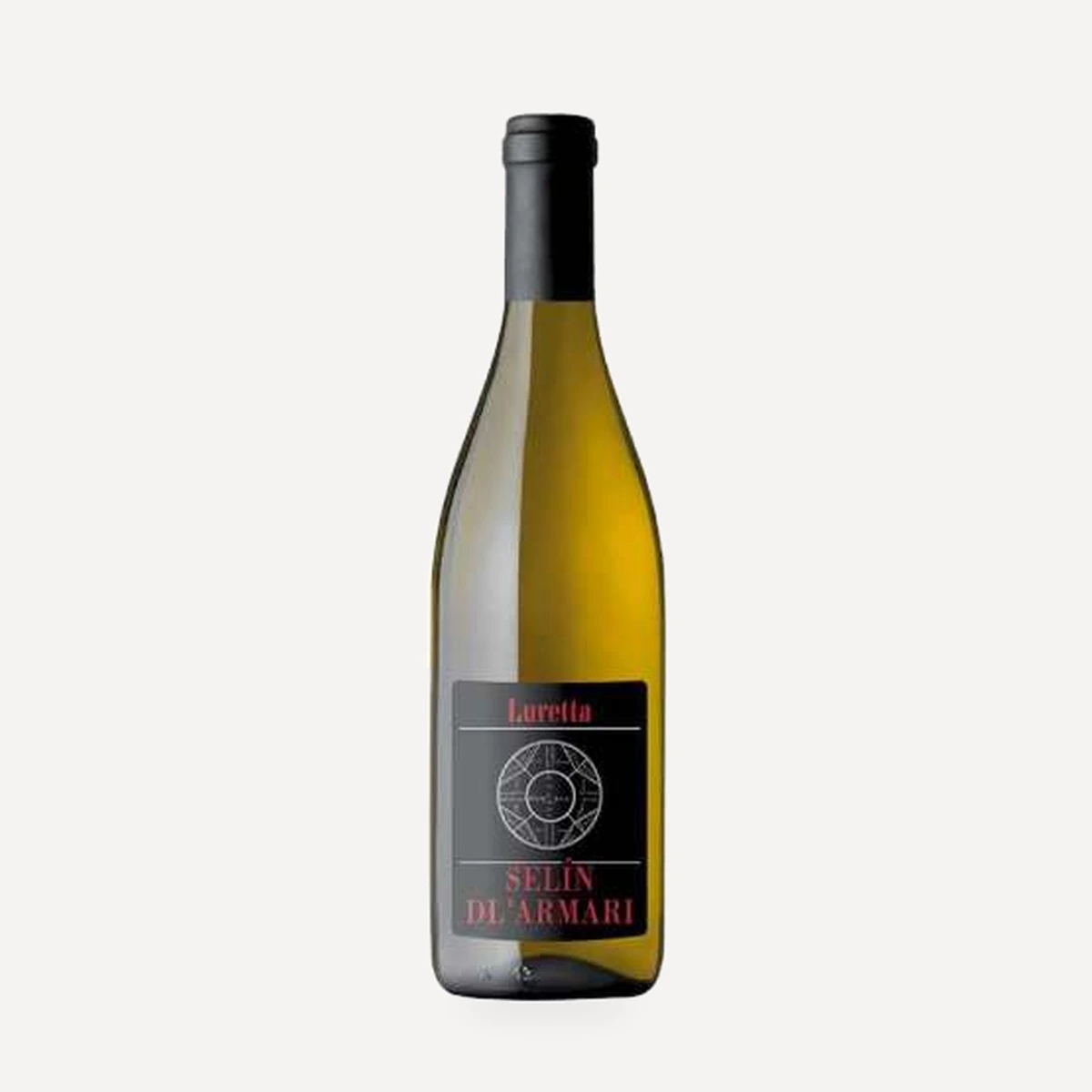
Selin dl’Armari
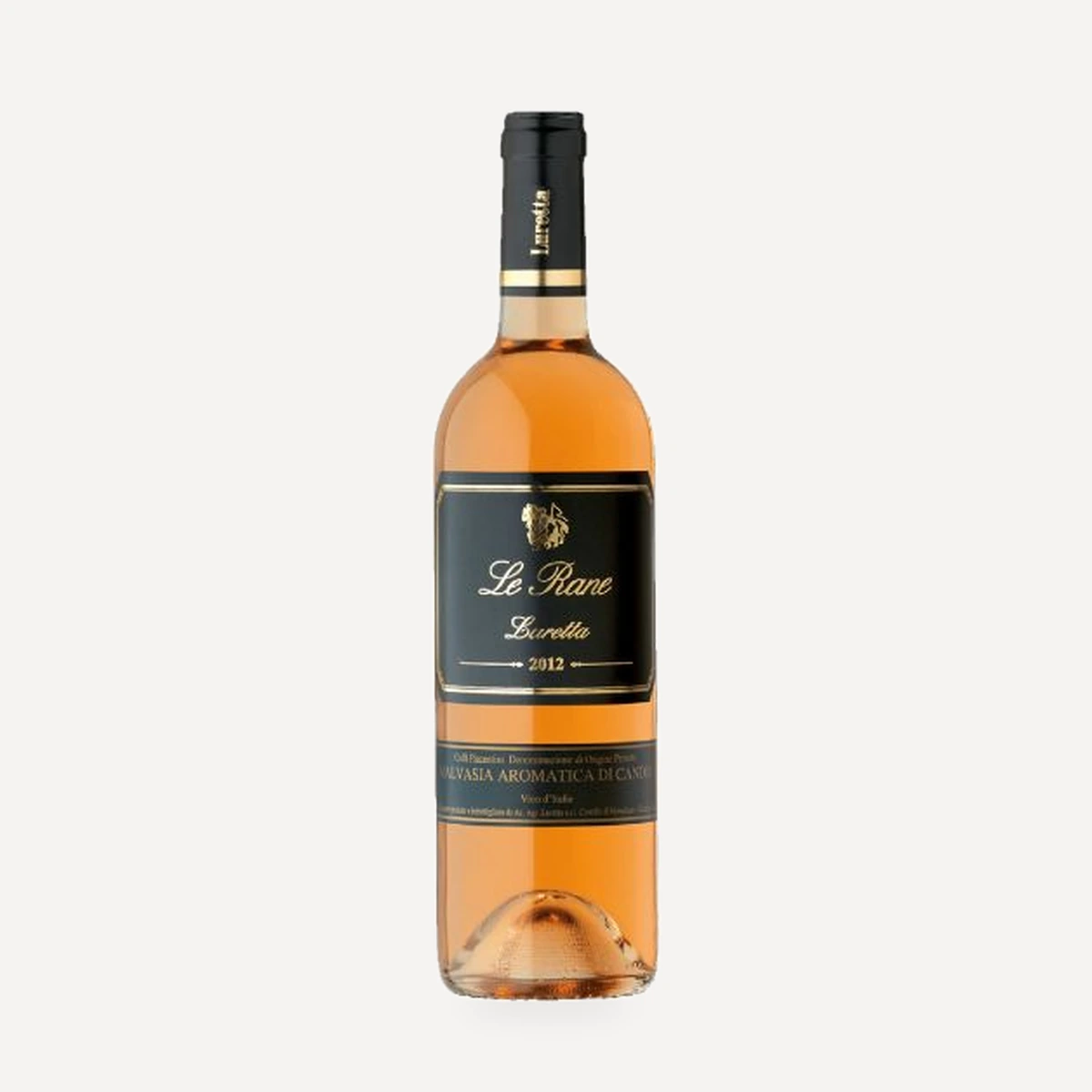
Le Rane
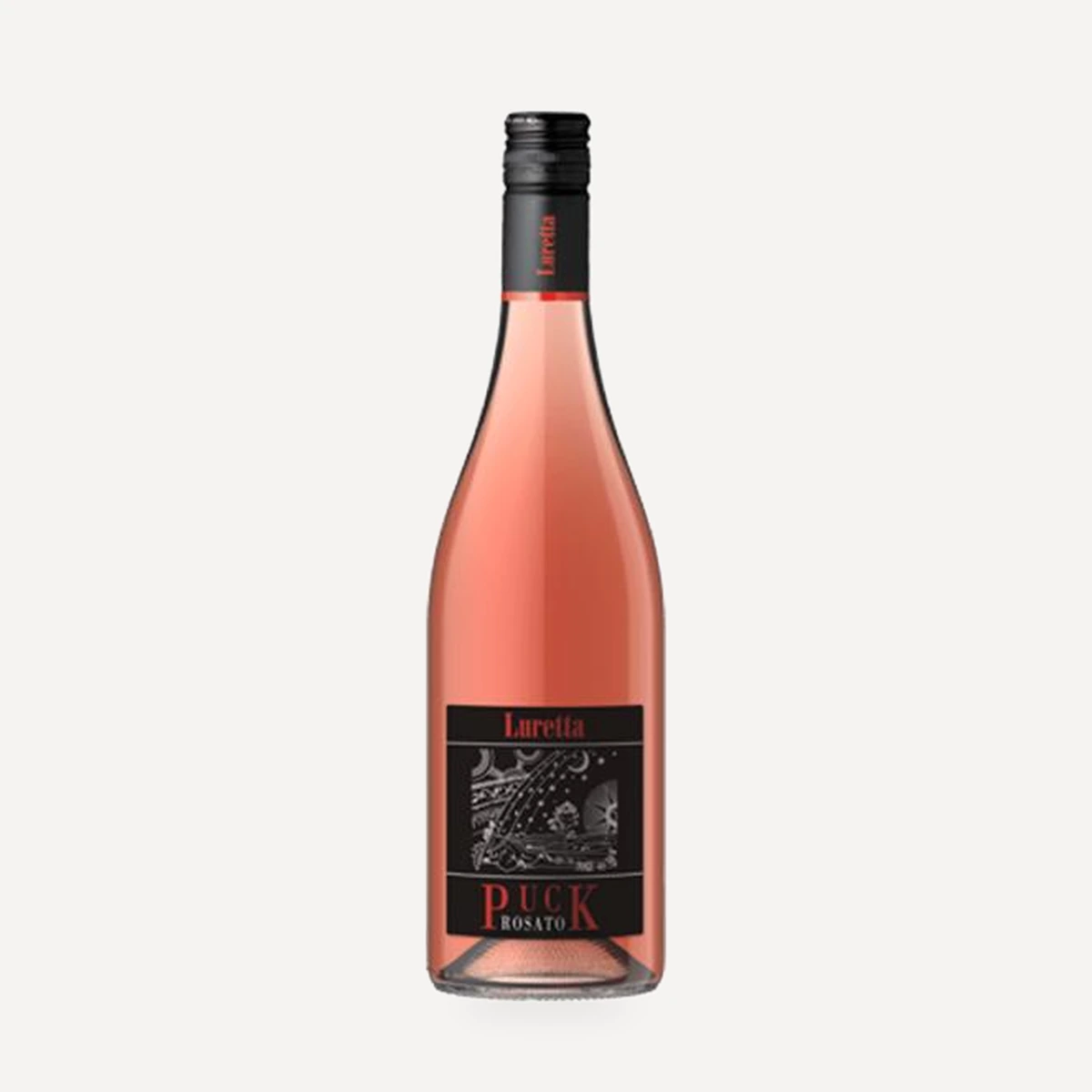
Puck Rosé