Storia
Foundation and the first family generation
Macciocca began in 1945, when Giuseppe Macciocca acquired additional land for viticulture. He built the cellar soon afterward and devoted the rest of his life to the wine trade. Civitella, the principal nucleus of the estate, retains plantings associated with this founding period, although another description dates its selected historic vines to 1952.
Elvira Graziani, 1969–1993
Elvira Graziani took responsibility for the property in 1969. She managed and tended the vineyard until 1993, maintaining the family’s viticultural work for nearly a quarter of a century.
During the 1960s, vineyards were established at Casalotto and Valle Bianca. Casalotto was planted to Cesanese di Affile, while Valle Bianca was planted to Passerina del Frusinate. Both remain trained to Guyot, with Casalotto also incorporating double spurred cordon.
Continuity after 1993
From 1993, Elvira’s children Franco and Alessandra kept the activity alive. Although it was not their principal occupation, they continued caring for the work established by Giuseppe and Elvira.
Renewal under Mario Macciocca
Mario Macciocca later chose to devote his life to viticulture and initiated a new phase for the family property. Assisted by his father Franco, his aunt Alessandra, and Antonio, he renovated both vineyard and cellar and created a new group of wines dedicated to the family and collaborators who supported the renewal.
The vineyard base was expanded and renewed in several stages. Plantings used for Terra red date to 2006. Civitella was enlarged through replanting in 2007 and 2011. Other selections are associated with 2010 and 2011 plantings, while Colle Cuculo was replanted to Cesanese di Affile in 2015.
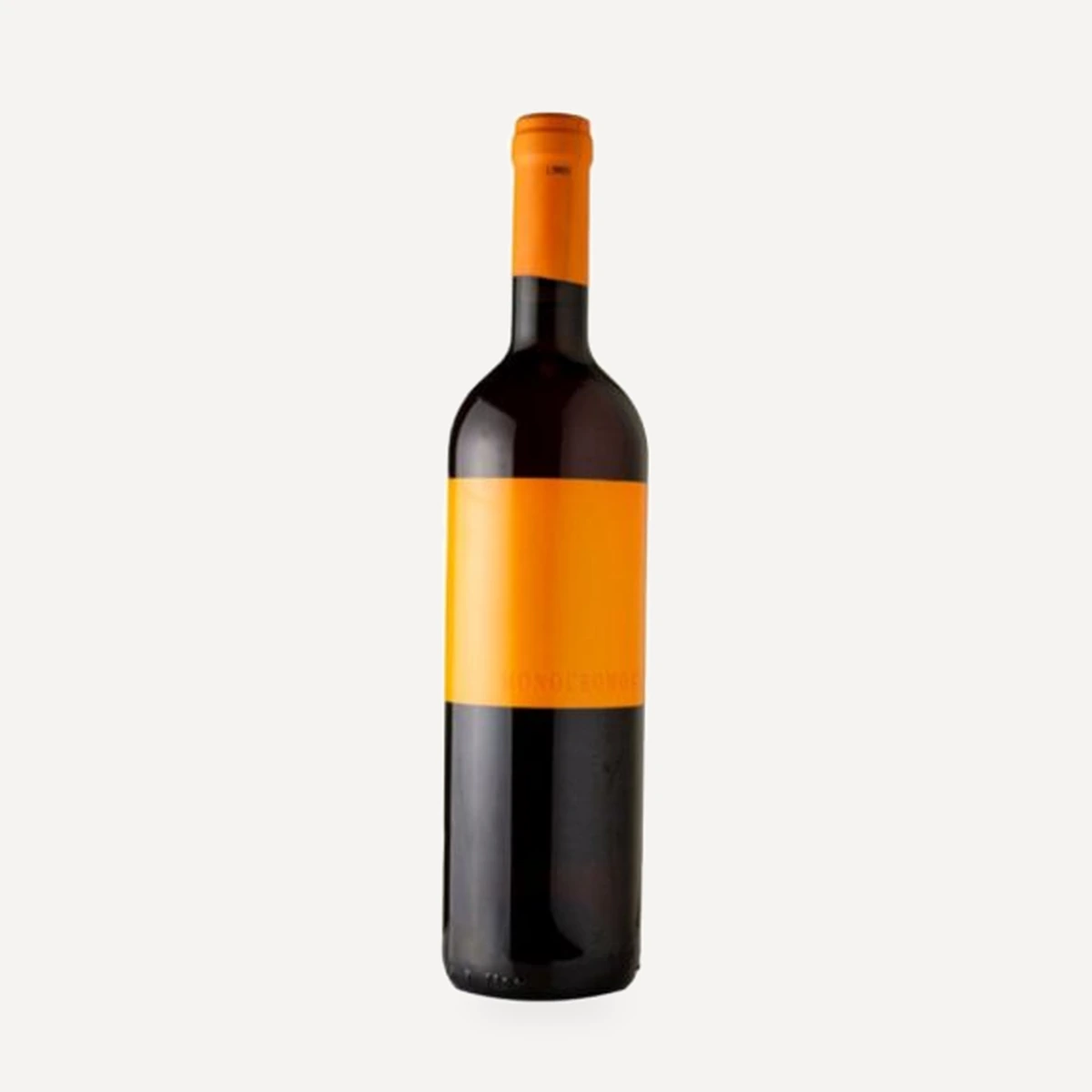
The recorded first vintages include CIVITELLA red in 2003, TERRA red in 2008, TERRA white in 2010, and MONOCROMO #2 and #3 in 2003. MONOCROMO #1 carries a recorded first-production period in the first half of the 1960s, while its current vineyard selection is associated elsewhere with 2010 plantings.
Terroir
The vineyards lie in Piglio, within the Ciociaria area of Lazio, at approximately 380 m above sea level. They occupy the slopes of Monte Scalambra, Pila Rocca, and Carmine along the Simbruini mountain chain.
The hills face south and west and are sheltered from the coldest winds. Conditions are described as moderately temperate and particularly favorable to viticulture. Mountain winds meet breezes arriving from the Tyrrhenian Sea, forming the local vineyard microclimate.
The soils are volcanic in origin, interspersed with karst formations. The technical profiles for the principal wines consistently identify the vineyard soils as volcanic.
The general location is given as 41°49’54” N, 13°09’27” E.
Vinificazione
The estate’s first principle in the vineyard is to preserve the symbiotic balance among vine, soil, and surrounding environment. Synthetic chemicals and chemical herbicides are excluded. Vineyard work instead relies on light, targeted mechanical cultivation, natural fertilization, and low quantities of copper and sulfur.
Biodiversity is treated as part of the vineyard’s natural equilibrium. Wild flowers and spontaneous herbs grow among the vines, while fruit trees are planted cyclically to support soil fertility and grape quality. This plant diversity is intended to help the vines remain balanced and defend themselves without additional treatments.
Cesanese di Affile, Passerina del Frusinate, and Nostrano are all maintained as native varieties. Approximately 3.5 ha of the estate’s roughly 5 ha of vines are planted to Cesanese di Affile; Passerina del Frusinate and Nostrano occupy the remainder.
Guyot and double spurred cordon are the stated training systems. Recorded yields vary by selection from 40 to 70 quintals per hectare: approximately 40 q/ha for old-vine Cesanese, 50 q/ha for other Cesanese selections, and 70 q/ha for Passerina del Frusinate.
Harvesting is manual. Picking generally takes place from late September through the first half of October, depending on variety, ripeness, and intended production. Harvest is also a continuing family tradition in which multiple generations, relatives, and friends work together and share meals and family memories.
Minimal intervention guides work in the cellar as it does in the vineyard. After manual harvest, grapes are generally destemmed and crushed. Fermentations are spontaneous, and skin contact is the principal variable distinguishing the different red, white, and rosé expressions.
Skin maceration ranges from immediate separation to approximately 30 days. The stated regimes include about 5 days for shorter red macerations, approximately 10 days for some whites, around 15 days for other reds, 15–20 days for old-vine red selections, and approximately 30 days for the longest-macerated white. Two or three daily punch-downs are used according to the lot. Longer skin contact in white winemaking produces a progressively more amber color.
No additives are used during vinification, and the wines are not filtered. Following fermentation and separation from the skins, the wines undergo rackings and mature in stainless-steel or wooden vessels. The technical profiles identify stainless steel as the vinification vessel for the documented principal selections. After bottling, wines rest for at least one month before release.
The sparkling rosé receives very short skin contact before spontaneous fermentation. Its prise de mousse occurs in bottle; disgorgement is followed by final bottling before fermentation has completely ended. The sparkling white is made by direct pressing of whole Cesanese di Affile clusters harvested before full ripeness. It likewise ferments spontaneously, undergoes its prise de mousse in bottle, and is disgorged and rebottled before the end of fermentation.
Filosofia
Macciocca’s concept of natural wine begins with the idea that a wine should preserve the flavor of its grapes and transmit the cultural history of the place where those grapes grew. Each vineyard is understood as the combined result of position, climate, soil, wind, human work, and the significance of every individual gesture.
The central agricultural commitment is not to disrupt the symbiotic relationships joining plant, soil, and environment. Minimal intervention therefore applies both to growing grapes and transforming them in the cellar.
Native varieties are treated as voices of their place. Preserving them is a way of listening to the land and continuing the cultural history of both the wider territory and its small communities.
In the cellar, spontaneous fermentation is intended to offer a faithful expression of each vintage. The approach consciously accepts the risks and possibilities of the year, allowing both its strengths and imperfections to remain visible. Mario Macciocca describes the time devoted to vines and wine as a means of bearing witness to his own history and that of his land.
Vini
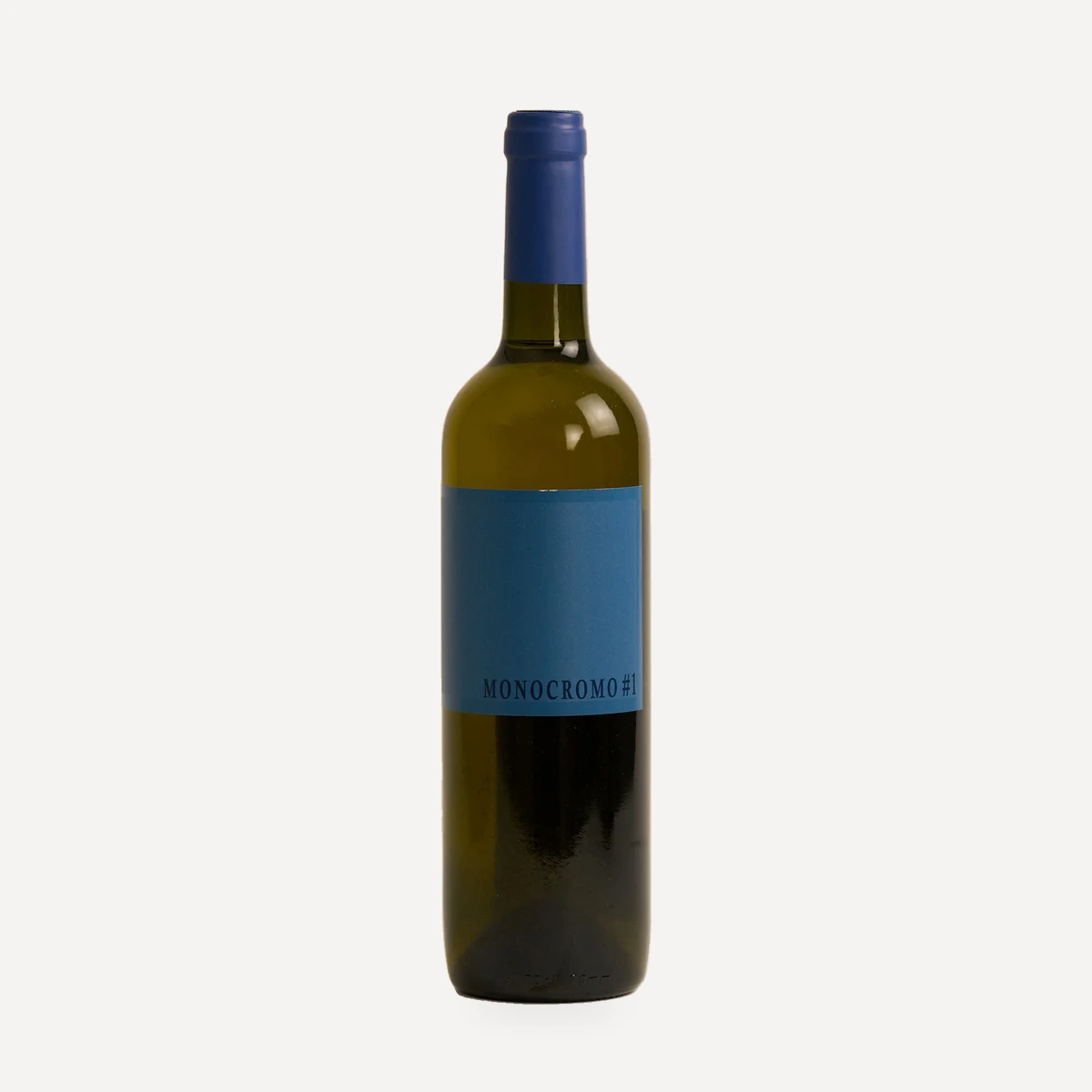
MONOCROMO #1 white wine
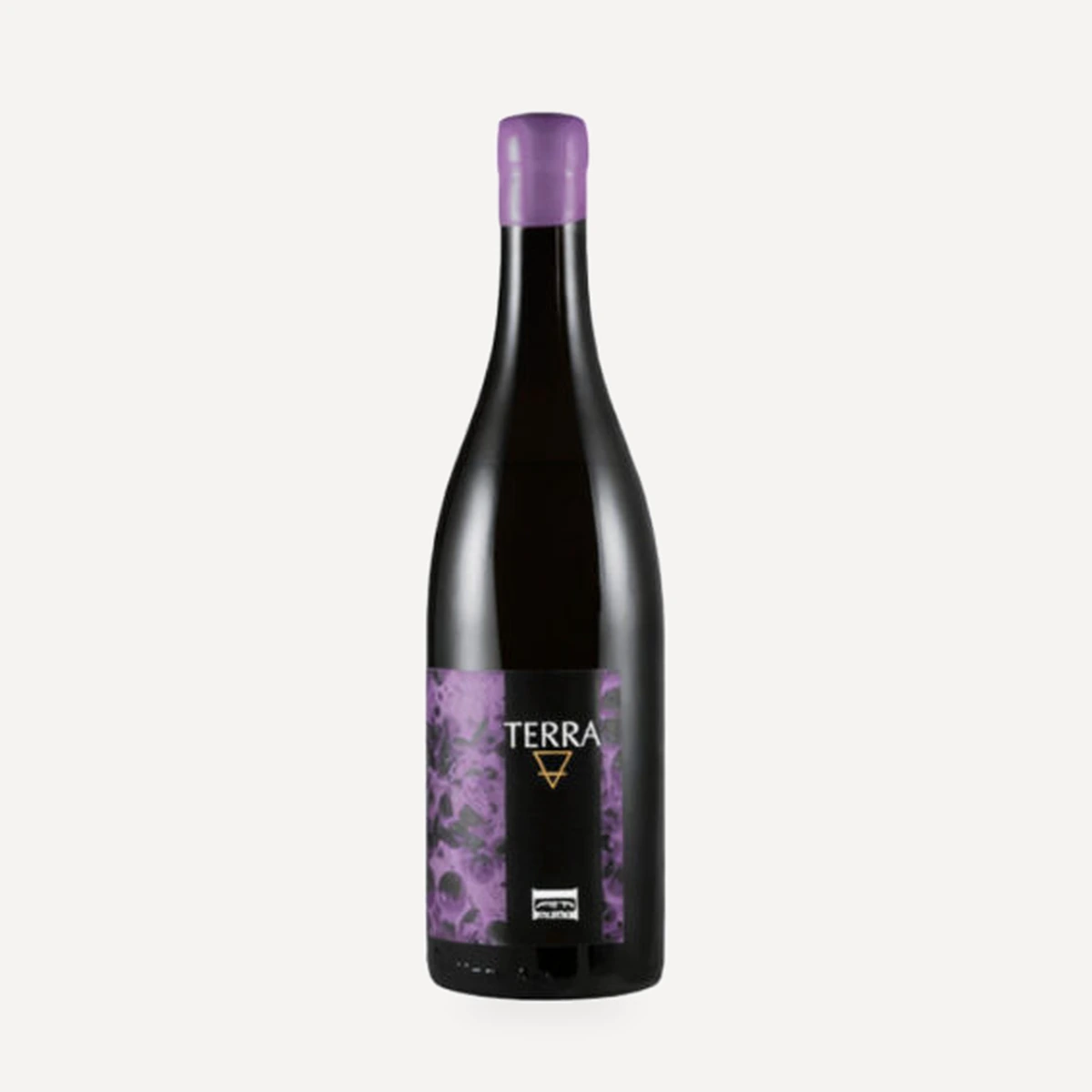
TERRA red wine
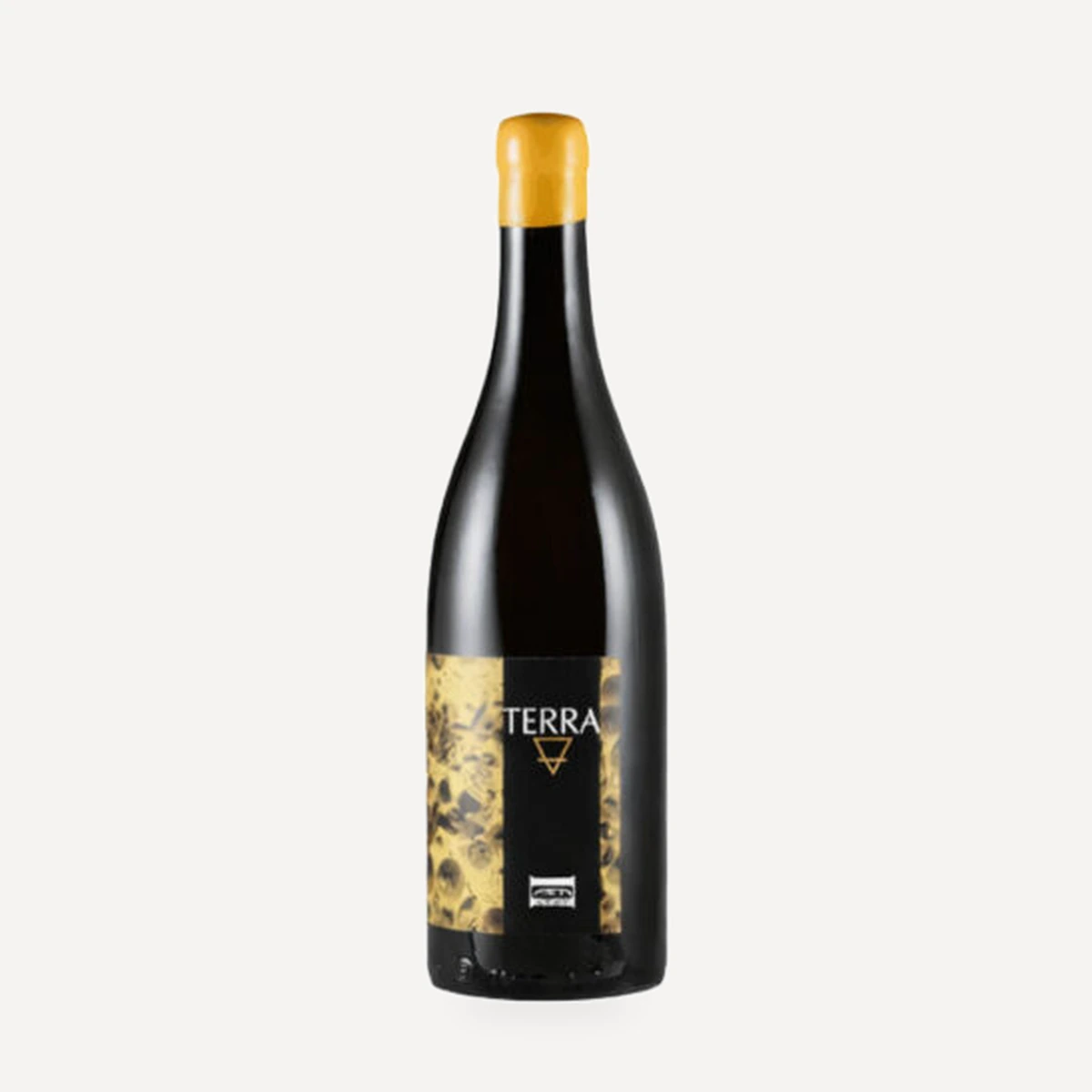
TERRA white wine