Storia
Mid-19th century: Sebastiano Marcarini
The family’s wine history begins in the middle of the 19th century. General Sebastiano Marcarini, an officer in the Sabaudian army and tutor to the sons of King Vittorio Emanuele II, began vinifying Nebbiolo as Barolo. The wine was intended both for household consumption and as a gift at receptions of the Sabaudian Court.
Early 20th century and 1934: Giulio Marcarini
Sebastiano’s son Giulio Marcarini continued his father’s cultural and oenological legacy. On 30 June 1934, in Alba, Giulio joined other historic Langhe winegrowers and local figures in establishing the Consorzio dei Vini Tipici di Barolo e Barbaresco. The initiative marked the family’s early commitment to collective protection and improvement of the area’s wines.
Giuseppe and Anna Marcarini: commercial bottling and vineyard identity
Notary Giuseppe Marcarini was the first family member to recognize the commercial potential of the family’s Barolo. Together with his daughter Anna, he began selling bottles under the family’s own brand. Marcarini became an early adopter of vineyard-designated labels: bottles carried the Brunate name in 1958.
The success of Giuseppe’s enterprise led to a partnership with his oenologist, Elvio Cogno. During the 1960s they produced Barolo under the Cogno-Marcarini name.
From the 1980s: Anna Marcarini
Giuseppe died at the age of 59. From the beginning of the 1980s, Anna Marcarini gave the business renewed momentum. She expanded the family’s 4.5 hectares in the Brunate and La Serra crus, added Dolcetto and Barbera to the range, and created the name “Lasarin” for Nebbiolo from the younger vines of La Serra.
1990: creation of Poderi Marcarini
Anna Marcarini and lawyer Giovanni Bava’s daughter, Luisa, inherited the family vineyards in 1990 and established Poderi Marcarini. Luisa was 26 when she took on the estate with her husband, Manuel Marchetti, then aged 30. Manuel applied his experience as an international manager during the approximately two decades in which Barolo developed a worldwide reputation.
The estate subsequently enlarged its holdings through the acquisition of 0.5 hectare at Berri, 6 hectares of vines and 2 hectares of hazelnuts at Neviglie, and a further 2 hectares in Roero. These acquisitions brought the vineyard holding at that stage to almost 20 hectares.
2013–present: hospitality, a new generation and 25 hectares
A Wine Shop devoted to tastings and direct purchases opened in the historic centre of La Morra in 2013. In 2015, with the arrival of the new generation, the family began selecting grapes during harvest to improve the quality of its Barolo. That year it also pursued a new Barolo expressing the Tortonian soils of La Morra by vinifying together portions from its historic local vineyards while retaining its traditionalist approach.
Luisa and Manuel’s children—Andrea, Chiara and Elisa—have joined the family enterprise and continue its sixth-generation activity. The current vineyard holding extends over 25 hectares in the Langhe and Roero. All of the vineyards are estate-owned.
Terroir
Marcarini’s 25 hectares extend across the Langhe and Roero, with vineyards in La Morra, Barolo, Neviglie and Montaldo Roero. The holding encompasses different elevations, exposures, soil compositions and microclimates.
The La Morra and Barolo Nebbiolo sites lie between approximately 300 and 380 metres above sea level, generally facing south or southwest. Their soils are calcareous and clay-rich, with a pronounced magnesium component. Brunate occupies a single slope crossed by broad ridges and displays a substantial change in elevation; its soils contain calcium carbonate and manganese, with clay mixed with very fine calcareous sand.
La Serra stands at an average of 380 metres. Its soils are poor in organic matter but rich in mineral salts and trace elements. Light ventilation brings cool, dry air, and ripening is slightly later than in Brunate.
At Neviglie, vineyards lie around 270–300 metres. Moscato grows on southeast- and southwest-facing slopes in medium-textured, sub-alkaline soil with sufficient organic matter. Some Nebbiolo soils there are likewise medium-textured and adequately supplied with organic matter. Barbera at Neviglie faces southeast.
The Montaldo Roero Arneis vineyard lies at about 300 metres, south-facing, on a dry and at times arid calcareous-sandy hill soil rich in fossils and mineral salts, on the orographic left bank of the Tanaro.
Boschi di Berri stands at approximately 400 metres with western exposure. Its partly sandy microenvironment protected the ungrafted Dolcetto vines from phylloxera; the technical description also characterizes the soil as neutral clay with a good magnesium content.
Vinificazione
All vineyards are owned by the family. Vineyard work is directed toward maintaining balance between vegetative growth and fruit production. Pruning is designed to restrict yields, while maintenance fertilization employs organic substances. Controlled grass cover is maintained between the rows, and vine diseases are treated with products described as strictly grounded in traditional methods.
The estate uses vertical trellising and Guyot pruning across the documented vineyard blocks. Planting density is generally 4,000 vines/ha for Nebbiolo and Barbera, 4,400 vines/ha for Dolcetto, and 5,000 vines/ha for Arneis and Moscato.
Harvesting is manual and takes place during the cooler hours of the day. Workers select sound, properly mature bunches without mould, rotten berries or other defects, cut them with shears, remove leaves and place them first in baskets and then in crates holding no more than 20 kg to limit crushing. Barbera is picked at advanced maturity. For Barolo, the estate maintains low yields and waits for full, complete ripeness; since 2015, bunches have also been selected during harvest before vinification.
The cellar occupies an 18th-century building adjoining a medieval tower in La Morra. Its cool, dark interior protects maturing wine from light and abrupt temperature changes. The production philosophy combines traditional cellar practice with technical innovation.
For the traditionally made Barolos, fermentation is closely controlled and the must remains in contact with the skins for at least four weeks. Brunate is also associated with the traditional submerged-cap method. In this process, parallel oak boards close the top of a wooden vat and keep the cap of skins below the wine. Maceration exceeds 40 days and can extend to 60–100 days. The method allows colour to stabilize naturally and encourages tannin molecules to polymerize into longer chains. After malolactic fermentation, the Barolos mature for at least two years in medium-capacity oak vessels of 20–40 hl. The fuller technical description specifies Slavonian oak for La Serra. The wines undergo no aggressive technological treatment before bottling; the traditional Barolo process is described as neither fining nor filtering the wine.
Lasarin undergoes traditional fermentation with approximately ten days of skin contact at a relatively low temperature. Maturation and refinement are managed to preserve freshness and fragrance, followed by a short period in bottle.
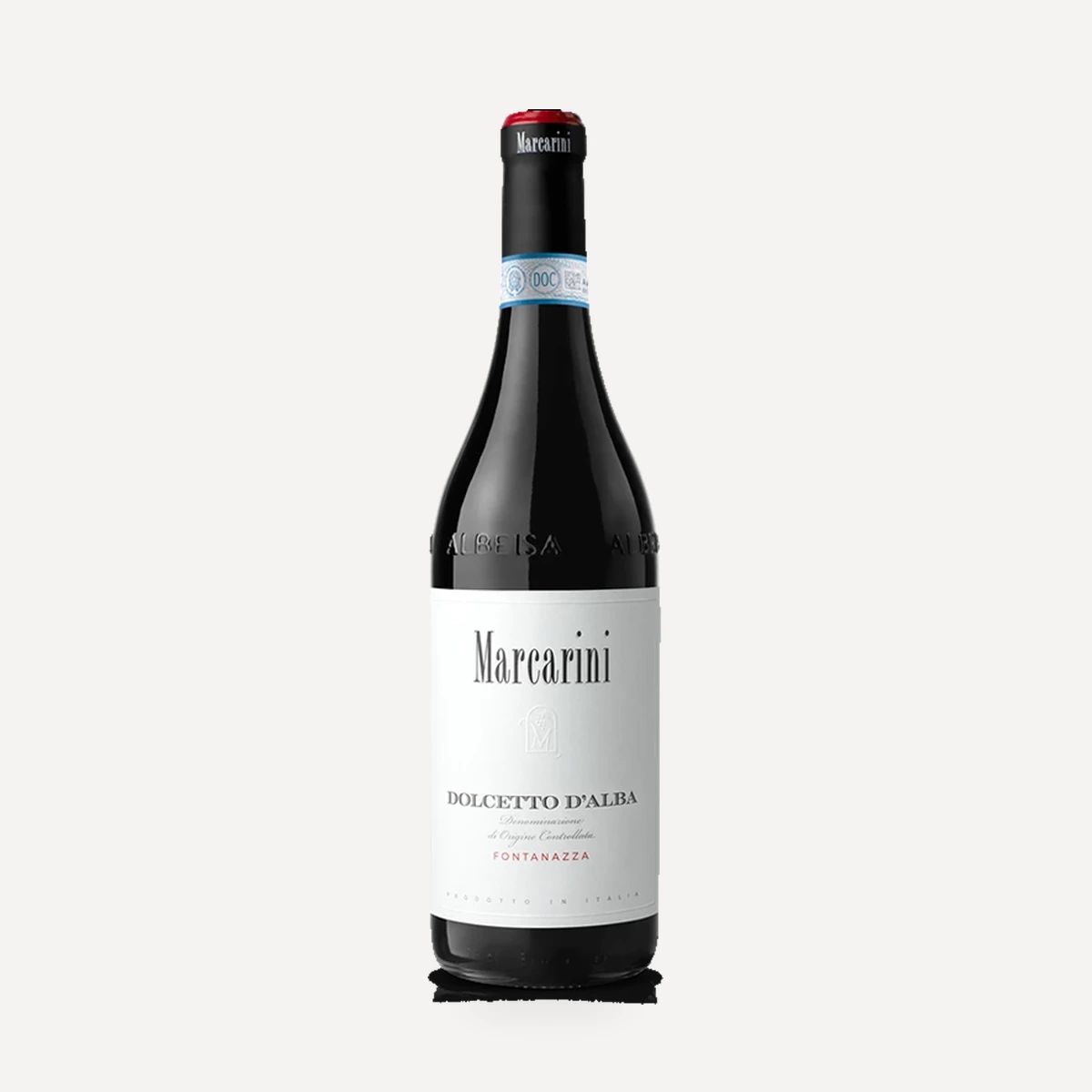
Barbera is fermented according to traditional principles after harvest at advanced ripeness. It ages in Slavonian oak and continues refining in bottle. Fontanazza is deliberately matured without wood to retain its fresh, fruit-driven character. Barolo Chinato follows an inherited family recipe: mature Barolo is infused with Calissaya cinchona bark and Alpine aromatic herbs, then aged for a long period in oak barrels.
Filosofia
Marcarini defines its approach through the conjunction of experience, tradition and innovation. The family’s objective is to express the characteristics, flavours and aromas of its territory while continuing practices inherited across six generations.
In the vineyard, this translates into consciously regulating growth and production according to each site’s needs rather than pursuing volume. In the cellar, the family seeks an equilibrium between established Piedmontese methods and technical innovation. Its Barolo is explicitly framed as traditionalist: low vineyard yields, complete ripeness, careful selection, extended skin contact, medium-sized oak vessels and restrained treatment before bottling.
Preserving regional traditions also shapes the range. The family introduced Roero Arneis to maintain and help revalue a traditional Piedmontese white variety, retained a fresh, unoaked interpretation of Dolcetto, and continues producing Barolo Chinato from an inherited household recipe. The current generation aims to carry the family tradition forward while refining how individual sites and La Morra’s Tortonian soils are represented.
Vini
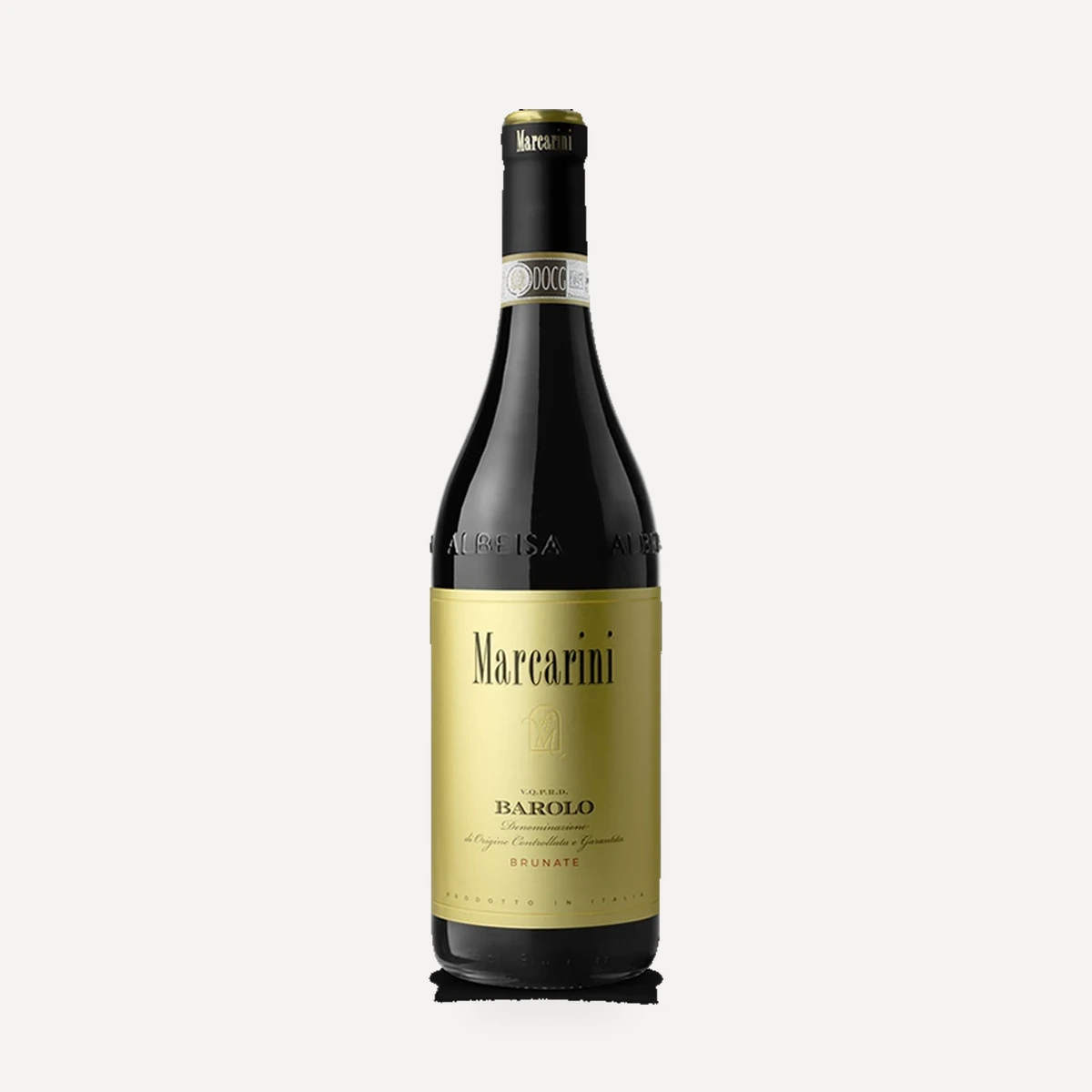
Barolo Brunate DOCG
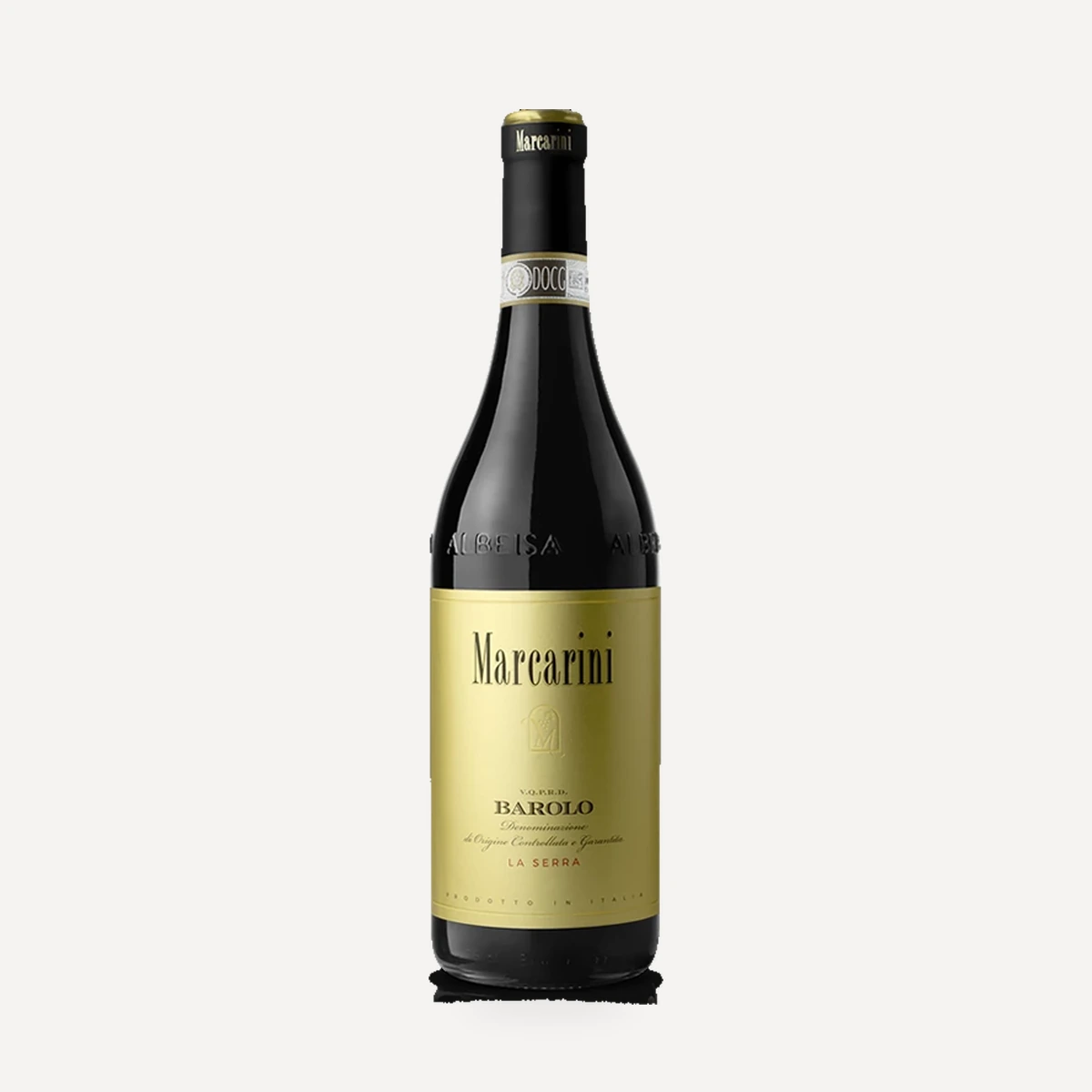
Barolo La Serra DOCG
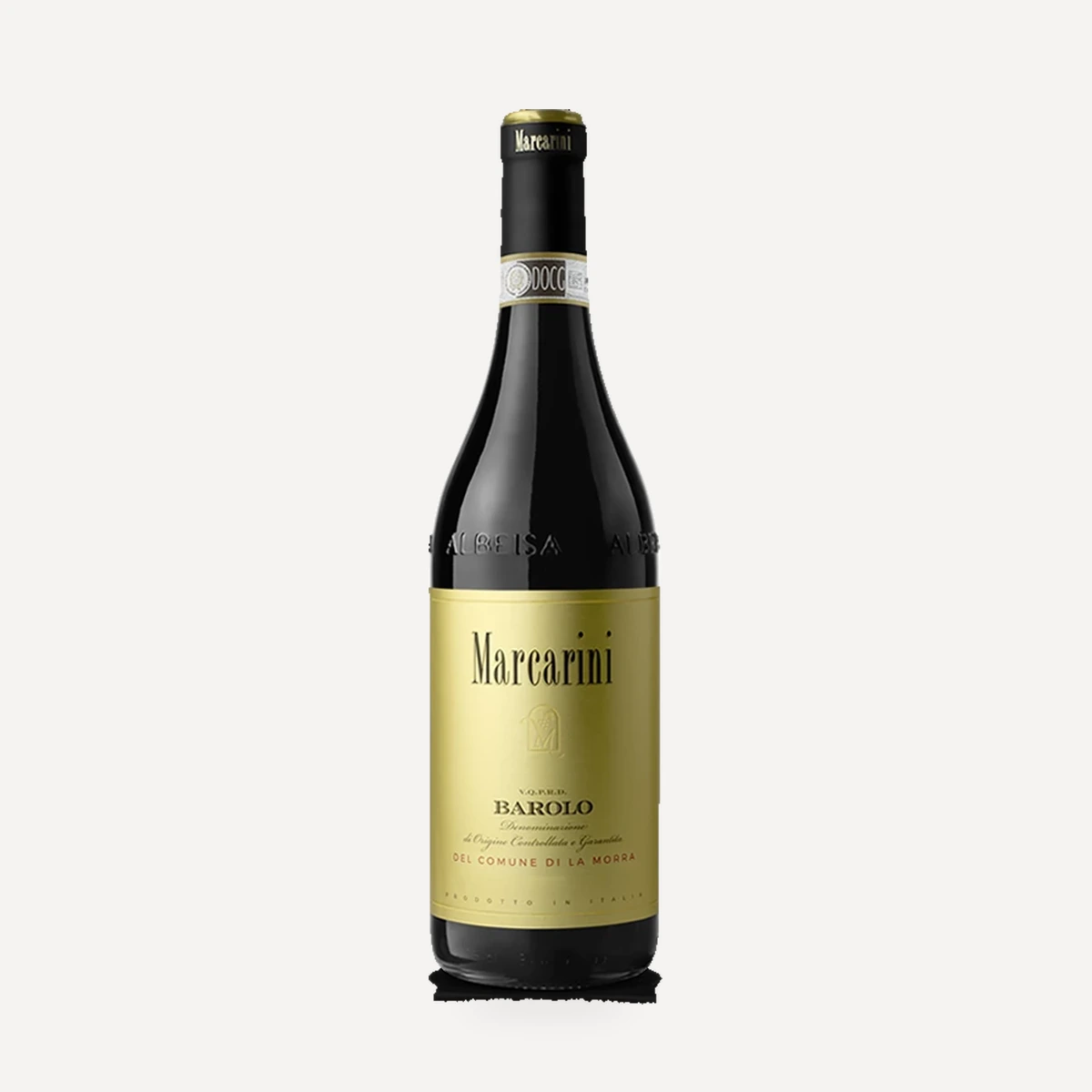
Barolo del Comune di La Morra DOCG
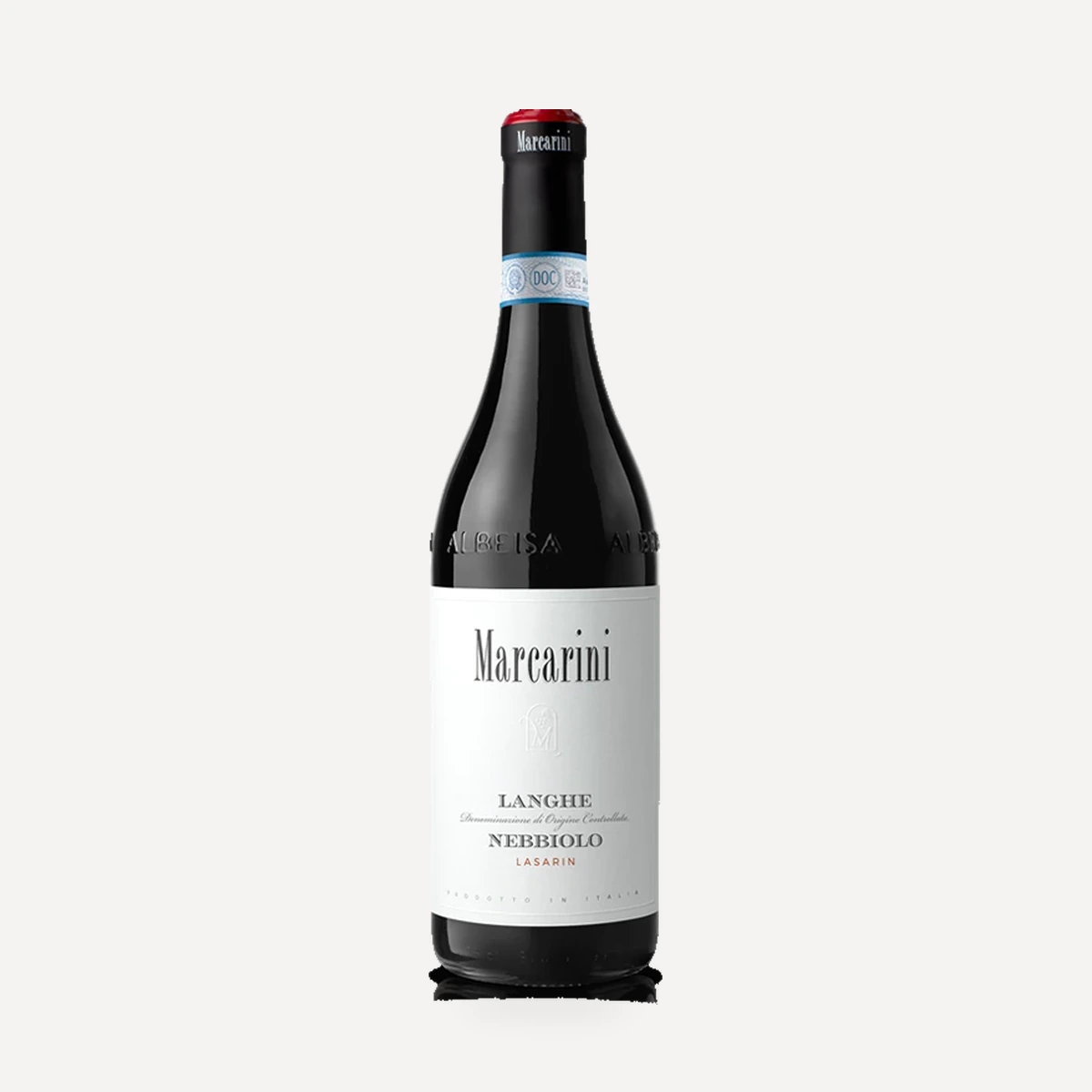
Langhe Nebbiolo DOC “Lasarin”
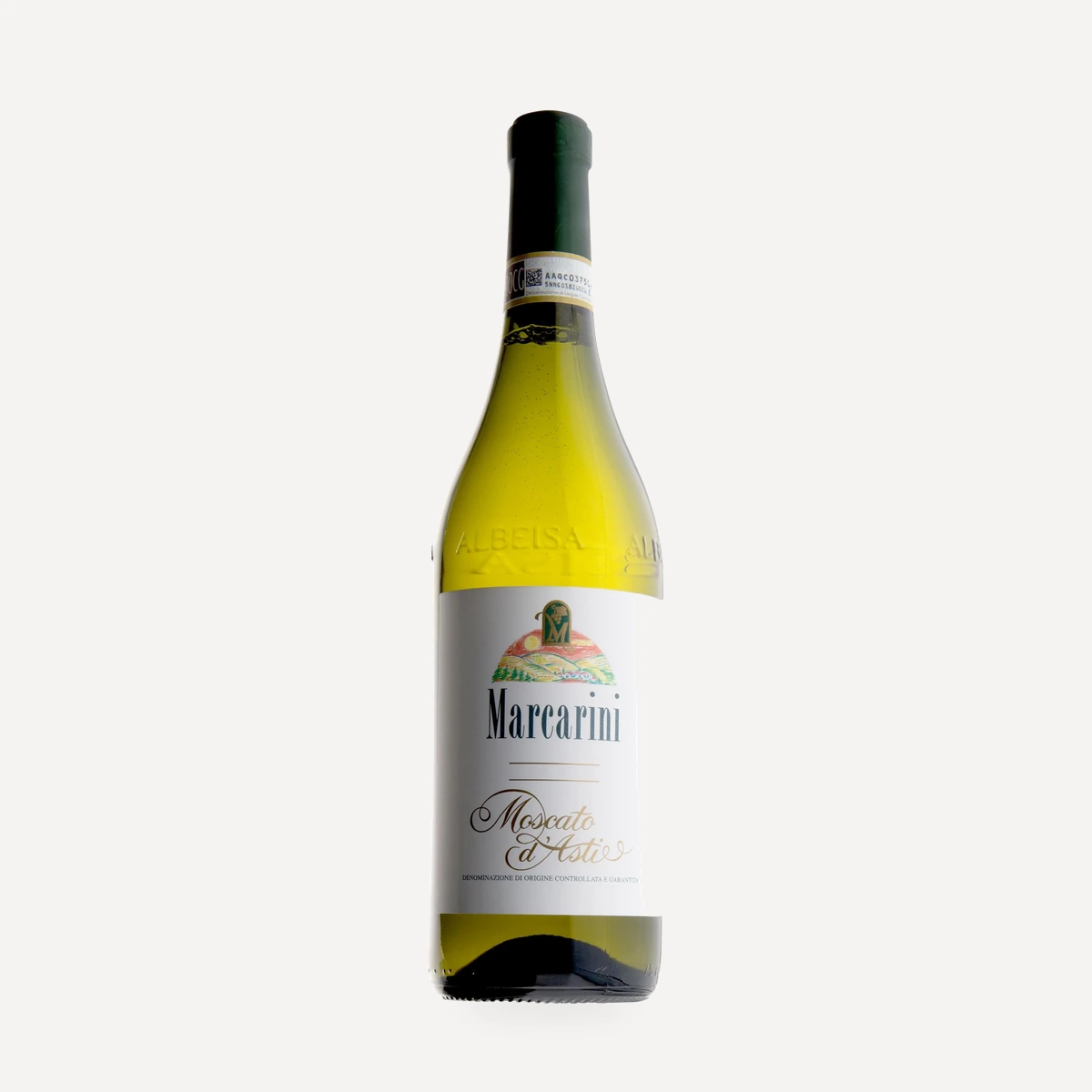
Moscato d’Asti DOCG
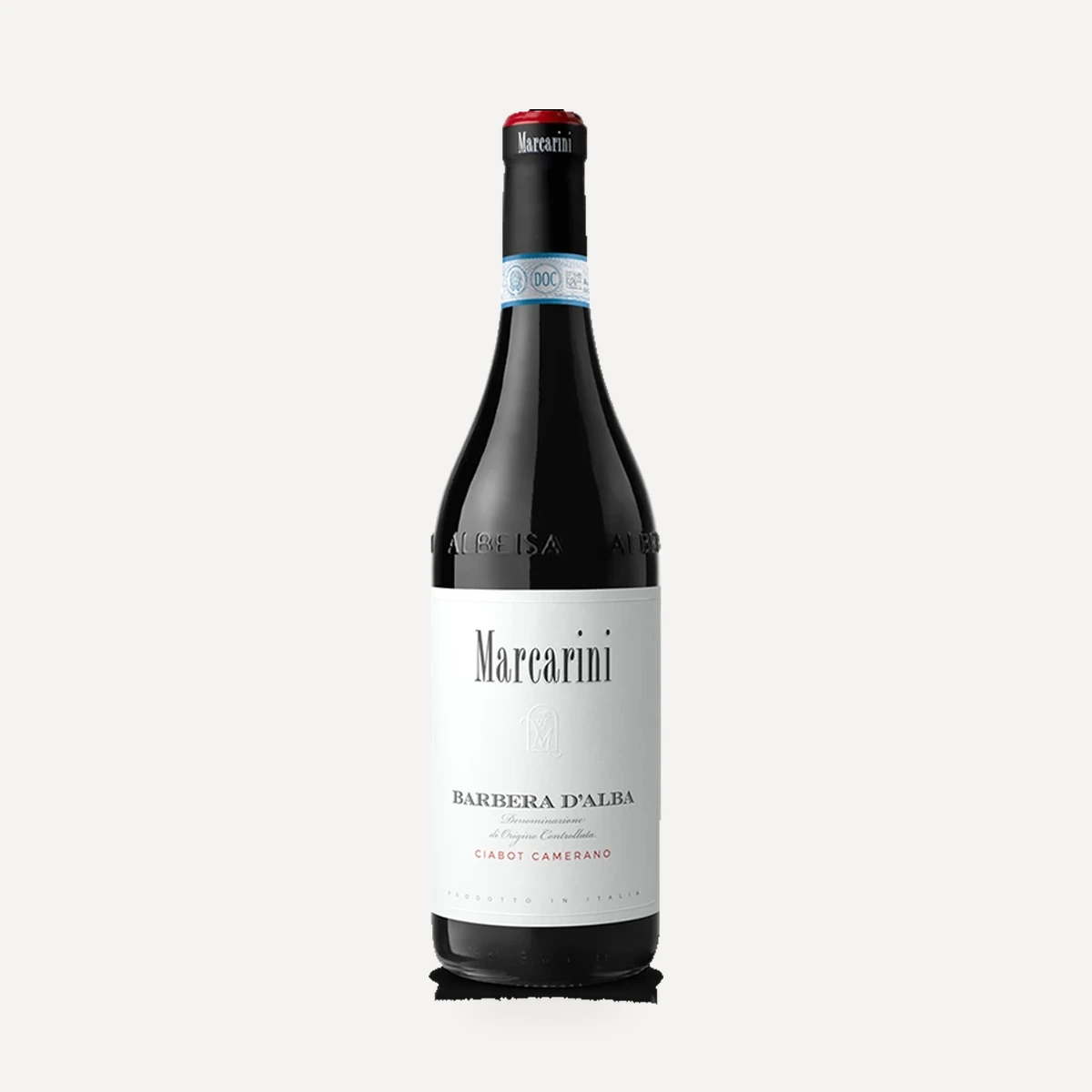
Barbera d’Alba DOC “Ciabot Camerano”
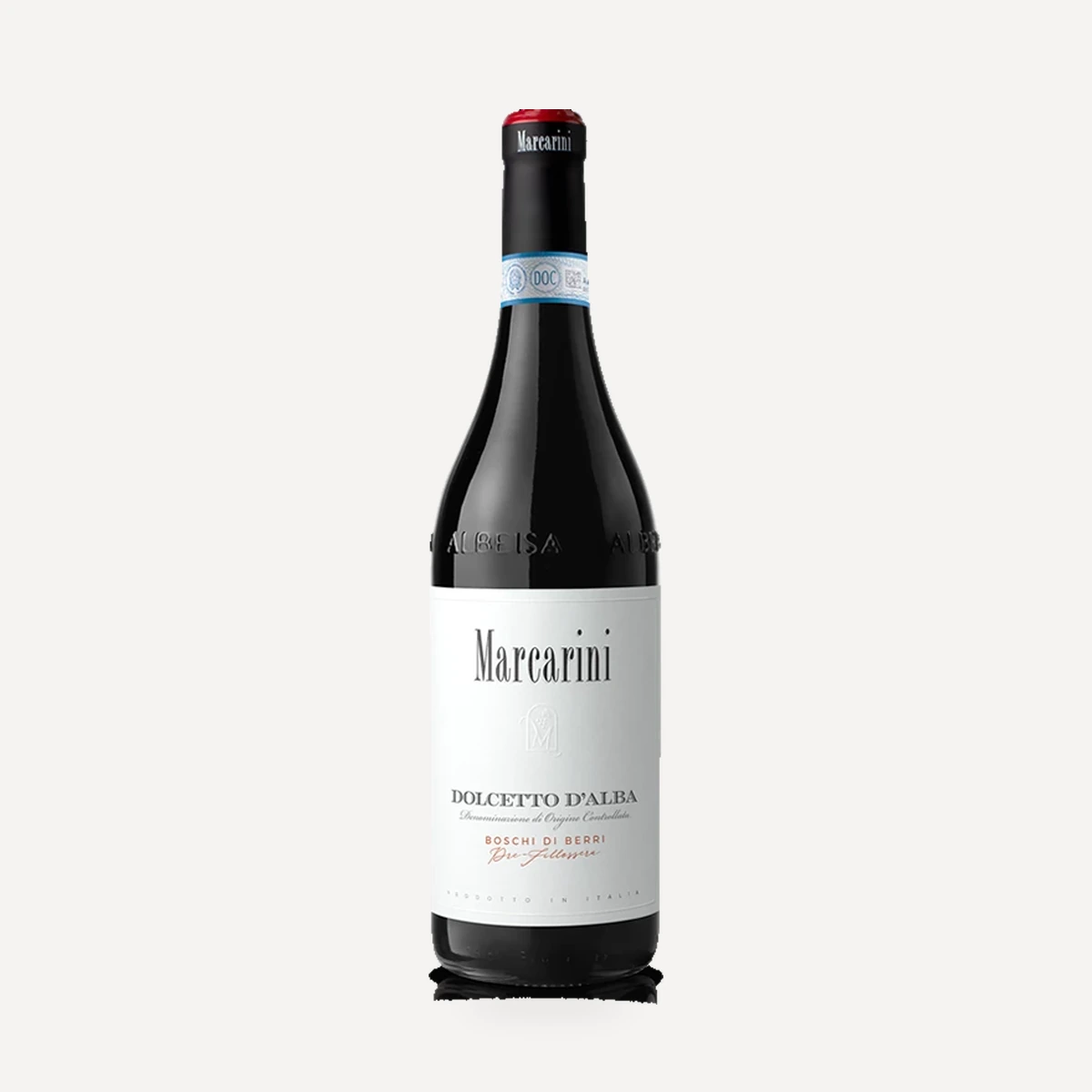
Dolcetto d’Alba DOC “Boschi di Berri Pre-fillossera”