Storia
Origins: 1385
The Antinori family's documented association with wine began in 1385, when Giovanni di Piero Antinori entered the Arte Fiorentina dei Vinattieri, Florence's winemakers' guild. The family has remained directly involved in the business through 26 generations, combining continuity of ownership with a stated willingness to make innovative and occasionally bold decisions.
Palazzo Antinori: 1461–1520
The building now known as Palazzo Antinori was constructed between 1461 and 1469 to a design by Giuliano da Maiano, an architect trained in the circle of Brunelleschi. On 2 February 1506, Niccolò di Tommaso Antinori—then an influential figure in Florence—purchased the property, at that time called Palazzo Boni, for 4,000 florins. In 1520, architect Baccio D’Agnolo added its garden.
Palazzo Antinori subsequently remained the family's private residence for more than five centuries while also serving as a base for its commercial activities. It is regarded as a notable example of Florentine Renaissance architecture.
Villa del Cigliano: 1546
In 1546, Alessandro di Niccolò Antinori became the owner of Villa del Cigliano in the hills of San Casciano Val di Pesa. The villa became a recurring setting in the lives of successive Antinori generations and a symbol of family continuity.
Historic family labels: 1928–1931
In 1928, Marchese Niccolò Antinori created Villa Antinori Rosso as the family's signature wine. He named it after the family's villa and conceived it as his interpretation of the identity of Chianti Classico and Tuscany. Its illustrated label expressed the family's idea of home and deliberately departed from conventional wine-label design of the period.
Niccolò Antinori followed it with Villa Antinori Bianco in the 1931 vintage. Its label subsequently remained almost unchanged, as did its production objective of representing the place where its grapes were grown.
Hospitality at Palazzo Antinori: 1957
Cantinetta Antinori opened on the ground floor of Palazzo Antinori in 1957. The restaurant and wine bar preserved the connection between the family's wines, seasonal Tuscan cooking, and the historic Florentine residence. The crest of the Arte dei Vinattieri displayed near its entrance recalls Giovanni di Piero Antinori's admission to the guild in 1385.
Research, experimentation and a broader viticultural presence
Over time, the family's original base in Tuscany and Umbria was complemented by investments in other Italian and international wine regions. These initiatives were framed as opportunities to understand and develop distinct terroirs rather than impose a single model upon them.
Research became a continuing activity in vineyards and cellars. Work included selecting clones of indigenous and international varieties; evaluating vineyard techniques and different elevations; testing fermentation and temperature-control methods; comparing traditional and newer winemaking approaches; studying different oak origins, barrel dimensions and barrel ages; and varying the duration of bottle maturation before release.
A new headquarters: 2012
On 25 October 2012, the Antinori nel Chianti Classico winery opened at Bargino, in San Casciano Val di Pesa. It became the operational headquarters of Marchesi Antinori and marked the first time in 26 generations that the family had inaugurated a winery specifically conceived to receive wine enthusiasts and introduce them directly to its production philosophy.
The building was made with local materials and integrated into the Tuscan landscape. Its production areas were designed for gravity-flow winemaking and for naturally maintaining suitable conditions for production and maturation. A vineyard covers the roof, while public areas include a museum, art collection, tasting facilities, restaurant and wine shop.
The inauguration also launched the Antinori Art Project, extending the family's historical patronage into contemporary art through site-specific commissions, acquisitions, temporary exhibitions and collaborations with museums and foundations.
The 26th generation
Management has passed to the 26th generation: Albiera, Allegra and Alessia Antinori, daughters of Marchese Piero Antinori, oversee the family business with the support of Renzo Cotarella. Family continuity has also been formalized through a family trust intended to preserve the company's independence and family character over the long term.
Marchesi Antinori is a founding member of the Associazione Marchi Storici d’Italia, established to protect, support and promote historic Italian brands.
Vinificazione
Viticultural research is treated as a continuous process rather than a fixed protocol imposed on every property. Programs include the selection of new clones of indigenous and international varieties, trials of vineyard techniques, and comparative work at different elevations. Each vintage, parcel and new idea is approached as another opportunity to improve quality.
Respect for the territory and environment is one of the principles carried through the family’s 26 generations. At corporate level, environmental policy requires compliance with applicable regulation, the prevention or remediation of environmental and health risks, controlled management of regulated or hazardous waste, prevention of releases into the environment, and the acquisition and documentation of permits required for facilities, equipment and production processes.
Agricultural methods and certifications are determined at individual estates; no single company-wide farming system is applied to the full Marchesi Antinori portfolio.
Marchesi Antinori operates through distinct estates and production facilities, and no single cellar protocol applies to every wine. Company-wide research encompasses fermentation methods, temperature control, comparisons between traditional and innovative approaches, different oak origins, barrel sizes and barrel ages, and variations in the length of bottle maturation before release.
Quality is treated as the overriding constraint on production volume and timing. The company’s internal principles call for traceability from product origin through articulated processes, protocols and procedures, including equivalent expectations for commercial supply-chain partners.
The Antinori nel Chianti Classico facility at Bargino was designed around gravity flow. Its largely subterranean construction and use of natural elements help maintain suitable temperatures for production and maturation. The architecture treats the cellar simultaneously as a working production facility and as a space organized around the long, quiet rhythms of winemaking.
Filosofia
Family continuity and independence
Marchesi Antinori defines itself as a family company and intends to remain one. A family trust was created to protect that continuity. Independence from outside shareholders permits strategies with long time horizons and is intended to preserve the freedom to invest in research and quality rather than prioritize immediate results.
Tradition as a platform for innovation
Ancient family roots are treated as an active inheritance rather than a restriction. The guiding idea is that every vintage, parcel and proposal begins another search for higher quality. Tradition, passion and intuition are presented as the principal forces behind the company, while experimentation remains essential to its development.
Quality before scale
Growth is accepted only when it does not compromise quality. The company recognizes that quality can impose firm limits on volume and timing. Its declared objective is to produce wines at the highest level of their respective categories, presented carefully and offered with a balanced relationship between quality, image and price.
Territorial identity
The historical center of the family’s activity lies in Tuscany and Umbria. Expansion into other regions is framed as an effort to understand and develop distinct terroirs with strong viticultural potential. The broader objective is to express the potential of the vineyards while reconciling new discoveries with a Tuscan cultural inheritance encompassing agriculture, art and literature.
Research and investment
Research is continuous in both vineyard and cellar. Economic performance is expected to preserve the resources required for qualitative improvement, experimentation and long-term independence. Innovation is valued when it combines technical quality with the ability to turn sustained research into viable products.
Corporate conduct
The company’s stated working principles include honesty, legality, loyalty, courtesy, teamwork, transparency and respect for employees, customers, suppliers and competitors. It identifies modesty and understatement as defining elements of the Antinori style and requires a safe workplace, equal opportunity and compliance with environmental regulations.
Vini
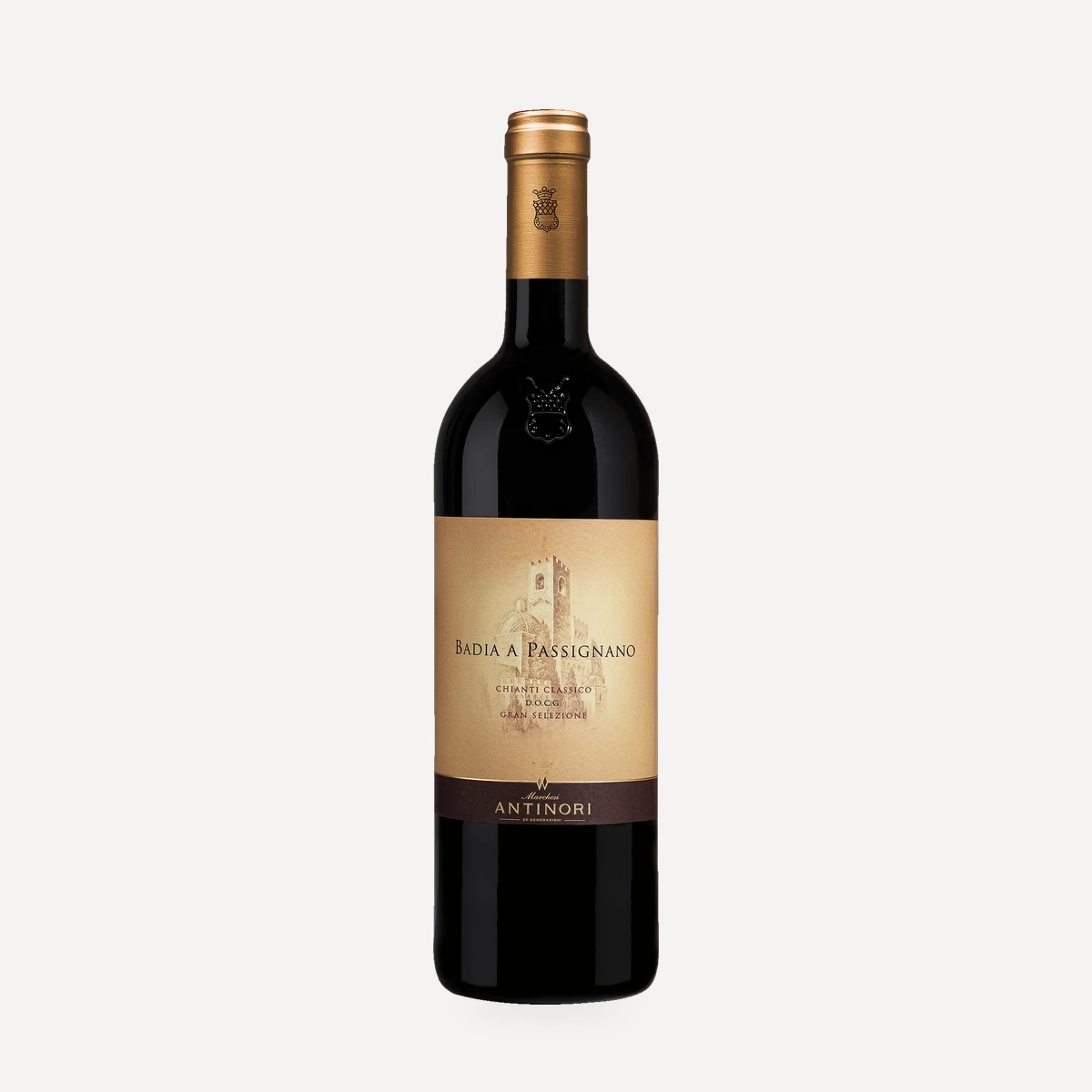
Badia a Passignano
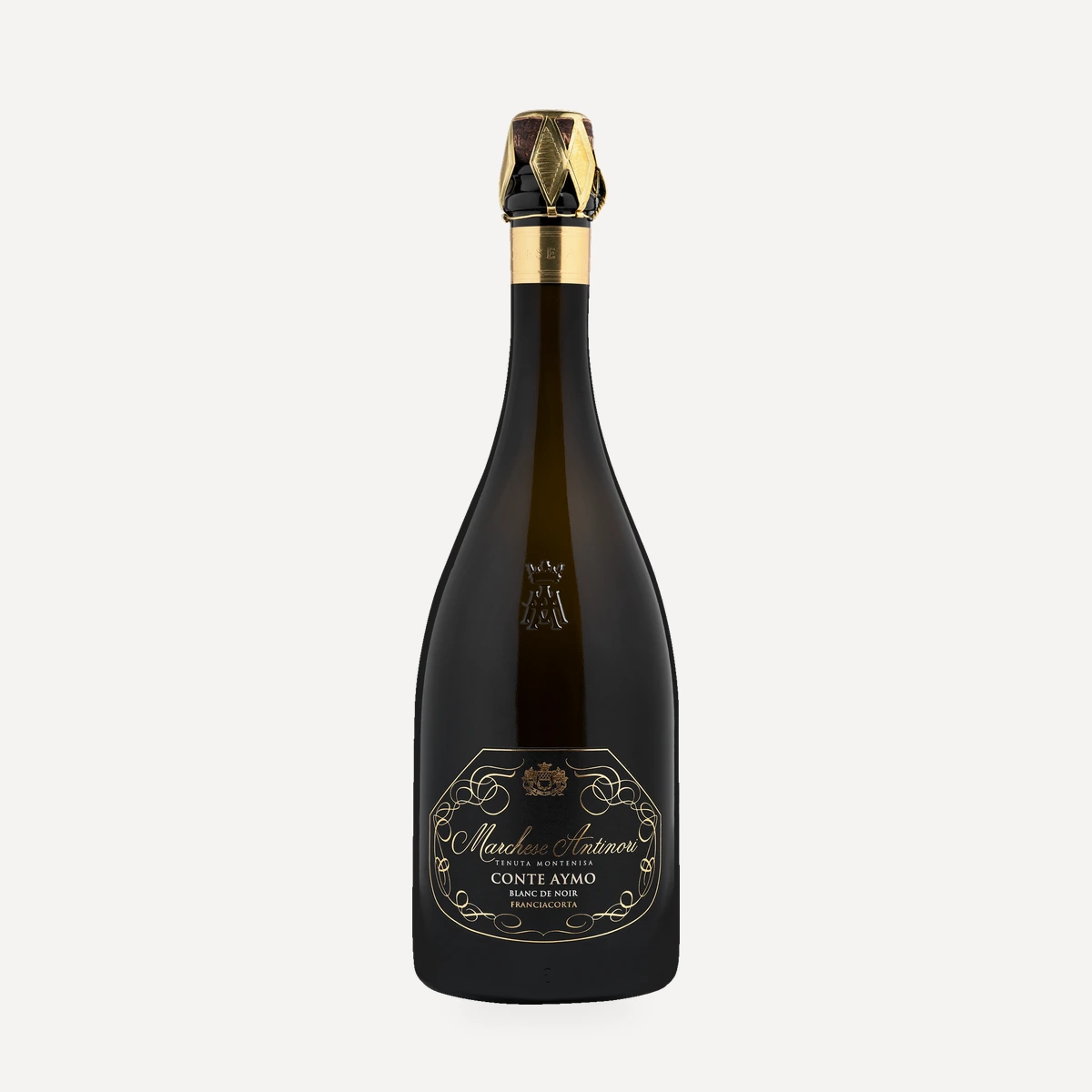
Marchese Antinori Conte Aymo
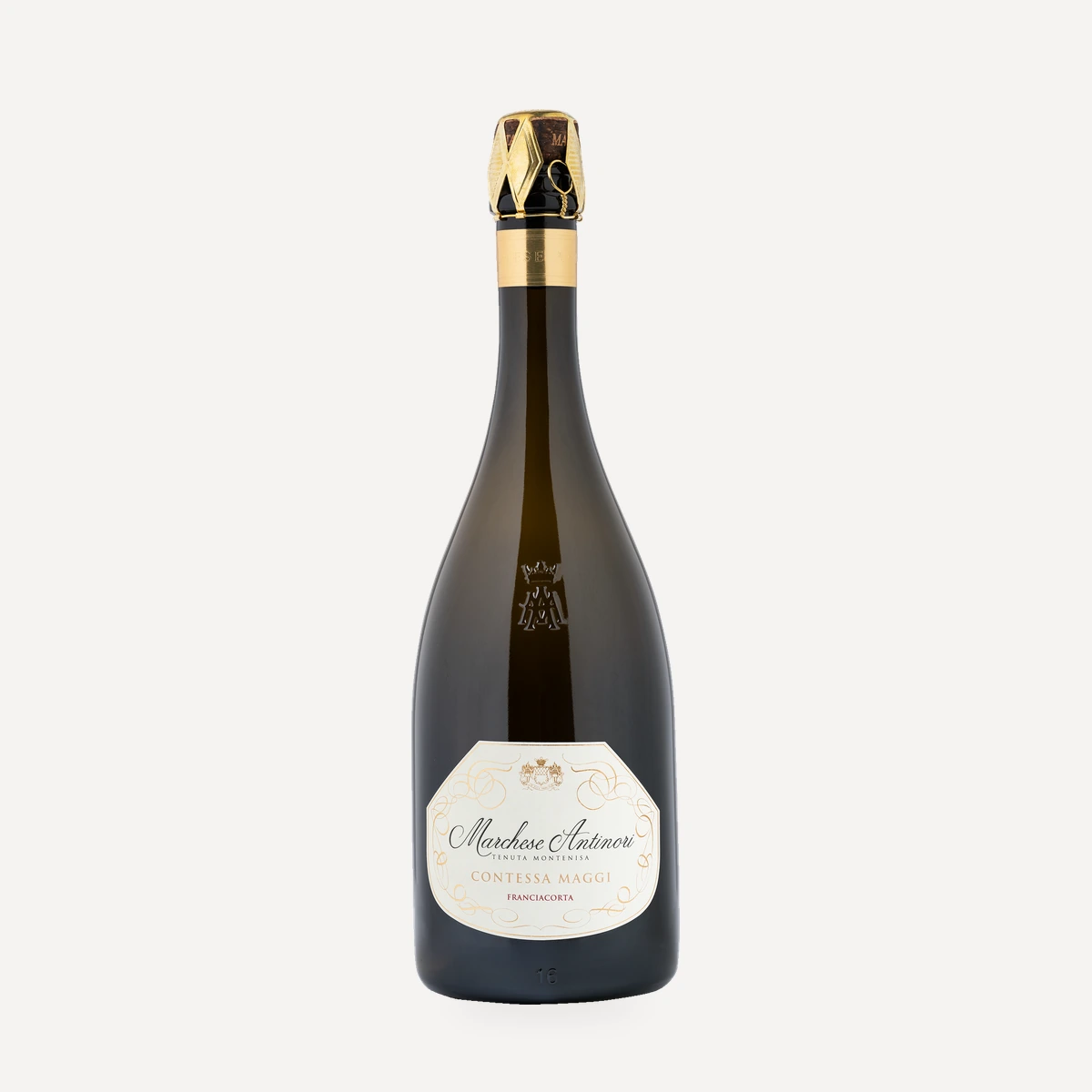
Marchese Antinori Contessa Maggi
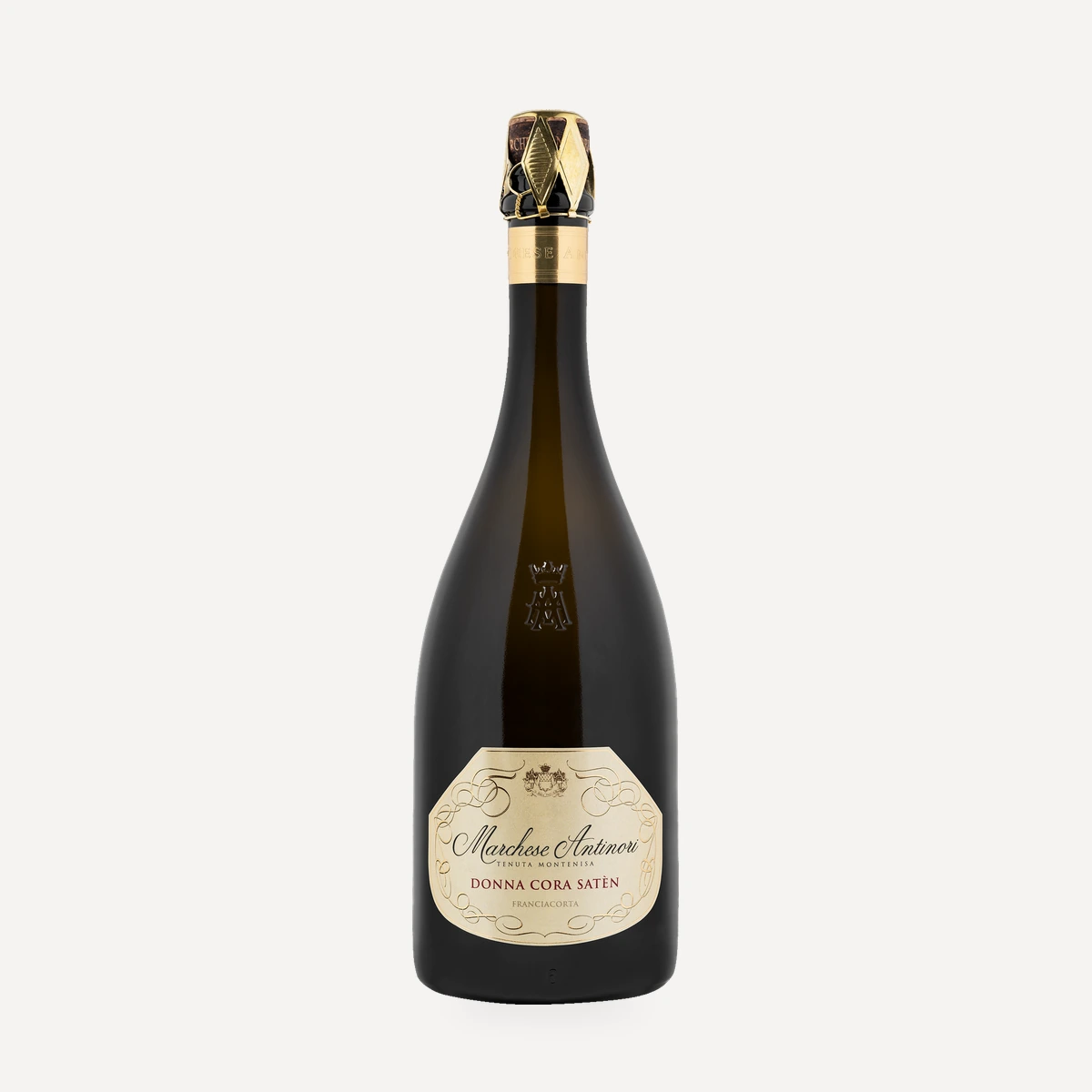
Marchese Antinori Donna Cora Satèn
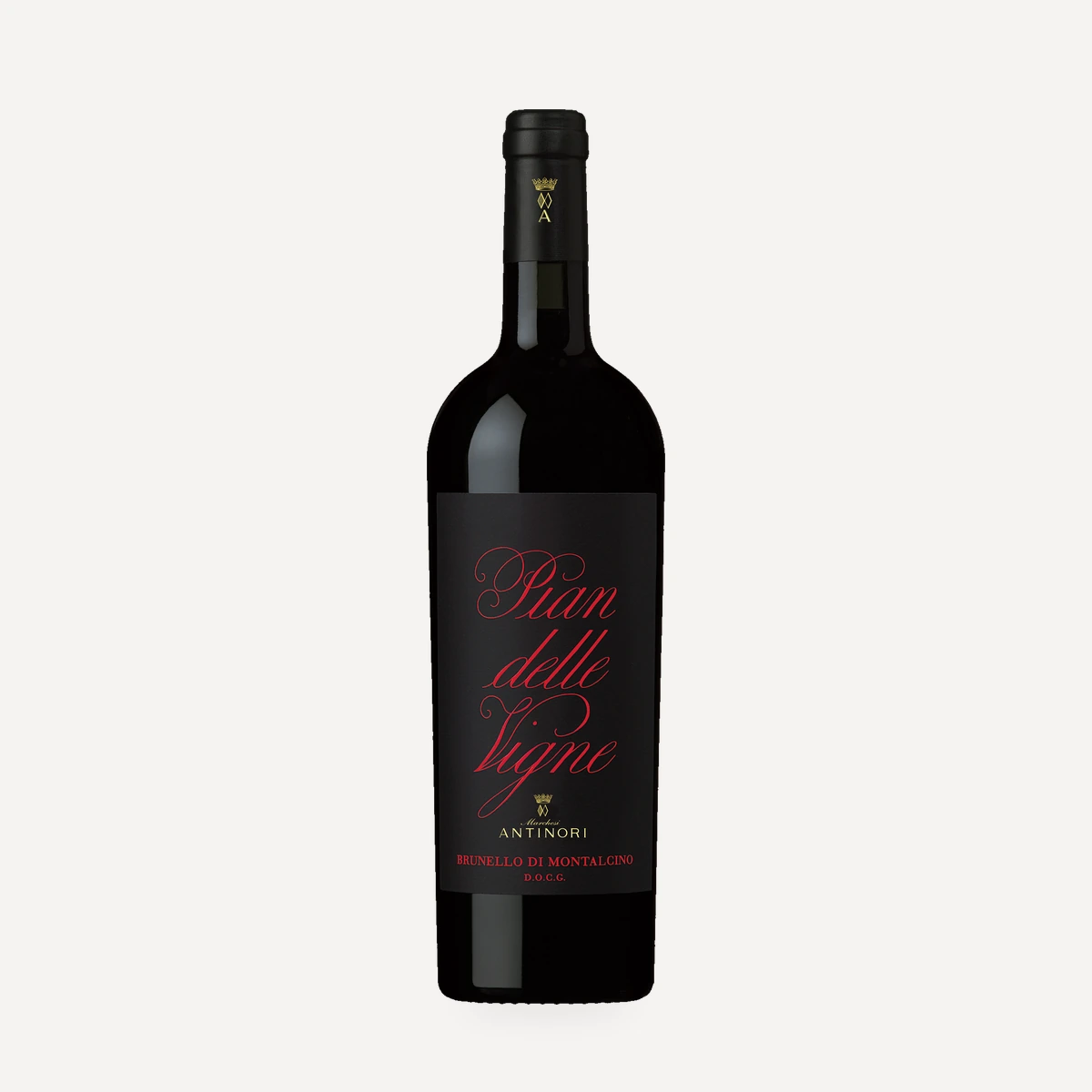
Pian delle Vigne Brunello di Montalcino
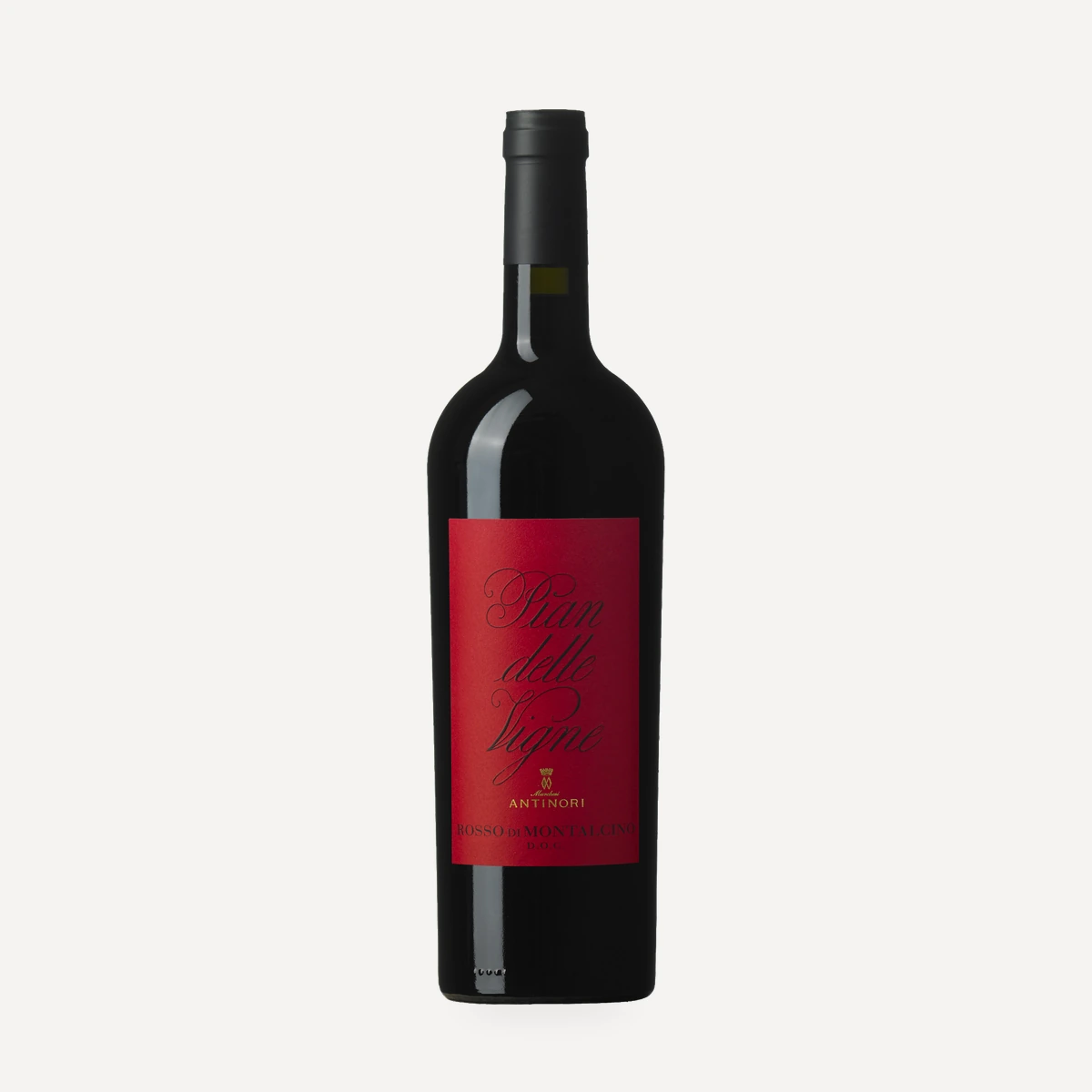
Pian delle Vigne Rosso di Montalcino
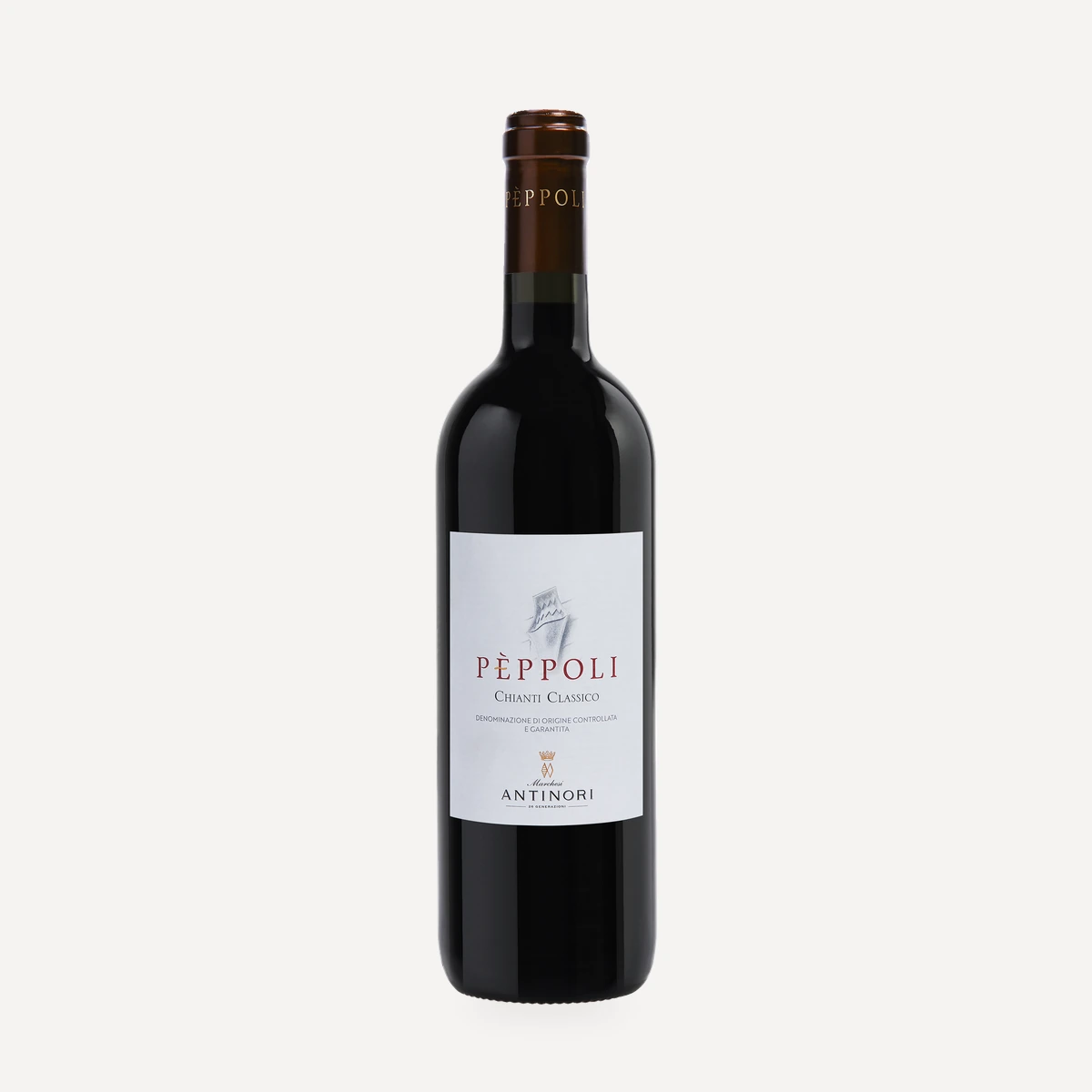
Pèppoli
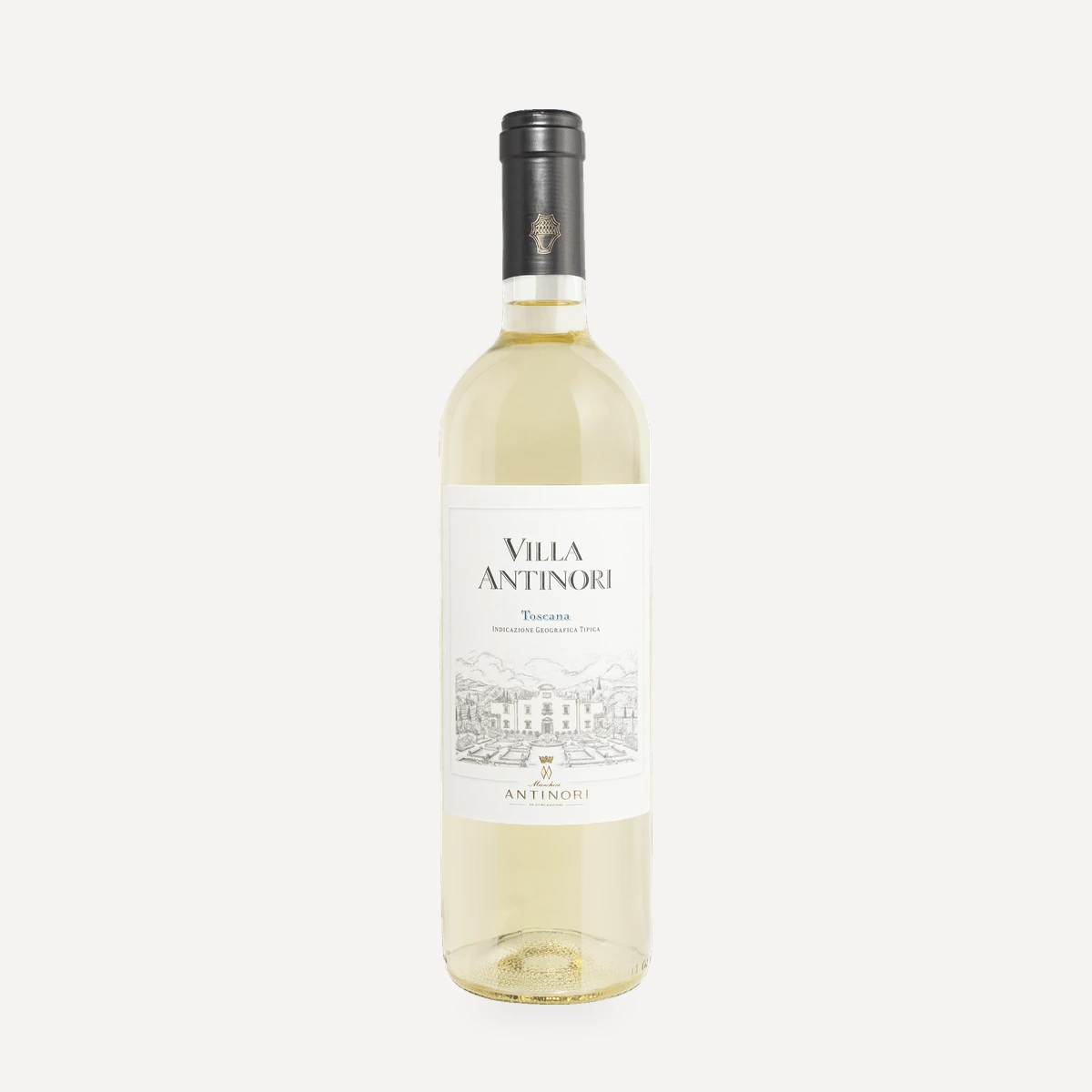
Villa Antinori Bianco
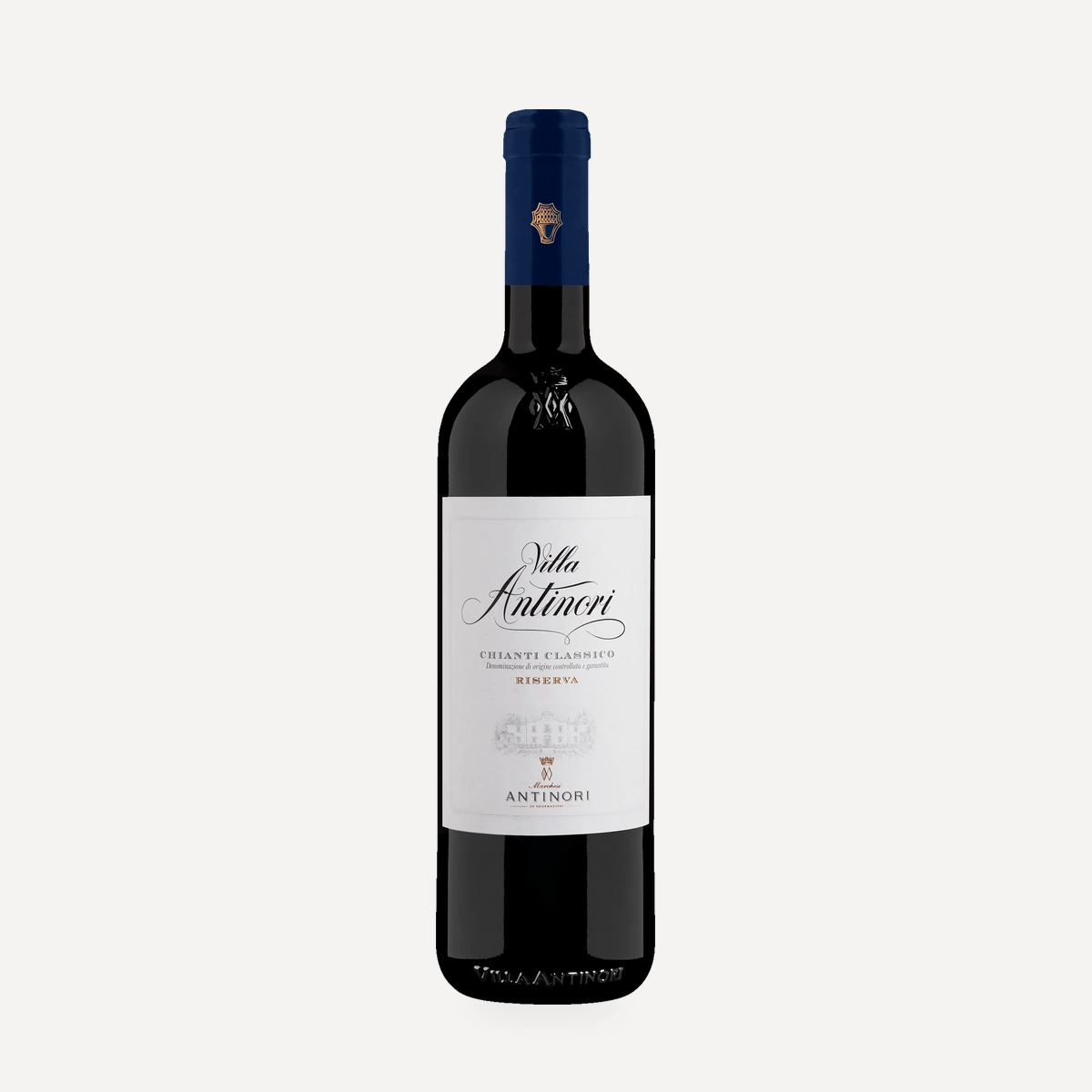
Villa Antinori Chianti Classico Riserva
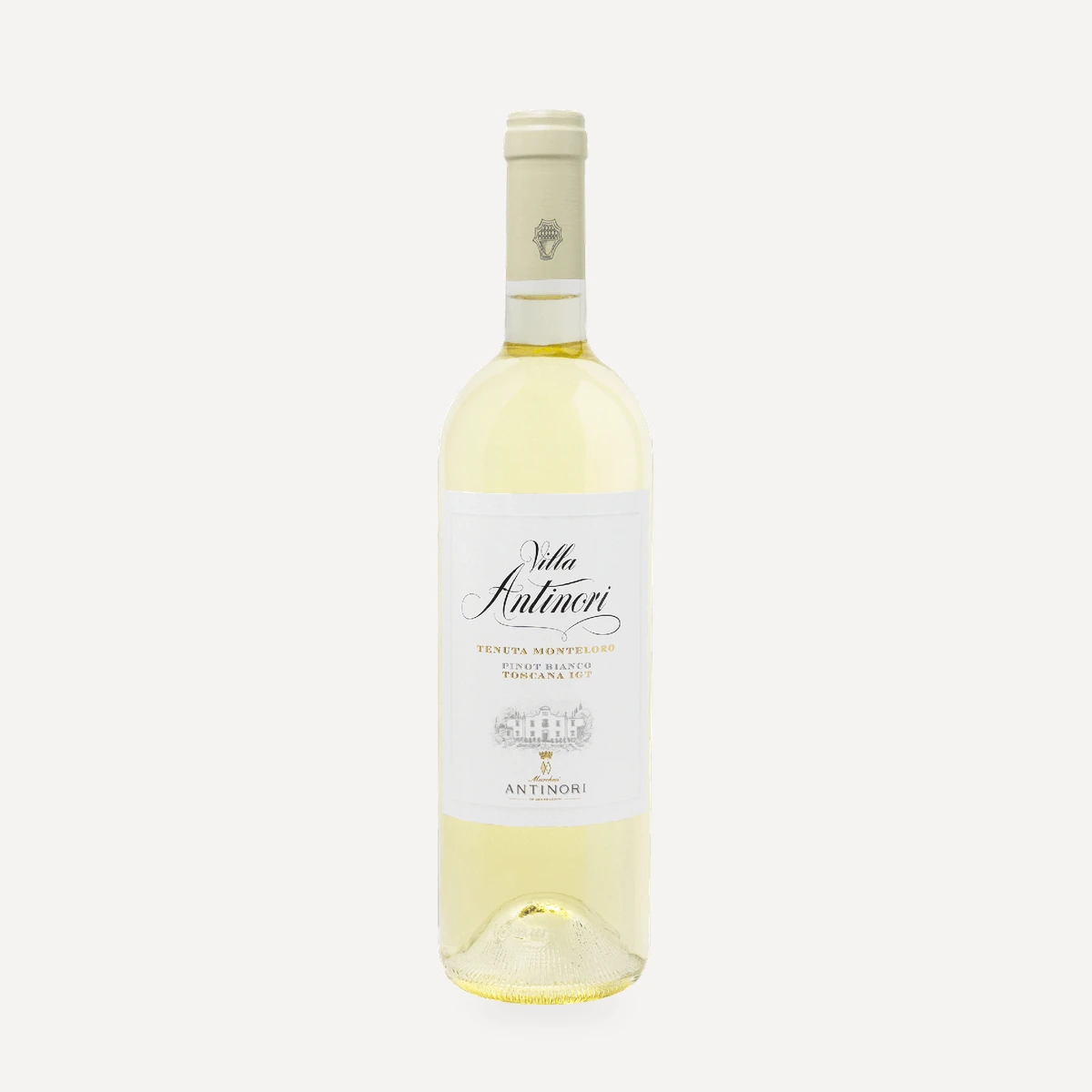
Villa Antinori Pinot Bianco
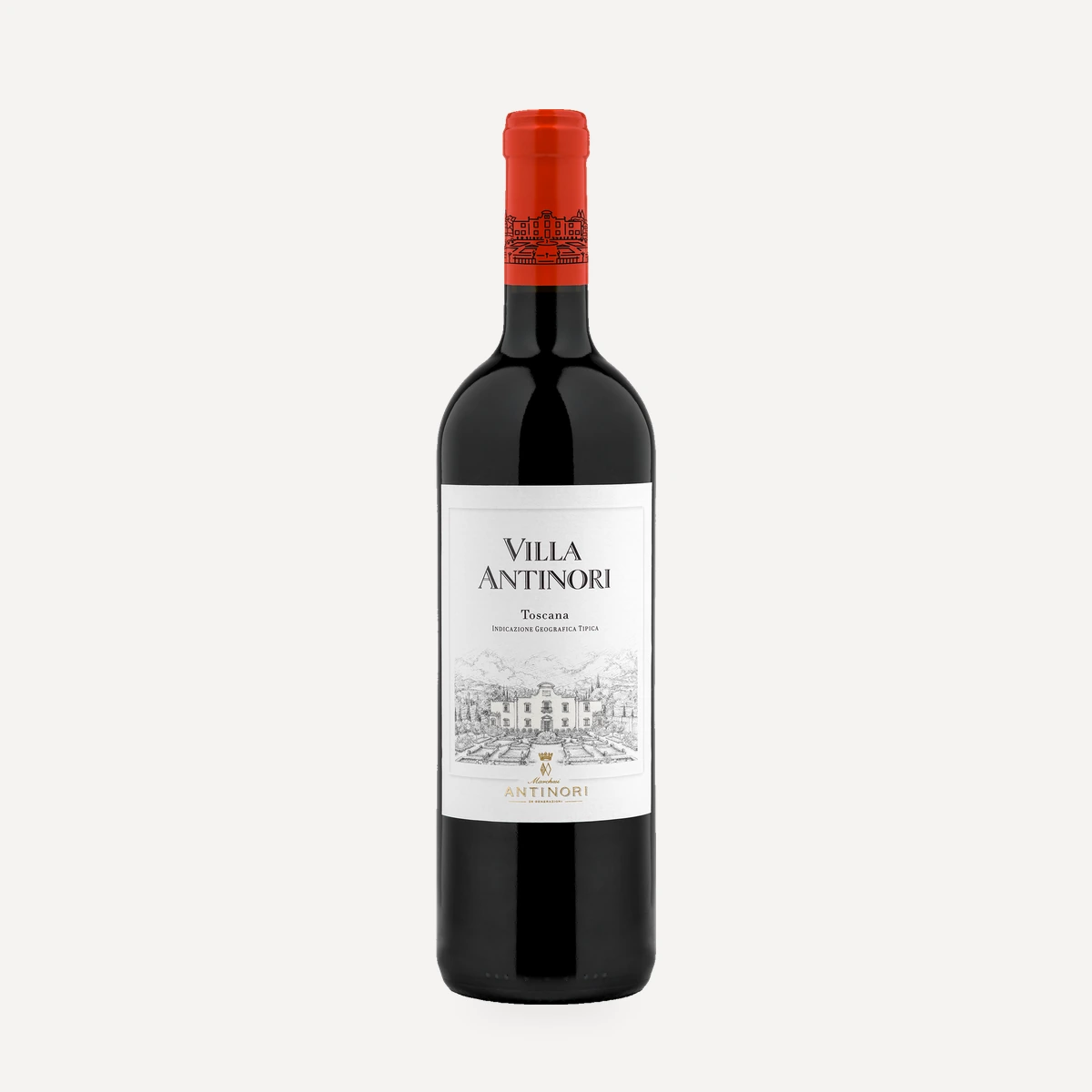
Villa Antinori Rosso
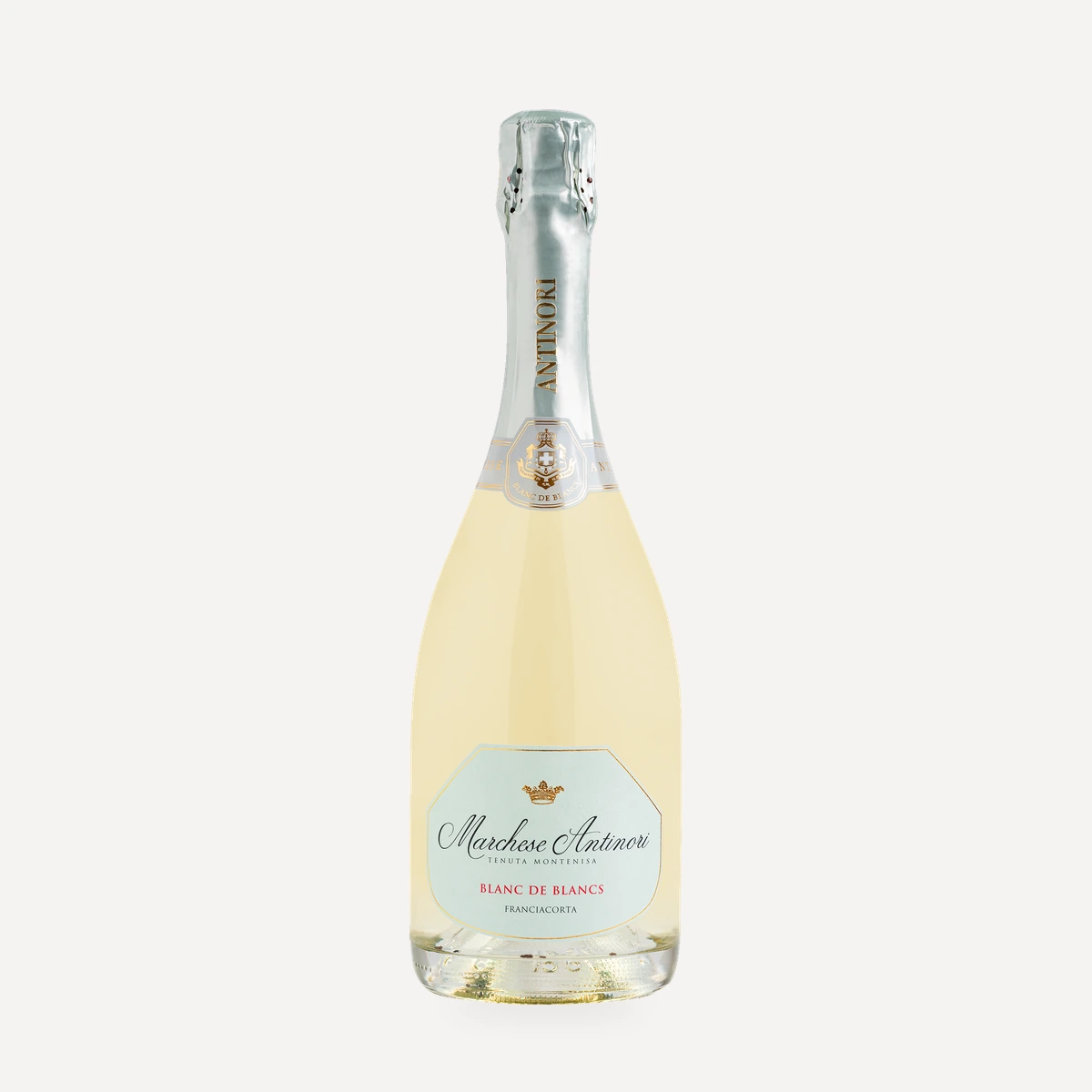
Marchese Antinori Blanc de Blancs
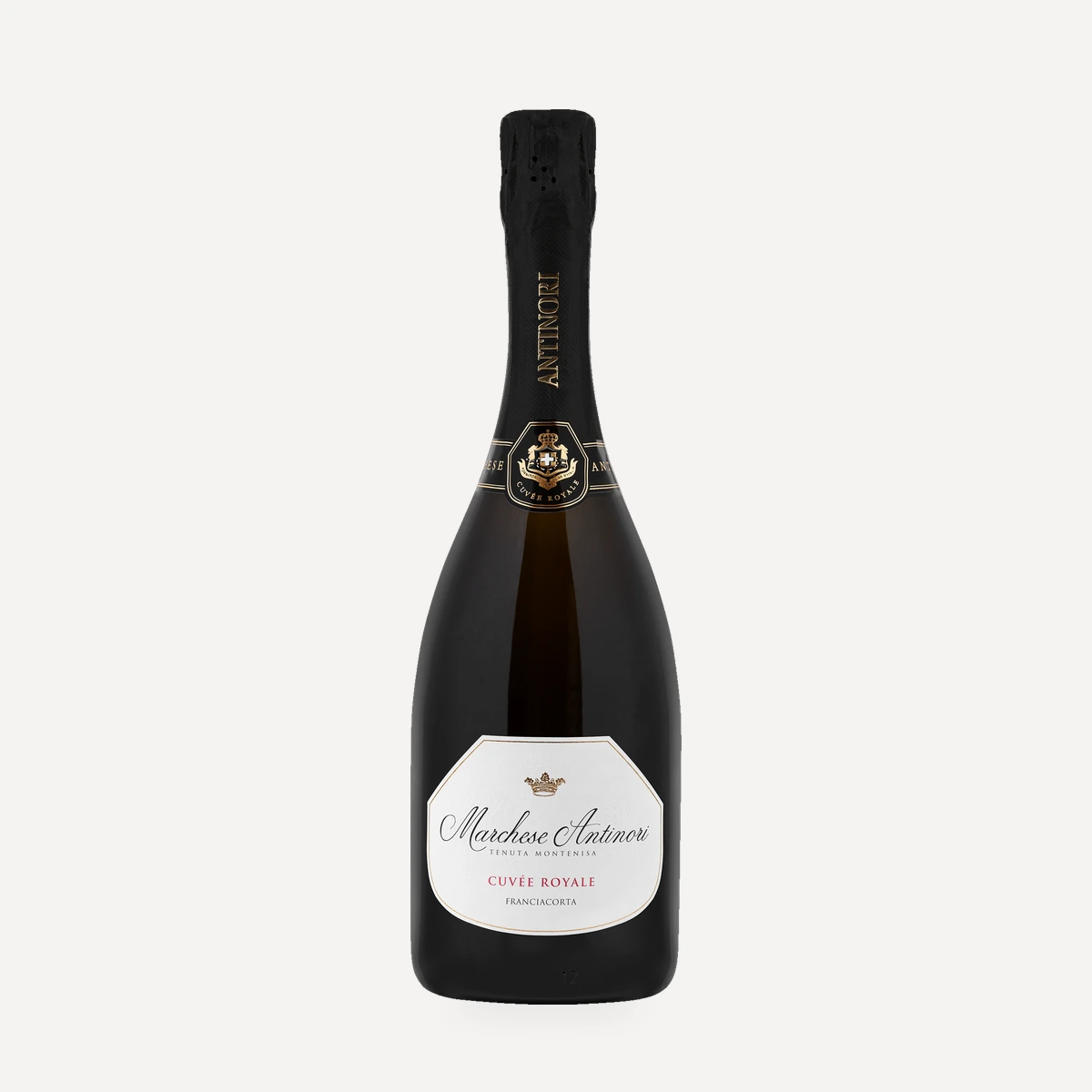
Marchese Antinori Cuvée Royale
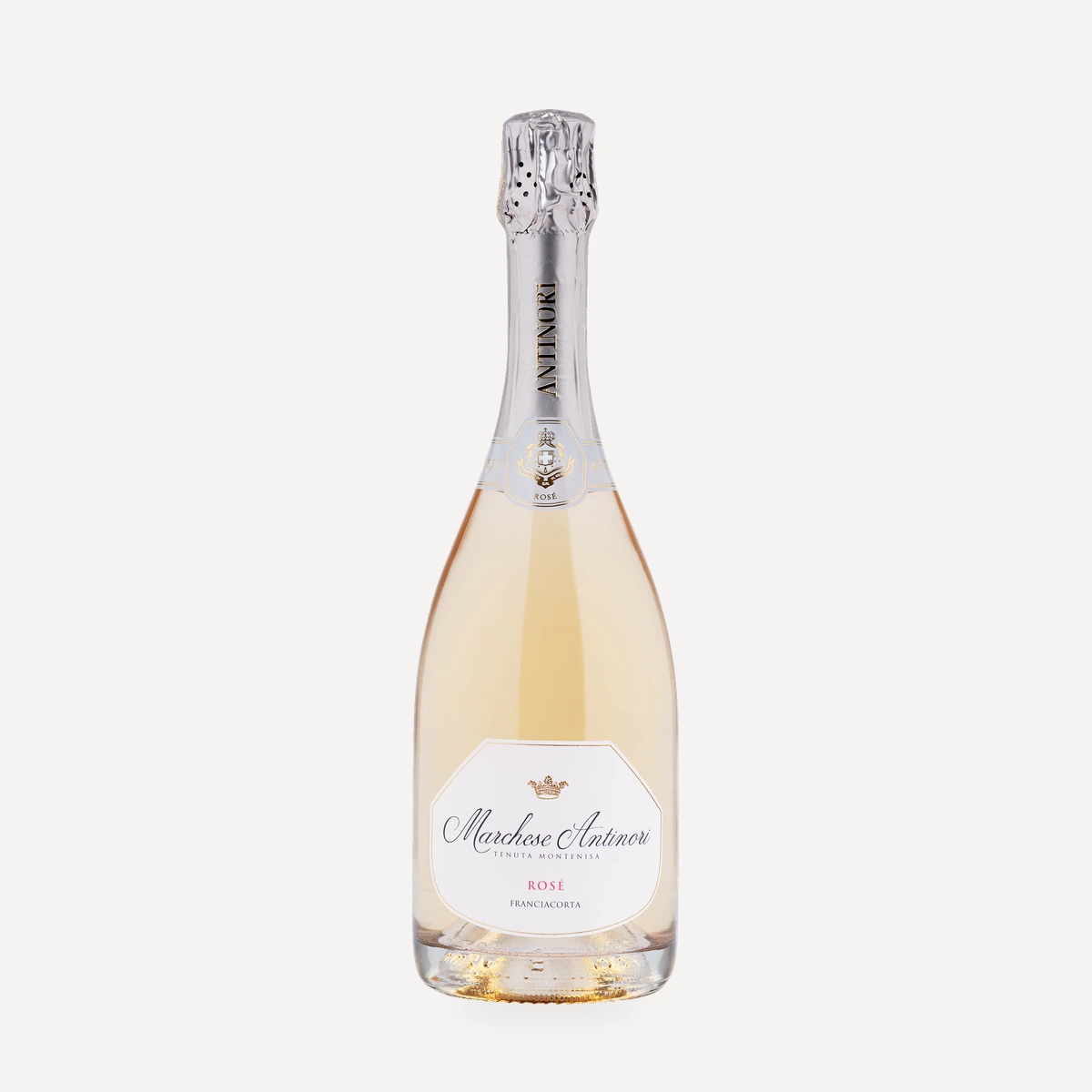
Marchese Antinori Rosé
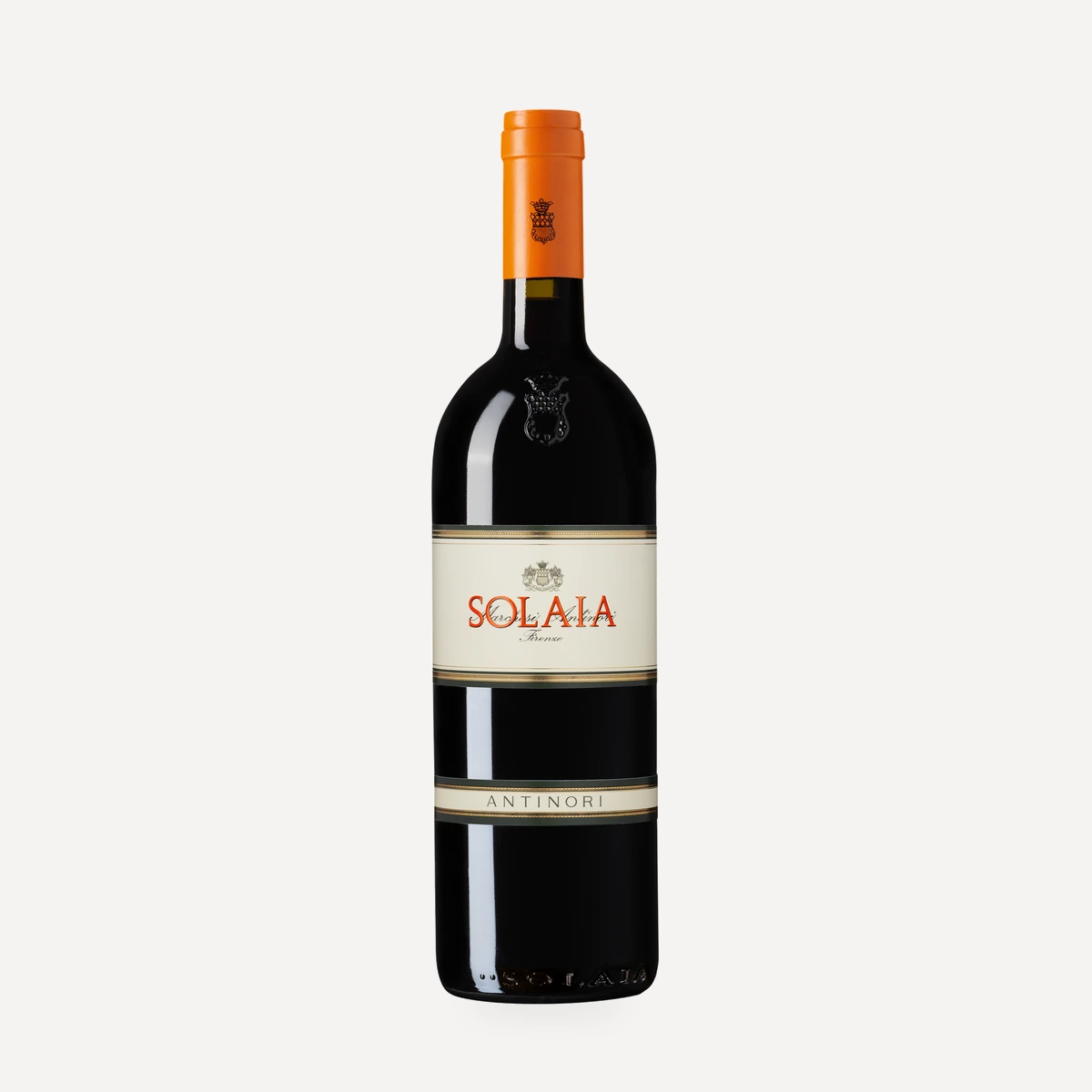
Solaia