Storia
14th century
Local vineyards were mentioned in documents from the Sant'Agostino monastery.
16th century
Marcoantonio Rigaccini's "Chronicle" described Renai and Martoccia as the best sites for growing grapes.
1553
The area was home to a military camp during the siege of Montalcino.
1964
The Brunelli family moved to a farm in Martoccia, beginning the winery's modern chapter.
1995
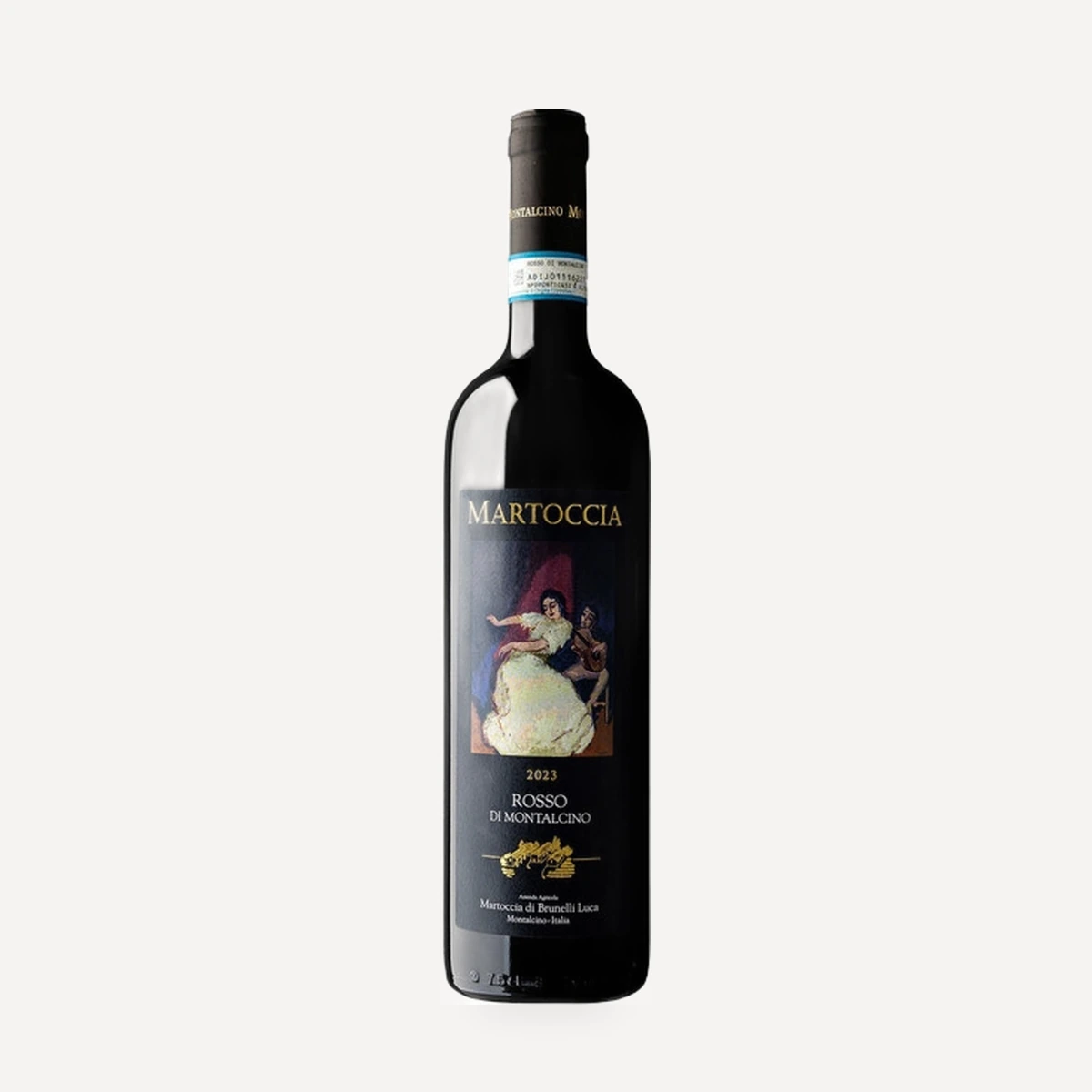
Luca Brunelli bought 3 hectares of land and founded the winery, Azienda Agricola Martoccia di Brunelli Luca, which now covers 25 hectares in total.
Terroir
The vineyards are spread across a variety of sites. Southwest-facing slopes at around 250 m above sea level have stony soils and good airflow, which helps the grapes develop ripeness and structure. Cooler northeast-facing sites have clay soils that help preserve freshness even in hot growing seasons.
Vinificazione
Planting is dense, with up to 5000 Sangiovese vines per hectare. Yields are strictly limited to less than 80 quintals per hectare to concentrate the grapes' flavor and quality. Southwest-facing slopes with stony soils and good airflow favor ripeness and structure, while cooler northeast-facing sites with clay soils help preserve freshness in hot growing seasons.
Filosofia
The Brunelli family's approach reflects a philosophy of respect for the terroir, dedication to tradition and a commitment to making authentic, high-quality wines that bring the spirit of Montalcino to every glass.
Vini
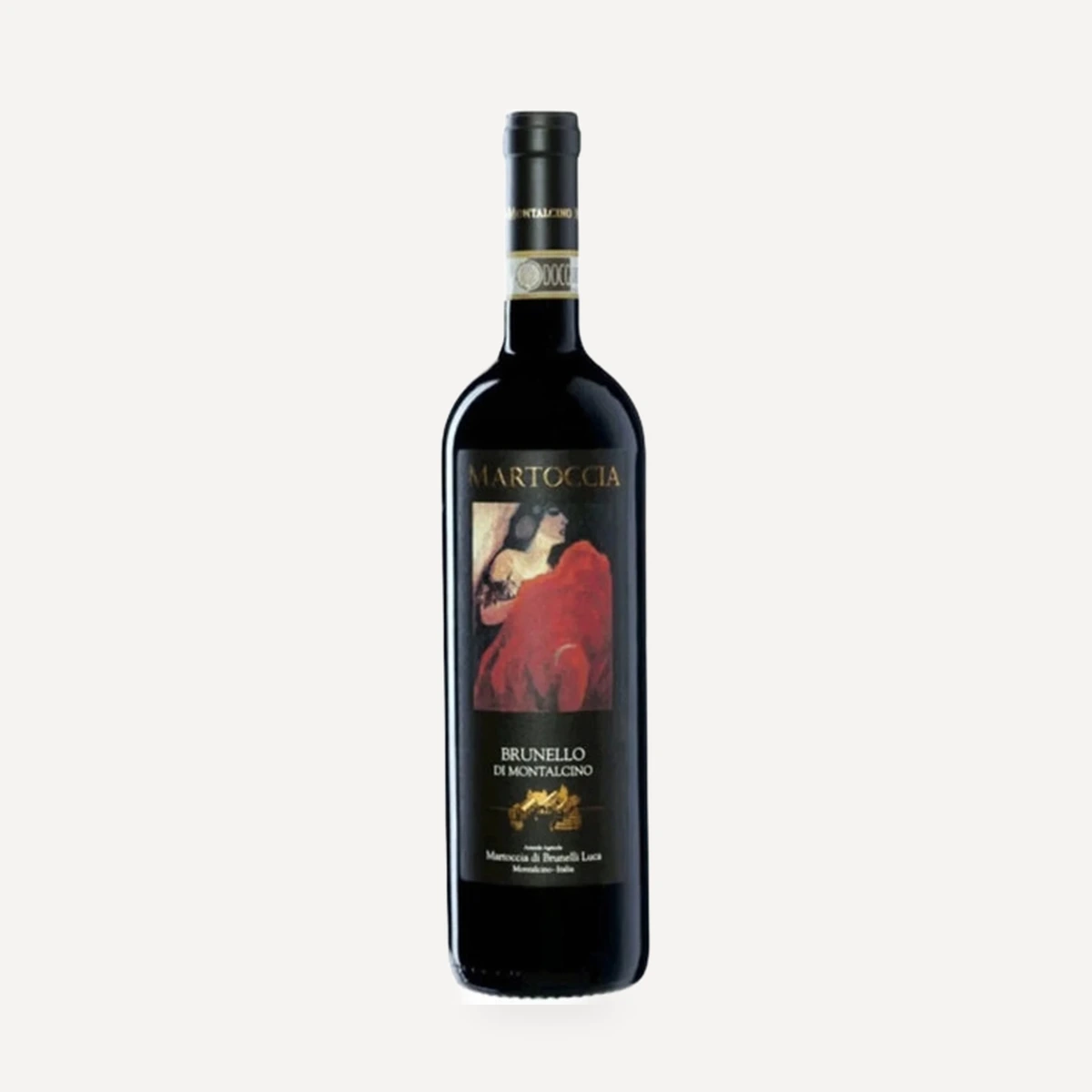
Brunello di Montalcino DOCG
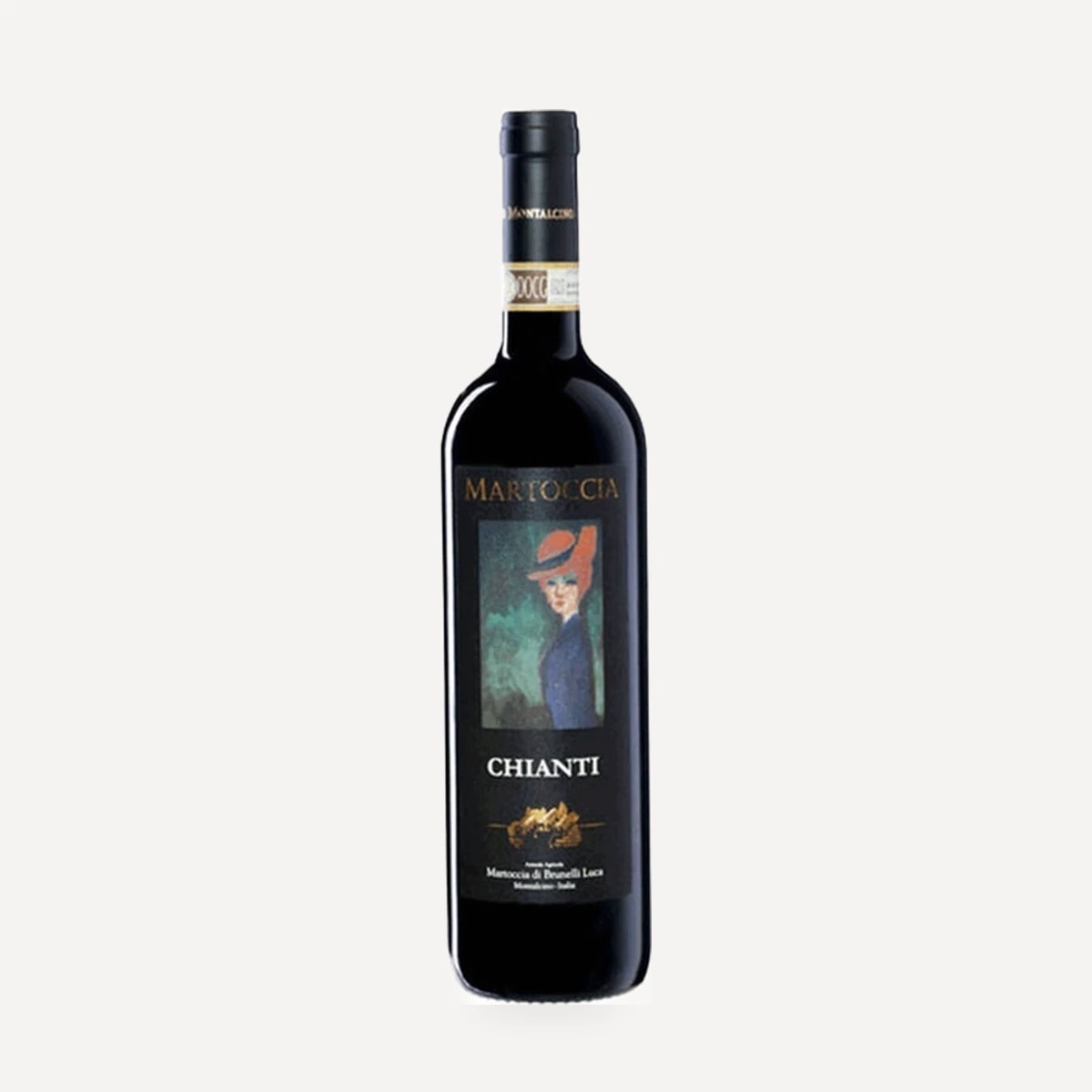
Chianti DOCG
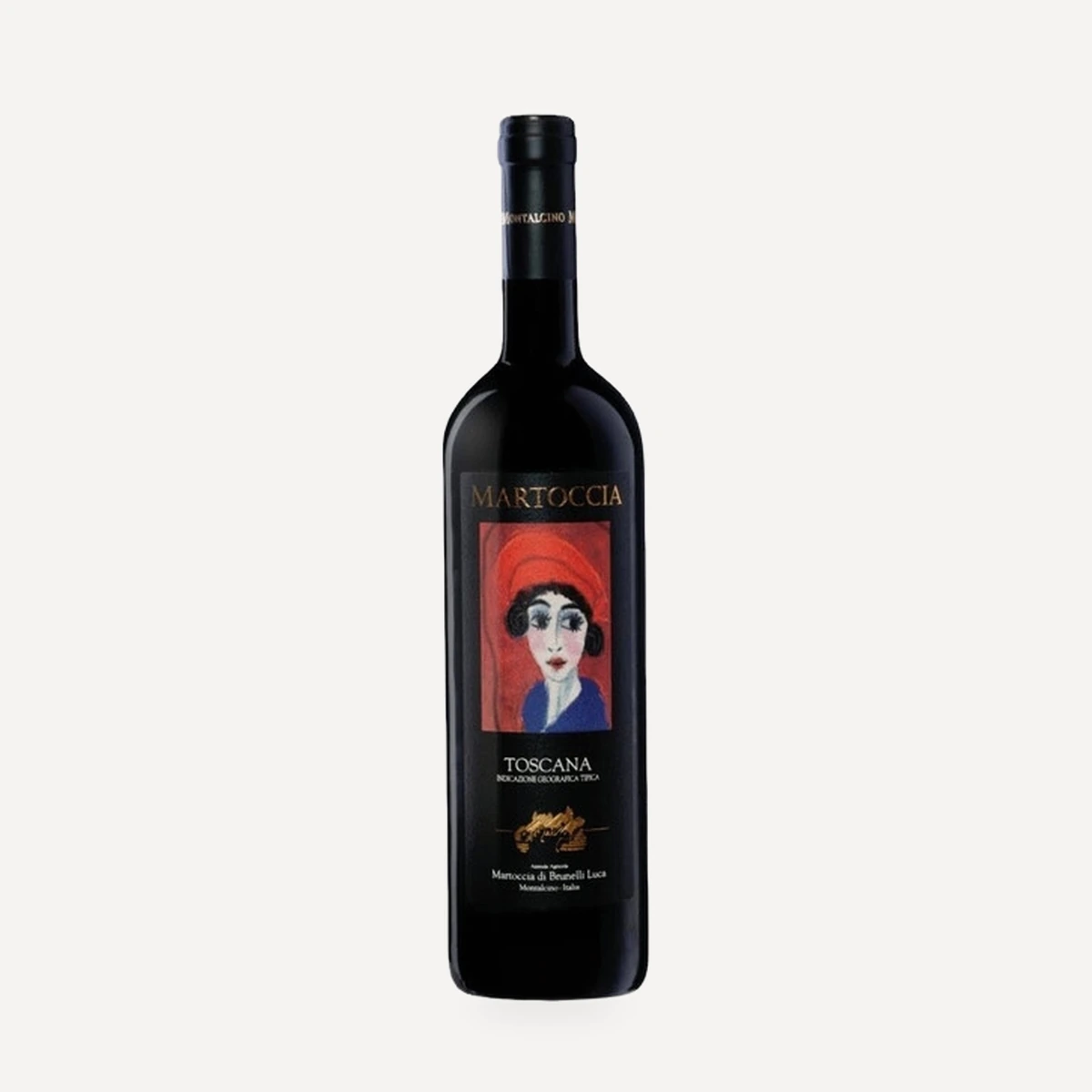
Luca Toscana IGT
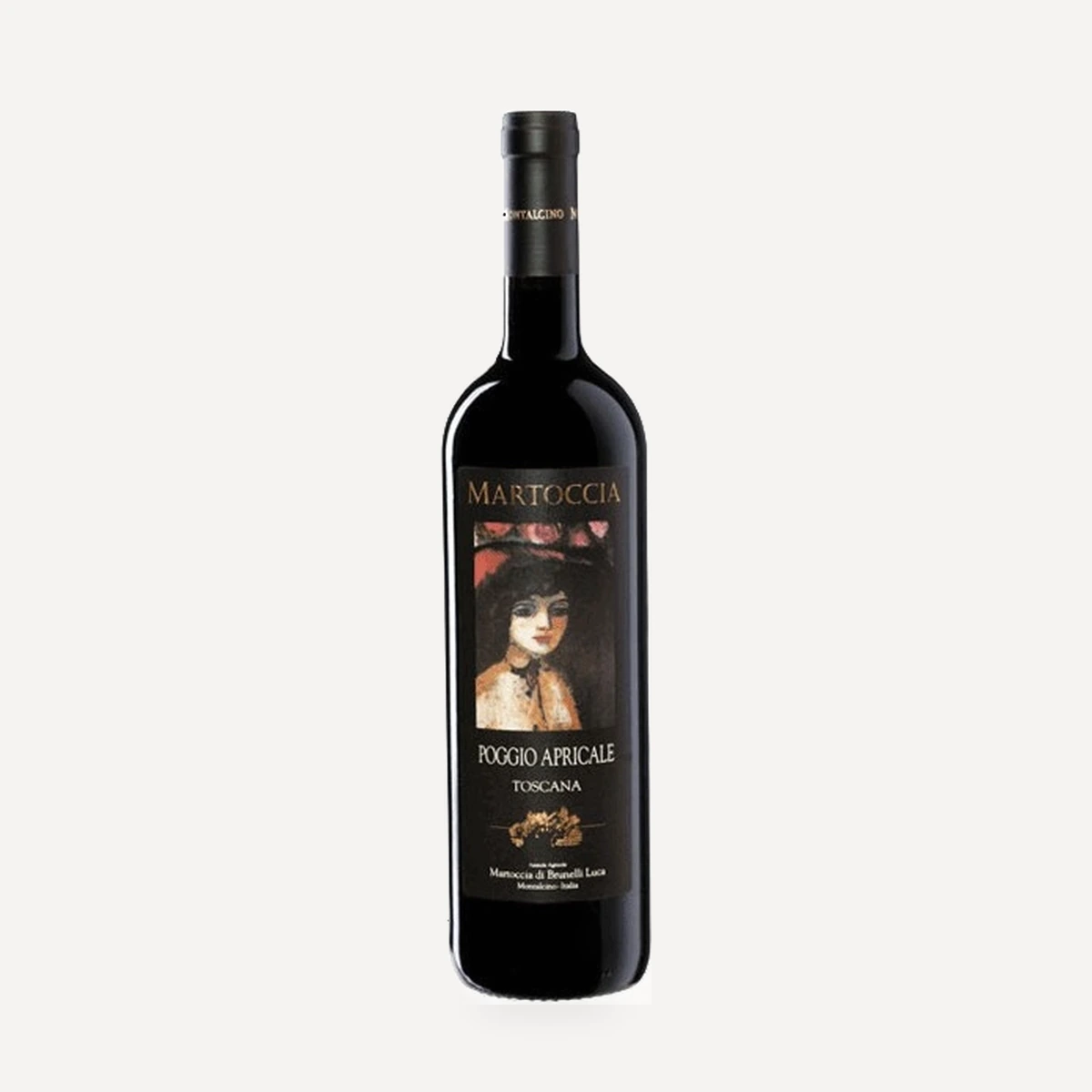
Poggio Apricale Toscana IGT