Storia
Ancient viticultural setting
The estate places its roots within the long viticultural history of Monte Taburno. It derives the name Taburno from Taurn, described as a Minoan-dialect term for a mountain cut by gorges and canyons. Cretan settlers are associated with the introduction of vines during the first Greek colonisation of the area around 3,000 years ago. The mountain later appeared as Magnum Taburnum in Virgil’s Aeneid and Georgics.
The estate and its foundation
Masseria Frattasi occupies a carefully preserved eighteenth-century building at the foot of Monte Taburno. The wine house was founded in Montesarchio in 1779 and has cultivated grapes over successive generations. The Clemente family owns the property and is credited with initiating a modern viticultural revival in the area, particularly by introducing Falanghina to markets extending from Japan and Sweden to Phoenix, San Diego and Cairo.
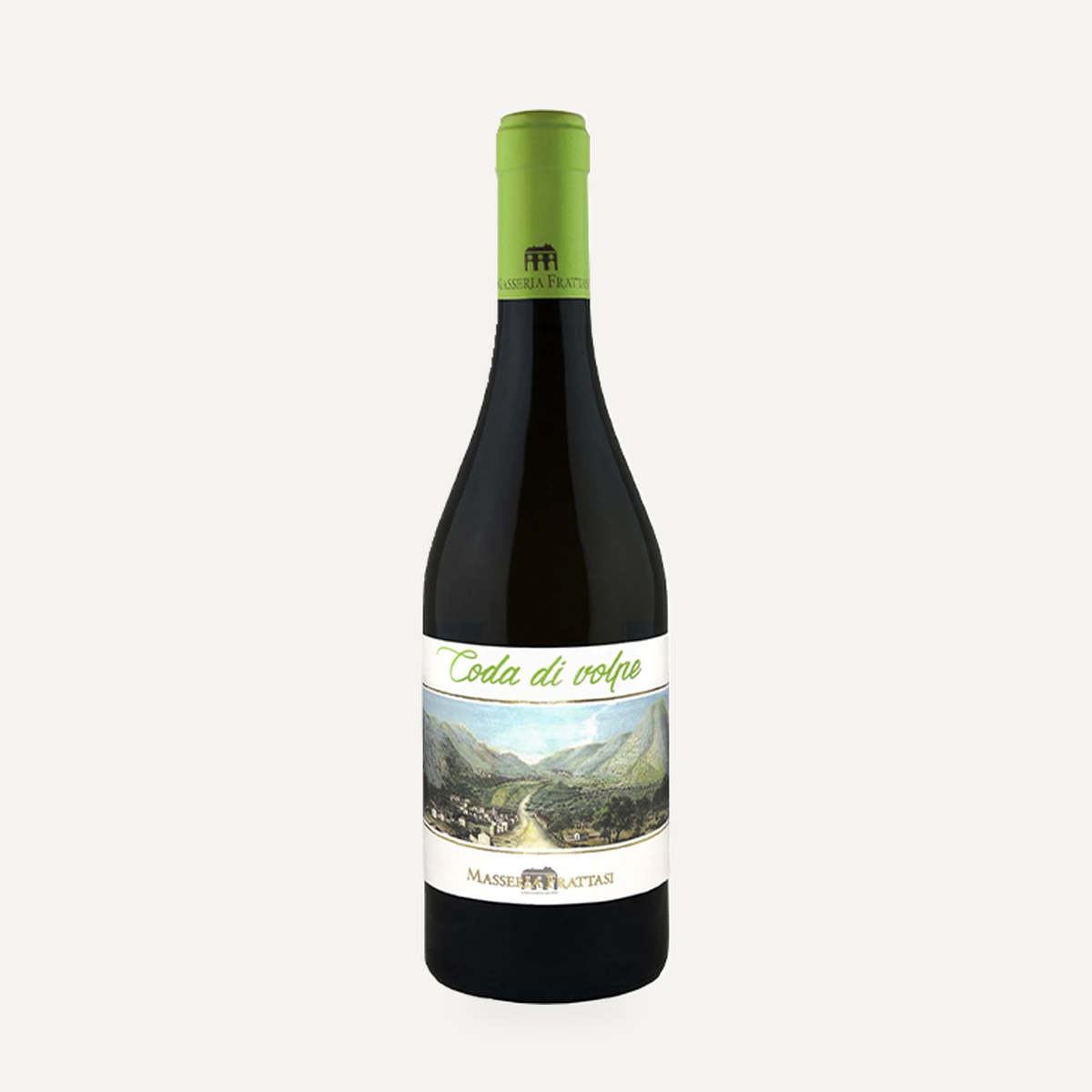
The family has retained vineyards of exceptional age, including pre-phylloxera vines described as up to two centuries old. These old plants remain productive and provide genetic material for new vineyards, helping preserve old cultivars from extinction. Coda di Volpe is still cultivated in a historic system with long shoots tied using red willow.
Recovery of historic practices
The estate revived Kapnios, presented as a wine of classical antiquity. Its production recreates an ancient method: selected bunches are dried in the open air, pressed after an extended drying period and subjected to a very long fermentation. This work forms part of a broader commitment to reconnect contemporary production with practices associated with the region’s ancient wine culture.
Architecture, technology and continuity
A newer winery was built with modern technical solutions while making extensive use of wood and local-looking stone, echoing the material used to support the mountain vineyards. The cellar is constructed in white dolomitic stone and extends over four levels, three of them underground. Its barrel rooms combine this stone architecture with the equipment needed for contemporary production.
The present family leadership consists of brothers Beniamino and Riccardo Clemente, working alongside their father, Pasquale. Their approach combines inherited vineyard knowledge, modern laboratory and cellar technology, preservation of old vines and biodiversity, and continued development of high-altitude and steep-slope viticulture.
Ceramics and family memory
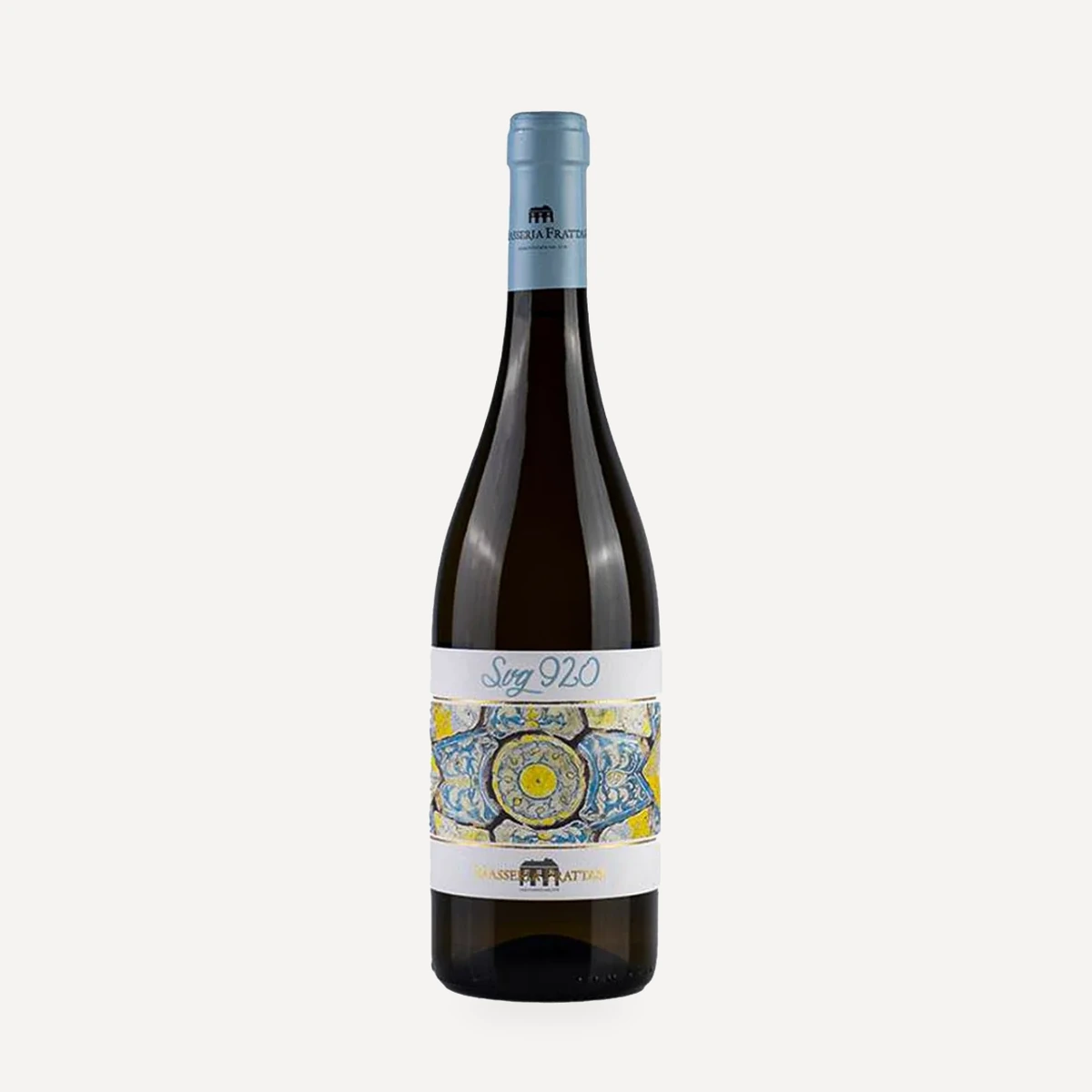
The labels reproduce eighteenth-century ceramic designs by Giustiniani, whose workshop stood a few kilometres from the masseria. He decorated a seventeenth-century palatial chapel; after an earthquake destroyed the chapel, its surviving riggiole—decorated floor tiles—were recovered and their yellow, green and blue Neapolitan motifs transferred to the labels. Donnalaura takes its name from Laura, the grandmother of Pasquale Clemente.
Terroir
Masseria Frattasi’s vineyards are concentrated around Monte Taburno in the Sannio beneventano, with further sites at Baselice and Anacapri. The main mountain rises to 1,393 m, while documented vineyards range from approximately 250 m to 920 m. The highest sites lie near the forest edge in Tocco Caudio; the Anacapri vineyard occupies a Mediterranean setting above the island’s coastal landscape.
The terrain includes mountain plateaux, ridges, steep terraces and slopes where mechanisation can be difficult. San Pietro lies on a stone-and-clay ridge. The Cabernet Sauvignon terraces are distinguished by their gradients and cultivation difficulty, while one high vineyard is associated with slopes exceeding 40 degrees.
Soils vary markedly between sites. Recurrent components include clay, white limestone, calcareous deposits, dolomitic limestone, sandstone, marl and transported alluvial sand. Volcanic influence appears as pyroclastic layers, volcanic deposits and fine volcanic dust. One 700 m site is described as a sequence of pyroclastic deposits over blue clay with a deeper dolomitic-limestone base. The high Chardonnay and Sauvignon Blanc sites combine limestone rock with volcanic dust. The Fiano sector on the eastern side of Taburno experiences a pronounced difference between daytime and night-time temperatures.
This altitudinal and geological range underpins both indigenous Campanian varieties and international cultivars. Falanghina, Aglianico, Coda di Volpe, Fiano and Greco occupy the historic core, while Chardonnay, Sauvignon Blanc, Pinot Nero, Cabernet Sauvignon and Merlot are grown in high, steep or otherwise demanding mountain locations.
Vinificazione
Cultivation is described as eco-compatible, with the objective of protecting both the mountain landscape and the health of the vineyards and products. No vineyard certification body, formal organic status or conversion date is identified.
Biodiversity is treated as a practical measure of vineyard health. The desired vineyard ecosystem includes orchids, wild lilies, anemones, jays, tree frogs, foxes and buzzards alongside the vines. Orchis purpurea is one of dozens of orchid types associated with the estate’s mountain environment.
Old-vine conservation is central to the farming approach. Pre-phylloxera vines up to about two centuries old continue to produce grapes and supply propagation material for new plantings. This massal genetic continuity is also used to preserve old cultivars. In the historic Coda di Volpe vineyard, long shoots are still tied with red willow.
Training varies with site and vine age. Documented systems include espalier and row planting, Guyot pruning, spurred cordon, scattered bush vines, radial training and old non-specialised plantings. The steepest and highest sites are treated as heroic viticulture because of their gradients, altitude and limited scope for mechanisation.
Harvesting is manual throughout the documented vineyards. Selection may take place directly on the vine, within a single cru or repeatedly through harvest and drying. Harvest dates extend from early September for high-altitude international varieties to October or November for native varieties and late-harvest Falanghina. Grapes intended for dried-wine styles undergo further selection and are hung or placed to dry after harvest.
The winery combines a modern technical facility and laboratory with a four-level cellar built in white dolomitic stone; three levels are underground. Wood and stone were emphasised in its construction, and the subterranean spaces include dedicated barrel rooms.
Across the range, cellar practice includes pre-fermentation skin contact at low temperature, gentle pressing, pressing protected from oxygen and temperature-controlled alcoholic fermentation. Partial malolactic fermentation is used in at least one white-wine process. Stainless steel is employed for fermentation and maturation, followed where appropriate by bottle rest.
Oak programmes include new French-oak barriques, second-use French barriques from Allier, Nevers and Vosges with medium or heavy toast, and longer maturation in oak. Some late-harvest Falanghina receives several months in new French-oak barriques before bottle maturation. Grappa from selected Falanghina pomace is distilled discontinuously in steam-powered bain-marie stills, matured for 12 months in oak barriques and then rested for a further 12 months in glass.
The most explicitly historical process is used for Kapnios. Aglianico bunches are selected six times between the vineyard and drying stage, hung outdoors until January, then pressed. Fermentation can continue until April, followed by 18–24 months in new French-oak barriques and extended bottle maturation. Moscato grapes are likewise hung on wires or dried in a drying room before gentle pressing, long fermentation and maturation in oak.
Sparkling production encompasses both bottle-fermented and Charmat methods. Falanghina Zero is made by the traditional bottle-fermentation method and is described with 24 months in bottle, while Prestige Blanc is vinified in stainless steel and processed by the Charmat method.
Filosofia
Masseria Frattasi defines its purpose through the relationship between inherited knowledge, environmental care and technical progress. Tradition is not treated as a static model: ancient drying and vinification practices are recovered while modern laboratory controls, temperature management and contemporary cellar architecture are employed where they serve the intended result.
The family’s environmental ideal is a vineyard capable of supporting orchids, wild flowers, birds, amphibians and mammals as well as grapes. Landscape protection, preservation of pre-phylloxera genetic material and the survival of old cultivars are therefore presented as parts of wine quality rather than separate concerns.
The current vision centres on interpreting individual sites, native varieties and difficult mountain conditions. Altitude, steep slopes and vintage suitability guide the production of the estate’s heroic and cru wines. Some bottlings are produced only in years judged suitable. The declared goal is to combine respect for nature and biodiversity with continuous research, precision and the transmission of family knowledge across generations.
Vini
Bonea
Capri
Coda di Volpe
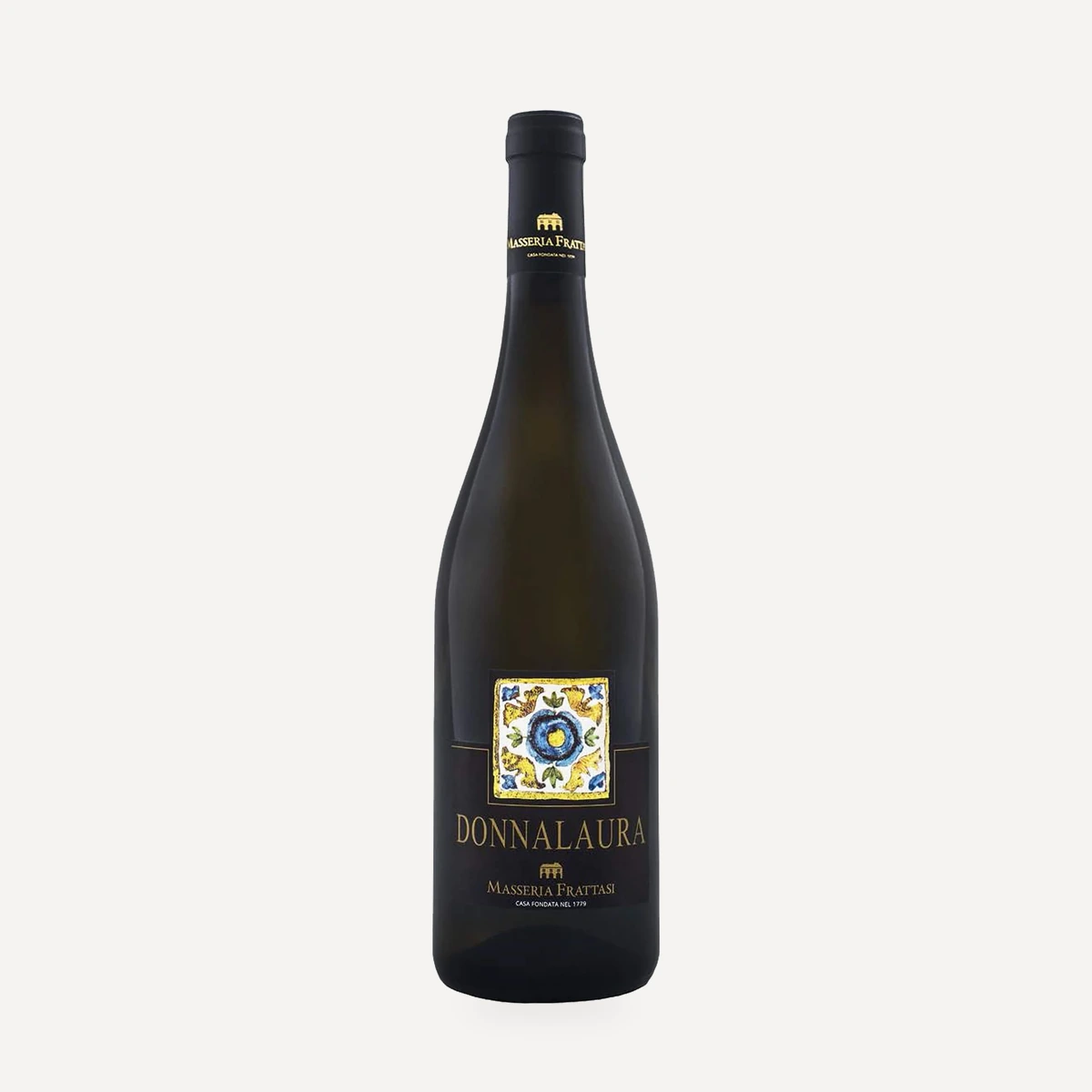
Donnalaura
Iovi Tonant
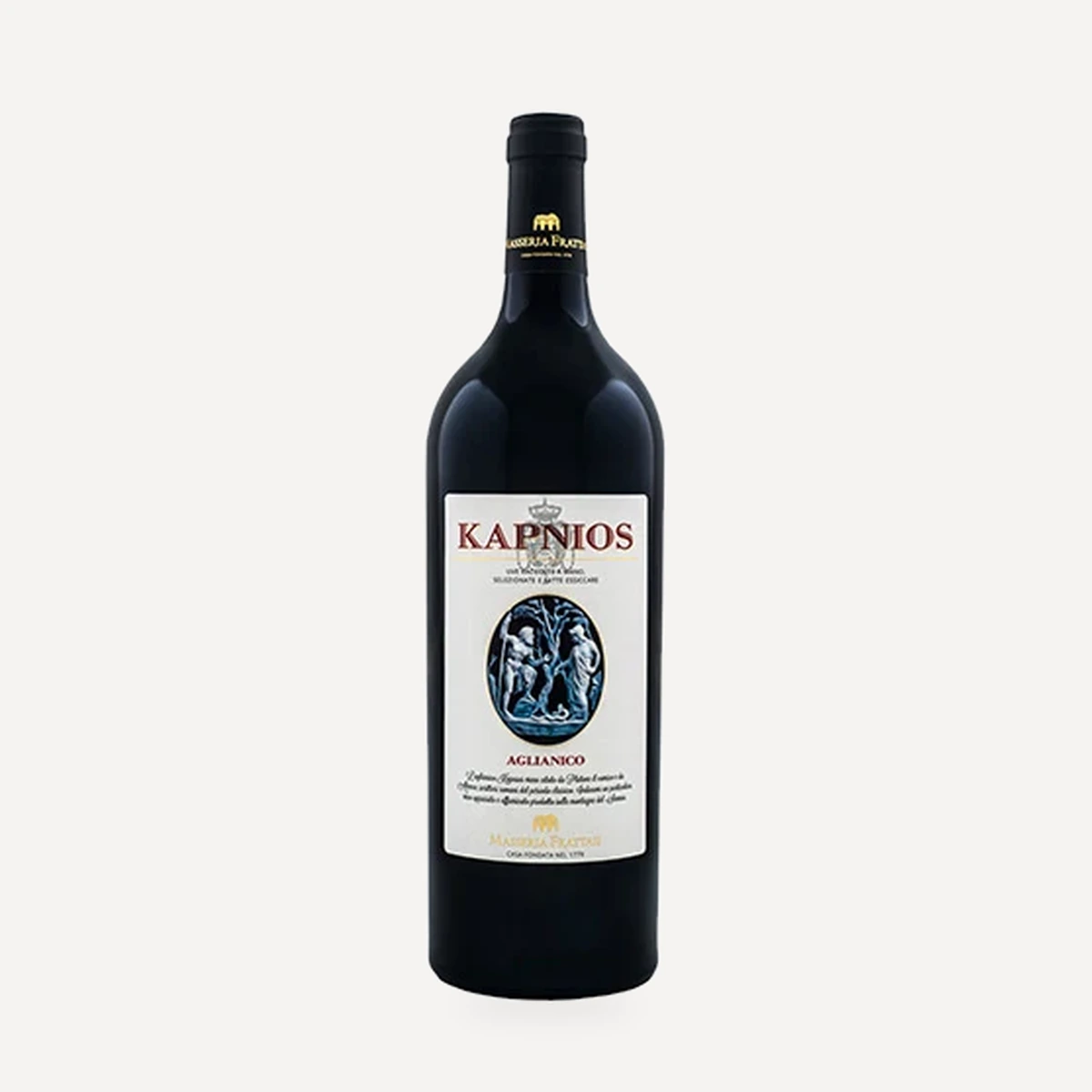
Kapnios
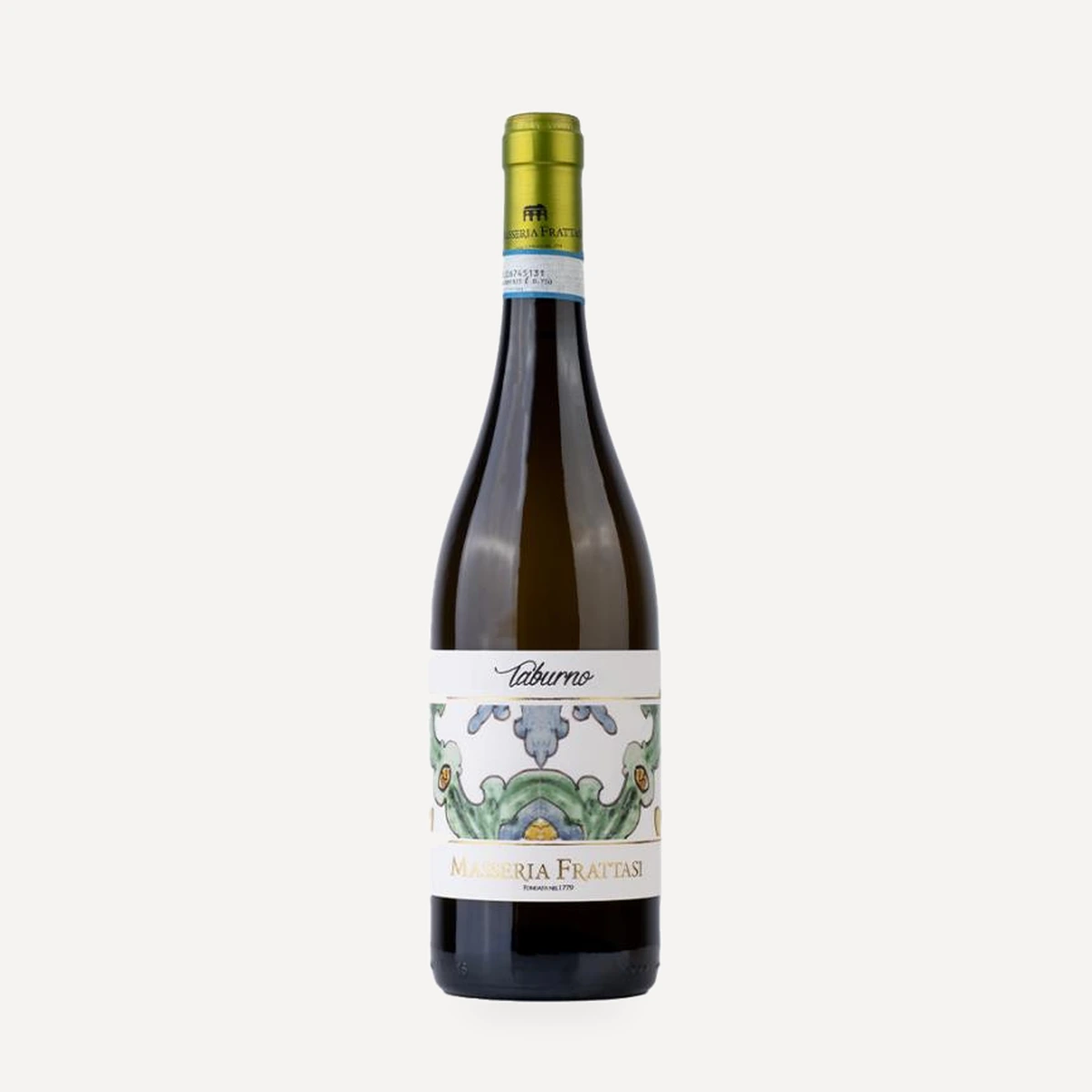
Taburno
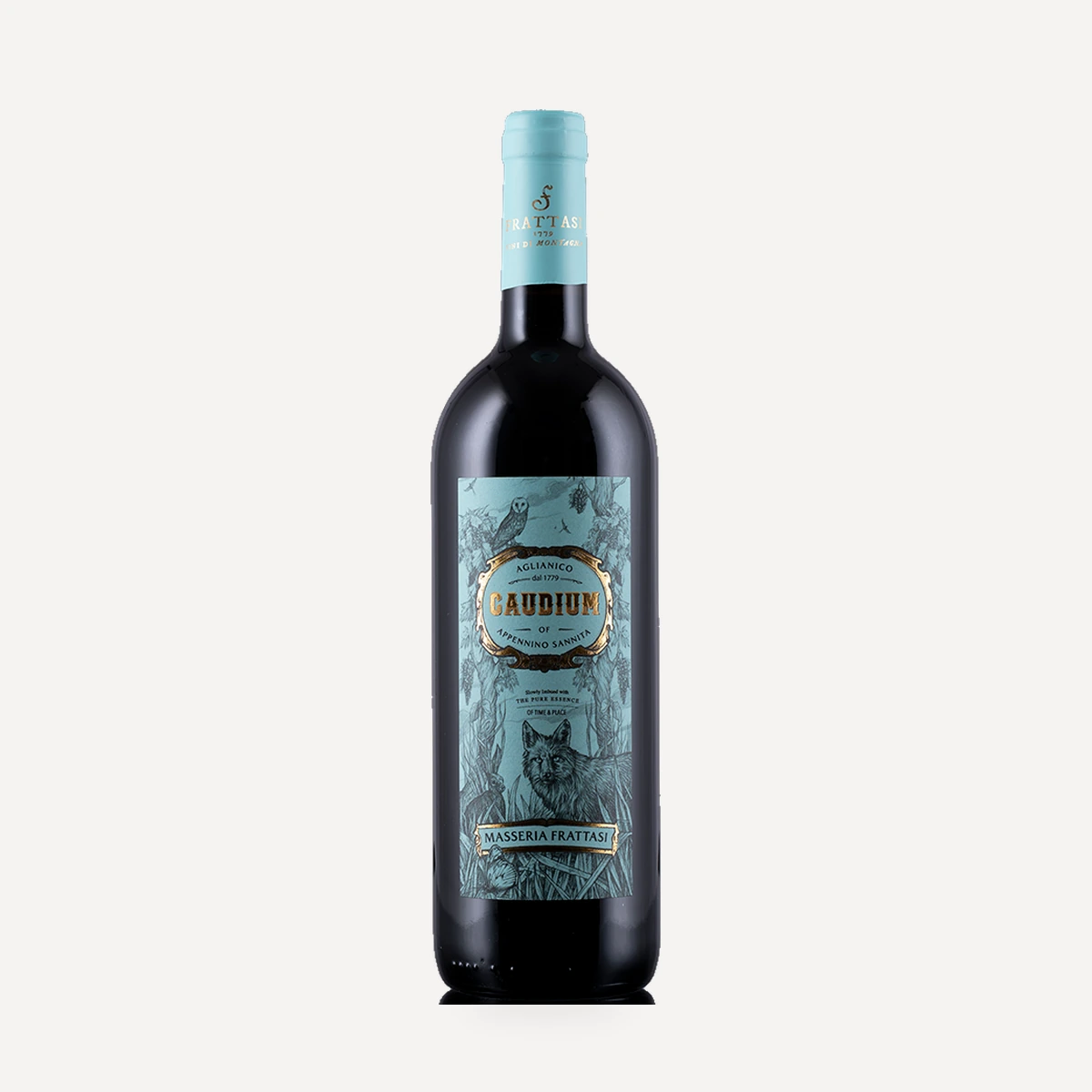
Caudium
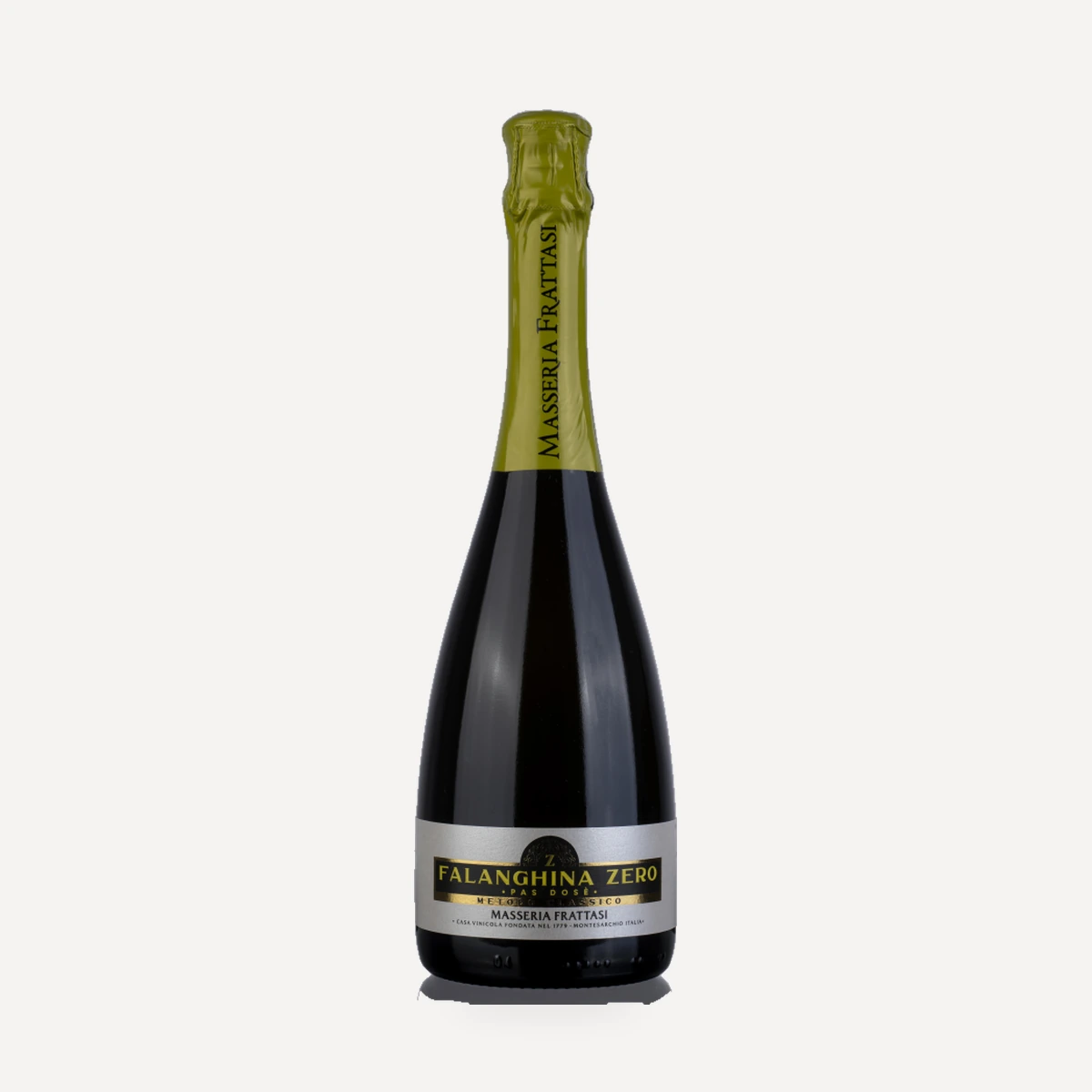
Falanghina Zero
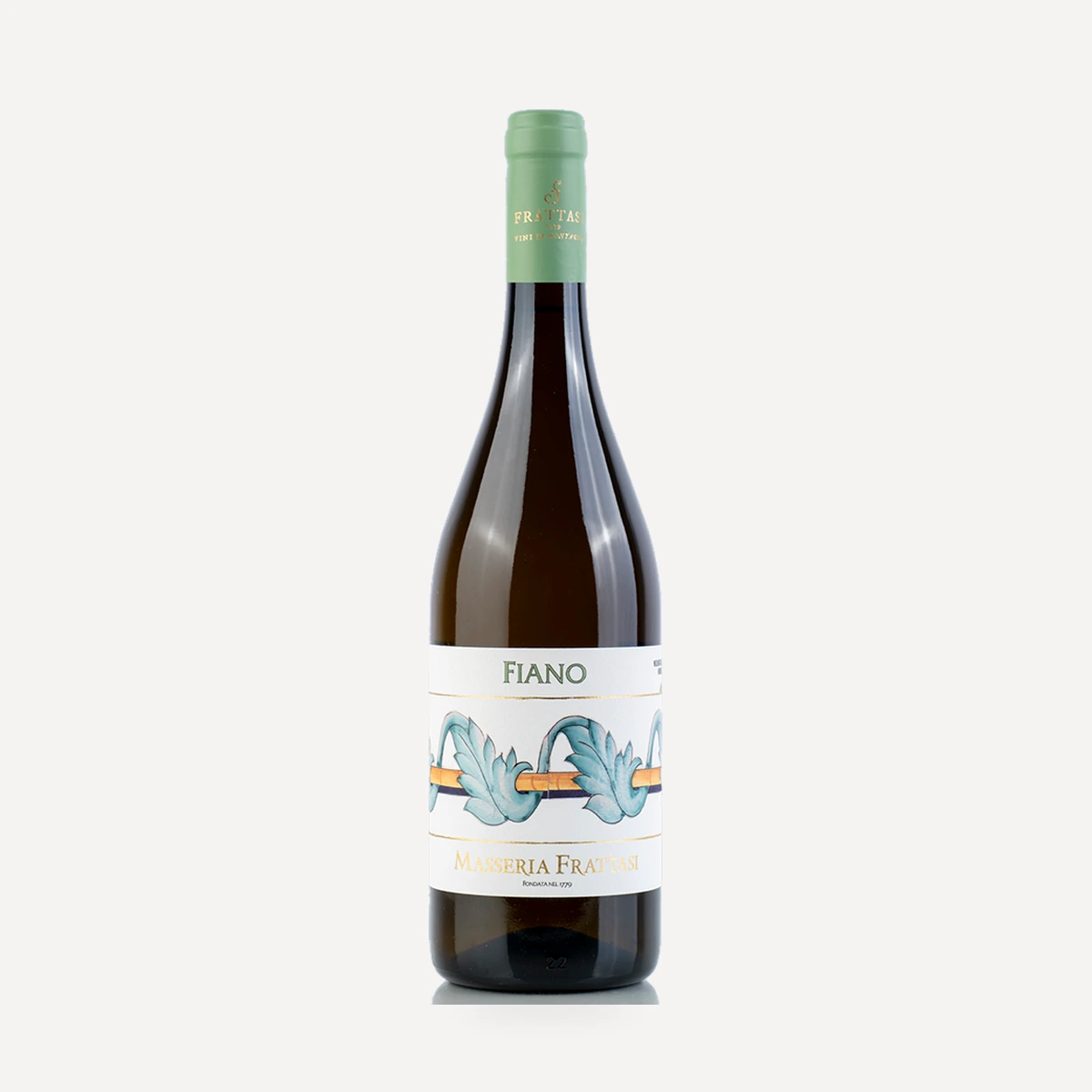
Fiano
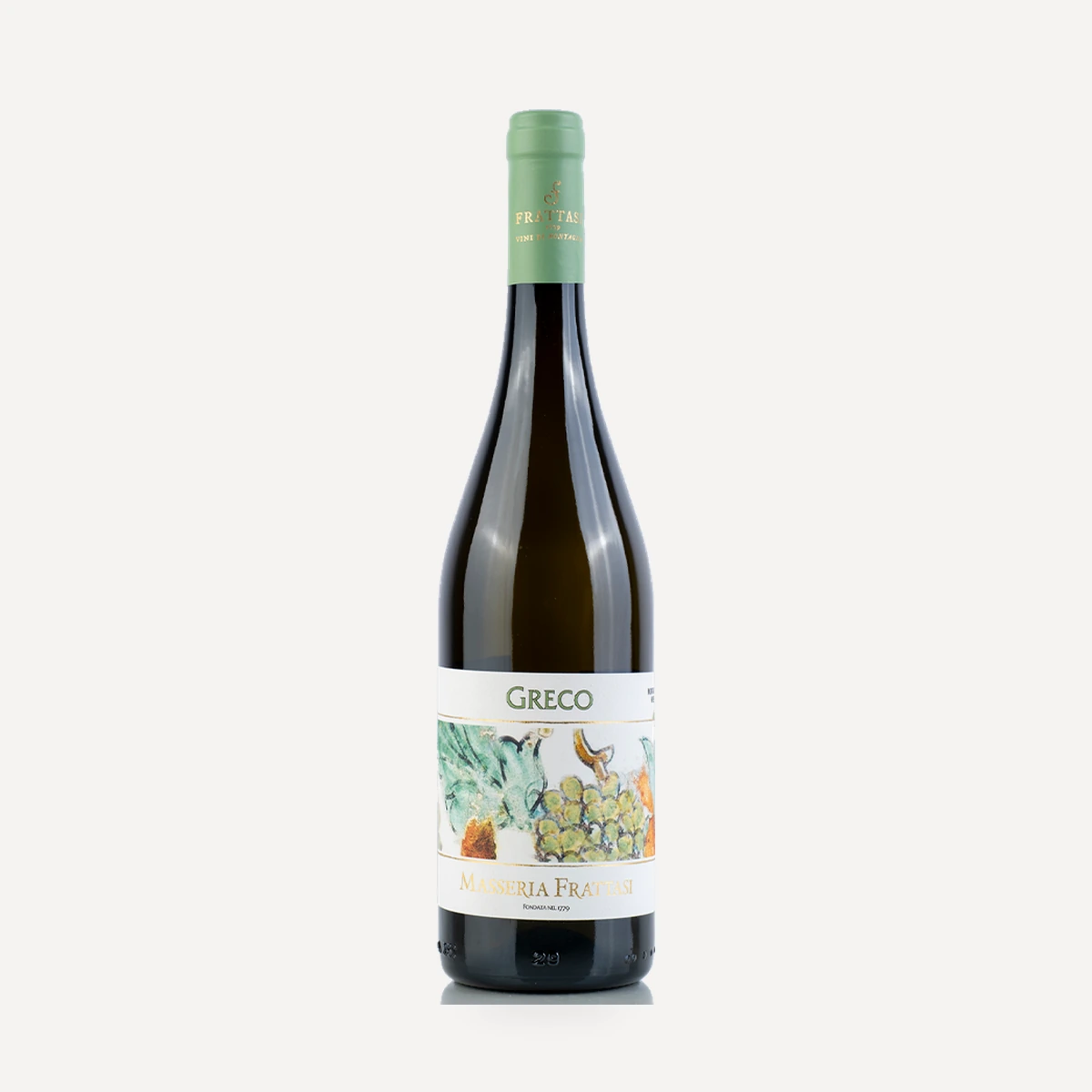
Greco
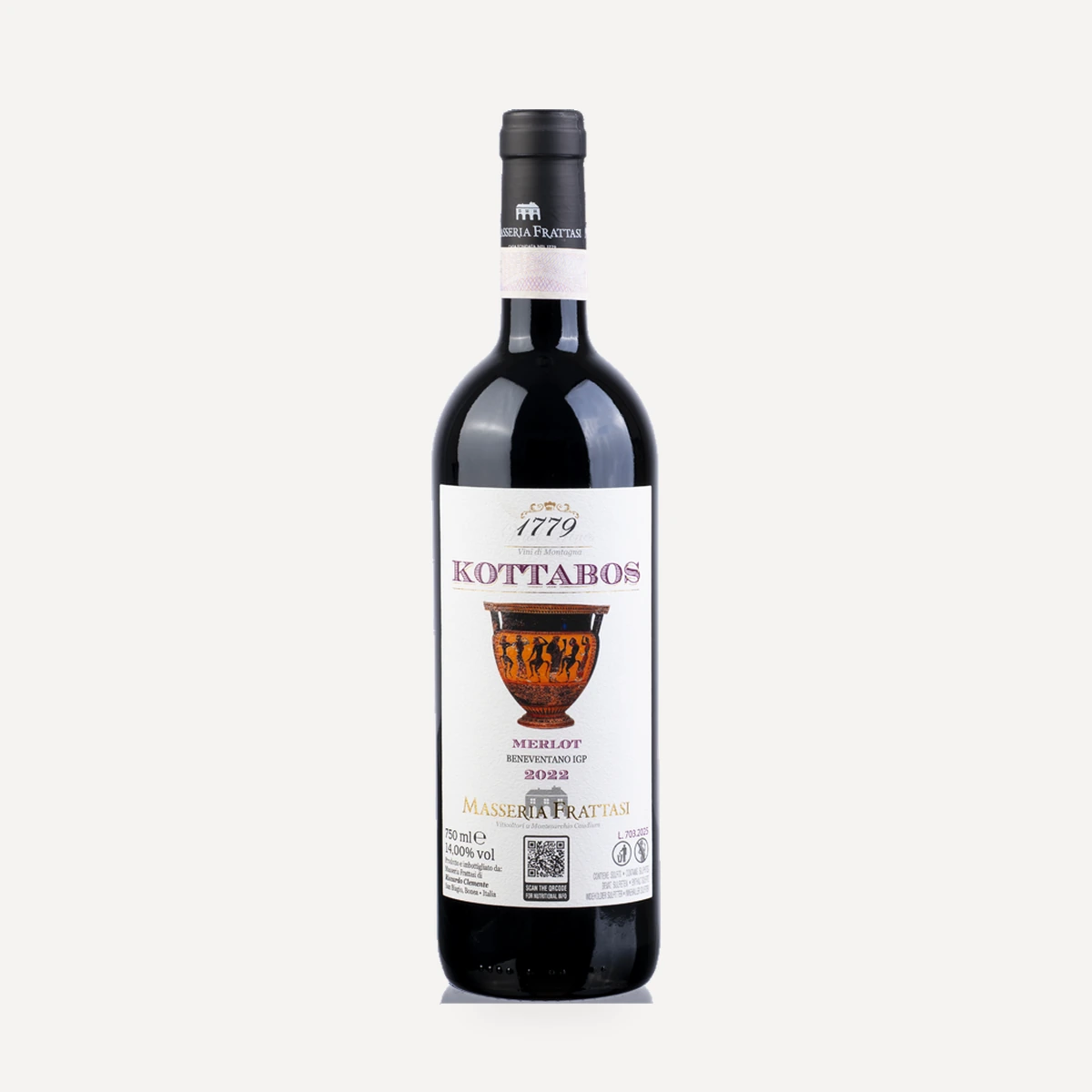
Kottabos
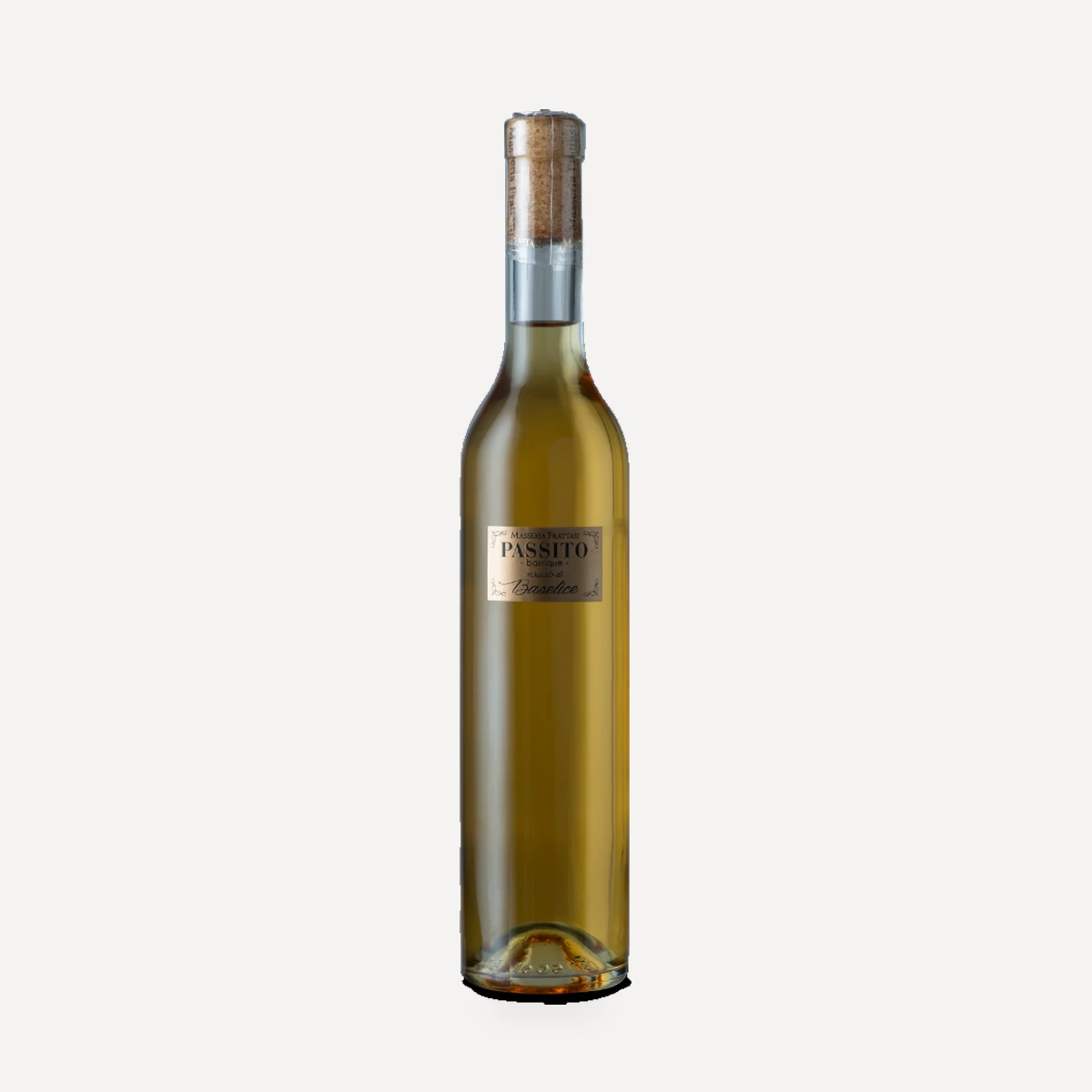
Moscato di Baselice
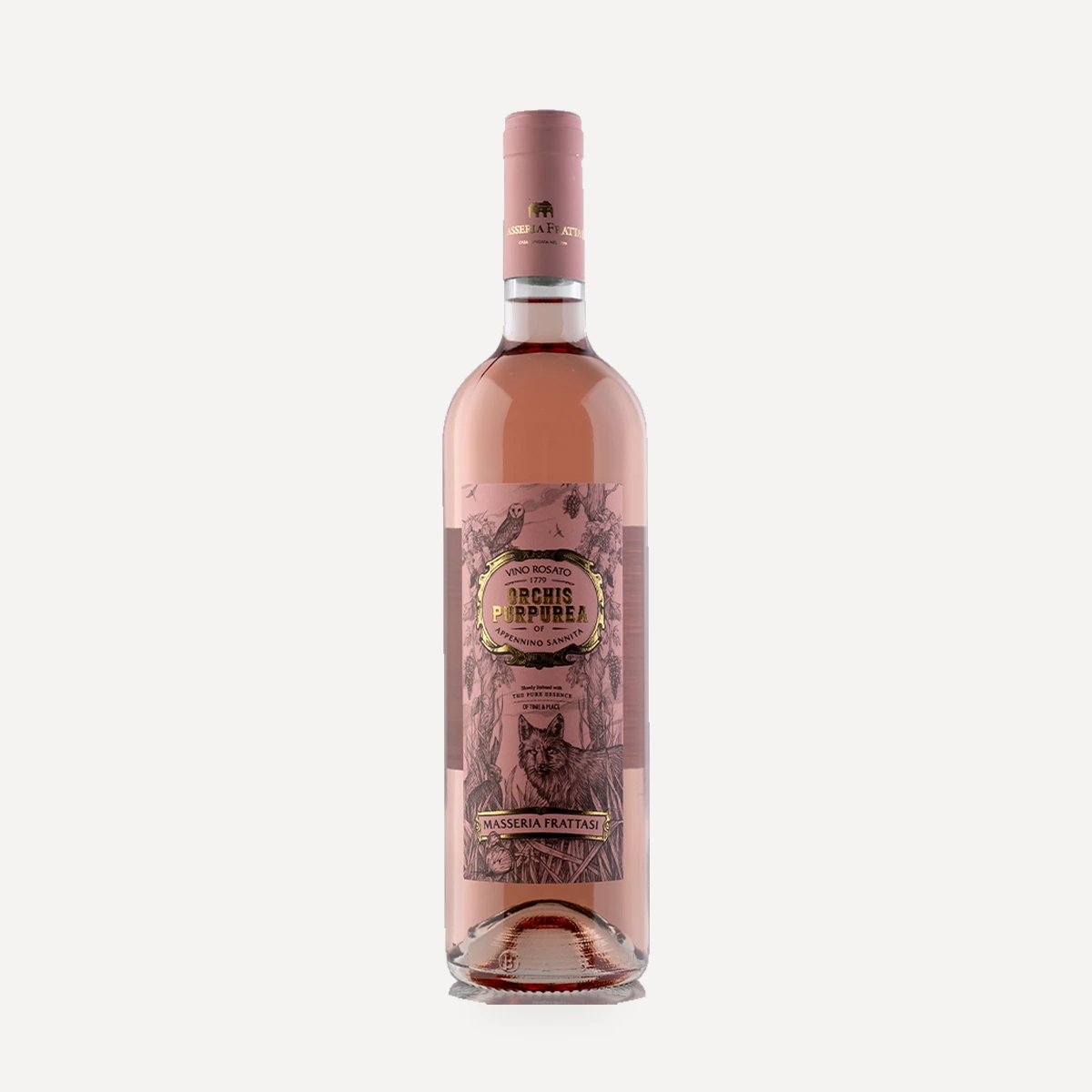
Orchis Purpurea
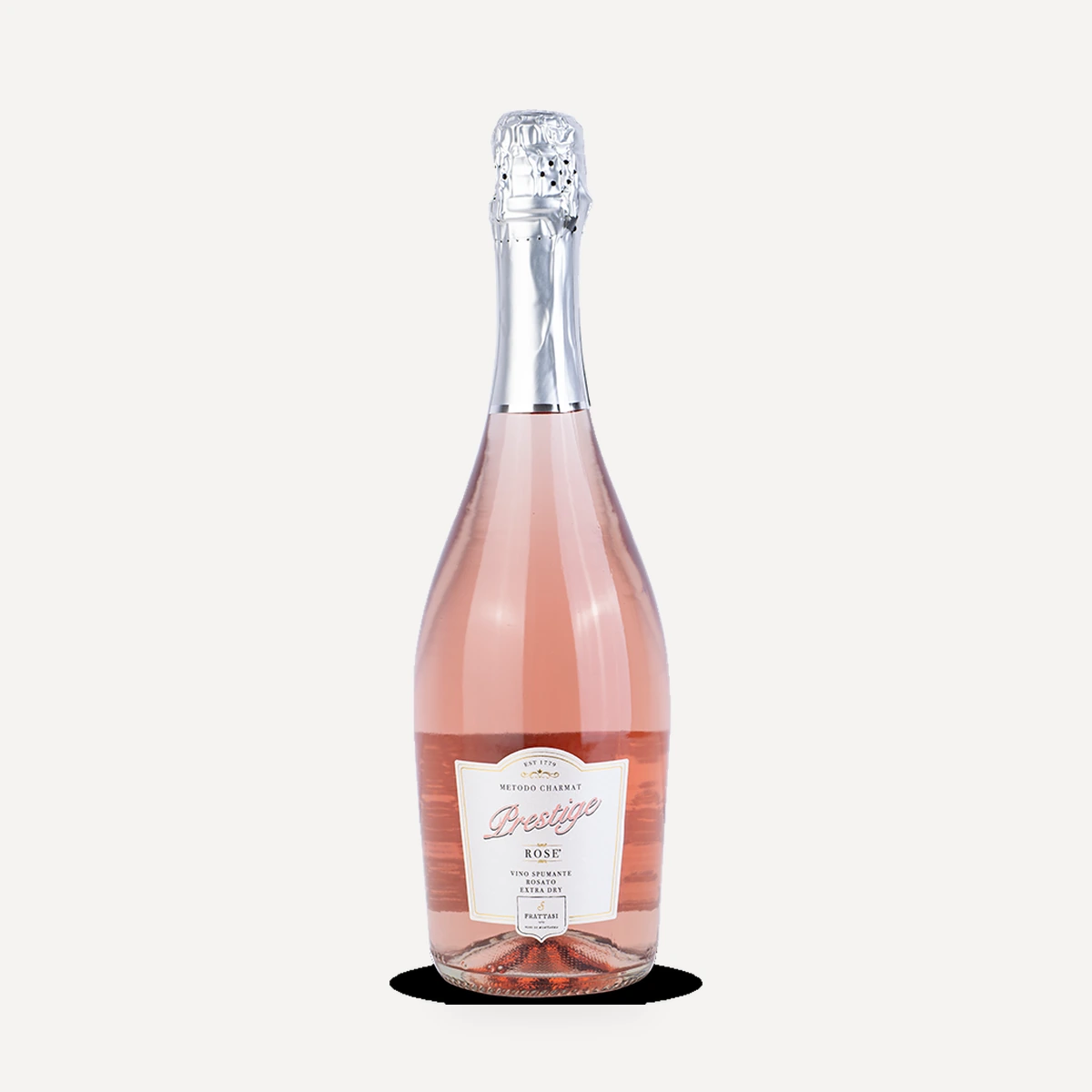
Prestige Rosée
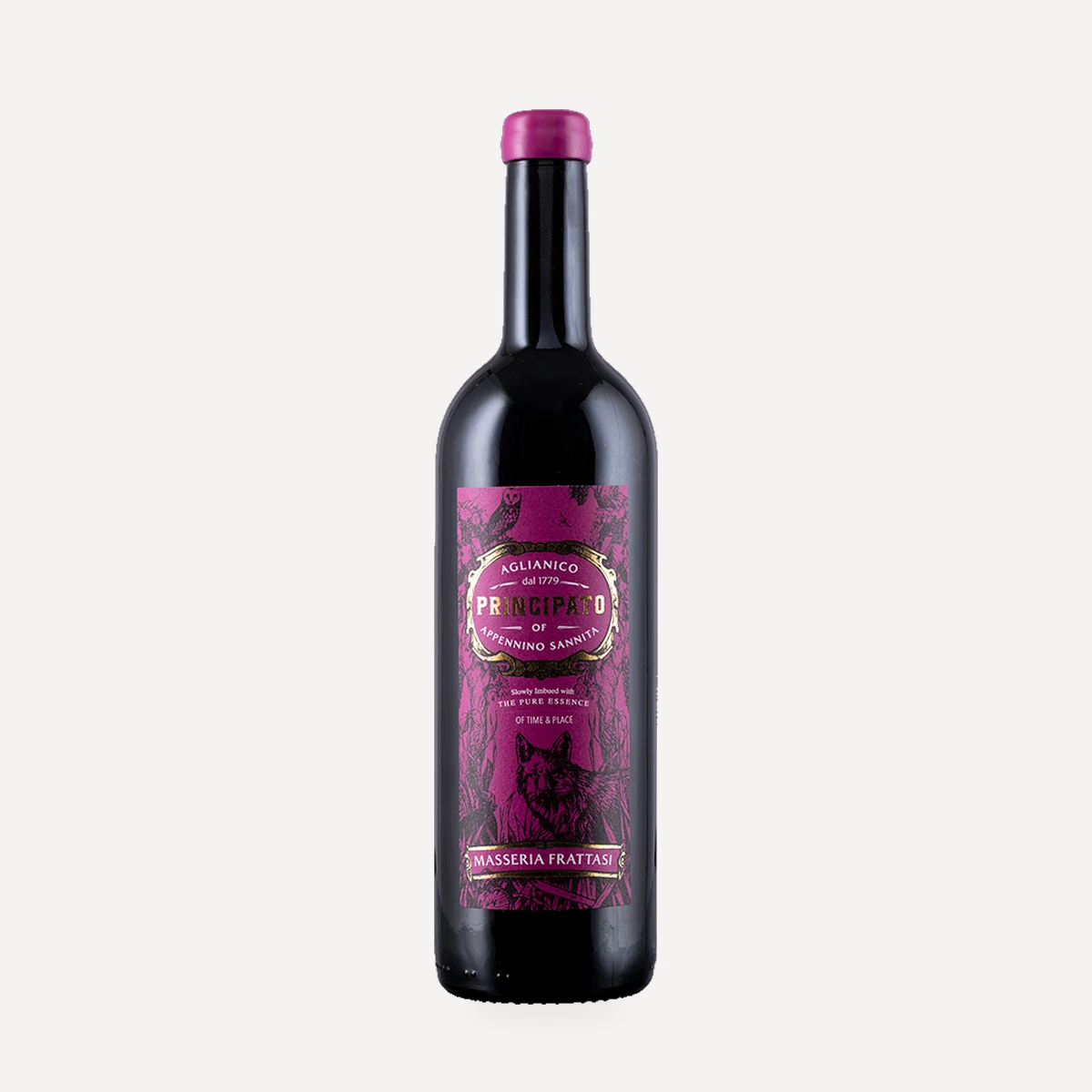
Principato
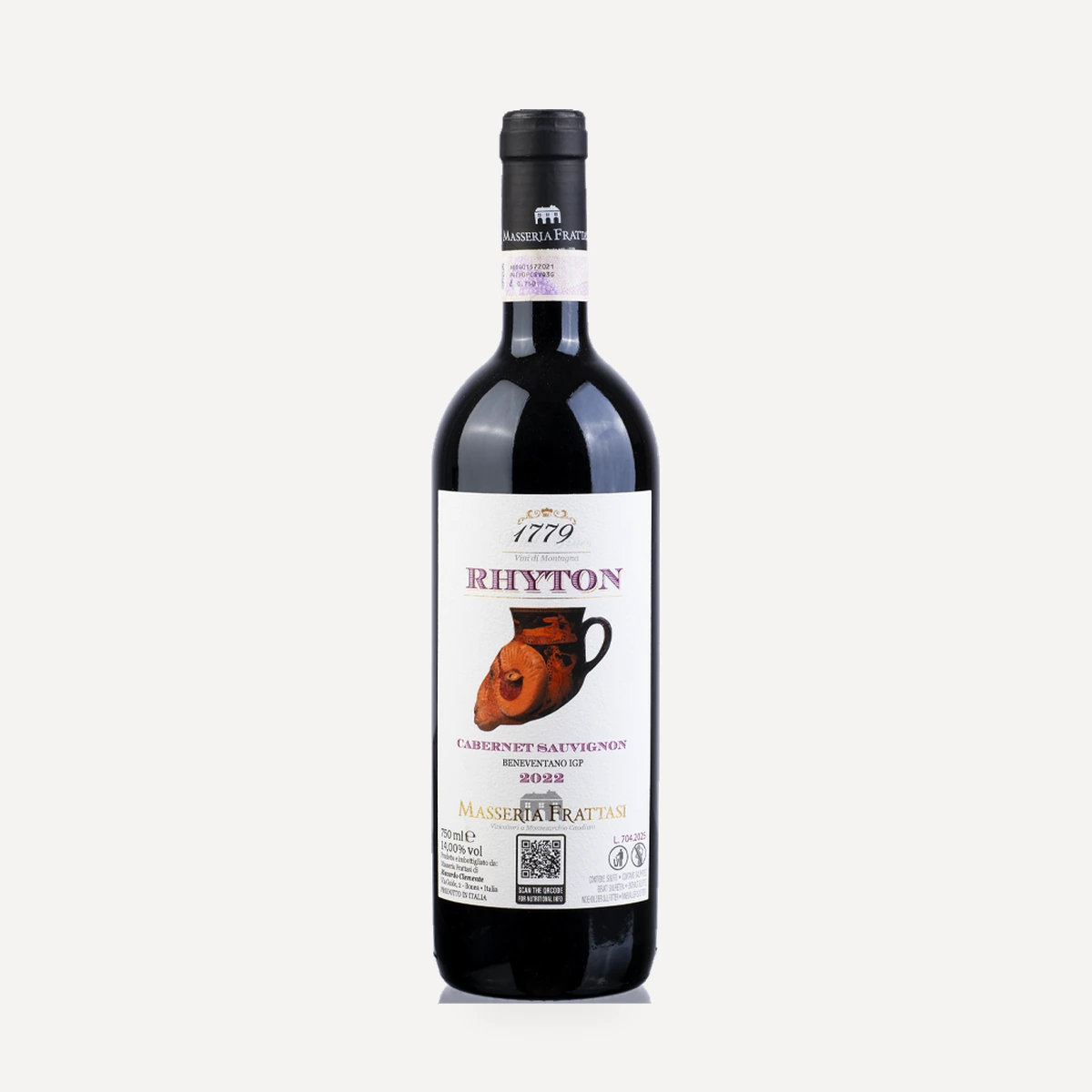
Rhyton
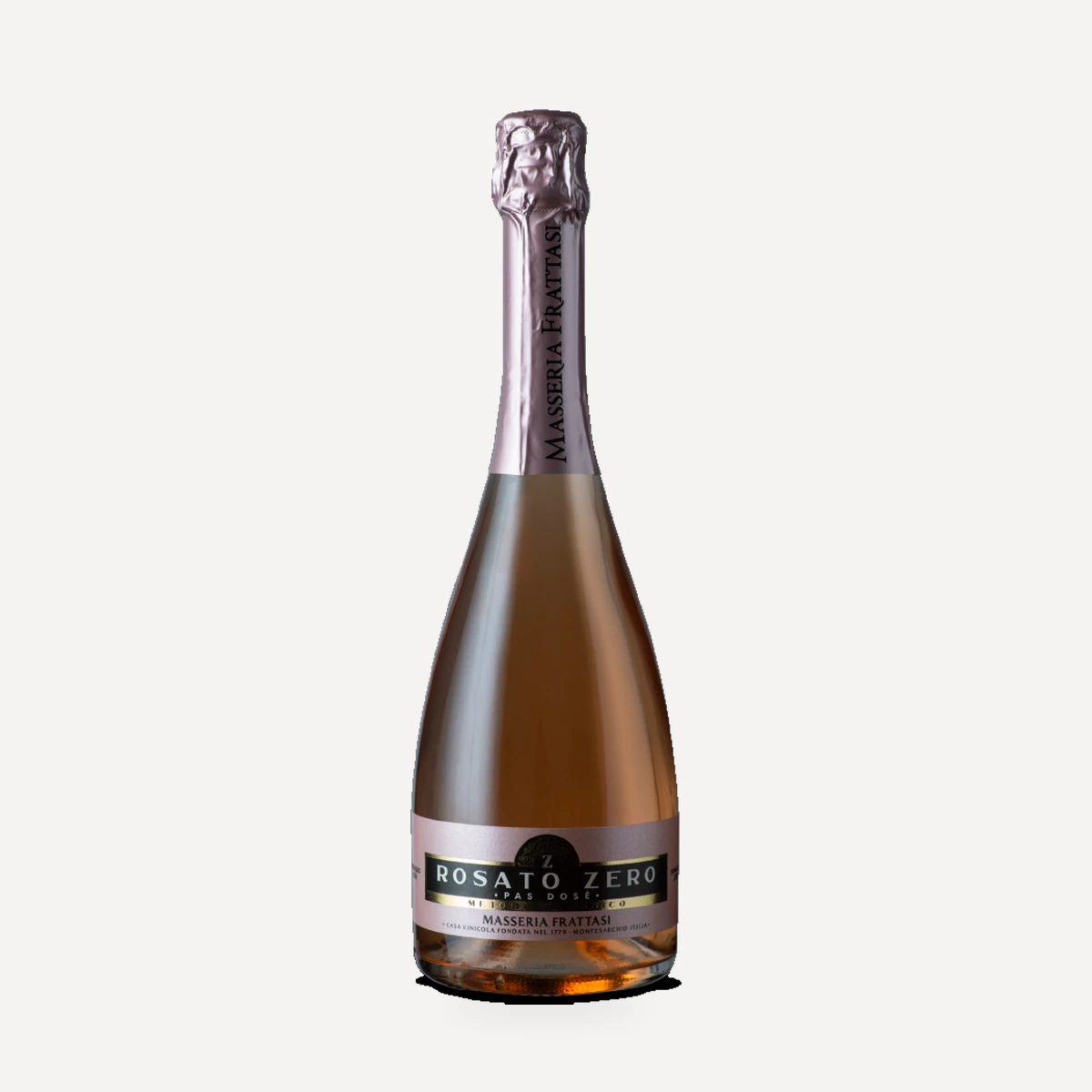
Rosato Zero