Storia
Agricultural roots before the winery
The Talianos were farmers long before the creation of the present estate. In Montà they were known by the local nickname “Re Cit,” meaning “little kings.” Successive generations worked the family’s vineyards and fields, establishing the agricultural background from which the winery emerged.
1930: foundation by Domenico Taliano
Domenico Taliano founded the agricultural estate in 1930. Its vineyards were initially confined to the municipality of Montà, particularly the Bossola, Rolandi and Benna areas of Roero.
Mid-1970s: Michele’s expansion into the Langhe
Under Domenico’s son Michele Taliano, the estate extended its activity beyond Montà in the mid-1970s. The family acquired vineyards and a farmhouse at Montersino, in the Alba hamlet of San Rocco Seno d’Elvio, between Treiso and Barbaresco. This created a second viticultural base in the Barbaresco area alongside the original Roero holdings.
Mid-1990s: Alberto and Ezio renew the estate
A new phase began in the mid-1990s under Michele’s sons. Alberto Taliano initially led the relaunch and was subsequently joined by his brother Ezio Taliano, an oenologist who had accumulated experience through other professional roles. They acquired additional land and vineyards while changing both grape-production methods and approaches to wine maturation.
Winery renovation and hospitality
Continued expansion brought further land and vineyard acquisitions. The winery was completely renovated and enlarged with a new underground section. The present tasting room was completed in 2017, providing a dedicated space for visits and food-and-wine experiences.
2019: photovoltaic energy
A photovoltaic installation entered service in 2019. Since then, the energy used by the winery has been described as 100% green.
The estate today
The third generation represented by Alberto and Ezio continues the family enterprise. Alberto is the owner-winegrower, while Ezio is the owner-oenologist. The estate remains based at Corso Manzoni 24 in Montà and works with vineyards in both Roero and the Barbaresco zone.
Terroir
Two viticultural territories
The estate’s vineyards are divided between Roero, around Montà, and the Barbaresco area at San Rocco Seno d’Elvio in Alba. The latter holdings lie at Montersino, between Treiso and Barbaresco.
Roero
Roero occupies the left bank of the Tanaro. Its hills are marked by steep breaks and large ravines that can reach approximately 200 metres in depth; these exposed formations are known locally as ròche.
The estate’s Roero sites include sandy, calcareous, calcareous-clay, and clay-and-silt soils. The individual vineyard descriptions generally place the vines at approximately 300 metres above sea level, with east-, west-, south- and southwest-facing exposures represented across the holdings.
The oldest vineyard has a natural amphitheatre formation. Its shape provides favourable solar exposure and more even grape ripening by creating a distinct microclimate, sheltering the vines from cold air currents and reflecting sunlight from the surrounding slopes.
Montersino and the Barbaresco area
The Montersino vineyards are in San Rocco Seno d’Elvio, an Alba hamlet situated between Treiso and Barbaresco. The described Bric Montersino sites stand at approximately 300 metres, have calcareous soils and predominantly southern exposure. The best-exposed positions are used for Nebbiolo, allowing the fruit to complete its ripening into the autumn. Barbera and Dolcetto are also associated with Bric Montersino.
Regional setting
The estate presents the Langhe as a hilly territory extending through the provinces of Cuneo, Asti and Alessandria, where differing hills and exposures create varied microclimates. The Langhe have formed part of the UNESCO World Heritage landscape since 2014.
Vinificazione
The vineyard work follows a stated commitment to environmentally respectful agriculture and the cultivation of native varieties. The family combines inherited practices with continuing research into techniques and technologies intended to improve quality while preserving the integrity of the land.
The described vineyards are trained to Guyot at a density of 4,000 vines per hectare. Wine yields vary by site and selection: approximately 70 hl/ha for several Favorita, Arneis, Barbera, Nebbiolo, Bragat Rosa and Moscato plots; 63 hl/ha for Dolcetto; and 56 hl/ha for selected Nebbiolo sites used for Roero, Barbaresco and Barolo-level production.
Harvest timing follows variety and site. Moscato reaches maturity at the beginning of September. Favorita, Arneis, Dolcetto and Bragat Rosa are generally harvested during the first half or around the middle of September. Barbera and Nebbiolo are harvested in October, with the best-exposed Nebbiolo positions reaching full maturity later in the autumn. Selected Arneis from Linfreì and Passamurin undergoes careful grape selection.
The cellar was completely renovated and enlarged with a new underground section. Its production methods combine temperature-controlled stainless steel with wooden maturation, including French-oak barriques, according to grape variety and intended style.
White musts are fermented in stainless-steel tanks under controlled temperatures. Some remain on their lees for several months before bottling. Red wines undergo traditional fermentation with skin maceration in stainless steel; maceration length varies according to the character of the grapes and the degree of extraction sought. Wood and stainless steel may both be used for maturation, while selected structured wines mature in barriques. Malolactic fermentation for some cellar-aged reds takes place in barrique.
Rosé production includes a short 24–36-hour skin maceration followed by fermentation at 18–20°C and maturation in stainless steel on the lees. Aromatic sweet production uses controlled-temperature fermentation arrested by rapid cooling to retain residual sugar and aroma. Bragat Rosa receives 36–48 hours of cold maceration before fermentation, which is stopped by refrigeration while the wine remains sweet. Moscato grapes are pressed, the must is clarified and fermented at 16–18°C, with fermentation halted through cooling.
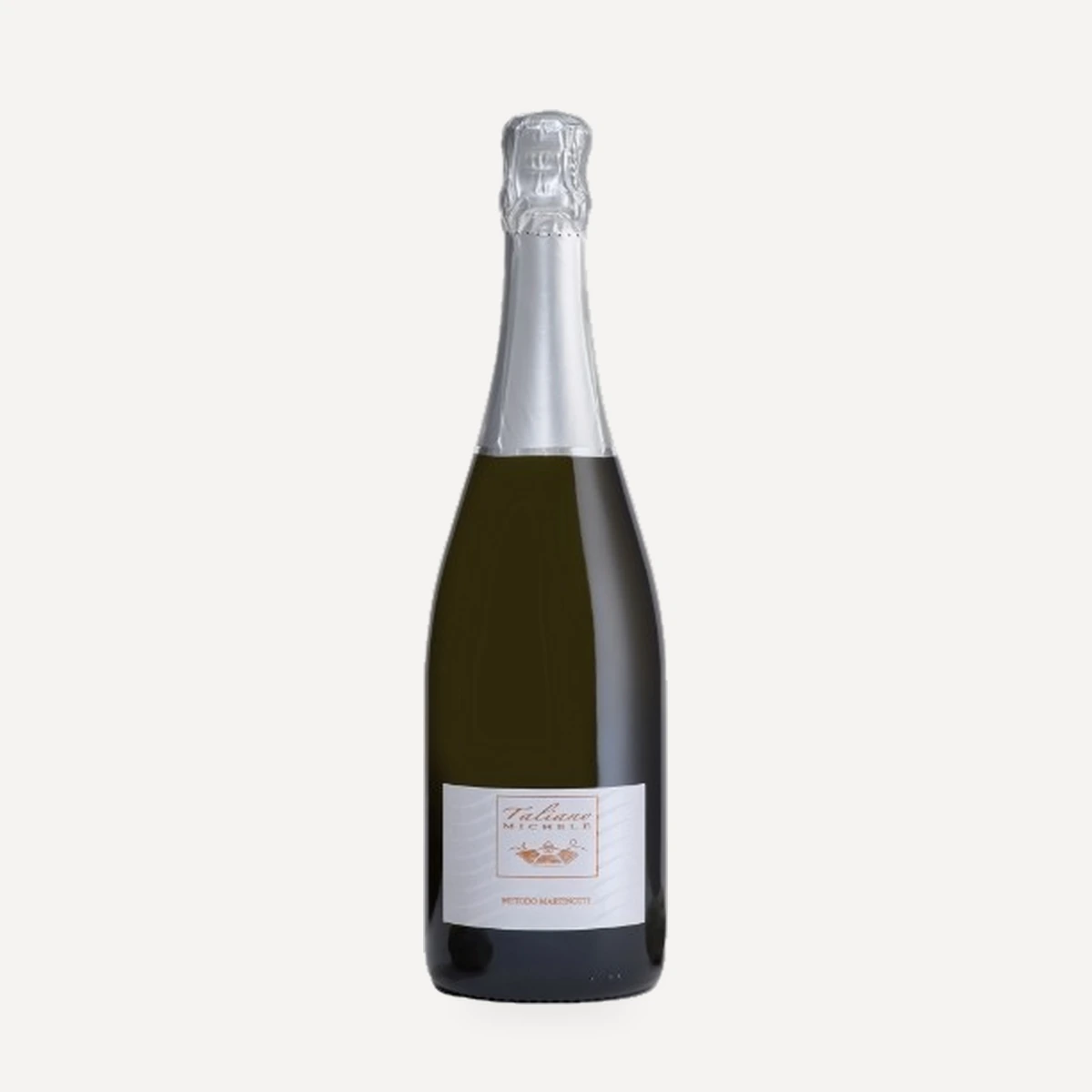
Sparkling wine is made by the Martinotti method. The base wine undergoes secondary fermentation in temperature-controlled, pressure-resistant stainless-steel autoclaves. Extended Martinotti production can keep the wine in contact with its yeasts for several months after prise de mousse.
Depending on the cuvée, bottle maturation ranges from approximately one month for youthful aromatic wines to six or twelve months for more structured selections. Since 2019, the winery’s operating energy has been supplied through its photovoltaic installation and described as 100% green.
Filosofia
The family’s stated objective is to make high-quality wines that communicate their territory while respecting the environment and the people who live there. Tradition is understood as knowledge handed down between generations rather than as a rejection of change.
Native grape varieties occupy a central place in this approach, with attention directed toward preserving and expressing their characteristic flavours and aromas. Sustainable viticulture is presented as an operating principle, supported by environmentally considerate agricultural practices.
The estate also pursues new techniques and technologies when they can improve wine quality without compromising the integrity of the land. Its philosophy therefore connects family continuity and local varieties with technical renewal, as reflected in the changes introduced by Alberto and Ezio from the mid-1990s onward and in the subsequent modernization of the cellar.
Vini
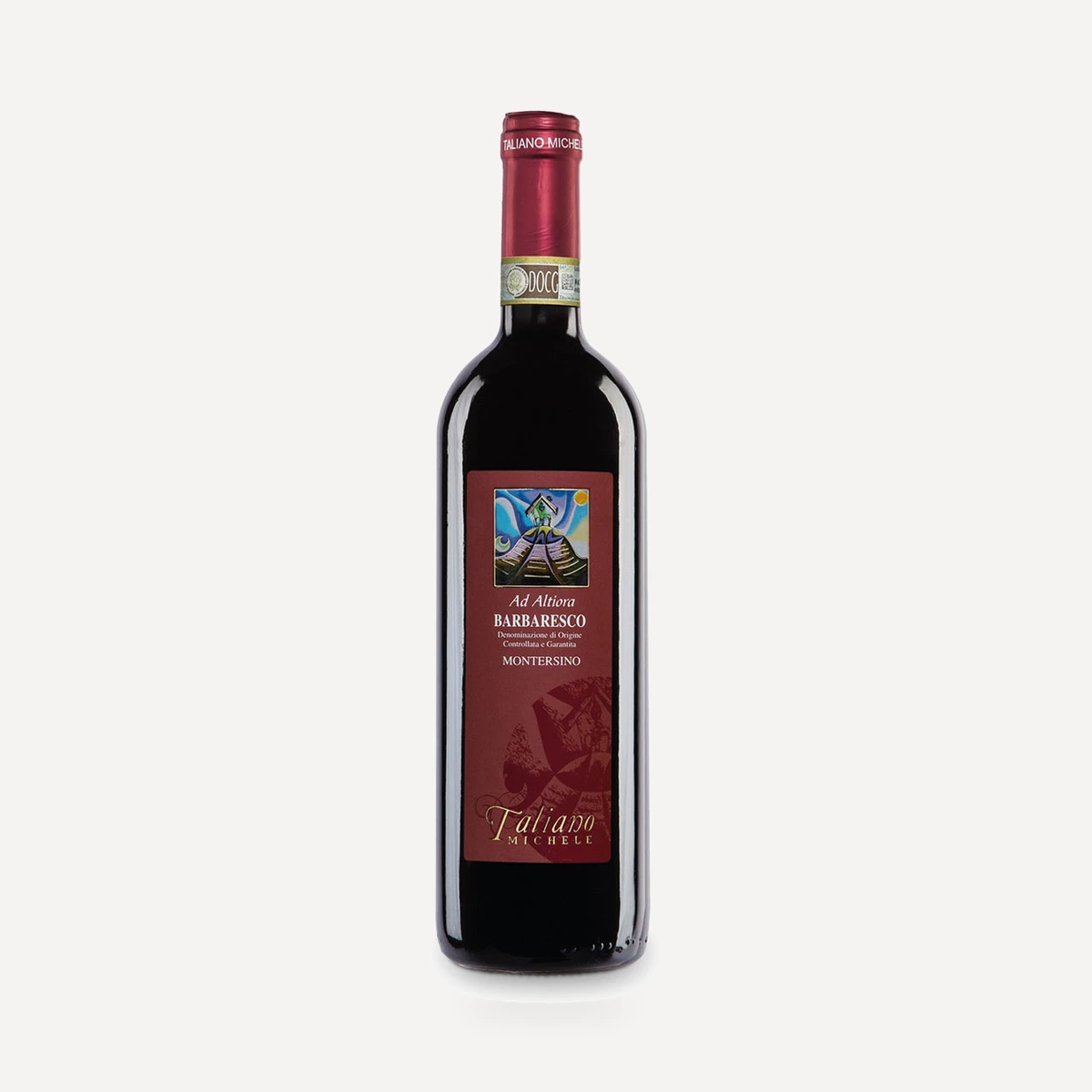
Barbaresco DOCG Montersino Ad Altiora
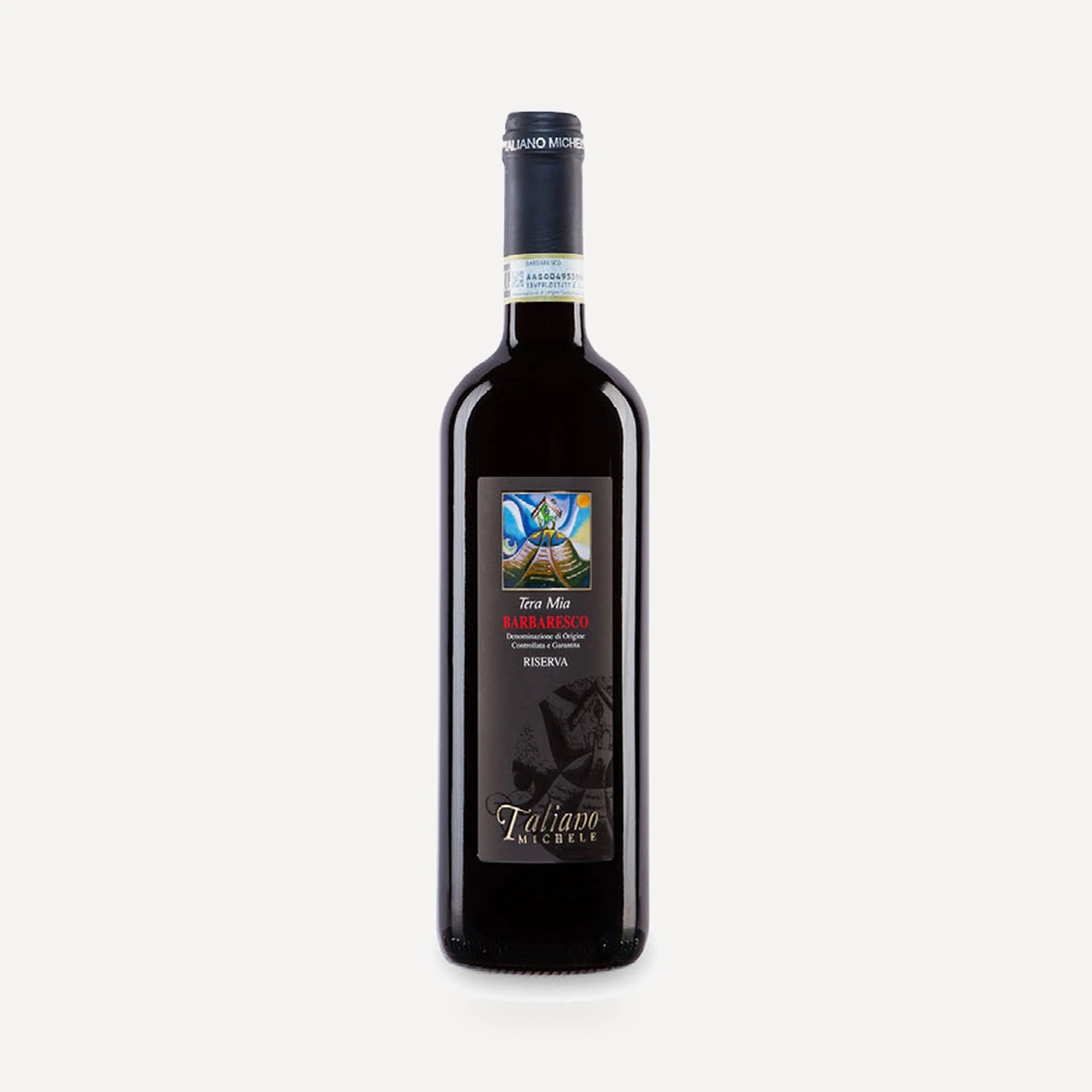
Barbaresco DOCG Montersino Riserva Tera Mia
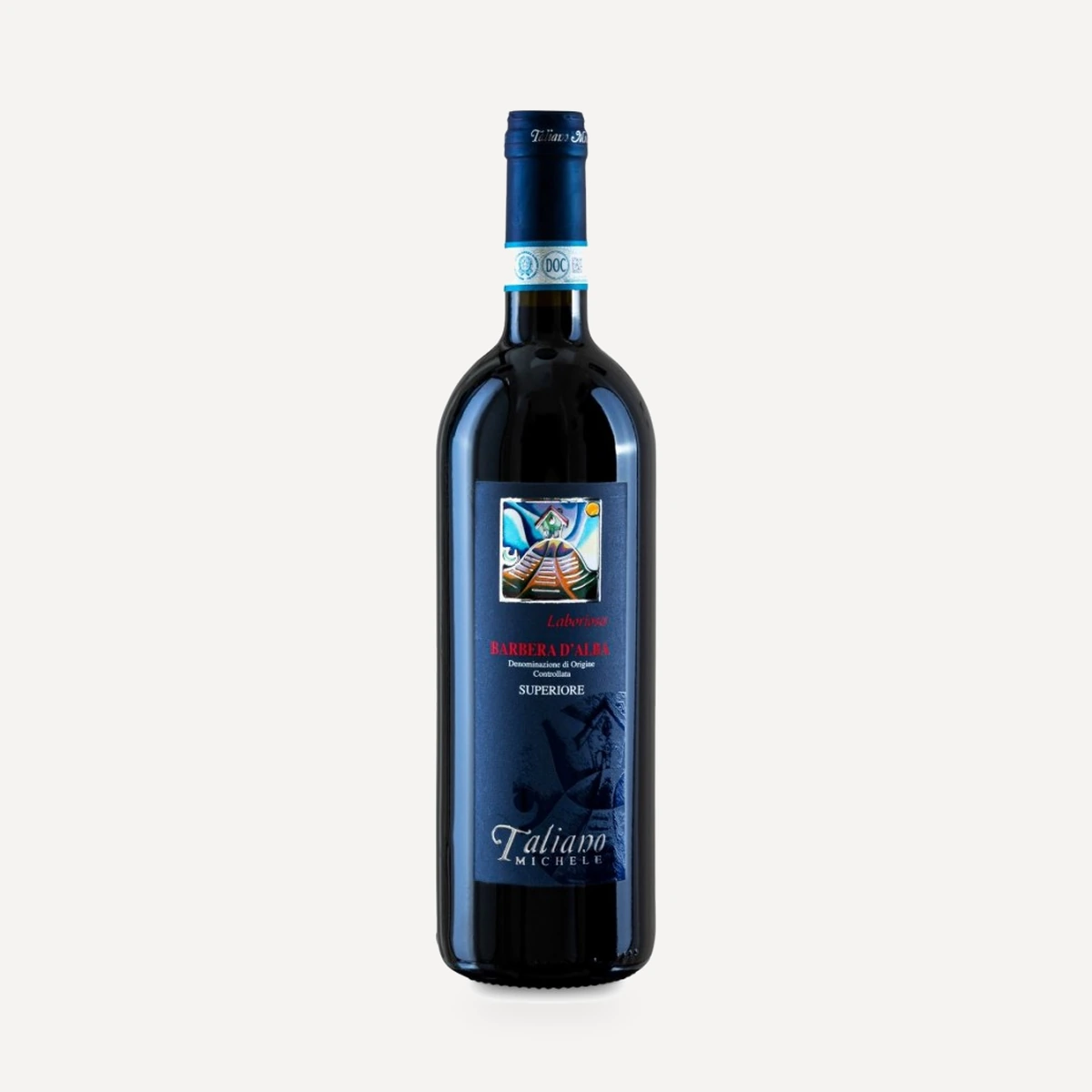
Barbera d’Alba DOC Superiore Laboriosa
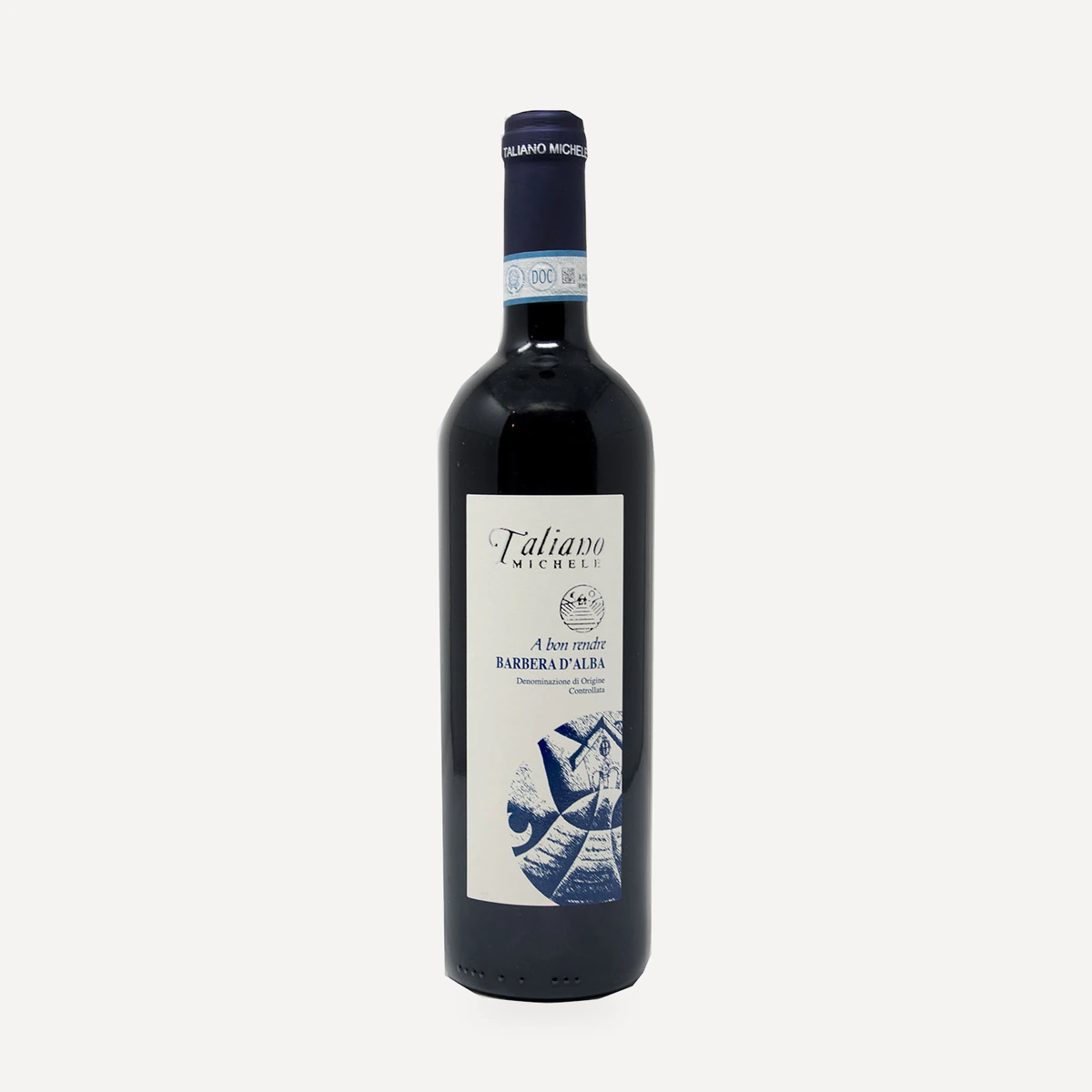
Barbera d’Alba DOC À bon rendre
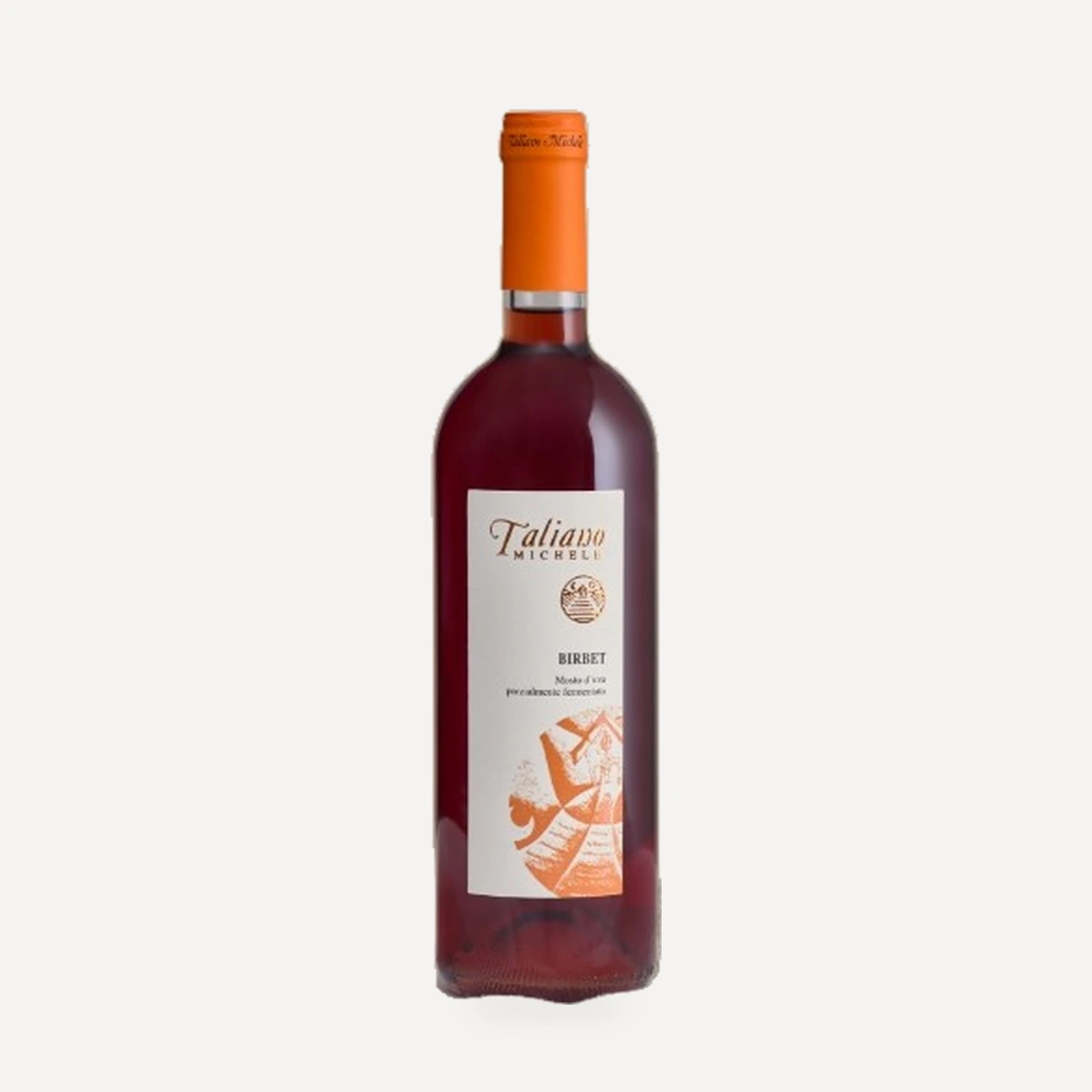
Birbet Mosto Parzialmente Fermentato
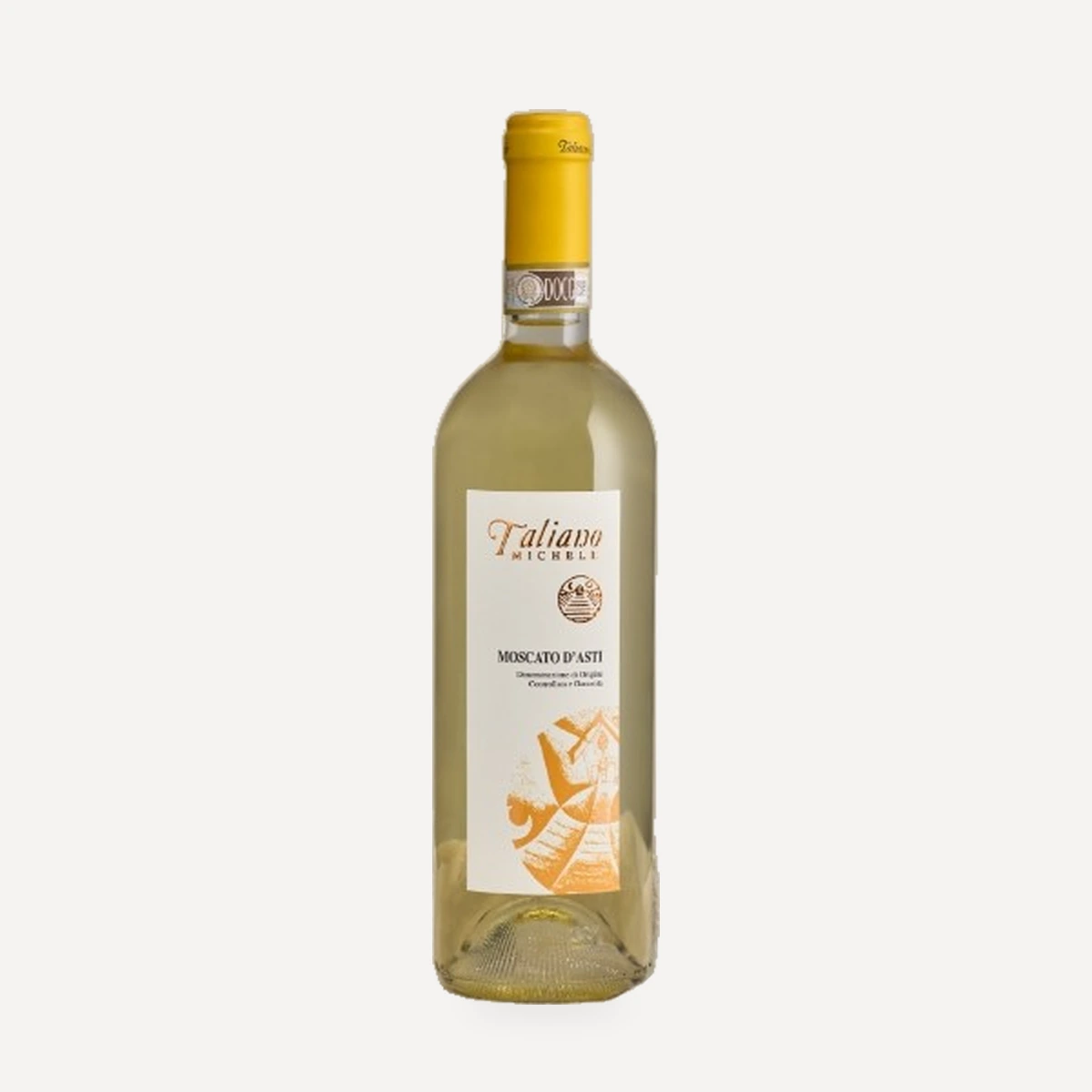
Moscato d’Asti DOCG