Storia
1976 — La Bottega del Vino
Giorgio Mariotti founded La Bottega del Vino, an analysis and consultancy business. Through this work he recognized the distinctive character of wines made from the sandy, ungrafted vineyards of Bosco Eliceo.
1989 — The Bosco Eliceo DOC
Giorgio Mariotti became one of the promoters of the denomination that obtained DOC status in 1989. The initiative grew from his work with the coastal vineyards and his appreciation of their sandy soils and ungrafted vines.
1998 — Direct vinification
The family began vinifying grapes directly from selected vineyards considered especially suitable for winegrowing. These included Fondo Luogaccio at San Giuseppe di Comacchio, an established area for the indigenous Fortana grape, locally called Uva d’Oro.
2009 — Mirco and Barbara Mariotti
Agronomic management of the farm passed to Mirco Mariotti. After studying oenology at the Università Cattolica del Sacro Cuore in Piacenza, he joined his sister Barbara Mariotti in the family business.
2012 — Duna della Puia
In July 2012, Fondo Luogaccio was entered in the Emilia-Romagna regional register of vineyard mentions as Duna della Puia, an old place-name for the area. The vineyard lies within the Duna di San Giuseppe Natura 2000 site. It is now recognized by the Emilia-Romagna Region as a historic vineyard.
2023 — Francs de Pied
The estate was invited to join the international Francs de Pied association, founded in Bordeaux in 2021 to safeguard European ungrafted viticulture and pursue its recognition as UNESCO intangible cultural heritage.
Alongside the wine estate, the family created Terroir Ferrara, a project intended to enhance and promote winegrowing in the Ferrara area.
Terroir
The estate’s central winegrowing context is Bosco Eliceo, the Adriatic coastal strip extending from the Po mouth at Goro to the mouth of the Reno along the Romea road. The same coastal winegrowing tradition historically continued south to present-day Cervia in the province of Ravenna.
Coastal vineyards occupy sandy rises among holm-oak woods. The vines traditionally grow low, with yields of approximately 2–4 kg per plant. The sandy setting allowed vines to survive the phylloxera crisis ungrafted.
The environment is particularly humid. Brackish air and soils and the moderating influence of the Adriatic Sea shape the local growing conditions. Duna della Puia, at San Giuseppe di Comacchio in the Po Delta Park, is approximately 500 m from the beach and lies within the protected Duna di San Giuseppe Natura 2000 area.
The estate also works with sites elsewhere in Ferrara province. Fondo La Cicogna at Bando is characterized by alluvial plain soil, while a Friulano site at Montesanto is described as sandy and close to the beach.
Vinificazione
Bosco Eliceo’s coastal vineyards are traditionally low-growing and planted on sandy rises among holm-oak woods, with production of approximately 2–4 kg per vine. The sandy environment preserved ungrafted vines through the phylloxera crisis.
At Duna della Puia, vines are trained in Guyot rows. Harvesting is manual: white varieties are generally collected in September, while Fortana is picked later, during the first part of October. Grapes intended for the estate’s sweet wine are hand-picked into crates before air-drying.
The estate participates in AMBIRE, a biodiversity project involving 11 farms in strategic Natura 2000 locations. The program runs from 1 October 2024 to 1 October 2027 and monitors soil health, biodiversity, grasslands and pastures. It is intended to identify sustainable practices, develop measurable environmental indicators, improve the conservation of protected agricultural landscapes and test criteria for use of the Natura 2000 brand on agricultural products.
The estate works with several expressions of the Emilia sparkling-wine tradition: ancestral or family-style refermentation in bottle, traditional-method sparkling wine and the Martinotti–Charmat method. Still and sweet wines are also produced.
Across the range, base wines may ferment spontaneously for approximately two weeks and remain in cement tanks. White grapes may be destemmed and crushed or gently pressed; low-temperature fermentation is used for aromatic whites, while some wines undergo several months of lees stirring in cement. Red Fortana may macerate on its skins for around ten days, while shorter skin contact of approximately 24–36 hours is used for a paler bottle-refermented expression.
For undisgorged bottle-refermented wines, the second fermentation takes place in bottle with selected yeasts and the lees remain in the finished wine. Other sparkling wines undergo a traditional second fermentation in bottle followed by maturation before disgorgement; zero-dosage examples are topped up with the same wine. Martinotti–Charmat wines complete a long second fermentation in autoclave.
The sweet-wine process includes air-drying grapes in crates for about 60 days, destemming, pneumatic pressing and a slow fermentation at cellar temperature until it stops naturally. The wine is held in cement, periodically racked and matured in tank for five years before bottling.
Filosofia
The family’s objective is to make local wines within the tradition of Emilia. Particular emphasis is placed on ancestral refermentation in bottle, valued for giving sparkling wines greater depth and capacity to evolve than the family believes other production methods can achieve.
The approach is closely tied to the recovery and promotion of Ferrara’s winegrowing identity: indigenous Fortana, sandy coastal soils, ungrafted vines and historic local place-names. This commitment also underpins the Terroir Ferrara project and participation in the Francs de Pied association.
Environmental work is linked to the protected landscape of Duna di San Giuseppe through AMBIRE, whose aims include monitoring biodiversity and soil health, identifying sustainable agricultural practices and building a community of farmers acting as custodians of biodiversity.
Vini
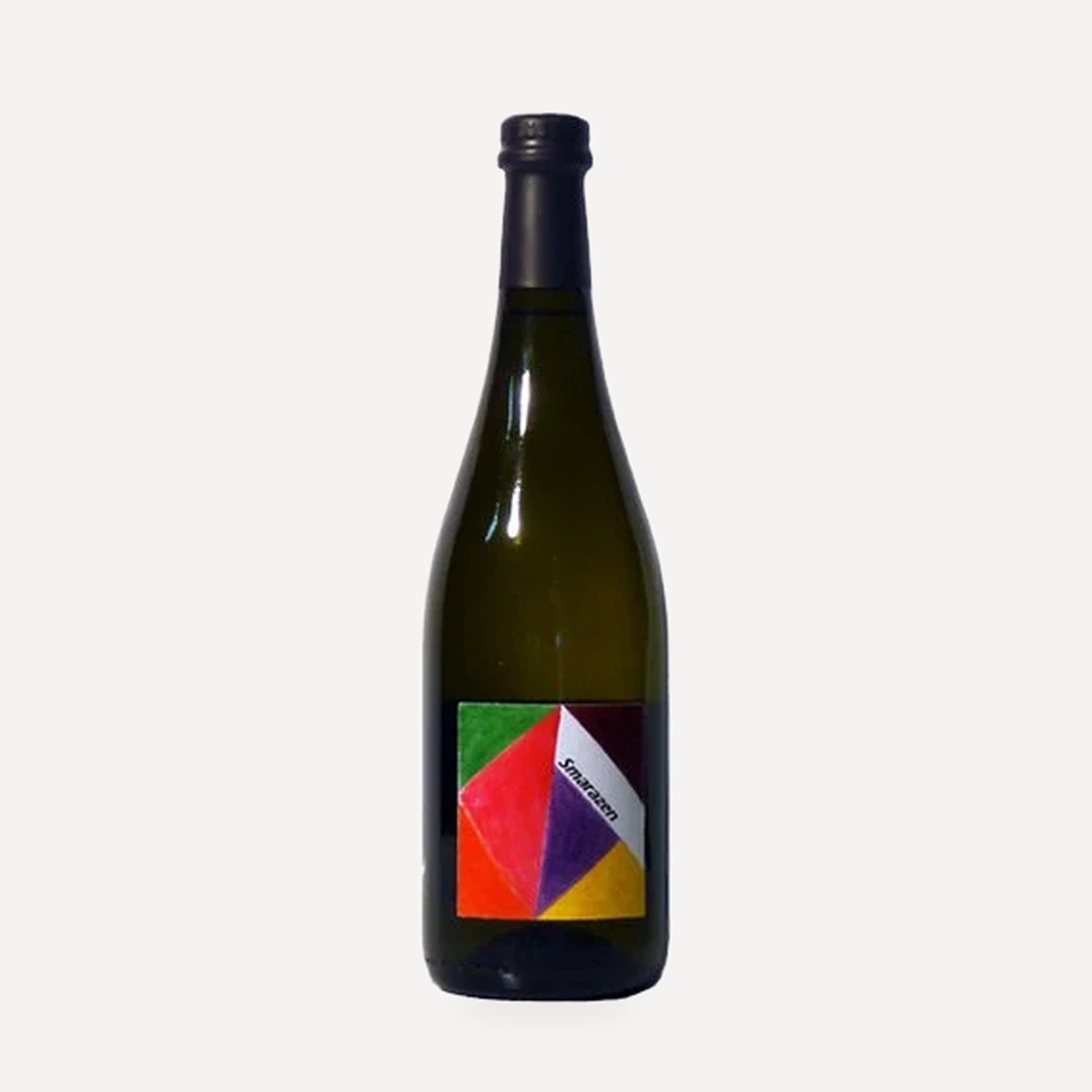
Bianco dell’Emilia IGP frizzante “Smarazen”
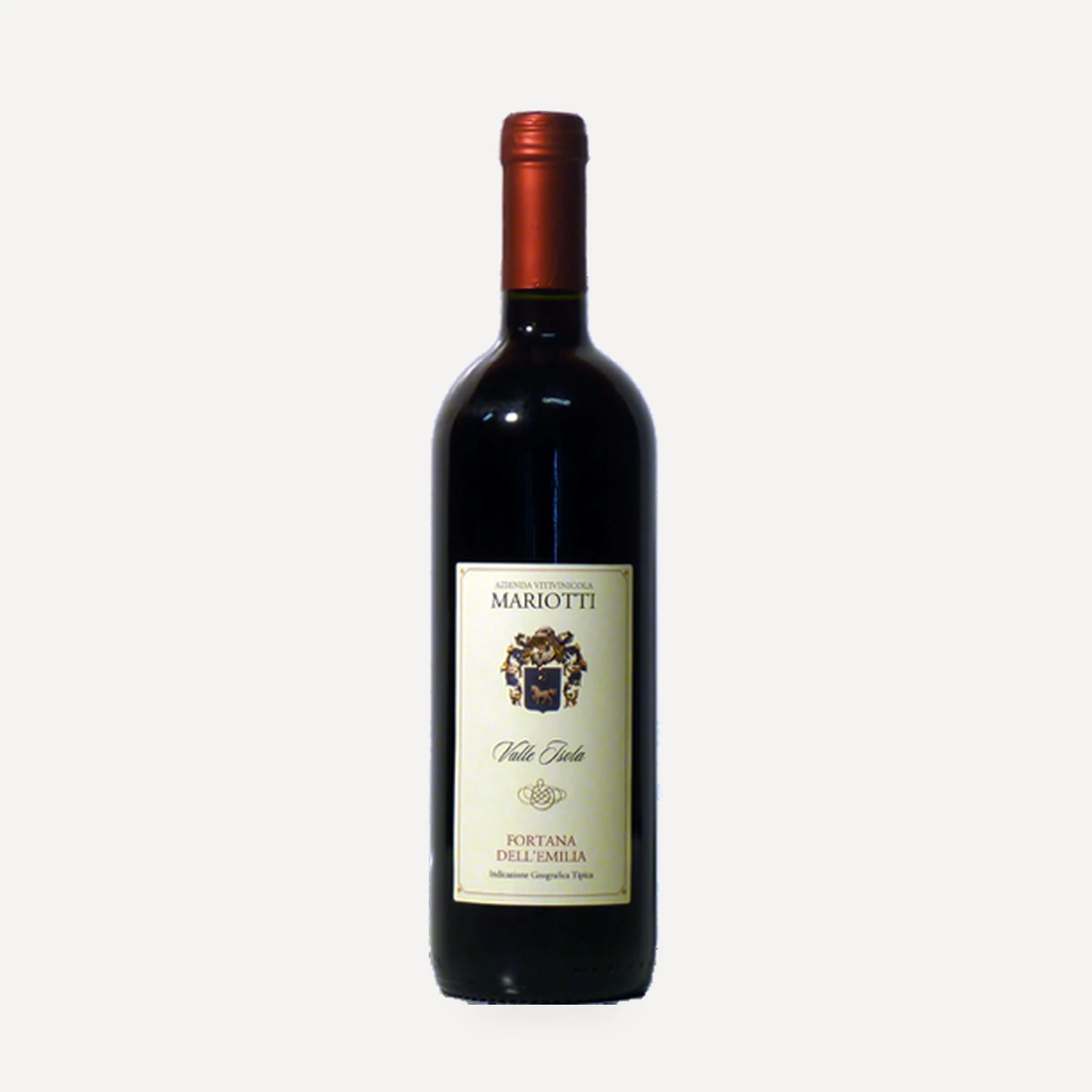
Fortana dell’Emilia IGP fermo “Valle Isola”
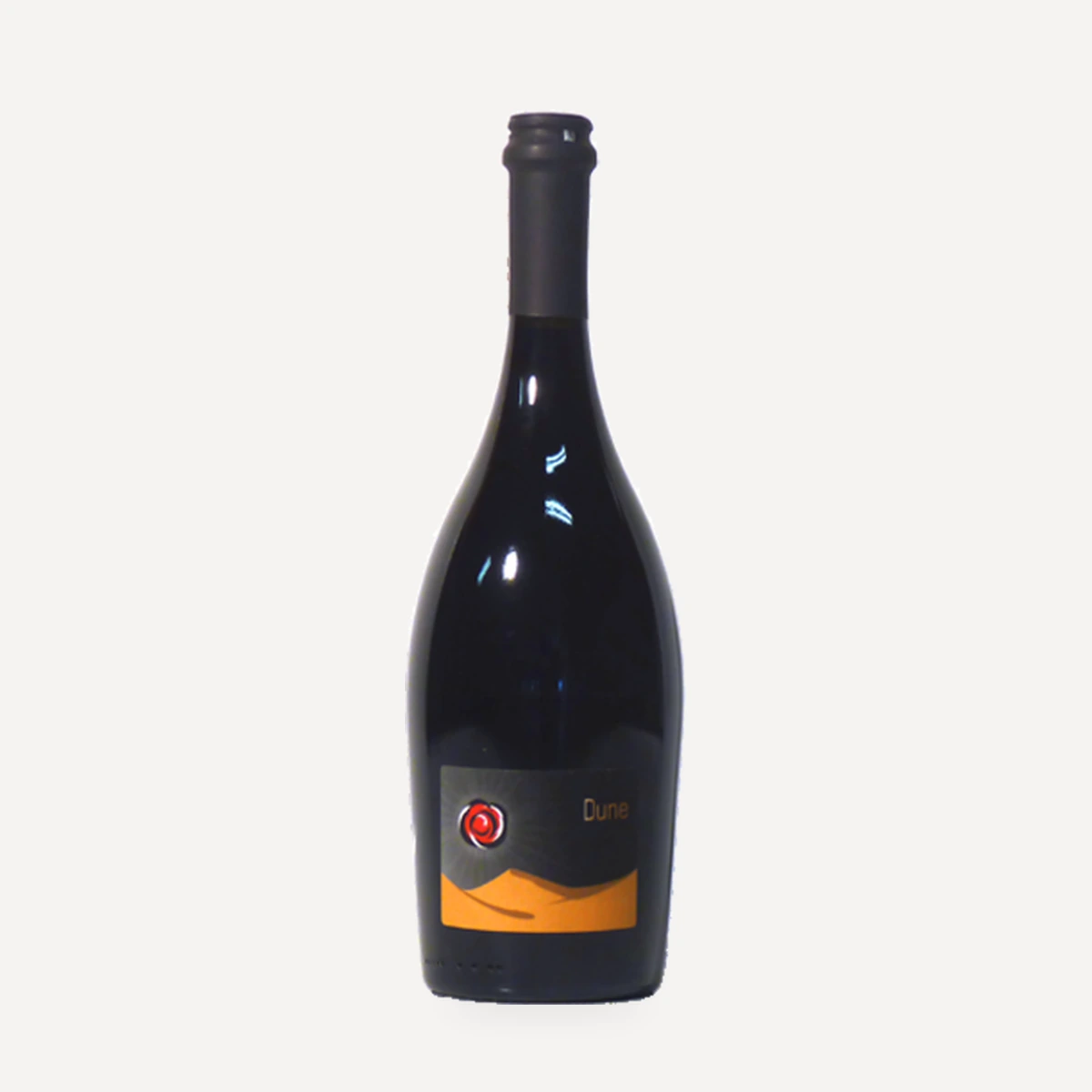
Fortana dell’Emilia IGP frizzante “Dune”
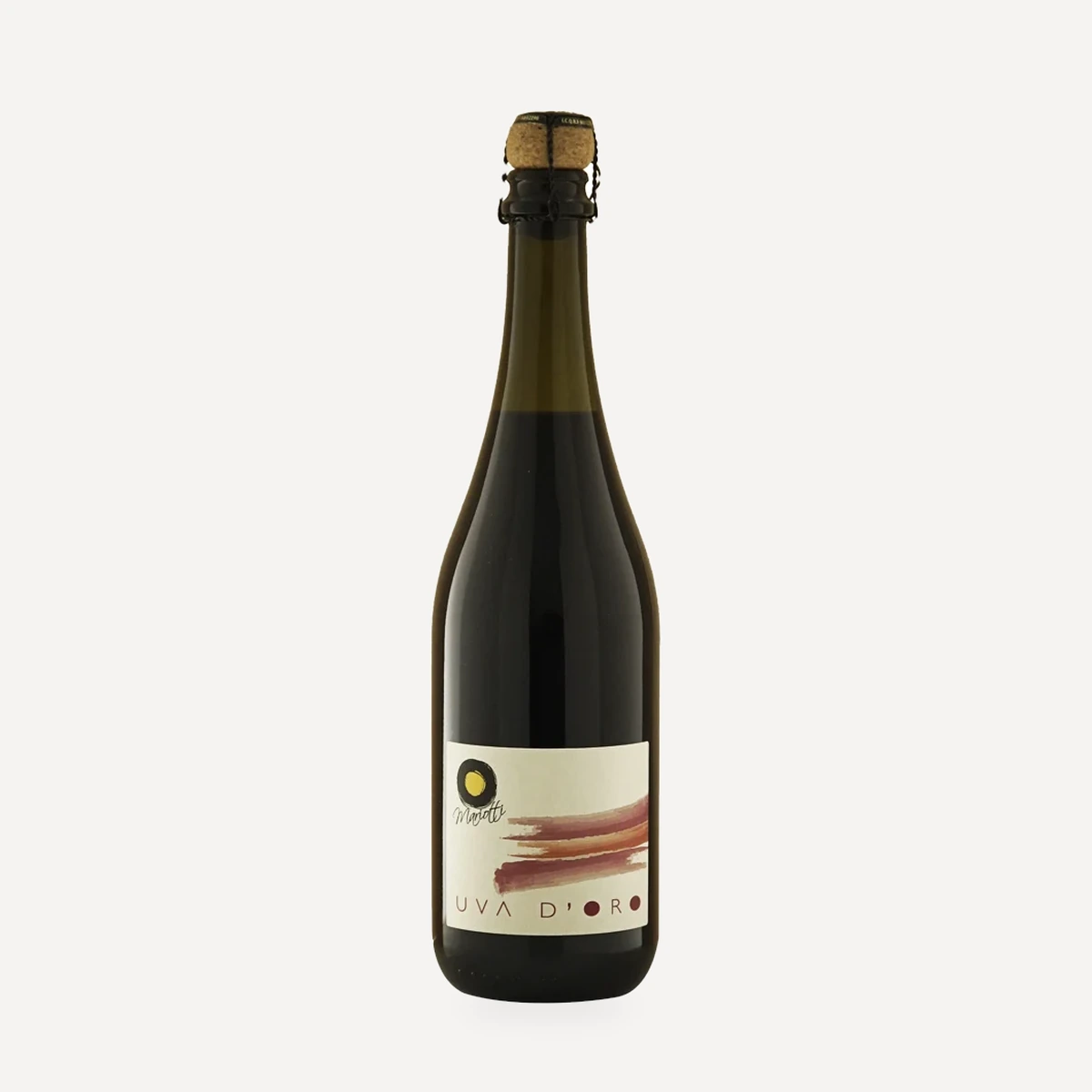
Fortana dell’Emilia IGP frizzante “Uva d’Oro”
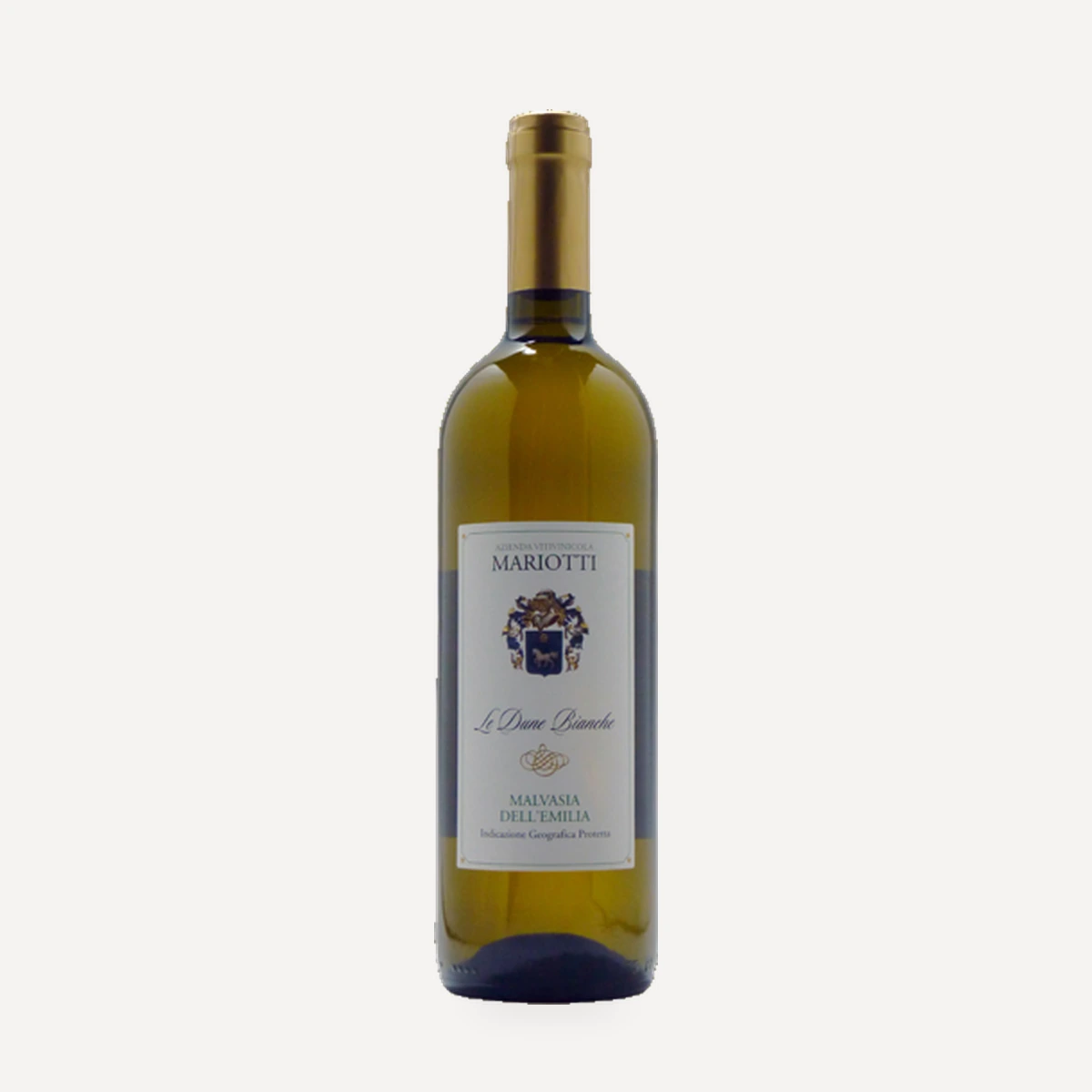
Malvasia dell’Emilia IGP fermo “Le Dune Bianche”
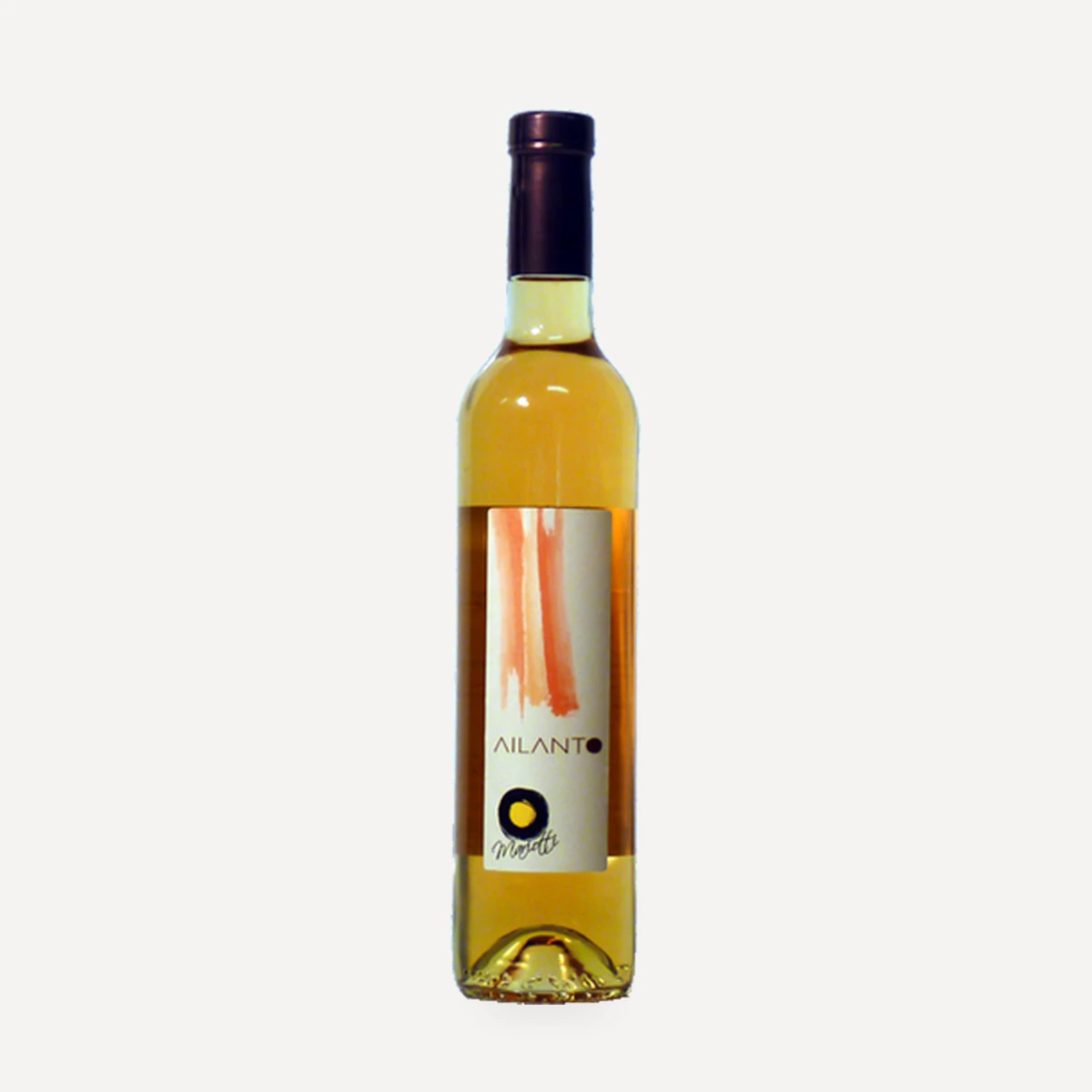
Vino da Uve stramature Bianco “Ailanto”
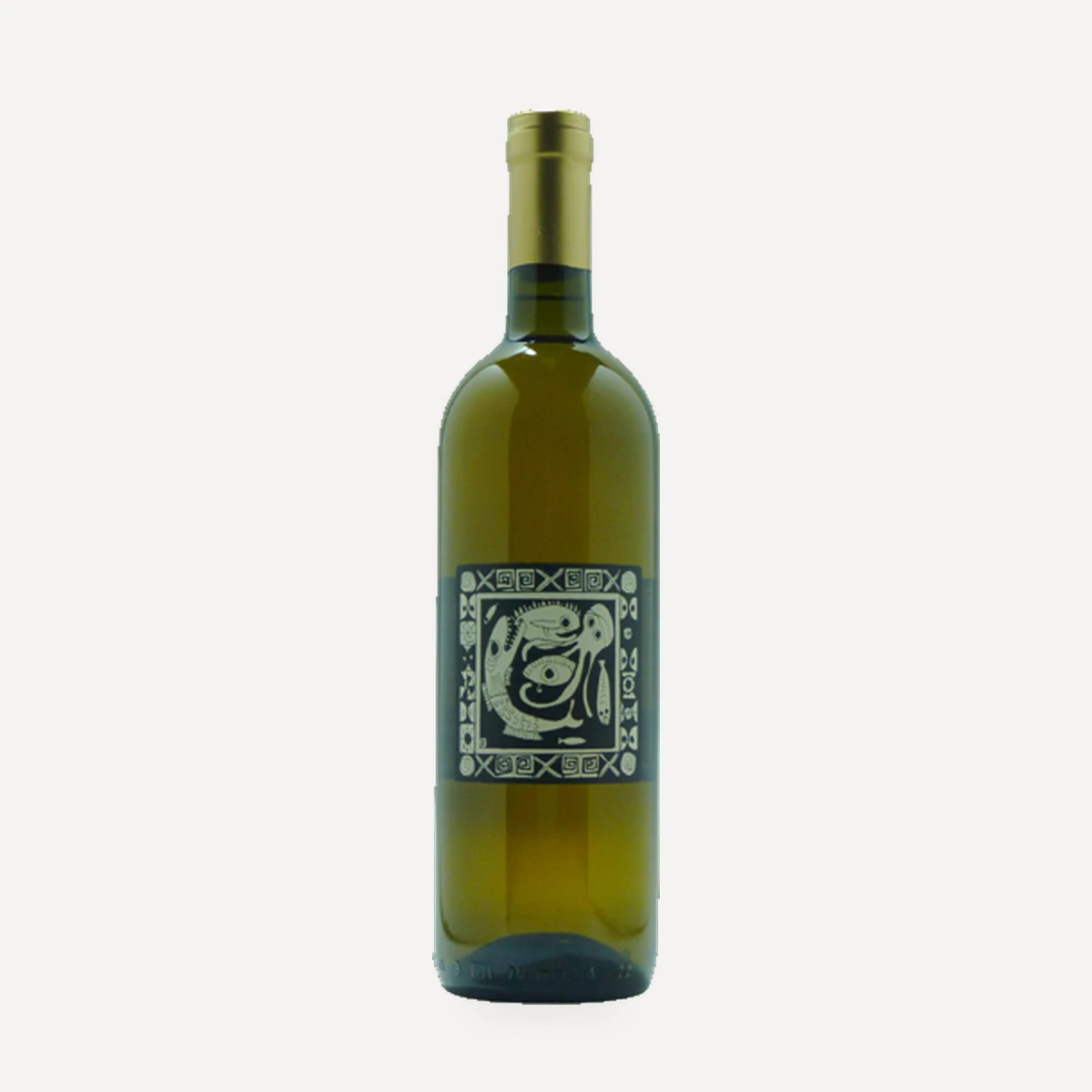
Argo
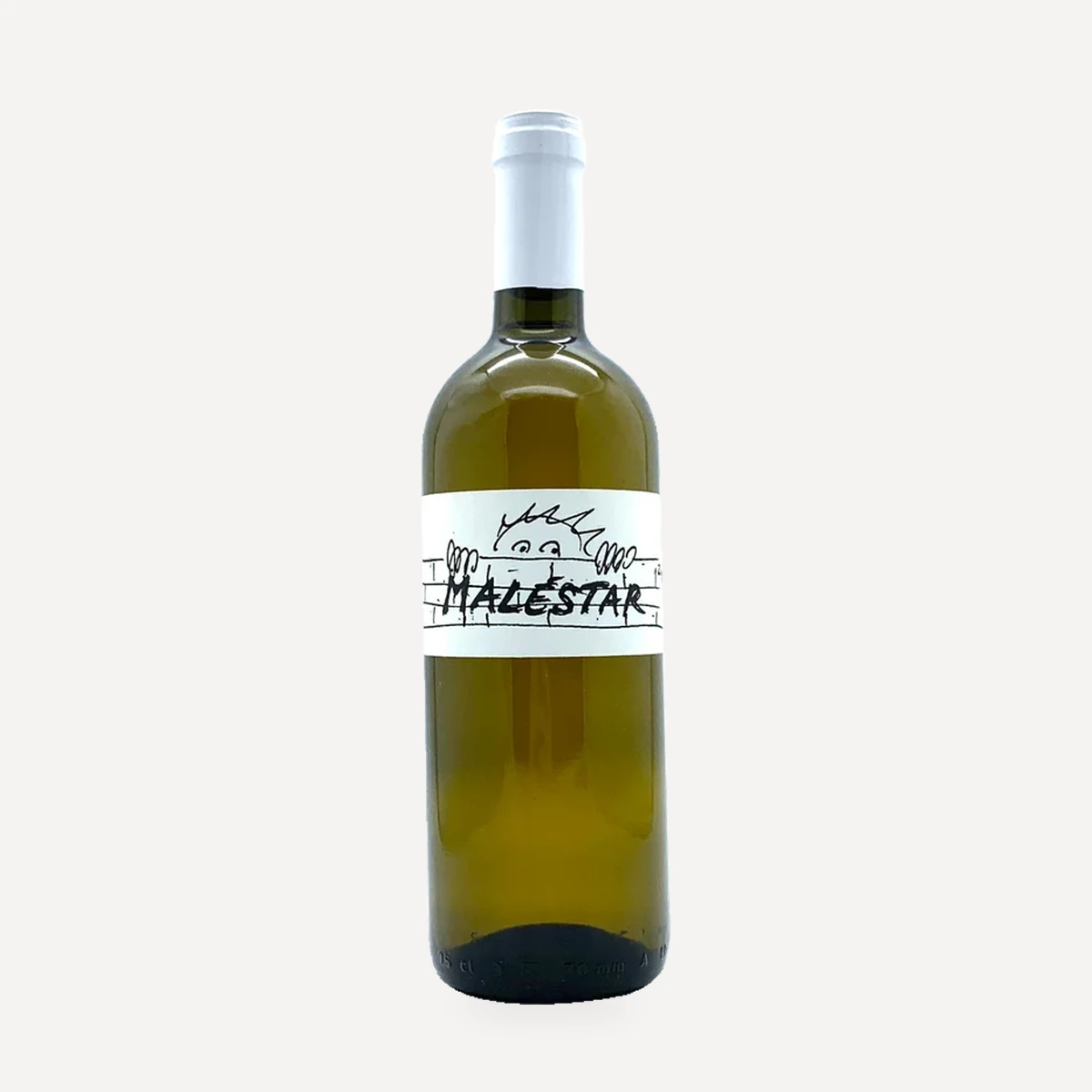
Malèstar
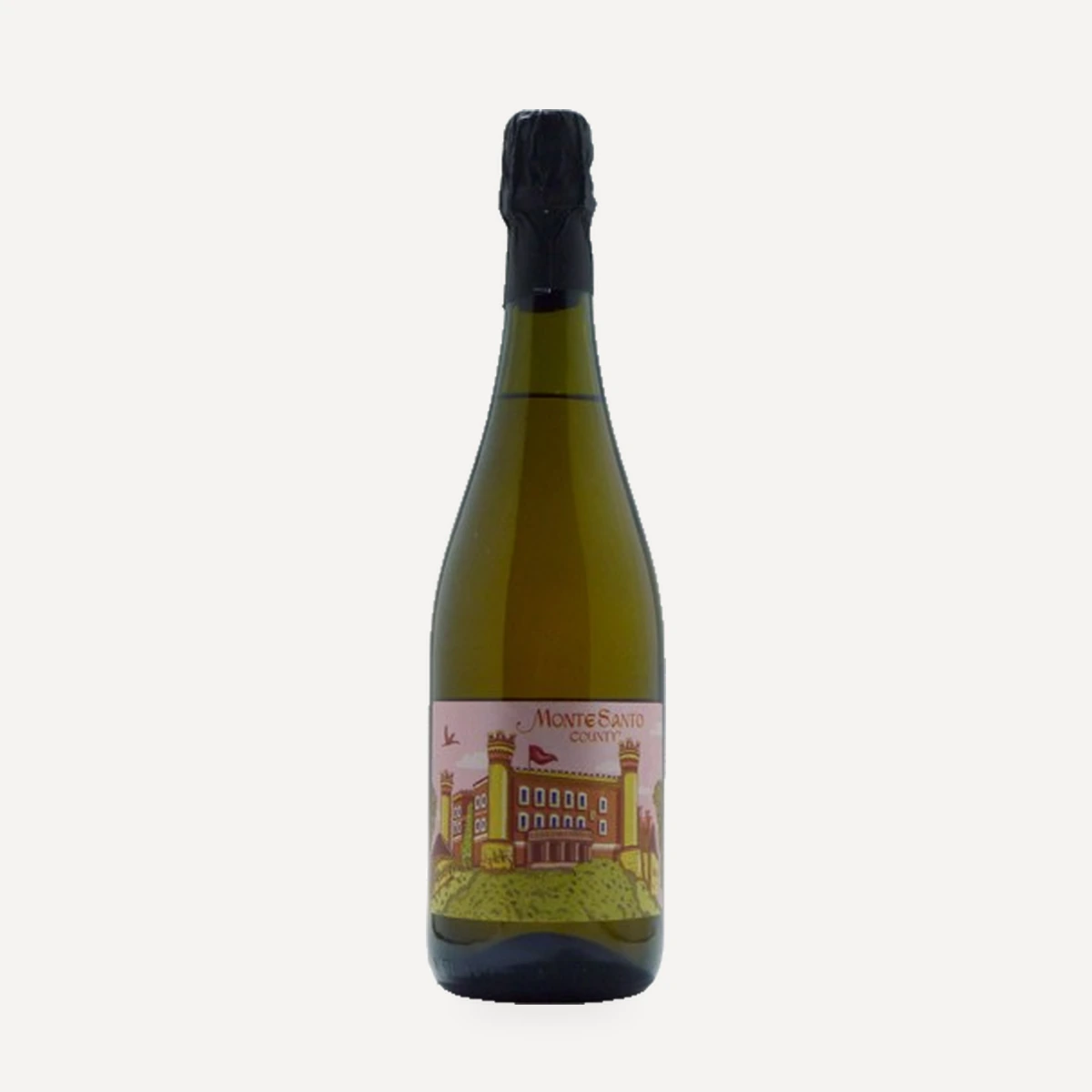
MonteSanto County
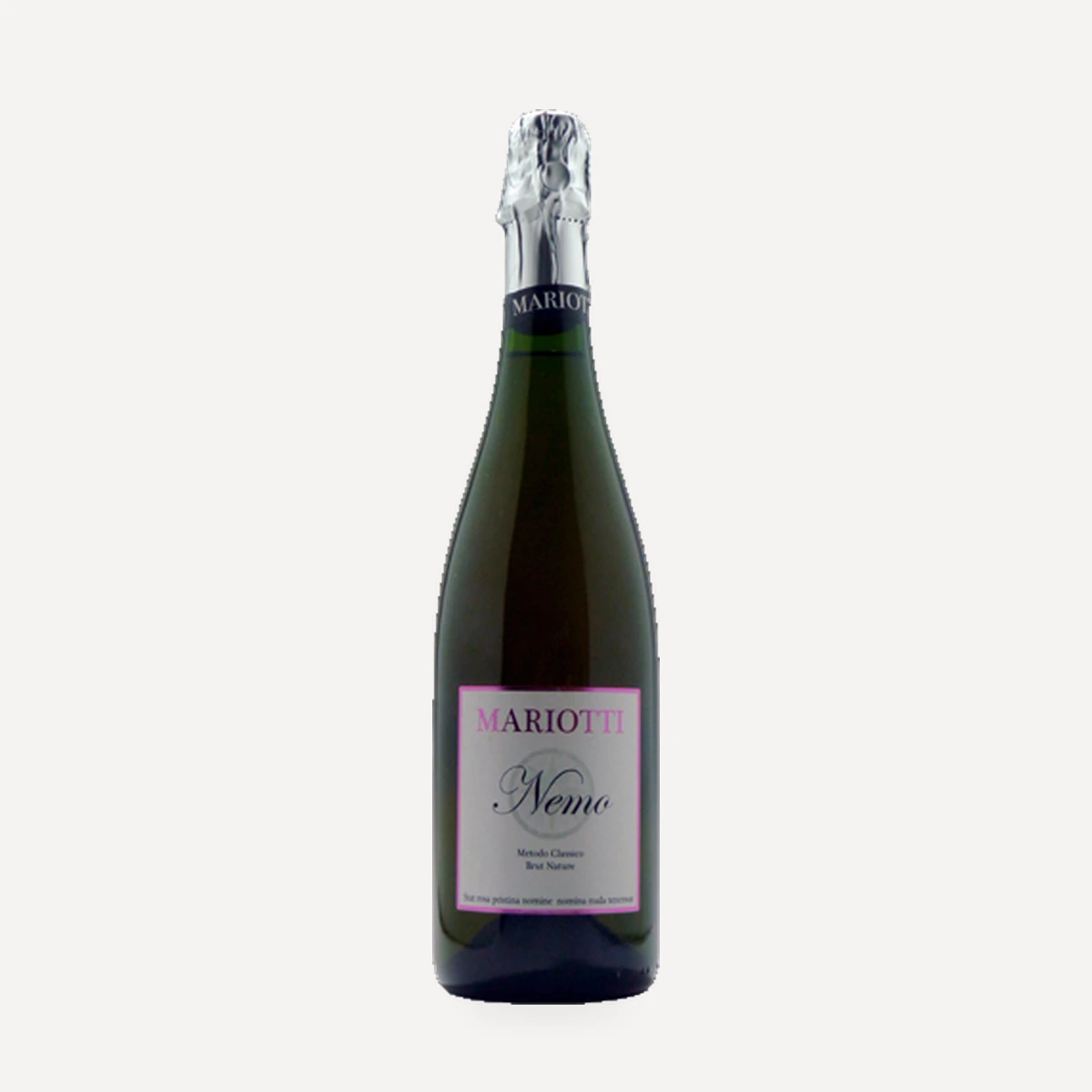
Nemo
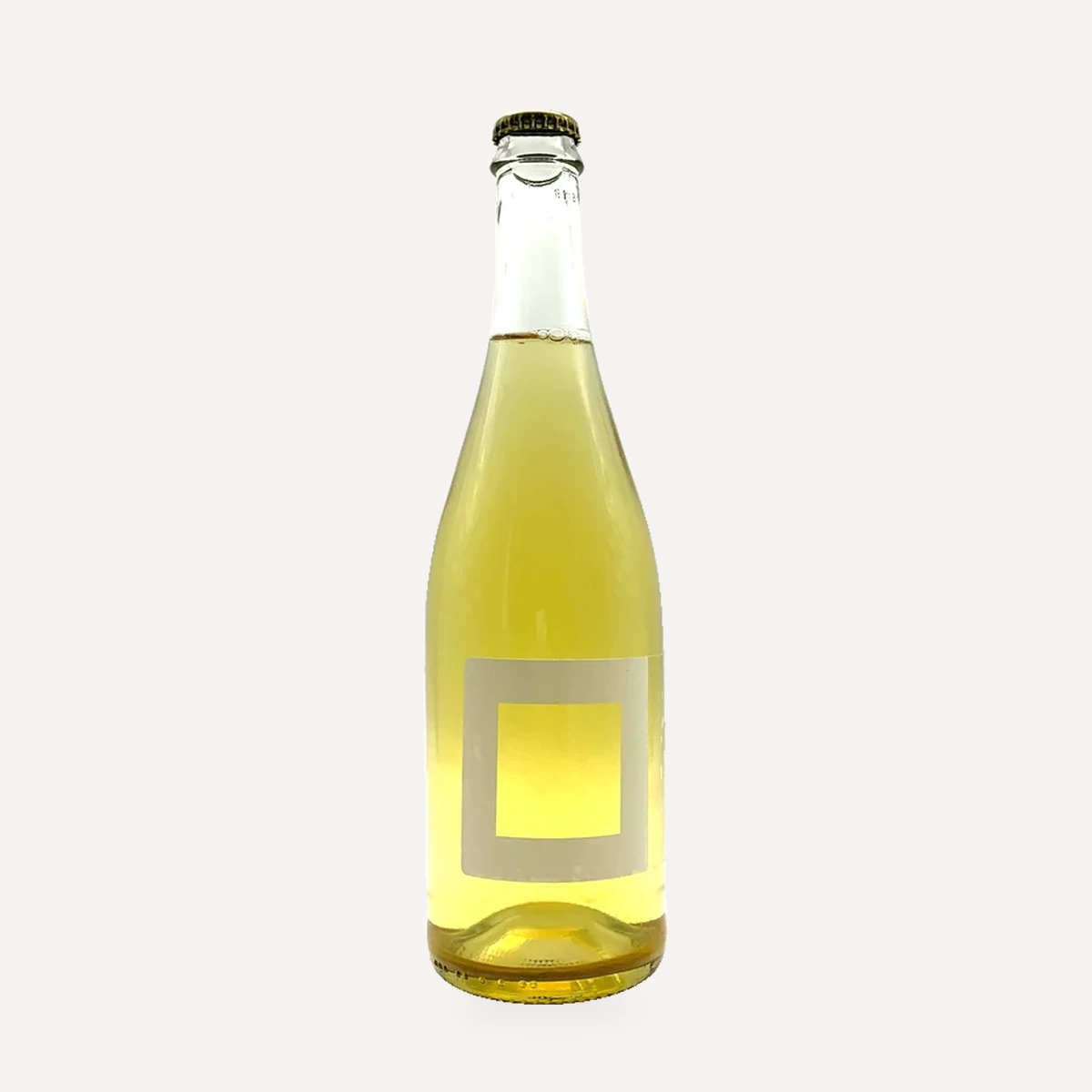
Trèb
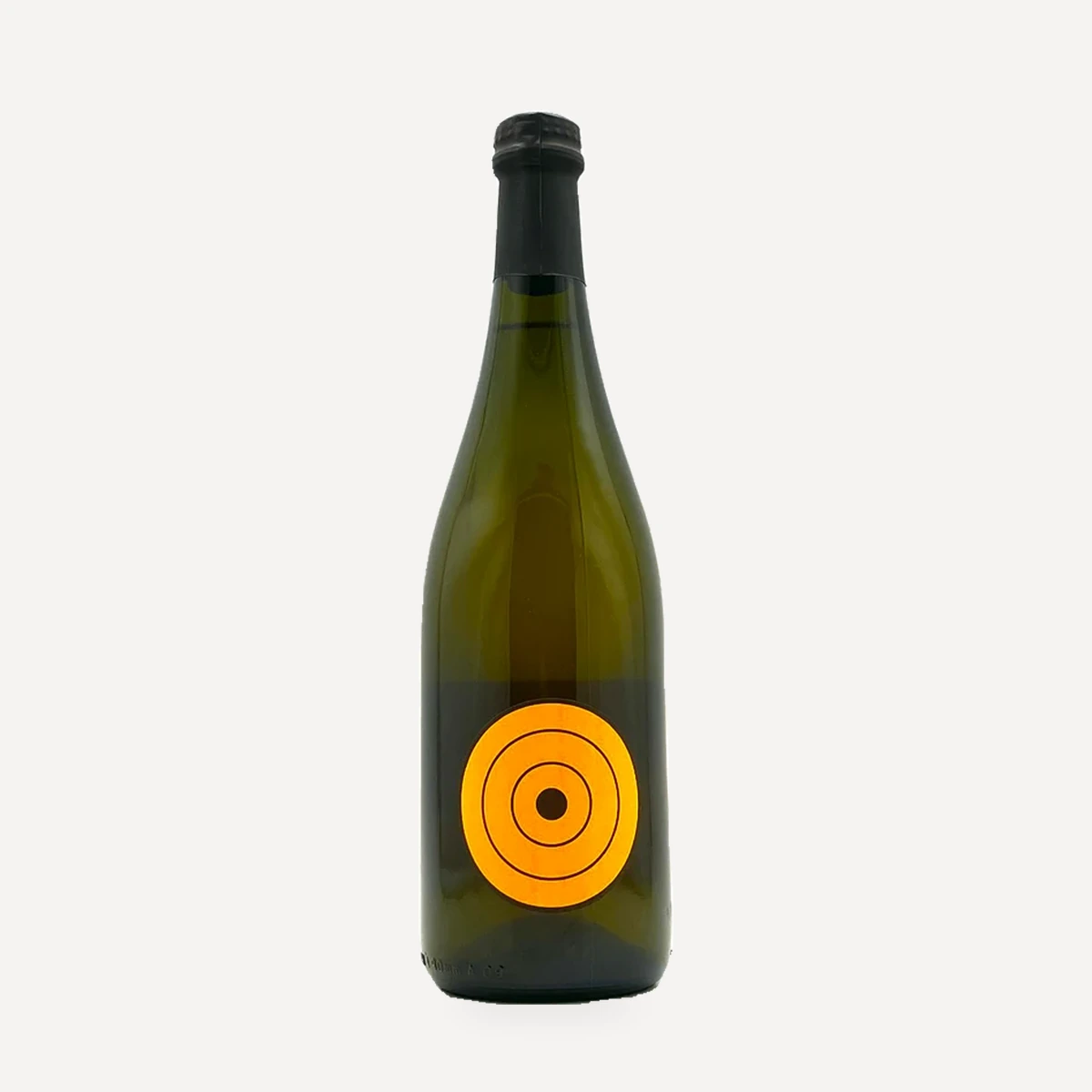
“CENTRO” etichetta arancione