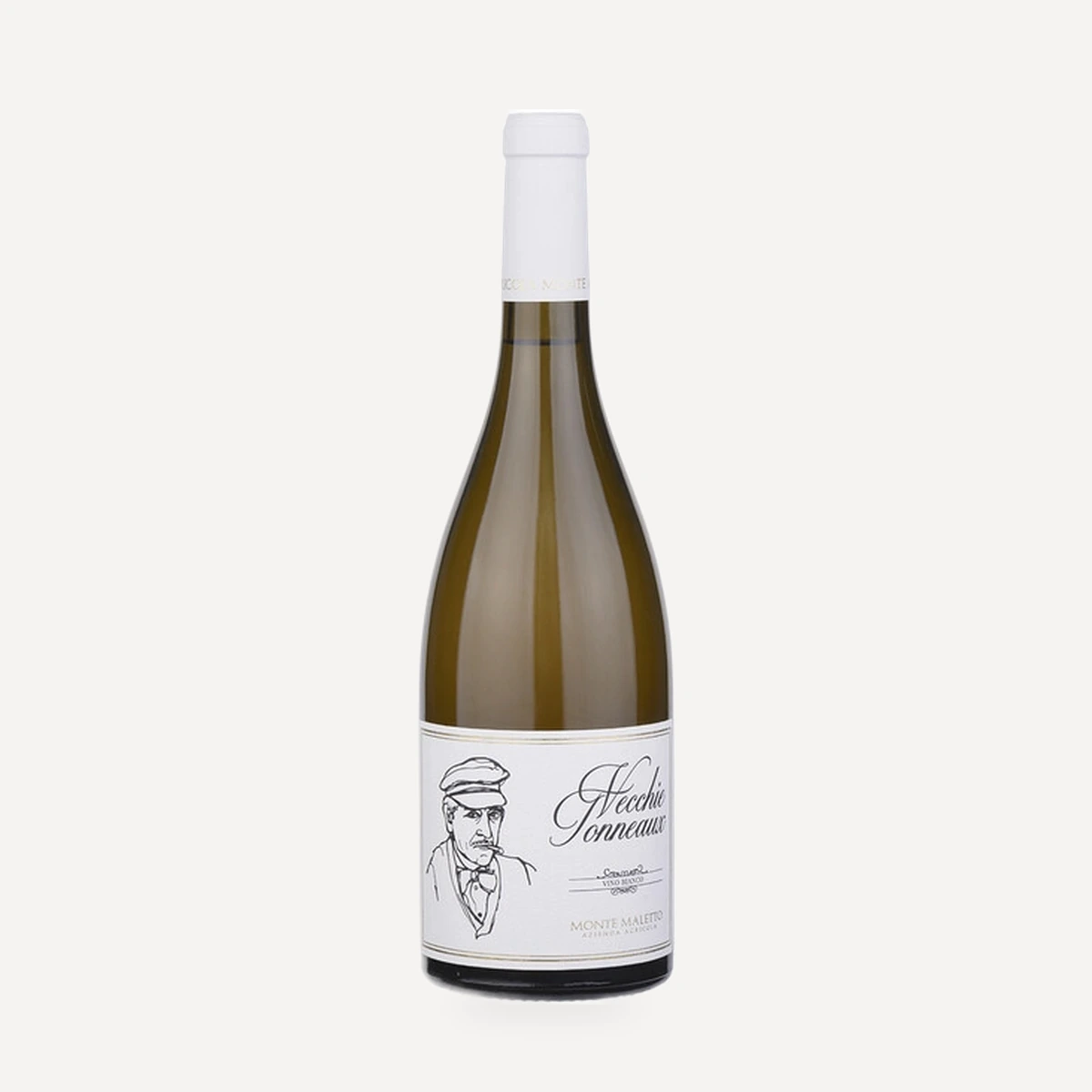
Storia
Gian Marco Viano worked as a sommelier in Glasgow and London before returning to Carema. Together with several other young people, he has devoted his life to restoring the Monte Maletto estate and its abandoned terraces, which had been almost forgotten.
Winemaking in Carema nearly disappeared because of the economic changes of the post-war period and the difficulty of farming the steep vineyard terraces. The restoration work by Monte Maletto and a handful of other producers has saved Carema's terroir.
Terroir
Carema is a village in northern Piedmont, in a remote corner near the border with the Aosta Valley. The vines grow on steep terraced slopes that form a natural amphitheatre around the village.
The soils are almost 70% sand, with glacial stones of serpentinite and gneiss and a small amount of chalk. They have a very acidic pH and differ markedly from the soils of the Langhe. Carema wines are generally known for a clear mineral character and stony notes, and for elegant, delicate, refined tannins.
The whole Carema appellation covers just 16 hectares. Monte Maletto owns 1.8 ha, and another five or six producers each farm 1-2 hectares.
Vinificazione
The steep slopes are farmed as heroic viticulture, which demands great physical effort and a special pruning method. The vines are trained on pergolas, a system that once allowed local people to combine farming with grape growing and to use every inch of land.
Gian Marco Viano makes Nebbiolo-based wines at Monte Maletto, described as having finesse, elegance and character.
Filosofia
Monte Maletto's team has devoted itself to restoring the estate and its abandoned terraces, work described as saving Carema's terroir.
Vini
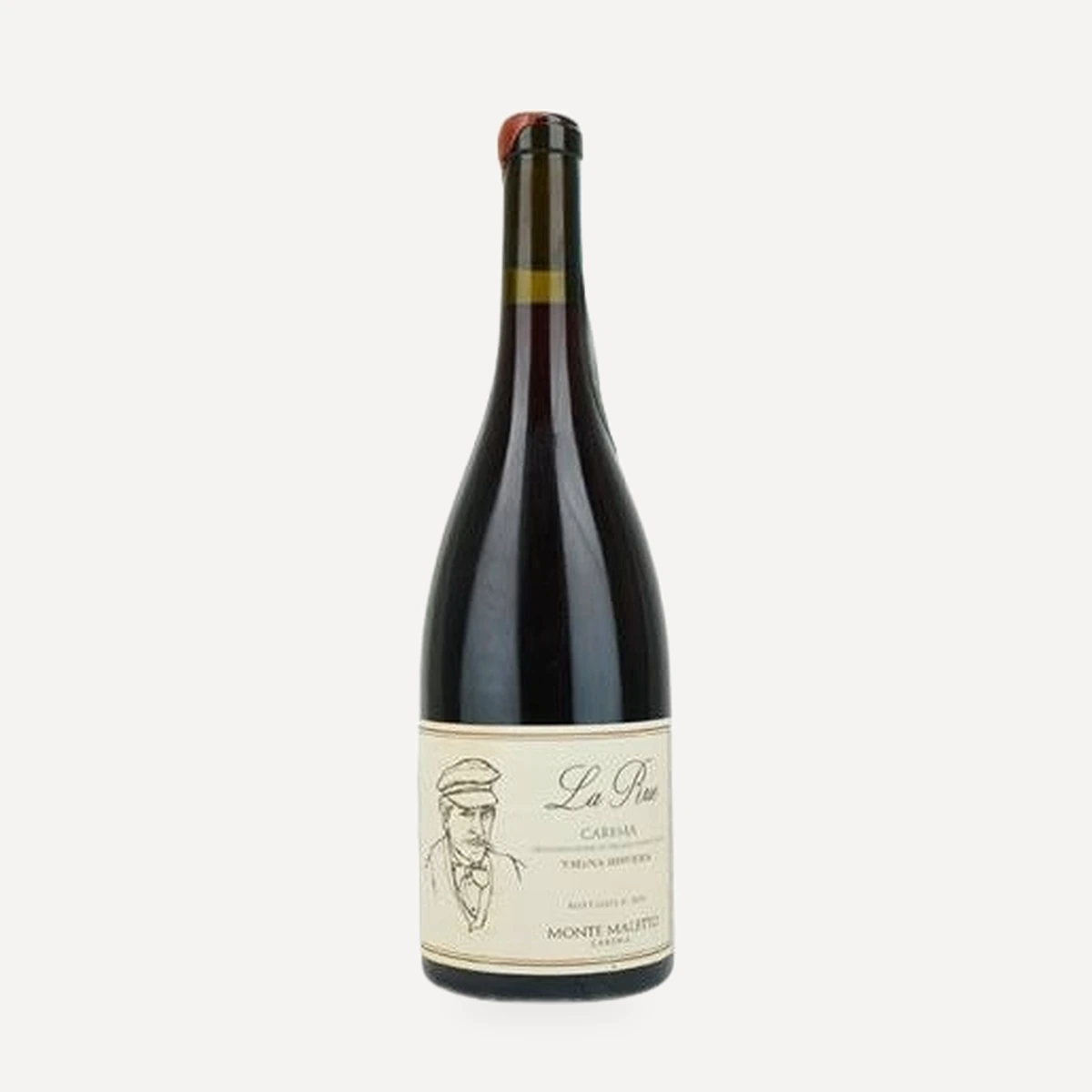
La Rue Carema DOC
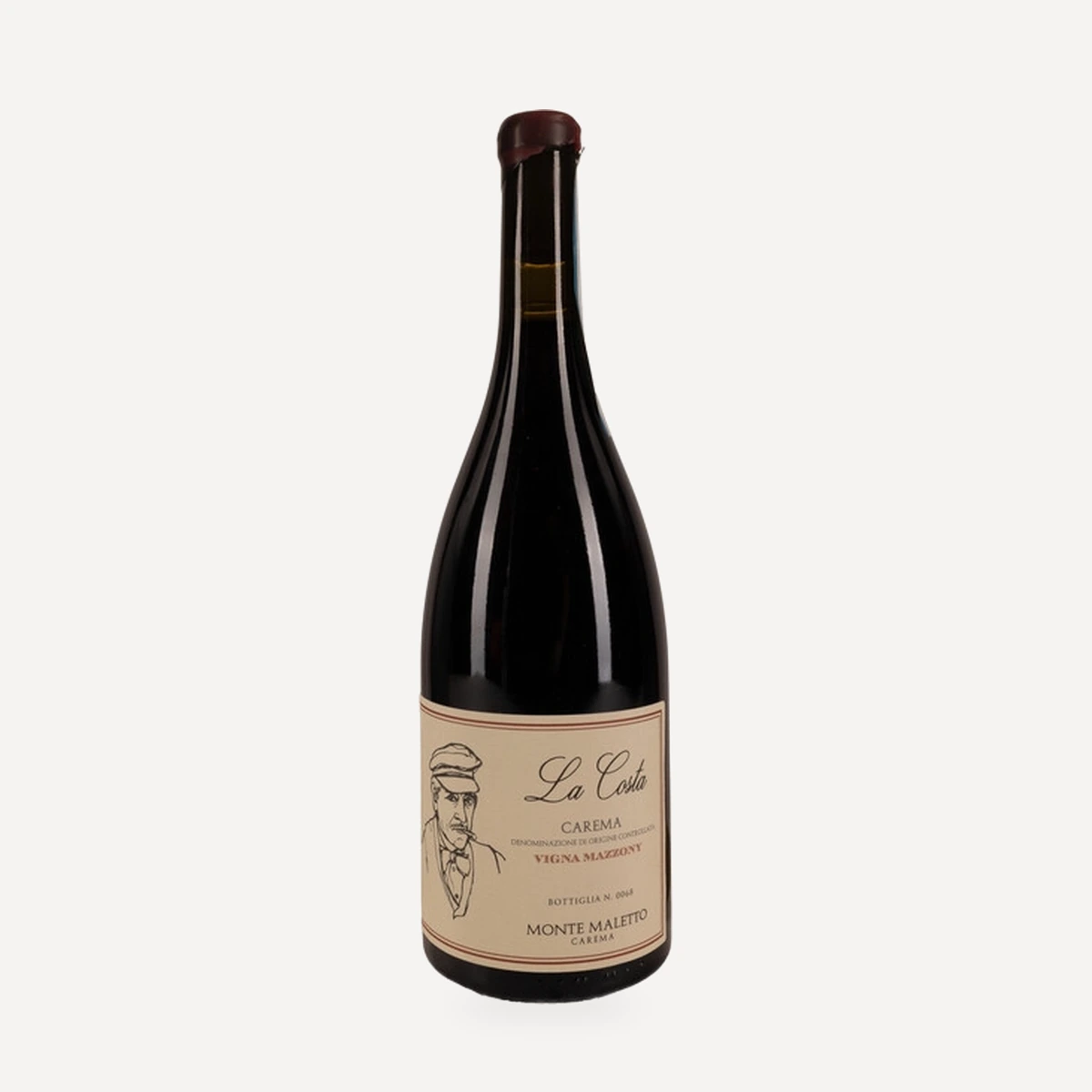
La Costa Carema DOC
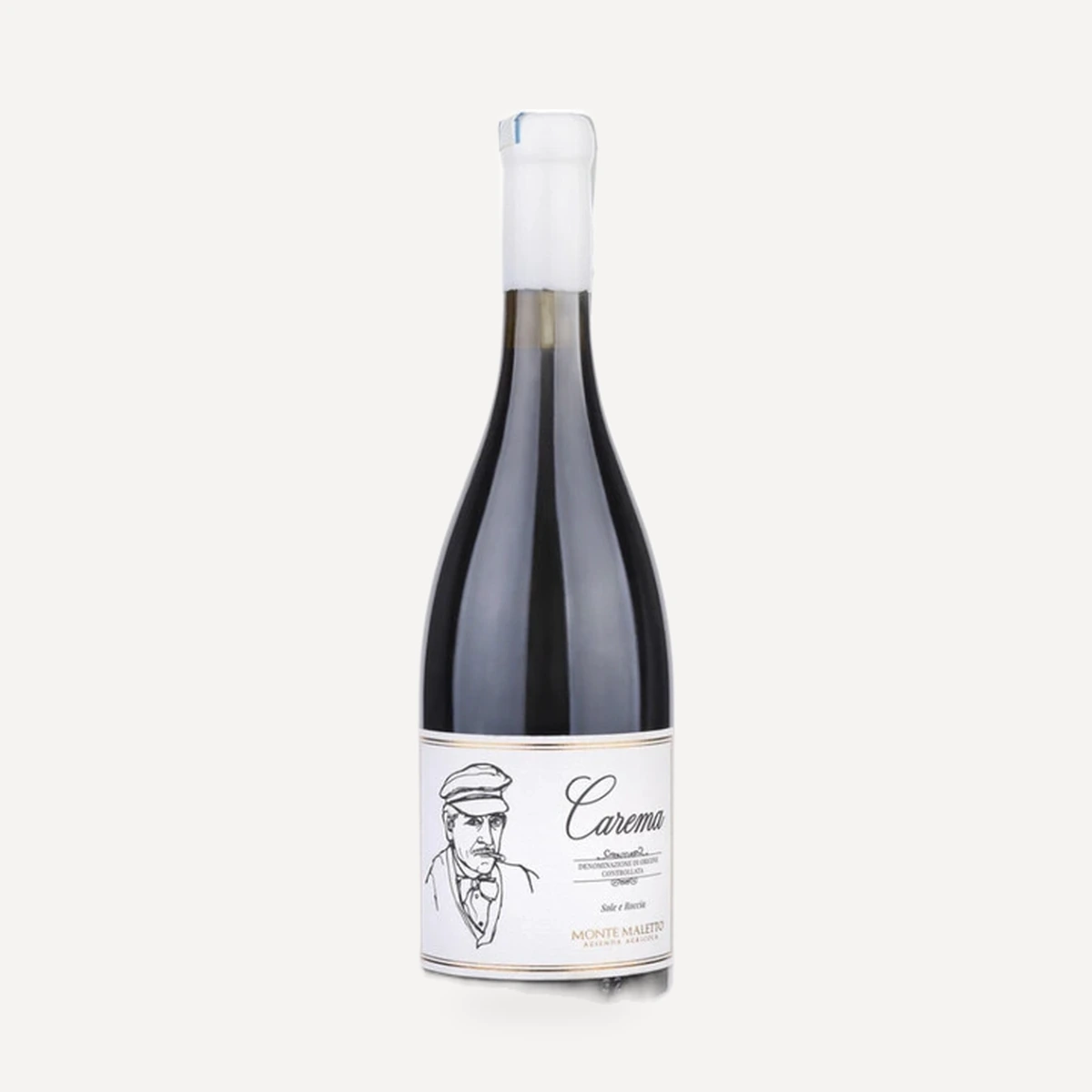
Sole e Roccia Carema DOC
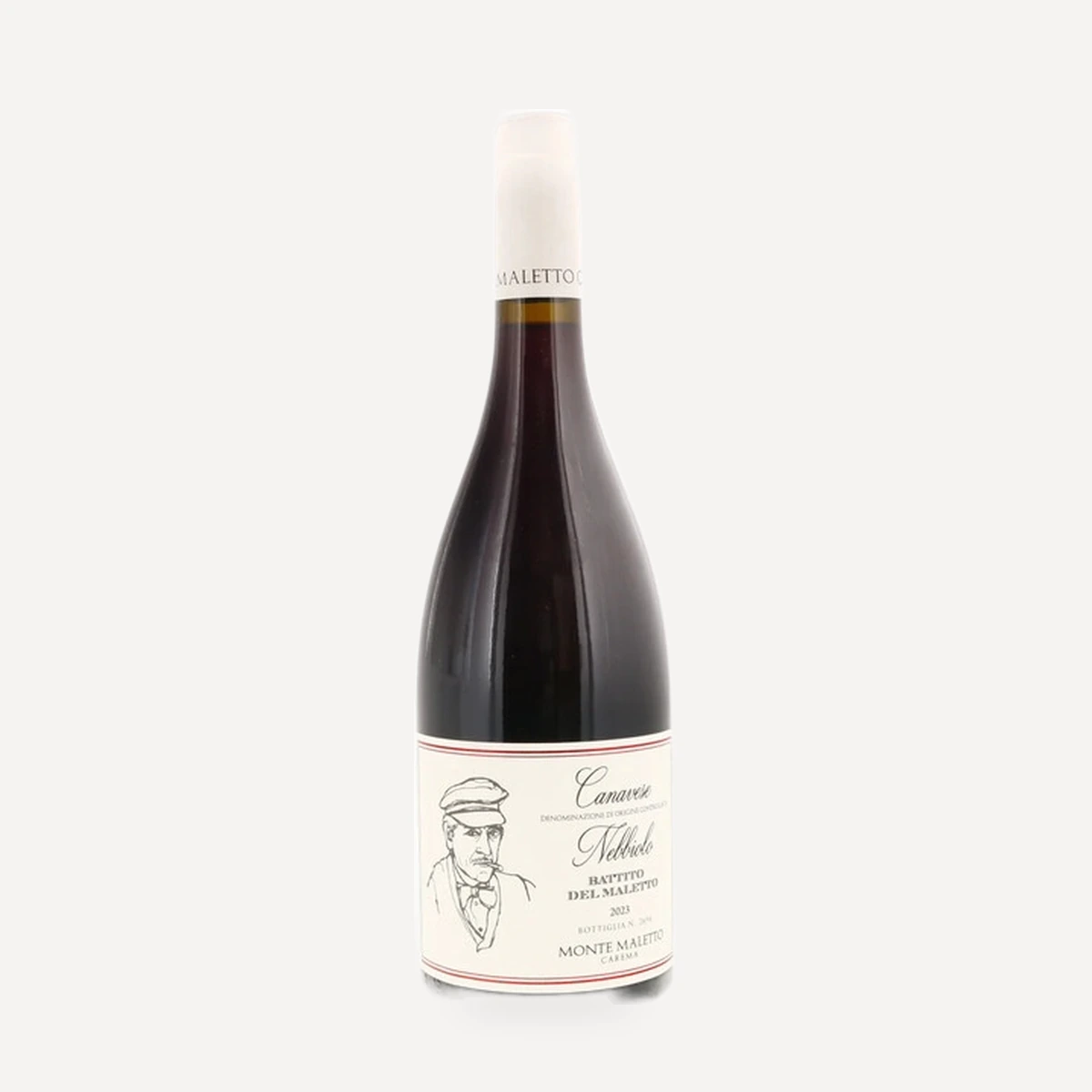
Battito del Maletto Nebbiolo Canavese DOC