Storia
Agricultural roots and creation of Montepascolo
Andrea and Paola created Montepascolo out of their shared attachment to the land and a desire to return to the agricultural and winegrowing origins of their families. Both describe themselves as descended from generations of farmers and winegrowers, although no foundation date or earlier family chronology is given.
Friendships with winegrowers pursuing a common objective—making wines they regarded as authentic—introduced Andrea and Paola to natural wine. They adopted this approach because of its respect for natural balances that conventional practices can overlook. The resulting estate covers 13 ha, including 5 ha of vineyards.
Return to the origins
From the beginning, Montepascolo followed what it calls a “bio” path. Work in both vineyard and cellar was shaped by the simplicity inherited from Andrea and Paola’s parents and grandparents. Their central idea, expressed as “returning to the origins,” became the basis for predominantly manual vineyard work, avoidance of chemical products and low-intervention cellar practices.
2022: biodynamic path
In 2022, Montepascolo began a biodynamic path intended to sustain living soils, improve and maintain fertility, and develop vines with greater health and resistance to disease and pests. Current product information identifies the farming as biodynamic, while the estate narrative describes the process as a path begun in 2022 rather than naming a certification.
2023: expansion and modernization
In 2023, Montepascolo constructed new agricultural-equipment shelters using materials chosen to respect their surroundings. The project expanded and modernized the estate buildings, allowing machinery to be protected from the weather and thereby improving its durability and efficiency. It received support from the European Agricultural Fund for Rural Development under Emilia-Romagna’s 2022 regional call for Rural Development Programme operation 4.1.01, covering investments in agricultural holdings.
Terroir
Montepascolo lies at 220 m above sea level in the hills of Val d’Arda, within the municipality of Castell’Arquato and the Riserva Naturale Geologica del Piacenziano.
The vineyards stand on loam-clay soils. The combination of this soil structure and the vineyards’ exposure is associated with warm, tannic and balanced wines with complex aromas. No individual exposures, climatic measurements, rainfall figures or geological profiles are provided.
The estate regards living soil as essential: only biologically active ground can allow the vine to take up the character of its terroir through its roots. Terroir is consequently treated as the primary source of a wine’s identity and originality.
Vinificazione
Montepascolo embraced a “bio” approach from its beginning and entered a biodynamic path in 2022. Current product specifications describe the farming as biodynamic, but no certifying organization or certification date is named.
Vineyard operations are performed predominantly by hand and without chemical products. The intention is not to leave nature entirely unattended, but to support natural processes so that soil fertility becomes greater and remains consistent over time. This work is also intended to produce healthier vines with improved resistance to disease and pests.
The vineyards represented in the range are Guyot-trained. Most have stated planting densities of 4,000 vines/ha and average vine ages of 40–50 years. The historic Moscato vineyard is planted at 3,000 vines/ha and is identified as originating in the 1940s, with an average age stated as 90 years.
Harvest dates vary by variety and intended wine, extending from the second week of August to the end of October. The late-harvest Moscato is collected at the end of October and dried in small crates through the end of winter.
Montepascolo’s cellar work follows the same “return to the origins” principle used in the vineyards. The core process relies on spontaneous fermentation with indigenous yeasts in concrete vats. Concrete is also used for extended maturation in several parts of the range, while oak barrels, including large oak casks, are employed where maturation in wood is intended to emphasize terroir rather than obscure it.
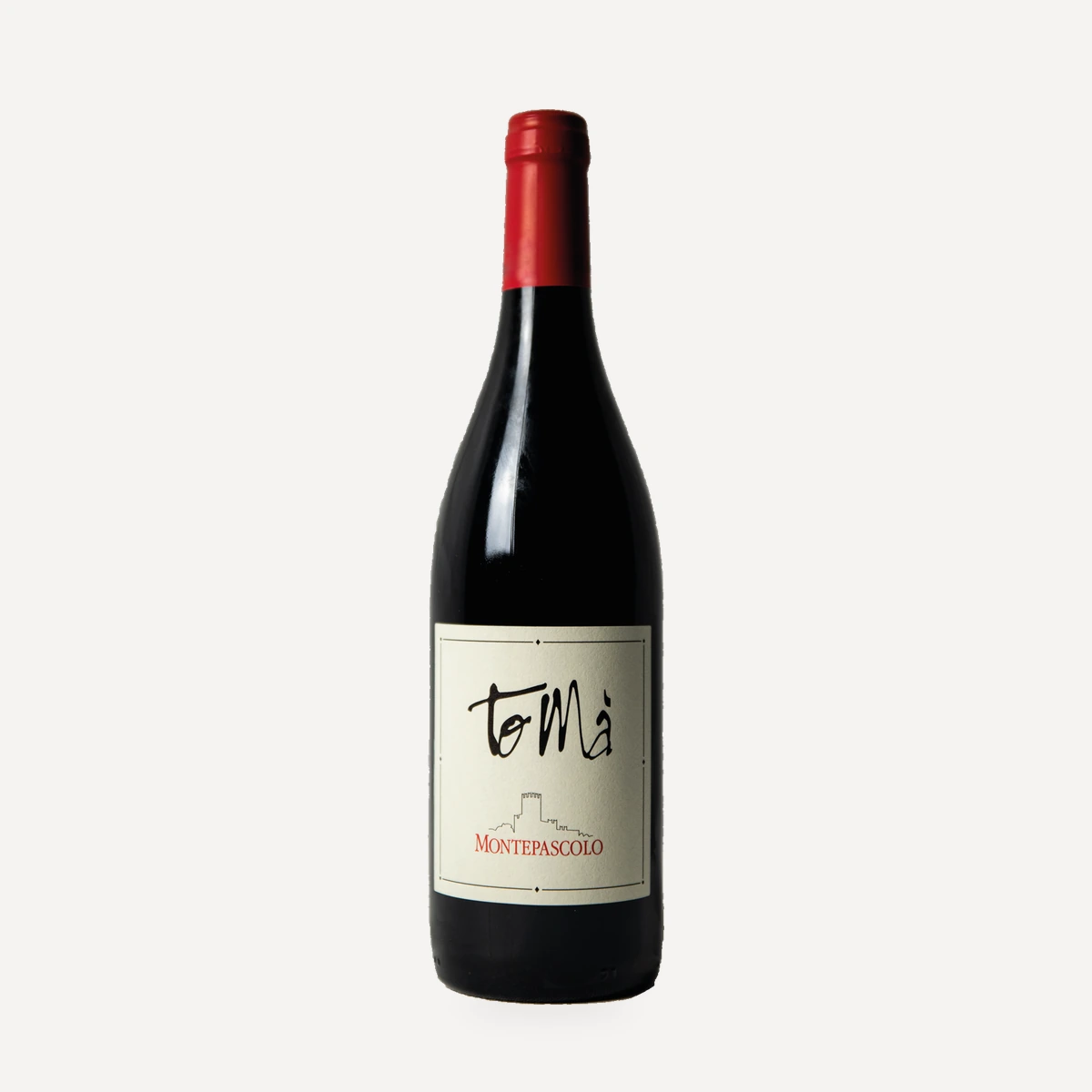
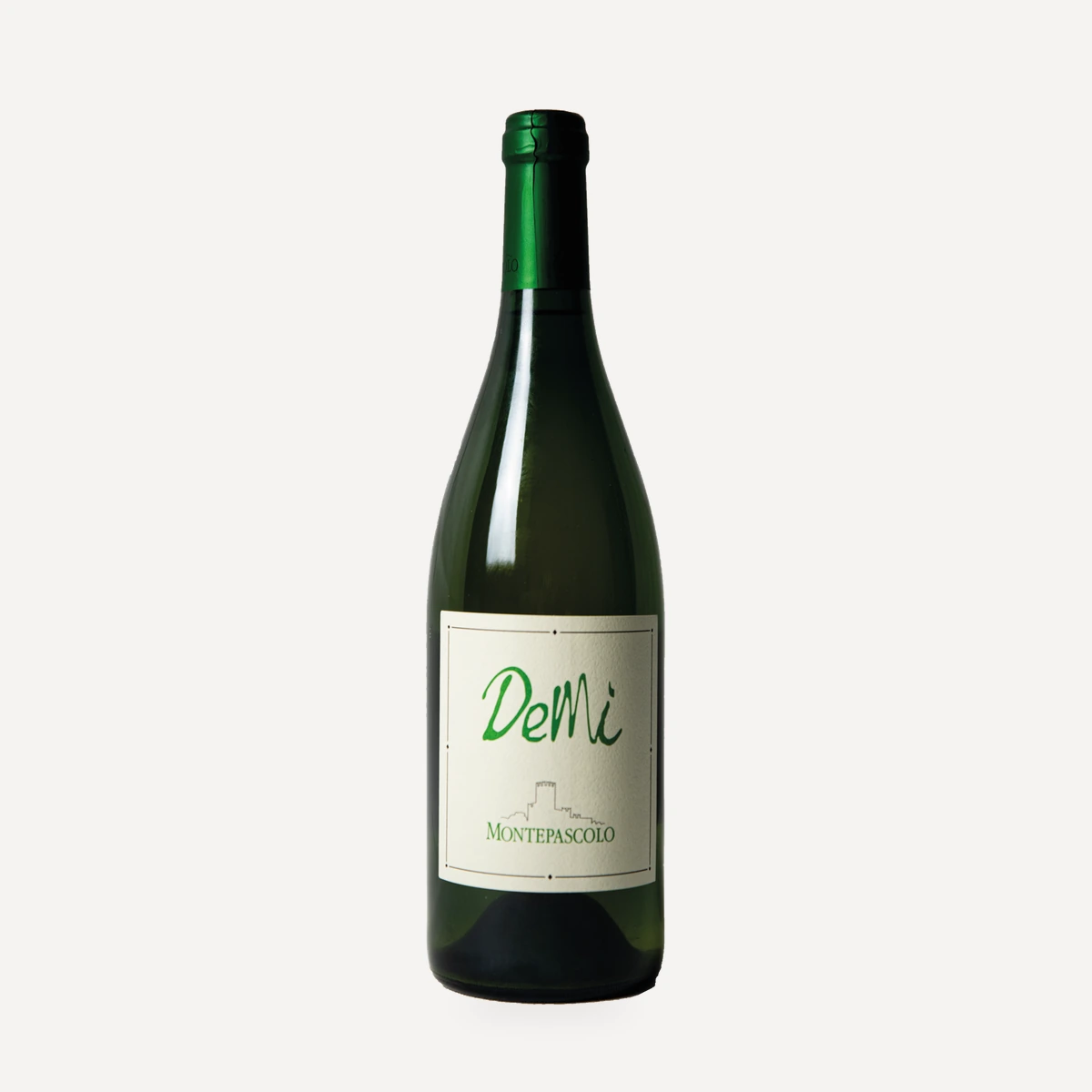
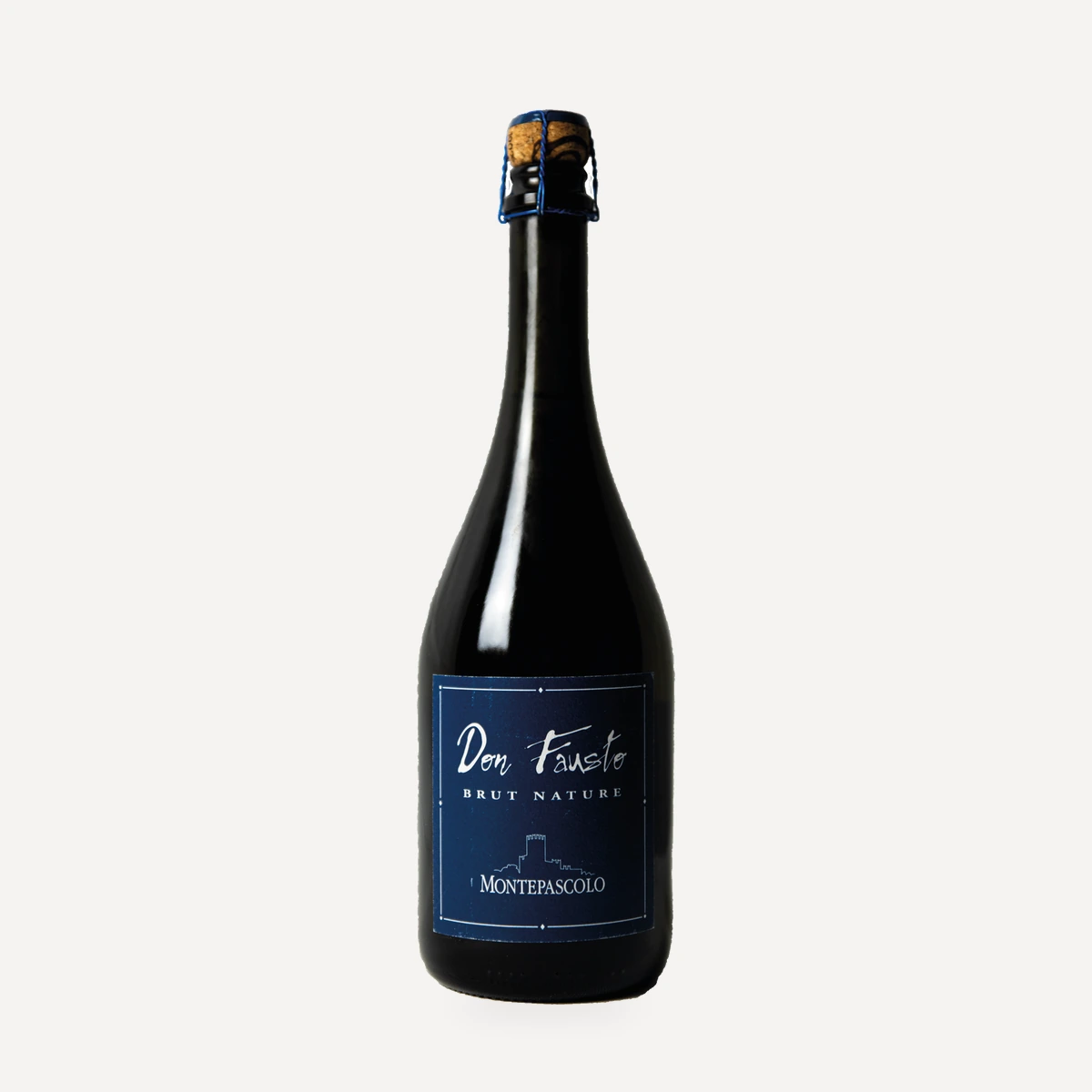
The cellar employs several natural refermentation methods. Some wines undergo extended skin contact before being refermented in bottle. For certain refermented wines, part of the must is frozen at pressing and reunited with the fermented portion in late spring, initiating a second fermentation after bottling. The traditional-method sparkling wine is fermented in steel, receives tirage with frozen must and spends 72–96 months on its lees before disgorgement without dosage or expedition liqueur.
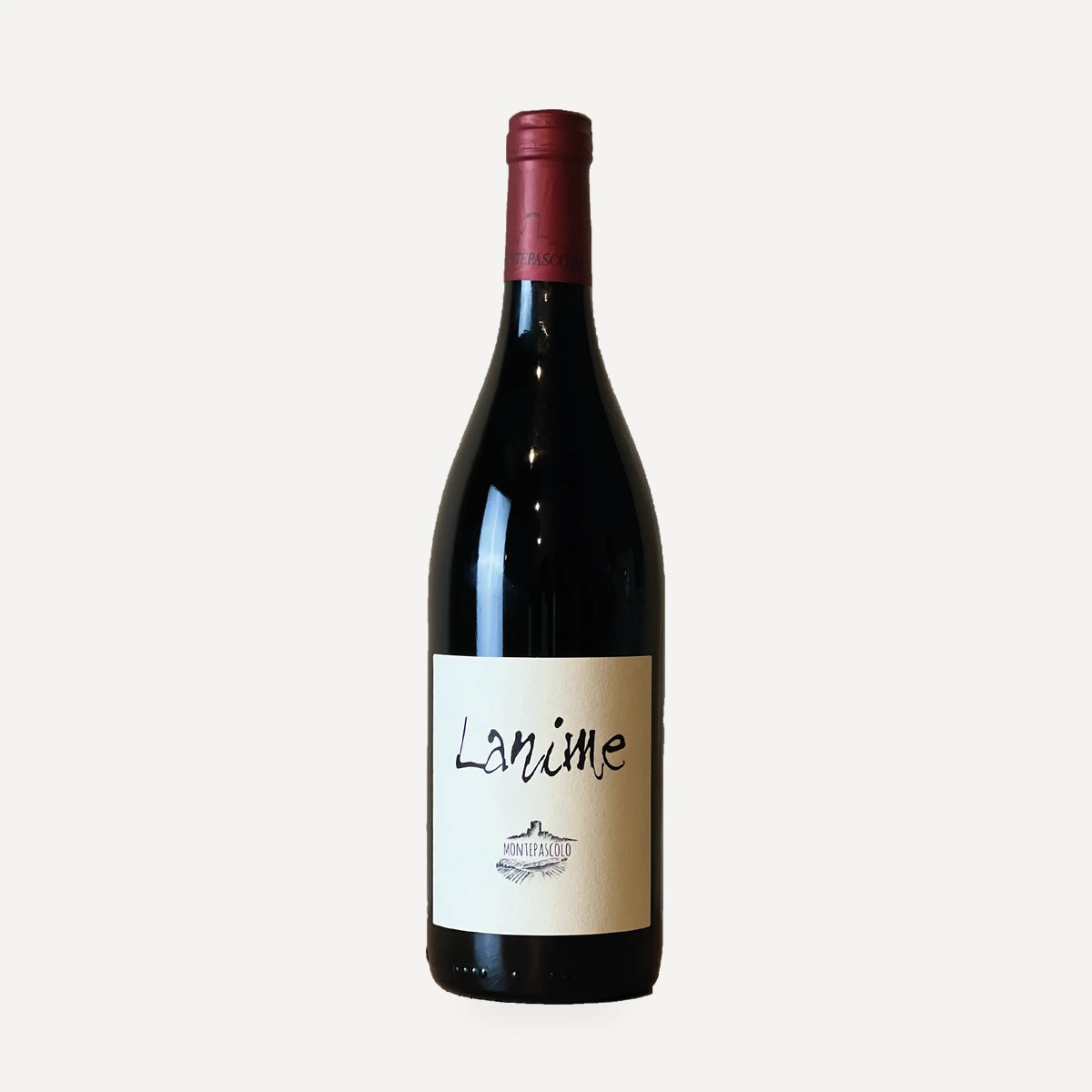
Skin-contact regimes represented in the range include approximately 30 days and 50–60 days of maceration. Maturation may take place in concrete, large oak casks or bottle. One red remains in concrete for at least two years; another is matured in large oak for at least one year. The naturally refermented Tomà is bottled without filtration. The late-harvest Moscato is dried in small crates until the end of winter, pressed, fermented spontaneously with indigenous yeasts and matured for an extended period in concrete.
Filosofia
Montepascolo summarizes its philosophy as “returning to the origins.” Andrea and Paola connect this principle to the straightforward vineyard and cellar practices inherited from their parents and grandparents.
The estate’s conception of biodynamics does not mean passively leaving nature to itself. Its stated purpose is to assist natural processes so that soil fertility increases and remains stable, while vines become healthier and more resistant to pests and disease. The intended result is high-quality fruit capable of producing natural wines tied closely to their place of origin.
Living soil occupies the center of this thinking. A vine can absorb the identity of its terroir through its roots only when the soil is alive. Once that condition has been achieved, cellar technology is considered secondary and potentially unnecessary. Originality should arise naturally from the imprint of the terroir rather than from technological intervention.
Vini
Demì
Don Fausto
Lanime
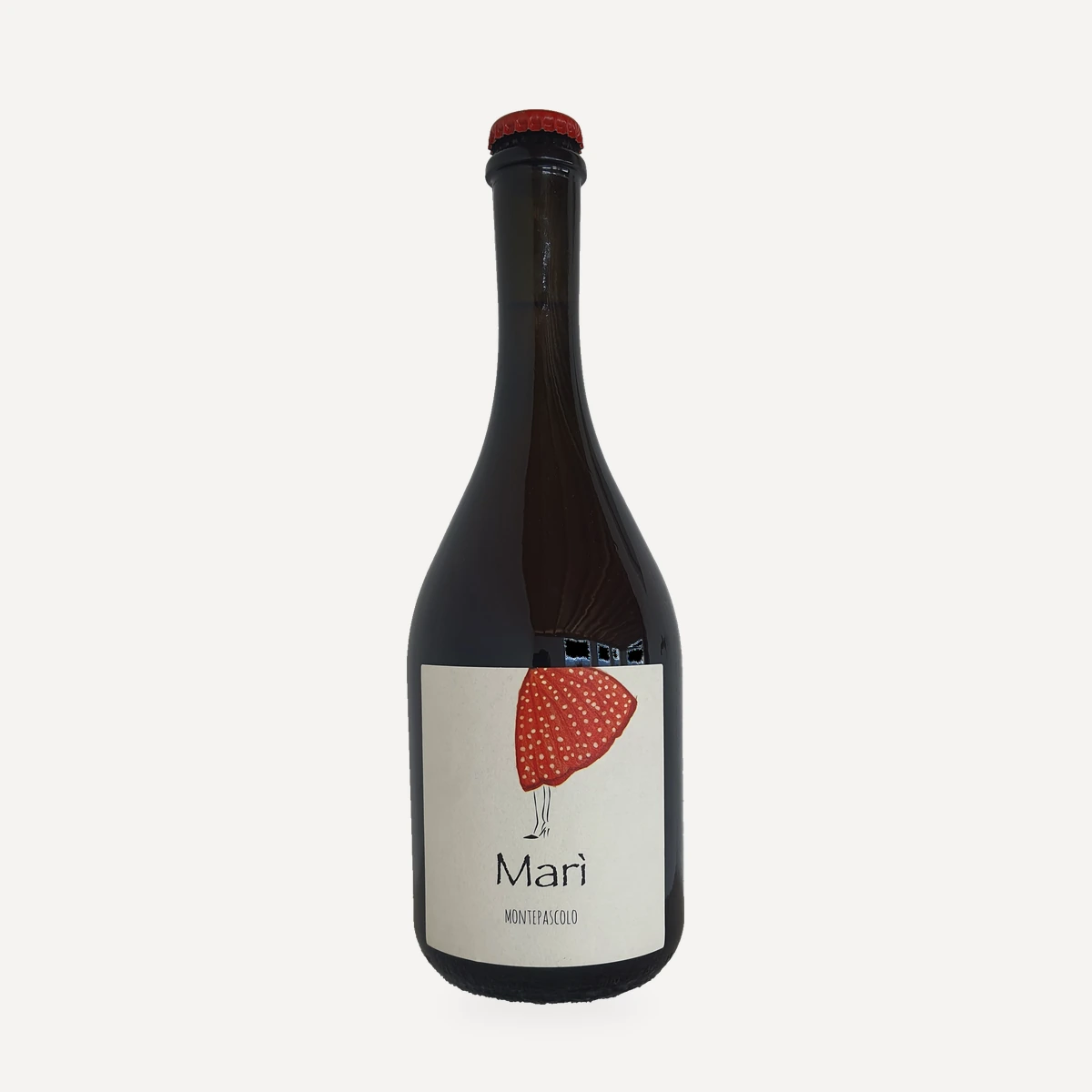
Marì
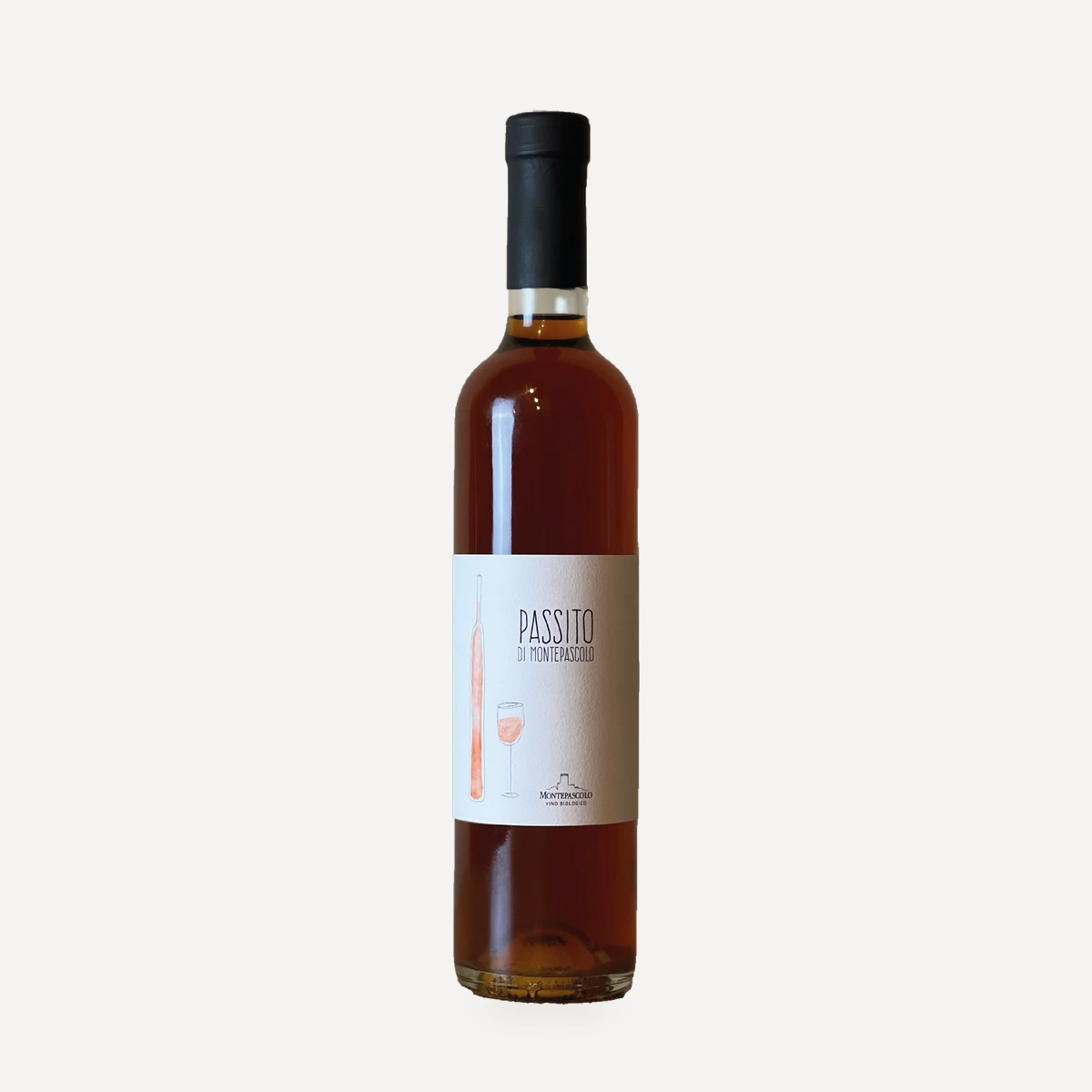
Passito di Montepascolo
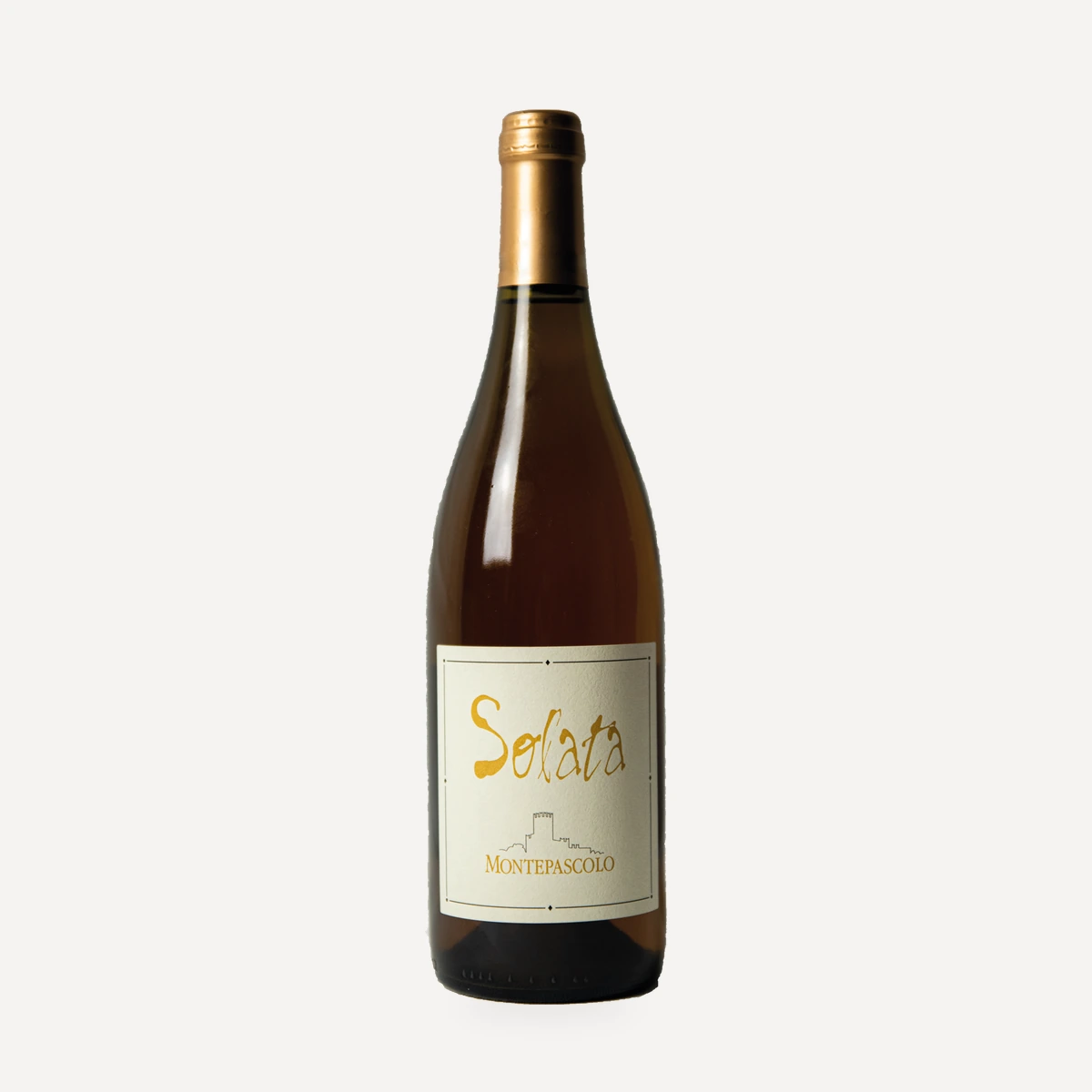
Solata