Storia
Nineteenth-century family roots
The family’s viticultural history includes an ancestor known as Baccheri, who lived during the nineteenth century and was remembered as both a dedicated winegrower and an enthusiastic wine drinker. A surviving family photograph of him later became the basis for the Baccheri label, linking the estate’s present identity with its family past.
Enrico Nardi
Enrico Nardi owned and ran the agricultural estate before its passage to his sons. He is remembered for the commitment and passion with which he worked and managed the property. The Serrico wine was subsequently dedicated to him as a tribute to that contribution.
1999: development of the vineyards
The ten hectares of vineyards surrounding the cellar were planted beginning in 1999. More precisely identified plantings followed in 2000 and 2002. The vineyard program combined Sangiovese and its historic clones with other traditional red and white varieties, as well as Merlot and Chardonnay.
2000: principal vineyard plantings
Several of the vineyards associated with the Chianti Classico, Baccheri and Farfaro selections were planted in 2000. These plantings occupy predominantly clay or clay-rich, medium-textured soils at elevations generally between 250 and 290 metres.
2002: Vigna del Pino and Merlot
Vigna del Pino was planted in 2002 with the T12 clone of Sangiovese. The northeast-facing site was established as a distinct single-vineyard cru. A Merlot vineyard used for the estate’s pure-Merlot selection was also planted in 2002 at approximately 250 metres.
2012: Angelo and Giacomo
In 2012, Enrico’s sons Angelo and Giacomo began a concerted effort to enhance the value and identity of the estate’s production. Their approach retained the family’s connection to local traditions while introducing a deliberate element of freshness and innovation. The cellar, positioned among the vineyards, became the physical link between the family’s work in the fields and its production of wine.
Terroir
Nardi Viticoltori lies among the rolling hills of the Chianti Classico area, at the foot of Castellina in Chianti and within reach of Siena and Firenze. The cellar occupies the centre of the vineyard area at Località Cignan Rosso.
The estate vineyards cover ten hectares and encircle the cellar. Their general elevation is described as approximately 300 metres above sea level, with a predominantly southeast-facing orientation. More detailed vineyard information places individual sites between approximately 250 and 290 metres. Vigna del Pino lies at 280 metres and differs from the general estate orientation by facing northeast.
Clay is the defining soil component. The vineyards are variously described as clayey or as medium-textured soils with a predominance of clay. A small stream runs beside the property; the native wild farfaro plant grows along its banks.
Vinificazione
The estate deliberately maintains very low yields per hectare as a means of pursuing grape quality. Pruning and harvesting are performed manually, continuing the family’s emphasis on traditional vineyard work.
Guyot is the documented training system throughout the individually described vineyard sites. The plantings combine Sangiovese and its historic clones with Canaiolo, Ciliegiolo, Colorino and Malvasia Nera, while Merlot is retained as an international variety considered capable of rooting vigorously in the estate’s clay-rich soils. Trebbiano Toscano, Malvasia del Chianti and Chardonnay form the white-variety component of the vineyards.
The cellar stands at the centre of the ten-hectare vineyard area and is conceived as the connection between the vines, their fruit and the family’s work with wine. The production philosophy under Angelo and Giacomo combines continuity with the traditions of Castellina in Chianti and a measured pursuit of freshness and innovation.
No single general cellar protocol is defined for the complete production. The estate instead adapts its work to several expressions of Sangiovese, traditional Tuscan blends, Merlot and white varieties.
Filosofia
The Nardi family’s guiding principle is the preservation of the values and traditions embodied by its land. The family treats care for the property as an intergenerational responsibility intended to pass on this part of Toscana without losing its agricultural character or authenticity.
Angelo and Giacomo frame their work as a balance between continuity and renewal. Their approach remains tied to the traditions of Castellina in Chianti and the wider Chianti Classico territory while seeking freshness and an element of innovation in the finished production. The cellar’s place among the vineyards expresses this relationship physically: vineyard work, fruit and winemaking are treated as parts of one continuous family undertaking.
The family characterizes every bottle as the fruit of its own labour and as a union of tradition with affection for the Chianti Classico territory.
Vini
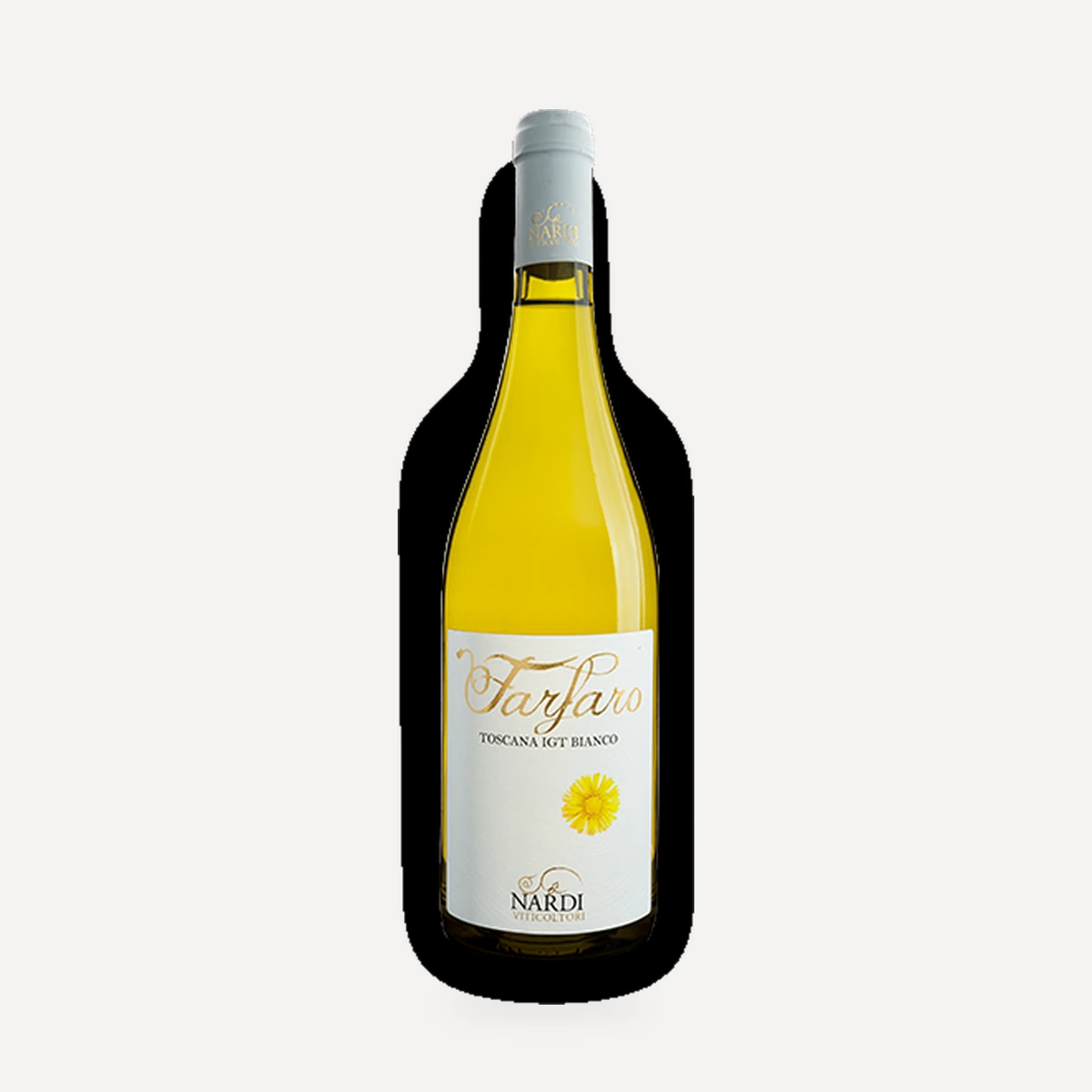
Farfaro IGT Bianco Toscana
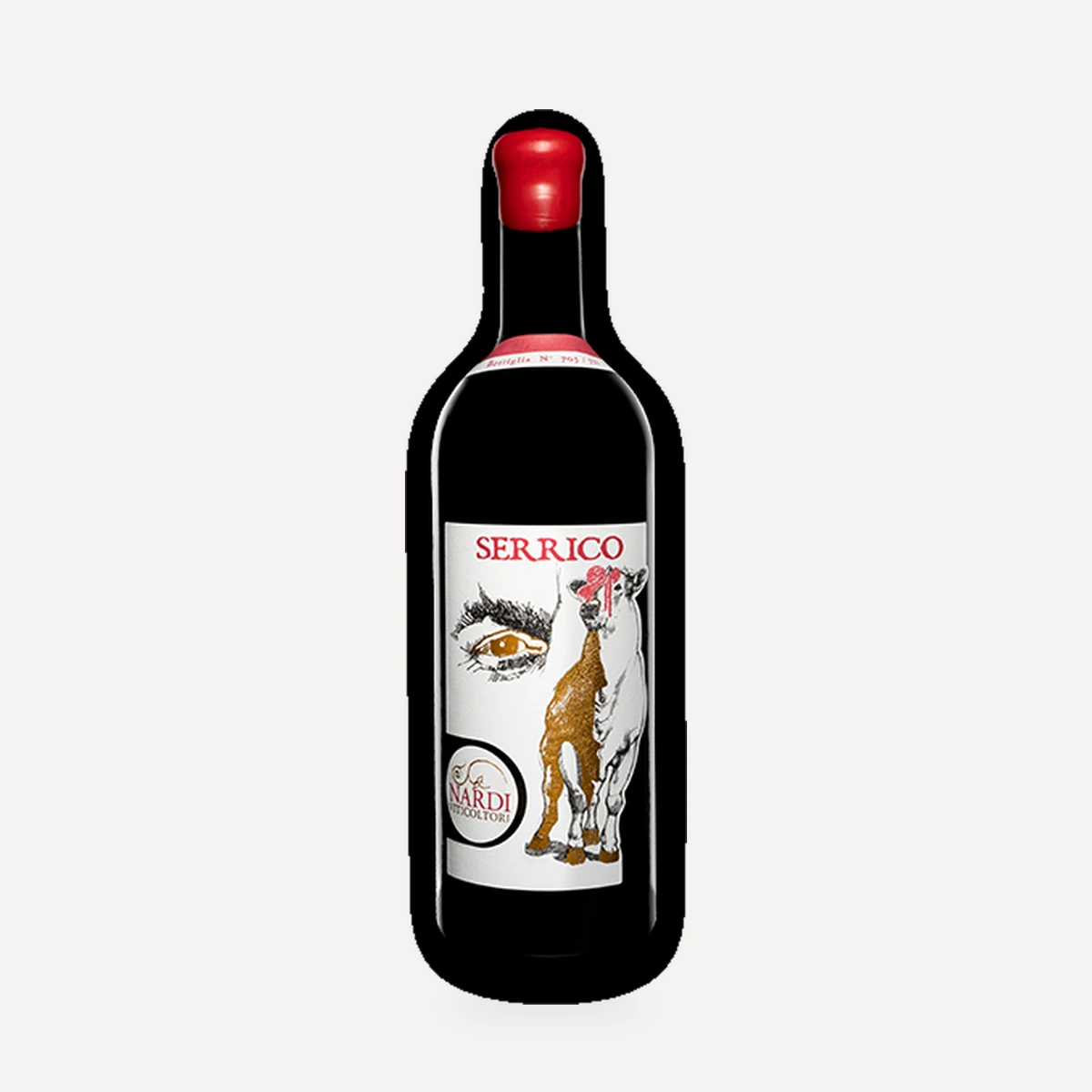
Serrico IGT Rosso Toscana – Super Tuscan
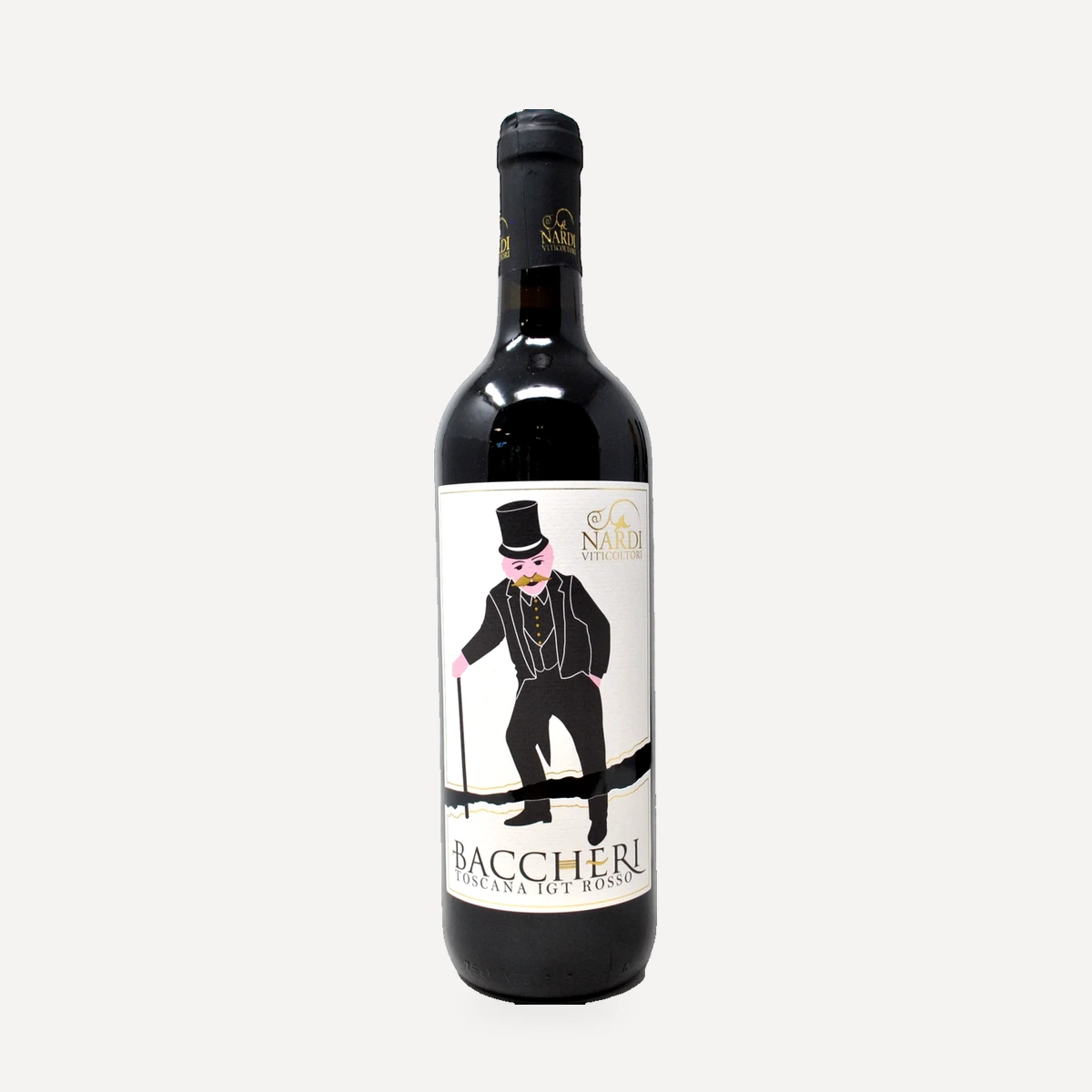
Baccheri IGT Rosso Toscana
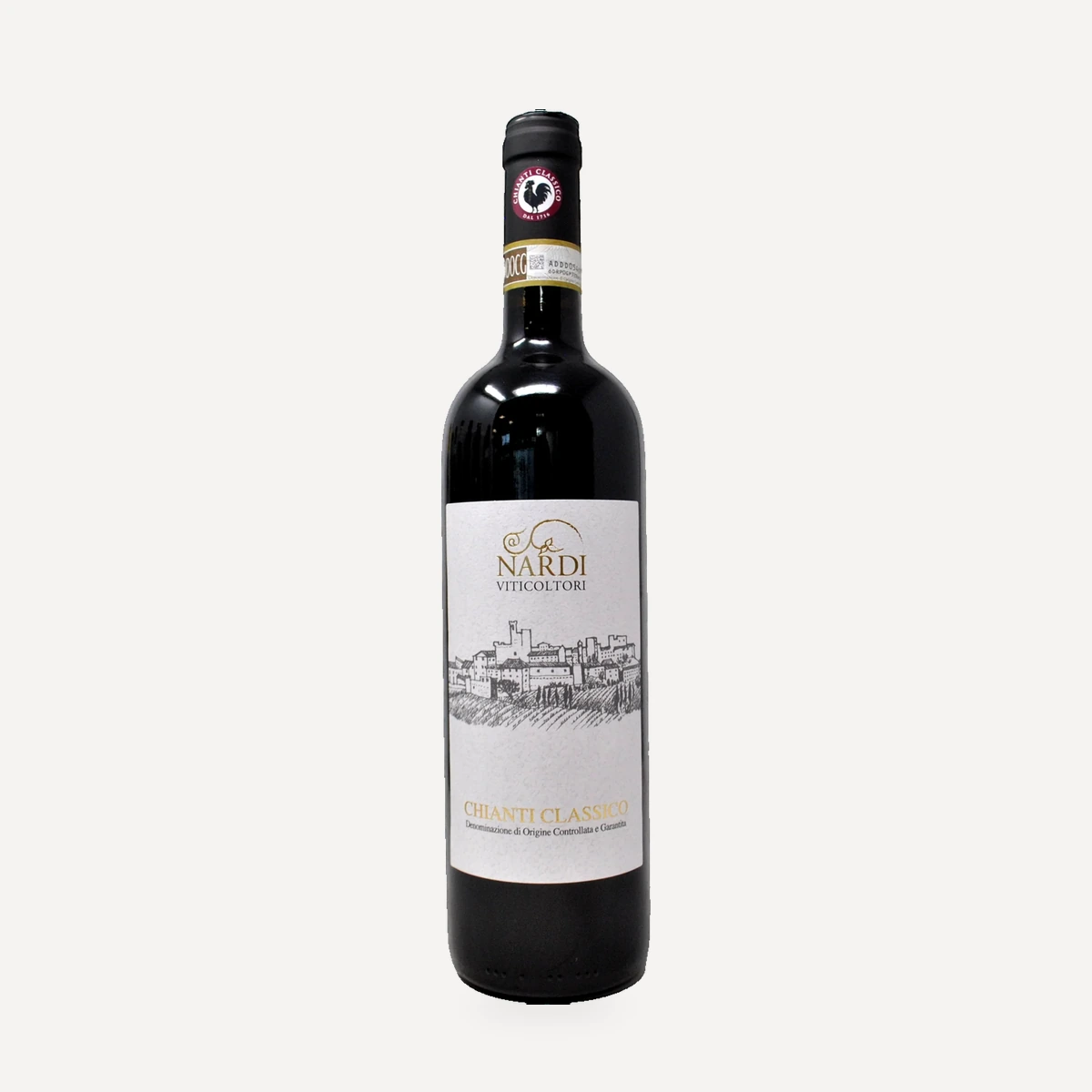
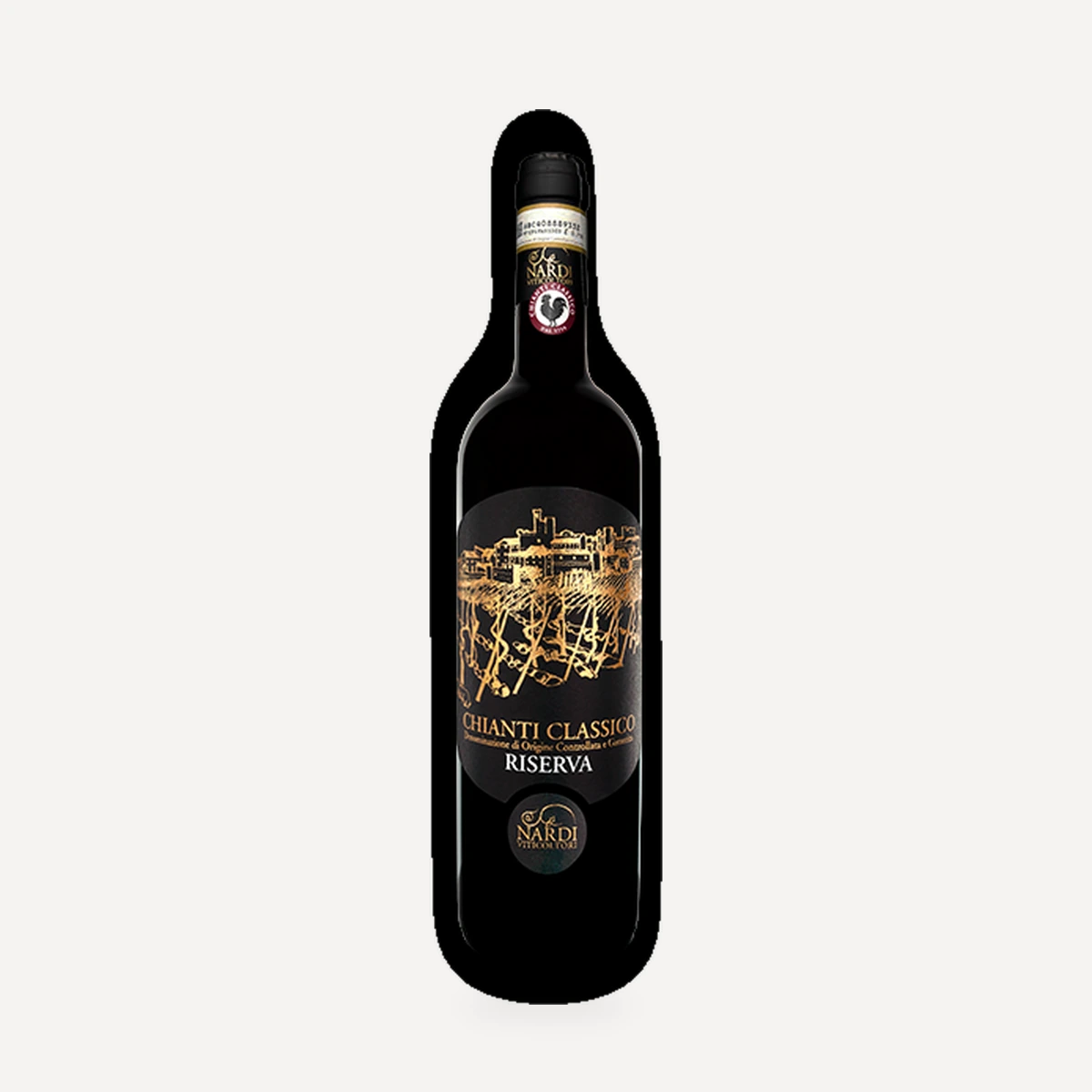
Chianti Classico DOCG
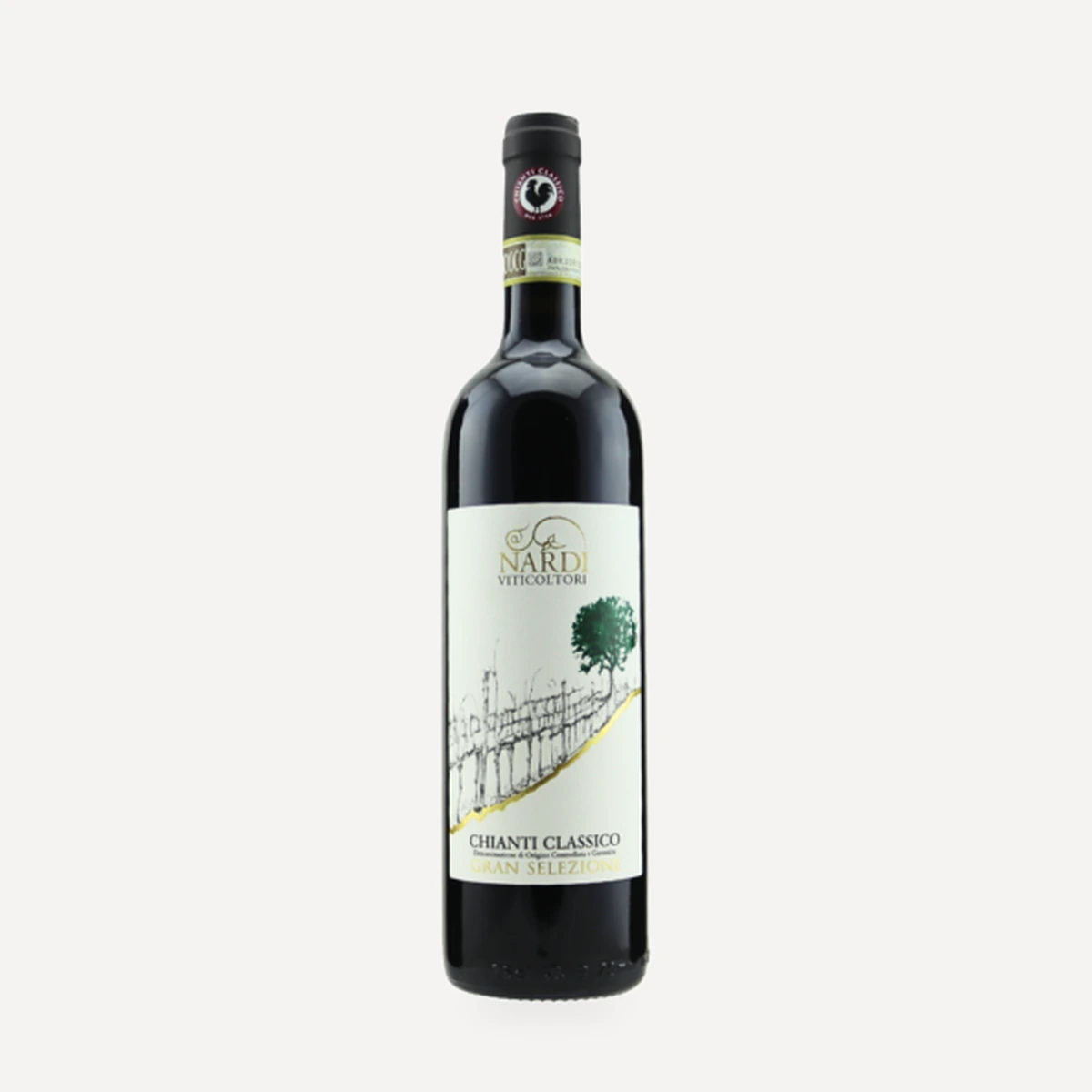
Chianti Classico Gran Selezione DOCG “Vigna del Pino”