Storia
Roots in La Morra
The Oddero family has been present in La Morra since at least the 18th century, as documented by parish and municipal records. The vineyards and farmhouses occupied by the family today have long formed part of its property, making it difficult to assign a single starting date to its wine production.
Written records, notarial deeds and family photographs identify Giovanni Battista Oddero (1794–1874), followed by his sons Lorenzo (1821–1903) and Luigi (1832–1893), as the generations that began vinifying grapes from vineyards in the commune of La Morra across the turn of the 19th century. Their wine initially travelled in small barrels and demijohns.
Bottling and early international trade
In 1878, Giacomo Oddero (1851–1915), the first Giacomo in the family lineage, began bottling the wines under the Oddero name. Surviving discoveries indicate that by the end of the 19th century Oddero Barolo was already being exported successfully to the Americas in small oak barrels.
In 1911, Oddero Barolo appeared at the International Exposition of Turin, in a tasting organized by the Circolo Enofilo Subalpino for the 50th anniversary of Italian unification.
Giacomo Oddero and the modern estate
The contemporary configuration of the business is closely associated with Giacomo Oddero, born in 1926 and named after his grandfather. Beginning in the 1950s, he renovated the old farm and farmhouse and pursued higher quality and greater recognition for both his own production and the wines of the wider Province of Cuneo.
As provincial Assessor of Agriculture, Giacomo signed production regulations that granted DOC and subsequently DOCG status to wines of the Langhe and Roero. His administrative work also contributed to regulations covering other Piedmontese agricultural products, including cheeses, the Langa hazelnut and vegetables grown on the plains. Under his direction, the estate enlarged its vineyard holdings, increased the number of bottles produced and assumed its present production structure.
The family acquired its Brunate holding in 1968. Vignarionda was acquired in 1985, the same year the family began producing a small number of bottles from the site. Production continued in subsequent years with exceptions in 1992, 1994 and 2002; only 1,200 bottles were made in 2003. The estate’s historical vineyard names began appearing on its Barolo and Barbaresco labels during the 1980s, before their later formal codification as Menzioni Geografiche Aggiuntive.
In 1997, Giacomo founded the Centro Nazionale Studi sul Tartufo d’Alba, devoted to the research and promotion of Tuber Magnatum Pico.
Organic conversion and a new cellar
Experimental organic vineyard management began in 2008. The first estate-wide step was the complete elimination of chemical herbicides, replacing them with mechanical weed control beneath the vines. Organic methods were already being used in sites including Brunate and Rocche di Castiglione by 2010. Nebbiolo, Barbera and Dolcetto vineyards subsequently obtained organic certification through Valoritalia under code IT BIO 015, while Moscato and Riesling remained under sustainable management.
A new cellar was completed near the historical buildings in Santa Maria di La Morra in 2015. Designed by Mariateresa Bruno and Giorgio Sordo, it was conceived as the new generation’s architectural contribution to the family property, incorporating insulated, partly underground construction, a grass-covered roof, photovoltaic power and reclaimed materials.
The first Barolo DOCG Monvigliero vintage was 2020. The Monvigliero holding includes vines planted in 1958, 2019 and 2022.
The current generations
Mariacristina Oddero joined the business toward the end of the 1990s and represents the generation between her father Giacomo and the seventh generation, Isabella and Pietro. Trained in agriculture, viticulture and oenology, she works alongside the younger family members in carrying forward the estate’s traditional production while introducing innovation and a stronger environmental commitment. Isabella returned after literary and economic studies and a period in Milan. Pietro joined after studying economics and international trade and working at a winery in McLaren Vale, Australia.
Terroir
Estate geography
The winery and historical cellars stand on a natural terrace in Santa Maria di La Morra, overlooking the Langhe. The approximately 35 ha of vineyards are not contiguous: individual holdings, sometimes as small as 0.5 ha, are dispersed between La Morra, Serralunga d’Alba, Monforte d’Alba, Castiglione Falletto, Verduno, Neive, Trezzo Tinella, Nizza Monferrato and Vinchio d’Asti.
Barolo zone
The Barolo-area soils are marine-alluvial sediments formed as the sea receded during the Tertiary period, specifically the Middle–Lower Miocene, approximately 10–7 million years ago. Their composition varies between clay-limestone marl and sand.
Within that broad structure, the holdings differ sharply. Brunate has Tortonian blue-grey Sant’Agata marl containing calcium carbonate and manganese, with fine sand, clay and limestone. Bricco Chiesa is dominated by fine clay mixed with sand and calcium carbonate. Rocche di Castiglione is shallow, loose, nutrient-poor and summer-dry, with bedrock close to the surface and abundant calcareous marl and sandstone. Nearby Villero is more compact, with a larger clay fraction bound to limestone and clay silicates that retain water.
Vignarionda belongs to the Serravallian or Helvetian formation: grey Lequio marl alternates with sandstone made from siliceous sands, accompanied by calcium carbonate, iron carbonate and inorganic remains of plant and mineral organisms. Its soil contains potassium, boron, manganese and magnesium; active limestone reaches 13.58%. Castelletto hill shelters it from northwesterly winds and returning winter cold. Its full sunshine and protected microclimate make it one of the estate’s earliest Nebbiolo sites to bud and reach full maturity.
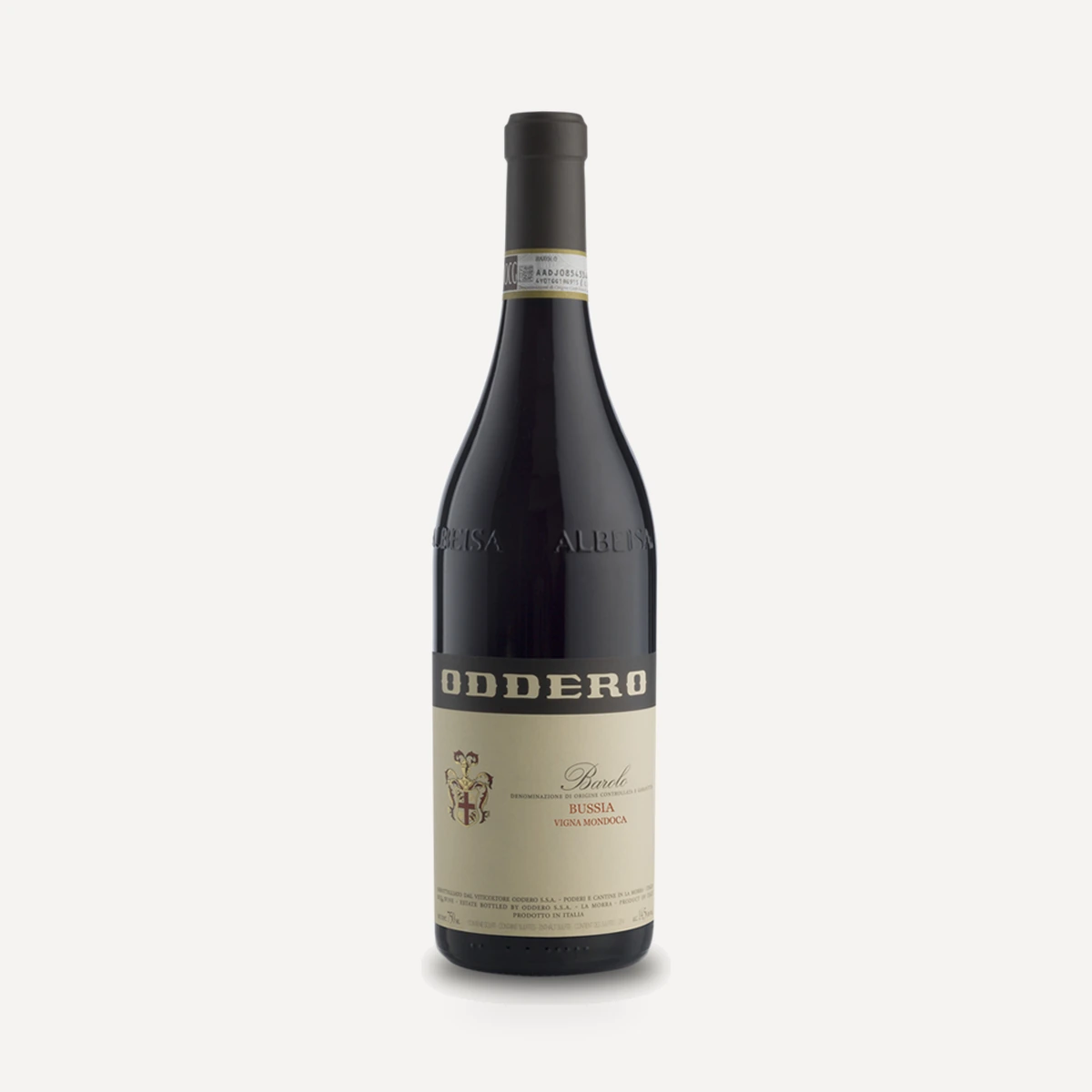
Mondoca within Bussia has Miocene-Serravallian soils with yellow sandy bands and white Diano sandstone cemented by marine calcium carbonate. At the top of the vineyard, the soil becomes white, dusty, low in organic matter and drought-prone. Its south and southwest exposure makes it a sorì of the afternoon and gives it the highest temperatures among the estate’s Barolo-area vineyards.
Barbaresco zone
East of Alba, the Barbaresco area contains a greater proportion of sand alongside Sant’Agata marl. It accumulates slightly more heat and receives slightly more rainfall than the Barolo area. Nebbiolo for Barbaresco is generally harvested between one week and ten days before Nebbiolo for Barolo.
At Gallina in Neive, pale sand mixed with calcareous marl creates loose soil susceptible to summer drought. The estate’s holding rises from 180 to 210 m and faces fully south.
Moscato and Asti territories
Cascina Fiori at Trezzo Tinella lies around 380 m, among the higher elevations used for Moscato d’Asti. Its cooler, better-ventilated microclimate produces a comparatively late harvest. The soil is compact marl with fine clay and abundant limestone, in places appearing white and emerging as flat rock polished by erosion.
At Vinchio d’Asti, the fully south-facing Barbera vineyard is exceptionally steep and warm. Rainfall erodes the slope and can trigger small landslides. Its loose sandy soil contains fine and medium sands, limestone and fine clay and becomes extremely dry in summer, often producing vine water stress in late July and August.
Vinificazione
Organic trials began in 2008. Chemical herbicides were eliminated across all vineyards, with weeds beneath the vine row controlled mechanically. Nebbiolo, Barbera and Dolcetto vineyards are now certified organic by Valoritalia under code IT BIO 015; Moscato and Riesling vineyards are managed sustainably.
Copper and sulphur are used against common fungal diseases. The estate regards copper accumulation in soil as a concern and hopes for an effective substitute that can control Plasmopara viticola while improving environmental and health sustainability. Pyrethrum and mating disruption are used against insects. Post-harvest soil care includes organic fertilizers and manure, while selected seed mixtures provide inter-row ground cover and green manure.
The fragmented geography of the holdings makes organic work logistically demanding. Instead of a single 35 ha block, the estate manages separated vineyards—some only 0.5 ha—across a wide area. Teams and vehicles travel from Santa Maria to respond quickly when disease pressure develops.
Site-specific work responds to water and erosion risks. Mondoca may receive organic matter or mature manure from organically fed animals to improve water retention. Rocche di Castiglione receives manure when necessary after harvest to restore shallow soil structure. At Vinchio, eroded earth must often be returned to the steep slope; the narrow old planting prevents tractor access, and leaf removal is calibrated carefully during late-summer water stress. At Cascina Fiori, the number of leaves shading Moscato clusters near the end of ripening is adjusted each year to preserve natural aroma.
Seasonal work encompasses winter pruning, spring green operations, thinning and harvest. Grapes are harvested and selected manually where described, with further conveyor-belt sorting in the cellar for the principal Nebbiolo sites. Harvest crates hold 18 kg in the detailed Nebbiolo protocols.
Historical and modern cellars
The historical cellar adjoins the family residence in Santa Maria di La Morra. Its vinification section is equipped with modern oenological technology, while its 18th-century rooms remain in service for long-term maturation and storage. The farmhouse retains the traditional south-facing L-shaped plan of historical Langhe farms, with a large courtyard between its two wings. Successive generations added living quarters, production rooms and galleries while preserving the central structure.
A second cellar, completed nearby in 2015, is divided into three sections. One large room is dedicated to bottle maturation before release, accommodating especially long schedules such as five years for Riserva Bussia Vigna Mondoca and ten years for Riserva Vignarionda. Another section is a historical museum furnished with reclaimed materials and displaying old bottles. The building is partly underground and covered with grass; its insulation and contact with the earth maintain suitable temperature and humidity. Photovoltaic panels supply its energy, with surplus electricity returned to the grid.
Production approach
Wood and stainless steel are the principal cellar materials. Large oak casks from Austria, Slavonia and France are used for the classic Barolo, single-MGA Barolos, Barbaresco Gallina and the estate’s Barbera wines. Individual vineyard lots intended for classic Barolo are fermented, undergo malolactic fermentation and mature separately before blending.
The recurring red-wine protocol comprises close selection in the vineyard, additional conveyor-belt selection where required, gentle destemming and crushing, alcoholic fermentation with maceration, malolactic fermentation and extended maturation in large oak. For classic Barolo, the three vineyard components ferment and macerate separately in stainless steel for 20 days at 28–29°C, complete malolactic fermentation separately, and mature for 30 months in 40, 60 and 75 hl Austrian and Slavonian oak. They are blended in spring, bottled at the end of summer and held for another six months.
Longer single-vineyard Nebbiolo macerations described across the estate run approximately 20–30 days. Daily rack-and-return is used during the 25–28-day fermentation of Vignarionda. Malolactic fermentation follows alcoholic fermentation, with December specified for several Nebbiolo lots. Depending on the vineyard, maturation takes place in large 20–40 hl oak casks, followed by bottle ageing.
The production objective is to preserve the integrity of the harvested fruit so that each finished wine retains the identity of its vineyard.
Filosofia
The family defines wine through three inseparable elements: territory, grape variety and people. In its own framing, the Langhe provides the territory, Nebbiolo the central grape, and two centuries of family and team labour supply continuity, patience and responsibility.
Quality is approached as the cumulative result of details—from winter pruning and spring canopy work through thinning and harvest, then pressing, fermentation and long maturation. Traditional knowledge is retained alongside updated production technology, with emphasis on patience and respect for both the raw material and the land.
Environmental responsibility is treated as a moral obligation toward the Langhe landscape and its ecosystem. Organic farming is also understood as a means of protecting the distinct identity of geographically dispersed vineyards. In the cellar, the corresponding aim is to maintain fruit integrity and produce wines that embody the cultivated sites.
The working culture is described as an extended family rather than a conventional staff structure. Longstanding personal relationships, shared goals and collective responsibility connect the Oddero family with collaborators whose own families live and work nearby. The seventh generation combines this continuity with innovation and increased environmental attention in both vineyard and cellar.
Vini
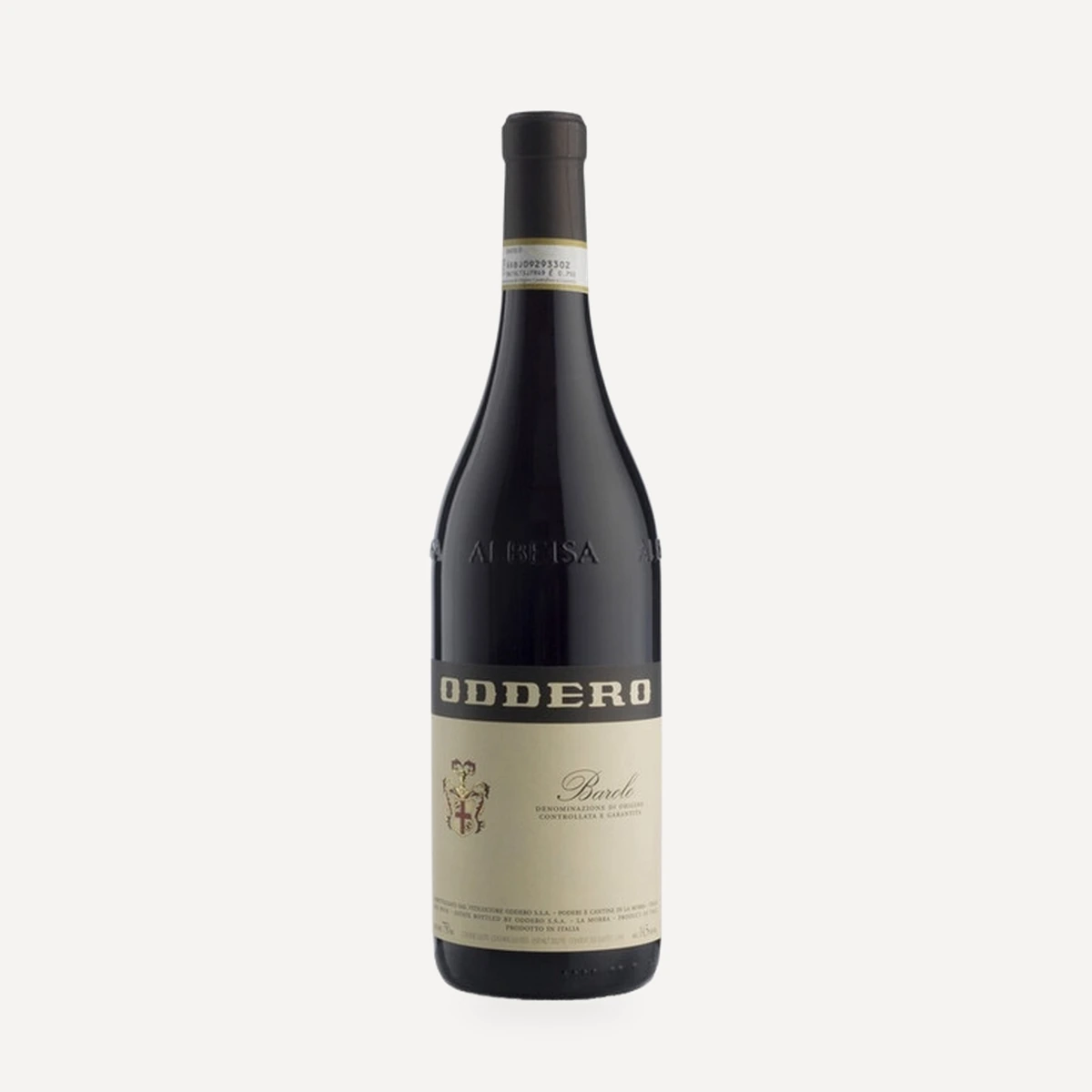
Barolo DOCG
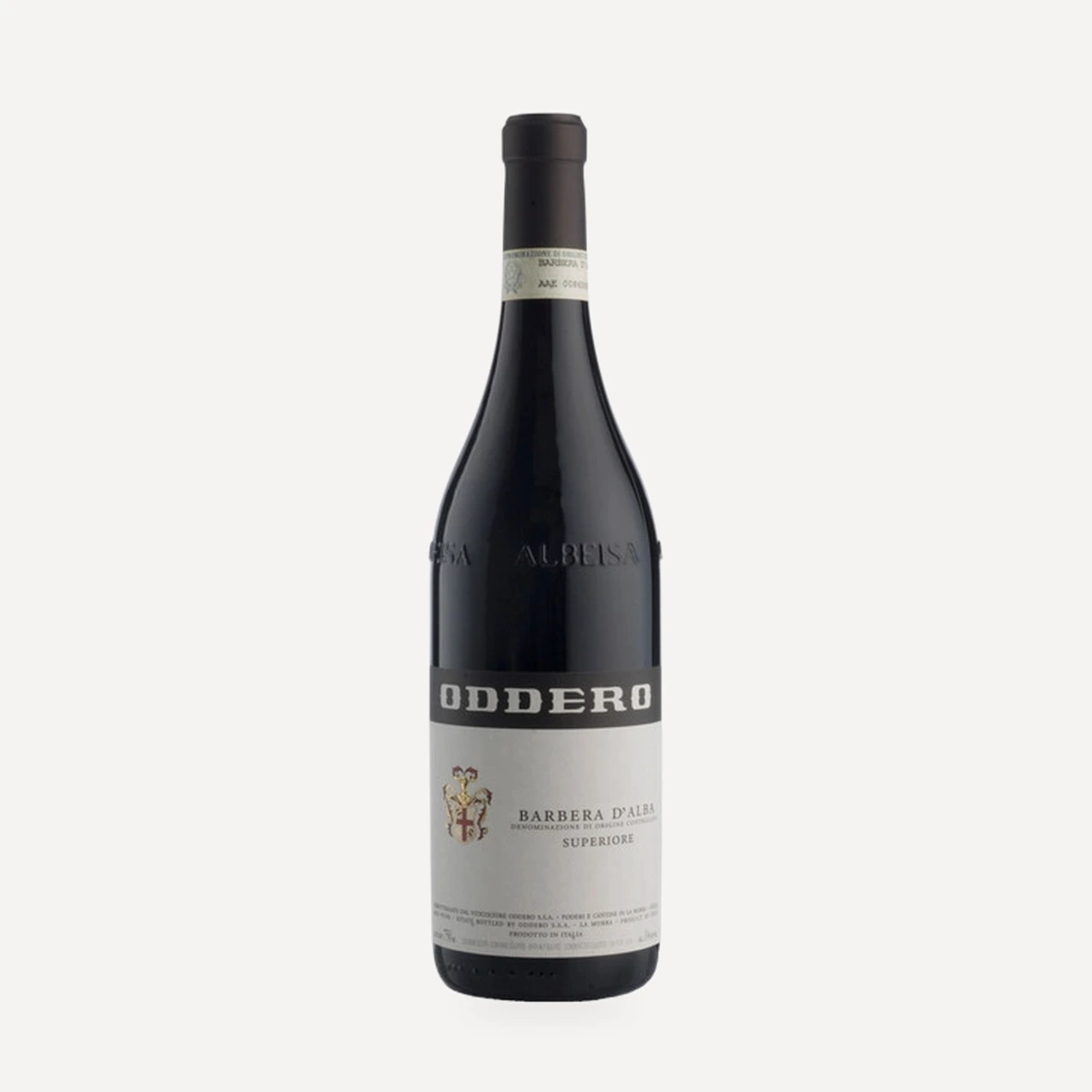
Barbera d'Alba Superiore DOC
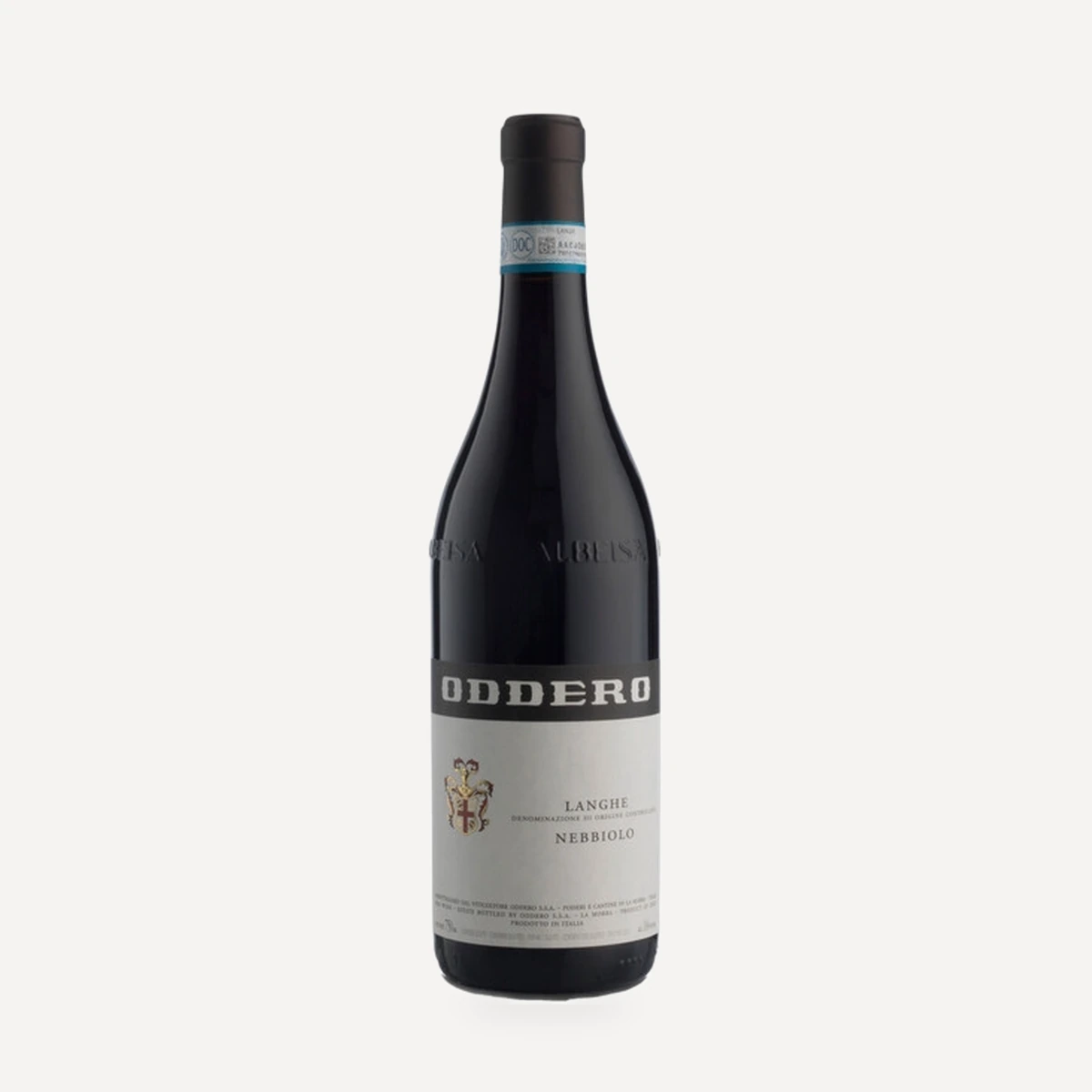
Langhe Nebbiolo DOC
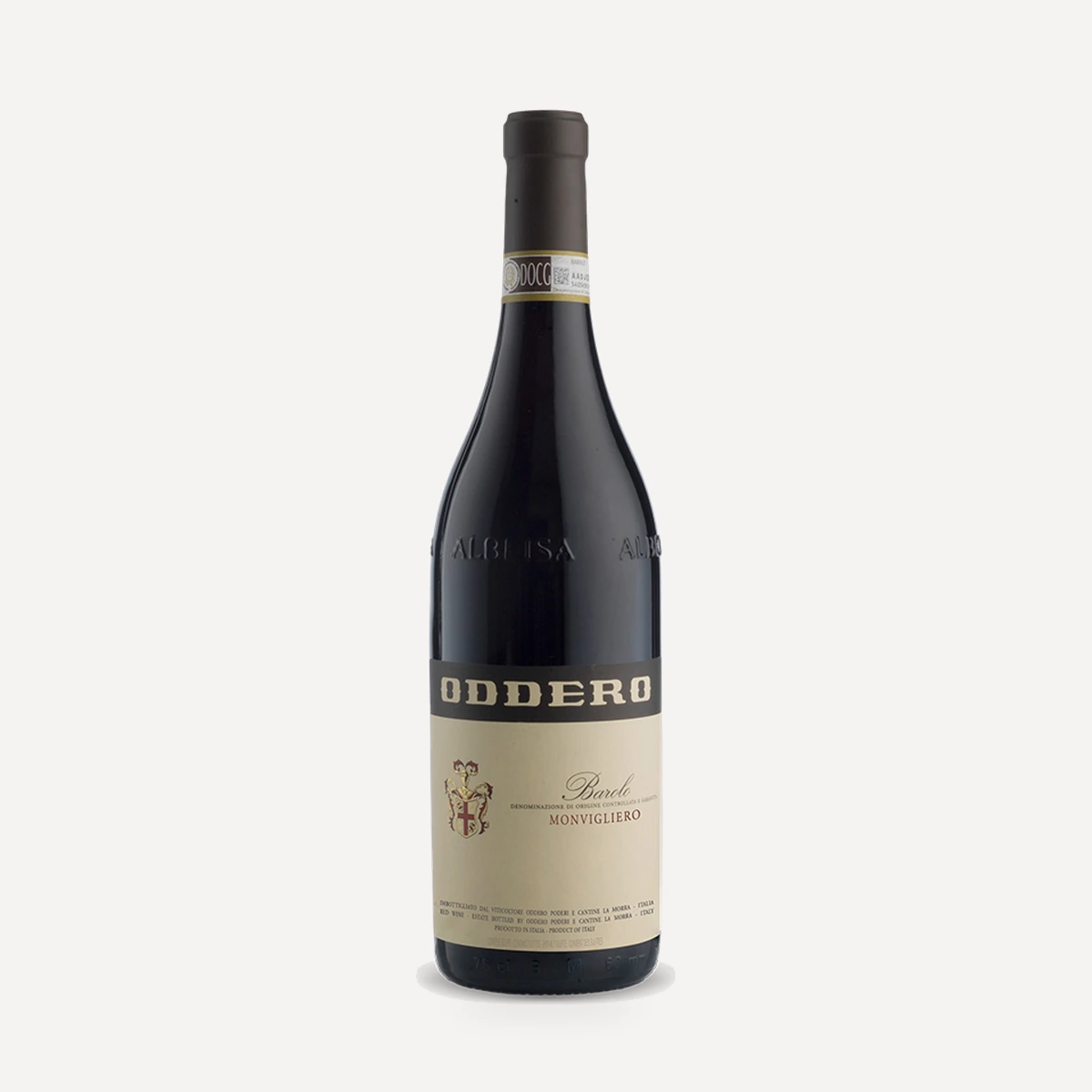
Barolo Monvigliero DOCG
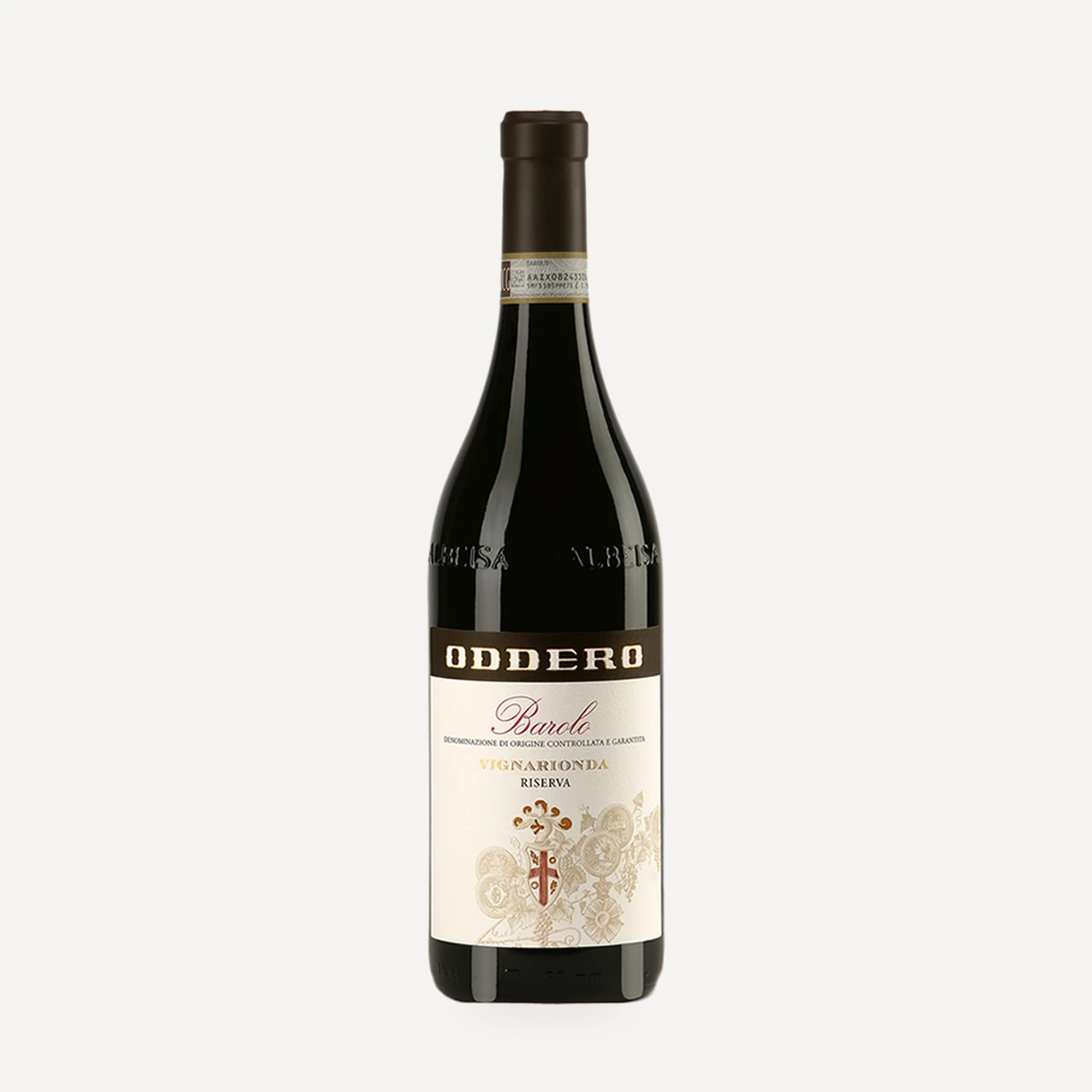
Barolo Vignarionda Riserva DOCG
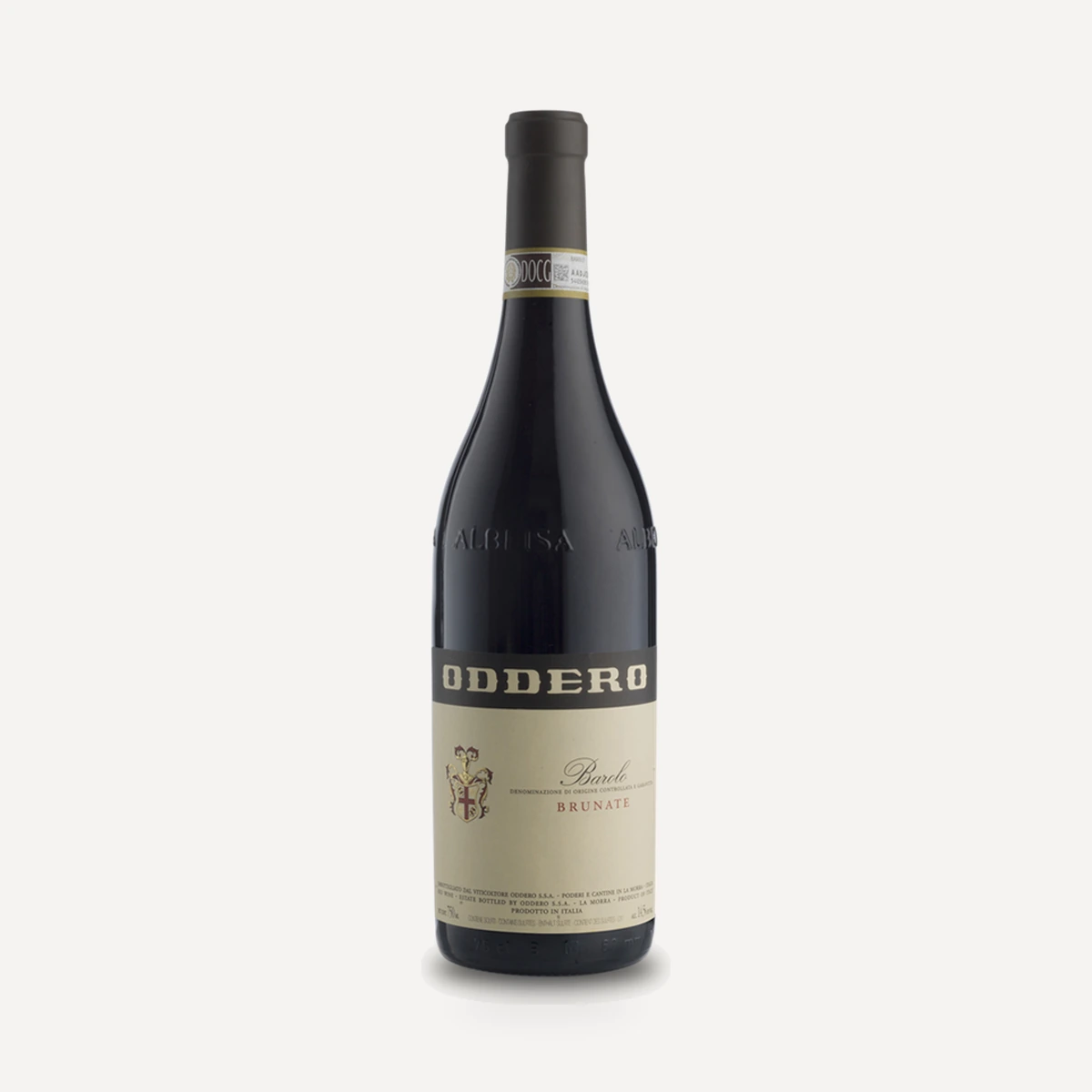
Barolo Brunate DOCG