Storia
The roots and the first harvest
Battistino Pala planted vineyards in the countryside around Serdiana. In 1950 his son, Salvatore Pala, vinified fruit from those family vineyards for sale rather than solely for domestic consumption, establishing the estate's commercial history. The first white was made from Nuragus; the red combined Monica and Pascale.
The business subsequently passed through four generations of the Pala family. Its earlier model emphasized high yields and anonymous bulk wine sold unbottled to other producers. Over time, the family rationalized both vineyards and winery and redirected the business from volume toward bottled quality, from a local market toward international distribution, and from trattorias toward leading restaurants.
1972–1995: appellations and generational succession
In 1972 the estate's Monica red became Monica di Cagliari DOC. Nuragus followed in 1974 as Nuragus di Cagliari DOC.
Salvatore transferred responsibility to Mario Pala in 1995. Mario, his wife Rita and their sons subsequently worked in the family business, each with an assigned function and a shared focus on vineyards and wine.
1999–2001: the quality and export transition
The first vintages of Entemari and Triente, Pala's Cannonau, were made in 1999. That year the family committed to a decisive qualitative transition and sought placement on national and international restaurant wine lists. Mario Pala brought Fabio Angius into the business for this purpose.
Pala participated in Vinitaly for the first time in 2000. Its first exports followed to Germany, the United Kingdom and Brazil, beginning a wider international expansion. Silenzi Rosso and Silenzi Bianco debuted in 2001.
2003–2007: Oristanese vineyards and new releases
In 2003 Pala began acquiring old vineyards at Terralba and Uras; a further site at San Nicolò d'Arcidano was added later. Together they covered about 4 ha. The predominantly ungrafted vines, planted in deep white sands, included specimens more than 120 years old. Their Bovale supplied Essentija, presented as Sardegna's first varietal wine made entirely from Bovale.
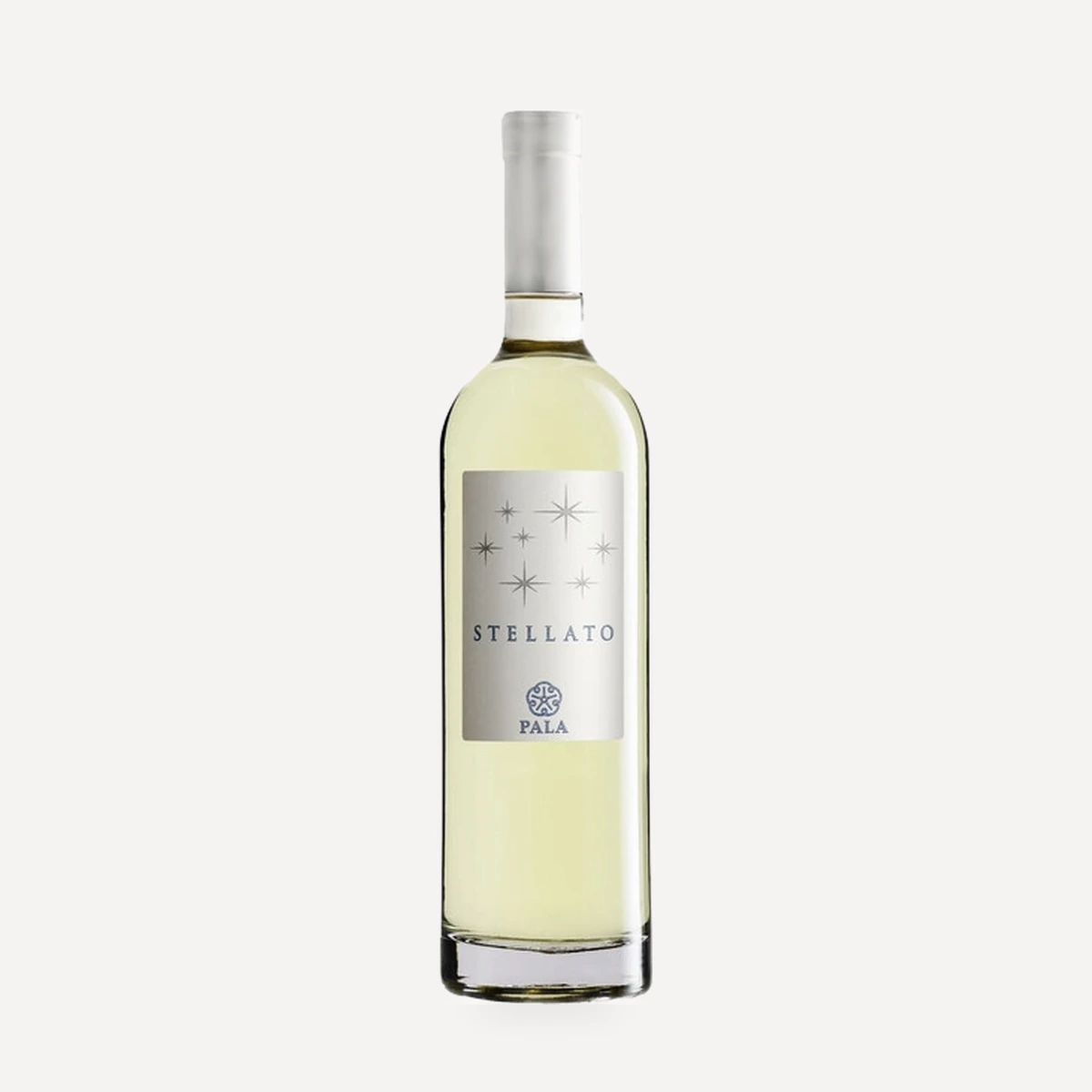
Stellato was first produced in 2005. Its inaugural release sold out within 45 days. Following that success, Pala made its first rosé, Chiaro di Stelle, in 2007; it later won a gold medal at the Rosé du Monde competition in Bordeaux.
2010–2015: redesign and recognition
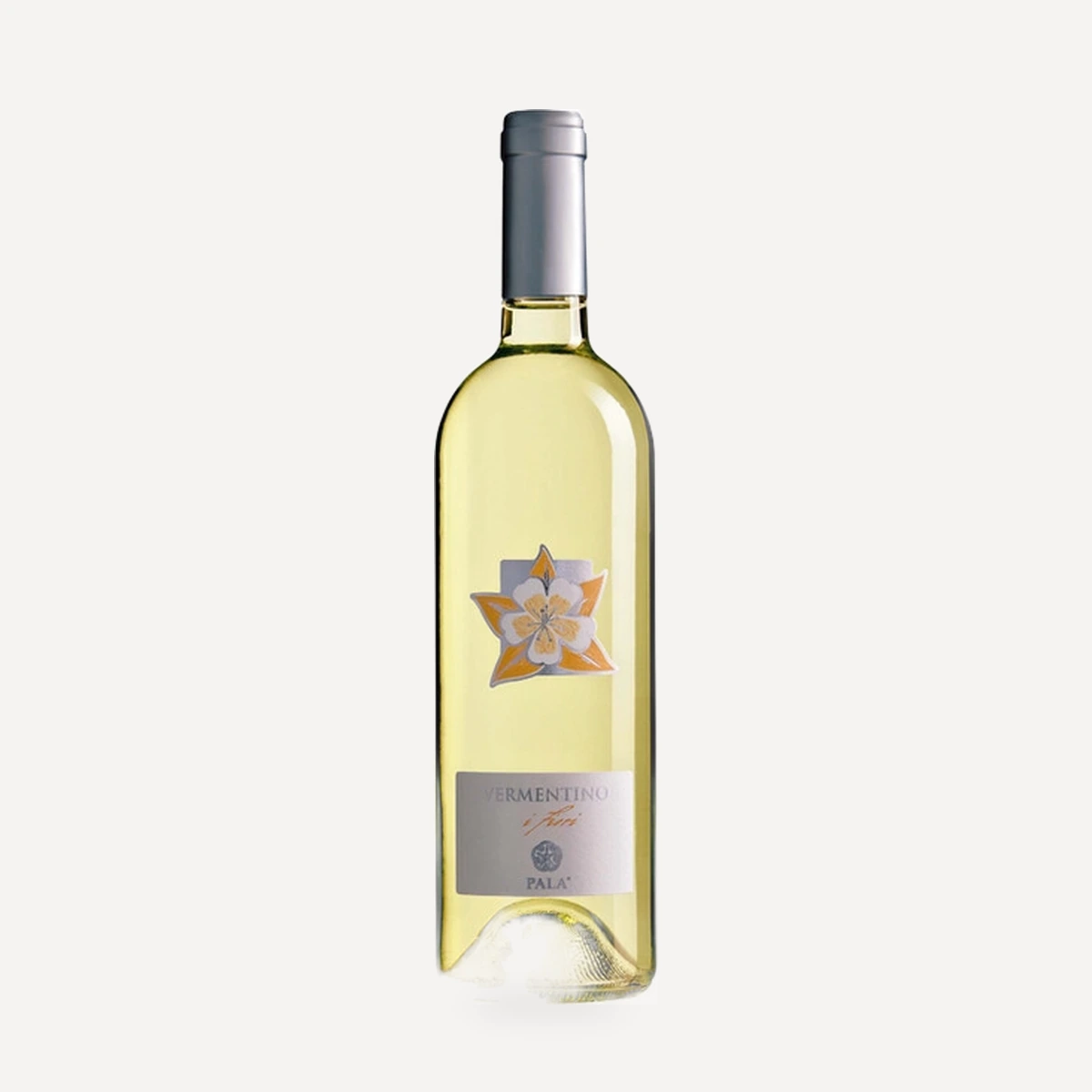
A comprehensive label redesign in 2010 retired the names Crabilis, Triente, Elima and Salnico. The corresponding wines became the Vermentino, Nuragus, Monica and Cannonau expressions of I Fiori di Pala. The redesign won the Special Packaging Award at Vinitaly's International Packaging Competition.
In 2013, the Cannonau Riserva now called Santuanni became the first Cannonau produced in southern Sardegna to receive Gambero Rosso's Tre Bicchieri. Pala was also named Gambero Rosso's Emerging Winery of the Year 2014.
Stellato received its first Tre Bicchieri in 2015. It was the first Vermentino from southern Sardegna to earn the distinction and was still described as the only one when the current history was published.
2020–2024: seventieth harvest and new ownership
The 2020 vintage marked Pala's seventieth harvest. Lia Tolaini-Banville became the owner in 2024, together with her family. Her plans center on investment intended to raise both the quality and international reach of the wines while continuing Pala's connection to Sardegna and its indigenous varieties.
Terroir
Sardegna and the Mediterranean setting
Pala treats Sardegna as a geological and climatic microcontinent. The island separated from the French massif rather than sharing the tectonic setting of the Italian peninsula. No point is more than about 80 km from the sea, yet the landscape encompasses snow-covered mountains, a major canyon, desert, fertile plains, cliffs, beaches and limestone hills.
The vineyards occupy contrasting sectors of southern and central-western Sardegna. Around the winery at Serdiana and in neighboring Ussana, the terrain consists principally of gently rolling limestone, clay and marl-rich hills. Senorbì adds quartz-bearing terrain. The western sites at Uras, Terralba and San Nicolò d'Arcidano stand close to the Gulf of Oristano and Monte Arci, on very deep, fine white sands; parts of Uras have volcanic material beneath several metres of sand.
Inland hills
The inland vineyards range from about 150 to 250 m above sea level. Exposures vary by site and grape, including south, southwest, southeast and north. Limestone, marl and clay recur throughout these hills, but their distribution changes within individual slopes: some become looser and rockier toward the summit, while others move from white limestone through iron-bearing bands to clay.
Oristanese coast
The three Oristanese plots lie at an average altitude of about 11 m, only 4 km from the sea. Their old Bovale vines grow in deep white sand, often on their own roots, with cactus boundaries in parts of the landscape. Monte Arci's ancient volcanic massif rises behind the vineyards, and volcanic subsoil occurs beneath the sand at Uras.
Local environmental influences
Sea breeze and salt are recurring influences on Pala's white wines. Su Stani faces a rare saline pond 18 km inland that supports pink flamingos. Several hilltop sites look toward the Gulf of Cagliari, while Is Crabilis overlooks the valley and the Sette Fratelli, the highest peaks of southern Sardegna.
Vinificazione
Pala matches vineyard location, exposure and soil to the varieties considered best suited to each site. Training systems include traditional Sardinian alberello, low espalier and spur cordon. Many of the very old Bovale vines in the deep sands of the Oristanese are ungrafted.
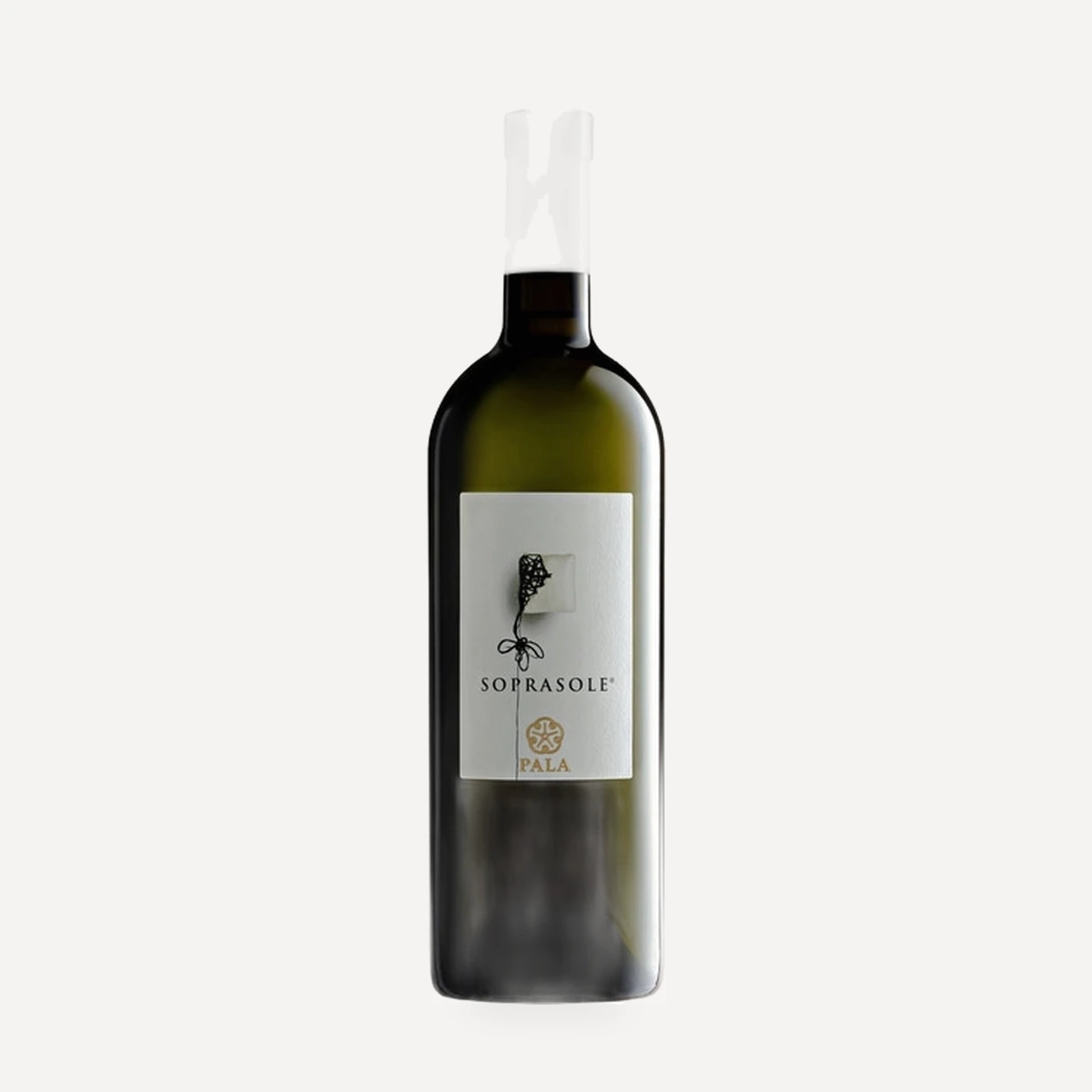
Harvest protocols vary by parcel and wine. Grapes may be picked manually in the early morning to retain freshness. One selected Nuragus parcel is harvested by hand in four separate passes to achieve the desired ripeness. For an especially limited Vermentino selection, picking begins around 04:00 during the first ten days of October; dry ice is used in the vineyard to limit oxidation, retain freshness and reduce sulphite requirements.
Fruit intended for the sweet wine is dried naturally on the vine for about 15 days, with the duration extending toward one month in some vintages. Older technical material records yields ranging from about 35–40 q/ha for the passito grapes and 40 q/ha for old-vine Bovale to approximately 90–100 q/ha for Nuragus. No estate-wide organic, biodynamic or sustainability certification is declared.
White-wine production
White grapes are generally softly pressed, and the must is cleaned before temperature-controlled fermentation in stainless steel. Current dry-white protocols use native yeasts, with fermentation temperatures around 15°C. Depending on the selection, the wine remains in stainless steel on its lees for approximately four to twelve months. Longer-aged whites receive light clarification, up to twelve months on noble lees in steel and additional bottle maturation before release.
A selected Nuragus is fermented at low temperature with native yeasts in 1,000 L French oak barrels, then aged in wood for six months on fine lees with regular bâtonnage. Another limited Vermentino undergoes an overnight skin maceration at 10°C, followed by a 21-day fermentation and four months in stainless steel at 15°C with continuous bâtonnage. It is bottled with its lees and without filtration.
Red-wine production
Red grapes are destemmed or debunched and may enter stainless-steel tanks as whole berries. Current Monica, Cannonau and Bovale protocols use controlled temperatures near 21°C and macerations of approximately 35–40 days. Punch-downs and pump-overs are adjusted to the vintage. Alcoholic fermentation is followed by malolactic fermentation. Unoaked reds rest for about three months in tank before bottling; others mature first in stainless steel and then in bottle.
Oak regimes vary by selection. The family cru completes alcoholic and malolactic fermentation in stainless steel before 10–12 months in barriques, divided equally between new and second-use wood. A Monica selection matures for about 12 months in medium-sized oak casks and at least three months in bottle. Old-vine Bovale matures for 24 months in 1,000 L oak casks, returns to stainless steel for three months and is then bottled.
Sweet-wine production
On-vine-dried Nasco and Vermentino are hand pressed and fermented in small stainless-steel vats. Maturation continues for six months in steel and a further six months in bottle.
Cellar practices
Across the range, the principal vessels are temperature-controlled stainless steel, underground cement tanks, medium and large oak casks, French oak barrels and barriques. Practices include soft pressing, destemming, skin maceration, light clarification, malolactic fermentation, lees contact, bâtonnage, selective filtration or unfiltered bottling, and staged maturation in steel, wood and bottle.
Filosofia
Lia Tolaini-Banville describes great wine as beginning with a profound connection to the land. Her objective is to champion Sardegna's rugged terroir and indigenous varieties, using wine to communicate the island's people, history and heritage internationally. She characterizes this ambition as a project pursued for more than a decade.
Pala's broader approach is to produce authentic wines that reflect Serdiana and the contrasting terroirs of its eight estates. Vineyard location, exposure and soil are selected in relation to the variety, while the range is organized around expressions of territory, grape and individual vineyard.
The family's earlier qualitative transition retained an artisanal, agricultural identity while replacing bulk production and high-yielding vineyards with more selective vineyard and cellar management. Particular emphasis is placed on Sardinian grapes, especially Nuragus, Monica, Cannonau, Bovale, Malvasia Sarda, Nasco and Carignano, alongside a limited international component. Vintage variation is respected in decisions such as the frequency of punch-downs and pump-overs and whether the ageworthy Entemari is produced at all.
Vini
Stellato Vermentino
Soprasole Vermentino
S’Arai
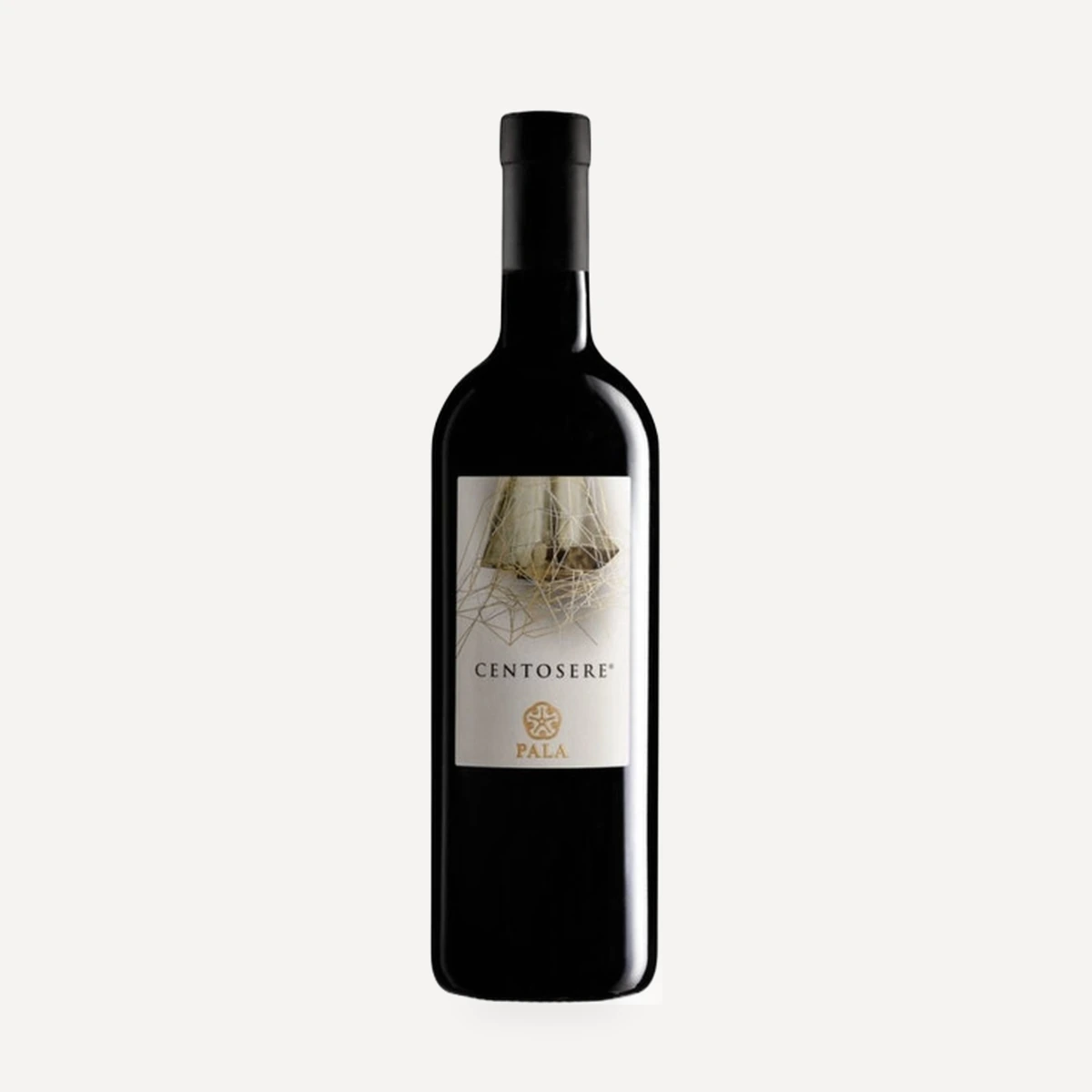
Centosere Cannonau
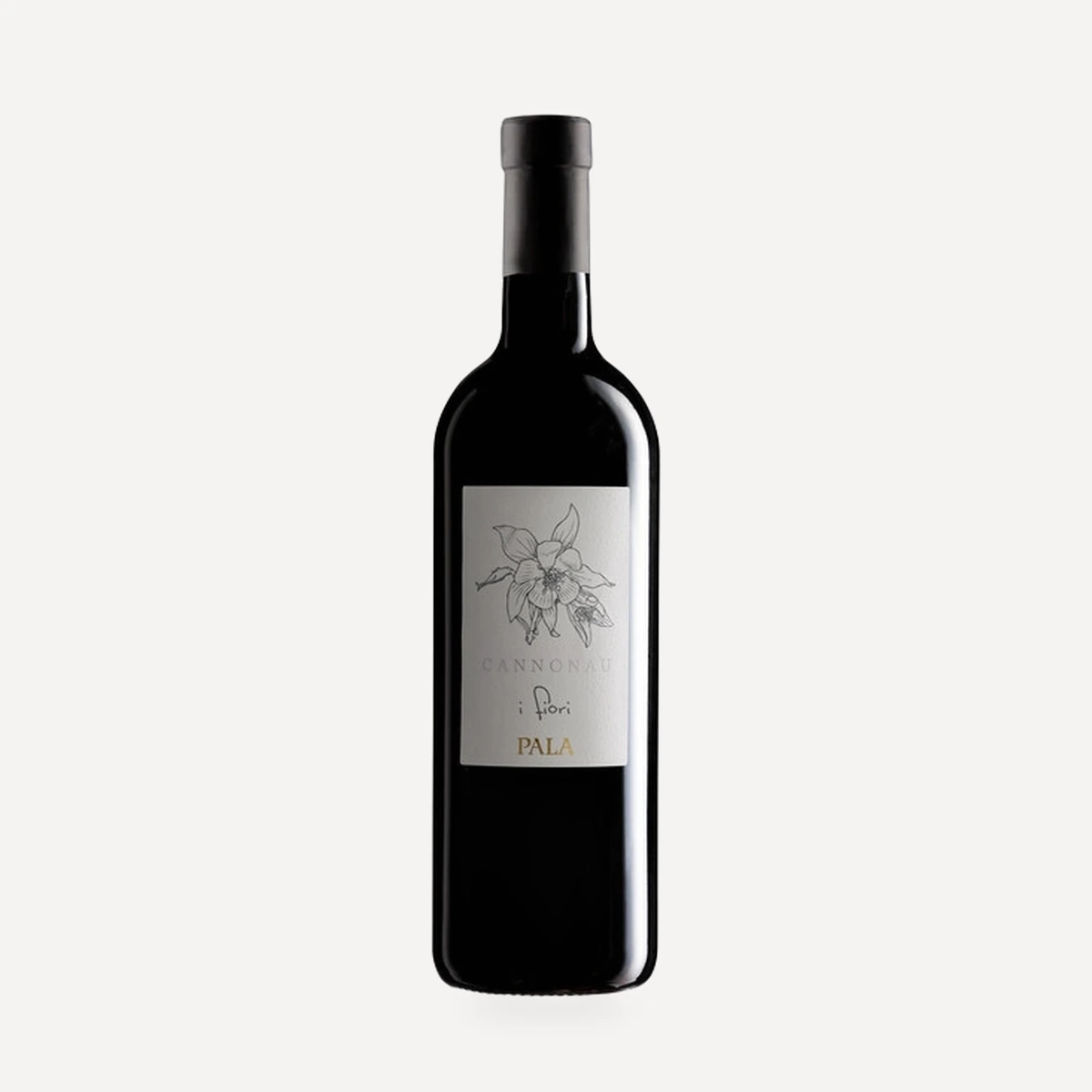
I Fiori Cannonau di Sardegna DOC