Storia
Foundation in 2004
Cantina Mesa was founded in 2004 as the realization of Sardinian advertising executive Gavino Sanna’s ambition to create a winery for his native island. The project was conceived as an expression of Sardinian culture through wine, joining visual design, hospitality and production in a single identity.
The name Mesa means “table” in both Sardinian and Spanish. It was chosen to evoke nourishment, conviviality, maternal affection, simplicity and the aromas of Sardinian earth. Gavino Sanna also devised the creative language used for the wines’ names and presentation.
The winery and vineyard project
The production building was established at Località Su Baroni in Sant’Anna Arresi, above the slopes descending toward the Valley of Porto Pino. Its three levels were designed around the downward movement of grapes and wine: hand-selected fruit is destemmed on the upper floor, falls directly into vats below and is subsequently transferred to deeper underground maturation spaces.
The vineyard base developed across several parts of the Lower Sulcis. Ten blocks are individually documented in Su Baroni, Is Cuccus, Is Lais, Masainas, Crabì and S’Isca Piscinas, while Cannigonis is also identified on the vineyard map. By the current account the vineyards cover more than 78 hectares.
Cultural and social initiatives
By 2019 Cantina Mesa had created the Premio Mesa, a competition intended to encourage young chefs and restaurateurs working in Sardinia. Gavino Piu won the 2019 edition. Davide Atzeni won the third edition in 2022, followed by Alessandro Impera, winner of the fourth edition in 2023. The prize developed around Sardinian gastronomic identity and professional training, with winners receiving an advanced course at the Accademia Niko Romito devoted to bread and leavened products made with ancient grains.
Since 2024 Cantina Mesa has supported Motivo Donna, a social-enterprise project that trains women rebuilding their lives and creates employment through hand weaving. The collaboration grew from Motivo Donna’s Corporate Fast Track recognition within Premio 2031 and expanded through fundraising events and an ethical commission for 100 handmade bottle carriers.
Recent recognition and research
In March 2025 Cantina Mesa was included in Forbes Italia’s selection of “100 Iconic Wineries & Maestri del Calice.” Gavino and Lella Sanna represented the estate at the Milan ceremony.
For Vinitaly 2026, Cantina Mesa presented its participation in the project “Esperienze virtuali, storie reali per la valorizzazione del Carignano del Sulcis DOC.” Coordinated with the University of Sassari and supported by GAL Sulcis Iglesiente and FLAG Sardegna Sud Occidentale, the initiative developed an augmented-reality experience devoted to Carignano del Sulcis and southwestern Sardinia.
Cantina Mesa currently operates as Cantina Mesa S.r.l. – Società Agricola, with Herita Marzotto Wine Estates SpA as its sole shareholder.
Terroir
Cantina Mesa lies at Sant’Anna Arresi in the Sulcis Iglesiente, on the slopes of a wind-shaped hill above the Valley of Porto Pino. The estate overlooks the plain of the medaus—small rural settlements characteristic of the Sulcis—and the inlet beside the Porto Pino promontory. The production site stands at approximately 78 m above sea level.
The landscape forms an amphitheater protected by mountains, descending through gentle hills toward white sandy beaches, pine woods, salt pans and small islands. Mediterranean scrub includes rosemary and cistus, while the coastal habitat supports maritime flowers, posidonia, pink flamingos, kingfishers and other birdlife. The lagoon of Porto Botte lies between the vineyards and the sea; the Syrah vineyard is reflected in its waters.
The Mediterranean moderates the heat of summer. Sea breezes cool the vines, while salt-laden air is associated with freshness and vivacity in the fruit. Persistent winds also reduce humidity-related fungal pressure. More recent vintage reporting adds a marked day–night temperature variation in vineyards located a few kilometres from the sea.
The Lower Sulcis includes sandy coastal ground capable of supporting old, ungrafted vines. Across Mesa’s documented blocks, soils vary substantially: sandy-clayey profiles with cemented limestone; clay and sand with calcareous stones rich in calcium and magnesium; red clays rich in iron and manganese over active limestone; clay loam containing schist and basaltic fragments; and sandy-silty soils with strong water-retention capacity. The Sulcis is characterized as Sardinia’s oldest geological area.
Vinificazione
Training is adapted to local conditions and exposure, using spur-pruned cordon, Guyot and alberello. Alberello is particularly associated with Carignano because the compact bush form improves resilience under water scarcity and high temperatures.
Grapes are harvested and selected by hand. During the challenging 2025 season, an almost rainless, mild winter advanced the vegetative cycle and produced early budbreak. Yields were restricted, particularly in unirrigated vineyards, but Carignano and Vermentino reached maturity healthy, aromatic and with good acidity; older vineyards also maintained their balance.
Chemical insecticides and herbicides are replaced by mating disruption, the introduction of antagonist insects against potentially damaging species and mechanical weed control beneath the vines. Mineral fertilizers are replaced with humus, manure and green manure produced from autumn sowing between the rows. Fungal pressure is managed primarily with copper, sulfur and other organic products.
The program also covers working and community conditions. Employees are to work in a healthy environment; the surrounding countryside and aquifers are protected; and vineyard operations are organized so that they do not disrupt the routines of shepherds and farmers in neighbouring rural areas.
An on-site treatment plant recovers approximately 3,000 m³ of winery process water per year. The treated water irrigates the landscaped green areas surrounding the winery.
Three-level gravity layout
The bright white, minimalist production building contains a large contemporary workspace arranged over three floors. Extensive interior glazing makes the movement of grapes and wine visible during production.
Grapes are picked and carefully selected by hand. They are destemmed on the highest floor and allowed to descend directly into vats on the level below, where transformation of the must begins. A 2025 harvest account also describes gentle crushing after destemming and fermentation conducted without forcing, with the aim of preserving the identity of each variety and parcel.
White wines are transferred to stainless-steel tanks. Red wines move to the deepest part of the cellar, several metres below ground, where maturation takes place in barriques, tonneaux and concrete tanks. The underground position provides the estate’s most protected maturation environment.
No single standardized protocol is imposed across the range; the documented general process emphasizes hand selection, gentle handling, vertical movement through the building and separate maturation environments for whites and reds.
Filosofia
Cantina Mesa presents wine as a means of expressing Sardinia’s landscape, work, culture and hospitality. Its founding idea joins beauty with substance: the wine, architecture, bottle form, labels and names are intended to communicate one coherent interpretation of the island.
The name Mesa, meaning “table” in Sardinian and Spanish, condenses the values of nourishment, conviviality, maternal care, simplicity and the scents of Sardinian soil. The estate describes its relationship with the land in maternal terms: generous but demanding, shaped by agricultural labor, affection, dedication and inherited craft.
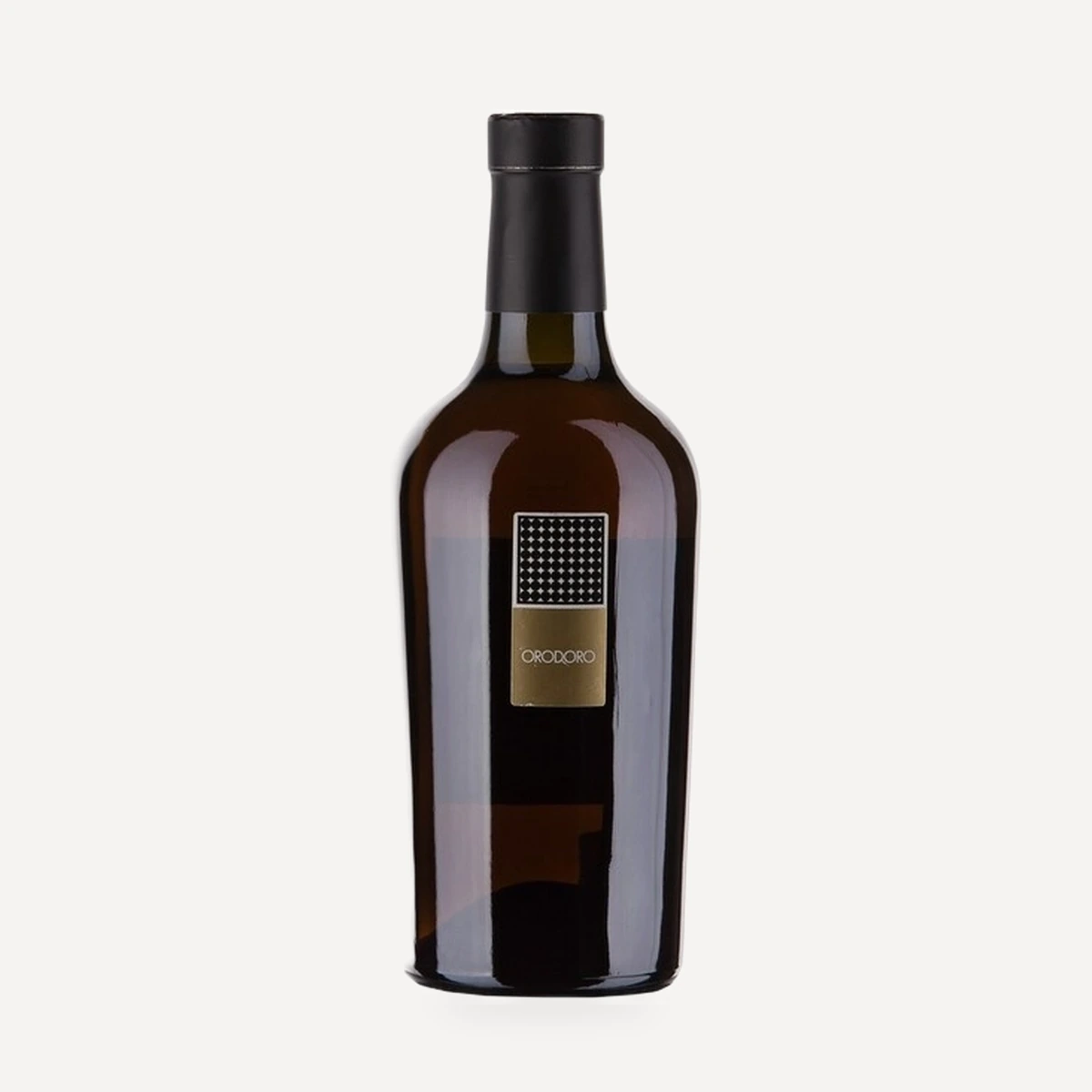
The visual identity follows the same principle. Rounded bottles take their silhouette from Sardinian women in traditional dress. The broad black wool shawl, su mucadore, and black-canvas tunic, sa fardetta, provide references for forms associated with feminine mystery, maternal affection and care. Label motifs derive from historic Sardinian tapestries and their patient, time-intensive craft.
In production, the stated objective is to preserve the identity of individual varieties, parcels and vintages through careful hand work, gentle handling and fermentation without forcing. Environmental responsibility extends beyond farming inputs to aquifer protection, water reuse, employee health and respect for neighbouring rural communities.
Vini
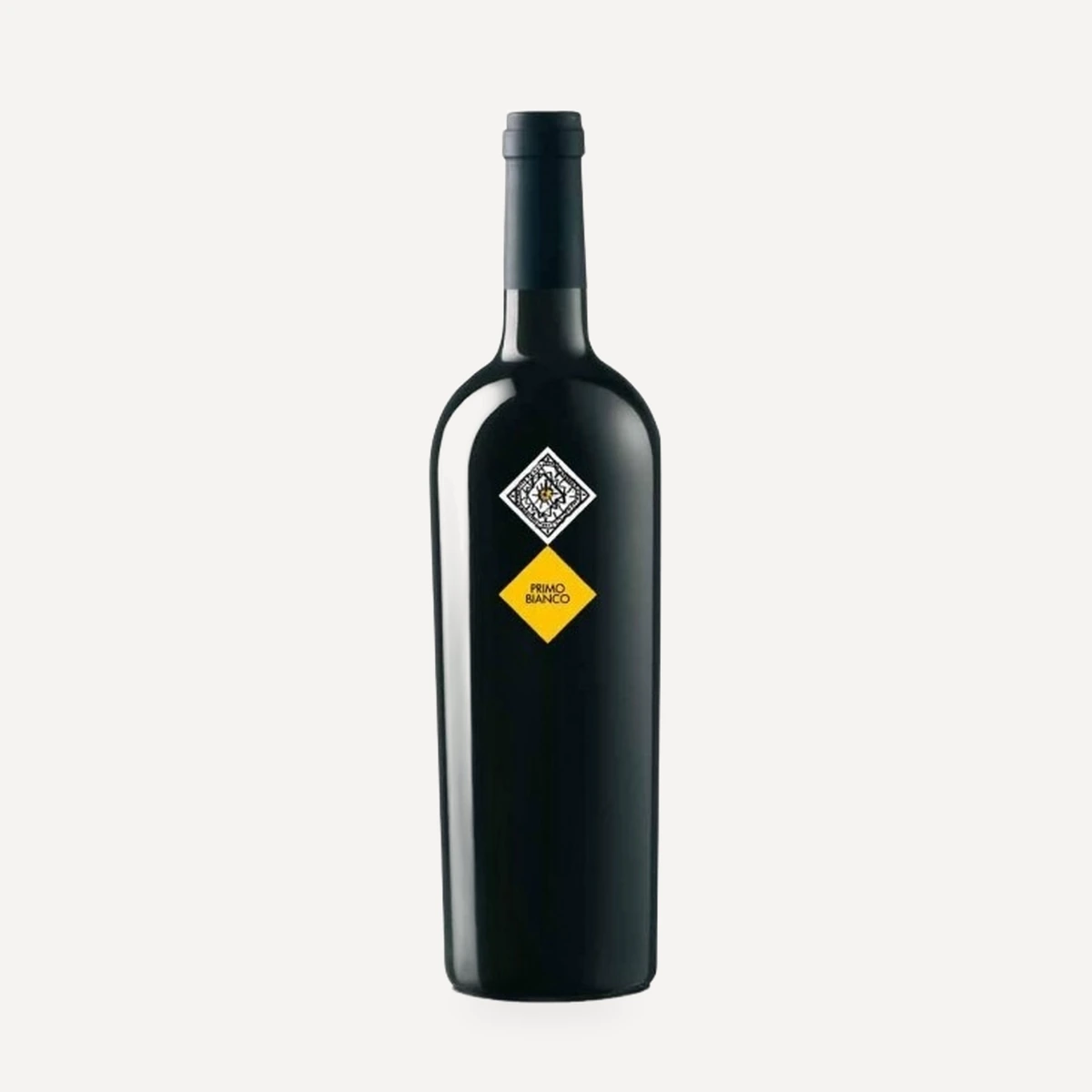
Primo Bianco Vermentino di Sardegna DOC
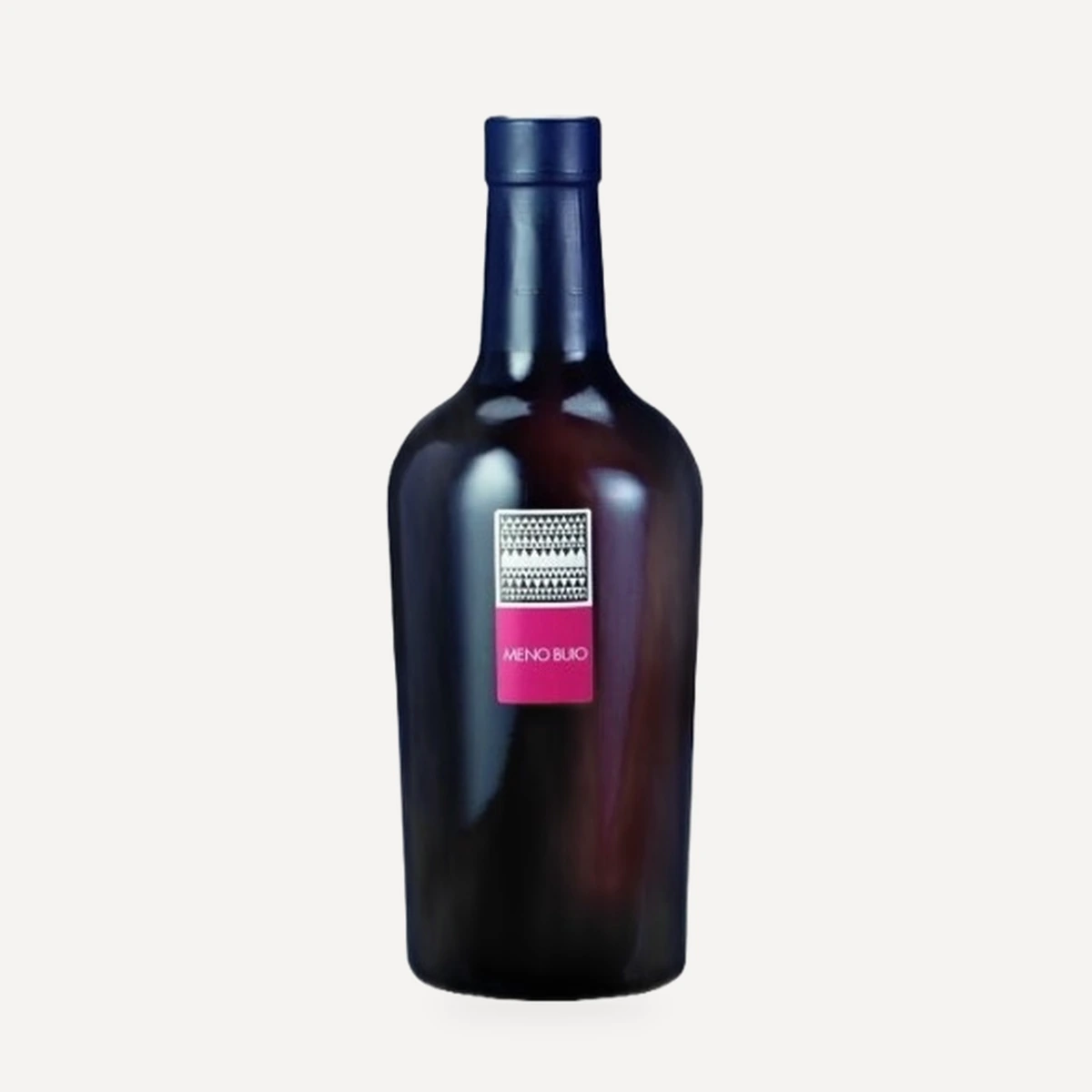
Meno Buio Carignano del Sulcis DOC
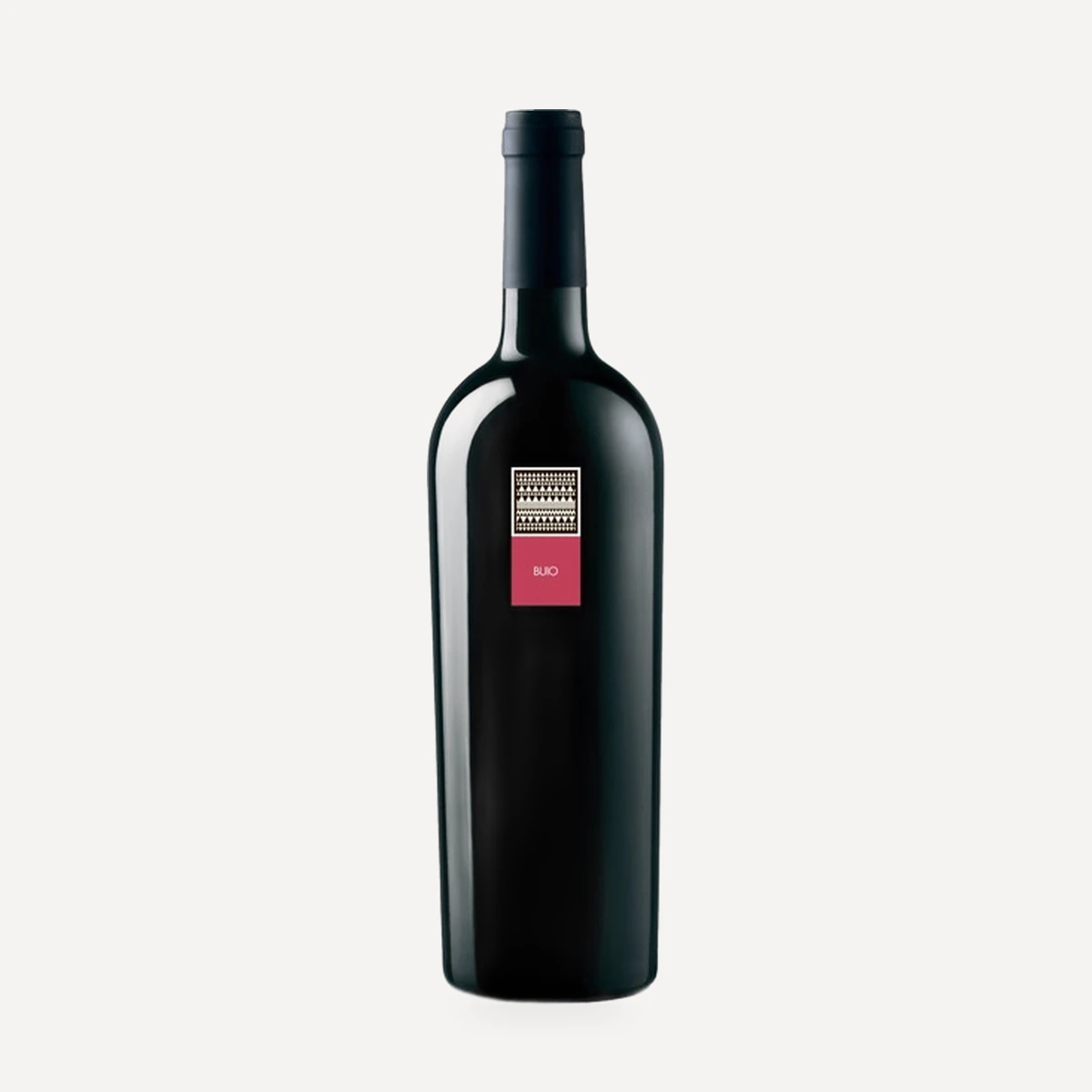
Buio Carignano del Sulcis DOC
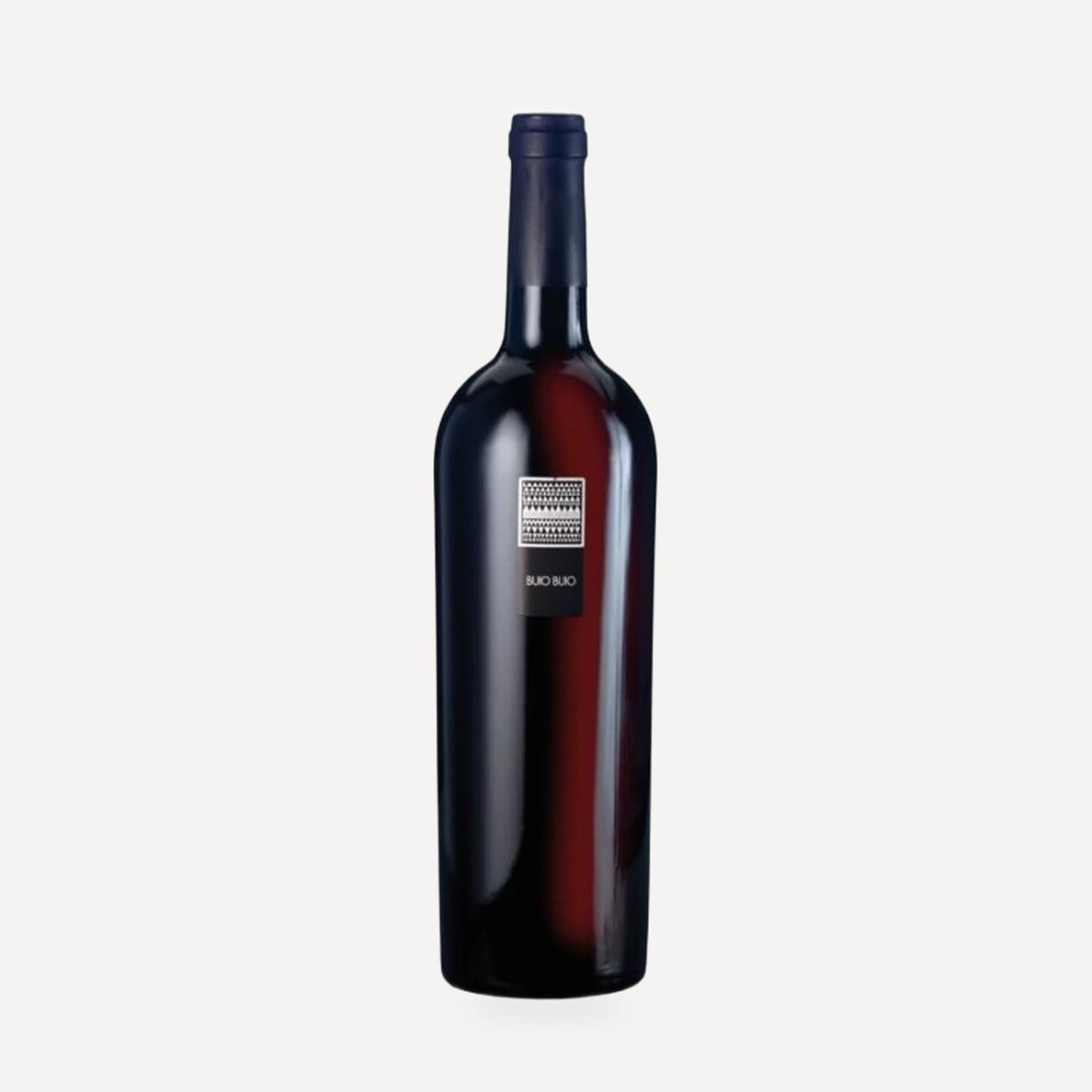
Buio Buio Isola dei Nuraghi IGT
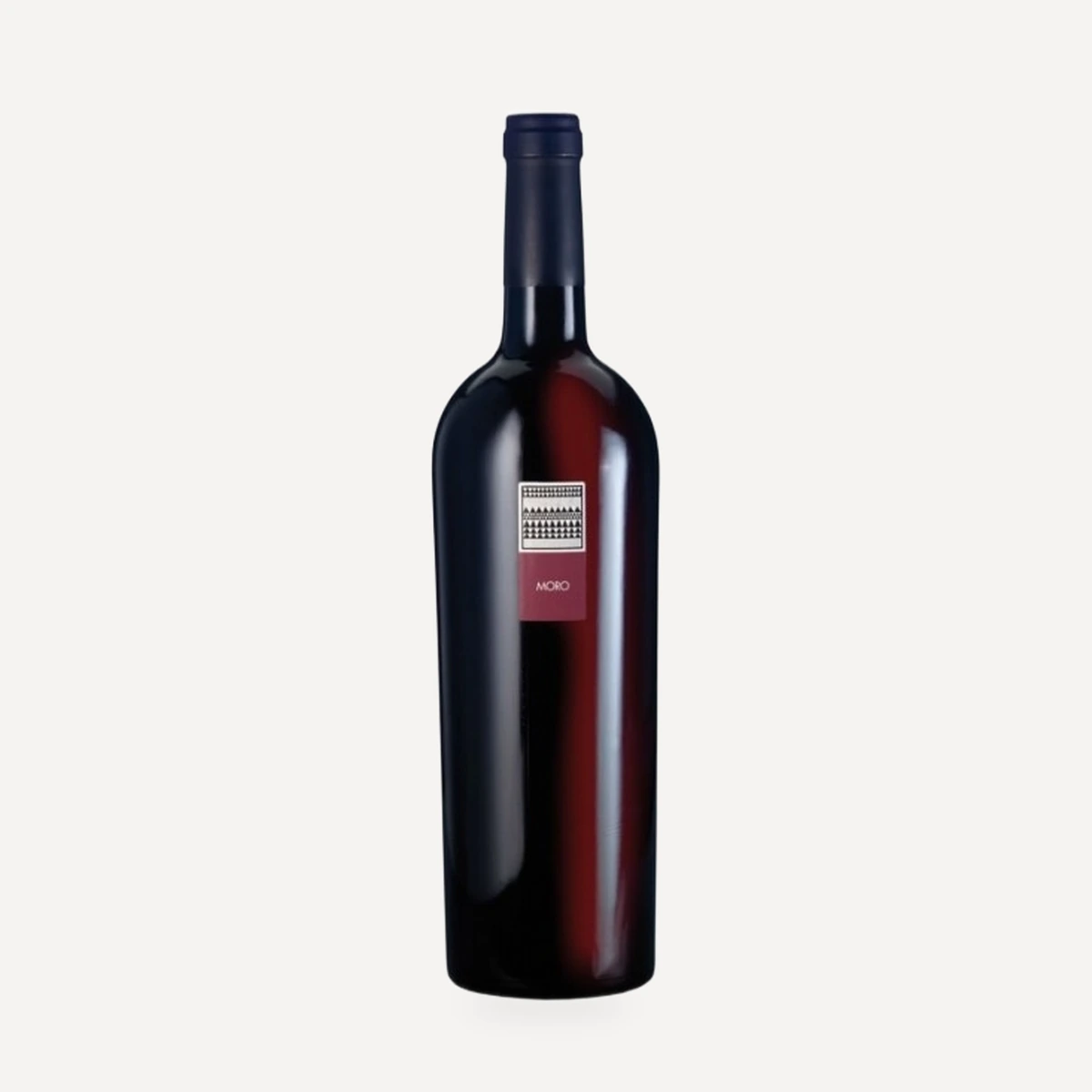
Moro Cannonau di Sardegna DOC
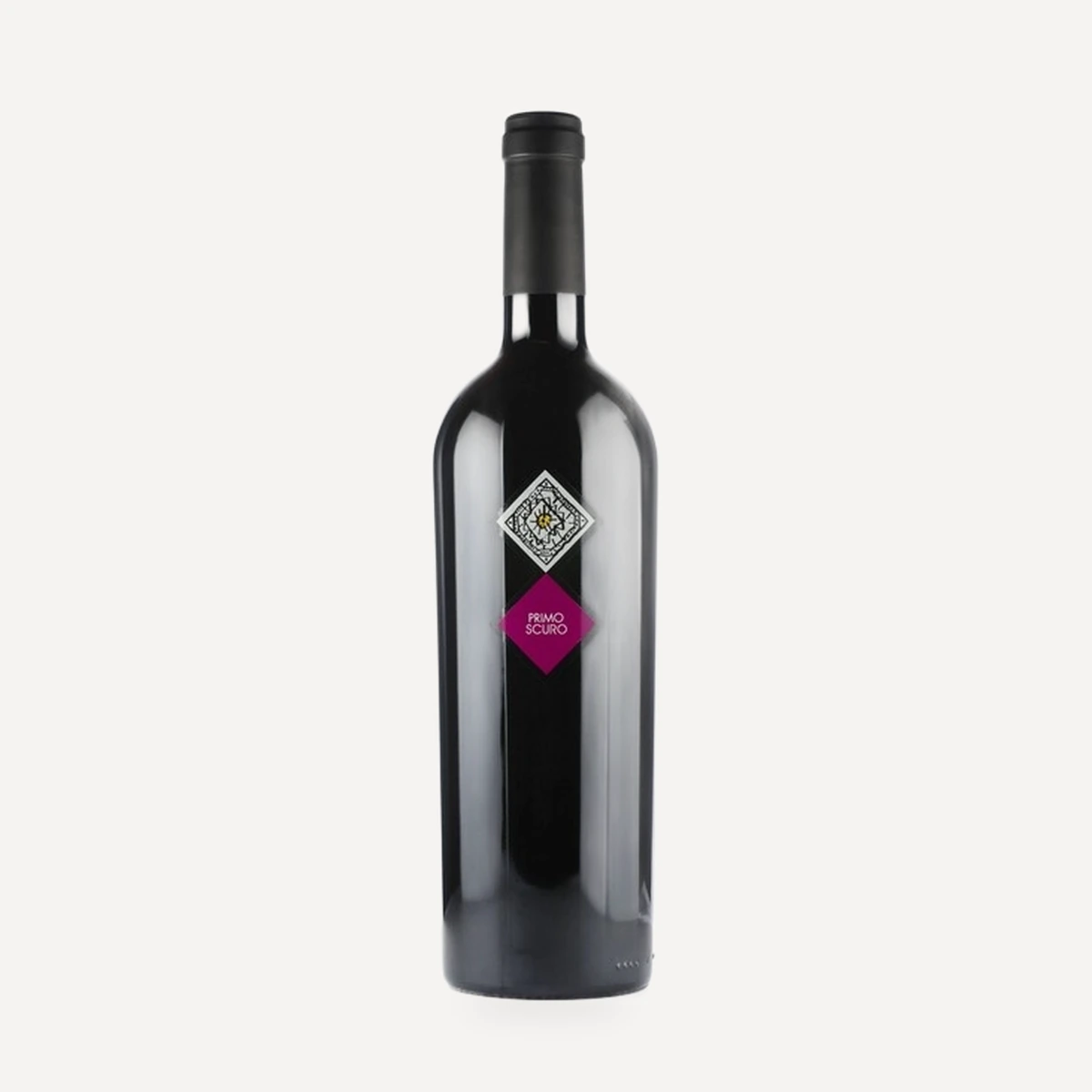
Primo Scuro Cannonau di Sardegna DOC
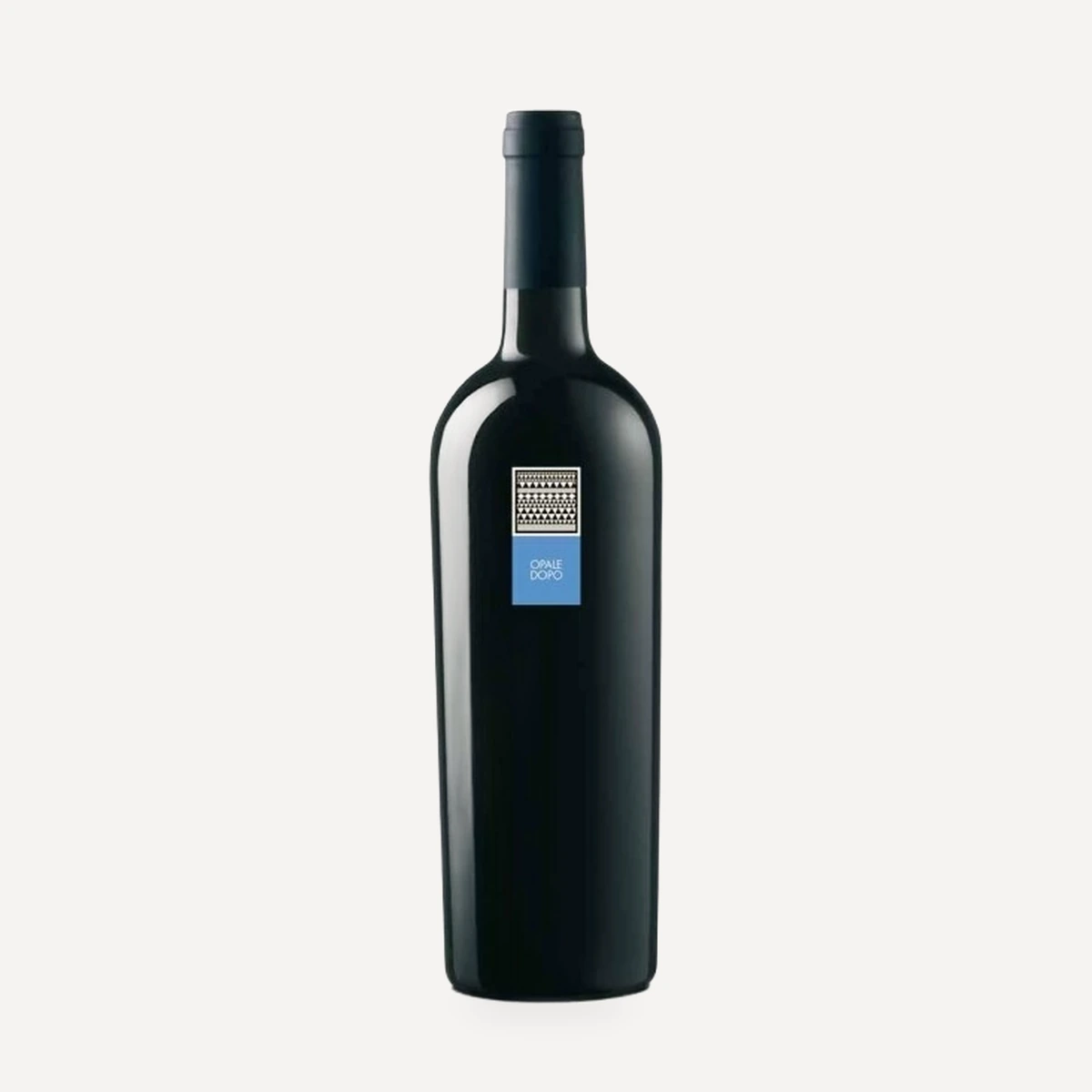
Opale Dopo Isola dei Nuraghi IGT
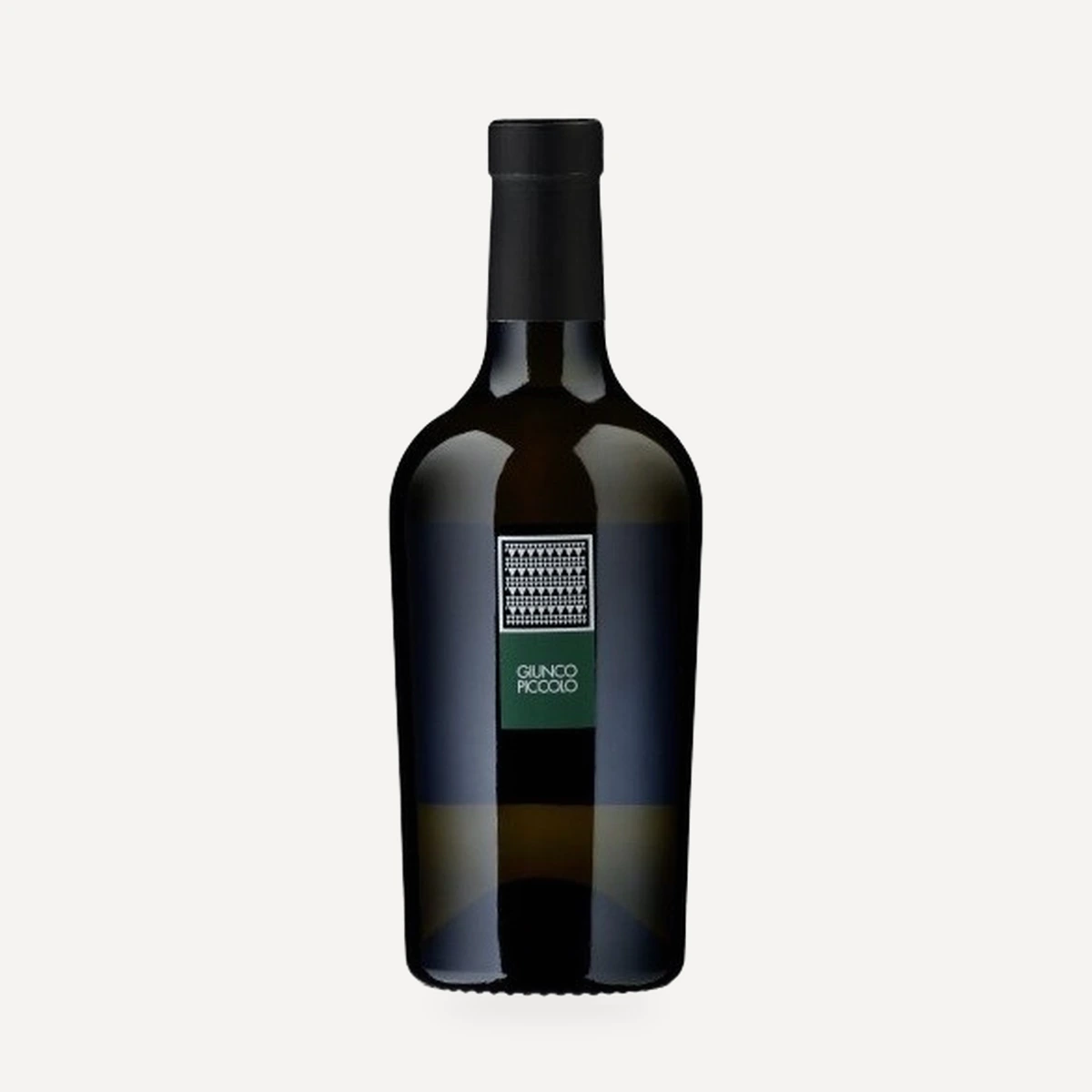
Giunco Piccolo Vermentino di Sardegna DOC
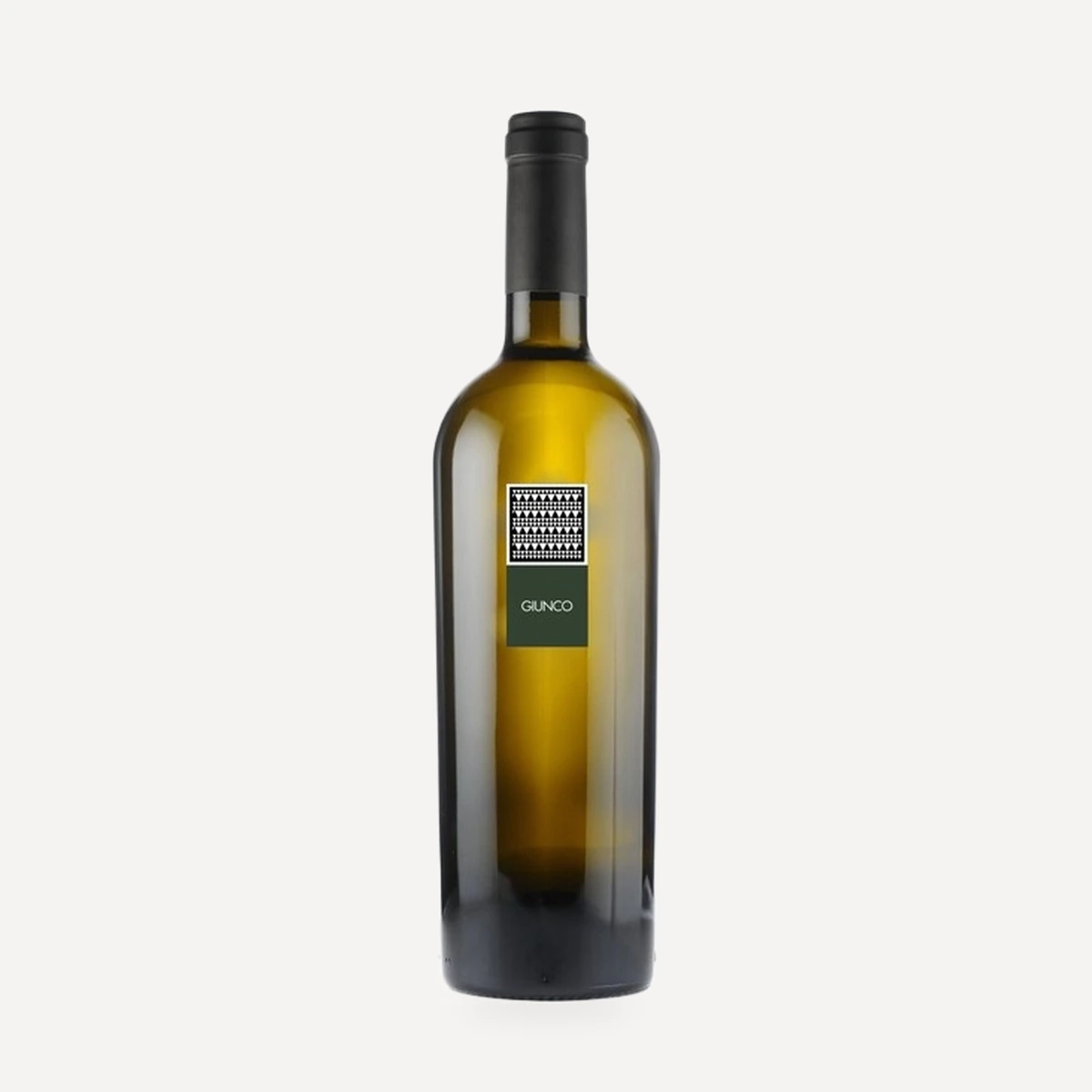
Giunco Vermentino di Sardegna DOC
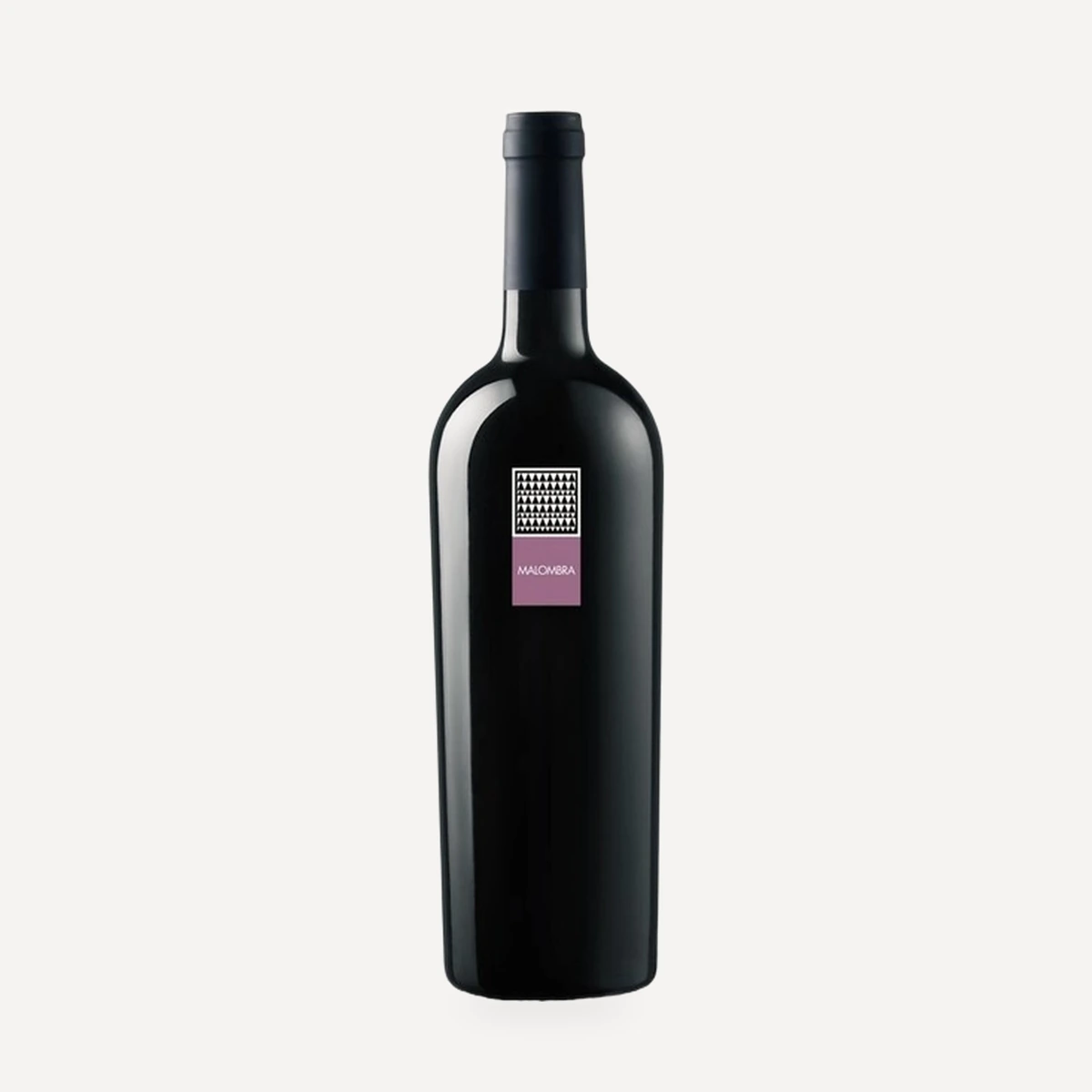
Malombra Isola dei Nuraghi IGT
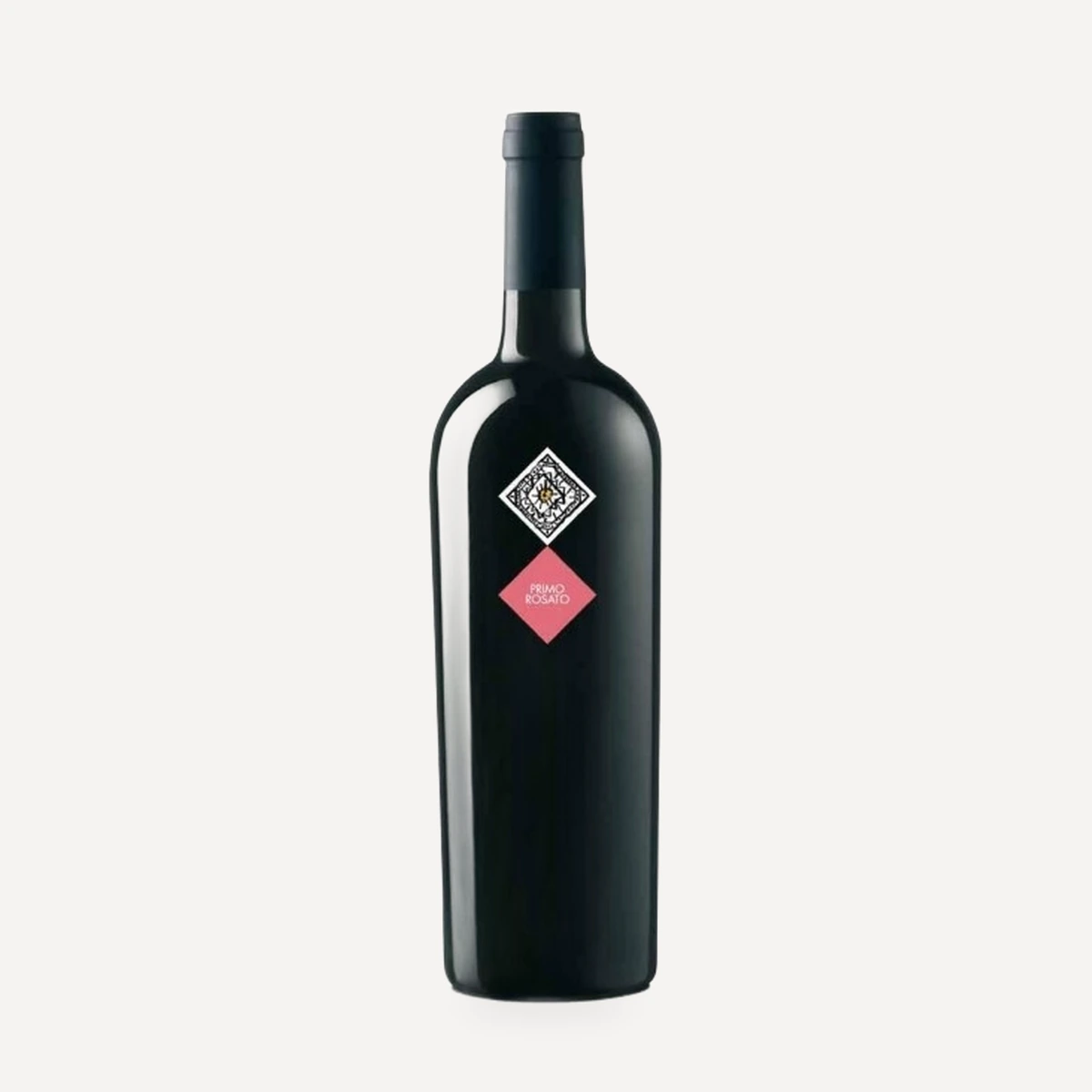
Primo Rosato Isola del Nuraghi IGT
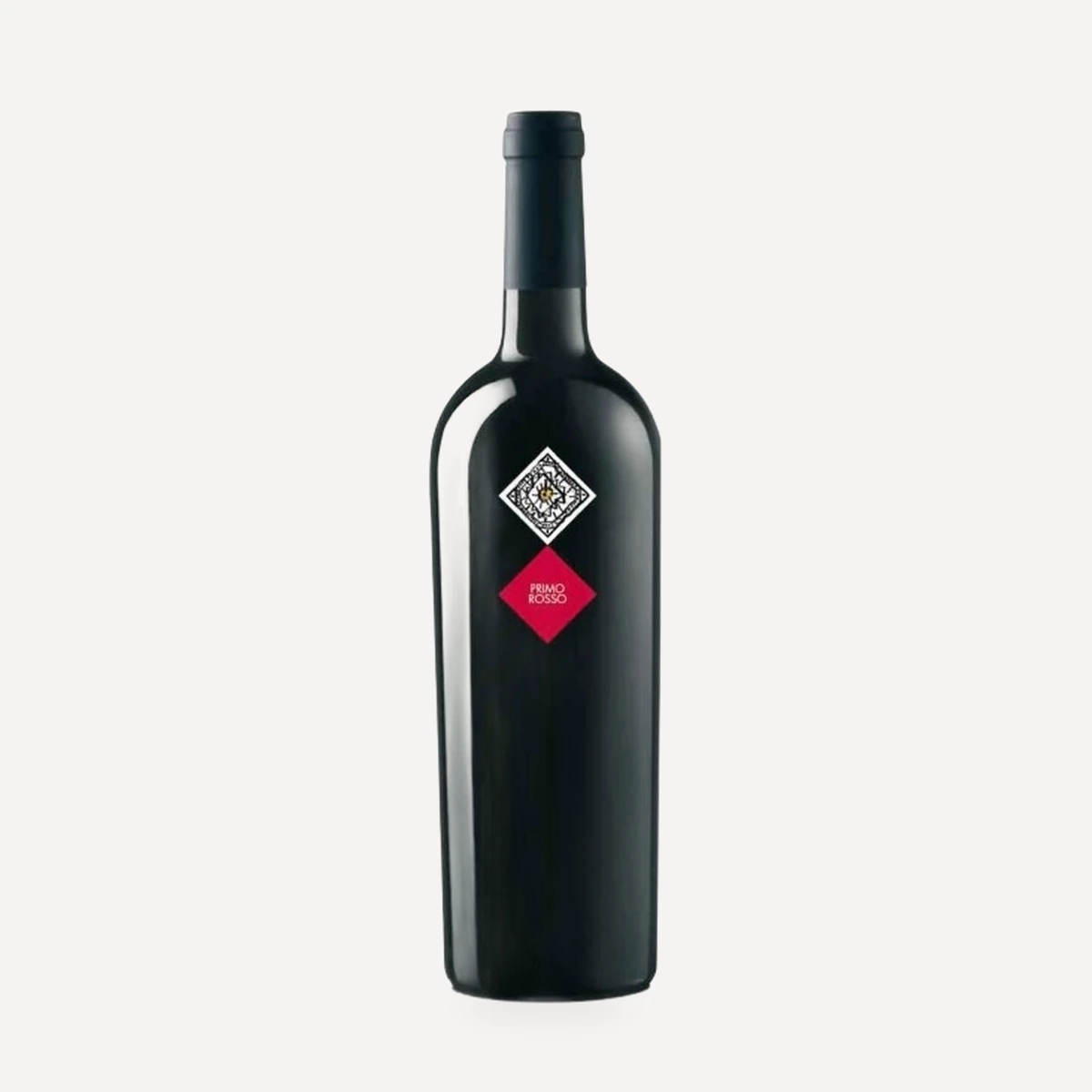
Primo Rosso Isola dei Nuraghi IGT