Storia
Early 20th century: Attilio Pecchenino
The earliest family records of winegrowing date from the beginning of the 20th century. The estate was then managed by grandfather Attilio Pecchenino and comprised just over 8 hectares. It remained a family enterprise, with the holdings passing from one generation to the next.
1970s: Marino Pecchenino
During the 1970s, management passed from Attilio to his son Marino Pecchenino.
Late 1980s: Orlando and Attilio
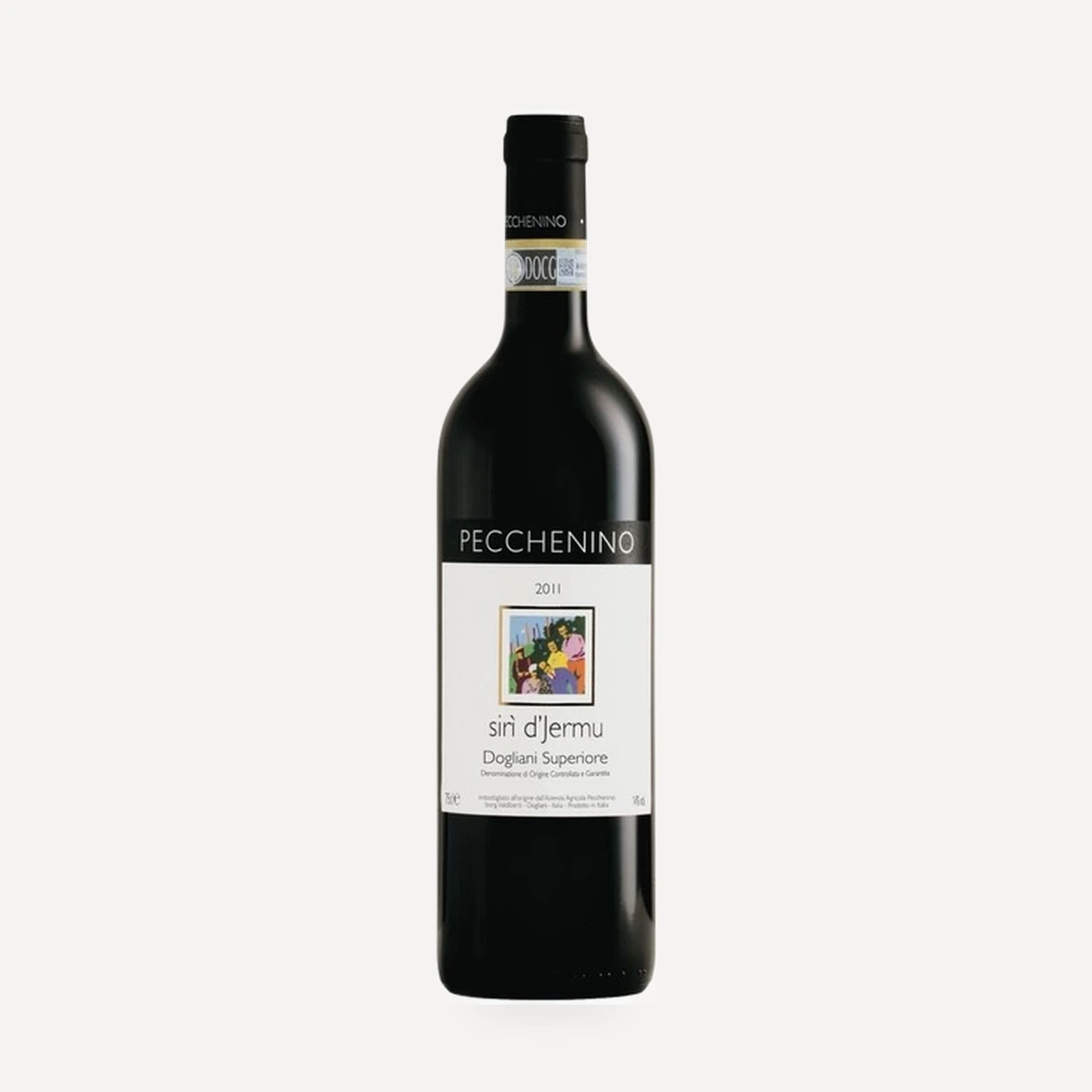
At the end of the 1980s, Marino’s sons Orlando and Attilio Pecchenino took over. They led the principal expansion of the vineyard holdings, extending the family’s activity beyond Dogliani into Monforte d’Alba and Bossolasco. Sirì d’Jermu was first produced in 1988.
1994: Bricco Botti and new estate wines
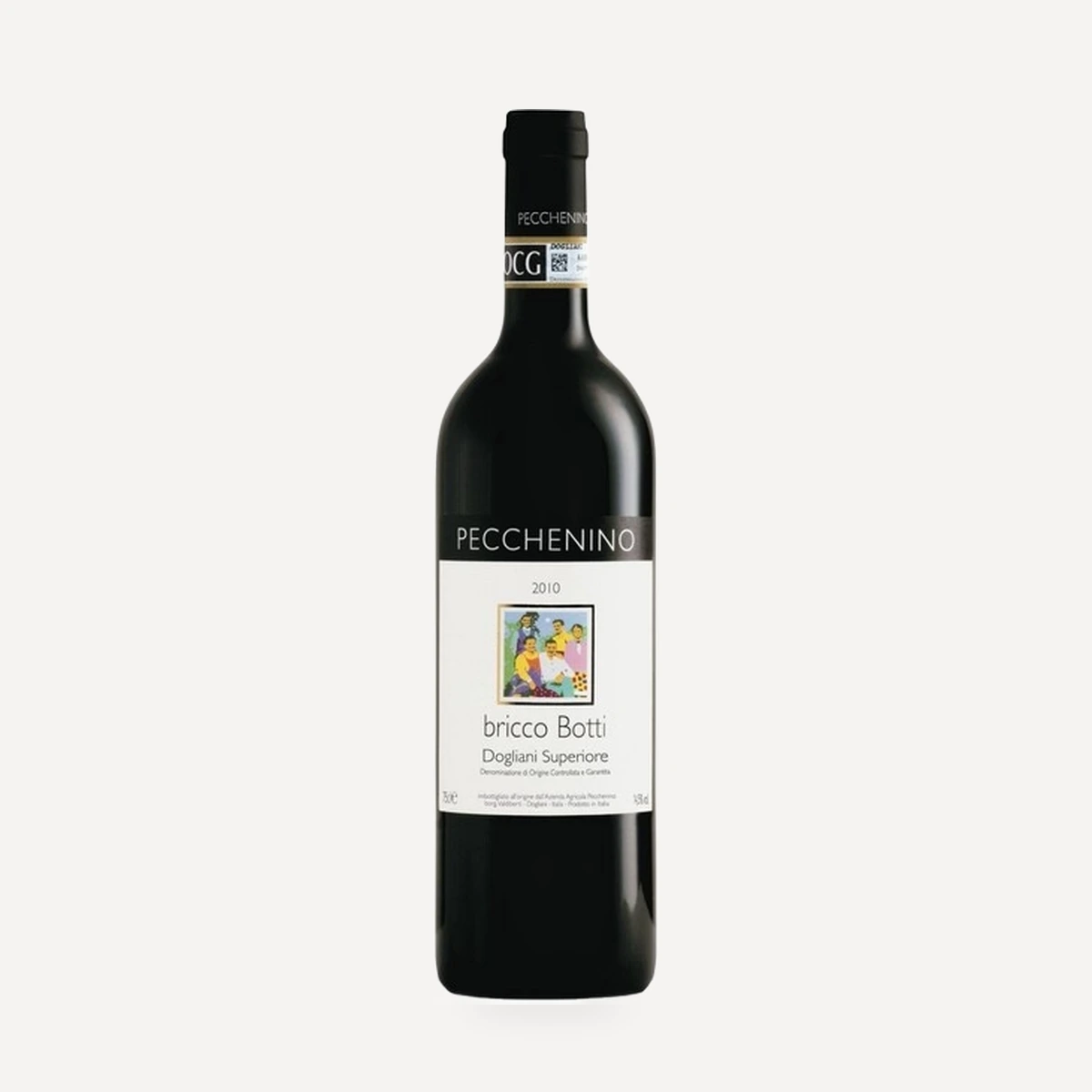
In 1994, the family purchased an old 18th-century farmhouse on Bricco Botti in Dogliani and renovated it as the historic winery. The first vintages of San Luigi, Bricco Botti, Quass and Maestro also date to 1994. Bricco Botti is made only in selected vintages.
2001–2007: Nebbiolo, Barolo and hospitality
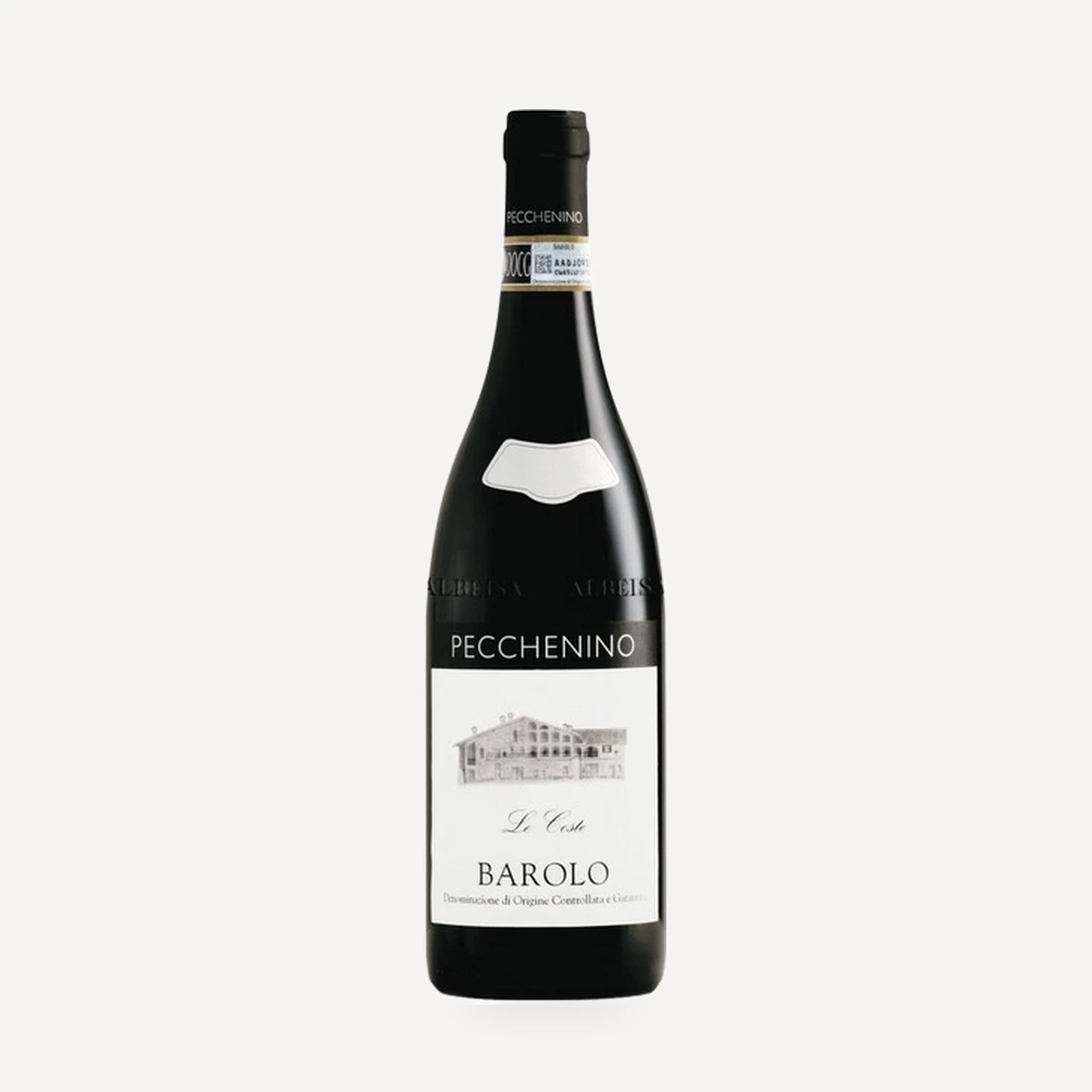
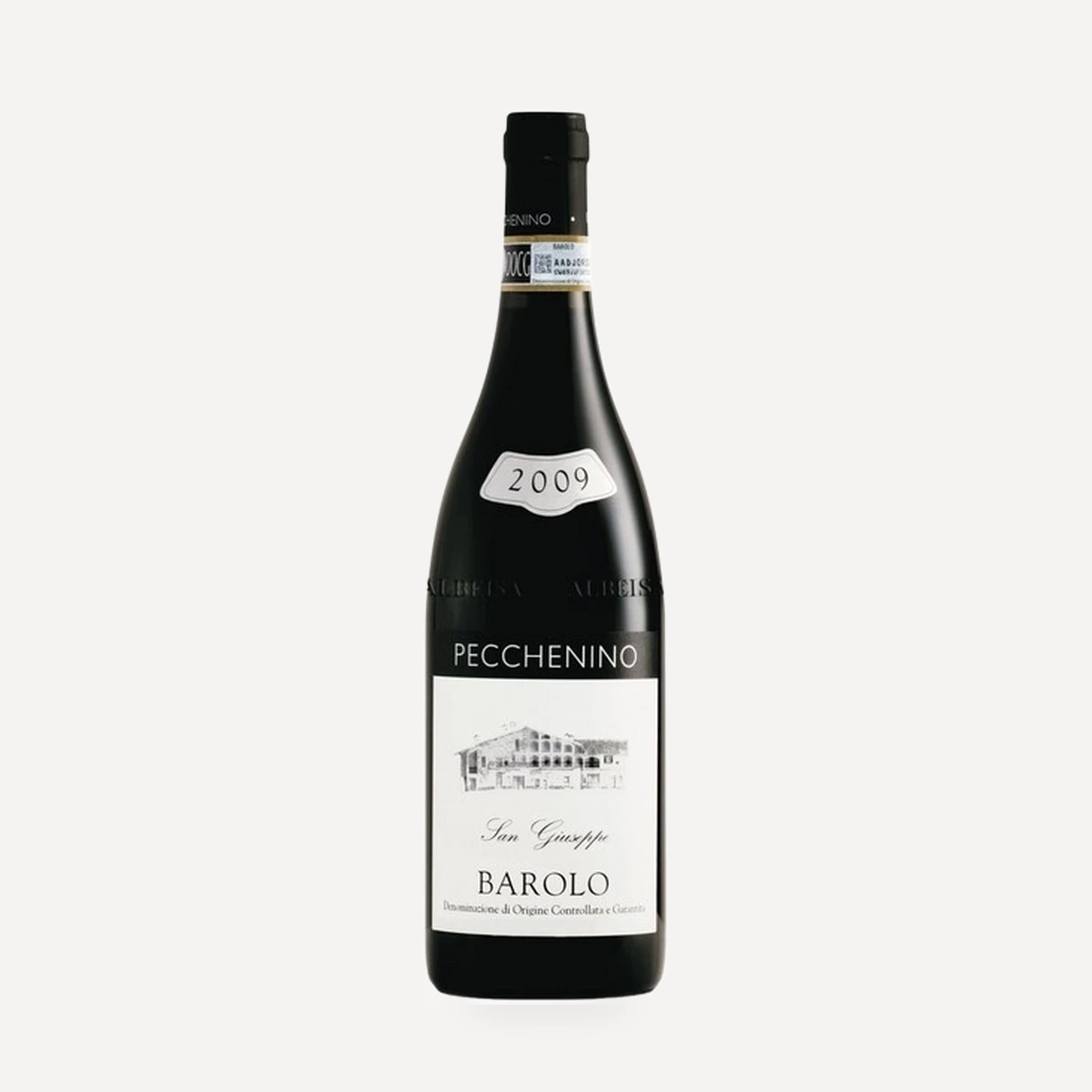
Botti, based principally on Nebbiolo from the Bricco Botti estate, was first produced in 2001. Expansion into the Barolo area began in 2004 with the purchase of vineyards in the Le Coste di Monforte MGA; the first Le Coste di Monforte vintage was made that year. San Giuseppe followed with its first vintage in 2005.
In 2006, the family acquired land in the Corsini locality of the Bussia MGA. In 2007, renovation of part of the Bricco Botti farmhouse was completed for Casa Pecchenino, initially arranged as four double rooms and a mini-apartment. The first Langhe Pinot Nero vintage was also produced in 2007.
2010–2014: Bossolasco and the Monforte winery
The family’s Alta Langa project took physical form in 2010 with the purchase of 7 hectares and a farmhouse at Pezzea in the municipality of Bossolasco. At 700 metres, these holdings became the base for Pinot Noir, Chardonnay and Rhine Riesling.
The first Bussia vintage was produced in 2012. In 2013, the family acquired land in the Ravera di Monforte MGA together with a farmhouse. The building was subsequently renovated as the second winery, dedicated to Barolo production. Psea, the estate’s pas dosé Alta Langa, was first produced in 2014.
2015 onward
Bricco Ravera debuted with the 2015 vintage, followed by Langhe Riesling in 2018 and Ecole in 2019. The vineyard estate has grown to 35 hectares distributed among Dogliani, Monforte d’Alba and Bossolasco. Dogliani remains the historic centre for Dolcetto, Nebbiolo and Barbera; Monforte d’Alba houses the renovated Barolo cellar; Bossolasco is devoted to high-altitude white and sparkling-wine varieties.
Terroir
Dogliani
The historic estate stands on Bricco Botti in Dogliani, in southern Piedmont and the southern Langhe. Twenty hectares surround the property. They are planted mainly with Dolcetto, followed by Nebbiolo and Barbera.
The San Luigi vineyards have calcareous-clayey soils and south-east, south and south-west exposures. The single-vineyard Sirì d’Jermu and Bricco Botti sites face south-west; their medium-textured soils tend toward limestone, with silt and clay at Sirì d’Jermu and clay at Bricco Botti. The Quass Barbera site also faces south-west on medium-textured calcareous-clayey soil. A Pinot Noir vineyard at 380 metres has medium-textured calcareous-clayey soil.
Monforte d’Alba
Monforte d’Alba lies in the south-eastern part of the Barolo area. The estate works in the Bussia, Le Coste di Monforte and Ravera di Monforte MGAs. Le Coste di Monforte and Ravera di Monforte occupy the eastern side of the commune and derive from the Lequio Formation. Bussia lies farther west on terrain attributed to the Helvetian period.
The Le Coste di Monforte vineyard stands at 440 metres, faces south-east and has medium-textured soil with whitish marl. The Bussia parcel lies in the Corsini locality, faces south-west and has calcareous-clayey soil with brownish marl. The Monforte vineyards contributing to San Giuseppe have medium-textured limestone-and-clay soils. The Bricco Ravera vineyards near the Barolo cellar in Borgata San Giuseppe face south and south-west on calcareous-clayey ground.
Bossolasco and Alta Langa
At Pezzea in Bossolasco, the family owns 7 hectares and a farmhouse at 700 metres. The high-altitude vineyards are planted with Pinot Noir, Chardonnay and Rhine Riesling. The terrain is steep and generally faces south-east.
The sparkling-wine vineyards stand on medium-textured soils composed of silt, clay and sand with whitish calcareous marl. The Chardonnay ground contains substantial limestone and white clay, while the Riesling vineyards are rich in limestone, marl and white clay. The Bossolasco Pinot Noir site has loose calcareous soil.
Viticulture had historically occupied Alta Langa’s sunniest slopes before phylloxera and post-war economic difficulties encouraged its replacement by hazelnut groves, fields and pasture. Renewed interest in white and sparkling wines later brought vines back to these high, difficult hills.
Vinificazione
Pecchenino follows a sustainable vineyard-management programme centred on grape quality, biodiversity, soil protection and manual work.
Vineyards are normally kept grassed. The cover keeps the soil soft and helps prevent erosion. Each year, organic fertiliser is incorporated into the ground, followed by light tillage intended to promote storage of the water needed for vegetative growth.
Disease-control treatments are scheduled with reference to rainfall data. Copper sulphate is used against downy mildew and mineral sulphur against powdery mildew. The remaining vineyard operations are performed manually to maintain closer control over quality.
Guyot is the stated training system across the detailed estate parcels. Planting densities are generally 5,000 vines/ha, rising to an average 5,500 vines/ha for the Bossolasco Chardonnay. Harvest dates vary with variety and altitude, from late August or early September for the high-altitude sparkling varieties through late October for Nebbiolo in Monforte d’Alba. White and sparkling-wine grapes are picked into boxes and cooled at the cellar before pressing.
Pecchenino operates two principal wineries. The historic Dogliani cellar occupies a renovated 18th-century farmhouse on Bricco Botti. A second renovated winery in Monforte d’Alba is dedicated to Barolo production. The Bossolasco holdings supply the high-altitude white and traditional-method sparkling-wine programme.
The production philosophy is to obtain the highest possible grape quality and guide wine’s natural transformations while respecting biological processes. Red-wine work includes destemming or partial whole-berry fermentation, fermentation in stainless steel, pump-overs, post-fermentation skin contact and natural malolactic fermentation. The Barolo programme also employs the traditional submerged-cap method. Maturation takes place according to the cuvée in stainless steel, oak casks, barriques and cement tanks.
White grapes are harvested in boxes, chilled, softly pressed and allowed to settle before fermentation in stainless steel. Chardonnay and Riesling may remain on fine lees, with repeated bâtonnage; Chardonnay can be divided between steel and barriques.
For traditional-method sparkling production, chilled Pinot Noir and Chardonnay are softly pressed and fermented in steel. Portions are transferred to barriques and barrels for fine-lees contact and bâtonnage, then returned to steel before tirage. Bottles rest horizontally on the yeasts for more than 30 months, followed by remuage and disgorgement. The pas dosé expression is topped and corked without dosage, while the other expression is finished as extra brut or brut.
Filosofia
Pecchenino defines the winegrower first as the guardian of a place: the family’s work is intended to protect and enhance its territory. Its wines are conceived as a means of expressing family history, local traditions and the landscape of the Langhe.
Physicochemical respect for the soil is treated as essential both to producing sound fruit and to preserving the vineyard inheritance. Quality begins with the grapes; in the cellar, the objective is to accompany natural transformations with the greatest possible respect for biological processes so that the wines retain a recognisable relationship with their origins.
Dolcetto, Barbera and Nebbiolo embody the historical core of the estate. Chardonnay, Pinot Noir and Riesling extend that work into selected high-altitude conditions. Environmental responsibility is expressed through sustainable management, biodiversity protection, erosion control, organic fertilisation, rainfall-based treatment planning and manual vineyard work.
Vini
Dogliani Superiore Bricco Botti
Barolo Le Coste di Monforte
Barolo San Giuseppe
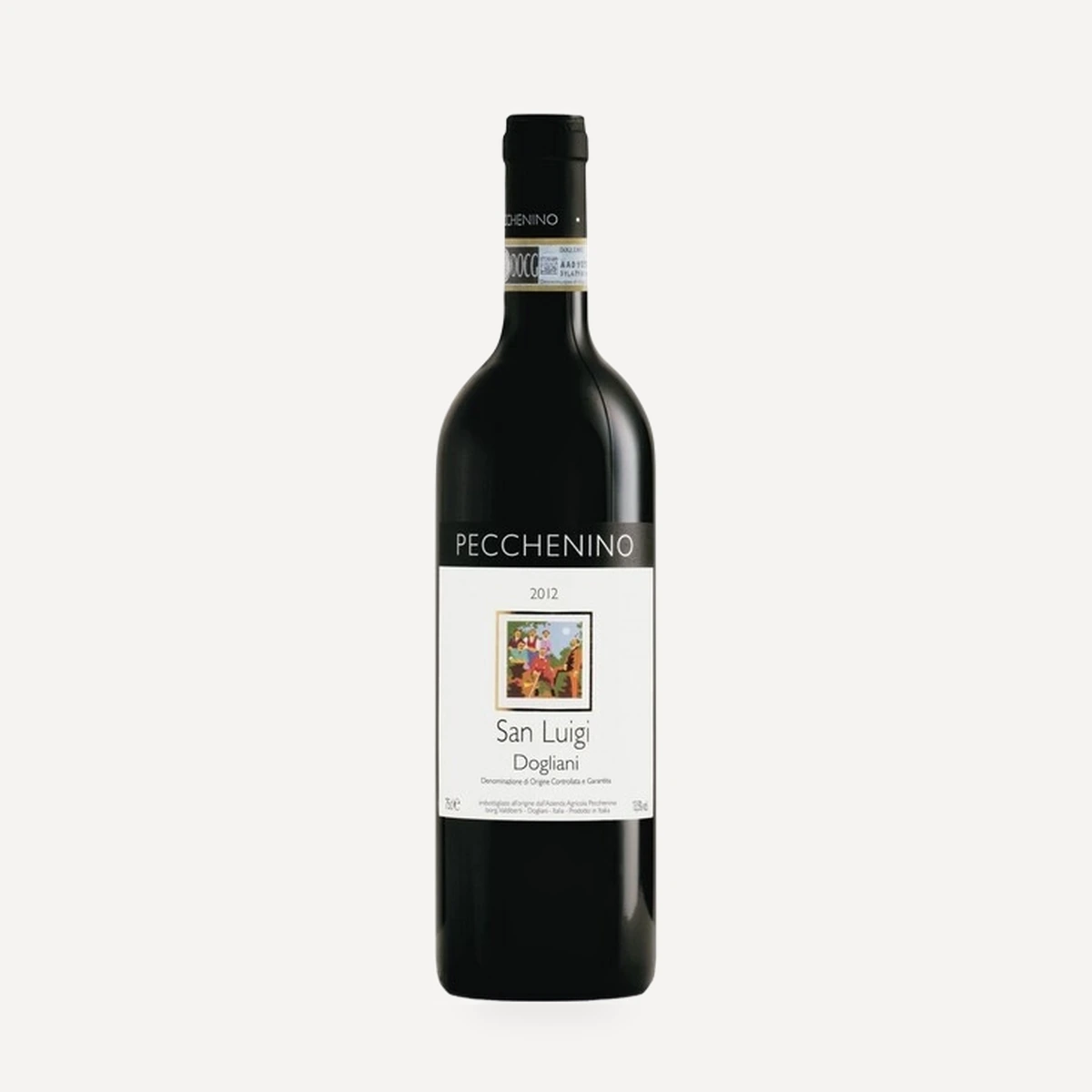
Dogliani San Luigi