Storia
Four generations of agriculture
The Pinti family has worked in agriculture for four generations. Pian delle Querci developed as a family-run farm on the hills of Montalcino, where the family now cultivates vineyards and olive groves and manages the winemaking under the direction of Vittorio Pinti.
1927 — Angelo Pinti and the vineyard near Siena
In 1927, Angelo, the great-grandfather of the present generation, planted a 2,827 m² vineyard together with his four sons. The plot stands on a hill approximately one kilometre from Siena, overlooking the dome of the Duomo and the city skyline. It was planted to 90% Trebbiano Toscano and 10% Malvasia Bianca Lunga.
The vineyard later passed to a cousin of the family and was abandoned from 2018. Uprooting was initially considered, but the family instead chose to recover the old vines. A severe regenerative pruning was used to restore their strength and return the plot to production.
The present estate
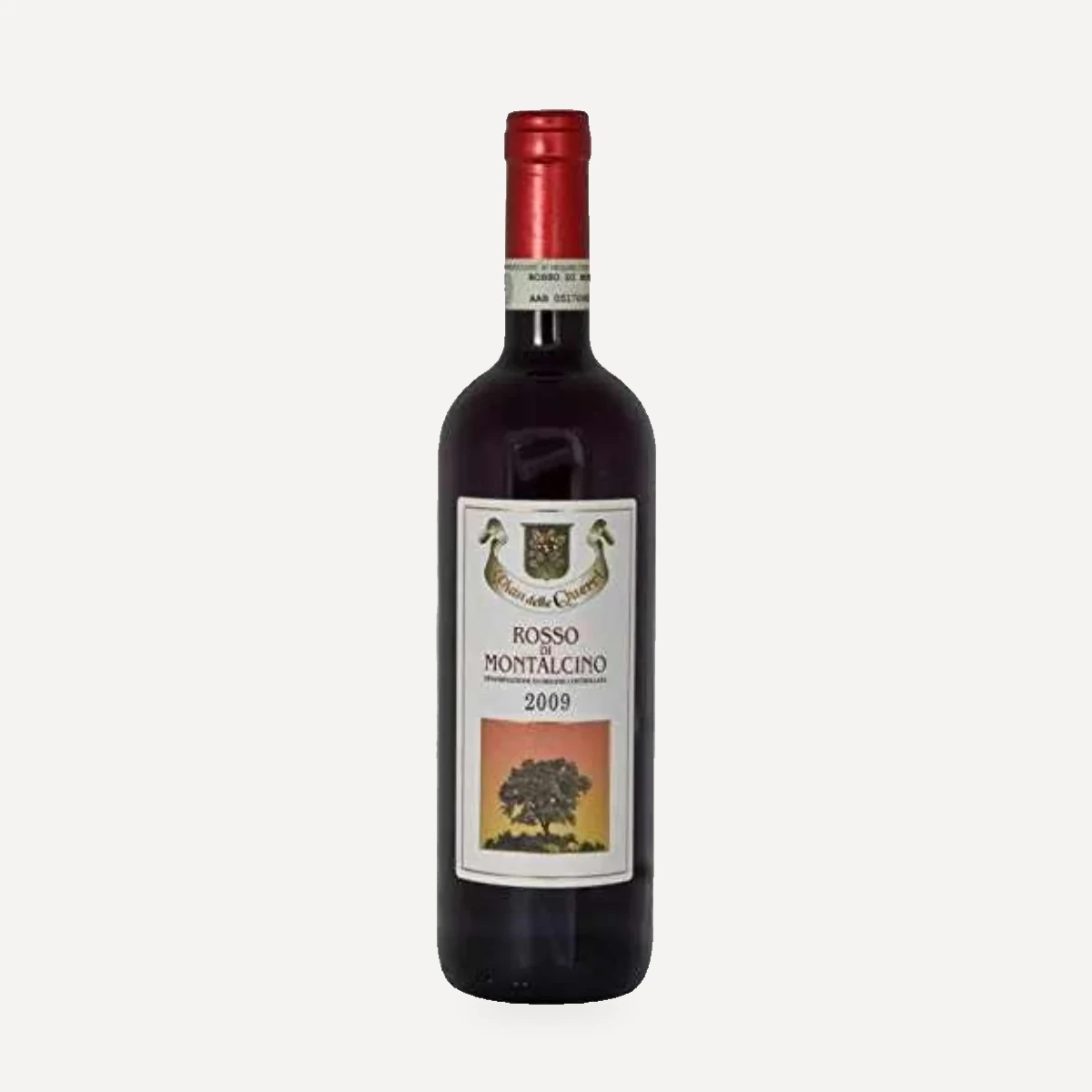
Pian delle Querci is now a 50 ha estate, with 8.5 ha of vineyards: 6 ha allocated to Brunello di Montalcino D.O.C.G., 2 ha to Rosso di Montalcino D.O.C. and 0.5 ha to Sant’Antimo. The current vineyard and cellar approach combines short-pruned, low spurred-cordon training with long, unhurried fermentations and maturation in large Slavonian oak casks. The farm also grows olives and uses its wine pomace to produce grappa and grappa riserva in small quantities.
2022–2024 — A recovered family vineyard returns to production
The first Orange was made from the restored vineyard in 2022. It was released in February 2024 after separate maturation in French oak and stainless steel, blending and a further eight months in bottle. Production from the plot is limited to 2,500 bottles.
2025 — Digital renewal
A completely redesigned Pian delle Querci website went online on 22 October 2025. The renewal was conceived to present the family history, surrounding landscape and guiding philosophy alongside the wines.
Terroir
Pian delle Querci lies on the northern side of Montalcino, on the slope facing Siena. The estate vineyards occupy elevations between 250 and 350 metres, with 250 metres given as their average elevation in the estate’s technical material.
The northern exposure brings a comparatively cool climate and pronounced day-to-night temperature variation. These conditions are associated with the estate’s aim of producing aromatic, elegant and age-worthy wines.
The vineyard soils are described as poor, free-draining mixtures of clay and cistose material. Other estate descriptions identify tuffaceous-clay or mixed-clay soils with abundant coarse mineral skeleton. These stony clay-based soils are the foundation of the estate’s Sangiovese plantings.
Vinificazione
The family cultivates its land directly and seeks to avoid forcing its natural balance. Herbicides and pesticides are not used. Weed control is performed by working the soil mechanically several times during the season, while vineyard treatments consist of copper flakes diluted in water together with lime and sulfur. Chemical fertilisers are excluded in favour of organic fertiliser or compost.
The Montalcino vines are trained as low spurred cordons, approximately 70 cm above the ground. Short pruning leaves two buds on a variable number of spurs per vine, with the objective of limiting yield. Technical descriptions also identify a balanced bilateral cordon system, planting densities of 3,300–4,000 vines per hectare and yields of 60–70 quintals per hectare.
Harvest selection is manual. Selected bunches are handled gently and placed directly into the hopper of the destemmer. In the historic white vineyard, severe regenerative pruning was used to recover vines that had been abandoned since 2018.
Environmental measures extend to the cellar: photovoltaic panels make the winery self-sufficient in solar electricity, and surplus power is returned to the national grid.
Winemaking is directed by Vittorio Pinti and follows an unhurried, low-input approach. The general cellar method uses long, slow spontaneous fermentations in stainless-steel vats without added industrial yeast. Temperature is controlled, while extraction practices described for the red-wine cellar include pumping over; small stainless-steel tanks and punch-downs are also used for long macerations. After fermentation, the red wines mature in large 50 hl Slavonian oak casks.
The recovered Trebbiano Toscano and Malvasia Bianca Lunga vineyard follows a separate skin-contact process. The grapes ferment on their skins for 21 days. Half of the resulting wine matures for eight months in French oak barriques from Allier and Limousin, both made with steam-bent staves; the other half remains in stainless steel. The two components are then blended and mature for another eight months in bottle before release.
The winery completes its production cycle by sending pomace from its wines for the distillation of grappa and grappa riserva in small quantities.
Filosofia
Pian delle Querci presents wine as the direct result of decisions made both in the vineyard and in the cellar. Its guiding principle is that what is put into the land and the production process will ultimately be reflected in the glass. The same outlook extends to the family’s food and animal husbandry: natural inputs and genuine products are treated as part of a single way of life.
The estate’s stated priorities are respect for tradition, sustained attention to the vineyard and careful work in the cellar. Quality is pursued across the entire chain, from cultivation through vinification, while fermentations and maturation are allowed to follow an unhurried rhythm. The wines are intended to express what the local land provides rather than an imposed cellar style.
Environmental responsibility is expressed through direct cultivation without herbicides, pesticides or chemical fertilisers, limited traditional treatments and winery self-sufficiency in solar power. Family continuity is equally central: the recovery of Angelo’s 1927 vineyard links present production to the work of earlier generations rather than replacing the old planting.
Vini
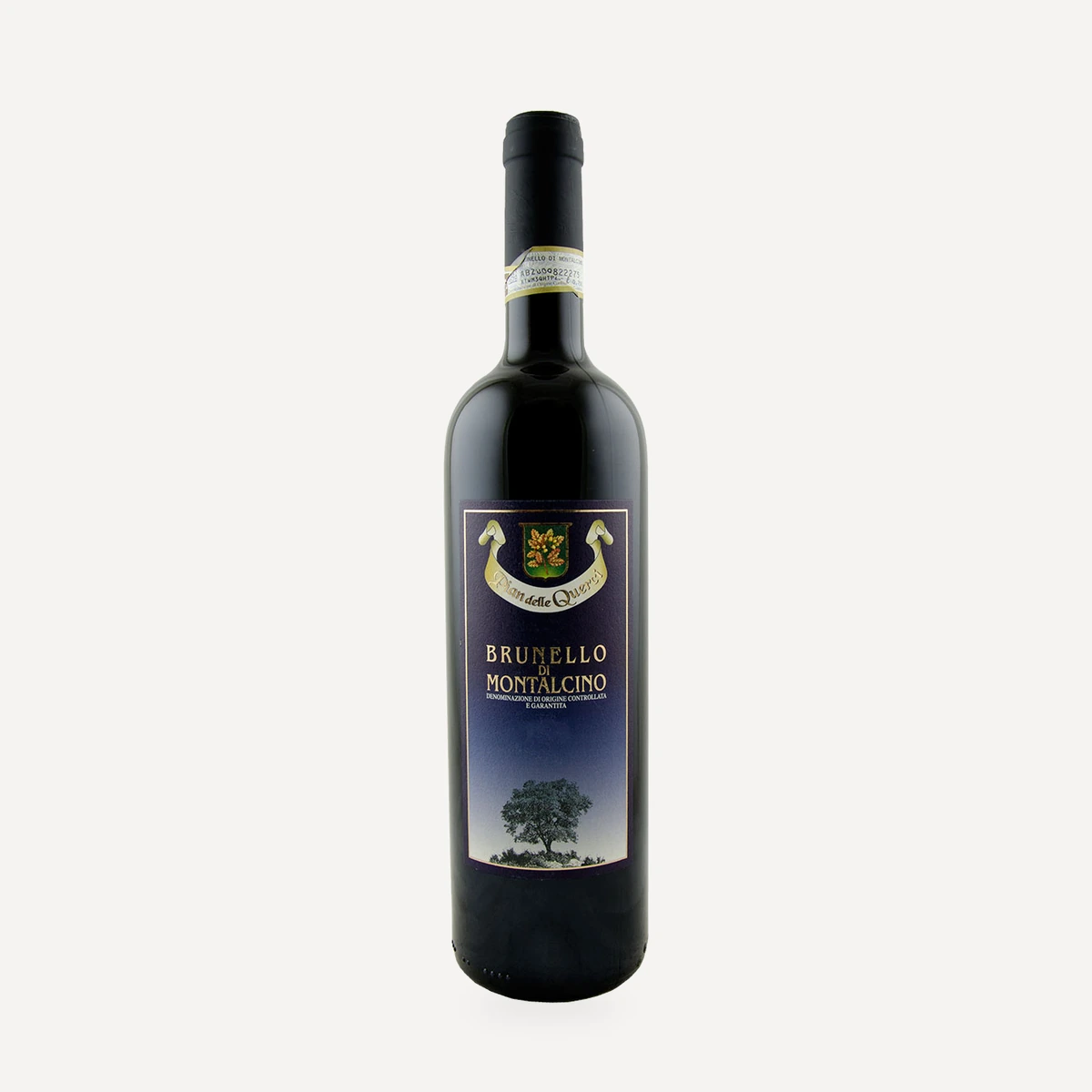
Brunello di Montalcino
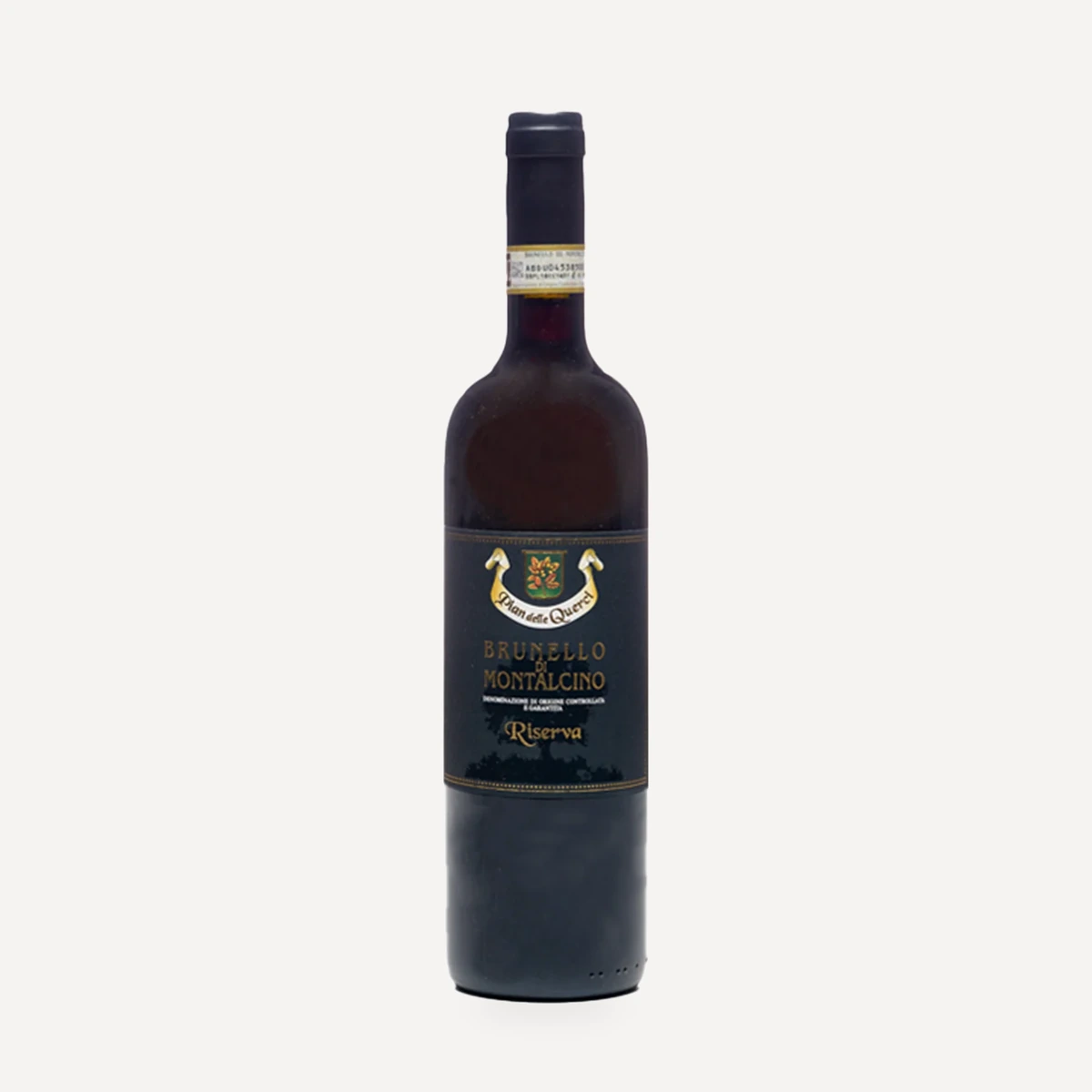
Brunello di Montalcino riserva
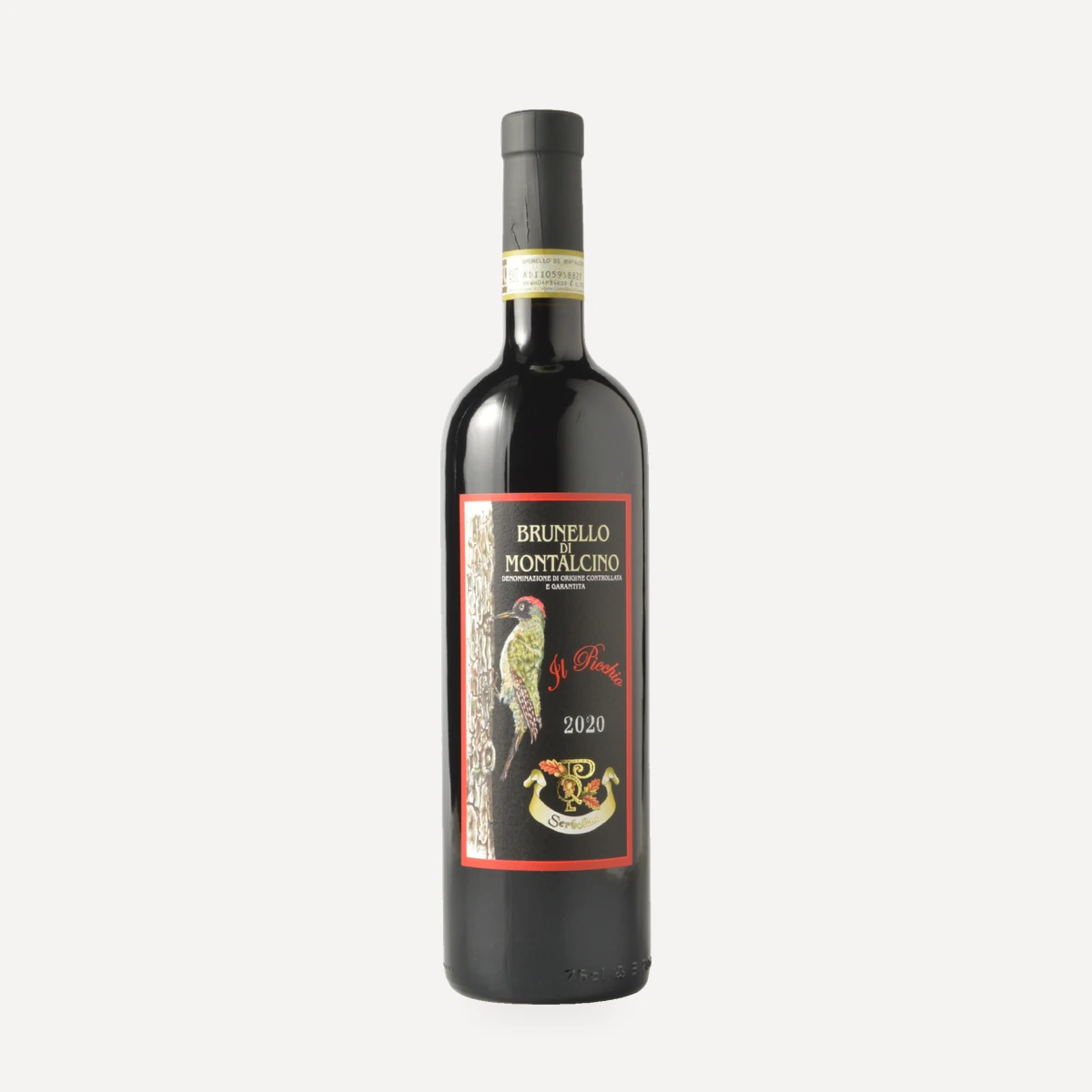
Il Picchio - Brunello di Montalcino
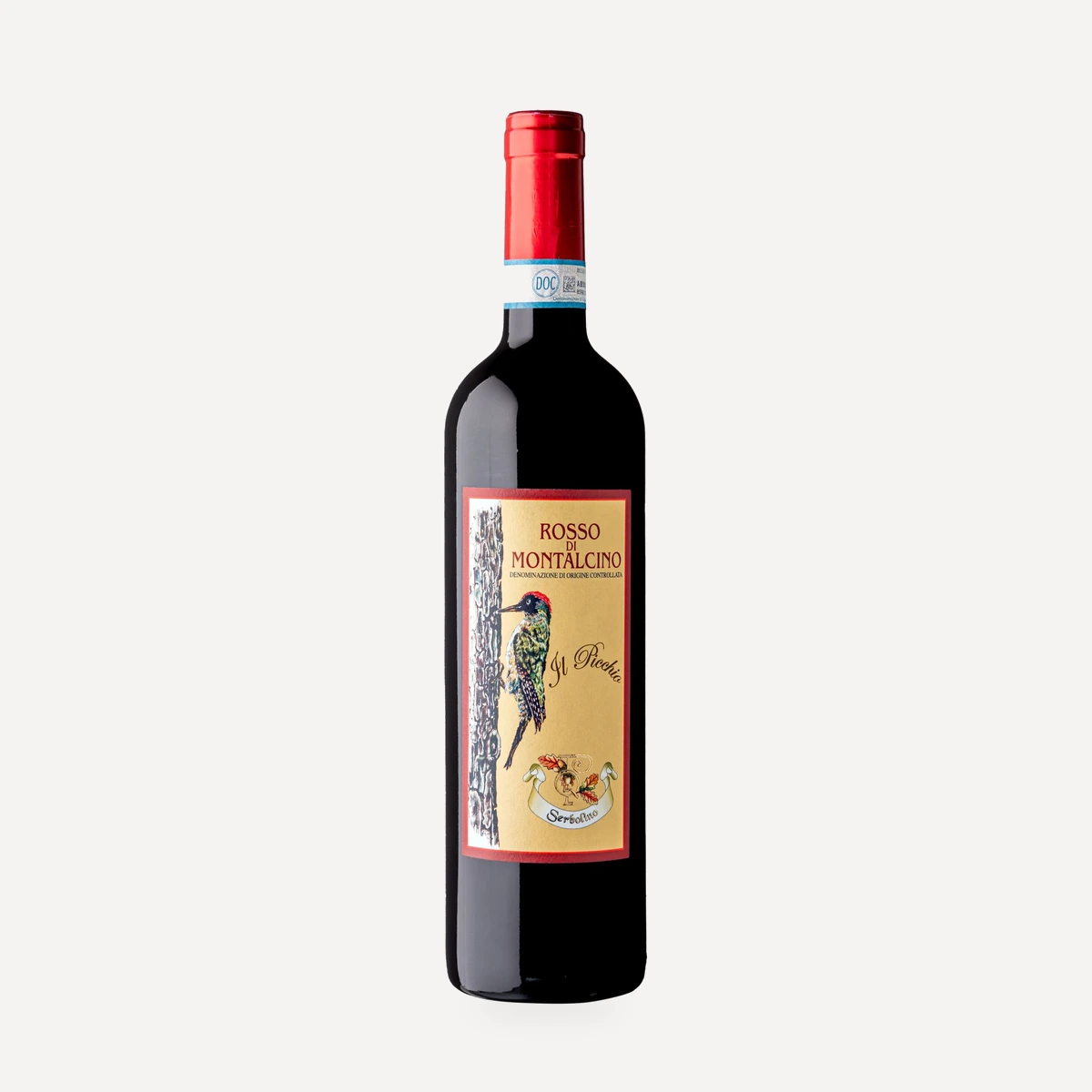
Il Picchio - Rosso di Montalcino
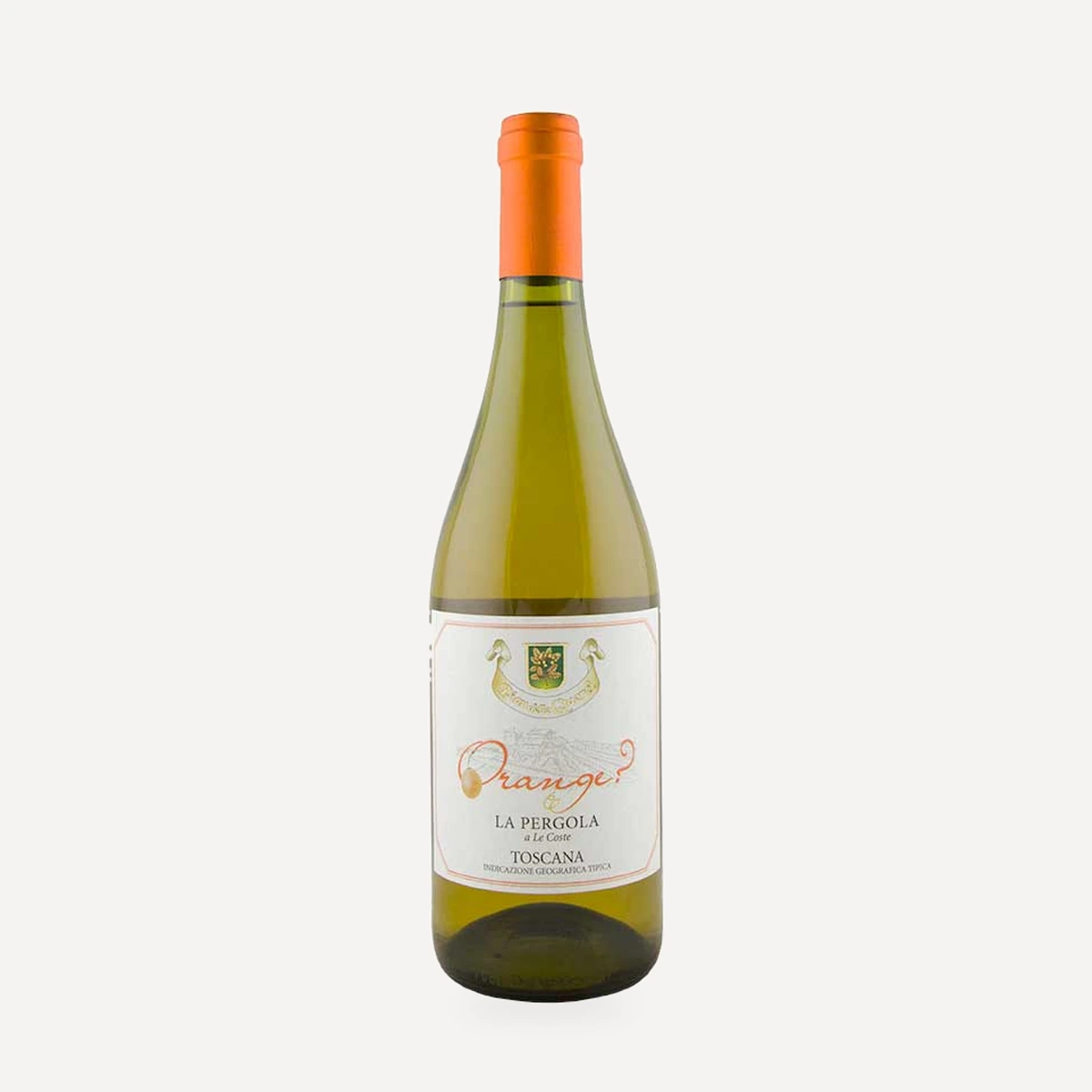
Orange