Storia
From pilgrim hostel to monastic estate
Oral tradition traces Piandaccoli to around the year 1000. Its position on the Via Francigena led to its establishment as a hostel for pilgrims travelling to and from Florence. The complex subsequently became a monastery, with small hermitages used by the friars for meditation and for celebrating Mass for the surrounding rural community. The monks began cultivating both vines and olive trees on the hill.
An estate tradition holds that Napoleon Bonaparte stayed in the villa after landing at Livorno. He was travelling towards Florence at the head of an army and visited his uncle, the parish priest of San Miniato.
The pre-phylloxera heritage and changes of ownership
A timeline entry dated 1750 connects the estate’s modern work with Tuscany’s former diversity of native grapes through a painting by Bartolomeo Bimbi. The painting depicts numerous varieties then present in Tuscany. Many disappeared during the European phylloxera epidemic of the mid-19th century and began to be recovered only after the Second World War.
The arrival of the French emperor in Italy was followed by the expropriation of numerous Church properties. In the early 1800s, Piandaccoli entered the holdings of the Fucini family. It subsequently passed by inheritance to the Alli Maccarani family, Florentine lawyers whose coat of arms bears the three letters “S” and the motto “Sacrum Senatum Servavit,” associated in the estate narrative with the family’s Templar origins. Piandaccoli later passed to the Dorin family, credited with developing the modern refrigerator and expanding vine cultivation at the estate.
Wine production in the 20th century
By 1950, Piandaccoli was producing Chianti and distributing its wine throughout Tuscany. The vineyards were later abandoned, and many years passed without a harvest. The land retained a strong place in the family’s life and memories, including births, marriages, birthdays and anniversaries.
Giampaolo Bruni and the estate’s revival
During an evening walk near the Uccelliera wood in the early 2000s, Giampaolo Bruni confronted the neglected condition of land that had supported vines for centuries. He persuaded his father-in-law, then the owner, to let him restore the vineyards and subsequently became sole owner of the estate.
Bruni brought more than 40 years of industrial experience to the undertaking. He commissioned a detailed study of the terroir to determine which varieties were best suited to each parcel. Seeking elegant wines with silky tannins and restrained oak influence, he also commissioned a 20-year study of anticipated changes in consumer taste. Contact with the University of Florence then introduced him to the project of recovering rare native Tuscan varieties, linking winegrowing with his interests in art and history.
2004: the native-grape project
In 2004, Bruni took over the direction of the property from his father-in-law and gave formal shape to a project dedicated to varieties associated with Renaissance Tuscany. All 20 hectares of vineyards were replanted. Foglia Tonda, Pugnitello, Mammolo and Barsaglina were established alongside Sangiovese and Colorino.
The recovery work grew from University of Florence research that began after grape seeds were discovered in the Medici tombs after the Second World War and continued with DNA experiments at the Vitiarium in Cortona in the early 1980s. Because no established production rules explained how best to cultivate or vinify these rare varieties, the team had to develop its knowledge through field and cellar trials. Eight years elapsed between the first planting and the first successful single-variety bottling.
2009: the first estate bottling
The 2009 harvest produced the first bottled wine of the renewed estate. Inprimis combined a Sangiovese base with the native Foglia Tonda and Pugnitello. Experimentation continued through blends of native grapes with Sangiovese as the team worked towards pure-variety expressions.
2012: Vini dal Rinascimento
In 2012, the Vini dal Rinascimento project reached its decisive stage with the first pure-variety bottling, Foglia Tonda del Rinascimento Toscana IGT. The small production attracted an immediate positive response and confirmed the value of the years devoted to research, planting and experimentation. Pure-variety Pugnitello, Barsaglina and Mammolo subsequently completed the range.
2018: a Mammolo sparkling wine
In 2018, the native-grape collection expanded with Baciami Spumante Brut Rosé, presented as the first sparkling wine made exclusively from Mammolo. Its creation extended the estate’s experiments with a variety already used for still red wine.
2021: wider markets and continuing research
By 2021, Piandaccoli had established a presence in a growing number of markets. Work continued to communicate the value of native Tuscan grapes and their role in safeguarding the biodiversity of Tuscany’s wine heritage.
2025: transition to the second generation
In 2025, management passed to the second generation of the Bruni family. Giampaolo Bruni’s children assumed responsibility for continuing his founding values and long-term vision. Their stated direction combines innovation with respect for tradition while expanding the reach of the wines produced at Piandaccoli.
Terroir
Piandaccoli lies a few kilometres from Florence, immediately outside the walls of the medieval village of Malmantile in the commune of Lastra a Signa. Its vineyards occupy hills within the Chianti DOCG production area at approximately 200 metres above sea level.
The hills date to the period of the Apennine orogeny. Their soils alternate between layers of river pebbles and silty-sandy deposits tending towards clay. The estate characterizes them as nutrient-rich and highly varied, with pebbles, mineral components, silt and sand alongside clay-influenced sections. Pugnitello is particularly associated with the estate’s more calcareous ground.
Five deep ravines cut through the property. Known as borri and linked to the old Tuscan term accoli, these vertical erosional formations are central to the estate’s name and microclimate. The landform provides favourable sun exposure that helps protect the vineyards from dangerous spring frosts and summer hail. During hot Florentine summers, the ravines generate cool rising air currents across the vines. The resulting continual temperature variation advances phenolic maturity, encourages aromatic development and softer tannins, and thickens the grape skins, increasing their anthocyanin content.
Vinificazione
The estate has 20 hectares of productive vineyards within a total property of 70 hectares. Vines are trained partly to spurred cordon and partly to Guyot, at a density of approximately 5,400 plants per hectare. Yields range from 40 to 80 quintals per hectare.
Winter work includes hoeing and field fertilization. Summer canopy and crop management includes green harvesting, a later “pink” harvest and further bunch removal. These operations deliberately reduce quantity to improve grape quality.
No herbicides or chemical fertilizers are used, while phytosanitary treatments are kept to a minimum. Integrated pest management combines monitoring of rainfall, temperature, humidity and other climatic parameters with biological insect control. Bat boxes encourage natural insect predators. Green manure and organic fertilization support plant nutrition, while soil management is directed towards erosion control. Water, air and energy are used with an emphasis on efficiency.
All 20 hectares are harvested by hand with careful bunch selection. Picking dates vary with each growing season, generally beginning in the first days of September and ending in mid-October. Mammolo intended for sparkling wine is picked first, followed by grapes for Vivendi and Operandi and the early-ripening Foglia Tonda. The late-ripening Pugnitello concludes the harvest. Some early lots may be collected from late August, while Foglia Tonda is generally harvested in the second half of September.
Piandaccoli’s production is organized around the separate interpretation of its recovered native varieties, supplemented by blends with Sangiovese. The native-grape project was conceived without an established production template: vineyard and cellar methods were developed through repeated experimentation, and eight years passed between the initial plantings and the first pure-variety bottling.
Hand-selected bunches are placed in small cases holding approximately 15 kg of grapes. The cases travel to the cellar in refrigerated trucks to protect the condition achieved in the vineyard. Modern equipment and current vinification techniques are used to handle both grapes and must gently, avoid extracting green tannins and reduce sulfur dioxide use to a minimum.
Foglia Tonda, Pugnitello, Mammolo and Barsaglina are vinified as single-variety wines in the Vini dal Rinascimento range. Native grapes are also combined with Sangiovese in estate blends. Mammolo is explored through both still and sparkling interpretations. Wood is used sparingly so that it does not dominate the fruit, in keeping with the objective of producing elegant wines with silky tannins and minimal manipulation.
Filosofia
Piandaccoli defines its modern purpose as the protection and enhancement of what the land provides, with particular emphasis on biodiversity and the preservation of Tuscany’s wine heritage. The recovery of Foglia Tonda, Pugnitello, Mammolo and Barsaglina connects viticulture with the estate’s interests in history and art.
The approach combines research and modern technology with respect for the plant and fruit from vineyard to bottle. The rare varieties are intended to be understood through single-variety vinification and minimal manipulation rather than forced into a predetermined style. Oak is restrained, and elegance, balance and silky tannins take precedence over overt wood influence.
The estate’s family philosophy centres on passion, practicality, seriousness and a close relationship with the territory. Piandaccoli is treated as both an agricultural property and a repository of family memory, to be carried forward by later generations. The second generation presents its role as preserving Giampaolo Bruni’s founding vision while applying innovation and bringing the estate’s wines to a wider audience.
Vini
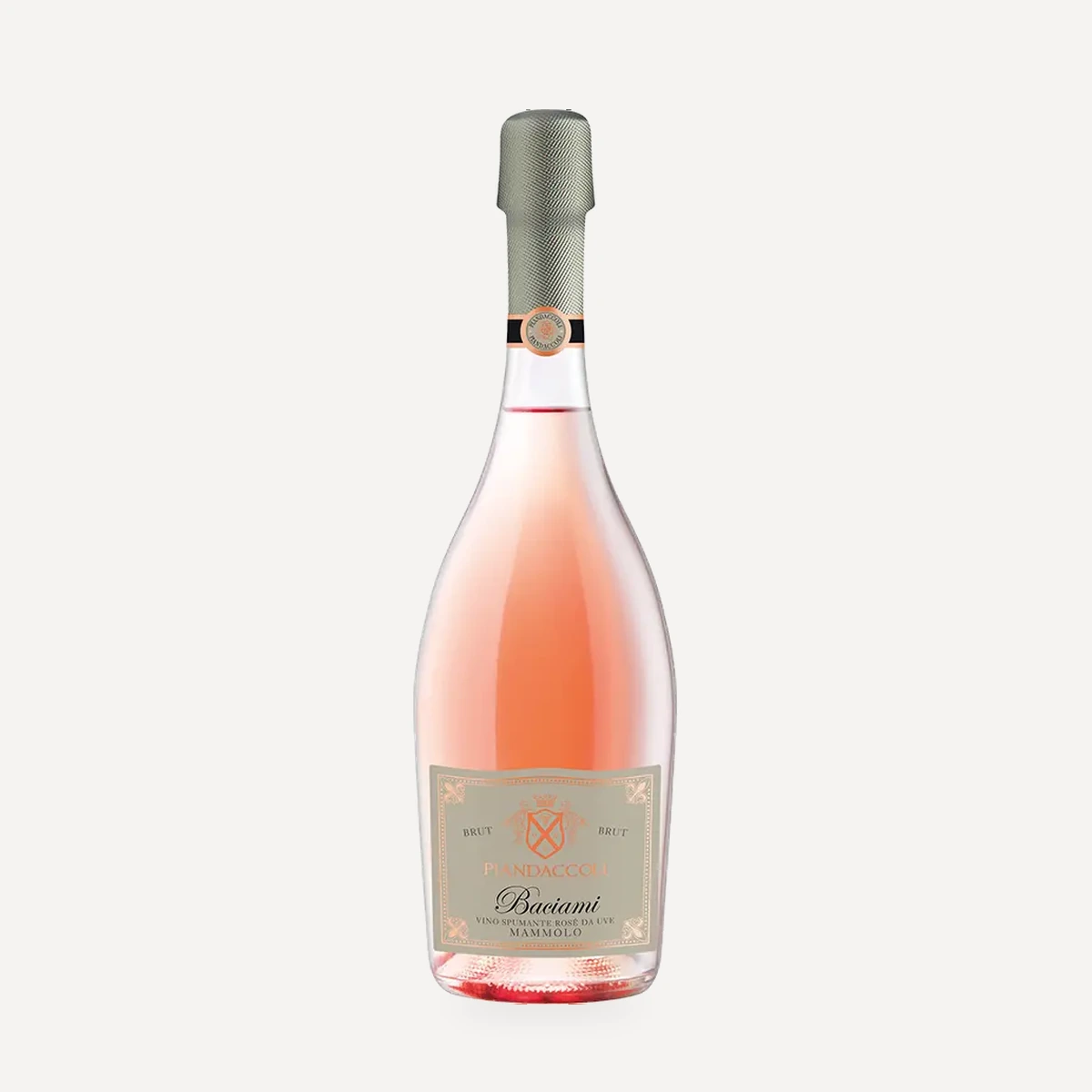
Baciami Spumante Brut Rosé
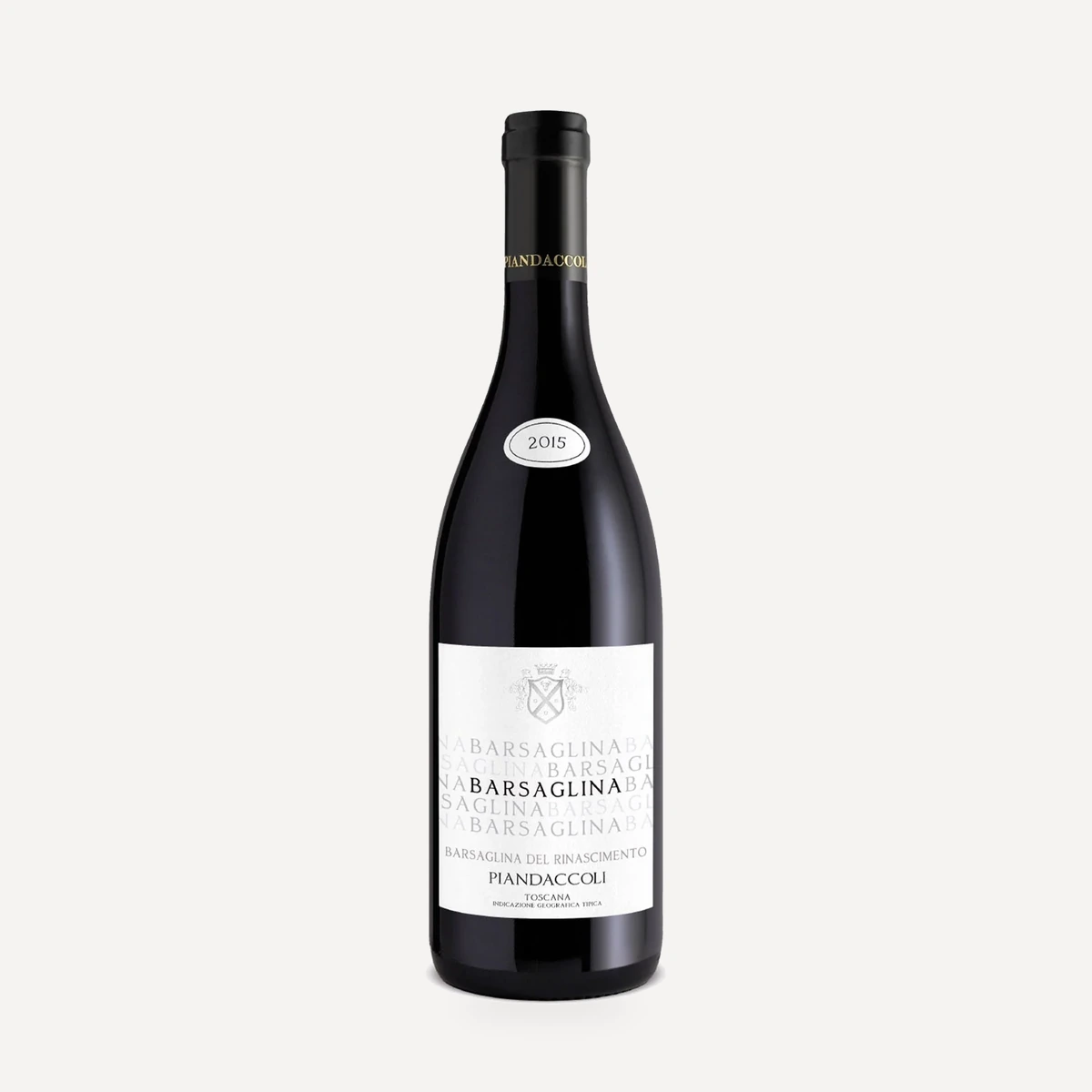
Barsaglina del Rinascimento
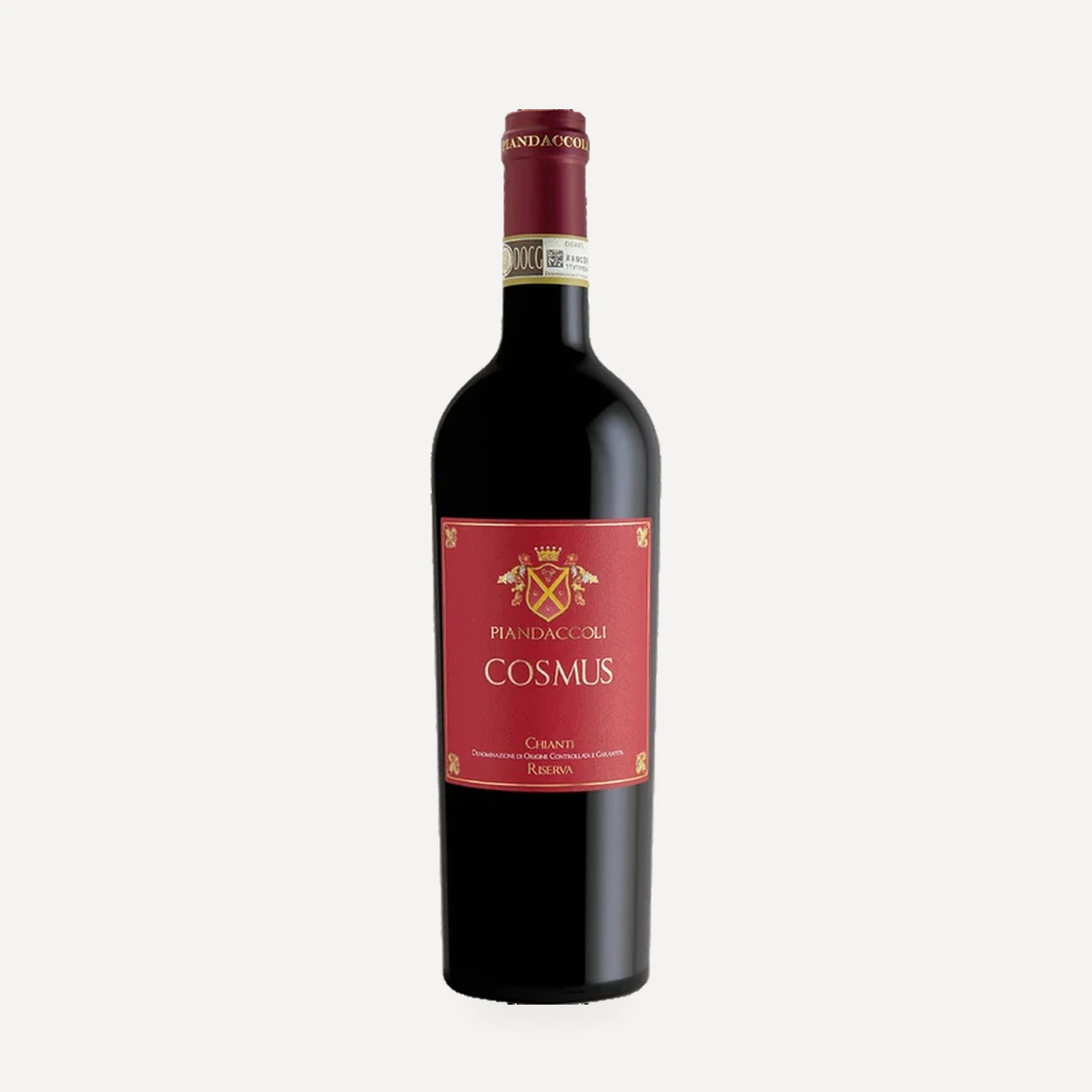
Cosmus
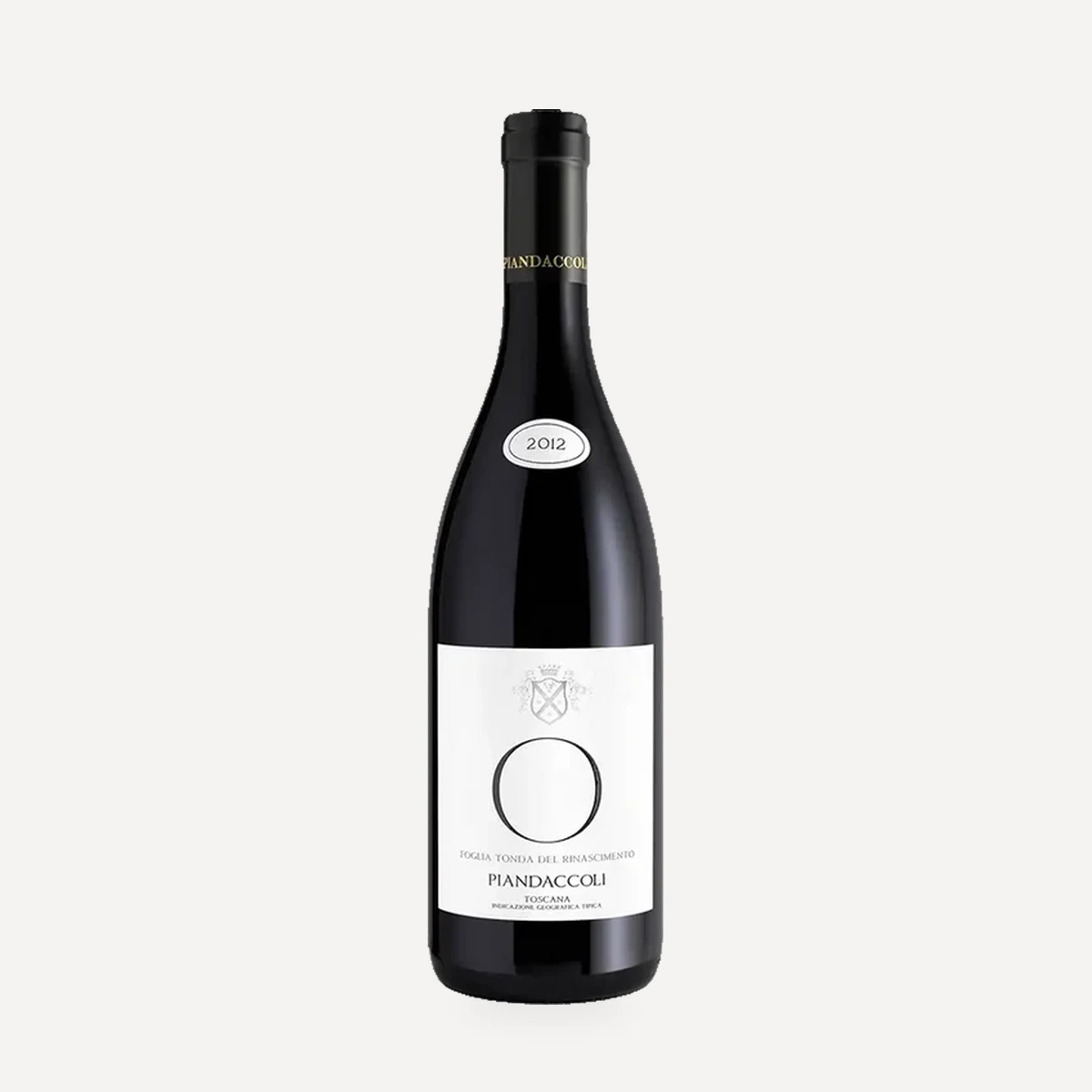
Foglia tonda del Rinascimento
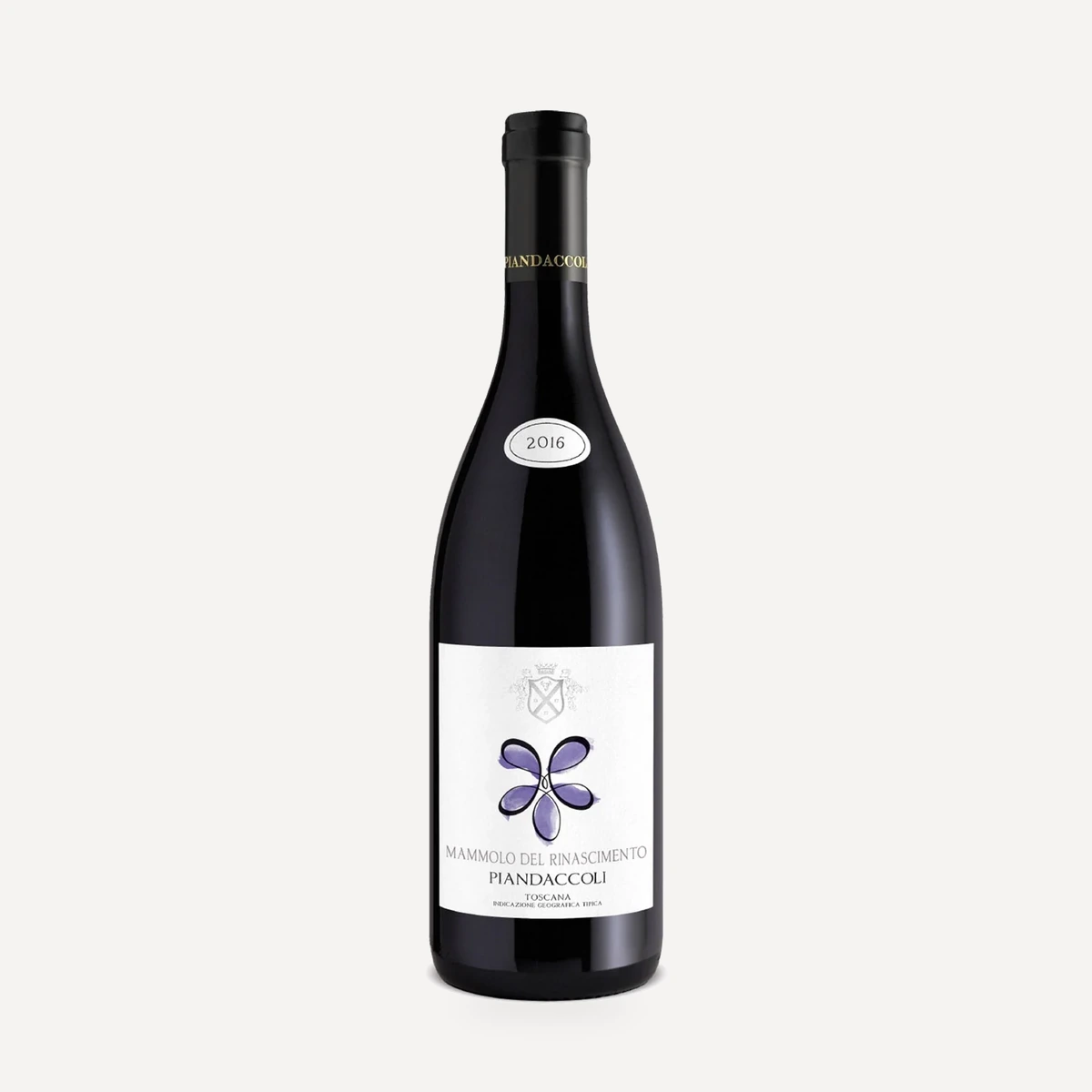
Mammolo del Rinascimento
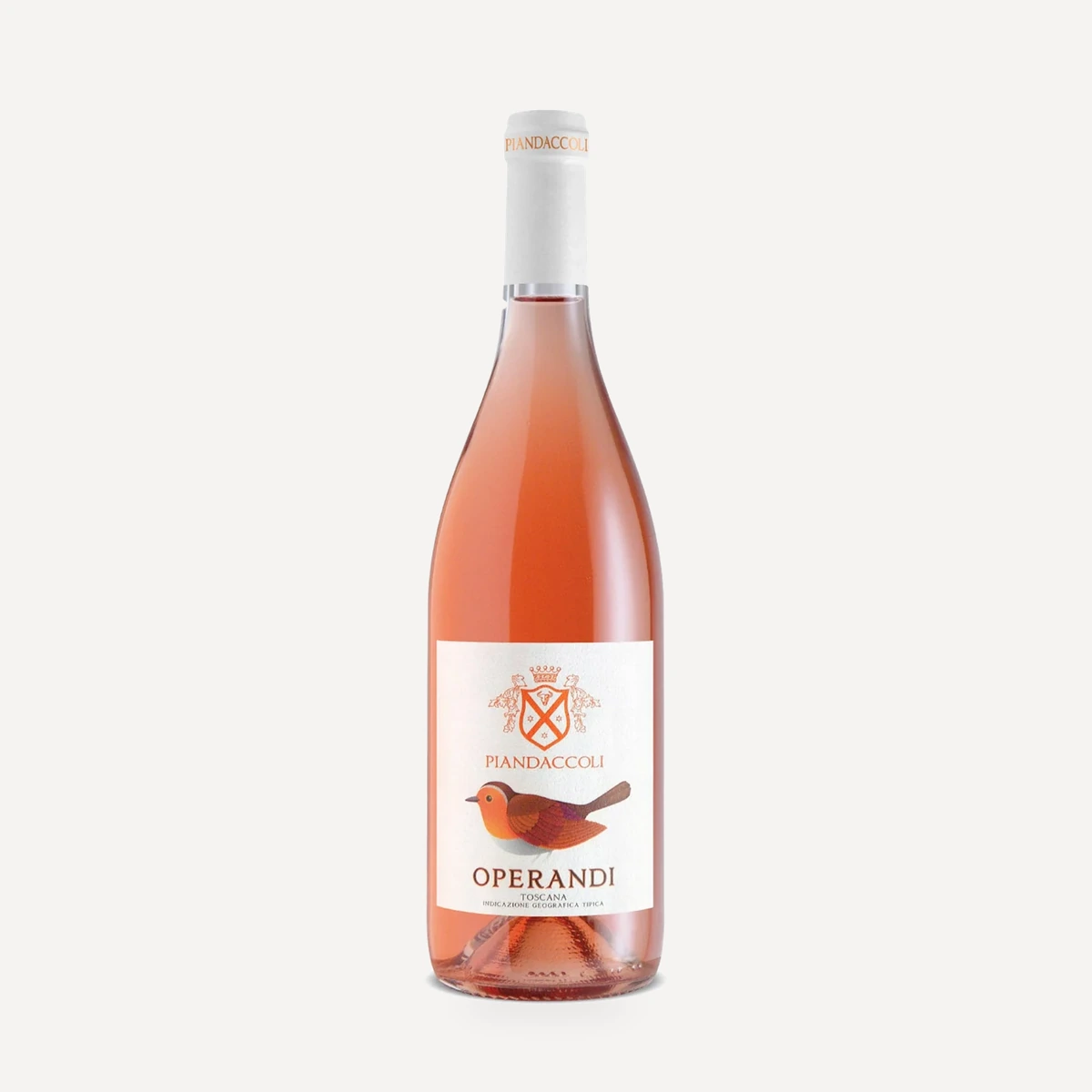
Operandi
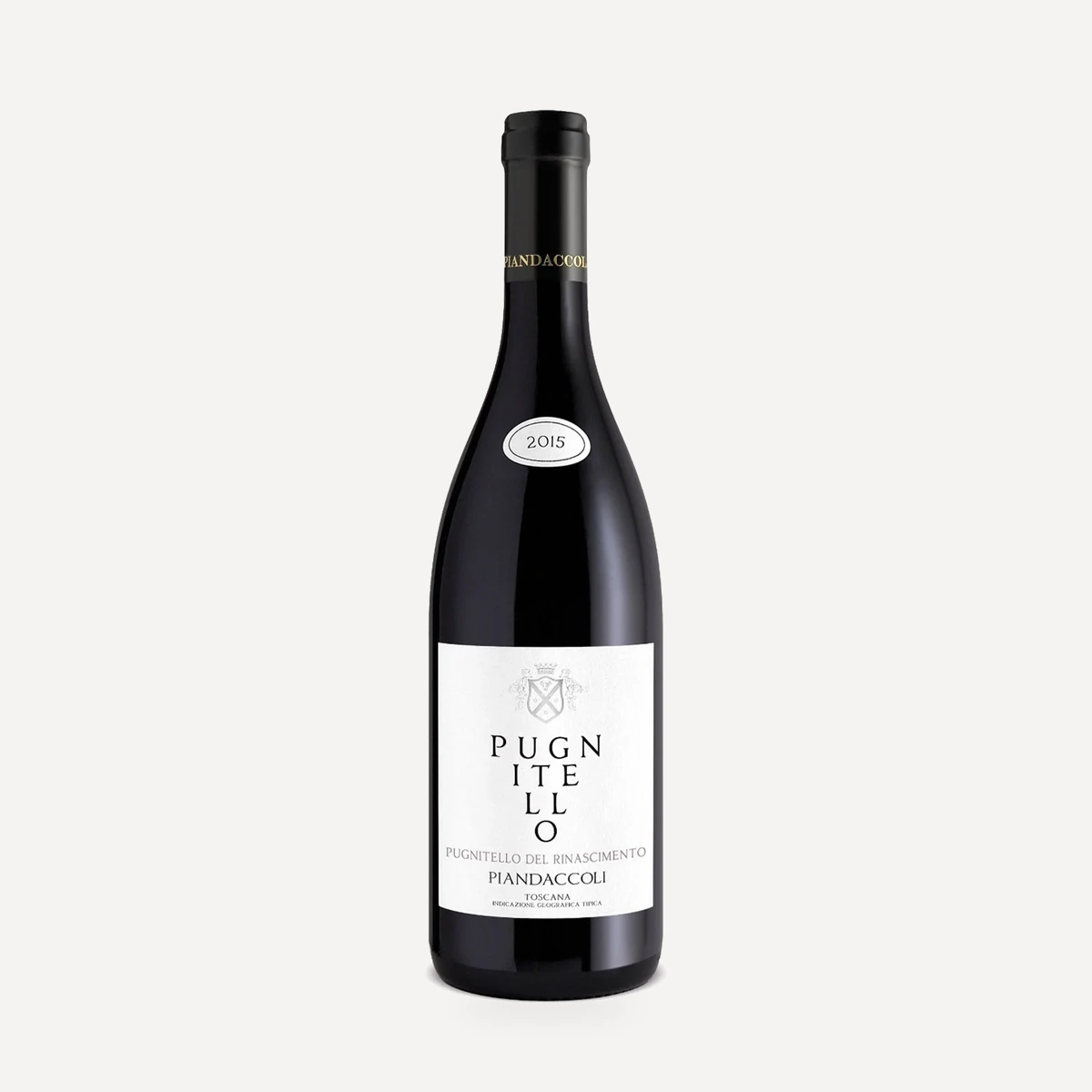
Pugnitello del Rinascimento
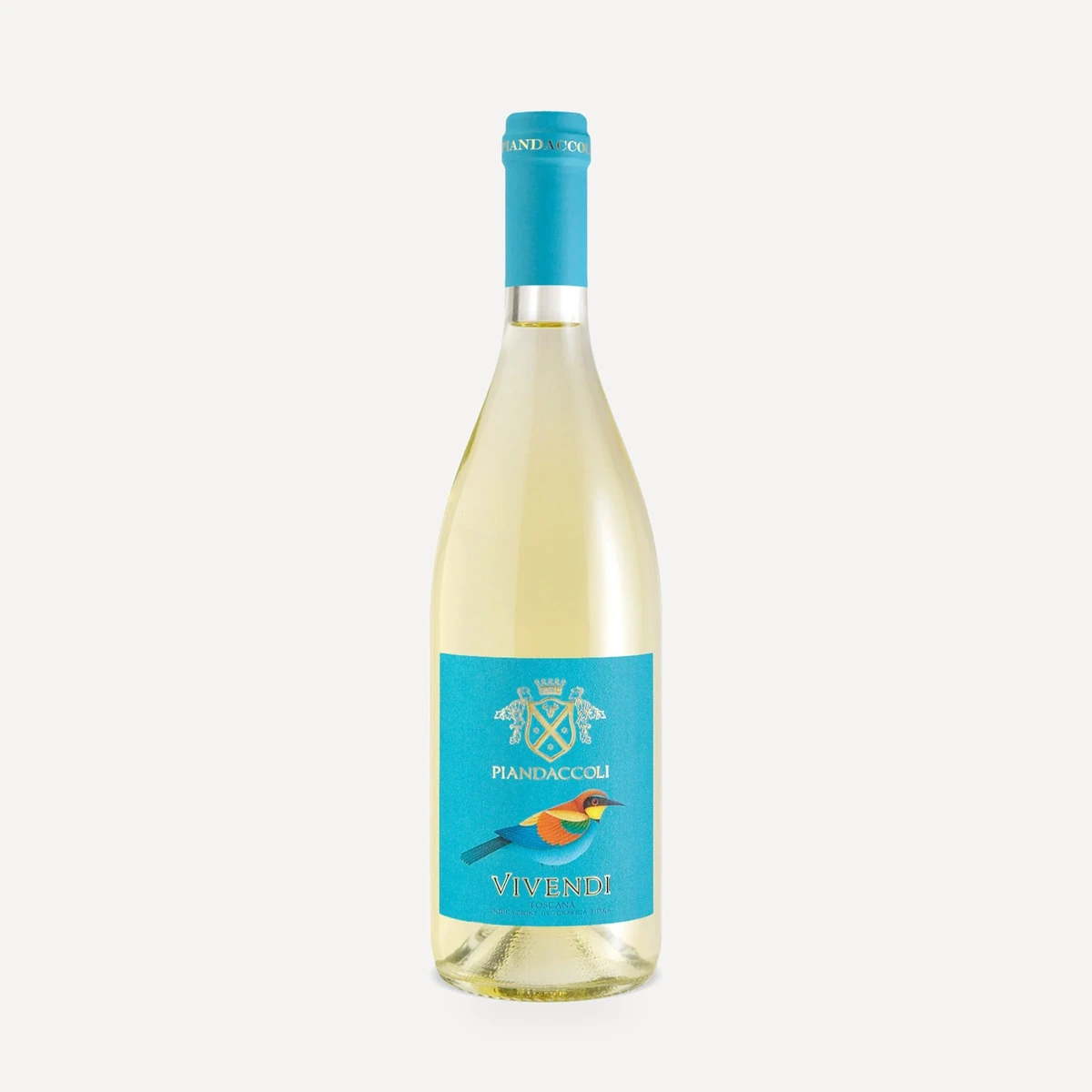
Vivendi
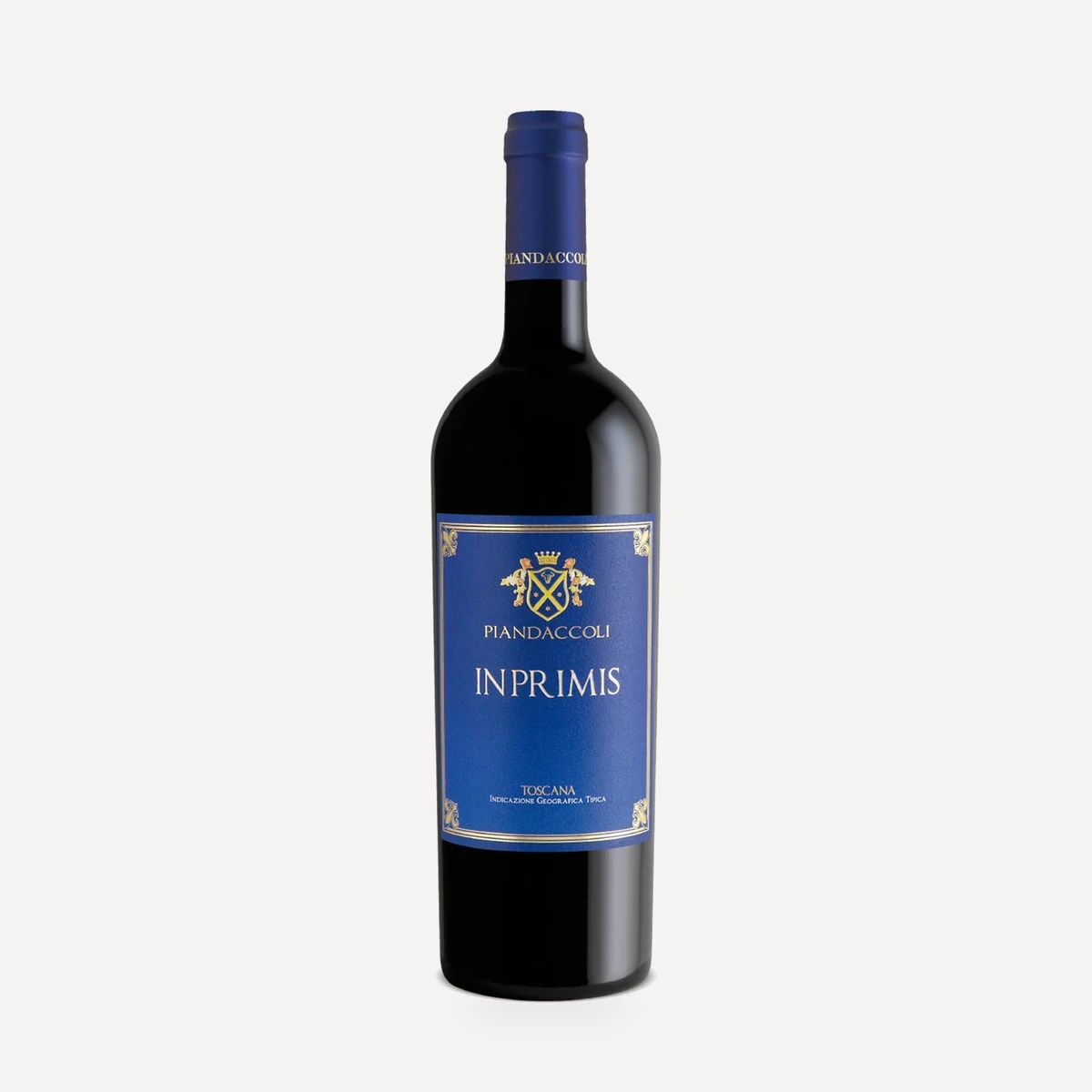
In Primis
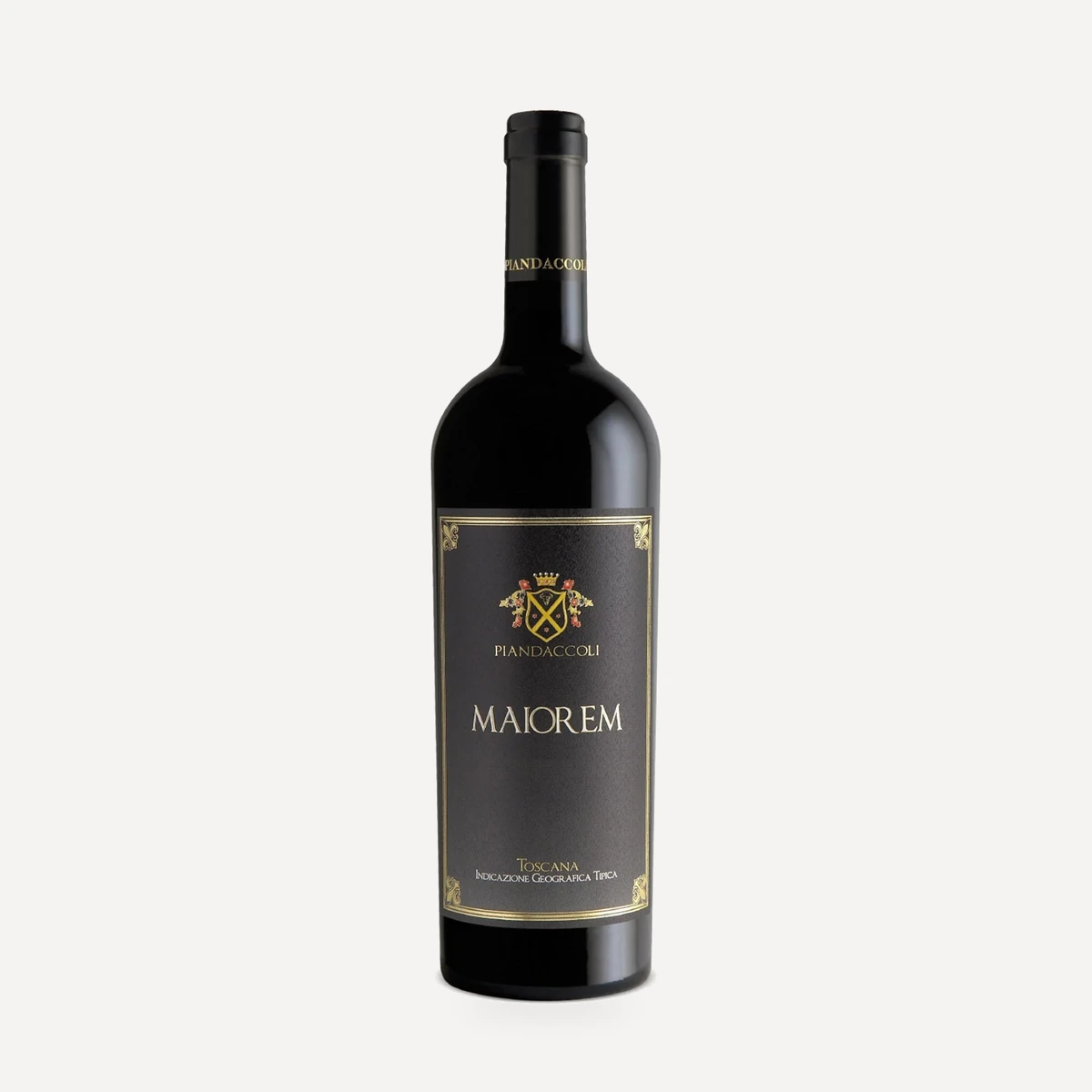
Maiorem