Storia
More than half a century of farming
Podere Fornace Prima has operated for more than 50 years, following principles rooted in traditional, natural farming. The estate lies between Cerreto Guidi and Vinci in Tuscany, with vineyards in both municipalities.
The decision to adopt modern biodynamics
Massimo and Alessandro attended a conference on Modern Biodynamic Viticulture and met agronomist Leonello Anello, a promoter of modern biodynamic methods in both viticulture and winemaking. These encounters led them to begin a project that ultimately extended biodynamic management across the entire estate.
The transition was conceived as a natural continuation of the farm’s longstanding commitment to traditional, minimally artificial production rather than a departure from its previous direction.
2010: estate-wide biodynamic management
Since 2010, both vineyard cultivation and cellar work have followed the modern biodynamic method throughout Podere Fornace Prima. The estate subsequently became one of the founders of the Associazione Biodinamici Toscani. Technical documentation for 2017 releases also identifies those wines as certified organic.
Terroir
Podere Fornace Prima occupies a Tuscan hillside between the municipalities of Cerreto Guidi and Vinci, with vineyards in both communes. The vines grow at approximately 150 m above sea level.
The soils are predominantly clay-rich. Vineyard and technical descriptions repeatedly note numerous cavities or “niches” and the presence of seashells in the soil.
A morphocrystallization study of the estate’s 2011 Chianti found no signs of water stress, water stagnation or an aggressive, polluted growing environment. Its interpretation described a substrate suited to the vine, while also identifying a limiting subsoil condition associated with oxygen management and a slow transmission of qualitative elements from the subsoil. These observations belong specifically to the studied wine and vintage rather than to a general geological survey of every vineyard.
Vinificazione
Podere Fornace Prima has applied modern biodynamic methods throughout its vineyards since 2010.
After harvest, alternate vine rows are worked and sown with hundreds of different plants to increase biodiversity. Legumes form the main component of these cover crops. In spring, the vegetation is cut and incorporated into the soil as green manure.
Biodynamic Preparation 500, or horn manure, is applied over the green manure. Its intended function is to stimulate humus formation—the colloidal, microorganism-rich layer regarded by the estate as the foundation of soil fertility—and to support the movement of vital elements into the plant.
Manual operations on the vines are timed with close attention to lunar phases. Small quantities of copper and sulfur are used to help the plants defend themselves against parasites; the estate maintains that these substances do not remain in either the finished wine or the soil.
From veraison through complete ripening, the vineyards receive Preparation 501, or horn silica. Quartz is crushed and prepared, essences are added, and the preparation is sprayed over the vineyards at dawn. The treatment is intended to concentrate silica’s light-related forces, stimulate light-driven plant physiology, and improve the grapes’ organoleptic and nutritional qualities.
Harvesting is manual. Technical documentation adds that bunches are carefully selected by hand.
Cellar work has followed the modern biodynamic method since 2010. The central approach is to allow the grapes to transform into wine with minimal intervention, within a philosophy that associates air, warmth and light with the structuring and development of the wine.
Grapes are harvested manually and carefully selected. The repeatedly documented cellar pattern is fermentation followed by maturation in small cement vats. Certain documented lots have instead begun fermentation in open tonneaux before refinement in cement, demonstrating a limited alternative within the cellar’s practice.
No chemical or physical treatments are applied to the wine. Only small quantities of sulfur dioxide are added, and the total quantity is reported on the neck label. Individual technical sheets document low total sulfur values, including 42, 45 and 48 mg/L at bottling for particular releases.
Filosofia
Podere Fornace Prima presents modern biodynamics as a continuation of its traditional farming identity and its pursuit of natural, genuine production. Its stated objective is to preserve a close relationship among the land, the people working it and the resulting wine.
The estate rejects farming driven primarily by chemical inputs and economic targets. It regards biodynamics as a means of restoring environmental respect while allowing wine to express both the characteristics of its place of origin and the influence of the people guiding its transformation.
Its vineyard philosophy treats soil fertility as a living process based on humus, microorganisms and biodiversity. Lunar timing and Preparations 500 and 501 connect manual work, plant development and ripening to the biodynamic relationship between earth and sky.
In the cellar, intervention is deliberately restricted. The grapes are expected to carry out their own transformation, without physical or chemical corrective treatments. The only declared addition is a small quantity of sulfur dioxide, whose total amount is disclosed.
The estate describes quality as the product of a balanced, respectful relationship between human work and the territory. This philosophy also underpins its role as a founding member of the Associazione Biodinamici Toscani.
Vini
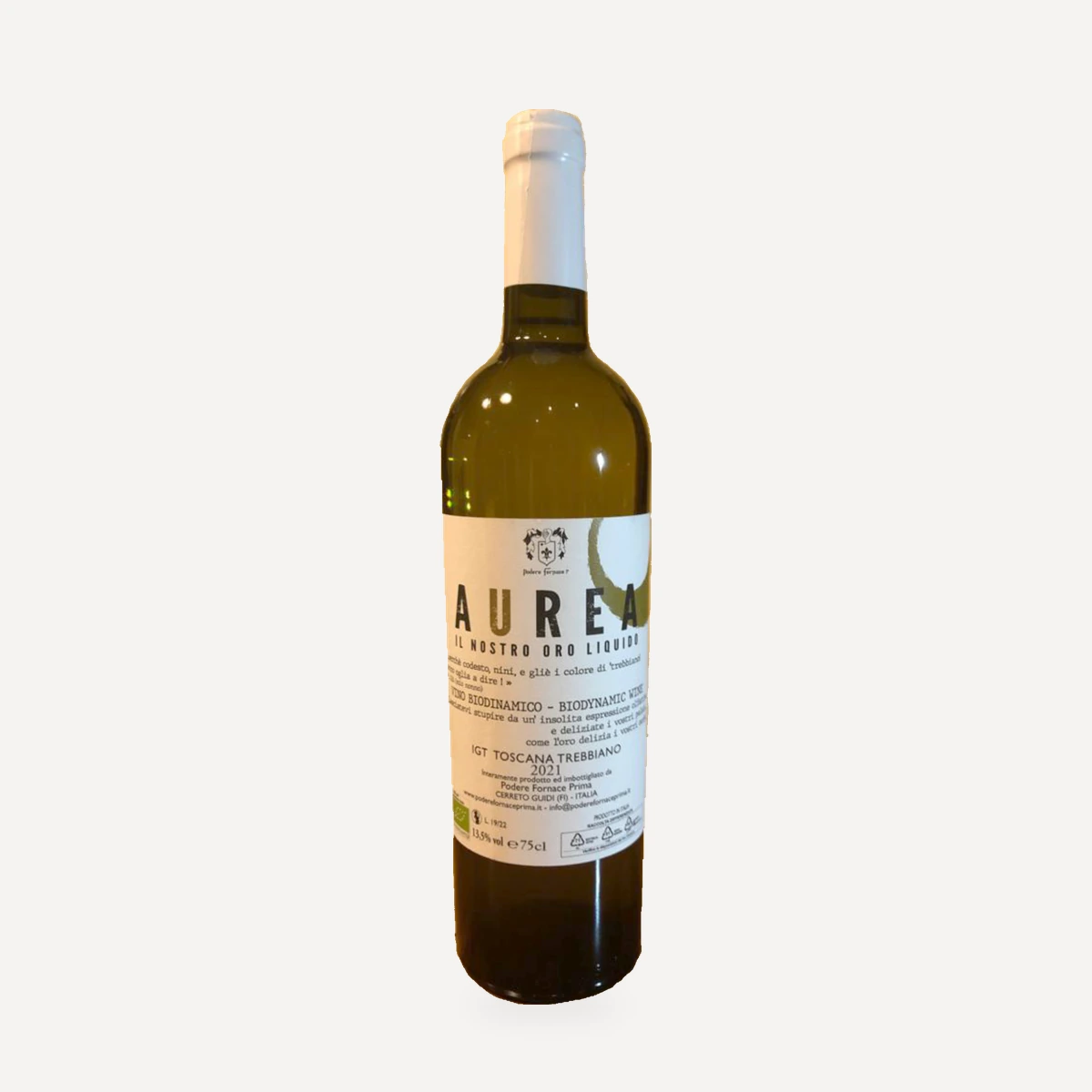
Aurea
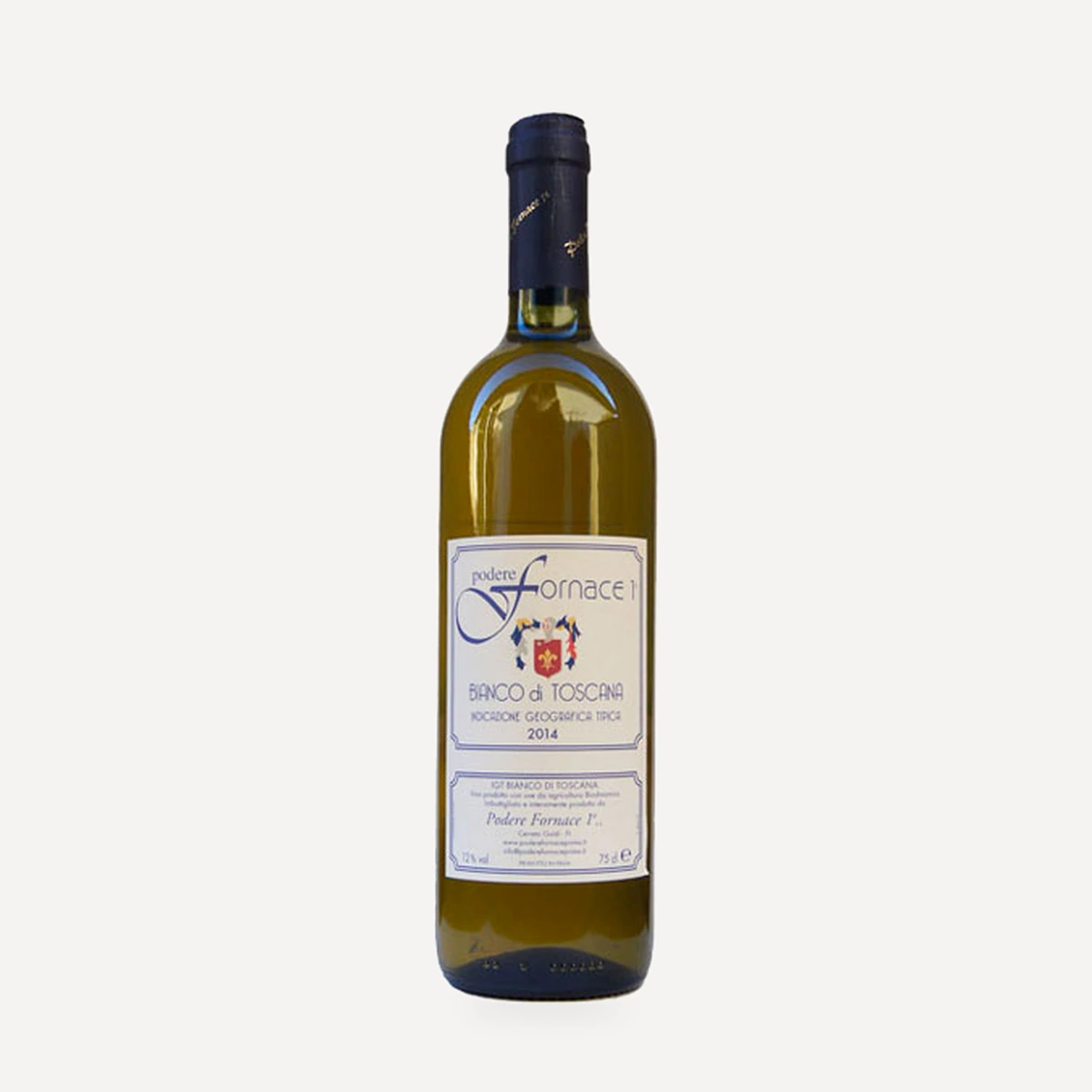
Bianco di Toscana
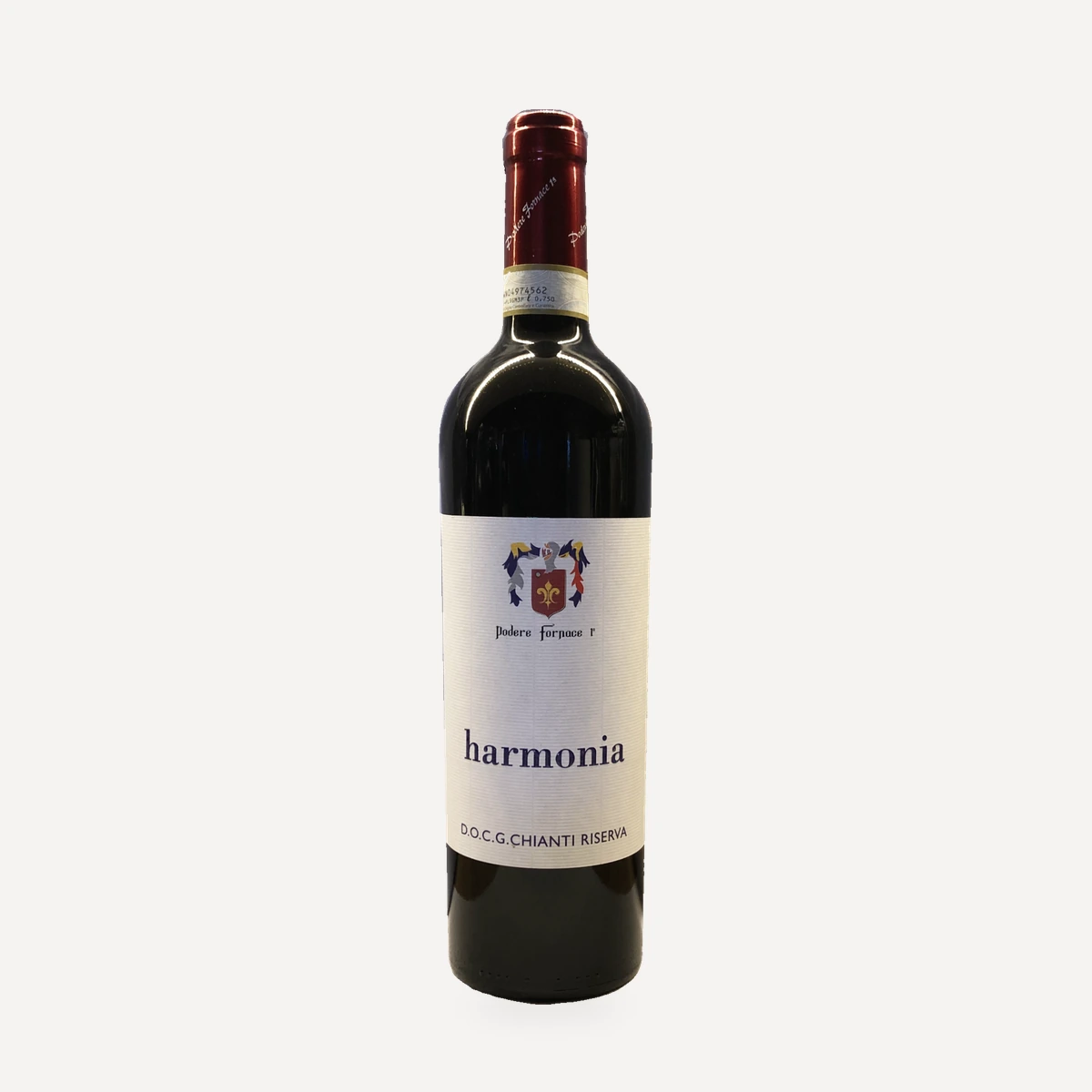
Harmonia
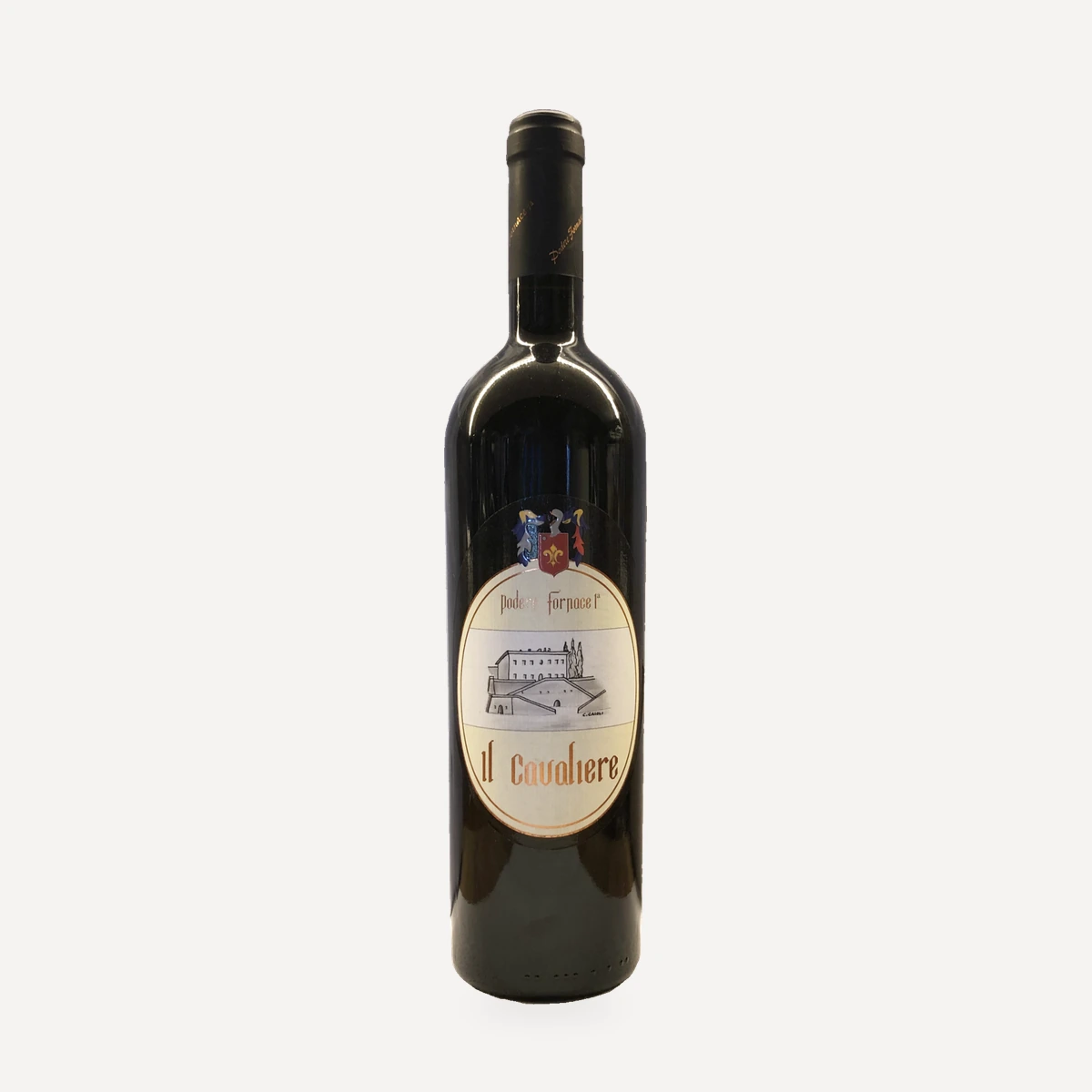
Il Cavaliere
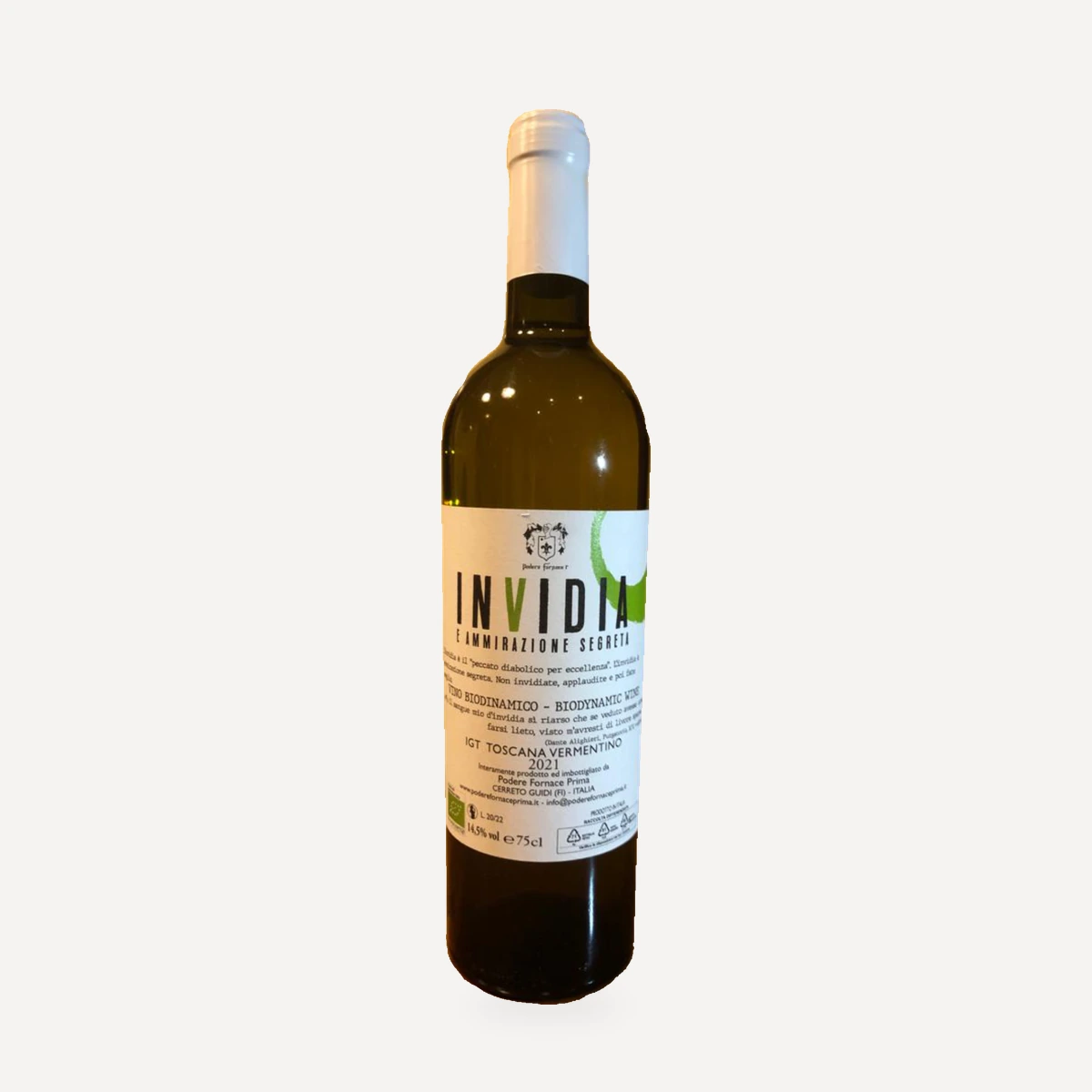
Invidia
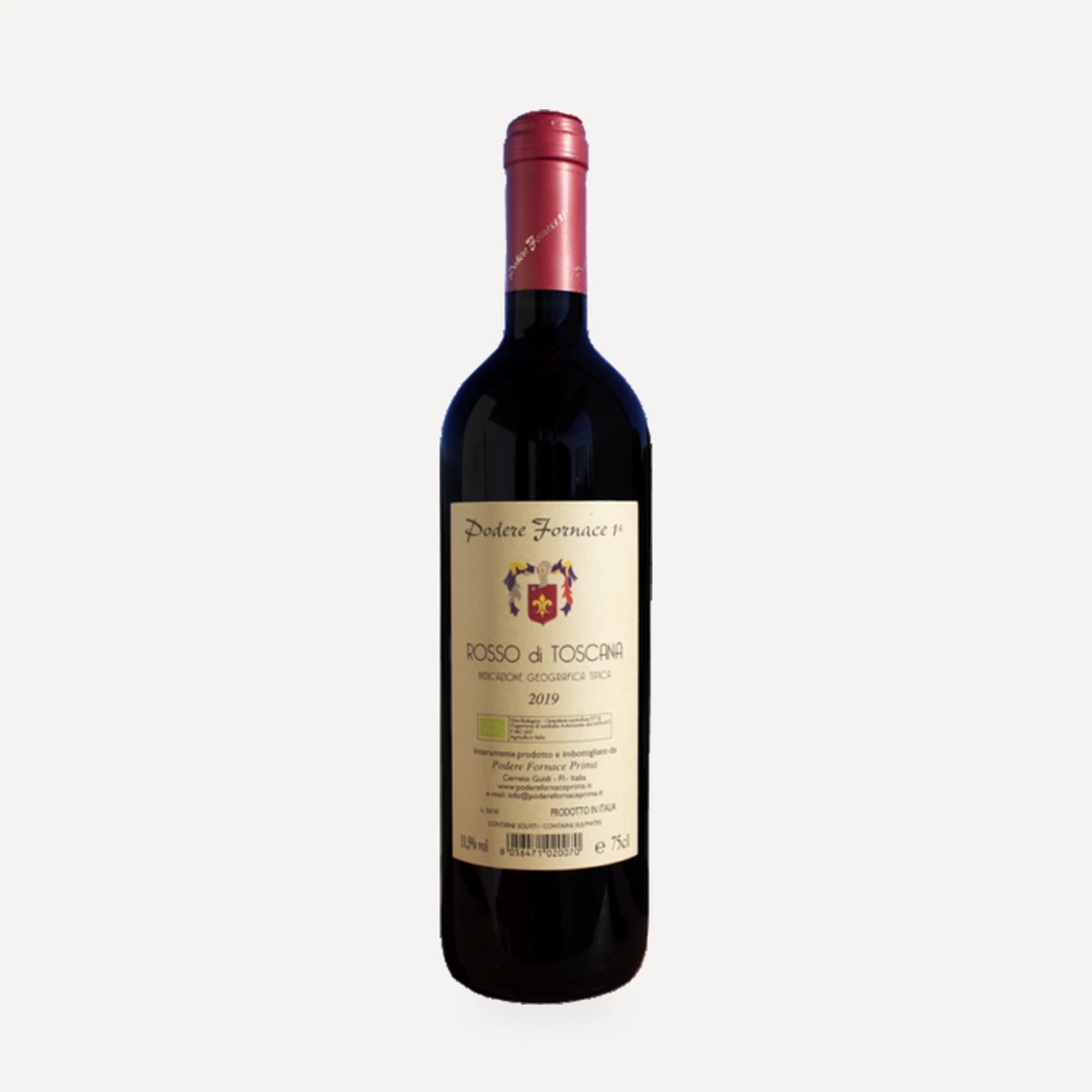
Rosso di Toscana
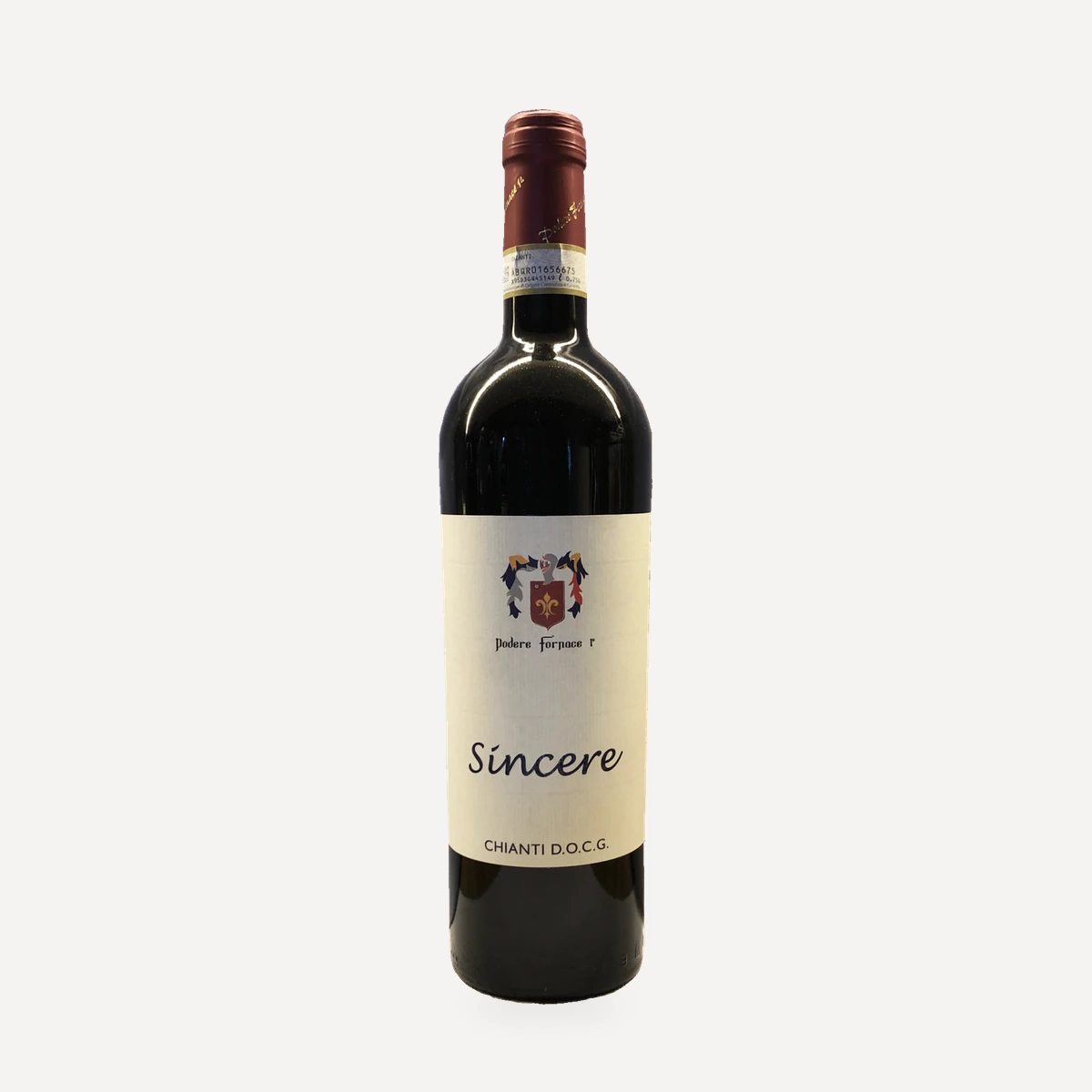
Sincere
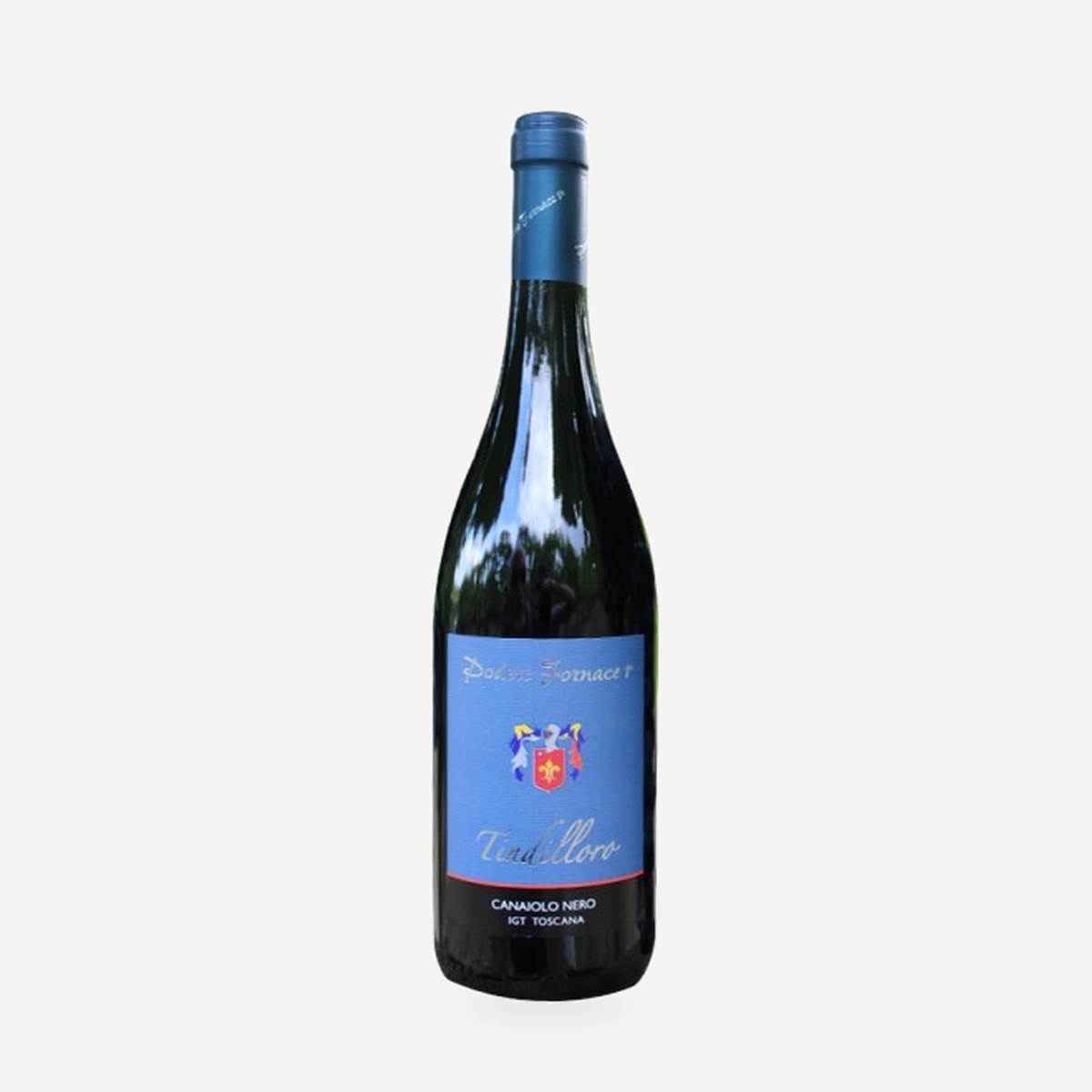
Tindilloro