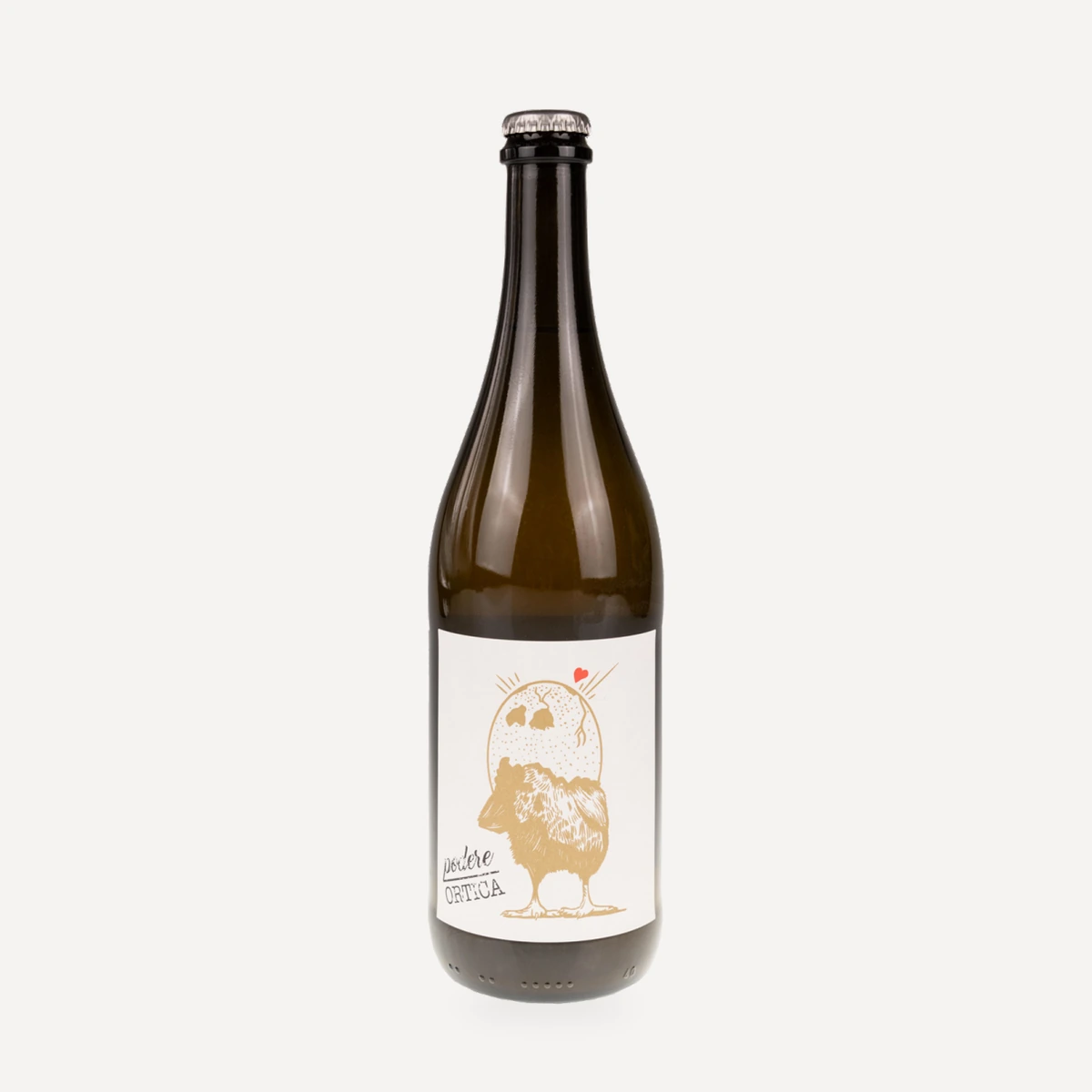
Storia
The vineyards before Podere Ortica
The oldest named parcel is Vignavecchia, a 1-hectare mixed vineyard dating from the early 1980s. Its plantings include Sangiovese, Malvasia, Trebbiano, Colorino, Canaiolo and other native varieties. The vineyard was subsequently recovered from abandonment. Its configuration prevents mechanisation, so every operation from pruning through harvest is performed manually.
Montegonzi was established as a 3-hectare vineyard in 2002–2003. Approximately 80% of its vines are Sangiovese, with Malvasia, Trebbiano, Colorino and Canaiolo making up the balance.
Francesca Bidini’s agricultural project
Francesca Bidini began working in agriculture in 2005. From that point she developed the idea of an enterprise joining her interest in wine with her attachment to nature and respect for the consumer.
Establishment in 2015
Podere Ortica was created in 2015 from that project. It was conceived as an agricultural estate that would work with the resources of its territory and make wine without unnecessary additions. In the same year, the 3-hectare Vignanuova parcel was planted. Clones were selected for their compatibility with the land, while the varietal choice was restricted to native grapes: Sangiovese, Colorino, Canaiolo, Aleatico, Malvasia and Trebbiano.
The young estate developed through Francesca’s progressively closer knowledge of its land. She regards the relationship between grower and vine as essential both to caring for the grapes and to giving the wines expression. Adjustments in the vineyard and cellar have therefore been introduced incrementally as her understanding of the property has grown.
Development of the working model
All of the estate’s land came to be managed organically. Podere Ortica also adopted an owner-operated model in which cultivation and production are handled directly. Its cellar protocol combines an aspiration to make wine in an earlier, simpler manner with present-day attention to sound fruit and hygienic transformation. The core process is manual harvesting and selection, destemming, fermentation or maceration in cement or stainless steel, limited extraction, few rackings, winter cold for clarification, unfiltered bottling and restrained use of potassium metabisulphite only when considered necessary.
Terroir
Podere Ortica lies at Civitella in Val di Chiana in the province of Arezzo, Tuscany. The approximately 30-hectare property occupies a part of the Chianti area between Florence, Arezzo and Siena. Its vineyards are associated with the first Chianti hills on the opposite side of the Val d’Arno, a few kilometres from Gaiole in Chianti.
Montegonzi reaches 550 metres above sea level. Its ground is described as loose, calcareous soil with galestro. The parcel’s technical description records east–west and north–south orientations. The slope of each vineyard influences whether the soil is harrowed throughout or in alternating rows.
The wider agricultural holding also reaches the slopes of Pratomagno in the Valdarno Superiore. There, the estate’s olive grove occupies a south-facing terraced plot.
Vinificazione
All of Podere Ortica’s land is managed organically, and certified-organic cultivation is identified for the Montegonzi wine-growing specification. Francesca Bidini’s stated objective is to intervene as little as possible in the life of the plants while protecting the environment and her family.
Winter pruning is undertaken with an effort to work during the waning moon. Vignavecchia and Montegonzi retain spontaneous ground cover containing clover, chamomile, dandelion, horsetail and numerous other species. Grass is cut only when considered necessary, leaving more plant mass on the ground to increase organic matter and build humus.
In newer plantings, leguminous crops assist vine establishment. Field bean is grown as green manure to increase the nitrogen available to young vines. Harrowing may cover every row or alternate rows according to the vineyard and the gradient of the ground.
Plant protection is based on copper and sulphur, supported in rotation by propolis, essential oils and algae. Francesca associates this combination with more vigorous vines and improved plant response, allowing the amount of copper applied per hectare to be reduced.
Harvesting and grape selection are manual. Montegonzi fruit is picked into crates, while the physical form of Vignavecchia rules out mechanisation altogether: pruning, other vineyard work and harvest are all performed by hand.
Podere Ortica’s cellar approach is framed as making wine in the manner of the past while applying current standards of grape health and cleanliness during transformation.
Grapes are harvested manually and selected for suitability before destemming. The fruit is then placed in cement or stainless-steel tanks. Fermentations across the range are spontaneous. Macerations are usually kept short to limit extraction and favour ease of drinking, with pump-overs during skin contact; the estate also uses extended skin contact for particular interpretations of Trebbiano.
Racking is deliberately limited to the transfers considered strictly necessary to clean the wine. Cement is used for fermentation and maturation, while stainless steel is also used for vinification and ageing. Winter cold provides natural clarification. Wines are bottled without filtration, commonly in spring or summer depending on the cuvée. Small quantities of potassium metabisulphite may be added to grapes or wine when considered necessary.
The cellar also employs bottle refermentation. Must frozen at harvest is returned to ambient temperature when the cellar warms in spring, added to still wine from the same vintage and bottled so that the second fermentation and formation of bubbles take place in the bottle.
Filosofia
Podere Ortica’s guiding idea is that agriculture is life. The estate seeks to work with the richness of its territory, respect natural cycles and produce wine and olive oil without unnecessary additions.
Francesca Bidini places drinkability ahead of power. Her objective is to produce light wines with low alcohol, simplicity and elegance, favouring ease of drinking over structure. Native varieties are central to that objective.
Her environmental choices are also personal: responsible farming and avoidance of practices she regards as harmful are linked to protecting her family. In the vineyard, this becomes a policy of minimal intervention in the life of the plants, organic soil management and reduced copper doses. In the cellar, it means protecting the character of the fruit through healthy grapes, clean transformation, restrained extraction, few transfers, natural cold clarification, no filtration and only small additions of potassium metabisulphite when necessary.
The estate’s development is treated as an ongoing learning process. Francesca considers the close relationship between grower and vine an advantage in caring for grapes and giving the wines expression; each season brings small adjustments as her knowledge of the territory deepens.
Vini
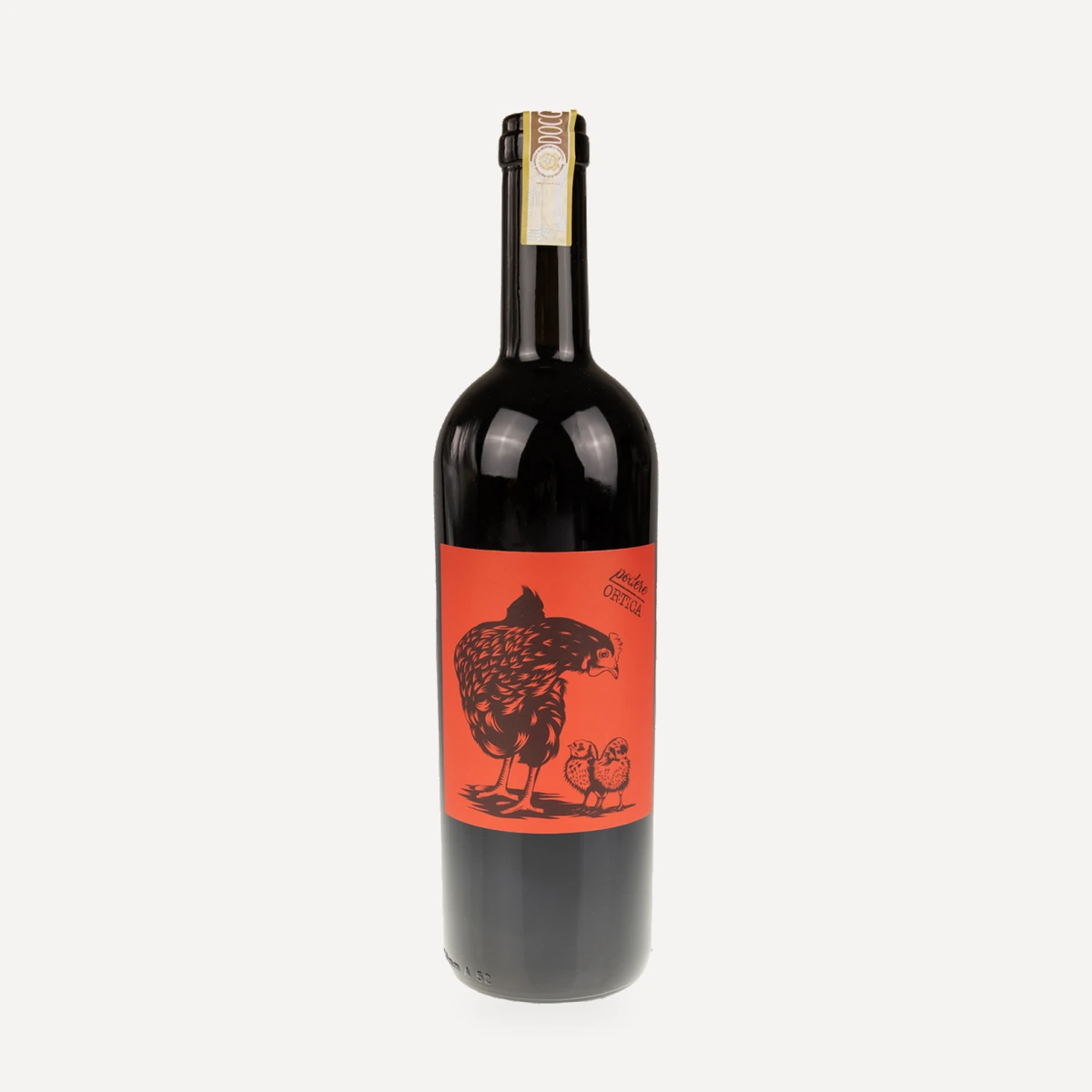
Ati Chianti D.O.C.G.
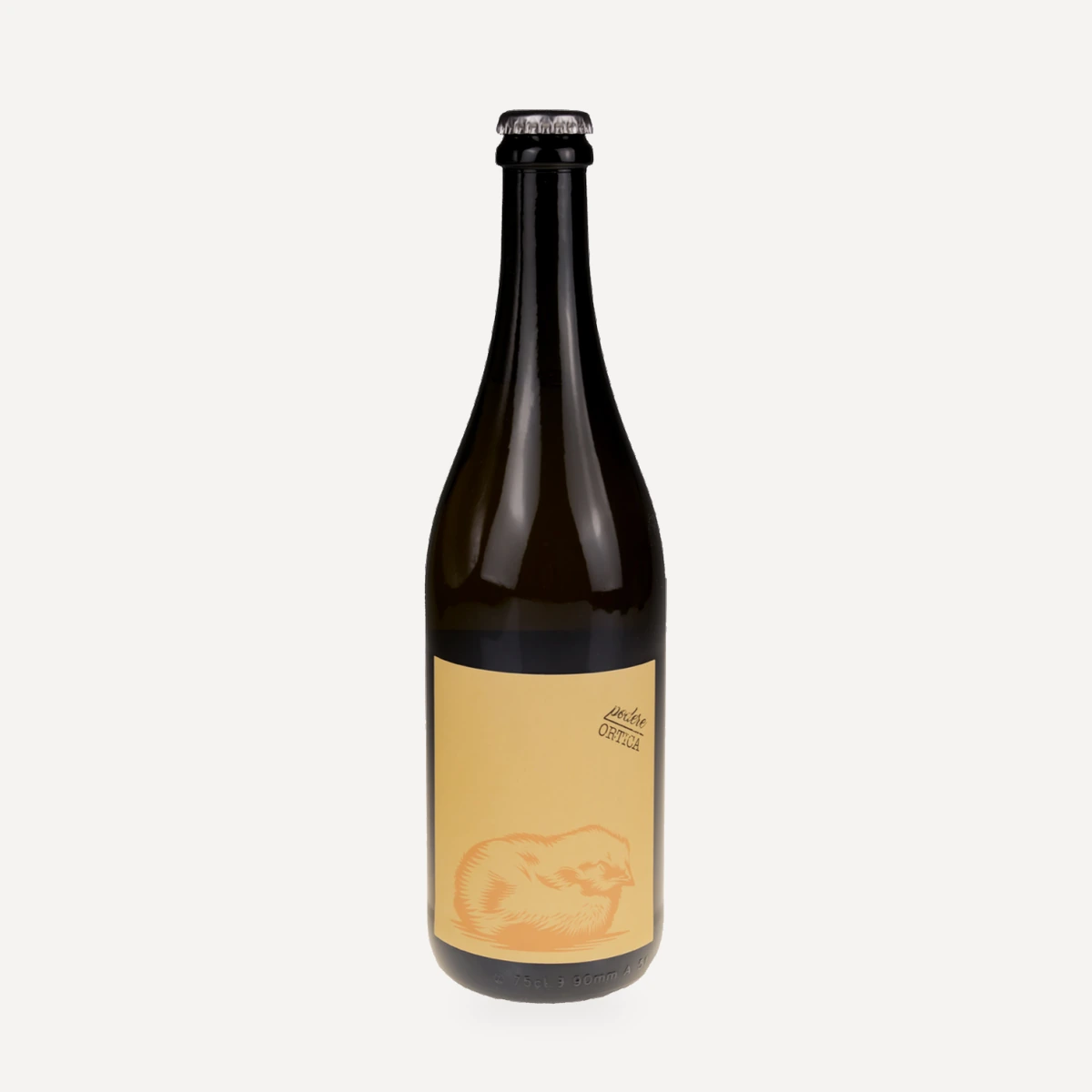
Ade IGT Bianco Toscana
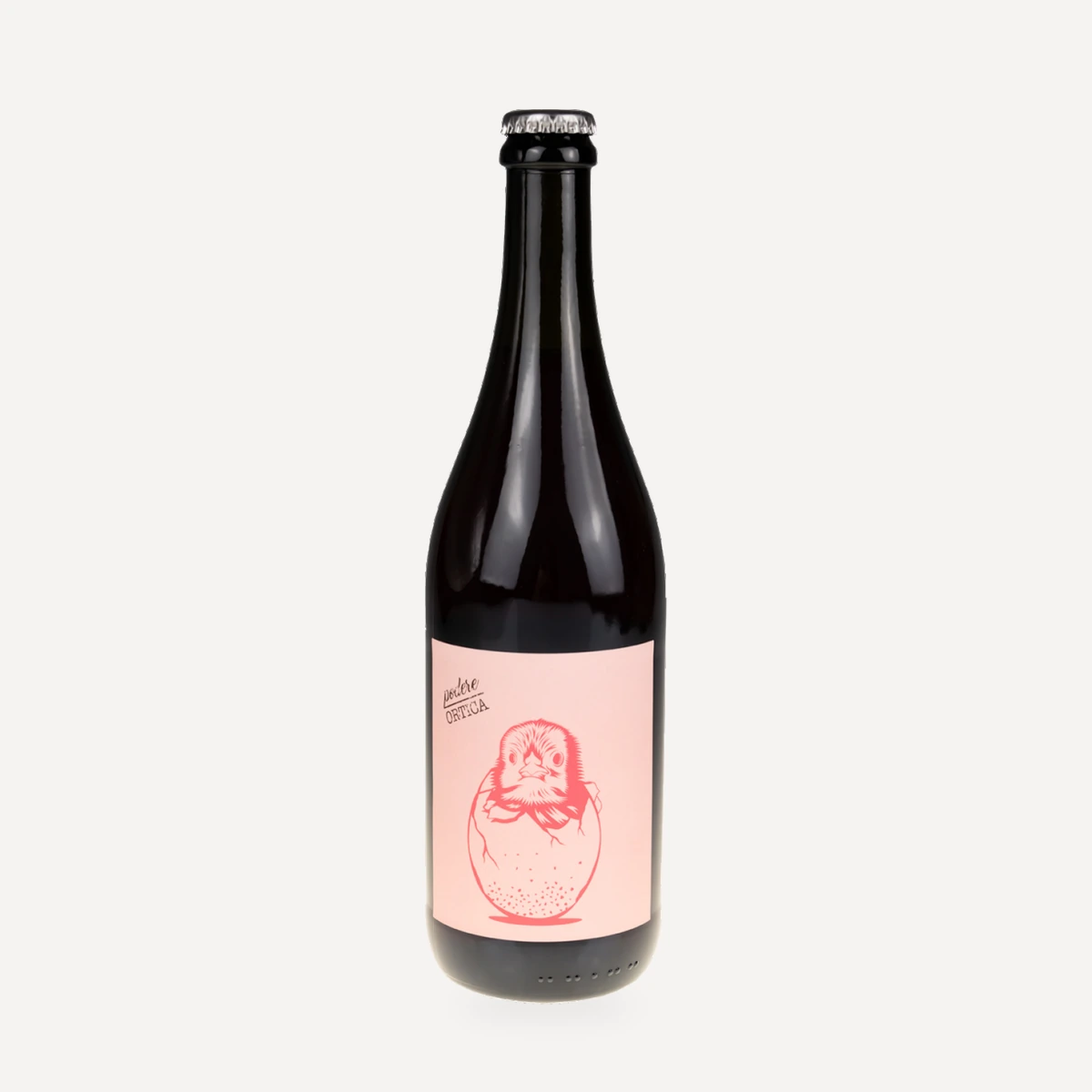
Agade’ IGT Toscana Rosato
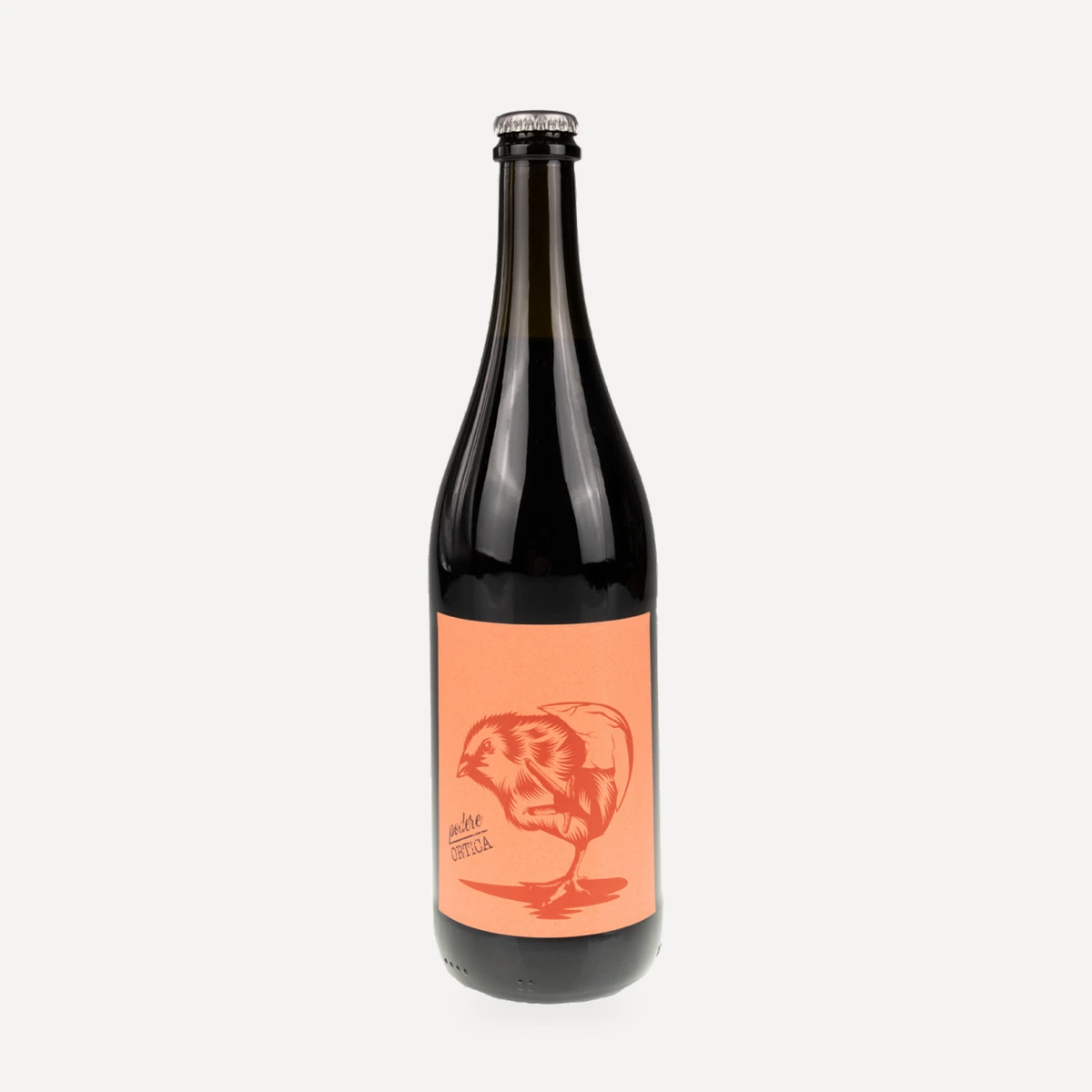
Ago IGT Toscana Rosso

184 Bianco