Storia
1929: the beginning
dal Nespoli traces its winemaking history to 1929. Its roots lie in a family tradition sustained by four generations of Romagna winegrowers.
Four generations of development
Successive generations continued to cultivate the land and develop wine production in the Bidente Valley. The estate characterizes this progression as a continuous process of research and improvement, intended to increase the value of both its production and its territory.
Over time, the operation grew into an integrated production chain encompassing the vineyards, winemaking cellar, maturation, bottling and barrel cellar. The estate now follows its wines from the vineyard through to the finished bottle.
Contemporary estate
The present property combines historic buildings in the hamlet of Nespoli with contemporary structures built in wood and glass. The estate accommodates vineyards, production facilities and hospitality spaces in the same locality. Its winery was designed with environmentally conscious architectural lines and materials, together with energy-production systems intended to support low-impact development.
The agricultural company is currently subject to the coordination and control of Argea S.p.A.
Research and territorial development
dal Nespoli became the proposer and lead partner of the wine-sector supply-chain project “Valorizzare Romagna: la filiera vitivinicola per il territorio.” The initiative was approved under the Emilia-Romagna Rural Development Programme 2014–2020, Operation 16.2.01, following public call D.G.R. 227/2017, application no. 5050344 and Supply-Chain Project F68.
Terroir
Bidente Valley
The vineyards occupy the hills of the Bidente Valley in Romagna. The valley connects the Apennines along the Tuscan border with the Riviera Romagnola and has historically formed a passage between the two. The surrounding landscape includes natural areas such as the Parco Nazionale delle Foreste Casentinesi.
The estate is presented at an approximate elevation of 177 metres above sea level, while one specifically described estate vineyard lies at 120 metres. The vineyards therefore occupy distinct positions within the valley rather than a single uniform elevation.
Climate and topography
Marked differences between daytime and nighttime temperatures characterize the vineyard microclimate and promote the development of intense fruit aromas. On the hills, this diurnal range works together with good ventilation and effective soil drainage to support grape ripening.
Soils
The Bidente Valley contains clay components and alluvial terraces deposited by the river that gives the valley its name. Across the vineyards, the documented soil profiles include medium-textured soils, loamy clay, calcareous material, and sites enriched with marl and clay. Soil composition and vineyard exposure are treated as important determinants of grape character and wine structure.
Vinificazione
Organic cultivation
Part of the vineyard holding is managed organically. This approach works with the soil’s natural fertility, limits intervention, encourages biodiversity and excludes synthetic products. Organic status is attached to identified Sangiovese and Trebbiano vineyards rather than explicitly to the estate in its entirety.
Bio-symbiotic agriculture
The Bidente Valley is described as Italy’s first Bio-Symbiotic District. A biodistrict brings together participants within an area naturally suited to organic farming and establishes shared commitments for sustainable resource management and organic agricultural production.
The defining vineyard practice of bio-symbiotic agriculture is the use of mycorrhizae. Fungal microorganisms are inoculated close to the vine roots so that a beneficial association develops between the fungi and the root system. The estate applies this method to its bio-symbiotic Sangiovese production.
Site conditions
The estate regards the valley’s diurnal temperature variation, ventilation and soil drainage as central to balanced grape maturation. Soil and exposure are likewise treated as factors affecting grape quality and the eventual structure of the wines.
Integrated production chain
dal Nespoli manages the principal stages of production within the estate: vineyard cultivation, winemaking, maturation, bottling and work in the barrel cellar. These stages can be followed in sequence through the production facilities at Nespoli.
Winery structure
The production buildings combine environmentally conscious architectural forms and materials with energy-generation installations intended to reduce the winery’s environmental impact. Historic estate buildings stand alongside contemporary structures made with wood and glass.
Cellar approach
The cellar is presented as part of a continuous process beginning in the vineyard and extending through vinification, maturation and bottling. Research and continuing improvement form the stated basis for developing production while retaining its connection to the Bidente Valley.
Filosofia
The estate’s philosophy begins with Romagna and the Bidente Valley: wine is treated as an expression of the land rather than as an isolated cellar product. Cultivation is framed in terms of care and respect for the soil, while winegrowing is understood as a passion passed through four generations.
Tradition is coupled with continuing research and improvement. The objective is to enhance production without severing its relationship to place, following every stage from cultivation to the finished bottle. Organic and bio-symbiotic practices translate this position into limited intervention in designated vineyards, protection of biodiversity, exclusion of synthetic products and the use of beneficial mycorrhizal relationships around vine roots.
Environmental considerations extend to the winery itself through low-impact architectural choices, construction materials and energy-generation systems. Hospitality reflects a parallel principle: wine is presented as an act of sharing, explained and tasted with visitors where it is produced.
Vini
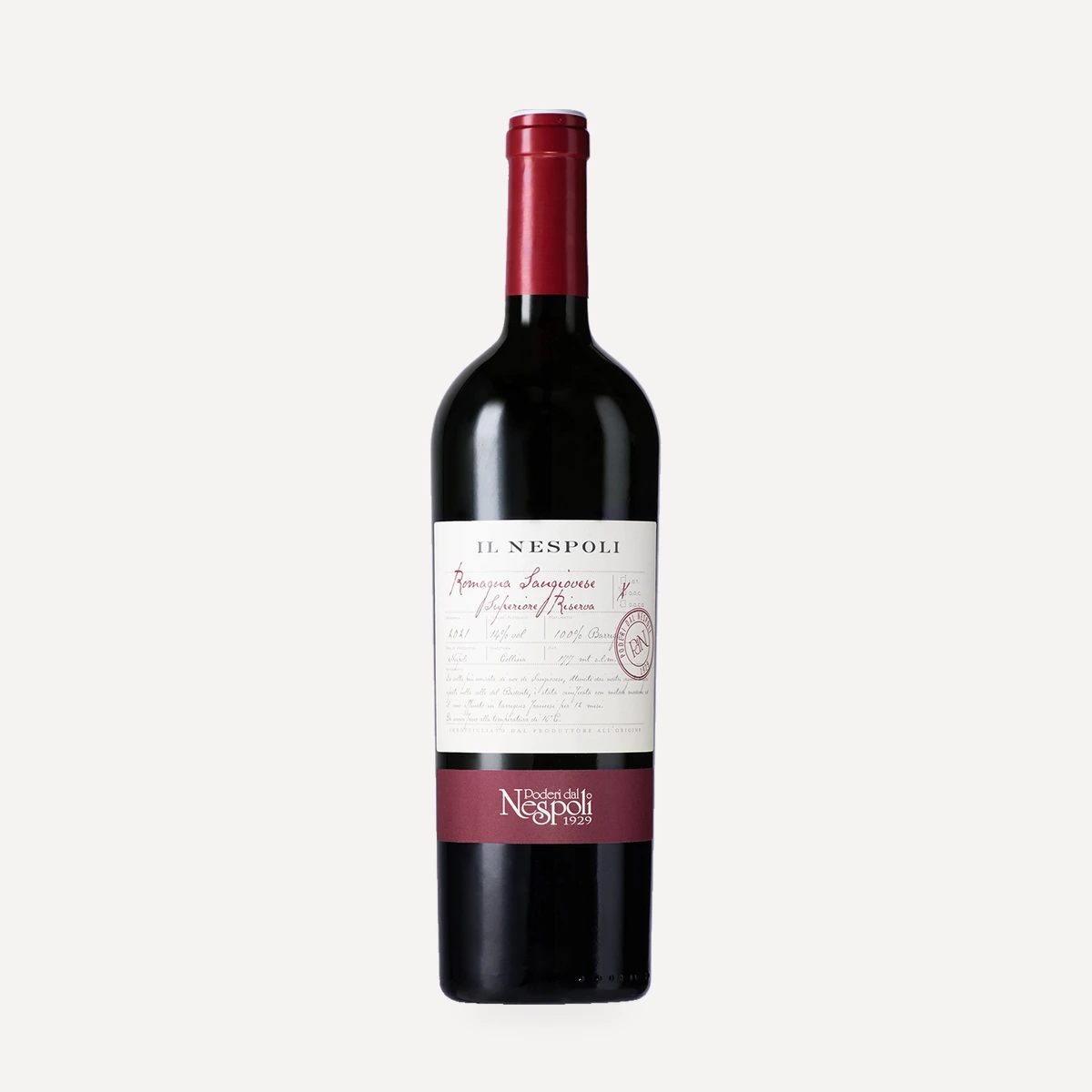
Sangiovese Superiore Riserva Romagna DOC
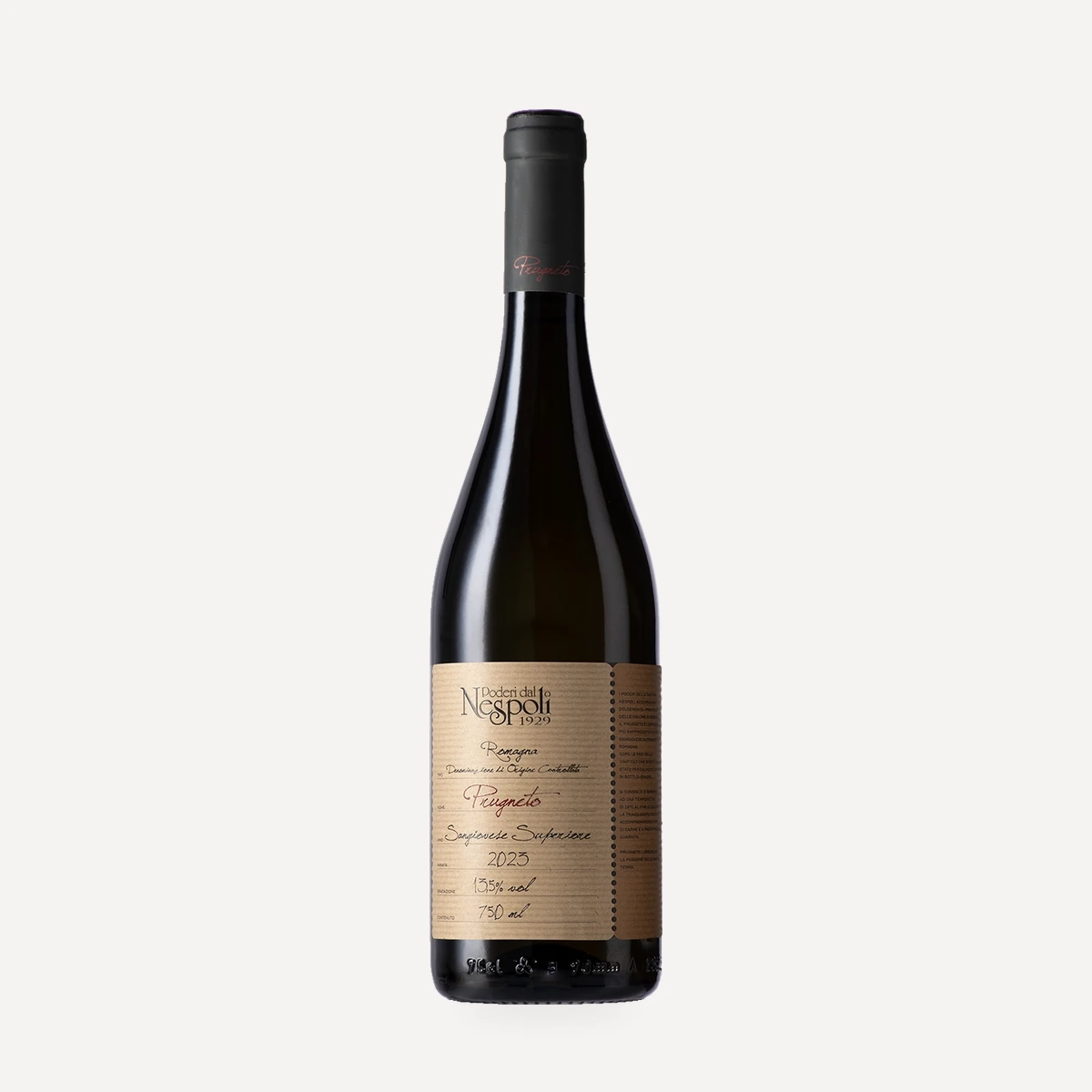
Prugneto Romagna Sangiovese Superiore DOC
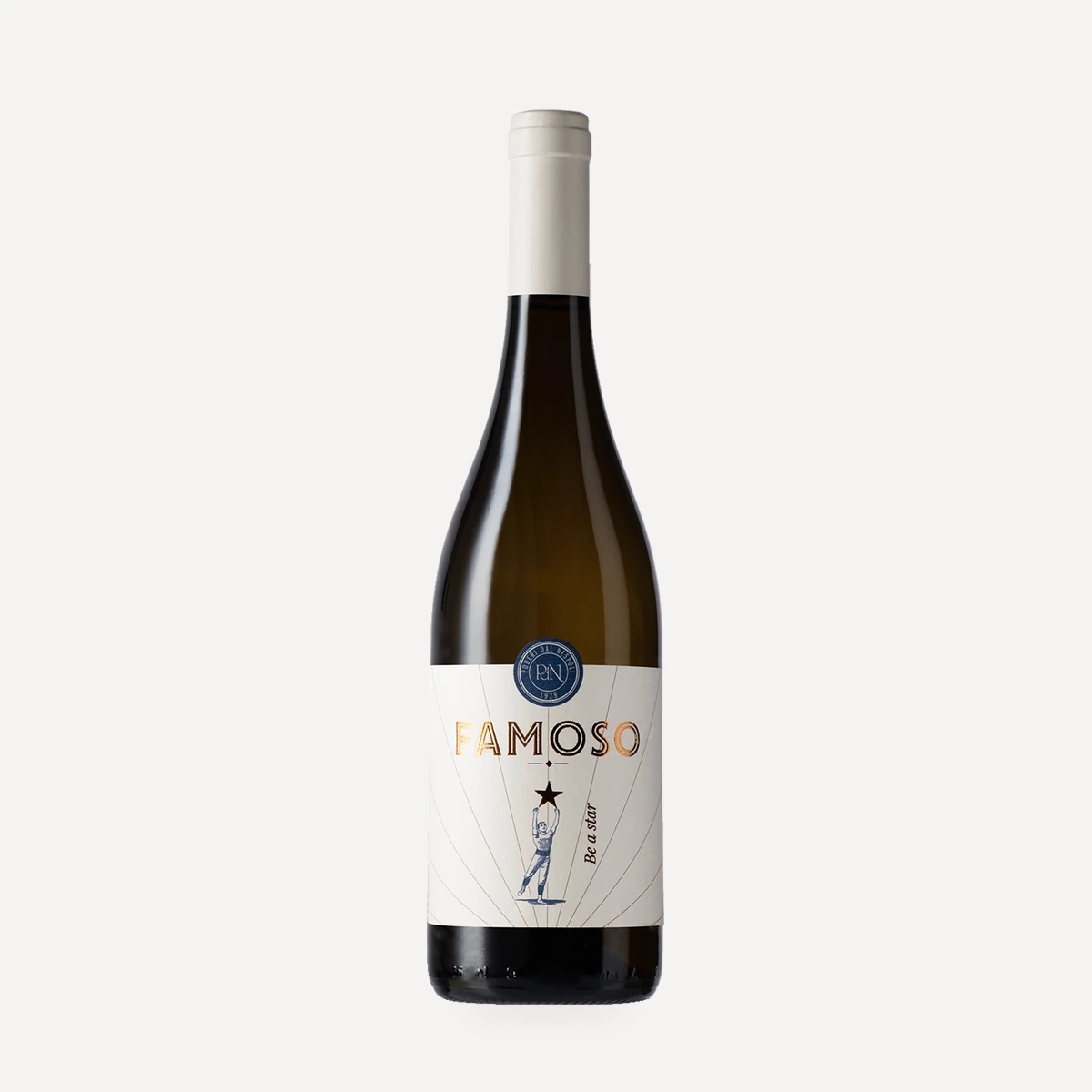
Famoso Rubicone IGT
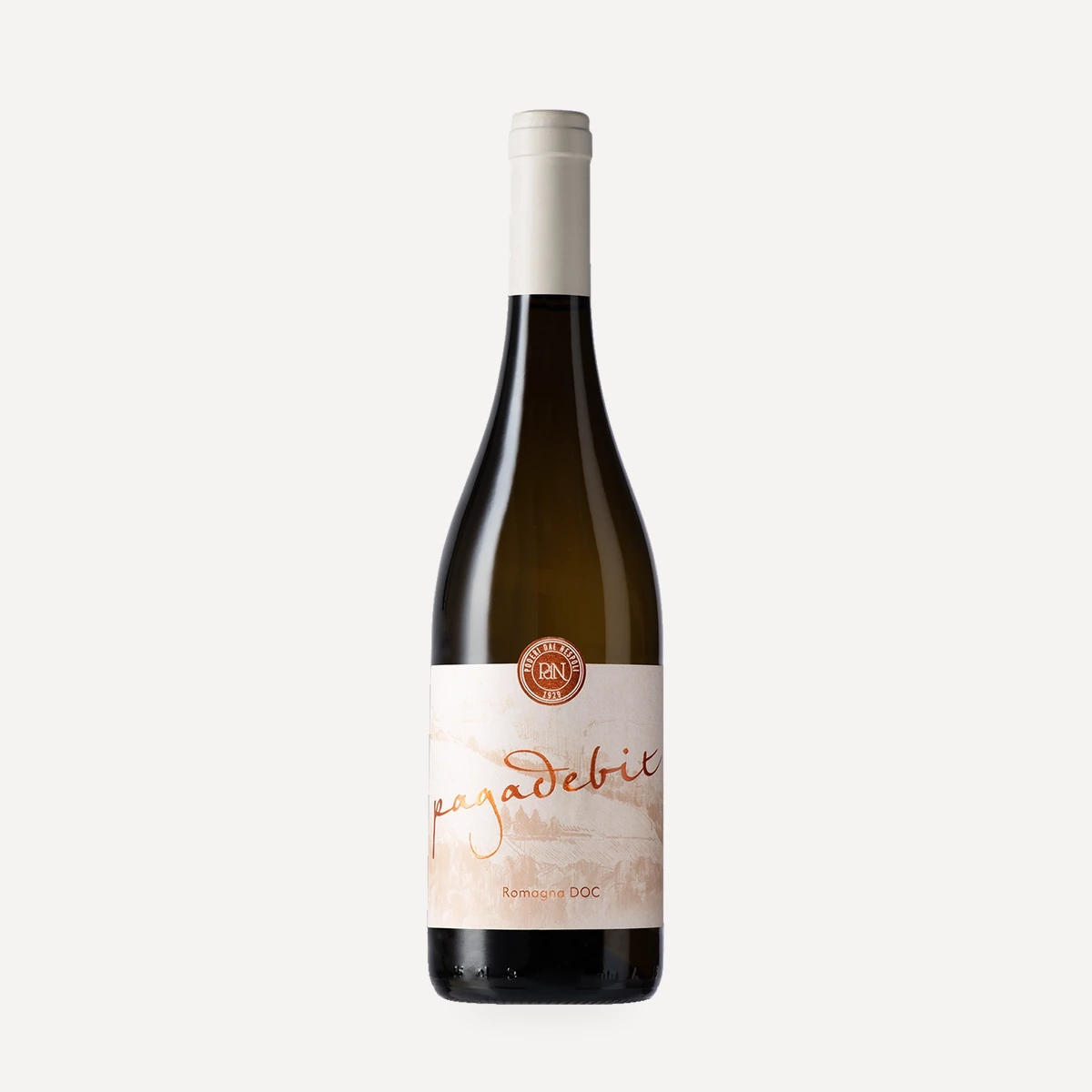
Pagadebit Romagna DOC
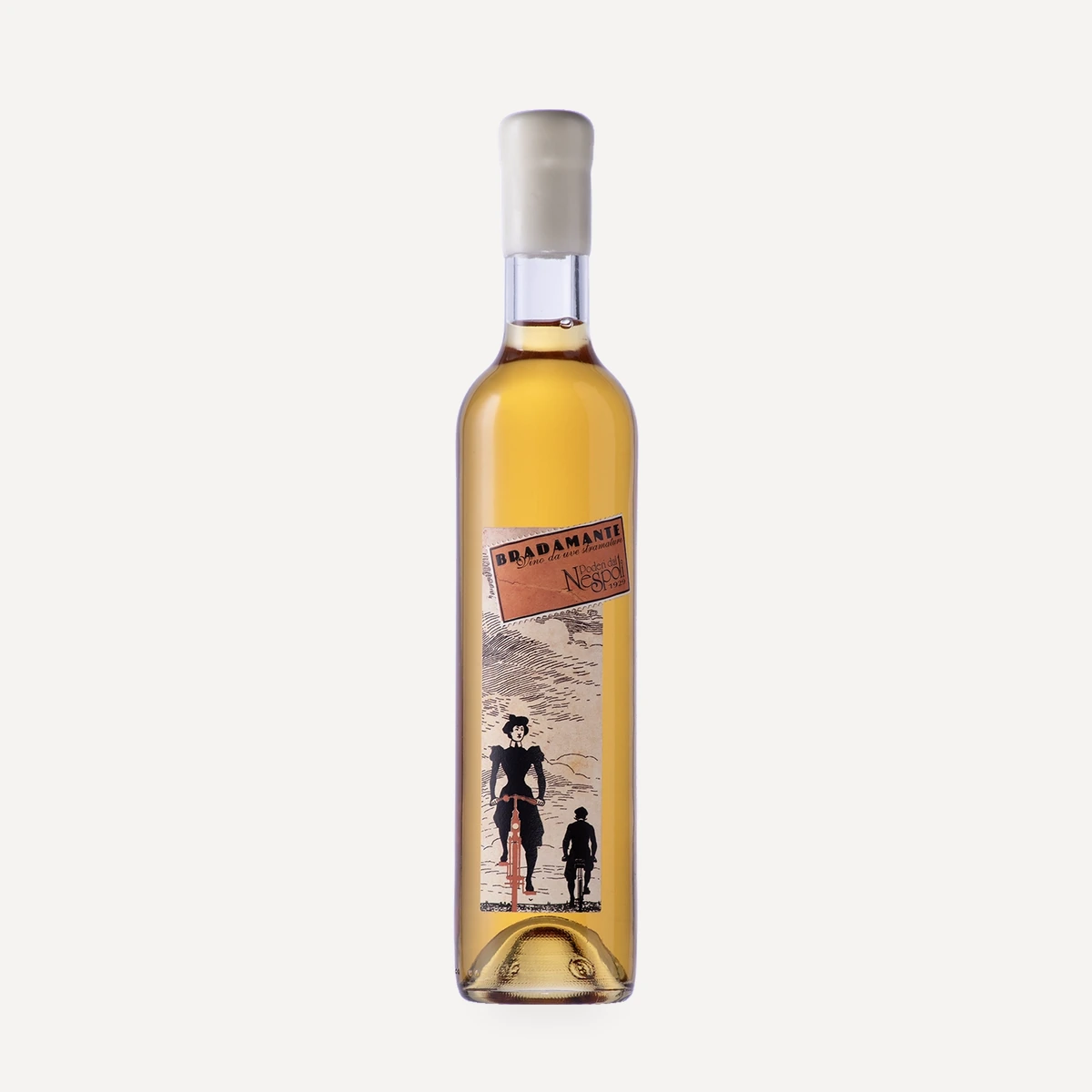
Bradamante Vino Bianco da Uve Stramature
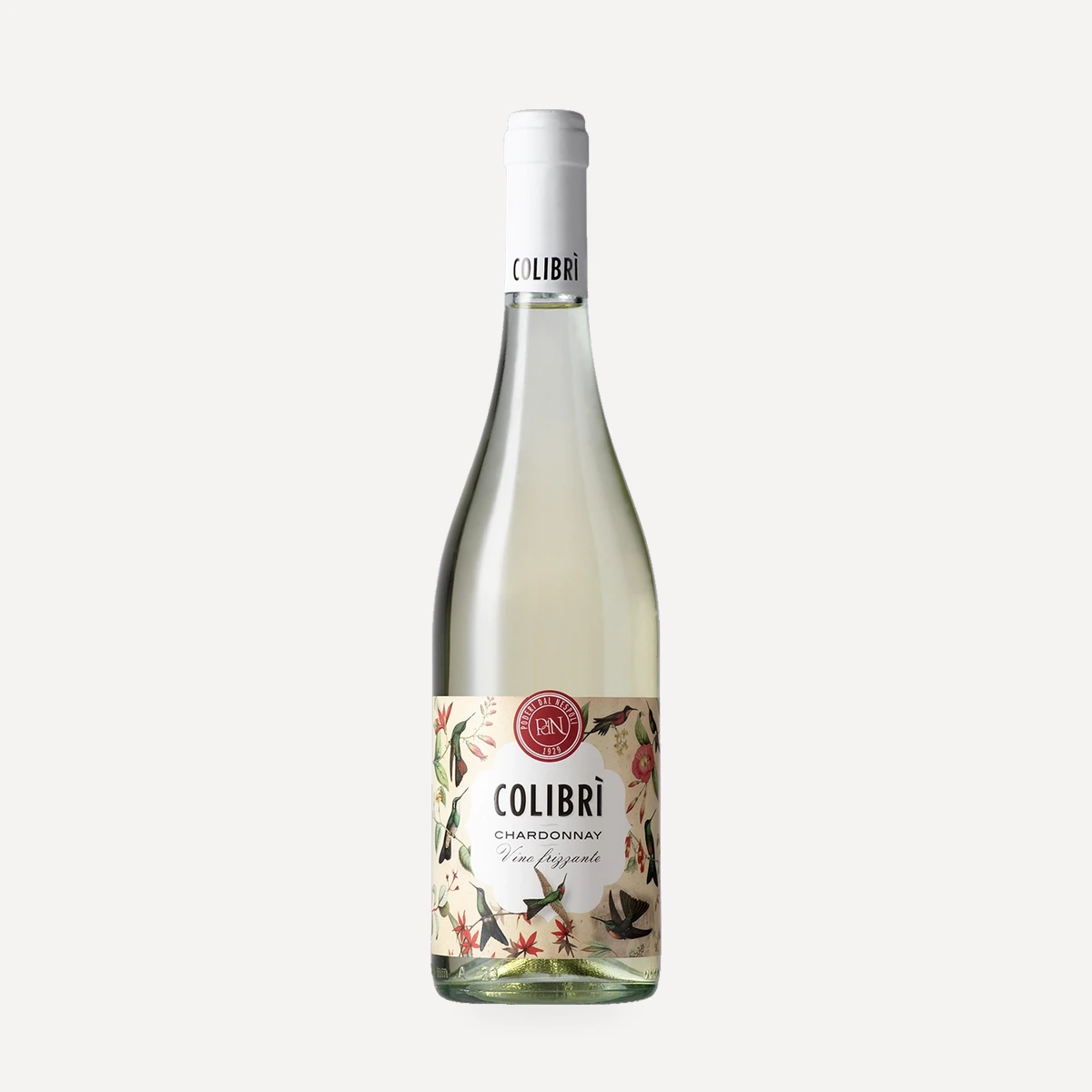
Colibrì Vino Frizzante Chardonnay
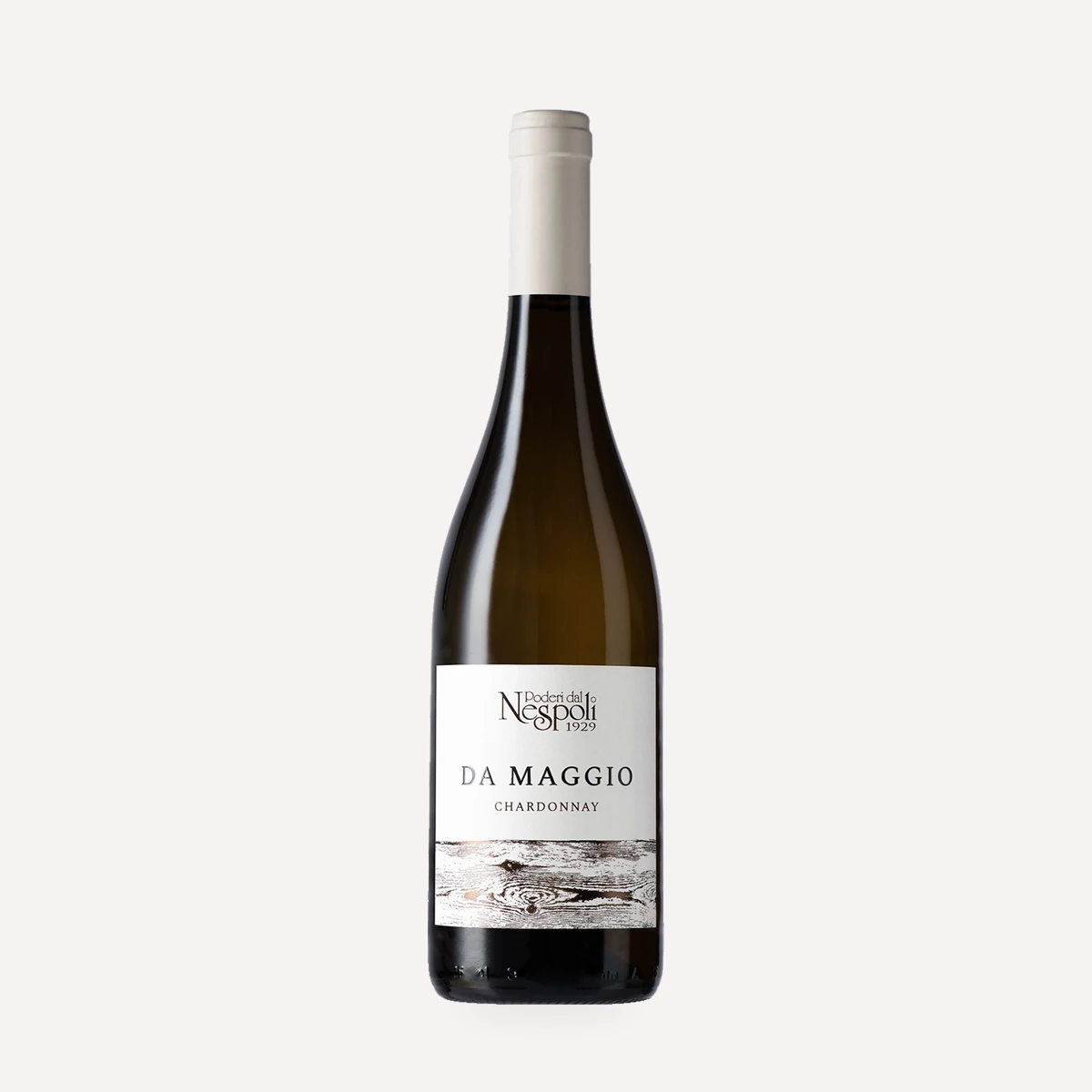
Da Maggio Forlì IGT Chardonnay
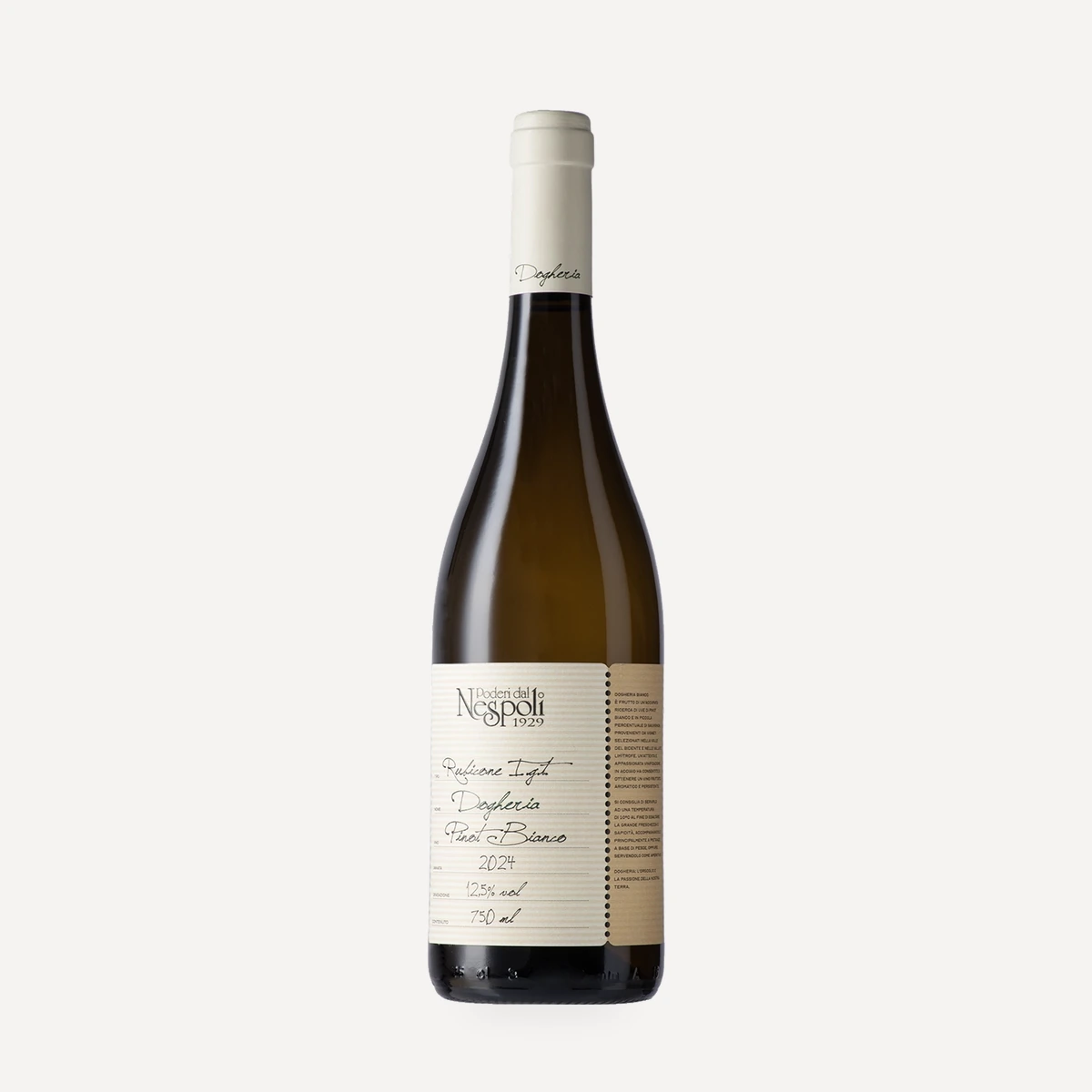
Dogheria Rubicone IGT Pinot Bianco
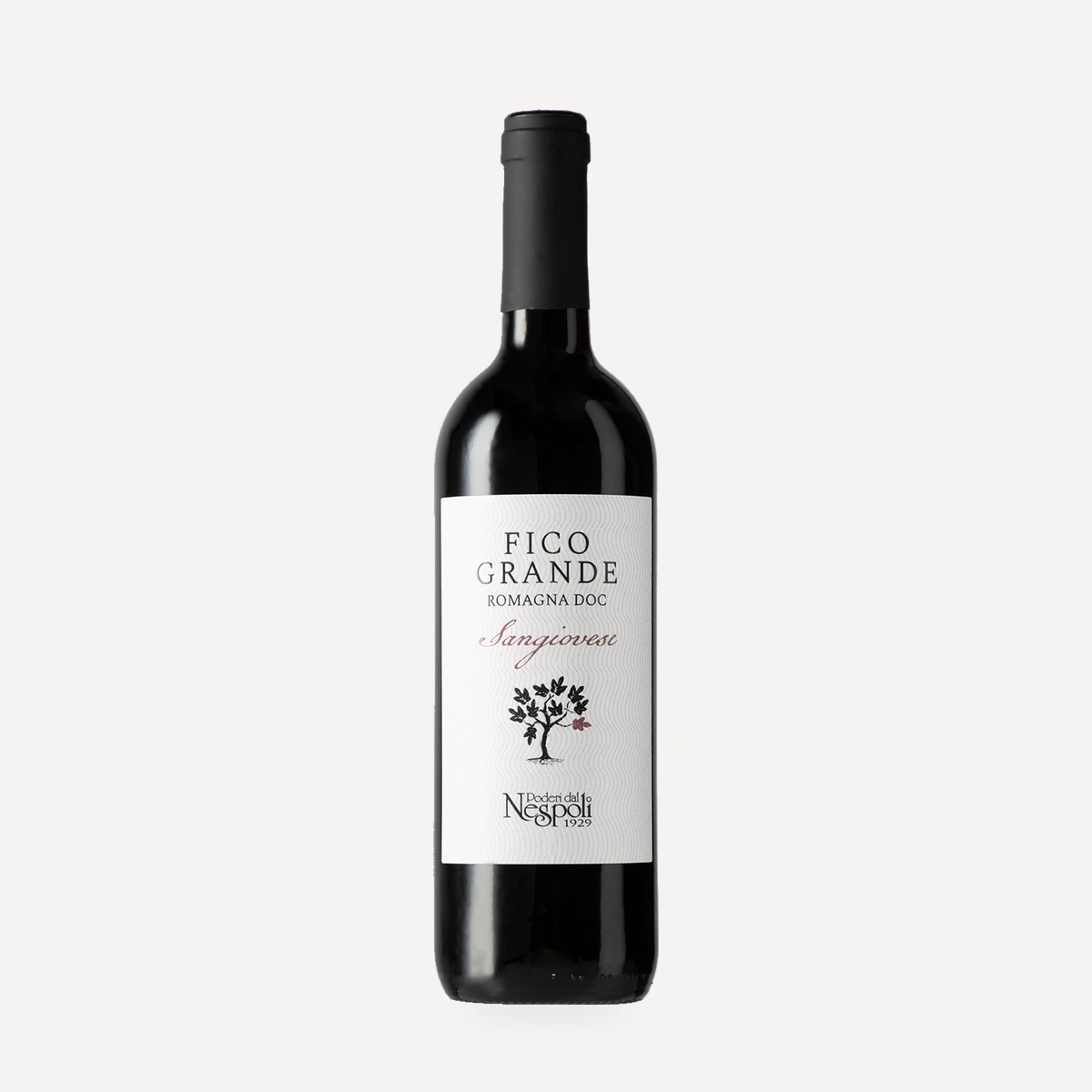
Fico Grande Romagna DOC Sangiovese
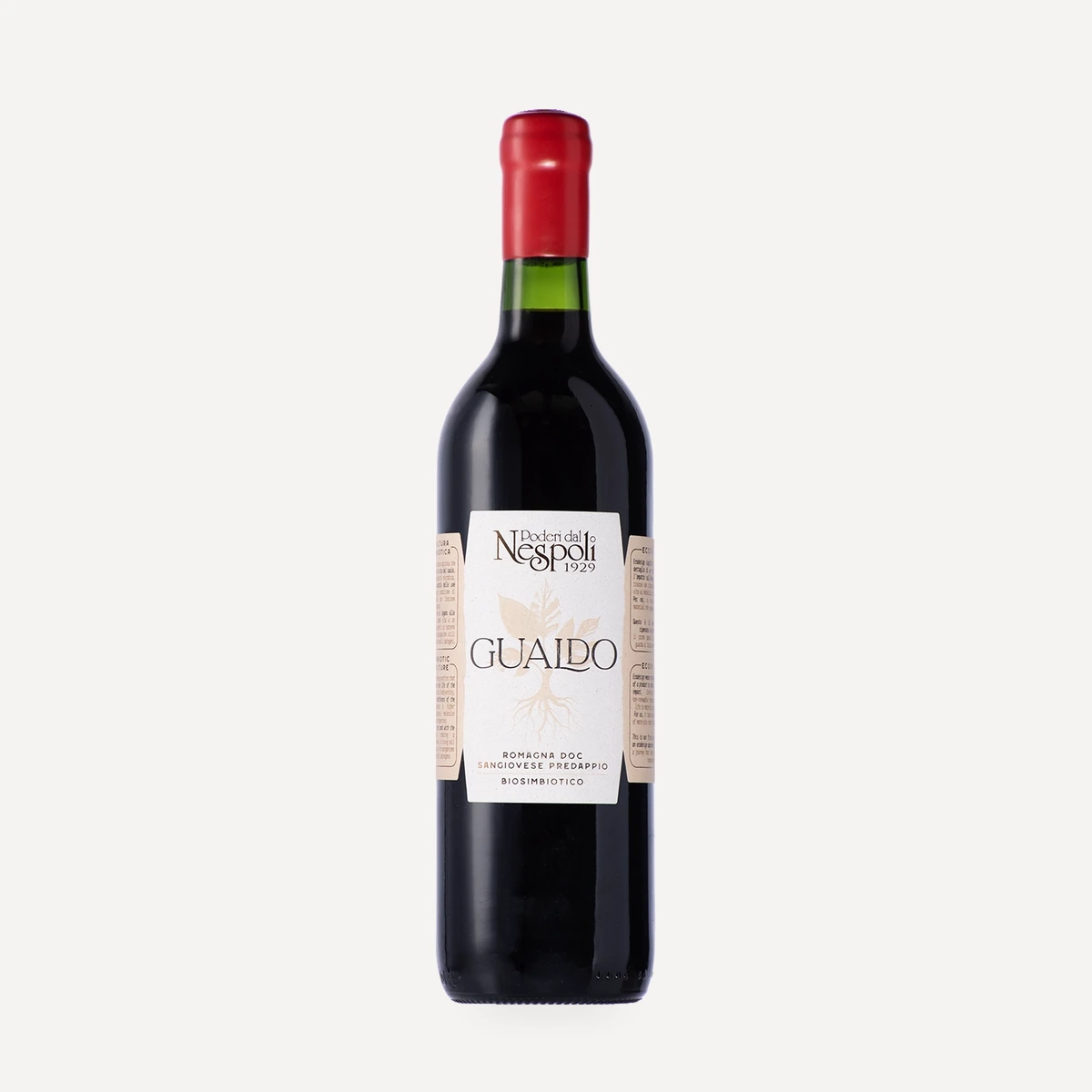
Gualdo Romagna DOC Sangiovese Predappio Biosimbiotico
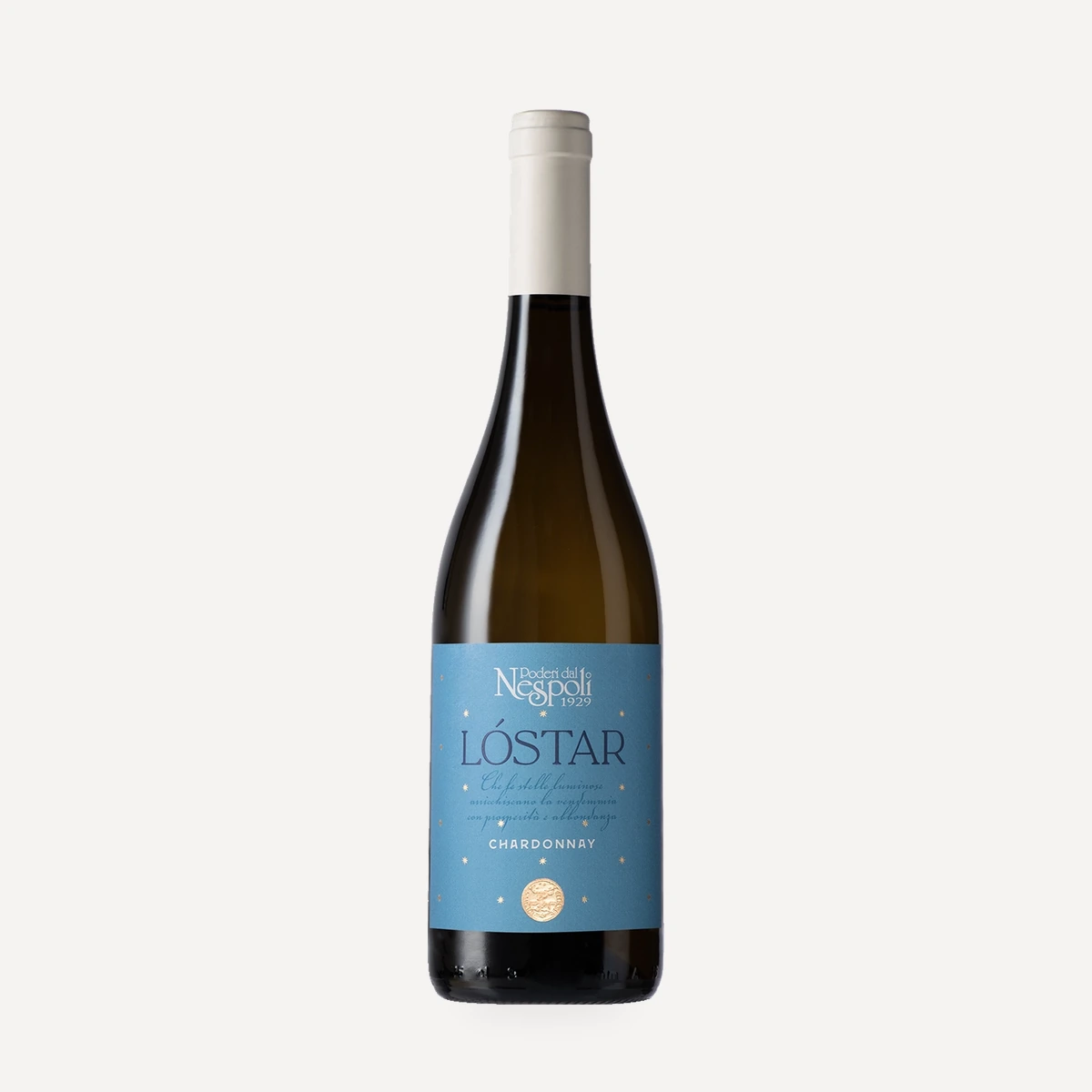
Lóstar Forlì IGT Chardonnay
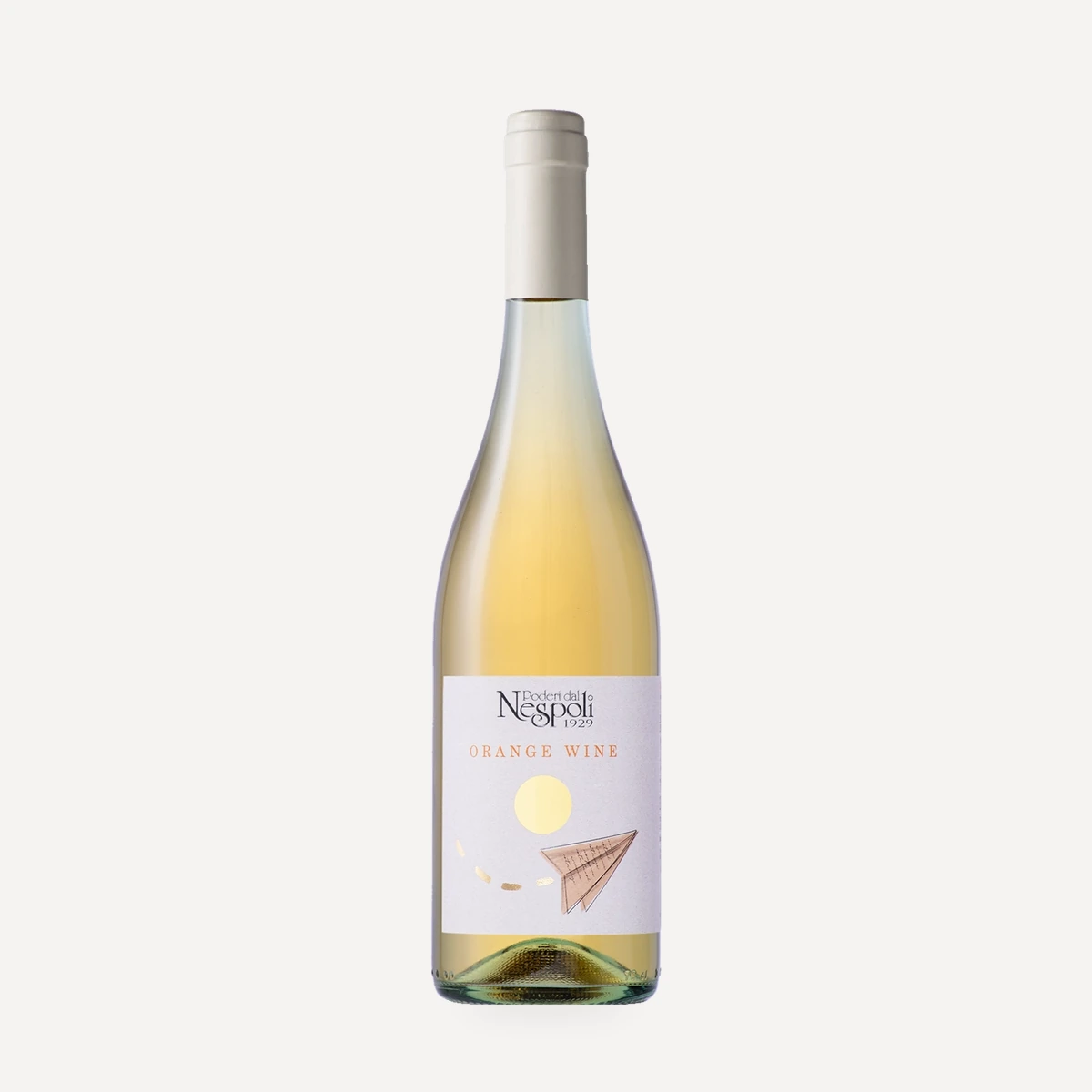
Orange Wine Rubicone IGT Bianco