Storia
Since 1967
Poggio Secco has operated in the Montalbano area since 1967. Its vineyards and olive groves occupy the hills around Cerreto Guidi and Vinci.
Organic and biodynamic conversion
The farm obtained organic certification in 2004. In 2009 it adopted biodynamic agriculture, organizing vineyard operations around seasonal cycles, biodynamic preparations and a calendar of Root, Leaf, Flower and Fruit periods under ascending and descending moons.
Renewal of Vigna della Colombaiola
Vigna della Colombaiola is an eighteenth-century vineyard on the hills of Vinci that historically belonged to Fattoria del Ferrale. Its name Aramis recalls a former owner. Poggio Secco replanted the vineyard, renewing its cultivation with Sangiovese, Merlot and Cabernet under biodynamic management.
Terroir
Poggio Secco lies in the Montalbano area, among the hills of Cerreto Guidi and Vinci. The landscape combines limestone soils with rocky sandstone formations. Vineyards and olive groves extend along the stated boundary between the provinces of Florence and Siena, with the main estate description placing them at approximately 100–350 metres above sea level. Their exposure is considered conducive to even ripening of grapes and olives.
Individual sites occupy distinct elevations and aspects. The Sangiovese vineyards used for Poggiosecco Chianti lie between Cerreto Guidi and Vinci at 200–250 metres, facing south to southwest. Ginestreto comes from the Cerreto Guidi hills at 250 metres. The Anorà vineyards occupy the higher Montalbano hills at 400–500 metres, on sandstone soils with a southerly exposure. The Malvasia associated with Aithera grows on the highest hills of Cerreto Guidi. Vigna della Colombaiola occupies rocky sandstone hills around Vinci.
Vinificazione
Poggio Secco has been certified organic since 2004 and has farmed biodynamically since 2009. Grapes and olives come from its own holdings and are harvested exclusively by hand.
Biodynamic calendar
Seasonal work follows a biodynamic calendar divided into Root, Leaf, Flower and Fruit periods, together with ascending- and descending-moon phases. Winter dry pre-pruning is carried out under a descending moon. The subsequent removal of pruned material takes place under an ascending moon; the material is burned and its ashes returned beneath the rows. Green pruning or shoot pinching is performed under a descending moon, when reduced sap circulation is intended to make wounds less traumatic and support healing.
Horn silica is dynamized for one hour and sprayed into the air at first light. Horn manure and other biodynamic preparations are likewise dynamized for one hour before being distributed on the soil. These applications are intended to stimulate micro-fermentation and active soil microorganisms.
Soil and ground cover
No synthetic or chemically formulated fertilizer is introduced into the soil. Alternate rows are sown with green manures comprising legumes, grasses and composite-family plants. The objective is to rebuild humus and maintain a living soil and subsoil capable of supporting natural plant balance.
Plant protection
Chemical and synthetic pesticides, herbicides and antiparasitic products are excluded. Defensive applications are limited to very small doses of low-molecular copper sulphate, lime flakes and mineral-derived sulphur. Clay, bentonite and ZAB are used preventively against botrytis. Bacillus turgensis activated with cane sugar is employed against grape moth. The Malvasia site associated with Aithera is dry-farmed to conserve water and receives small quantities of sulphur and copper for parasite control.
The succession of these operations is intended to protect biodiversity, preserve the environment and bring healthy, intact fruit to harvest.
Cellar work is conceived as a continuation of vineyard management, with the aim of expressing a terroir understood as the interaction of soil, topography, climate, landscape and biodiversity.
Fermentation and extraction
Fruit is harvested by hand and gently destemmed; several processes also include gentle crushing to preserve skin integrity. Indigenous yeasts are documented for both red and white fermentations. Cement tanks are a principal fermentation vessel. Oxygenation and cooling are managed through exposure to air and light, together with pump-overs and punch-downs. Délestage is performed during active fermentation to moderate the process and reduce temperature; in red-wine applications it is also used to extract tannins, aromas, colour and polyphenols.
After alcoholic fermentation, the wine rests for several days to encourage malolactic fermentation and the development of aroma. The biodynamic process is described as having a longer malolactic phase that may continue through skin maceration.
Sulphites, racking and clarification
The stated metabisulphite dose for light must disinfection is 2 g per 100 kg of grapes. Following malolactic fermentation, another 2 g per 100 kg is added during racking. Clarification is achieved by natural settling or decantation, without fining products. Large cement vats are used during winter for settling, clarification and maturation.
Free-run selection and maturation
When the first acetaldehyde-like oxidative aromas appear, wine is transferred to oak. Only the first liquid is retained rather than the pressed fraction: approximately 70–80% of the volume, known as the fiore. It spends winter in oak to round its structure, returns to vat shortly before summer and is moved again after harvest before bottling the following spring.
Cement remains central to maturation across the range. The documented periods include three, six and twelve months, followed in some cases by bottle ageing. Vigna della Colombaiola fruit is matured for six months in 5 hl tonneaux before bottling. All cellar movements are scheduled under an ascending moon on a Flower or Fruit day according to the desired character, and lunar phases are also respected at bottling.
Other documented variants include short skin contact before pressing, spontaneous fermentation of approximately 20 days, brief resting on fine lees, and white-grape fermentation beginning with 36–48 hours on the skins. Early harvesting is used for selected red and white fruit to retain a fruit-driven profile and lower potential alcohol.
Filosofia
Poggio Secco presents biodynamics as an ethical response to the environmental and historical conditions of the present. Its purpose is to restore soil humus and the natural balance among mineral, animal and microbial elements, allowing plants to draw nourishment and resilience from a living soil and subsoil.
The farm’s approach develops the biodynamic impulses introduced by Rudolf Steiner in 1924 through a modern working method. Seasonal rhythms, lunar phases and the four elements—water, air, earth and fire—guide operations intended to balance gravity and levity in the life of soil and plants.
Biodiversity is treated as a prerequisite for the balance and progressive strengthening of plant, animal and human life. Avoiding synthetic fertilizers, pesticides and herbicides is therefore connected both to environmental protection and to the integrity of fruit entering the cellar.
The cellar objective is maximum expression of terroir rather than correction of the raw material. One formulation of this principle defines wine as a metamorphosis of grapes, without foreign substances even where they are legally permitted. The farm contrasts its metabisulphite practice of 2 g per 100 kg of grapes for light must disinfection with a stated conventional-wine comparison of 150 g per 100 kg.
Vini
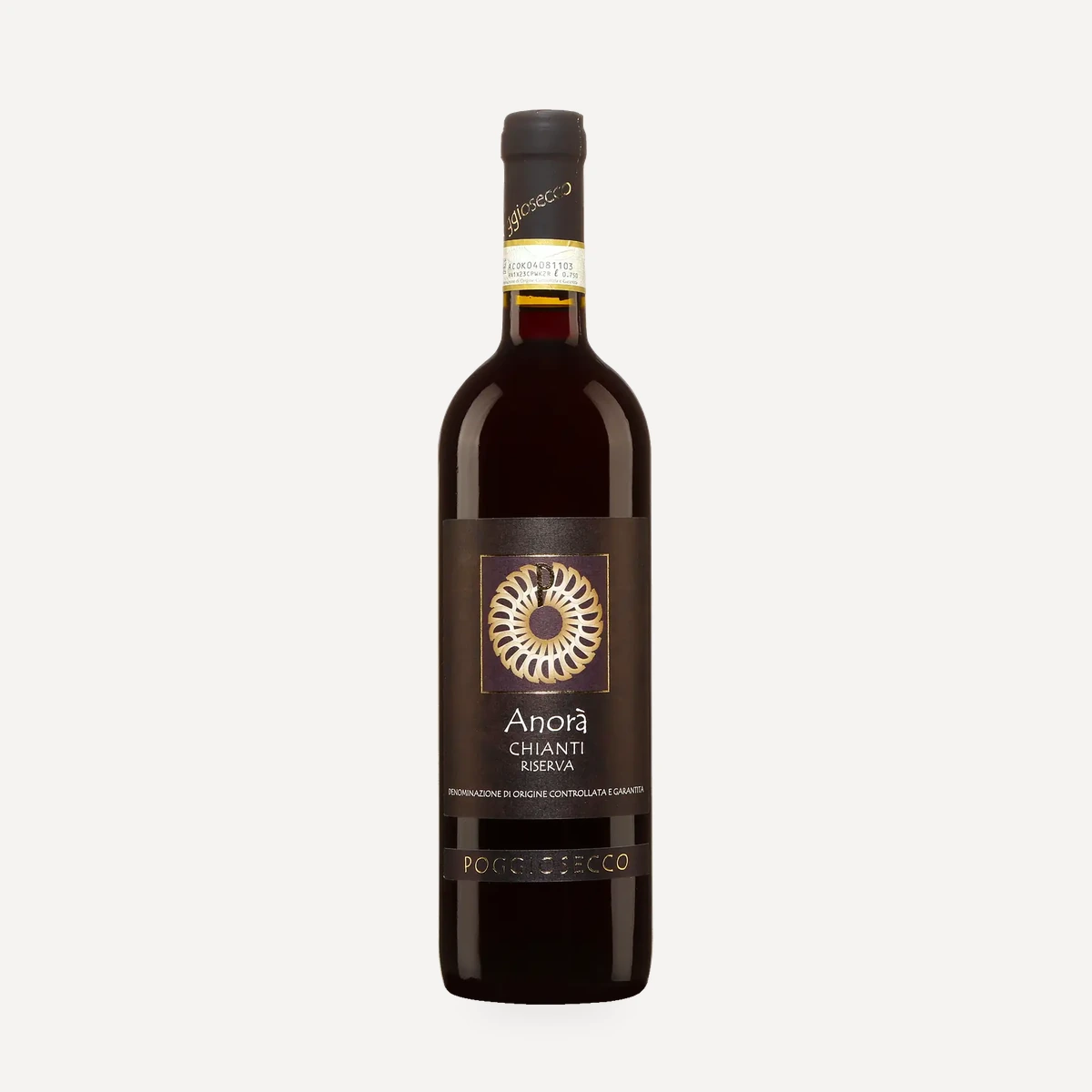
Anorà
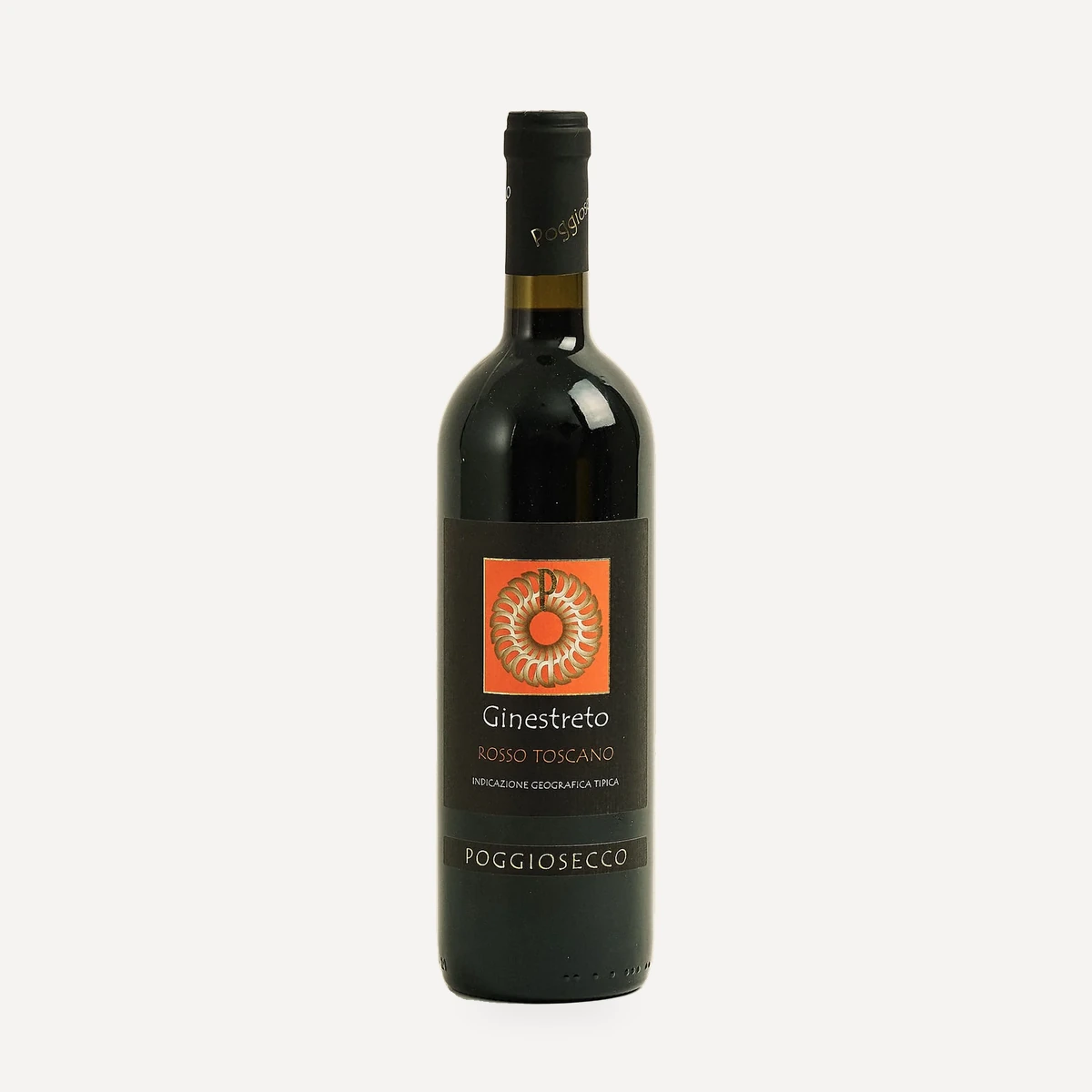
Ginestreto

Aramis