Storia
Medieval origins
Poggio Torselli began as an agricultural property of the Da Casavecchia family on the Chianti hills around San Casciano in Val di Pesa. Documents mention the property during the fourteenth century, while its first explicit appearance in a land register dates to 1427—the date adopted as the estate’s historic foundation.
The Angiolini family took possession in 1434. The succession of historic owners later included the Macalli, Machiavelli and Strozzi families. The Machiavelli tenure began in 1608.
Corsini Orlandini and the transformation of the villa
The Corsini Orlandini family owned Poggio Torselli from 1668 to 1722. In 1702, Giovan Battista Corsini Orlandini commissioned the Florentine architect Lorenzo Merlini to transform the architectural complex into the monumental late-Baroque villa that survives today. The Four Seasons became the dominant decorative theme, represented most visibly by statues of Spring, Summer, Autumn and Winter on the roof.
The Italian Garden’s design is associated with the period of Corsini Orlandini ownership. The earliest documentation of its pietra serena irrigation system dates to 1722. In 1794, Antonio Marsilj Fattore established the documented layout of the park.
Distinguished guests and nineteenth-century ownership
The villa hosted Paul I, Tsar of Russia, and his wife Sophie Dorothea of Württemberg. In 1804, Pope Pius VII stayed overnight in a specially furnished ground-floor bedroom while travelling to France for Napoleon’s coronation. The Antinori family owned the property from 1864 to 1892.
Decline and recovery
By the end of the twentieth century, the villa, garden, park, vineyards and olive groves had fallen into neglect and were overgrown. A broad recovery programme began in 1999. The villa and garden underwent conservative restoration between 1999 and 2002, with the complete two-level garden restored from 2000 to 2002. The work also reinstated characteristic late-eighteenth-century vegetation and protected the garden’s dwarf fruit trees.
Vineyard and olive-grove recovery and replanting continued from 1999 through 2005. The Villa vineyard was the starting point for the new ownership’s viticultural renewal. A new winery was completed in 2003 in time to receive the first harvest of the revived wine-producing era. Cassia was planted in the same year, while Romagnola was replanted in 2004. By 2005, the programme to bring the vineyards and olive groves back into production had been completed.
The contemporary project
Organic farming and biodynamic viticulture practices were adopted in 2017. The year 2018 marked a further new phase in Poggio Torselli’s identity. The present project combines soil mapping, parcel-level zonation, selective replanting, organic and biodynamic practices, spontaneous fermentation and progressively lower-intervention cellar work.
Terroir
Poggio Torselli lies on the hills around San Casciano in Val di Pesa, in the heart of Chianti Classico. The villa stands on a poggio above surrounding vineyards and olive groves, with views eastward to Florence, approximately 15 km away. The estate’s contiguous landscape extends across 42 ha, while 24 ha are planted to vines in 11 historic plots.
The parcels occupy different elevations, aspects and geological mixtures, producing distinct microclimates. Vineyard material documents altitudes from approximately 150 to 270 m above sea level. South and south-east exposures predominate in several Sangiovese parcels, while Romagnola faces north, encouraging a pronounced day–night temperature range for its white varieties.
Two geological formations recur across the vineyards. Some soils are deep, strongly clay-limestone and moderately alkaline, formed through the evolution of river terraces associated with the nearby Greve. Other parcels contain marine substrates of foliated marl interspersed with limestone banks. Stony ground is another local feature: Inferno is rich in pebbles and small stones, while stones in Greve retain and radiate heat toward the vines.
A soil map prepared in the early 2000s underpins the estate’s zonation work. Historical information has been combined with geological analysis and studies of each plot’s exposure, elevation and microclimate. These findings guide experimentation, replanting and the matching of varieties, clones and rootstocks to individual sites. Climate change has become an additional planning factor, with interventions designed to reduce its adverse effects on vines and fruit.
Vinificazione
Poggio Torselli has operated under organic farming methods and biodynamic viticulture practices since 2017. The project’s primary objective is the natural revitalisation of its soils and the creation of a healthy, vital ecosystem capable of moving toward spontaneous balance.
Parcel management is based on a zonation programme initiated with soil mapping in the early 2000s. Historical records, geology, altitude, aspect and microclimate are interpreted together to identify the vocation of plots and microplots. The resulting production redesign includes experimental areas and replanting where necessary. Climate change is now incorporated into vineyard planning so that its negative effects on vines and grapes can be mitigated.
Sangiovese plantings documented in the technical material are generally spur-cordon trained, with rows planted along the maximum gradient of the slope. Autumn green manure uses multi-species mixtures to regulate yields naturally while improving soil structure and hydrological stability.
Ripeness is monitored before harvest through analysis and repeated tasting of grapes and pips, assessing phenolic maturity alongside sugar levels, pH where documented, and overall fruit development. Grapes are selected in the vineyard, harvested by hand and placed in small crates. Across the documented red-wine programme, picking extends from the final third of September into the first half of October, according to parcel and intended cuvée.
The vineyard is treated as part of a larger living organism connected with soil, surrounding nature and human activity. The intended result is healthy, aromatic fruit that permits minimal intervention once it reaches the cellar.
The winery built in 2003 is arranged in three functional blocks: a vinification area equipped with stainless-steel fermentation tanks; a maturation cellar for French-oak barrels, large casks and used barriques; and a temperature-controlled warehouse that maintains suitable conditions for final bottle ageing before release.
Cellar work follows a low-intervention programme. Fermentations are spontaneous and rely exclusively on indigenous yeasts. No cellar additives are used apart from small quantities of sulfur dioxide at bottling.
For the documented Chianti Classico red-wine programme, hand-picked fruit arrives in small crates after selection in the vineyard. Alcoholic fermentation takes place in temperature-controlled stainless steel. Skin contact lasts approximately 20–30 days, with a documented maximum temperature of 26°C. Free-run wine is separated at draining, and malolactic fermentation takes place in wood.
Ageing regimes vary by selection. Documented vessels include 1,500-litre Slavonian-oak casks and French-oak barrels ranging from 225 to 1,500 litres; the cellar’s broader programme favours large casks and used barriques to limit the influence of wood. Documented maturation periods extend from at least 12 months to at least 30 months. Full lees are retained for as long as possible and stirred through repeated, gentle bâtonnage. Lees contact contributes softness and complexity while protecting the wine, allowing sulfur use to be reduced substantially.
Wines currently receive gentle clarification and light filtration before bottling, although eliminating these steps is a stated long-term objective. One documented clarification protocol uses natural albumin followed by light filtration. Bottles complete their final maturation in a temperature-controlled storage area before release.
Filosofia
Poggio Torselli defines its Green Vision as “90% vineyard, 10% cellar, 100% sustainability.” Its central idea is holistic: a vine is not an isolated plant but part of a larger organism in which vineyards, soil, other living creatures and people are interconnected.
The stated ambition goes beyond the application of organic methods. Farming is conceived as a long-term process based on understanding the vine’s natural cycle and safeguarding its wellbeing in every season, with future generations in mind. The ultimate objective is a self-sustaining system in which soil, plants and the surrounding environment achieve a spontaneous equilibrium.
Both vineyard and cellar work are intended to help the terroir express itself without imposing a predetermined style. Detailed zonation identifies the potential and identity of plots and microplots; healthy, aromatic grapes then make minimal cellar intervention possible. Spontaneous fermentation, restrained use of wood, prolonged lees contact, very limited sulfur dioxide and the aspiration to dispense with clarification and filtration all follow from this approach.
Respect for vintage and site is therefore expressed through adaptive intervention: work is adjusted to the needs of the land and vines, while soil health and harmony with nature are treated as enduring elements of the wines’ identity.
Vini
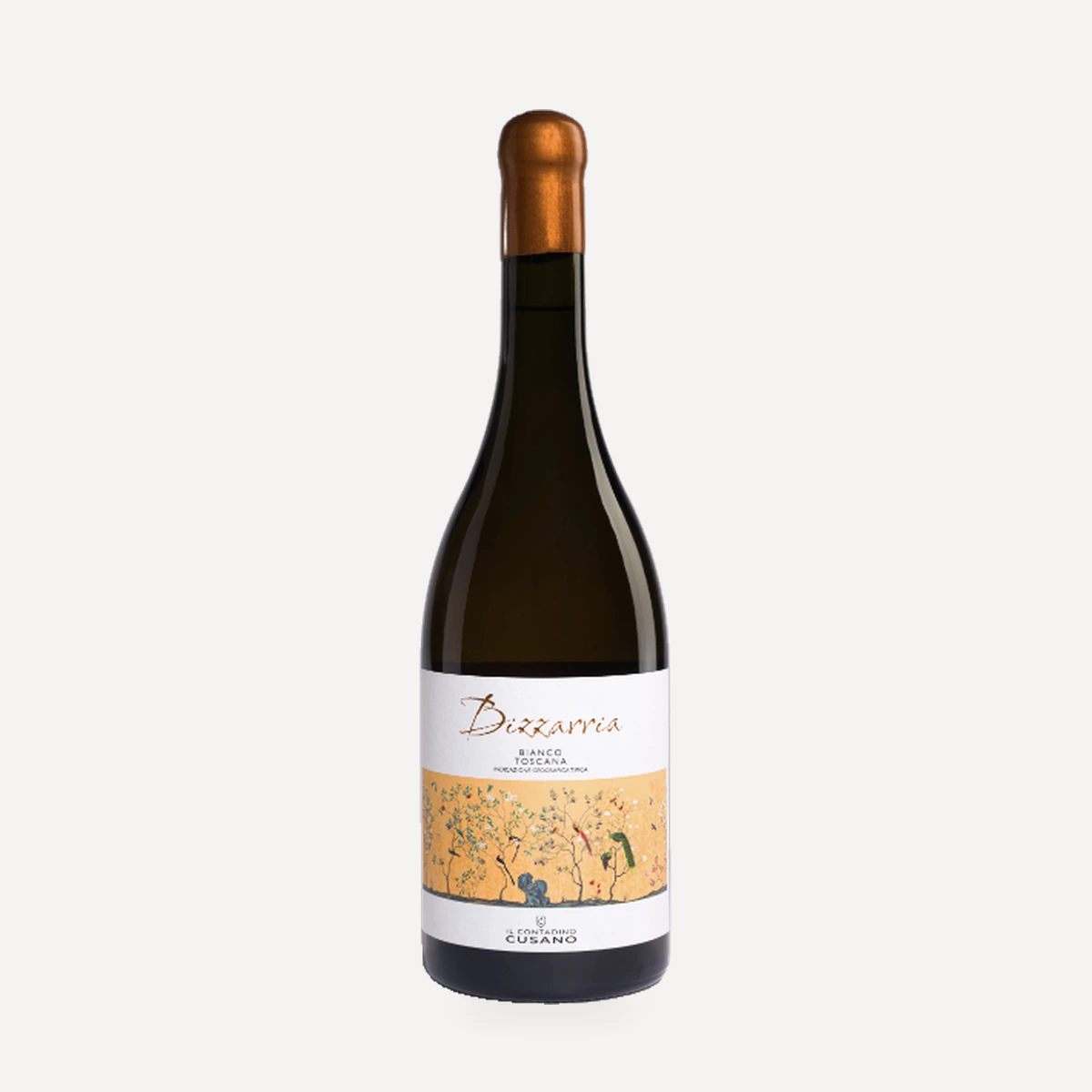
Bizzarria IGT Bianco
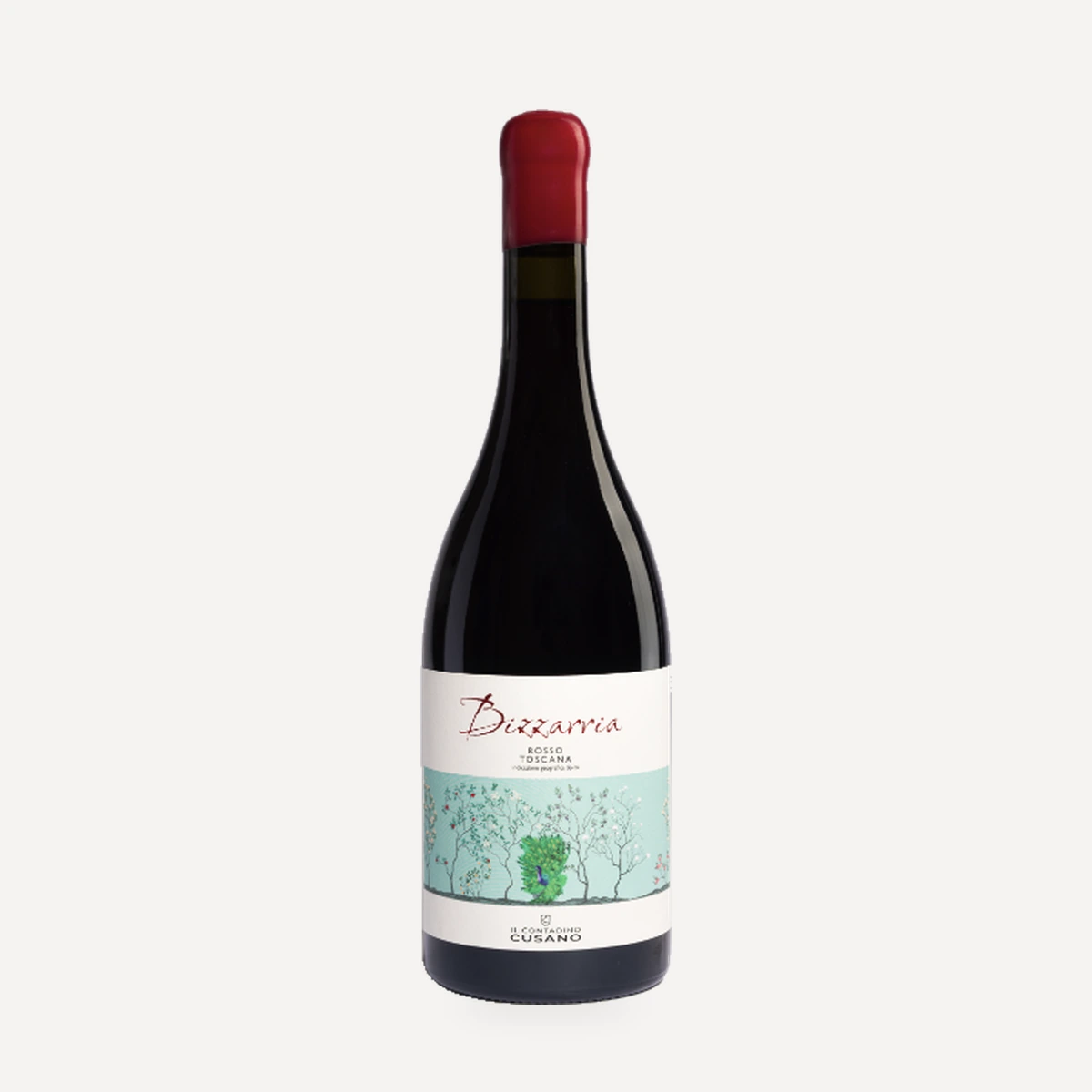
Bizzarria IGT Rosso
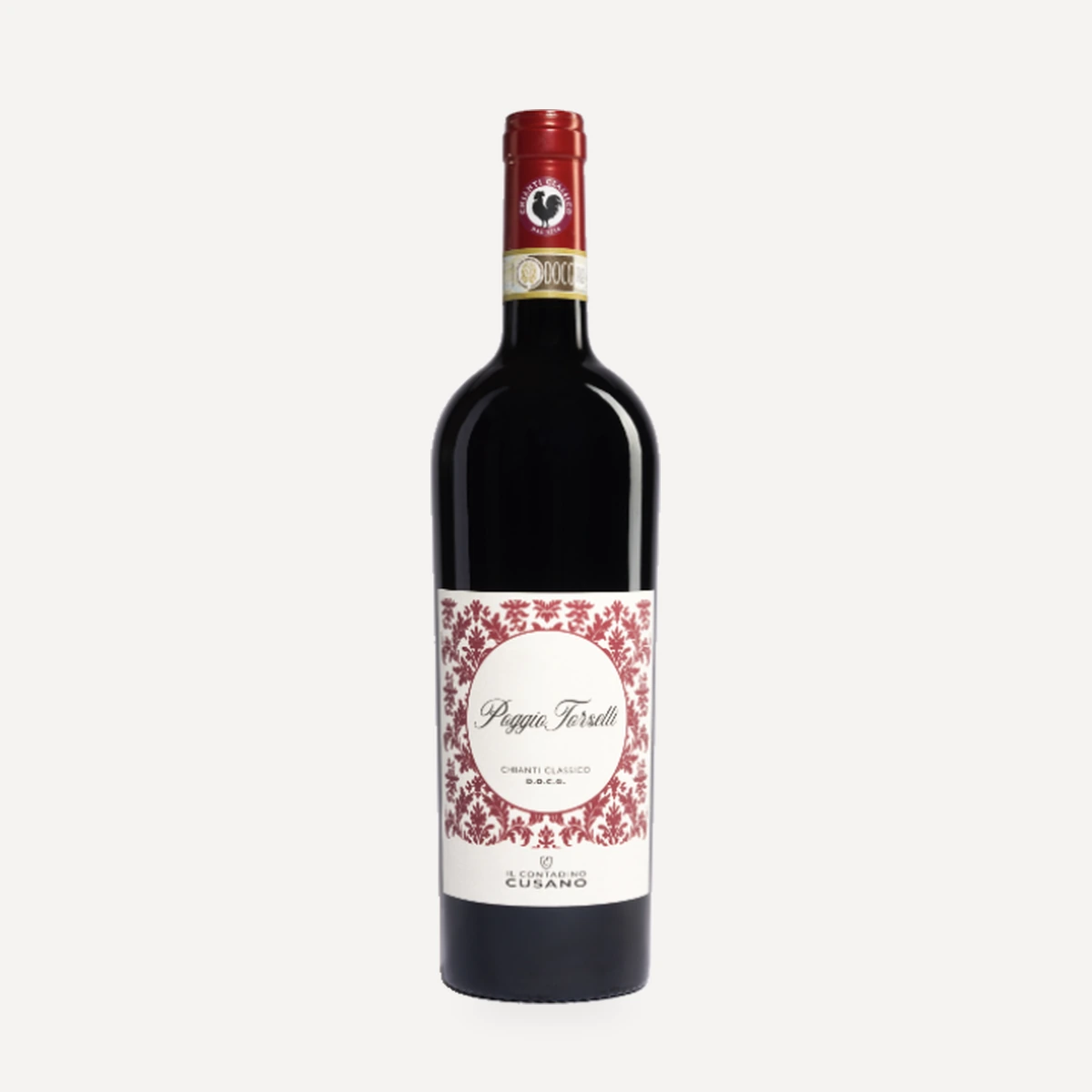
Chianti Classico DOCG
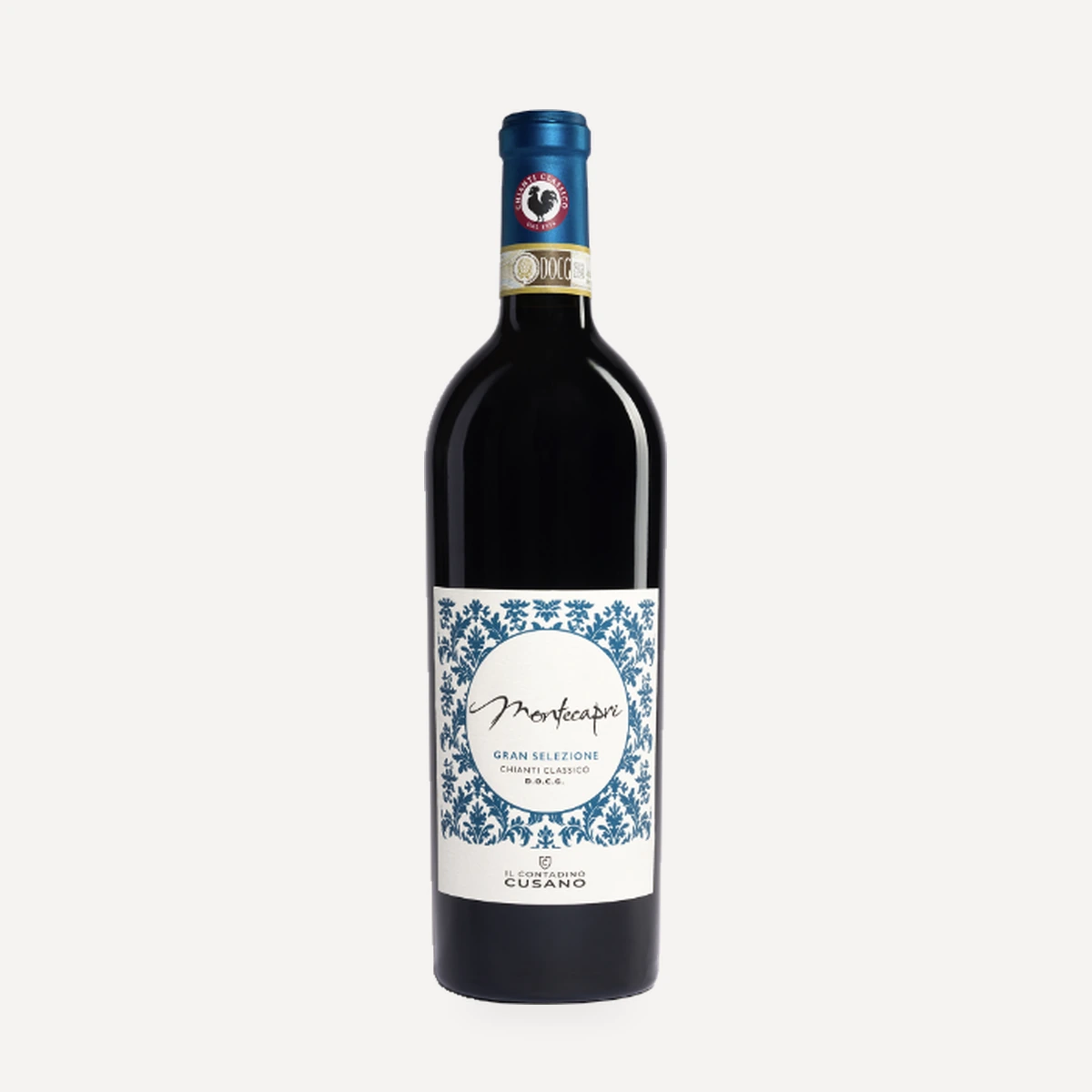
Chianti Classico DOCG Gran Selezione Montecapri
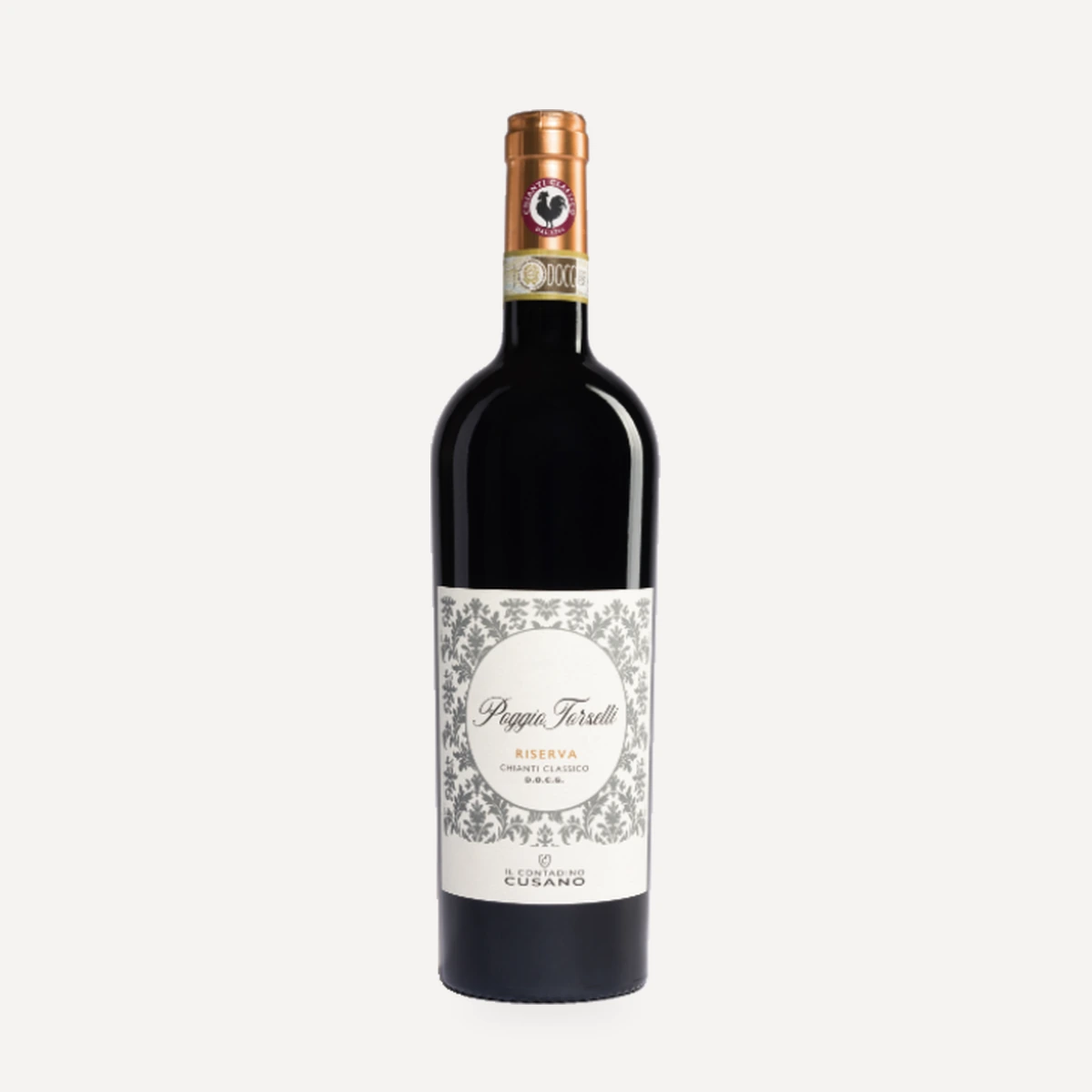
Chianti Classico DOCG Riserva
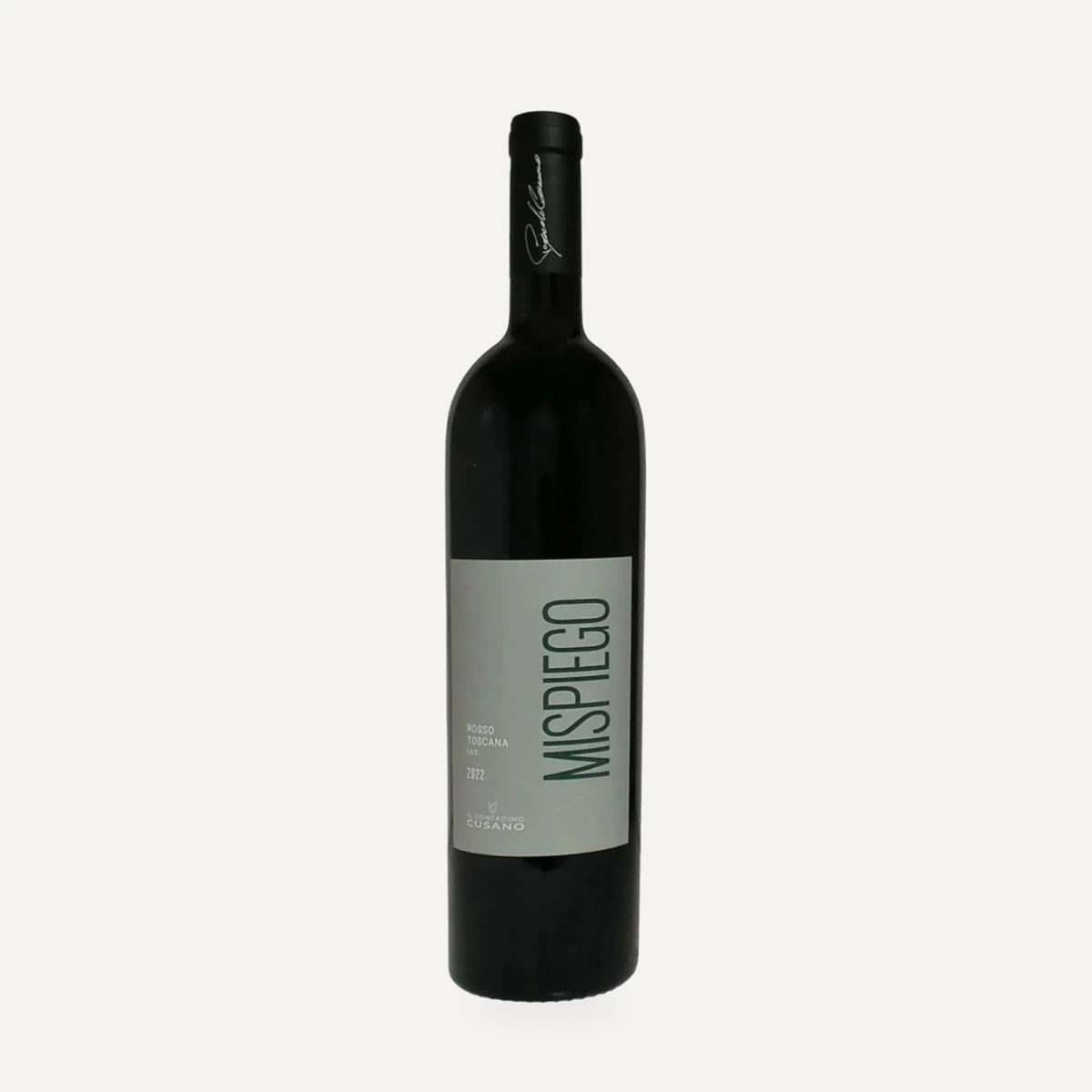
Mispiego IGT