Questo vino
Vineyard and terroir
The fruit comes from an approximately 3 ha vineyard facing the historic baglio in Butera, central-southern Sicily. The spur-cordon-trained vines are more than 25 years old, planted at 4,300 vines per hectare in calcareous-clayey soil containing stones. Yield is 60 q/ha.
Grapes
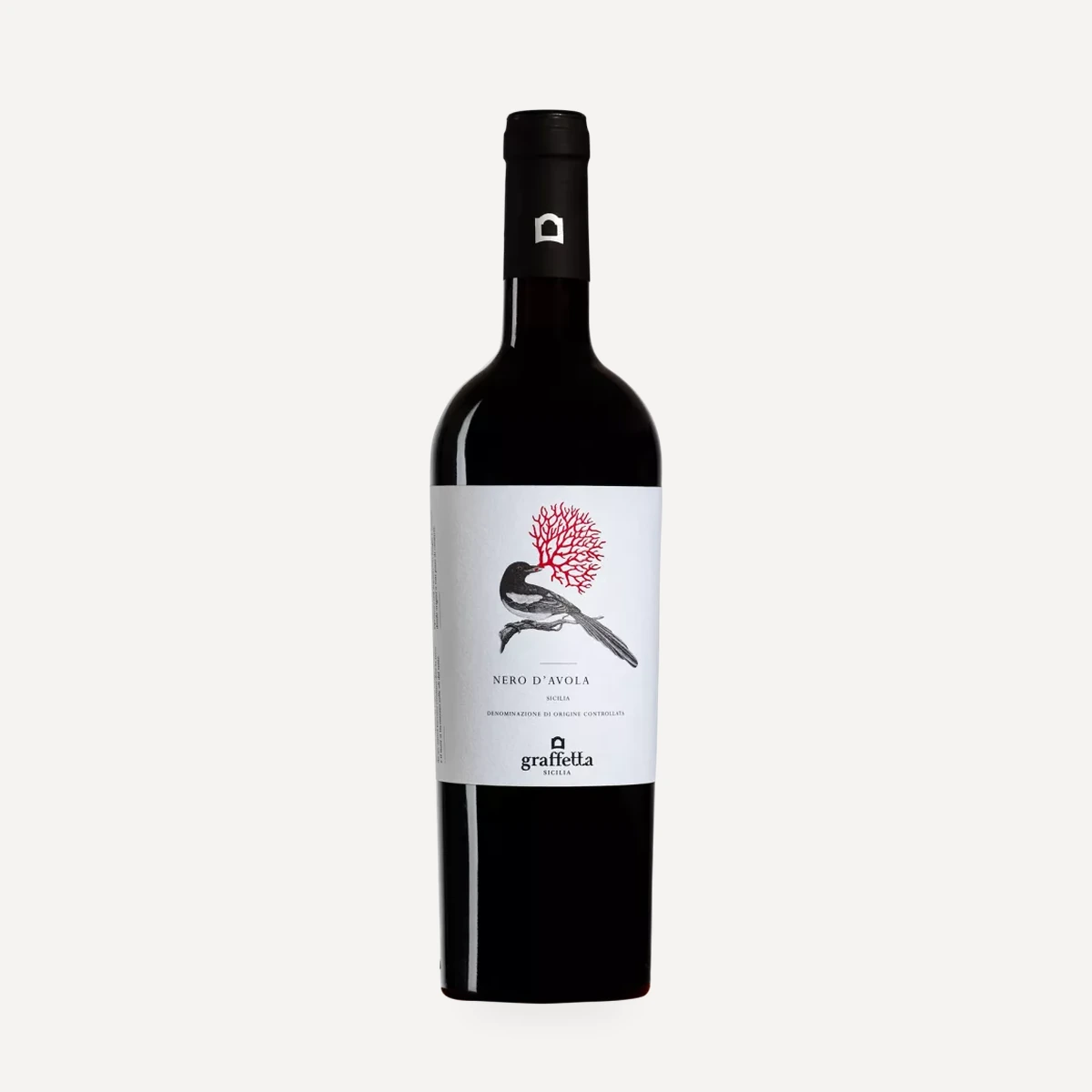
100% Nero d’Avola.
Vinification
For the 2019 vintage, the grapes were harvested by hand during the third week of August and transported in small carts holding no more than 14 kg. Gentle pressing of whole bunches yielded free-run must with a light pink hue. After 24 hours of cold static settling, the first fermentation took place in stainless steel at 15°C for 15 days. Malolactic fermentation was avoided.
Ageing
The wine matured for 8 months on fine lees in stainless steel. Tirage was followed by 24 months resting on the lees in stacks in the underground cellars. The bottles were then riddled by hand on pupitres. The wine is made by the traditional method and finished with a dosage of 3.9 g/L.
Technical data
Alcohol: 12% vol. Available format: 750 ml.
Tasting profile
Powder pink shading toward garnet, with a fine, persistent perlage. The aroma combines the marked floral character of Nero d’Avola—violet, wisteria and geranium—with citrus and bread-crust notes. The palate is savoury, with elegant effervescence and excellent persistence, ending on distinct floral notes.
Serving and pairing
Serve at 8–10°C. Suitable as an aperitif and with cured meats or cheeses; it can also accompany fish, including elaborate preparations, fried dishes and white meats.
Vintage notes
The 2019 season began slowly with a cool spring and below-average temperatures. Summer alternated between rain and dry periods, with average temperatures and no extreme heat. These regular conditions allowed the Nero d’Avola to ripen fully while retaining the high acidity sought for a traditional-method sparkling wine.
Label / history
Created on the hills of Butera, this was presented as the estate’s first rosé traditional-method sparkling wine made from Nero d’Avola, expressing a different facet of the variety and of Sicily’s austere inland landscape.