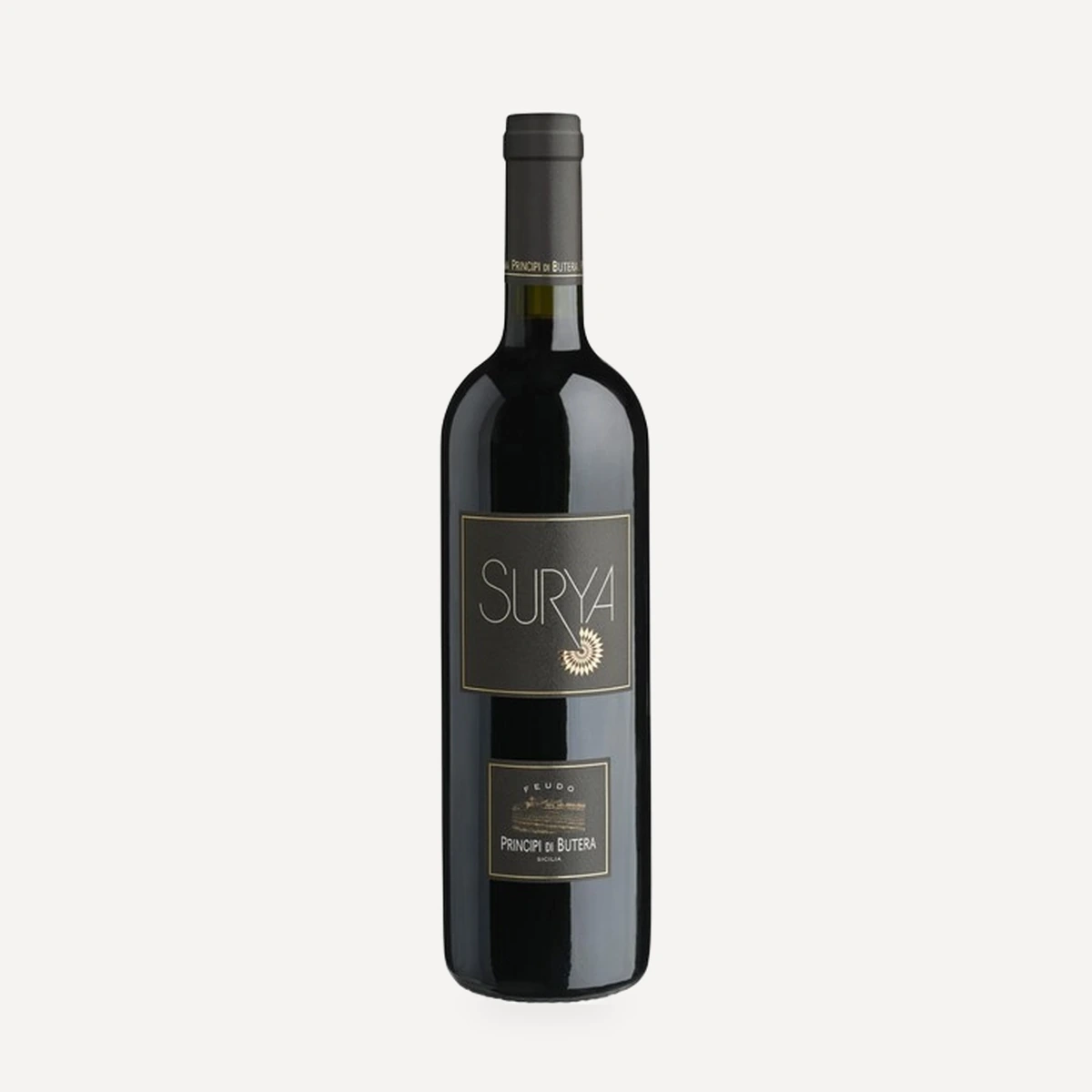
Storia
Ancient Butera
The history of Principi di Butera is intertwined with that of the Principality of Deliella and the succession of civilizations that occupied central-southern Sicily. The name Butera is traditionally associated with King Bute, described as the first king of the Siculi. The Siculi, Sicans and Greek colonists inhabited this strategically placed territory at the meeting point of three civilizations.
Saracen incursions began in 854. In 1089, the Norman Roger of Hauteville—Roger I of Sicily and the island’s first count—expelled the Saracens. During the Swabian period, the county belonged to the Lancia family; under Aragonese rule it passed to the Alagona family. King Martin I of Sicily confiscated it in 1390 following the rebellion of Count Manfredi Alagona and assigned it to Ugo de Ademar, the Catalan Prince of Santapau.
From barony to principality
After its return to baronial status, the territory comprised 19 fiefdoms: Carrubba, Castelluccio, Delera, Deliella, Faccilestri, Faino, Ineri, Lifano, Magaluffa, Milione, Marchetta, Pernice nera, Pozzo Soprano, Pozzo Sottano, San Giacomo, San Niccolò, Turco, Turcotto and Vergini.
Under Ambrogio Santapau Branciforte, Marquis of Licodia, King Philip II of Spain granted the territory the status of a principality on 11 April 1563; the concession was executed on 4 April 1564. Ambrogio consequently became the first Prince of Butera and the first Sicilian feudal lord invested with a princely title.
His brother and successor, Francesco Santapau Branciforte, II Prince of Butera, married Imara Benavides Carafa of the Marquises of Zajalquinto. The marriage produced no heirs, and in 1580 Francesco relinquished the title in favor of his great-nephew Fabrizio Branciforte Barresi, who received formal investiture on 8 December 1591.
The Branciforte and Lanza dynasties
The Branciforte became one of Sicily’s most powerful dynasties. Around the beginning of the eighteenth century, their property and assets were estimated to represent approximately 10% of the island’s total income. They retained the Principality of Butera until feudalism was abolished in the Kingdom of Sicily in 1812 following the Sicilian Constitution granted by King Ferdinand III of Bourbon.
Ercole Michele Branciforte Pignatelli, XII Prince of Butera, was the last prince-feudal lord. As Prince of Butera, he held the first of the 124 hereditary seats in the Chamber of Peers of the Kingdom of Sicily from 1812 to 1816. He left no male heir, bringing this branch of the Branciforte family to an end. The title passed to his eldest daughter, Caterina Branciforte Reggio (1768–1816), wife of Niccolò Placido Branciforte Lanza of the Princes of Leonforte. Their only daughter, Stefania Branciforte (1788–1843), married Giuseppe Lanza Branciforte, VIII Prince of Trabia, in 1805. Through this marriage, the Branciforte titles and property passed to the Lanza, one of Sicily’s leading aristocratic dynasties, whose members thereafter used the surname Lanza Branciforte.
Giuseppe Lanza Branciforte (1780–1855) was a peer of the Kingdom of Sicily in 1812 and 1848 and served as Minister of Ecclesiastical Affairs of the Kingdom of the Two Sicilies from 1841 to 1848. His marriage to Stefania, the last descendant of her house, produced six children.
Their eldest son, Pietro Lanza Branciforte (1807–1855), IX Prince of Trabia, served as praetor of Palermo in 1835, 1837 and 1848. During the provisional Sicilian government of 1848–1849, he was Minister of Public Works and subsequently Minister of Foreign Affairs. He married Eleonora Spinelli Caracciolo, Princess of Scalea and Duchess of Misuraca, who brought the titles and property of her own family into the marriage. Their six children included Francesco (1834–1919), founder of the cadet line of the Princes of Scalea, and Stefania (1842–1925), a lady of the court of Queen Margherita.
The contemporary estate
The Zonin family acquired Principi di Butera in 1997. Its stewardship has combined the development of the estate’s viticultural potential with conservation of its historic fabric. Following years of restoration and work across the property, the ancient fortified baglio was brought back into use while its centuries-old structures were preserved. The restored ochre-colored complex remains the architectural center of the contemporary estate.
Terroir
Principi di Butera lies at Contrada Deliella in Butera, in the province of Caltanissetta, within the Riesi DOC area of central-southern Sicily. The estate extends around the historic baglio in the ancient territory of Feudo Deliella, along the axis between the Valley of the Temples at Agrigento and Villa Romana del Casale at Piazza Armerina.
The vineyards occupy limestone-origin hills at average elevations of 250–350 m and lie approximately 10 km from the Mediterranean. The soils combine limestone rock, dark clay and marl, with the composition of individual sites used to obtain different grape profiles. The Deliella vineyard, at 350 m, is particularly rich in white limestone.
The climate is hot and arid, with exceptionally prolonged solar exposure and the strong, warm light characteristic of southern Sicily. Sea breezes and the proximity of Monte Dessueri moderate the vineyards, creating a distinct microclimate. The estate’s landscape also includes Mediterranean scrub, citrus trees, prickly pears, rose gardens, jasmine and centuries-old olive trees. Its valleys open across the surrounding Sicilian countryside.
Vinificazione
Biodiversity and soil fertility
The estate preserves 50 ha of arable and pasture land and 25 ha of olive groves; both components are certified organic. This uncultivated and mixed agricultural area protects local fauna and flora alongside the vineyards. Green manure is used to support soil microfauna and to maintain or increase soil fertility.
Crop protection and nutrition
Herbicides have been eliminated throughout the estate since 2017, while fertilizers are exclusively organic in origin. Insecticides have been replaced by mating disruption—described as “sexual disorientation”—to control the European grapevine moth. Other vine parasites are managed through biological defenses based on living microorganisms.
Water management
Rainwater is collected in a reservoir with a capacity of approximately 127,000 m³ and reserved for emergency irrigation. Water is delivered by drip irrigation under digital control through the Vintel program. Irrigation decisions incorporate weather forecasts, while pressure-chamber measurements monitor the hydration of individual vines so that water is supplied only when strictly necessary. The auxiliary system also helps maintain an efficient leaf canopy and supports complete grape ripening.
The modern winery is integrated into the estate’s historic architectural and natural setting. It was designed around efficient methods that respect the condition and character of the grapes while combining contemporary equipment with the estate’s winemaking traditions.
The production complex includes separate vinification, red-wine maturation and bottling areas. Mature wines rest at a constant temperature in 30 hl Slavonian oak casks and 350 l French-oak tonneaux. Nero d’Avola is interpreted both as red wine and through white and sparkling vinification, including Metodo Classico Pas Dosé and rosé Metodo Classico styles. These sparkling projects use a dedicated vineyard of approximately 3 ha opposite the baglio.
Filosofia
Principi di Butera presents wine as the product of a particular place and of knowledge handed down and enriched over generations. Its stated objective is to protect that inheritance for the future while interpreting Sicily’s native varieties—above all Nero d’Avola—in both established and contemporary forms.
The approach links tradition with technical development: the historic baglio and local wine culture are conserved, while Nero d’Avola is explored through red, white and Metodo Classico vinification. Respect for raw material guides the design and operation of the modern cellar.
Environmental stewardship is treated as part of wine quality. Biodiversity, soil organisms, non-chemical pest-management tools and carefully measured water use are integrated into estate management. The broader philosophy also emphasizes the enhancement of Made in Italy, care for the territory, local winemaking traditions and a culture of moderate, responsible consumption.
Vini
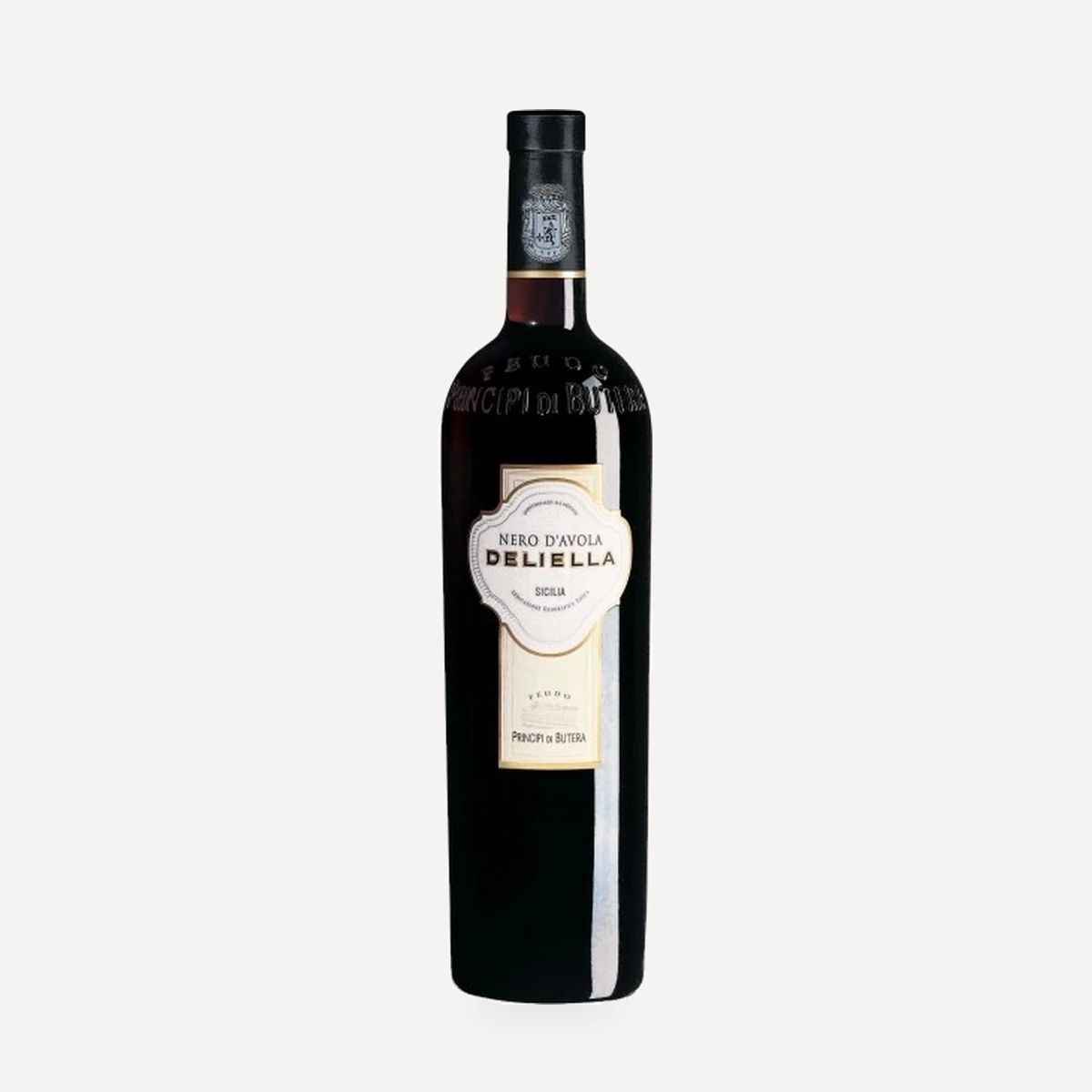
Deliella
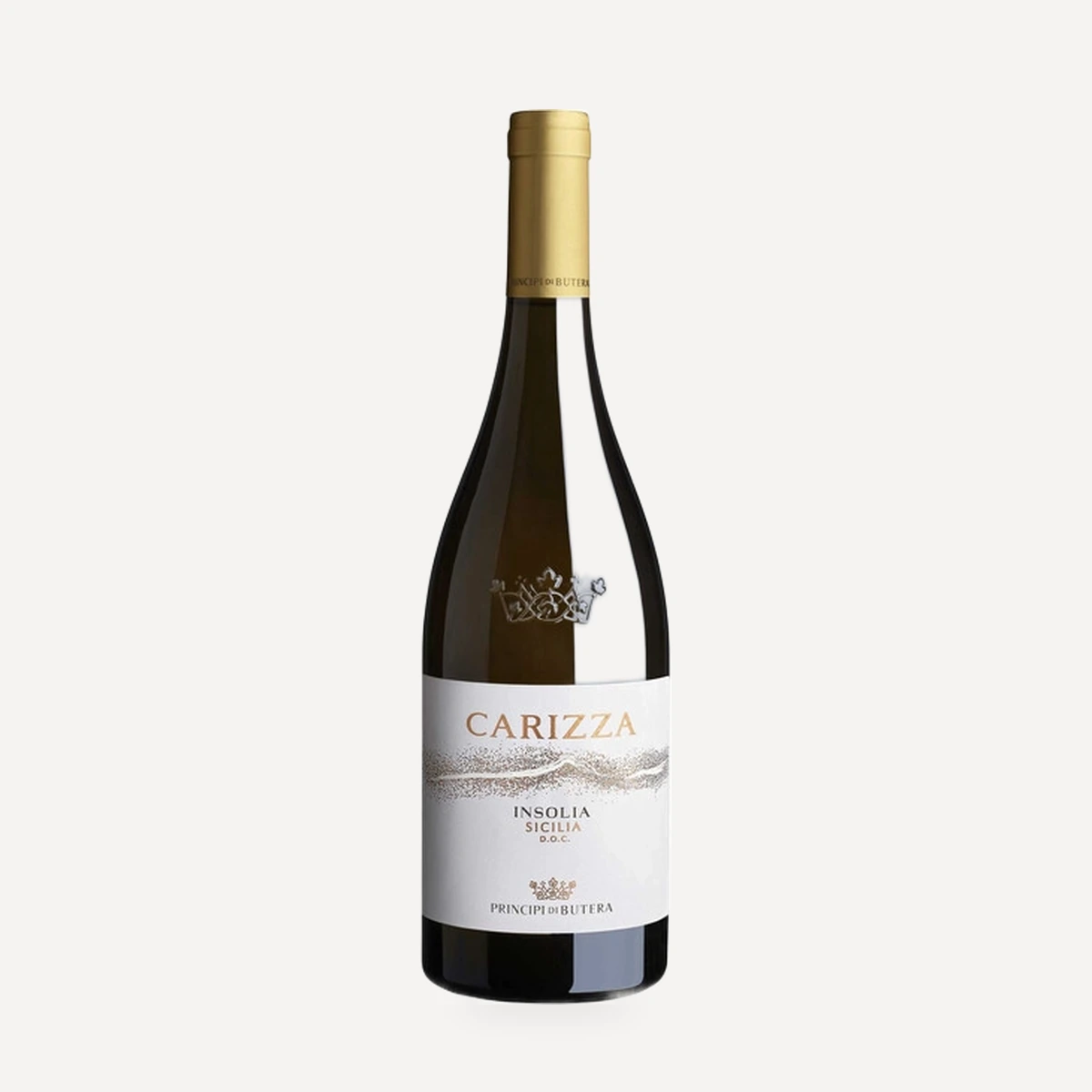
Carizza
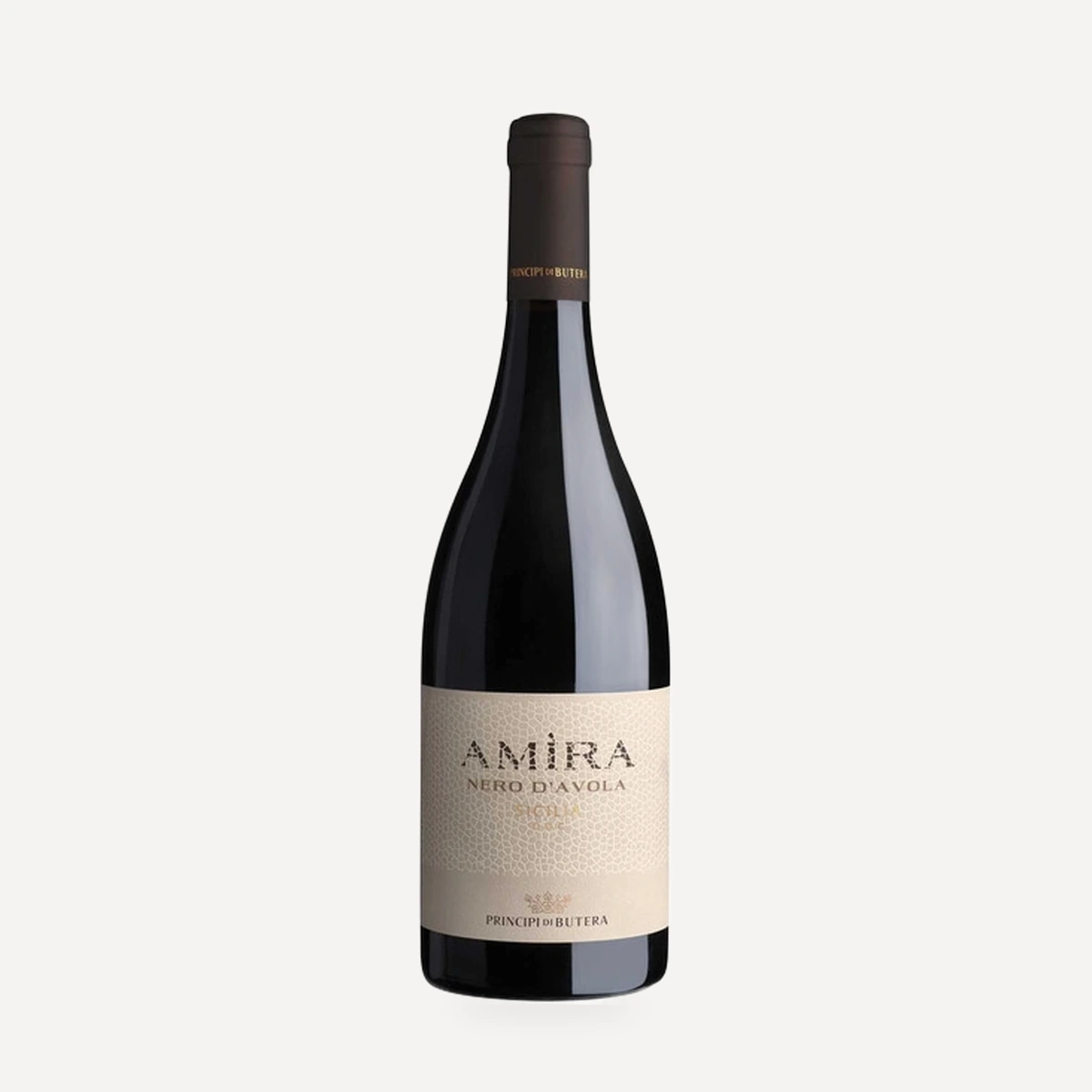
Amìra
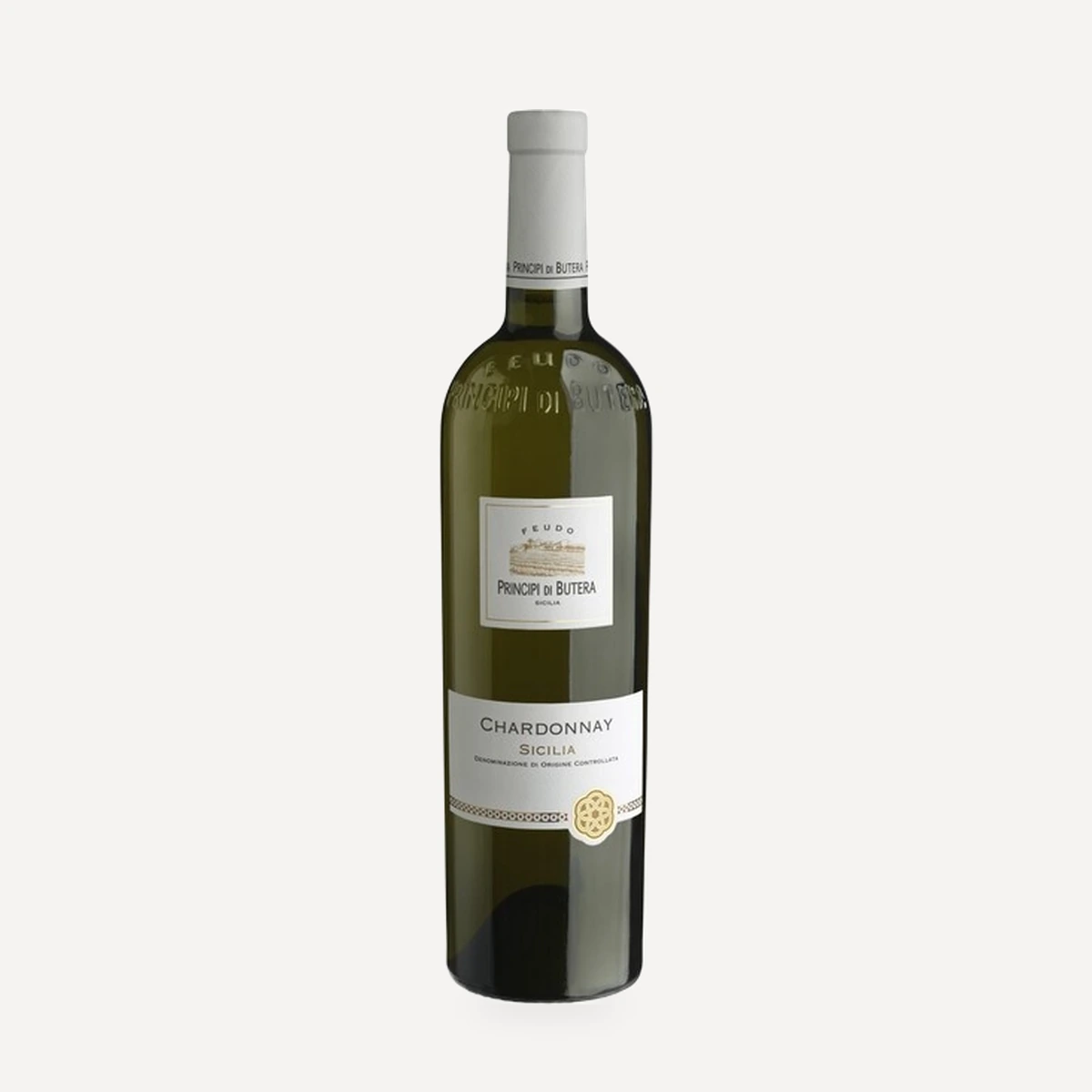
Chardonnay Sicilia DOC
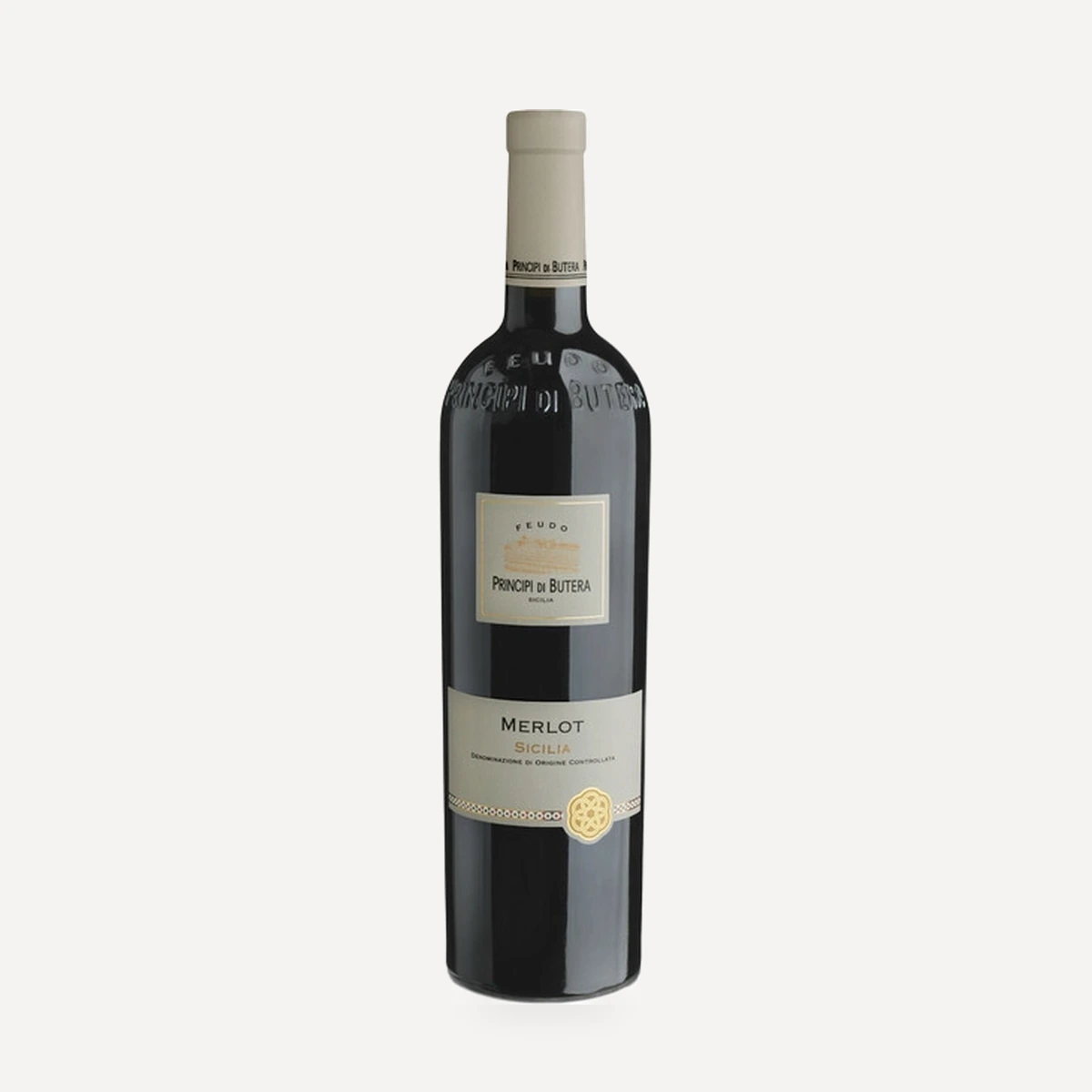
Merlot Sicilia DOC
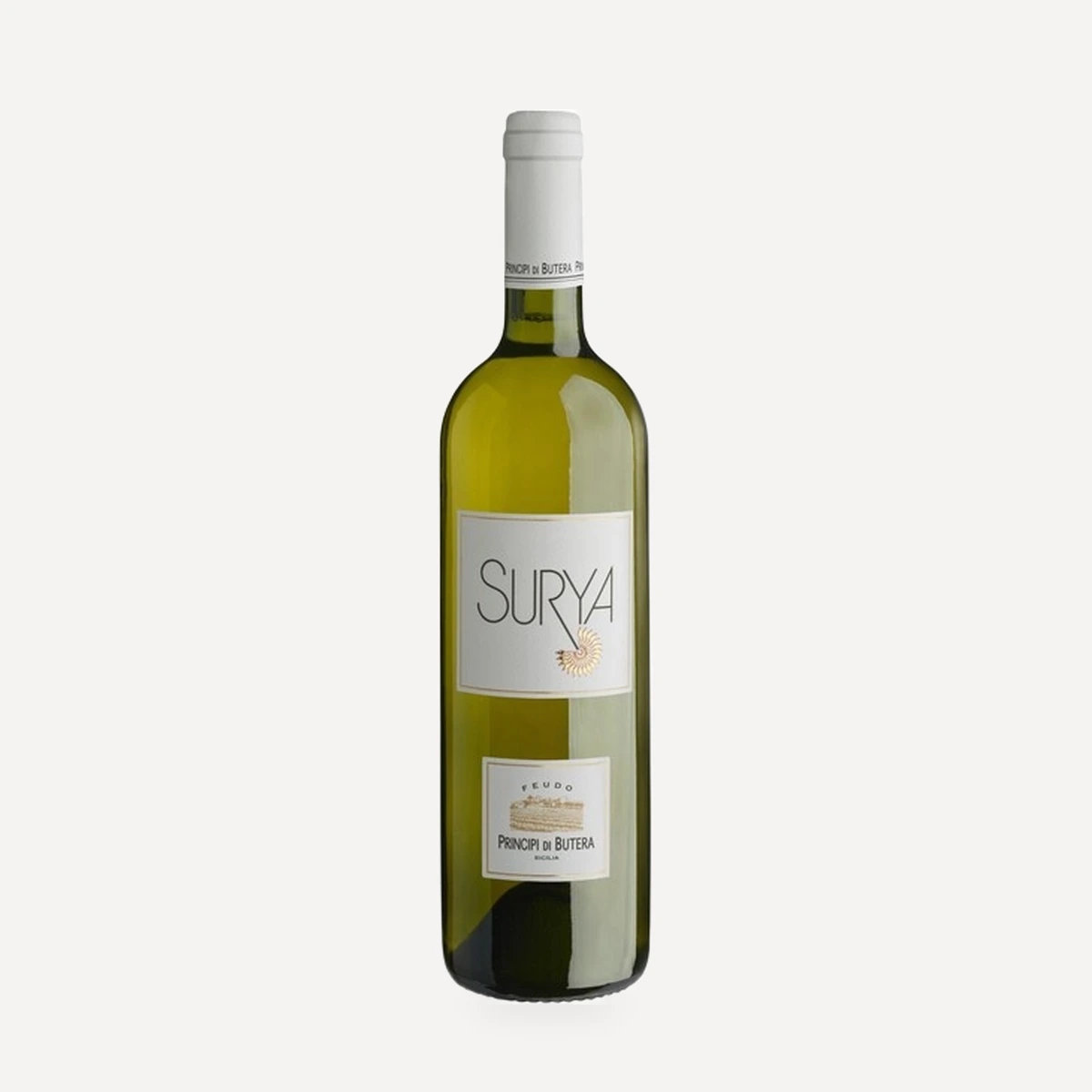
Surya Bianco
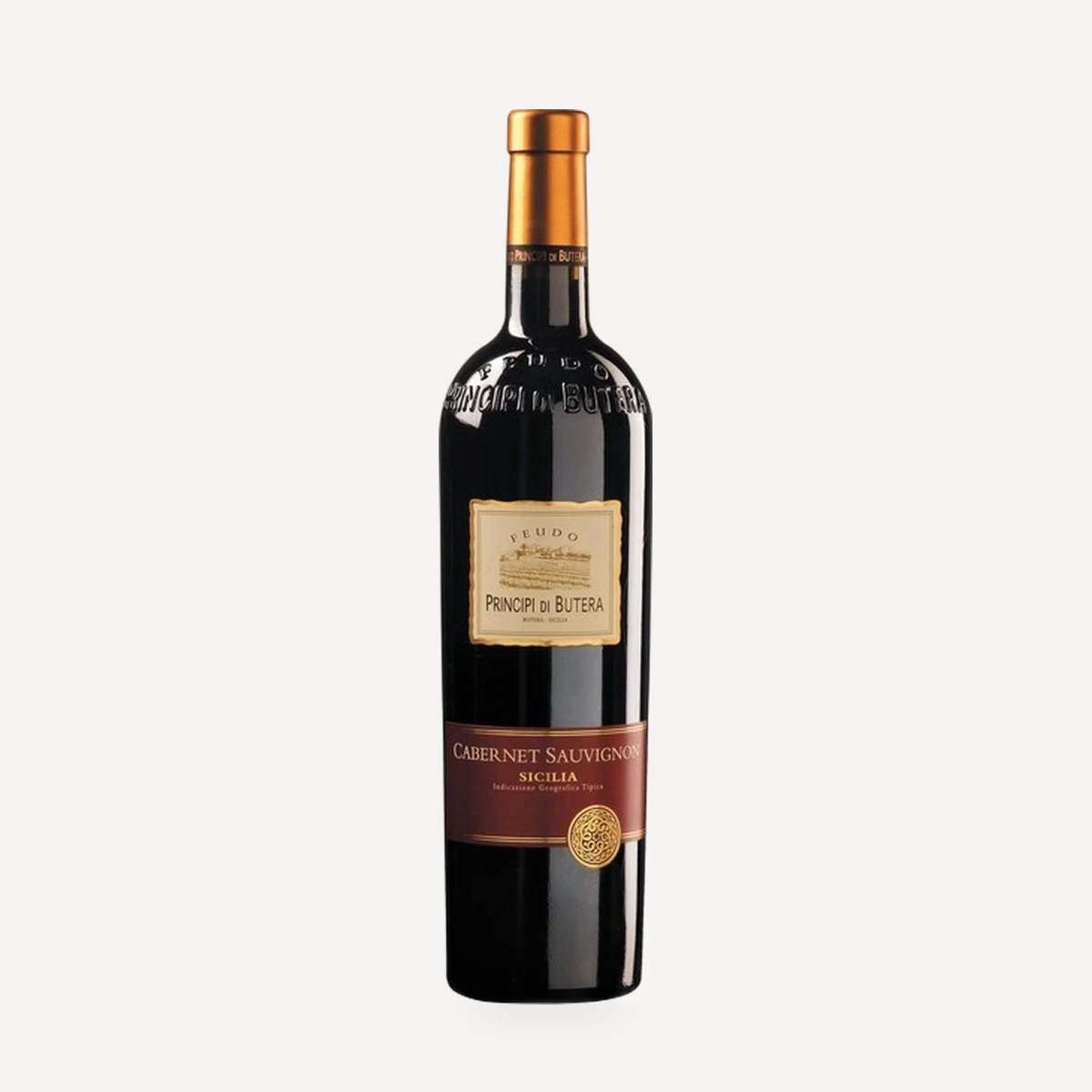
Cabernet Sauvignon Sicilia IGT
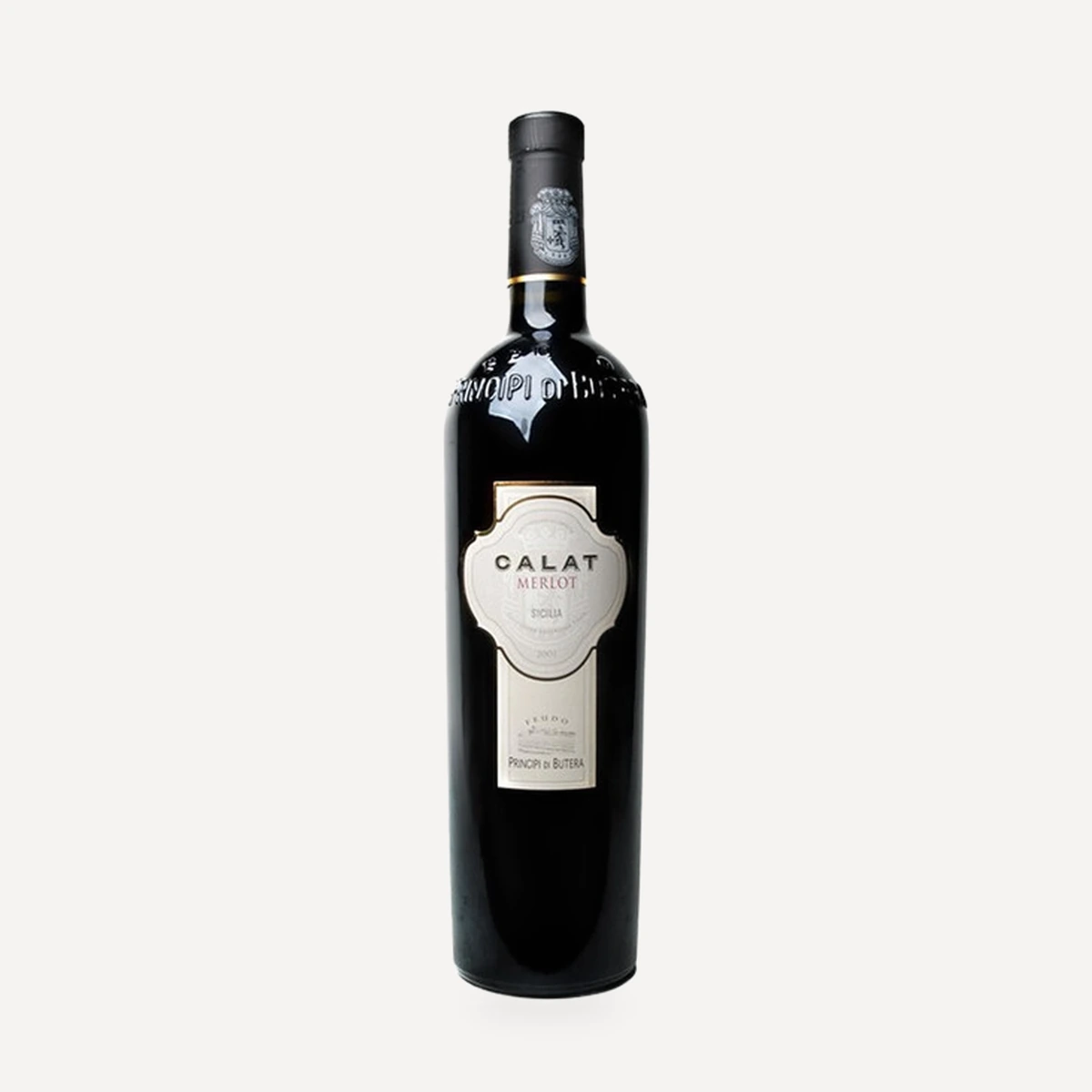
Calat Merlot Sicilia IGT
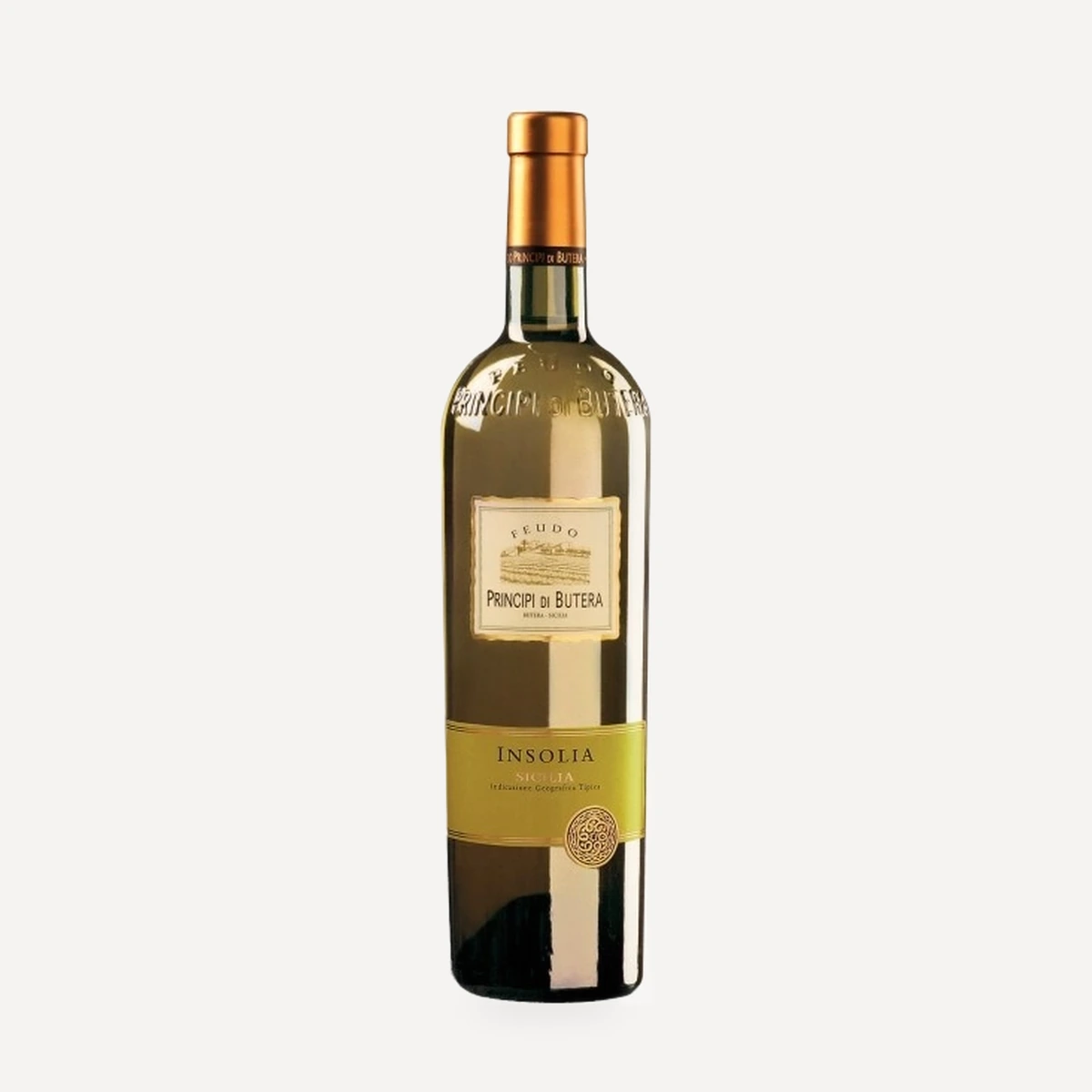
Principi di Butera Insolia Sicilia IGT
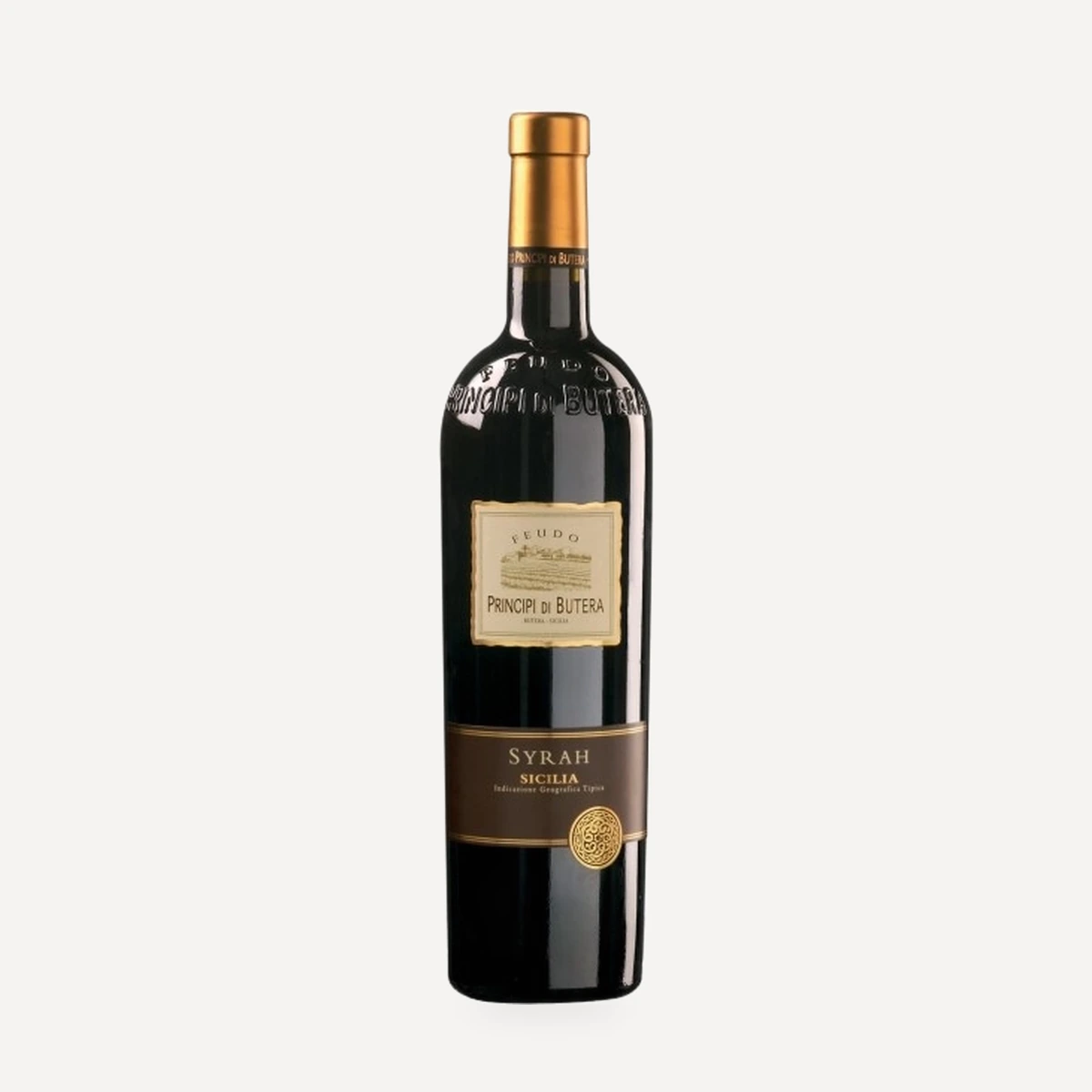
Principi di Butera Syrah Sicilia IGT