Storia
2001: foundation in Quarticello
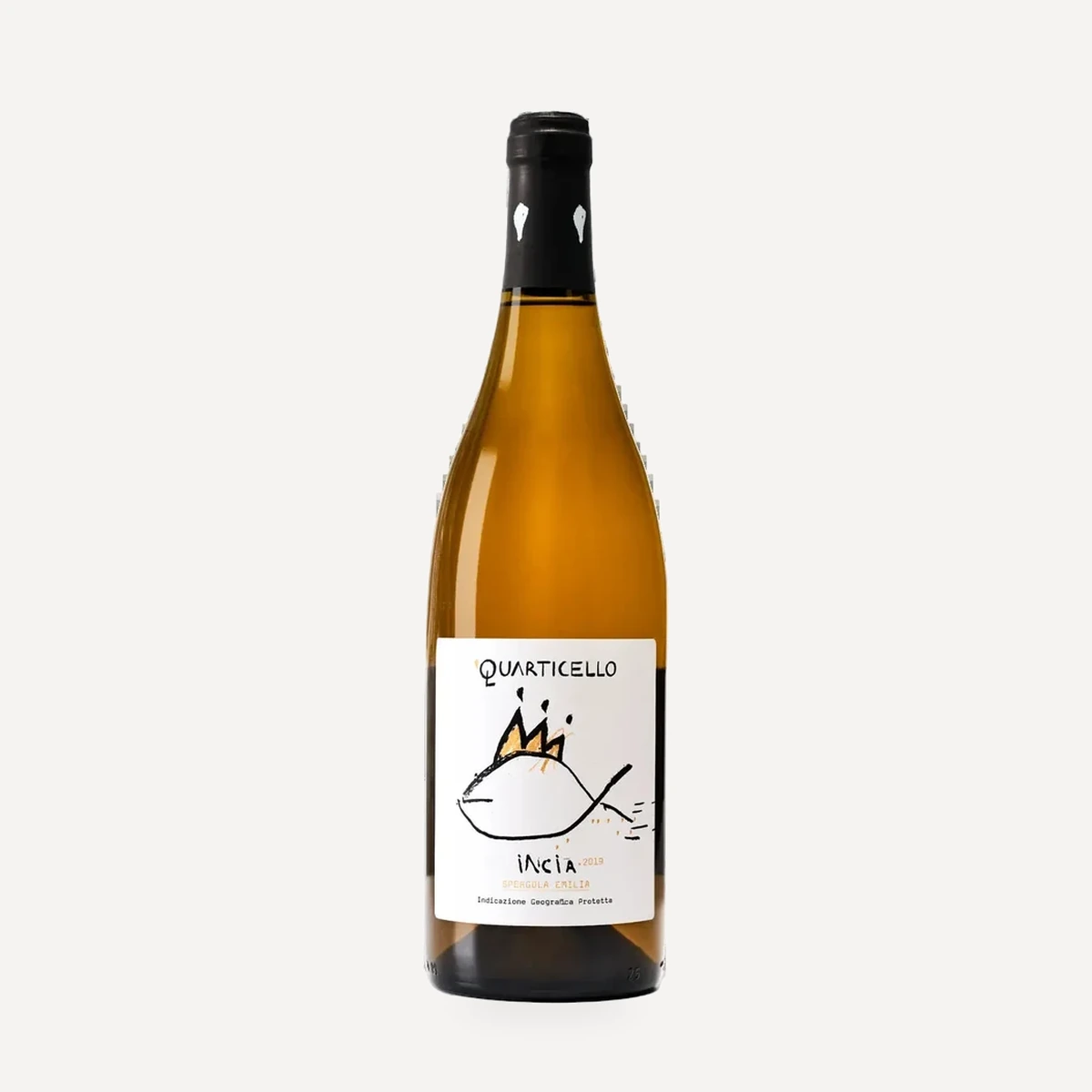
Quarticello began in 2001 in the locality of the same name at Montecchio Emilia. Roberto Maestri had discovered a passion for viticulture and decided to become a farmer. From the outset, he concentrated exclusively on native varieties: Lambrusco, Malvasia di Candia, Spergola and Malbo Gentile.
2006: the first estate-made wines
After gaining experience in several cellars, Maestri began vinifying his own grapes in 2006. The estate’s first wines were naturally sparkling wines refermented in bottle, establishing a production model rooted in the Emilia tradition.
Quarticello subsequently developed a broader range while retaining bottle-refermented sparkling wines as its principal focus. Production now also includes traditional-method sparkling wines and still wines intended for ageing.
Terroir
Quarticello lies at Montecchio Emilia in Val d’Enza, on the Reggio Emilia side of the Enza stream. The watercourse separates the provinces of Reggio Emilia and Parma, while the vineyards stand at the foot of the Appennino Tosco-Emiliano.
The vineyard landscape is hilly. The soils associated with the estate’s wines are alluvial, with gravel occurring at shallow depth.
Vinificazione
Quarticello follows organic and biodynamic principles with the stated objective of encouraging biodiversity around the vineyards. Vine protection relies on copper and sulfur, while fertilization uses natural organic matter. Pesticides and synthetic chemical products are excluded.
Green manure is sown between the rows to support soil fertility. Branched pruning is used to limit crop quantity in favour of quality. During spring, shoot thinning selects the best shoots. As ripening approaches, leaves are removed manually so that the bunches remain well ventilated and receive appropriate sunlight.
Harvesting is entirely manual. The objective is to bring intact grapes into the cellar, a condition Quarticello considers essential to its natural-wine approach.
Cellar work is directed toward expressing the native varieties grown in their areas of origin. Fermentations begin spontaneously through the action of indigenous yeasts naturally present on the grapes. The wines are not filtered, and the estate avoids other interventions that could alter the grapes’ intrinsic character.
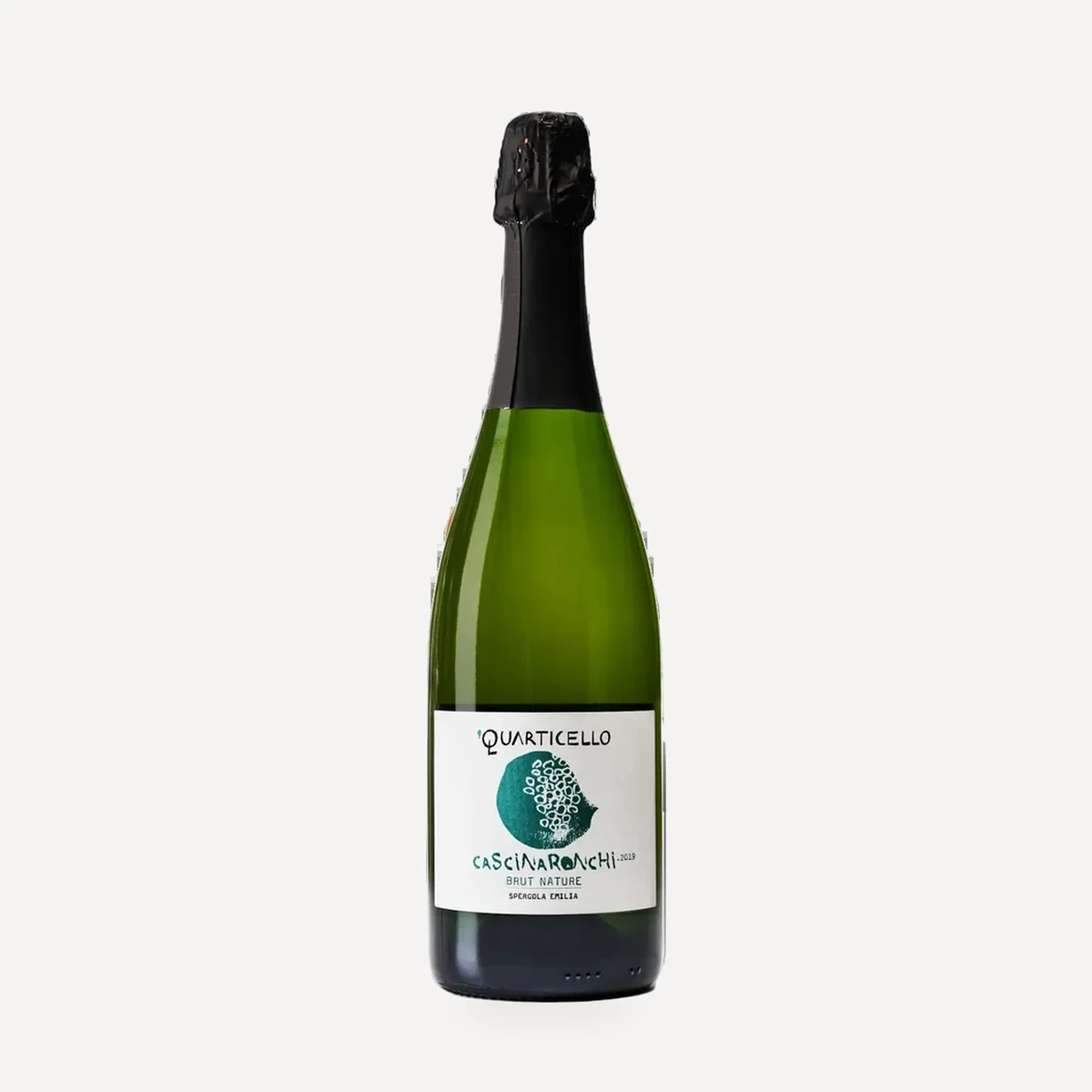
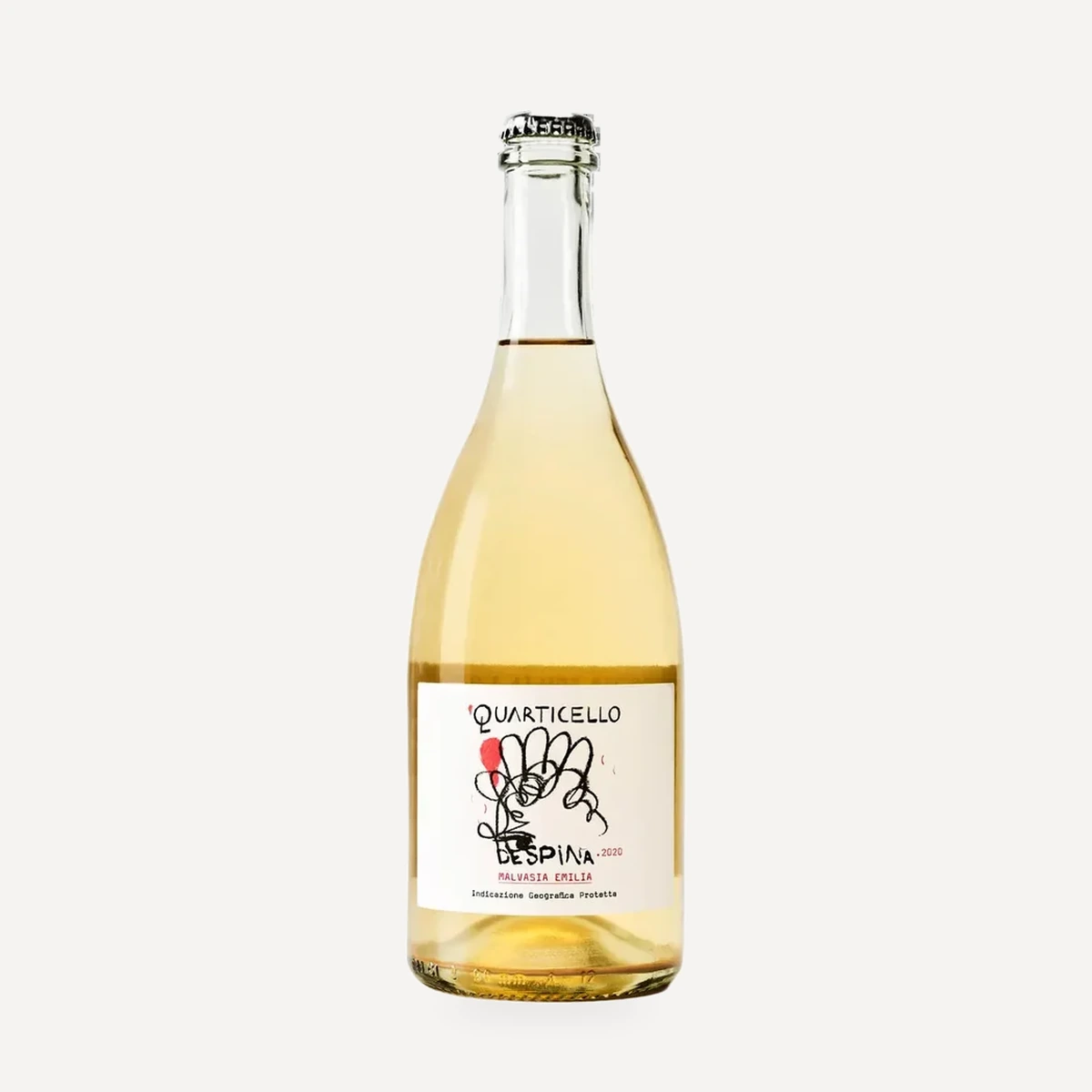
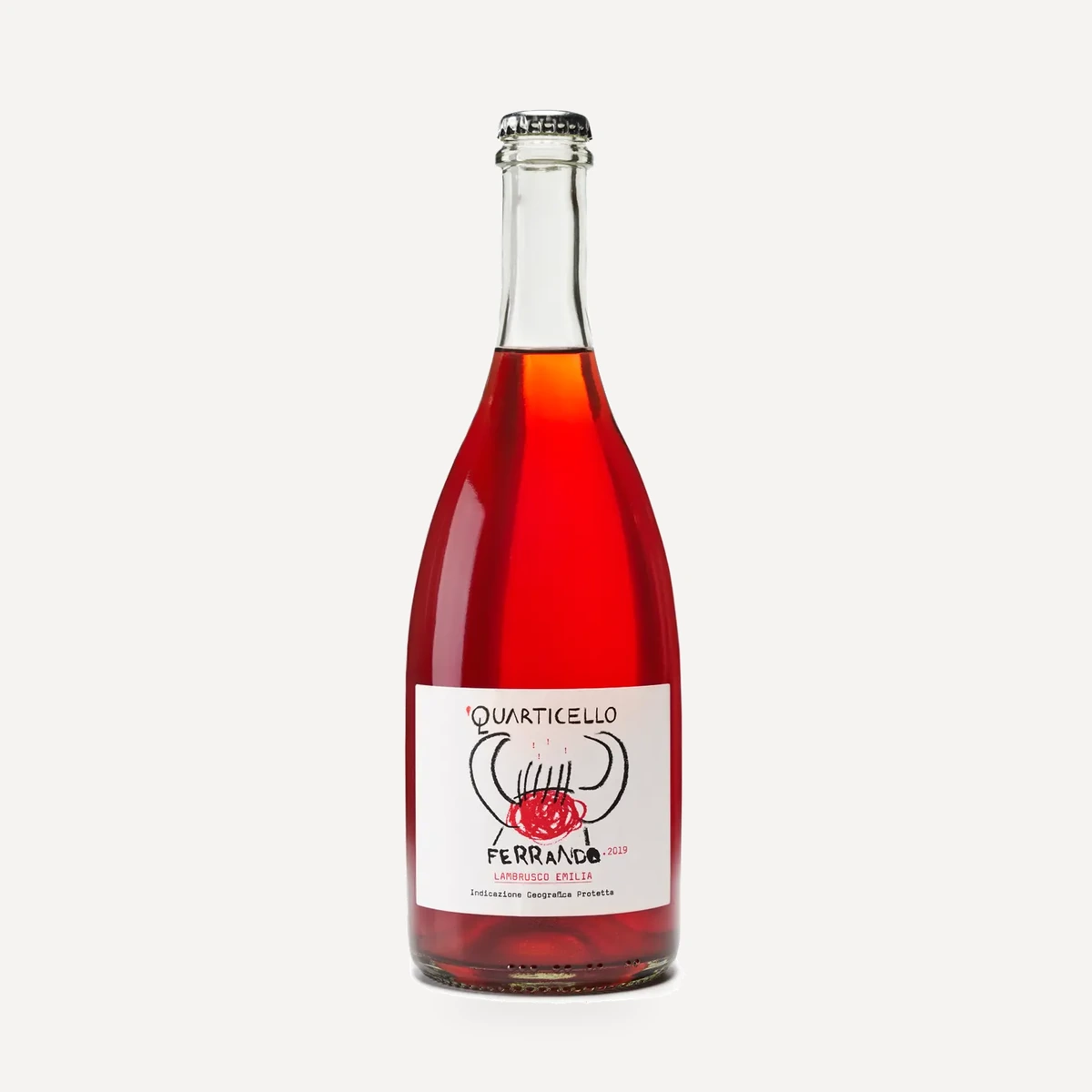
Naturally bottle-refermented sparkling wines form the core of production. Their second fermentation takes place spontaneously in bottle using only must retained under cold conditions during winter, following the Emilia tradition. Quarticello also makes traditional-method sparkling wines and still wines intended for ageing.
Depending on the intended result, ageing takes place in vessels made from stainless steel, wood or concrete, as well as terracotta amphorae.
Filosofia
Quarticello’s approach joins native varieties, biodiversity-conscious farming and low-intervention cellar work. Its stated purpose is to produce wines of place while respecting nature and allowing the varieties to express themselves clearly.
Organic and biodynamic principles guide the vineyard work. Soil fertility is supported with green manure and natural organic matter, while vine protection is restricted to copper and sulfur. Yield is managed through branched pruning and shoot selection, and canopy work is performed manually.
In the cellar, spontaneous fermentation, indigenous yeasts, the exclusion of filtration and restrained intervention are intended to preserve the grapes’ inherent character. Natural refermentation in bottle with winter-stored must connects this approach to the sparkling-wine tradition of Emilia, while the use of stainless steel, wood, concrete and terracotta provides different options for maturation.
Vini
Cascinaronchi
Despina
Ferrando
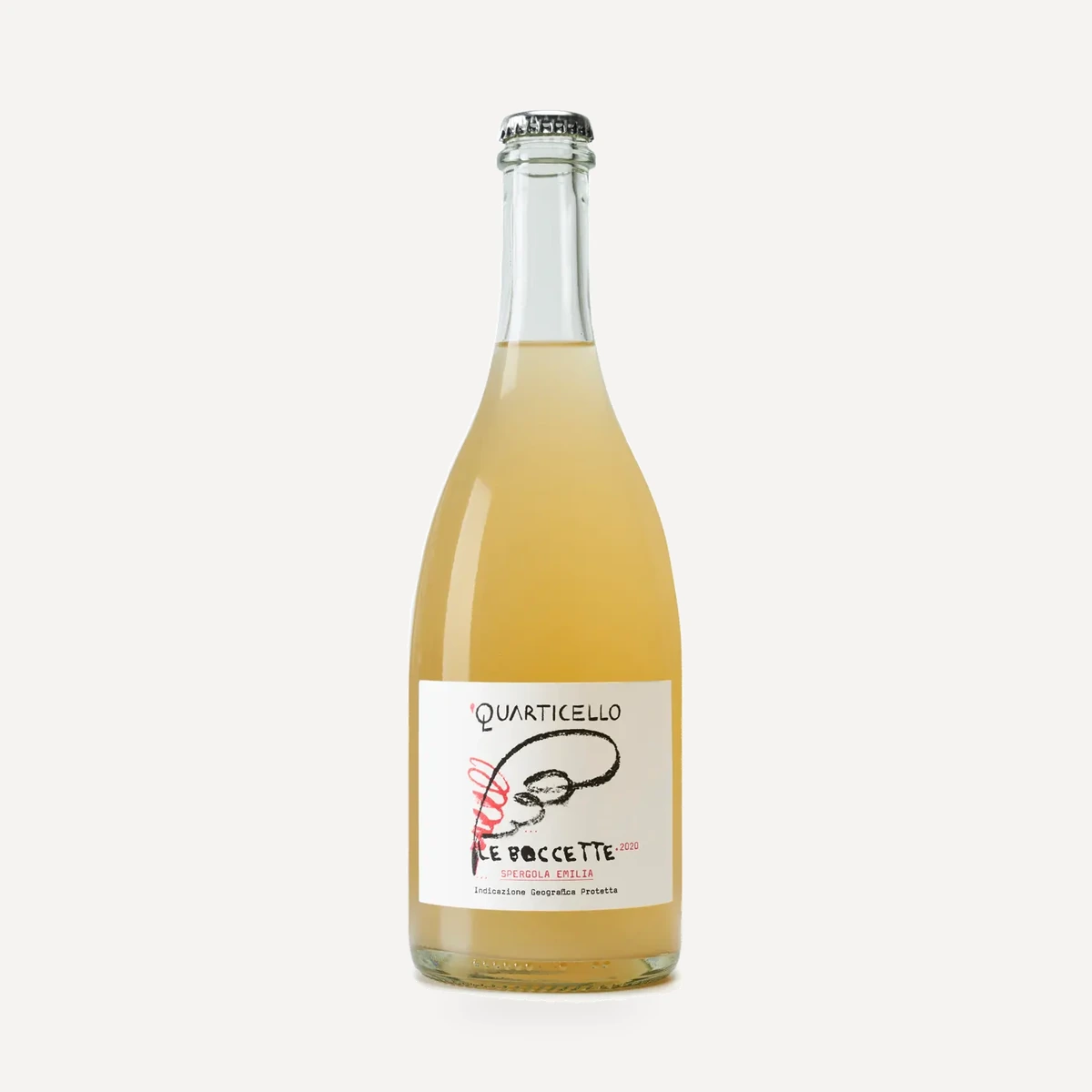
Le Boccette
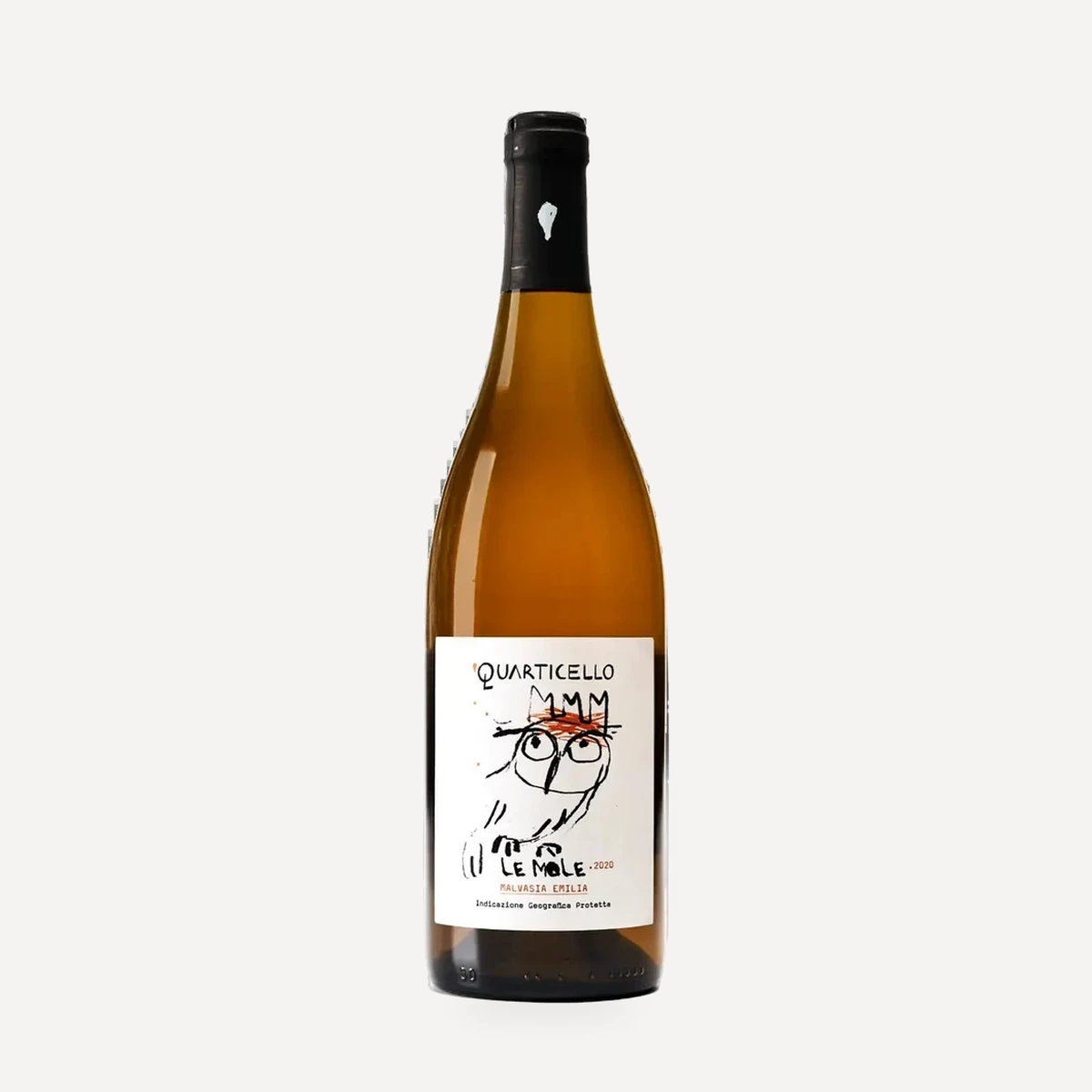
Le Mole
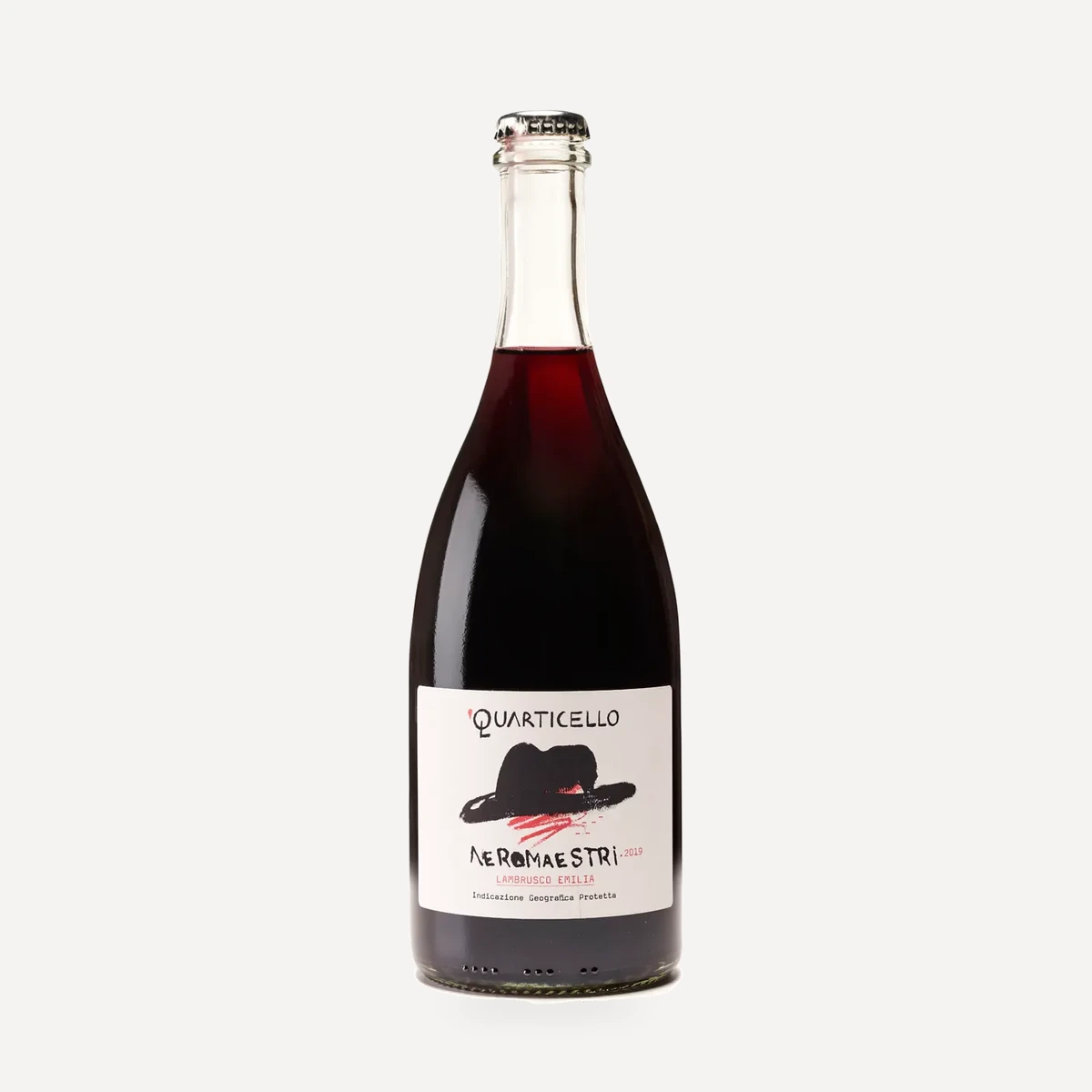
Neromaestri
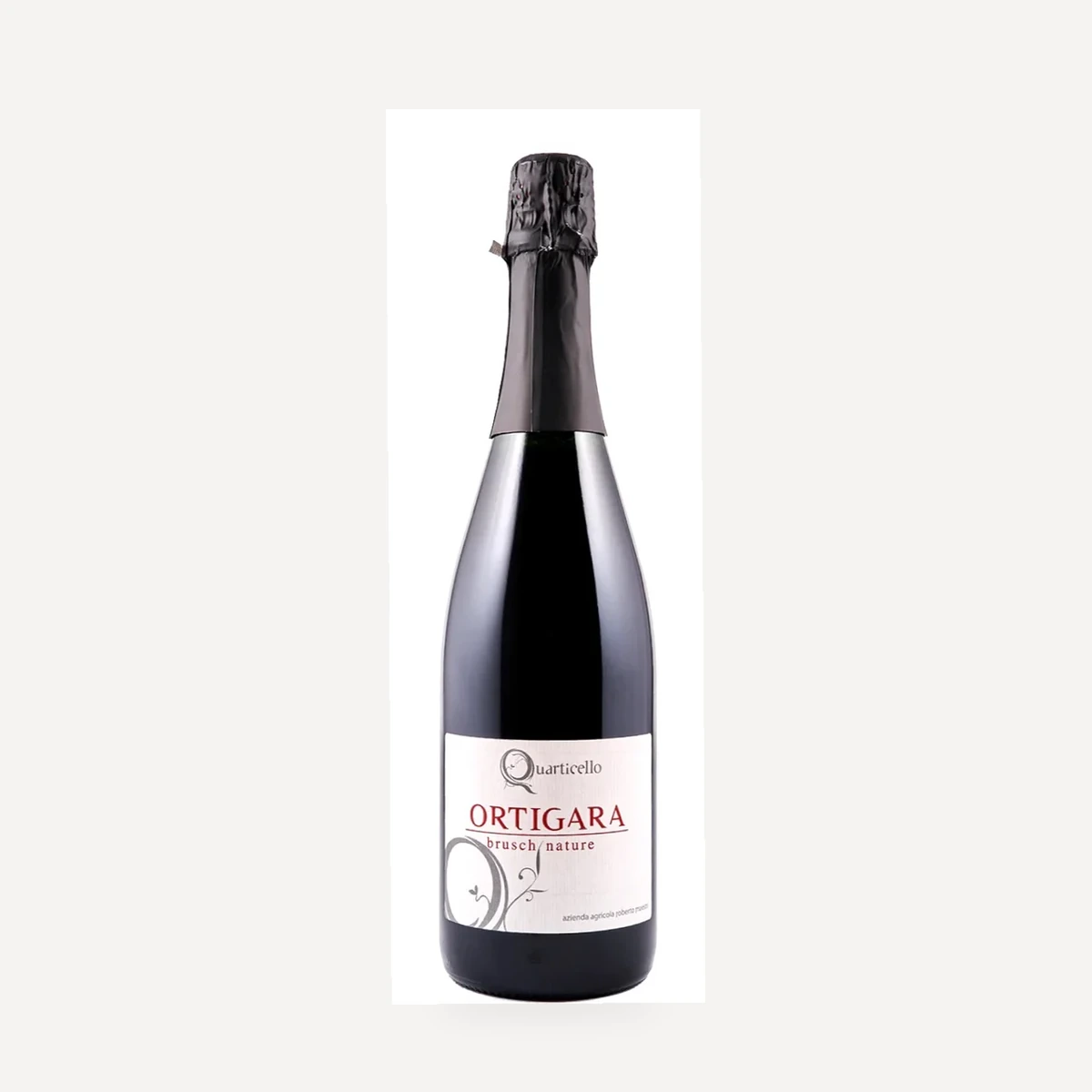
Ortigara
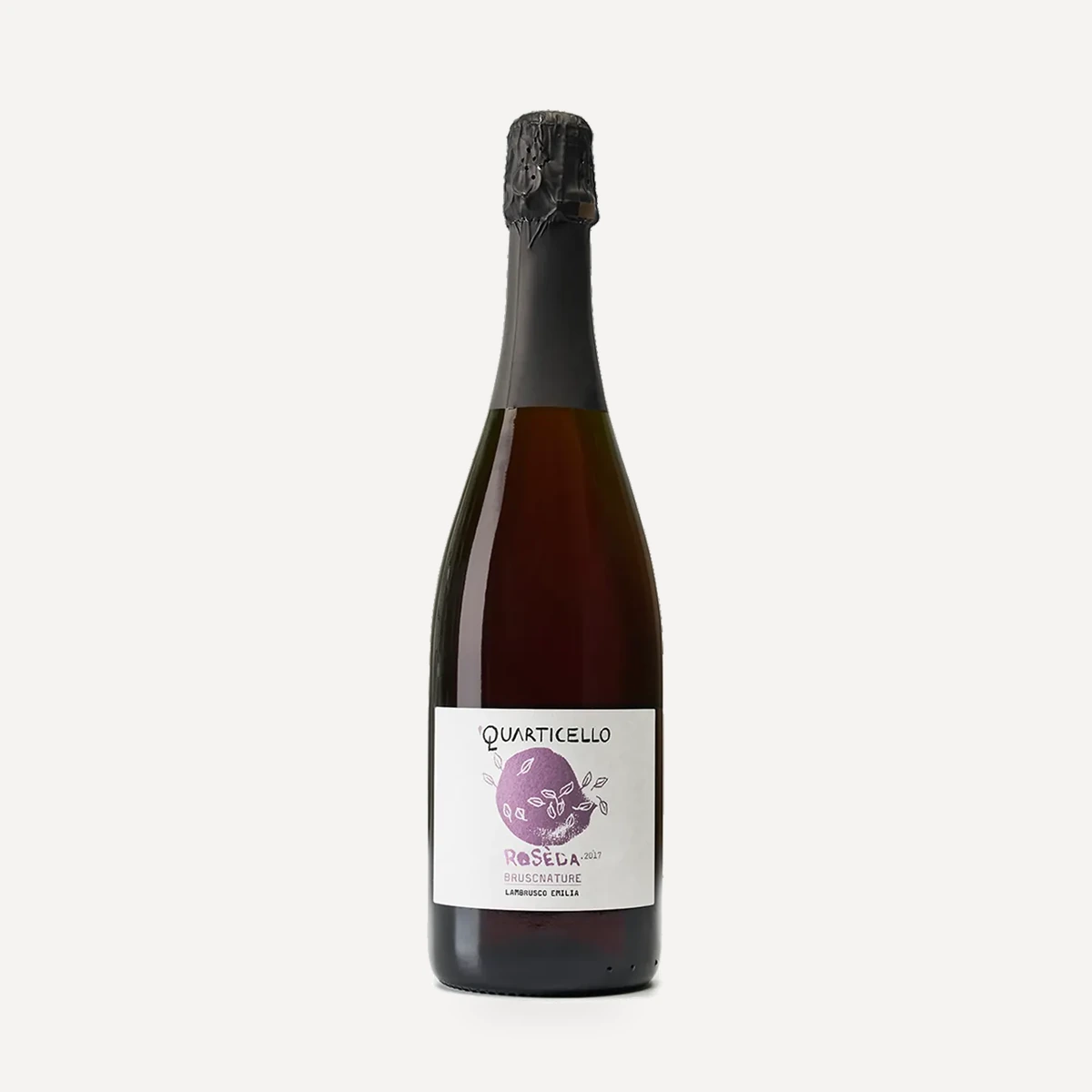
Roseda
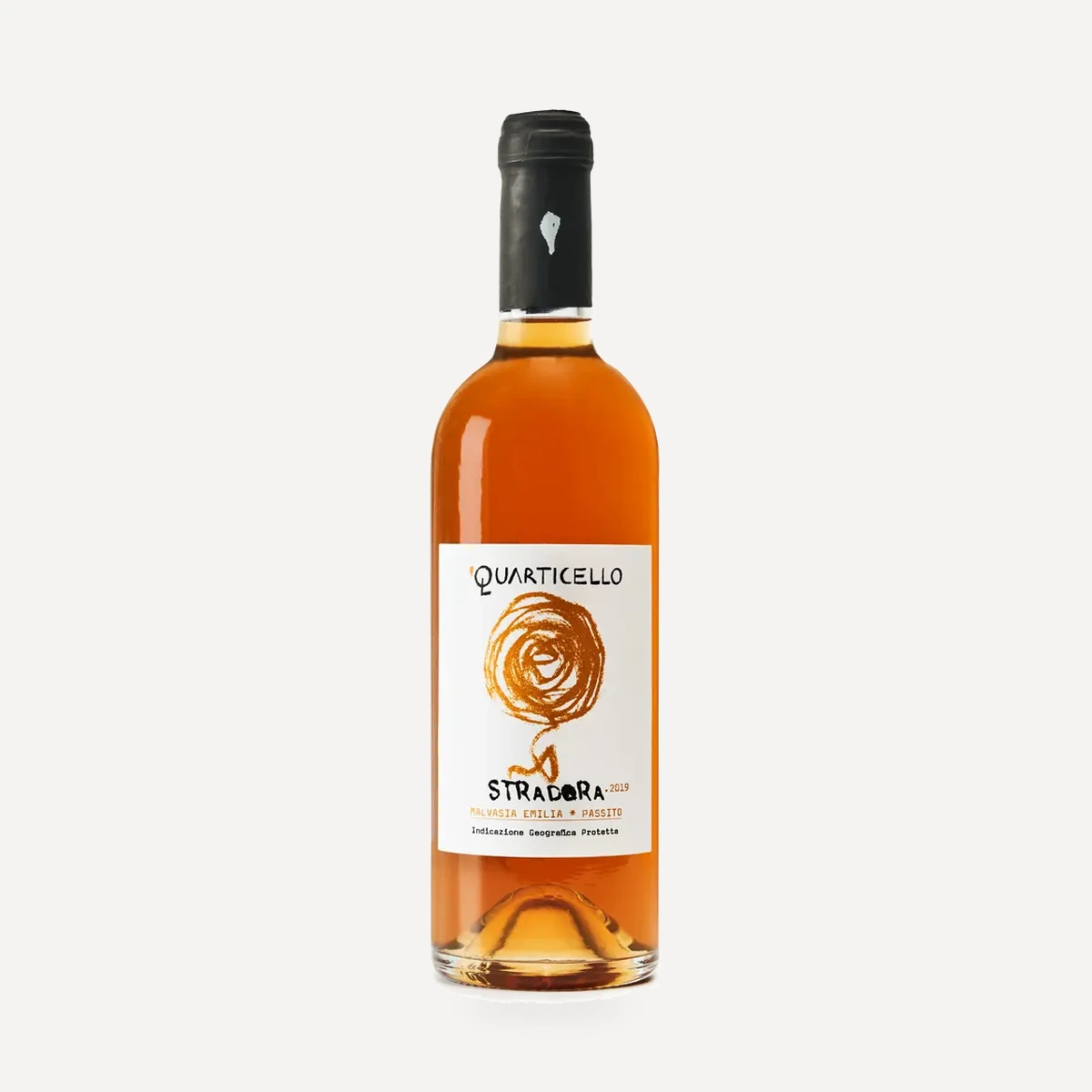
Stradora