Storia
From settlers to landowners
The family’s documented relationship with the land begins in 1861, when its members were recorded as settlers in a deed for the sale of the property. In 1923, their ownership rights over the land were formally established.
By 1950, the property operated as a typical family subsistence farm. It combined a vegetable garden, livestock and fruit cultivation with a small quantity of wine sold in bulk.
Stanko and the first estate bottlings
In 1980, Stanko bottled the 1979 vintage, the estate’s first bottled release. The production rested on greater attention to the vineyard, low yields and the use of several stainless-steel tanks. The bottlings comprised Pinot Grigio, Sauvignon, Ribolla Gialla and Tocai, together with the Slatnik blend.
The first Merlot in the characteristic Radikon approach followed in 1984. The first barriques entered the cellar in 1986.
In 1992, Oslavje was created as a blend of Pinot Grigio, Sauvignon and Chardonnay.
The development of skin maceration
The decisive change came in 1995, when Ribolla was made with skin maceration. At that stage, it was accompanied in the range only by Oslavje and Merlot.
In 1997, Oslavje also received eight days of skin maceration, matching Ribolla, while the corresponding Riserva versions remained on their skins for 14 days.
Between 1998 and 2000, both maceration and maturation periods were progressively extended, while sulphite use was gradually reduced. The estate also planted its first Pignolo vines during this period.
In 2001, Radikon conducted a comparative trial: half of the production was bottled without added SO2, while the other half received the customary minimal addition. The same year brought the creation of Jakot, described within the family chronology as a counter-current interpretation of Tocai.
The comparison led to a definitive decision in 2002. All wines were given three months of skin maceration and were considered able to proceed without sulphites. This approach required a better-performing cork and led to the use of 1 L and 500 ml bottles.
Saša and Linea S
In 2009, Saša introduced Pinot Grigio Sivi and Slatnik, establishing the group known as Linea S. Its macerations were considerably shorter—approximately ten days—and consequently involved a small addition of SO2.
A first trial of the Linea S red, RS, took place in 2014. From 2017, RS became an annual production.
Continuity after Stanko
Stanko Radikon died on 11 September 2016, only a few days before harvest. He left the family responsibility for his teachings, wines and vineyards, and for continuing the path he had begun. His legacy is commemorated through the Živijo! Memorial Stanko Radikon.
In 2018, an unprecedented evolution in climatic conditions prompted renewed experimentation. This phase involved more hectares and more people while maintaining the estate’s connection to ponca.
Ivana and the POP line
In 2023, Ivana created the POP line. It began with Bianco and Rosso, conceived with minimal skin maceration and an accessible expression that retained the Radikon approach.
Terroir
Radikon is situated in Oslavia, among hills and vineyards at the meeting point of Italy and Slovenia. The estate identifies ponca as the ground beneath its vineyards and as a constant physical foundation of its work.
The vineyard is treated as the origin of the wine’s sensory character. Grapes, their skins, the land and the labour devoted to them are presented as the essential components carried into the cellar.
Vinificazione
The estate’s quality approach begins with low yields and few bunches per vine. Grapes are harvested by hand and only when they have reached optimal maturity.
The grape skin is regarded as the part of the fruit that preserves information from the vineyard. This principle links vineyard maturity directly to the estate’s use of skin maceration in the cellar.
Radikon’s modern cellar development began with several stainless-steel tanks used for Stanko’s first bottling of the 1979 vintage. The first barriques entered the cellar in 1986.
Skin maceration became central with Ribolla in 1995. By 1997, both Ribolla and Oslavje received eight days on the skins, while their Riserva counterparts received 14 days. Between 1998 and 2000, maceration and maturation times were progressively extended as sulphite use was reduced.
A controlled comparison followed in 2001: half of production was bottled without added SO2, while the other half retained the estate’s customary minimal addition. In 2002, the resulting approach was applied across the wines, with three months of skin maceration and no added sulphites. The longer, low-sulphite process also prompted adoption of a more reliable cork and 1 L and 500 ml bottle formats.
Linea S, introduced in 2009, established a shorter route: approximately ten days of skin contact and a small SO2 addition. Across the current ranges, documented maceration periods extend from 2–4 days for the minimally macerated POP wines to approximately three months for the longest-macerated bottlings.
Time is treated as necessary for balance and stability. Depending on the range, maturation includes stainless steel, barrels or used barriques, followed by bottle ageing. The longest documented élevage extends to multiple years in wood and, for selected releases, at least ten years in bottle.
Filosofia
Radikon defines wine through a direct sequence: land, vineyard, ponca, work and grapes. These are treated as its essential constituents rather than as a backdrop to cellar technique.
Quality begins with few bunches per vine, hand harvesting and waiting for optimal maturity. The skin is understood as the repository of information accumulated in the vineyard, while maceration provides the means of transferring that information into wine.
Patience is equally fundamental. Balance and stability are expected to emerge through time, including years of maturation in barrel and refinement in bottle. The broader outlook favours sensory openness, freedom from preconceptions and continued learning through the experience of each harvest.
The family presents wine as something that unites rather than divides. Respectful, candid comparison with other producers is treated as a means of growth and continual improvement. Family hospitality follows the same values of simplicity and frankness.
Vini
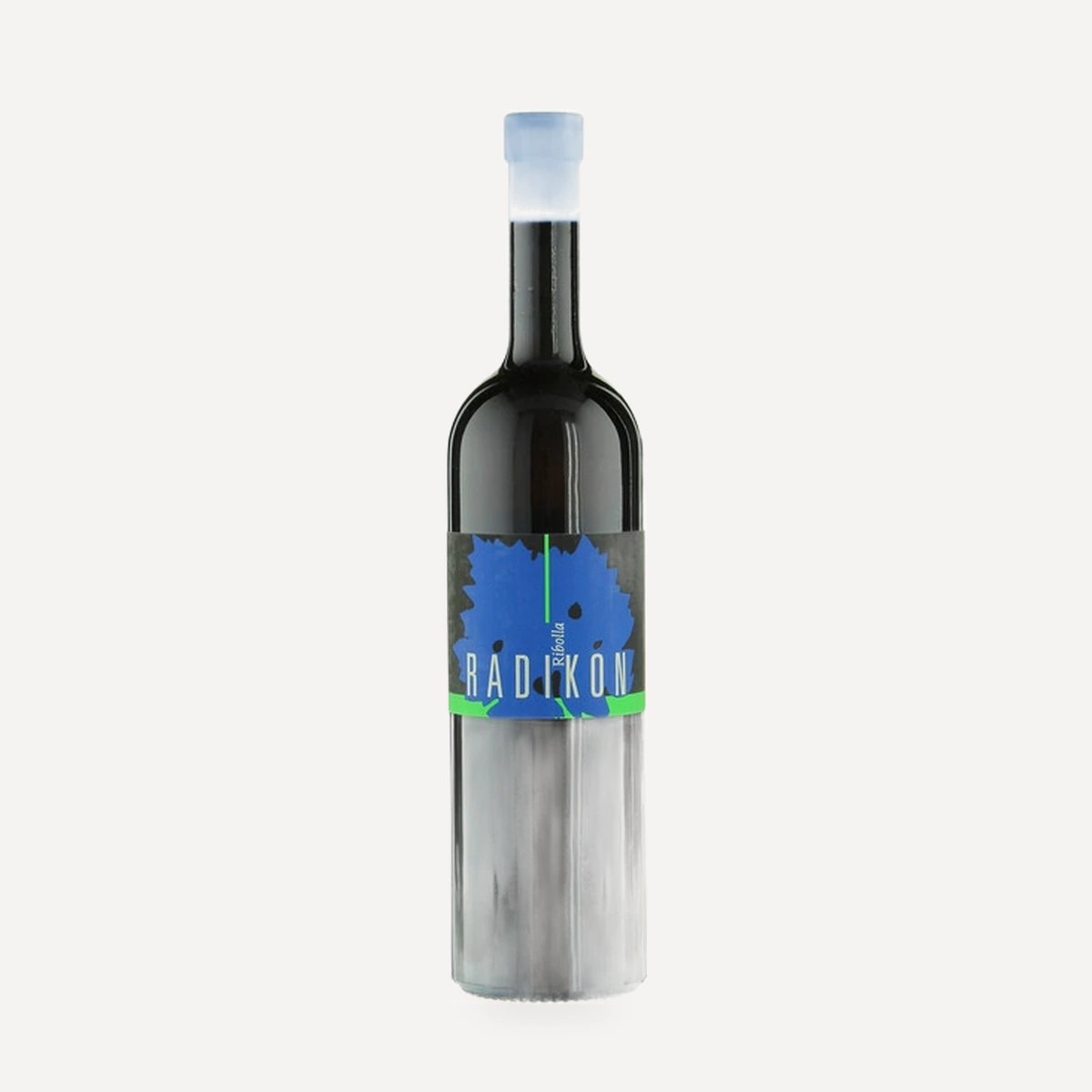
Ribolla
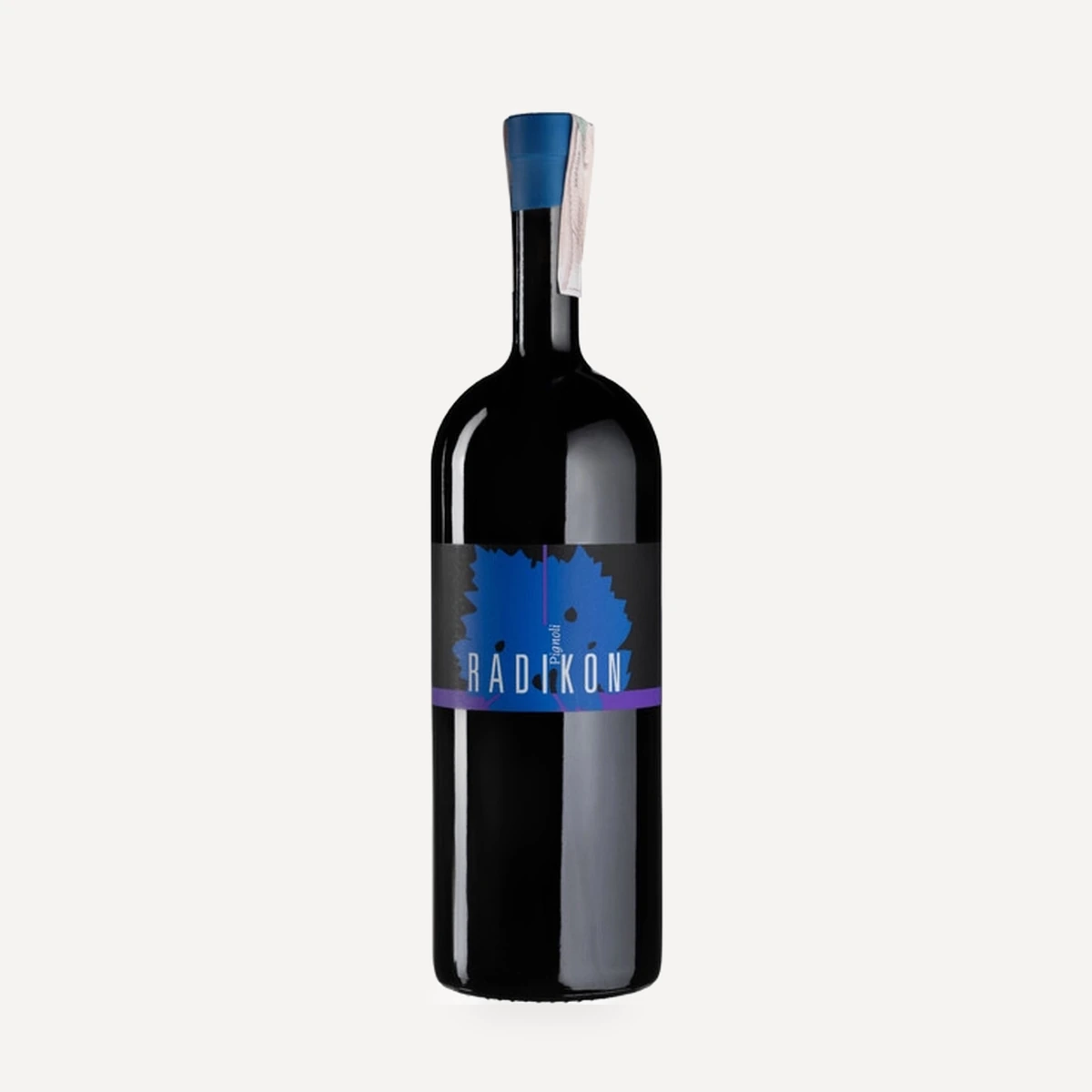
Pignoli
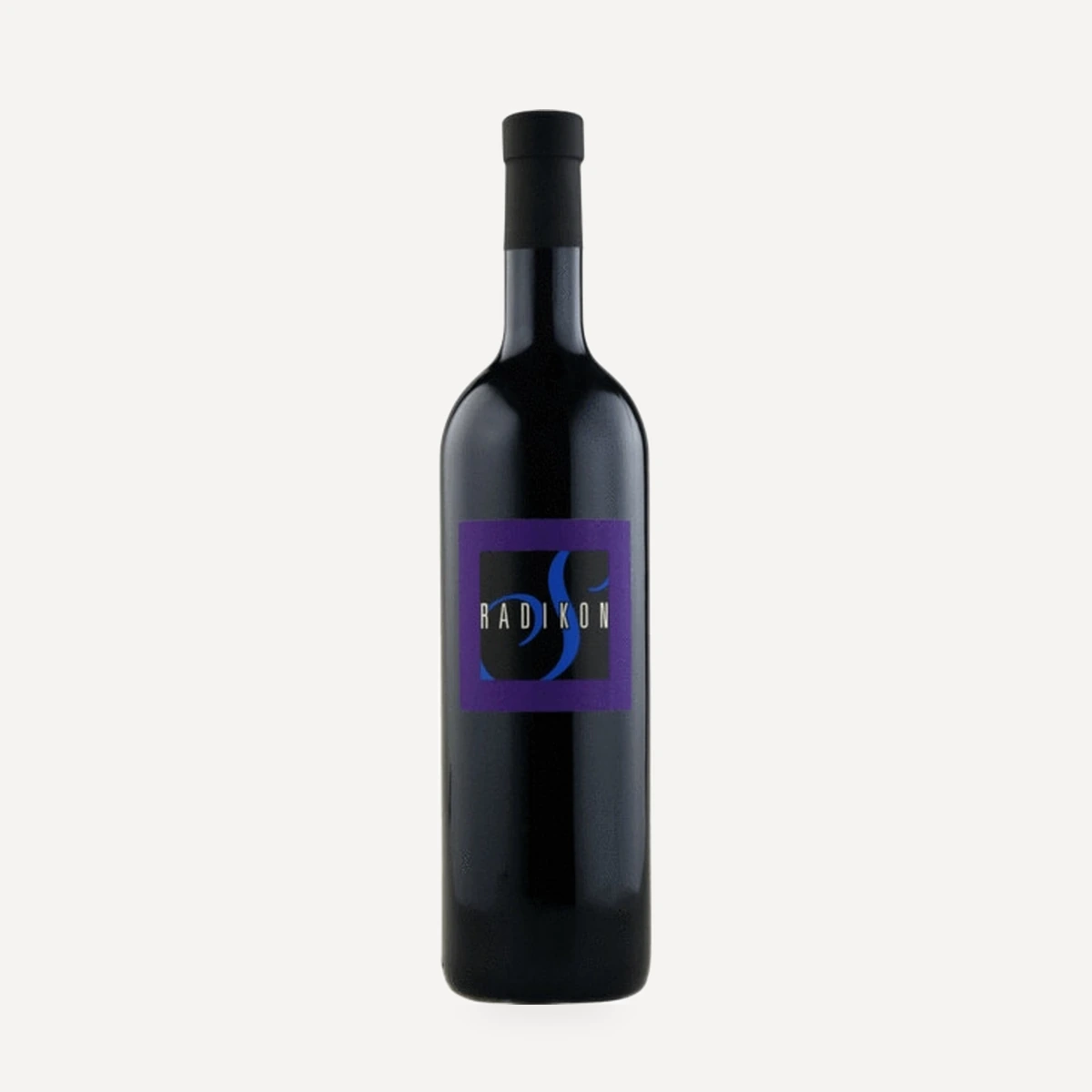
Sivi
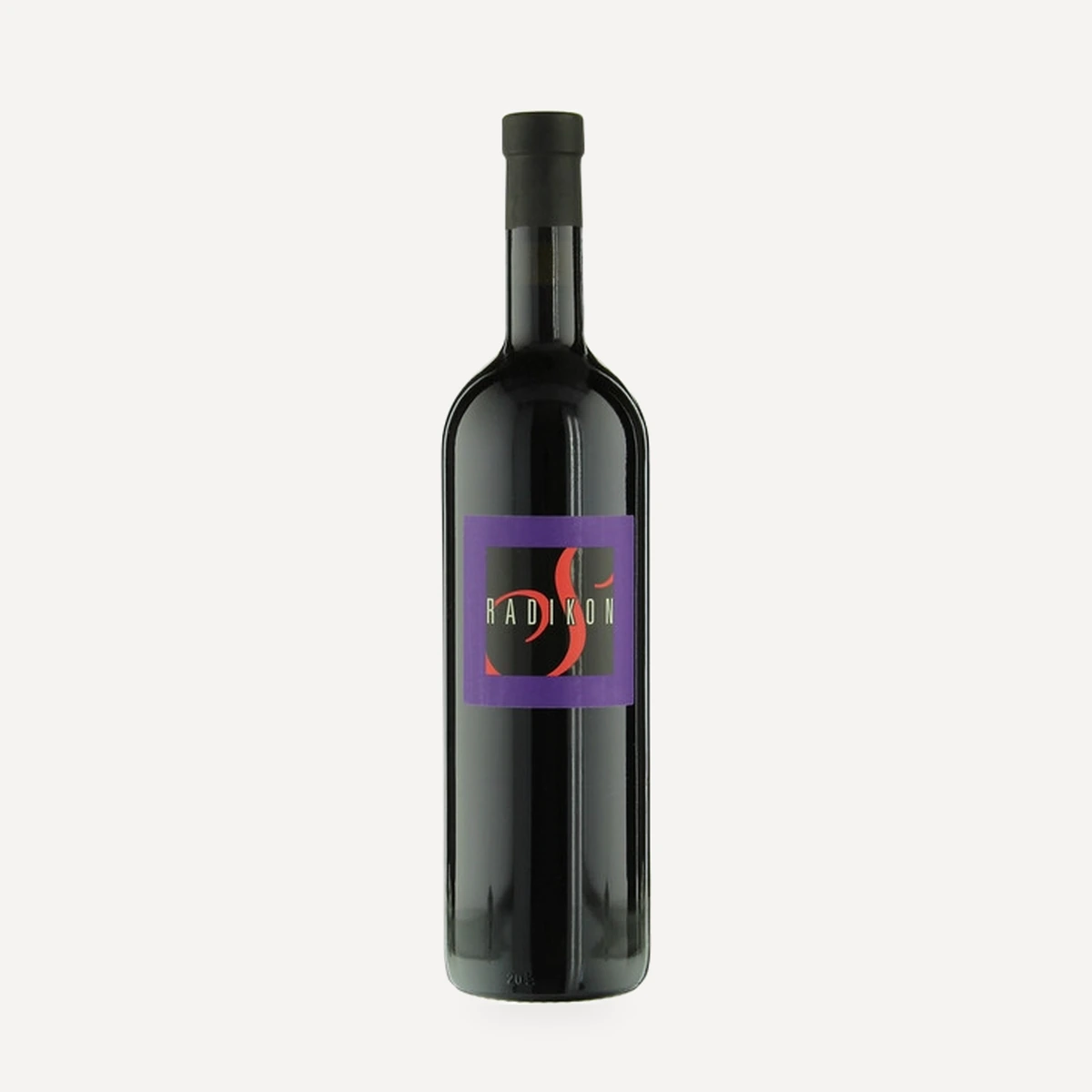
RS
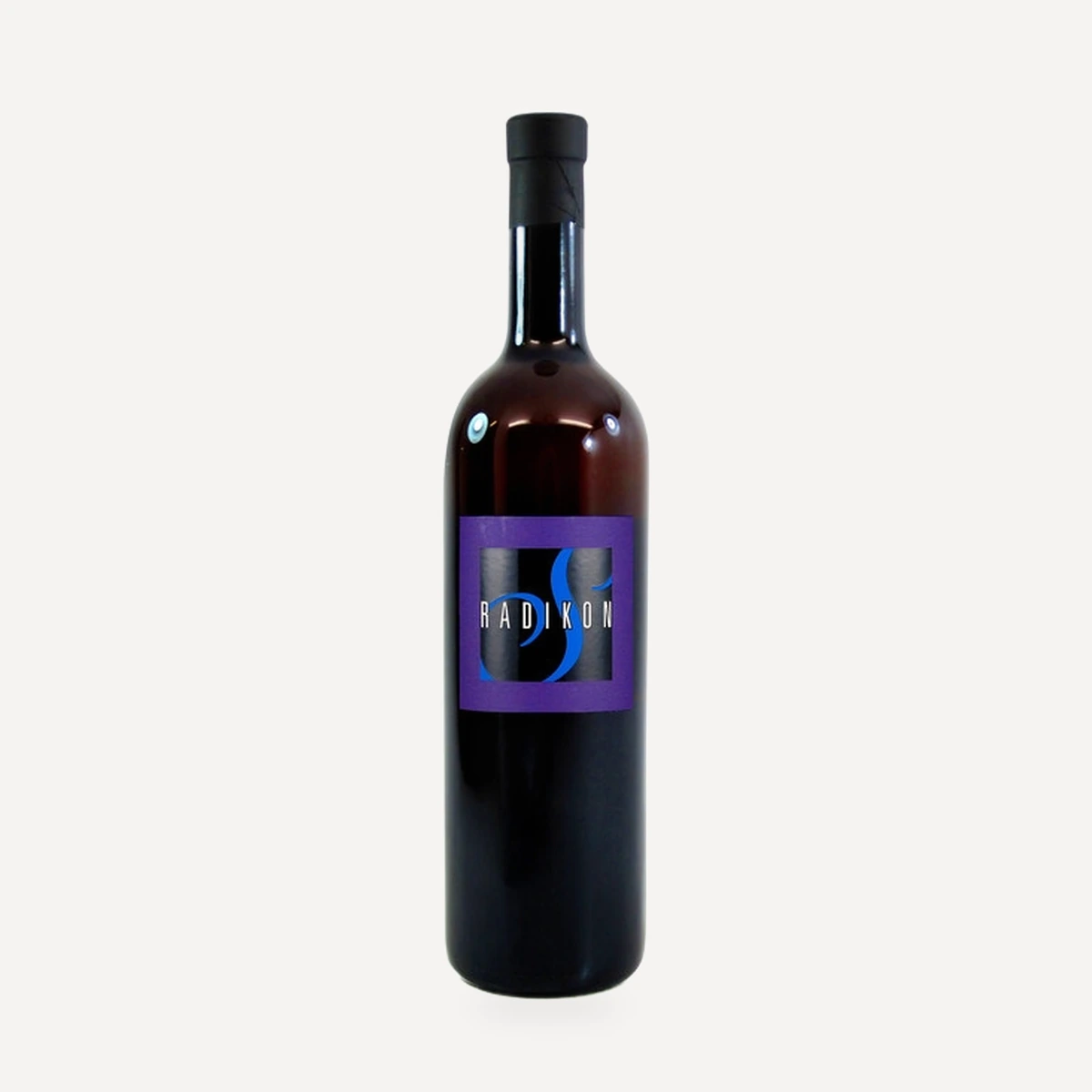
S Pinot Grigio
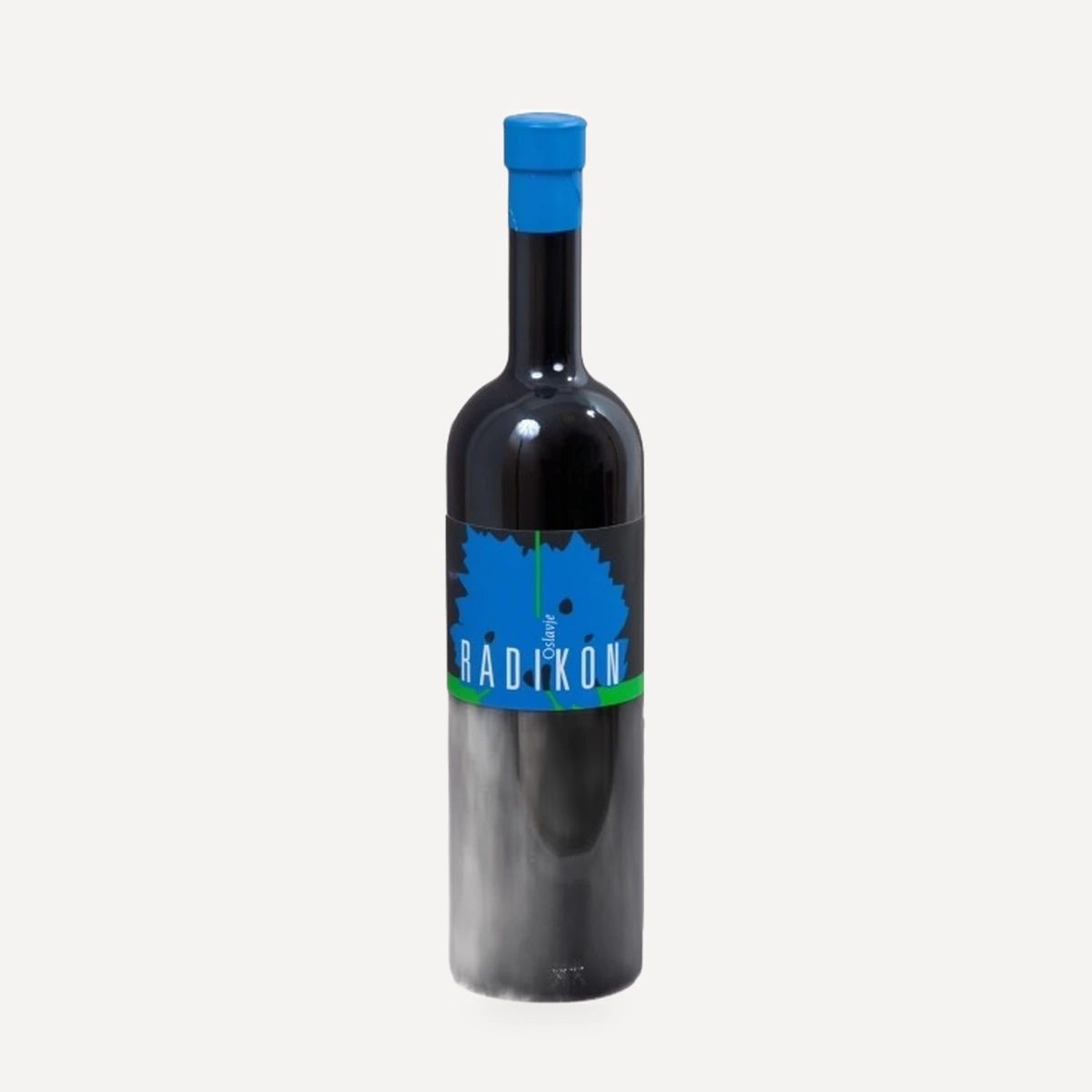
Oslavje
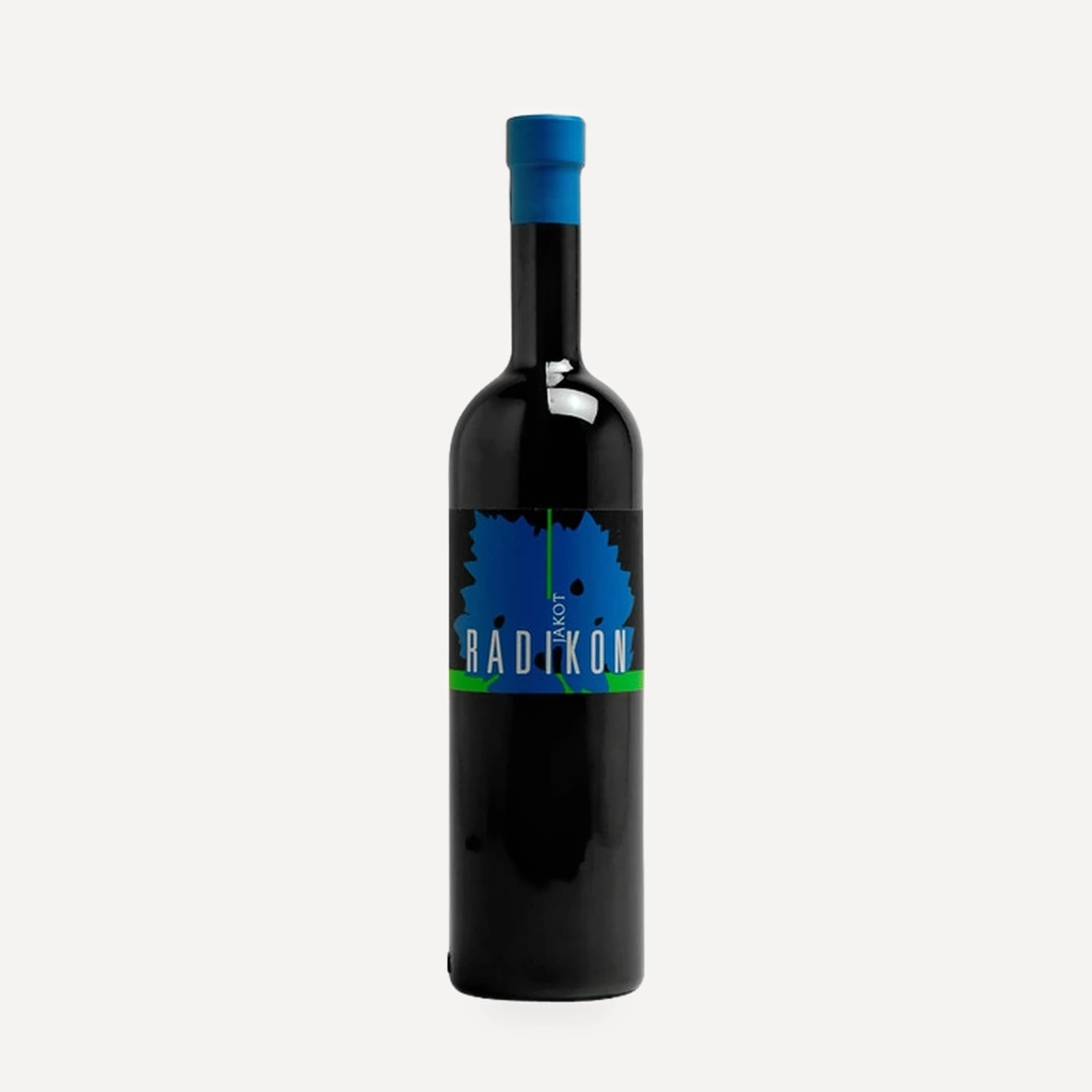
Jakot
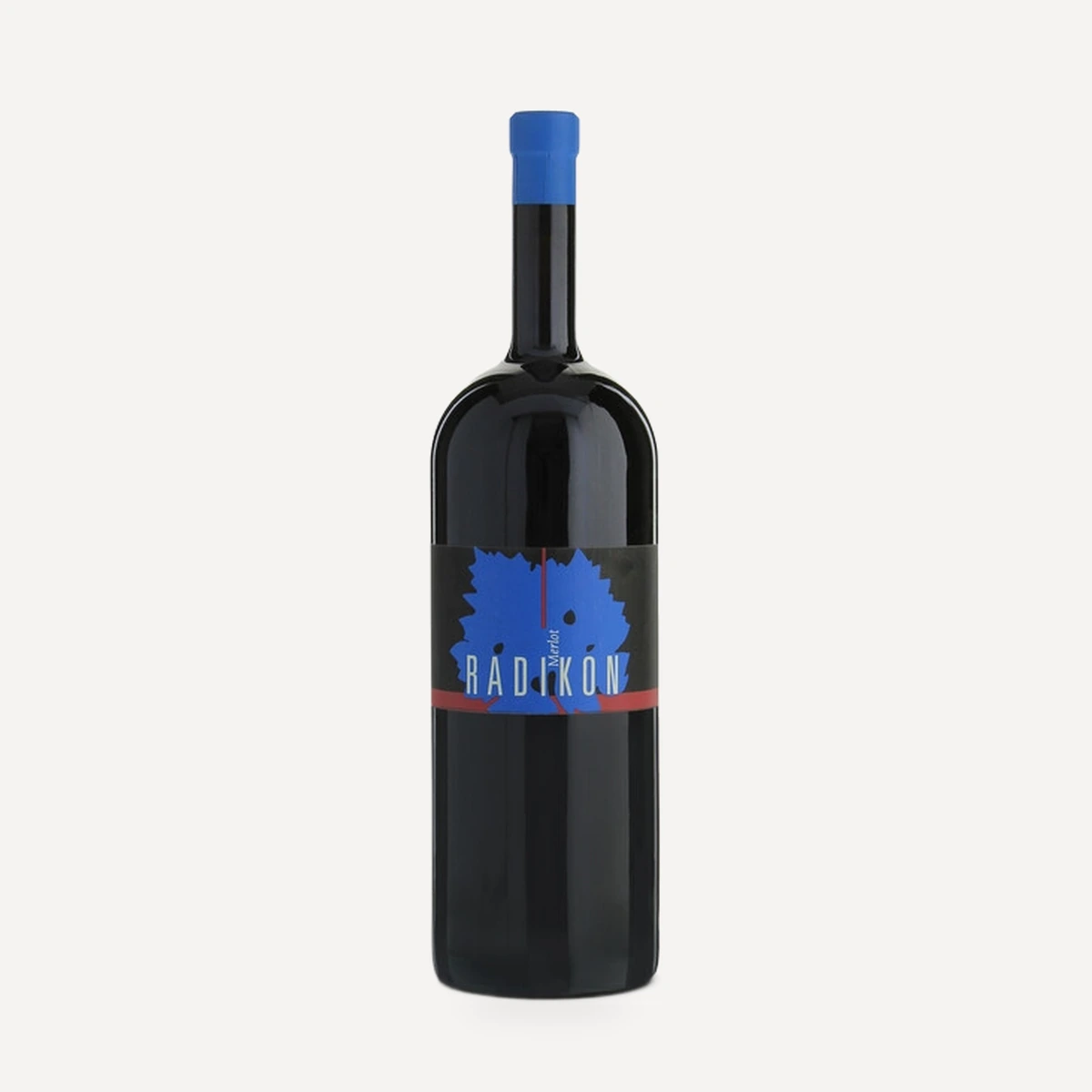
Merlot